
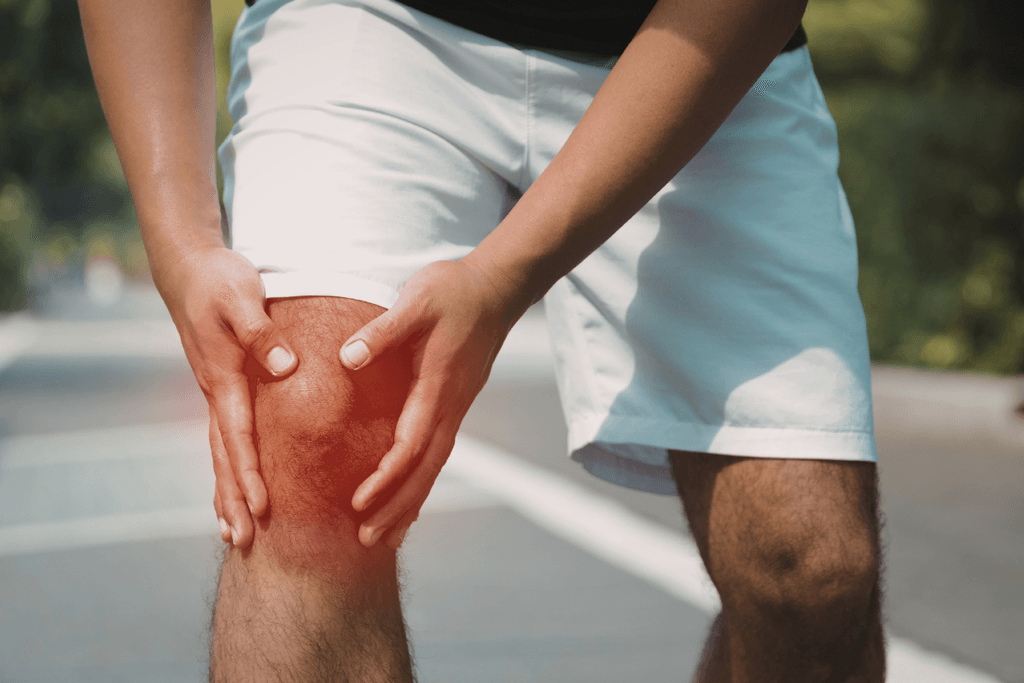
La mayoría de lo que se escribe sobre el dolor anterior de rodilla abarca lo mismo: qué es, por qué ocurre y una lista general de cosas que ayudan. Lo que suele pasarse por alto es lo que la gente realmente necesita una vez que se les ha diagnosticado el problema: una idea clara de cómo será la recuperación semana a semana. Tratamiento del síndrome patelofemoral No se trata solo de elegir los ejercicios adecuados, sino de progresar a través de ellos en el orden correcto y al ritmo adecuado.
Ahí radica el problema de muchas personas. O bien hacen demasiado ejercicio demasiado pronto y el dolor reaparece de inmediato, o bien se estancan realizando los mismos ejercicios suaves durante meses sin desarrollar la fuerza y la tolerancia a la carga necesarias para retomar su actividad normal.
La afección en sí —conocida clínicamente como síndrome de dolor patelofemoral y a menudo apodada rodilla de corredor, aunque también la padecen muchas personas que no corren— suele responder bien a un enfoque estructurado. Lo que diferencia una recuperación sin complicaciones de una recuperación frustrante que dura meses es casi siempre la secuencia de las fases de rehabilitación, no los ejercicios específicos que se incluyen en la lista.
Fase uno: Calmar las cosas
La primera etapa de la recuperación no se centra en ganar fuerza, sino en reducir la irritación lo suficiente como para que sea posible realizar ejercicios de fortalecimiento. Esta fase suele centrarse en el descanso relativo de los movimientos específicos que provocan dolor (sentadillas profundas, subir escaleras, estar sentado durante mucho tiempo con la rodilla flexionada), ejercicios suaves de amplitud de movimiento para evitar la rigidez articular y ejercicios isométricos de baja carga que activan los cuádriceps sin sobrecargar la rótula.
Esta fase suele durar de una a tres semanas en casos recientes, aunque en casos más prolongados puede tardar más en resolverse. El objetivo no es eliminar por completo las molestias —un dolor leve y que no empeore durante la actividad es generalmente aceptable—, pero un dolor que persiste durante horas o que empeora progresivamente día a día es señal de que la carga actual sigue siendo excesiva.
Fase dos: Reconstruyendo los cimientos
Una vez que el dolor se ha estabilizado en un nivel manejable, el enfoque se centra en el fortalecimiento progresivo, principalmente de los cuádriceps y los músculos estabilizadores de la cadera, ya que la debilidad en estas áreas es una de las causas más frecuentes de una mala alineación de la rótula. En esta fase se introducen ejercicios de cadena cinética cerrada, como sentadillas parciales, subidas al escalón y zancadas controladas, aumentando gradualmente el rango y la carga a medida que mejora la tolerancia.
Un criterio razonable para superar esta fase es poder realizar los ejercicios de fortalecimiento del tronco con un rango de movimiento más amplio y sin dolor durante o inmediatamente después. Apresurarse en esta etapa es una de las razones más comunes por las que las personas vuelven a sufrir recaídas: el tejido necesita una carga gradual y constante para adaptarse, y adelantarse antes de que se produzca esa adaptación suele ser contraproducente.
Esta es también la fase en la que muchas personas abandonan discretamente el tratamiento adecuado para el síndrome patelofemoral. El aumento de fuerza es más lento y menos drástico que el alivio del dolor, por lo que resulta tentador cantar victoria una vez que desaparece la molestia y retomar la actividad normal de inmediato; precisamente así es como el mismo problema de alineación termina reapareciendo unos meses después.
Fase tres: Reintroducción de la carga
Aquí es donde la rehabilitación comienza a parecerse más a la actividad real que la persona intenta retomar: correr, saltar, cambiar de dirección o realizar movimientos específicos del deporte. El trabajo pliométrico, los ejercicios de control de una sola pierna y una progresión gradual para volver a la actividad (aumentando la distancia, la intensidad o la frecuencia en pequeños incrementos en lugar de volver de golpe al volumen de entrenamiento anterior) son apropiados en esta etapa.
Aquí también se aplica directamente un principio general que conviene conocer sobre la rehabilitación de la rodilla, y es uno de los aspectos más olvidados en el tratamiento del síndrome patelofemoral: el tejido se adapta bastante bien a los aumentos de carga de aproximadamente 10% por semana, mientras que los saltos mayores son donde se producen la mayoría de los contratiempos. Por ejemplo, a alguien que vuelve a correr después de sufrir dolor patelofemoral le suele ir mejor un aumento gradual de kilometraje semana a semana que retomar directamente su programa anterior una vez que los síntomas son manejables.
Dónde suele equivocarse la gente
En los casos que tardan más de lo previsto en resolverse, se observan ciertos patrones recurrentes. Uno de los más comunes es avanzar de fase según el calendario en lugar de la preparación real: aumentar la carga simplemente porque "han pasado tres semanas" en vez de porque se hayan cumplido los criterios. Otro patrón frecuente es interrumpir el fortalecimiento de los cuádriceps en cuanto desaparece el dolor, lo que deja sin tratar la debilidad subyacente que causó el problema y aumenta la probabilidad de una recaída.
Otro error frecuente es tratar la fisioterapia y el entrenamiento diario como procesos separados, en lugar de coordinarlos. Realizar correctamente los ejercicios de rehabilitación dos veces por semana no compensa cinco días con el mismo patrón de movimiento agravante que originó el problema. La rehabilitación debe modificar lo que sucede durante el resto de la semana, no simplemente seguir el mismo patrón sin cambios.
Cómo saber si realmente estás listo
Estar libre de dolor no es lo mismo que estar listo. Un indicador más útil es si la persona puede realizar movimientos específicos del deporte —cambios de dirección, saltos, carreras sostenidas— a máxima intensidad sin dolor durante, inmediatamente después o al día siguiente, en varias sesiones en lugar de solo una. La fuerza también debe ser razonablemente simétrica entre ambas piernas, ya que un déficit persistente en el lado afectado suele propiciar que el problema reaparezca una vez que se reanude el entrenamiento.
También es importante prestar atención a la confianza, no solo a la preparación física. Los atletas y las personas activas que aún protegen o favorecen la pierna, incluso sin debilidad apreciable, suelen beneficiarse de una exposición gradual antes de retomar la actividad física completa y sin restricciones.
Cuando el apoyo adicional ayuda
La mayoría de las personas superan estas fases con un plan estructurado y un seguimiento constante, idealmente con la guía de un fisioterapeuta en lugar de seguir un protocolo genérico. Sin embargo, en los casos en que la mejoría se estanca a pesar de realizar la rehabilitación correctamente, o para quienes padecen un dolor anterior de rodilla más persistente y crónico, conviene realizar una evaluación más detallada y explorar otras opciones de tratamiento, incluyendo la posibilidad de aplicar enfoques más avanzados, en lugar de seguir actuando a ciegas.
La conclusión práctica
El tratamiento eficaz del síndrome patelofemoral no se trata tanto de encontrar un ejercicio perfecto, sino de seguir una secuencia: calmar la irritación, recuperar la fuerza perdida y luego reintroducir la carga de forma gradual, de manera que el tejido pueda soportarla. Saltarse pasos o estancarse sin progresar son las dos causas más comunes de que las personas terminen lidiando con este problema durante mucho más tiempo del necesario.
Al abordarse por fases, con criterios claros para pasar de una etapa a la siguiente en lugar de un cronograma fijo, la mayoría de las personas recuperan su plena actividad en cuestión de meses, y con un riesgo significativamente menor de que el mismo dolor reaparezca una vez que lo hagan.