טיפול בחמצן היפרברי לאחר ניתוח קוסמטי: האם זה באמת מאיץ את הריפוי?
תשובה מהירה (עודכן באוגוסט 2026): לטיפול בחמצן היפרברי (HBOT) יש רפואה אמיתית ומבוססה - שאיפת חמצן טהור בלחץ גבוה פי 1.5-3 מהלחץ הרגיל מעלה באופן מדיד את רמת החמצן ברקמות, תומכת בגדילת כלי דם חדשים ועוזרת לשרוד רקמות מתקשות, ולכן השתלות עור ומתלים פגועים הם אינדיקציה קלינית מוכרת. עבור החלמה שגרתית מניתוח קוסמטי, הראיות דלות יותר: מחקרים מבטיחים אך קטנים, אינם הוכחה לריפוי מהיר יותר עבור כולם. העמדה הכנה: HBOT ניתן להגנה הטובה ביותר כאשר הריפוי מאוים או בסיכון גבוה (מעשנים, רקמות פגועות, הליכים גדולים), ביטוח אופציונלי לכולם. המפגשים נמשכים 60-90 דקות, הקורסים בדרך כלל נמשכים 5-20 מפגשים, ושימוש אלקטיבי למעשה אינו מכוסה על ידי הביטוח. כך תחליטו האם טיפול בחמצן היפרברי לאחר ניתוח שייך לתוכנית ההחלמה שלכם.
 צ'אט GPT
סקירה כללית של HBOT
| מה זה | שאיפת חמצן 100% בתא בלחץ אטמוספרי של פי 1.5-3, בפגישות של 60-90 דקות |
|---|---|
| שימוש מבוסס | שתלי עור ומתלים פגומים - אינדיקציה קלינית מוכרת ברפואה היפרברית |
| שימוש לא מוכח | האצת החלמה שגרתית בחולים בריאים - מנגנונים מבטיחים, מחקרים קטנים |
| המקרים החזקים ביותר | מעשנים ומעשנים לשעבר, הליכים משולבים גדולים, ניתוחים חוזרים, החלמה איטית בעבר |
| קורס טיפוסי | 5-20 מפגשים, יומיים או כמעט יומיים בחלון ההחלמה המוקדם |
| ביטוח | שימוש אלקטיבי בהחלמה למעשה אינו מכוסה כלל; אינדיקציות מוכרות הן לעתים קרובות, בבית |
מה זה HBOT וכיצד פועלת סשן
טיפול בחמצן היפרברי פירושו שאיפת חמצן 100% בתוך תא בלחץ אטמוספרי גבוה פי 1.5-3 מהלחץ האטמוספרי הרגיל - שילוב שממיס הרבה יותר חמצן ישירות לתוך פלזמת הדם שלך מאשר שאיפת אוויר בחדר אי פעם.
הפגישה עצמה אינה דרמטית. אתם שוכבים או יושבים בתא צלול (או בחדר מרובה אנשים במרכזים גדולים יותר), הלחץ עולה במשך מספר דקות - אתם מרגישים אותו באוזניים בדיוק כמו טיסה יורדת, ומשתווה באותו אופן - ואז אתם פשוט נושמים במשך 60-90 דקות תוך כדי צפייה במסך או נמנום. הלחץ חוזר לנורמה, ואתם עוזבים ללא זמן השבתה. צפו שכללי בטיחות האש של המרכז יהיו מחמירים ובלתי ניתנים למשא ומתן: סביבות חמצן טהור פירושן שאין טלפונים או מכשירים אלקטרוניים בפנים, בגדים מכותנה מסופקים או נדרשים, ואין מוצרים מבוססי נפט על העור - אי נוחות קלה שהן בעצמן סימן שאתם נמצאים במתקן המנוהל כראוי. הנקודה הפיזיולוגית היא שחמצן מומס בפלזמה מגיע לרקמה שנימים נפוחים, פגומים או בעלי אספקה גרועה מתקשים להזין - דווקא הרקמה בקצוות של פצע כירורגי, שתל או מתלה. קורס, לא פגישה אחת, הוא מה שמייצר את ההשפעות הביולוגיות החשובות.
הראיות: אספקת חמצן, ריפוי פצעים והישרדות השתל
העדות החזקה ביותר ל-HBOT בריפוי כירורגי נמצאת בדיוק במקום שבו הייתם מצפים לה: רקמה בצרות אמיתיות. שתלי עור ופגיעות - רקמה שאספקת הדם שלה כושלת - הן אינדיקציה מוכרת שאושרה על ידי גופים מקצועיים של רפואה היפרברית, עם סקירות קליניות (לדוגמה, בספרות הכירורגיה הפלסטית) תמיכה בשיפור הישרדותם של שתלים בסכנת הכחדה כאשר HBOT מתחיל במהירות.
המנגנונים מתועדים היטב: היפר-חמצון שומר על רקמה חסרת חמצן בחיים בזמן שמתפתחת אספקה חדשה; טיפולים חוזרים מגרים אנגיוגנזה (צמיחה נימית חדשה) וסינתזת קולגן, שהם הבסיס לתיקון פצעים; סביבת הלחץ מפחיתה נפיחות תוך שמירה על חמצן ברקמה; ולחץ חמצן גבוה משפר את הריגת חיידקי התאים הלבנים, ותומך בבקרת זיהומים. מה הראיות עושות. לֹא אך הראיה היא ש-HBOT מאיץ באופן משמעותי את הריפוי בניתוחים קוסמטיים שגרתיים ולא מסובכים אצל מטופלים בריאים - המחקרים שם קטנים ומוקדמים (מחקר אחד על מתיחת פנים דיווח על זמן ריפוי קצר יותר של הפצע, אך במדגם מוגבל), ו ביקורות על ניתוחי מתלים קוראים לניסויים טובים יותר. מרפאה כנה אומרת לך את שני החצאים: תרופה אמיתית לריפוי מאוים, בונוס סביר אך לא מוכח לריפוי תקין.
היכן HBOT מסייע בניתוחים אסתטיים: מתיחות בטן, שומן BBL, השתלות שיער ומעשנות
בהחיל על הליכים קוסמטיים, ההיגיון של הראיות ממיין מטופלים ל"שווה בבירור דיון" ו"תוספת אופציונלית" - וכדאי לדעת מי מהם אתה.
לאחר א מתיחת בטן או שילוב גדול כמו מהפך לאמא, האזור הפגיע הוא החתך הארוך והעור שבין עצמות הירך - רקמה בקצה הרחוק של אספקת הדם שלה. אם הריפוי מתעכב או שהרקמה נראית פגומה, HBOT הוא כלי קליני אמיתי שהמנתח שלך עשוי להמליץ עליו; כמניעה שגרתית אצל בריאים שאינם מעשנים, זהו אופציונלי. לאחר א BBL, שומן שהועבר שורד על ידי גידול אספקת דם חדשה בשבועות הראשונים שלו - מבחינה ביולוגית אותו אתגר כמו שתל - ולכן תמיכה בחמצן מושכת מבחינה מכניסטית לשמירת שומן, אם כי ראיות מניסויים ישירים מוגבלות; התייחסו בספקנות לטענות על הישרדות שומן גבוהה יותר מובטחת. לאחר א השתלת שיער, כל שתל הוא פשוטו כמשמעו מיקרו-שתל המקים אספקת דם, וחלק מהמרפאות מציעות HBOT לתמיכה בלקיחת השתל ובריפוי הקרקפת - מנגנון סביר, עדויות מוקדמות. למעשנים ולמעשנים לשעבר, הטיעון הוא החזק מכולם: פגיעה במחזור הדם עקב ניקוטין היא גורם מוביל לבעיות ריפוי פצעים בניתוחים אסתטיים, ותמיכה בחמצן מכוונת ישירות לגירעון זה - אם כי הפסקה כראוי נותרה שווה יותר מכל חדר ניתוחים. אותו היגיון של סיכון מוגבר חל על חולי סוכרת מאוזנים היטב, מקרים חוזרים שניתחו דרך רקמה מצולקת, וחולים שניתוחיהם הקודמים החלימו באיטיות: כל מי שהמיקרו-מחזור הדם שלו מתחיל את המירוץ מאחור הוא המטופל שעבורו טיפול בחמצן מרוויח את מחירו.
טיפול בחמצן היפרברי לאחר ניתוח: מפגשים, פרוטוקולים ועלויות
קורס HBOT טיפוסי לאחר ניתוח נמשך 5-20 מפגשים בני 60-90 דקות בטמפרטורה של כ-2 אטמוספרות, ומתקיימים מדי יום או כמעט מדי יום בשבועות הראשונים שלאחר הניתוח - חלון הזמן בו השתלים נצברים וחתכים נסגרים.
שלוש הערות מעשיות. ראשית, תזמון: עבור תמיכה בהישרדות שתל או שומן, הימים הראשונים חשובים ביותר, לכן מתוכנן קורס עם הניתוח, ולא נוסף אליו בשבוע הרביעי; עבור פצעים בסכנת הכחדה, הוא מתחיל כאשר הבעיה מזוהית. שנית, עלות: המחירים משתנים מאוד בהתאם למדינה ולמרכז - בדרך כלל כמה מאות דולרים לפגישה בארה"ב ובבריטניה, פחות משמעותית באיסטנבול - כך שקורס מרובה מפגשים הוא מסגרת תקציבית אמיתית שכדאי לקבל הצעת מחיר מראש. שלישית, ביטוח: התוויות רפואיות מוכרות (פצעים בעייתיים, שתלים פגועים) מכוסות לרוב בבית; אופטימיזציה אלקטיבית של החלמה לאחר ניתוח קוסמטי למעשה אינה מכוסה בשום מקום. קבל את מספר המפגשים, פרוטוקול הלחץ והמחיר הכולל בכתב, בדיוק כפי שהיית עושה עבור הניתוח עצמו.
בחרו את התא כפי שבחרתם את המנתח. שאלו כל מרכז ארבעה דברים: האם רופא שהוכשר ברפואה היפרברית מפקח על טיפולים (ולא רק טכנאי המפעיל מכונה); איזה לחץ ישתמש הפרוטוקול שלכם, ומדוע; האם זהו תא קליני קשיח המגיע ללחצי טיפול אמיתיים ולא תא רך "בריאות" בלחץ נמוך, המספק חלק קטן מהמינון עליו מבוססות הראיות; ומהו נוהל החירום שלהם. גרסת הבריאות-ספא של HBOT פרצה, והתאים המתנפחים שלה בלחץ בקושי מעל ללחץ הסביבה אינם הטיפול שמאמר זה מתאר - אם אתם משלמים עבור תמיכה לאחר ניתוח, ודאו שאתם קונים את הגרסה הרפואית.
HBOT עבור מטופלי Vivid Clinic באיסטנבול
באיסטנבול הקימה מרכזים לרפואה היפרברית, וניתן לארגן טיפול HBOT סביב שהייה כירורגית במרפאת Vivid כאשר המנתח שלך רואה בכך תועלת.
הדרך להשתמש בזה בצורה נכונה: העלו את זה בייעוץ, לא אחרי הניתוח. אם אתם מרפאים בסיכון גבוה - מעשנים או מעשנים לשעבר, ניתוח בנפח גדול או משולב, מקרה חוזר, או מישהו שניתוחים קודמים שלו החלימו לאט - ספרו לצוות הניתוח, והשאלה "האם קורס HBOT שווה לשלב בשבוע ההחלמה שלי?" תענה עם תוכנית ומחיר ולא עם כתפיים. אם אתם בריאים ולא מעשנים שעוברים הליך שגרתי, צפו לתשובה כנה מהמאמר הזה: סביר מאוד שגופכם ירפא מצוין מעצמו, והתא הוא נוחות, לא הכרח. כך או כך, ההחלטה שייכת לתוכנית הניתוחית שלכם - בפיקוח הצוות האחראי על התוצאה שלכם, כמו כל דבר אחר בהחלמה שלכם.
האם HBOT בטוח? תופעות לוואי ומי צריך להימנע ממנו
טיפול HBOT בפיקוח בלחצים קליניים סטנדרטיים נחשב בטוח, כאשר תופעת הלוואי הנפוצה ביותר היא בדיוק מה שטיסה גורמת לך: לחץ באוזן, שלעתים מתקדם לבארוטראומה קלה אם אינך יכול לאזן.
תופעות פחות שכיחות כוללות שינויים זמניים בראייה (קוצר ראייה קל שחולף לאחר הקורס), עייפות לאחר טיפולים, ו-נדיר בלחצים קליניים - רעילות חמצן המשפיעה על מערכת העצבים, ופרוטוקולים בפיקוח נועדו למנוע. יש אנשים שפשוט מוצאים את החדרים קלסטרופוביים; חדרים גדולים יותר עם מספר מקומות, מלווה לטיפול היכן שמרכזים מאפשרים זאת, ותקשורת יציבה עם המפעיל בדרך כלל פותרים זאת. הערה ספציפית לטיול עבור תיירים רפואיים: HBOT וטיסה שניהם כרוכים בשינויי לחץ, אך הם אינם מתנגשים - ניתן לתאם טיפולים עד יום היציאה שלך, והערכת הכשירות לטיסה שלך אינה מושפעת מקורס שהושלם. HBOT נמנע לחלוטין במצבים מסוימים - ריאה קרסה שלא טופלה מעל הכל, בתוספת כמה תרופות כימותרפיות ומצבי אוזניים או ריאה ספציפיים - ולכן שאלון סינון קודם לכל קורס, ומדוע "מרכז בפיקוח רפואי" הוא דרישה, לא העדפה.
שאלות נפוצות
כמה טיפולי HBOT אני צריך לאחר ניתוח?
קורסים אופייניים לאחר ניתוח נמשכים 5-20 מפגשים בני 60-90 דקות, המתוכננים מדי יום או כמעט מדי יום בחלון ההחלמה המוקדם. תמיכה בשתל או פצע בסכנת הכחדה נמצאת בקצה הגבוה יותר; תמיכה אופציונלית בהחלמה נמצאת בקצה הנמוך יותר. המנתח והרופא ההיפרבארי קובעים את הסכום המדויק - יש לקבל אותו, ואת העלות הכוללת, בכתב.
האם טיפול בחמצן היפרברי בטוח?
בלחצים קליניים סטנדרטיים תחת פיקוח רפואי, כן - תופעת הלוואי הנפוצה היא לחץ באוזניים כמו בירידת טיסה, עם שינויים זמניים בראייה ועייפות לאחר הטיפול אפשריים לאורך כל הקורס. תופעות לוואי חמורות הן נדירות בחולים שנבדקו, ולכן בדיקות סקר (שלילת מצבים כמו ריאה קרסה שלא טופלה) מגיעות במקום הראשון ולכן יש לפנות רק למרכזים רפואיים בפיקוח.
האם הביטוח מכסה HBOT לאחר ניתוח קוסמטי?
לא עבור אופטימיזציה של החלמה אלקטיבית - זהו תשלום עצמי בכל מקום. קיים כיסוי בבית עבור אינדיקציות רפואיות מוכרות כגון פצעים בעייתיים ושתלים פגועים, כך שאם מתעורר סיבוך ריפוי אמיתי לאחר חזרתך, טיפול HBOT עשוי לעבור מ"טיפול נוסף" ל"טיפול מכוסה" - הרופאים המקומיים שלך יכוונים זאת.
האם HBOT משפר את שרידות שומן ה-BBL או את נטילת השתלת שיער?
המנגנון סביר - שתלי שומן ושיער שהועברו שורדים על ידי בניית אספקת דם חדשה, דבר שתמיכה בחמצן מקדם - וזו בדיוק הסיבה שחלק מהמרפאות מציעות זאת. עדויות מניסויים ישירים עדיין מוגבלות, לכן התייחסו אליהם כתמיכה סבירה במקרים בסיכון גבוה וכתוספת אופציונלית אחרת, לעולם אל תערובו לשמירה גבוהה יותר.
האם ניתן לבצע HBOT לפני הניתוח במקום אחריו?
טיפול מקדים הוא תחום מחקר אמיתי - רקמה מוכנה בחמצן עשויה לסבול את הלחץ של הניתוח טוב יותר - אך חלון הזמן שלאחר הניתוח מכיל ראיות חזקות יותר והוא נותר ההמלצה הסטנדרטית כאשר משתמשים בכלל ב-HBOT. אם המנתח שלך מציע טיפולים משני צידי הניתוח במקרה בסיכון גבוה, זוהי תוכנית ראויה להגנה; התחלה מפגישות טרום ניתוח בלבד, ביוזמתך, אינה המקום אליו מצביעות הראיות.
המשך לקרוא
- BBL באיסטנבול: תקני בטיחות, עלויות אמיתיות והתאוששות בשנת 2026
- עיצוב גוף לאחר הריון באיסטנבול: המדריך המלא למהפך לאמהות
- השתלת שיער במרפאת Vivid - סקירת טיפולים
תוצאות לפני ואחרי
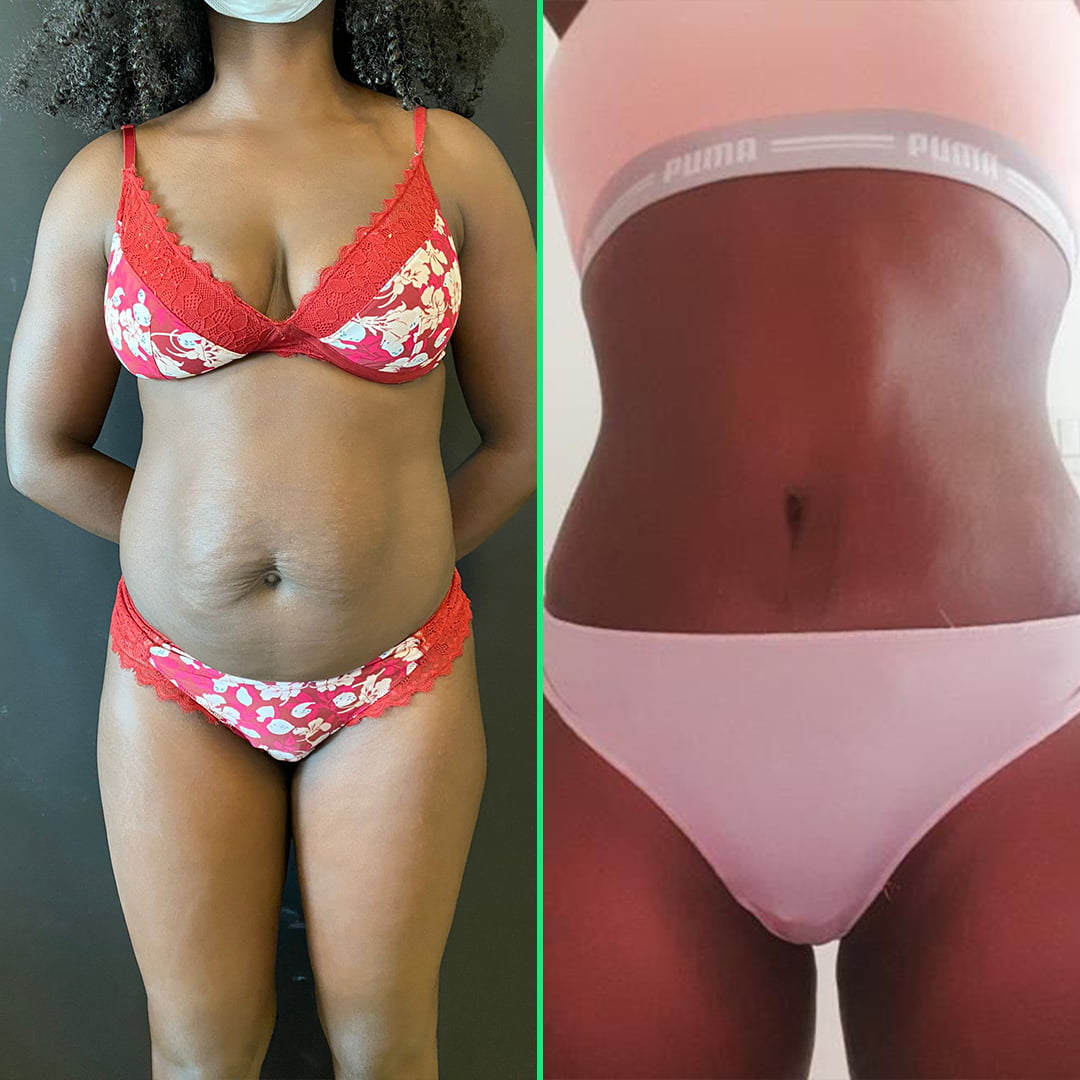

ריפוי טוב הוא החצי השקט של כל תוצאה טובה - ראו תוצאות ריפוי מלאות ב גלריית לפני ואחרי Vivid Clinic.
בקשו ייעוץ חינם
מתכנן ניתוח ותוהה האם HBOT שייך להחלמה שלך? שאל אצלך ייעוץ מקוון חינם — צוות הכירורגי של Vivid Clinic יגיד לך האם פרופיל הסיכון שלך מצדיק טיפול רפואי, ויתמחר אותו בתוכנית שלך אם כן. שלח לנו הודעה ב- וואטסאפ, התקשרו +90 545 742 3565, או השתמשו בטופס למטה עבור ייעוץ חינם עם מנתח פלסטי.
מקורות
הצהרת אחריות בנוגע למידע רפואי: מדריך זה הוא מידע כללי למטופלים בינלאומיים, אינו ייעוץ רפואי, והוא אינו מחליף ייעוץ או בדיקת פצע. הראיות ל-HBOT משתנות בהתאם לאינדיקציה כמתואר לעיל, והאם טיפול מתאים לך נתון להחלטה של המנתח המטפל שלך ושל רופא ההיפרברי. הוראות המנתח המטפל שלך תמיד גוברות על הנחיות כלליות שקראת באינטרנט - כולל דף זה. פנה לעזרה רפואית דחופה עבור סימני אזהרה כגון כאבים בחזה, קוצר נשימה, דימום כבד, אדמומיות מתפשטת או חום לאחר כל ניתוח.