
For patients considering cosmetic surgery, understanding the potential breast augmentation side effects is not just important—it is the most critical part of the decision-making process. You have valid questions: Is plastic surgery safe? What are the negative effects? What materials are used, and does it hurt? At Vivid Clinic in Istanbul, Turkey, we believe that a transparent, honest conversation about these topics is the foundation of a successful and empowering patient journey. We are here to demystify the process and provide you with clear, comprehensive information so you can move forward with confidence.
This guide is dedicated to answering your most pressing questions. We will explore what breast implants are truly made of, what you can expect during recovery, and the full spectrum of potential risks—from common, temporary issues to rare but significant complications. More importantly, we will explain how choosing a world-class facility like Vivid Clinic, with its elite surgeons and unwavering commitment to safety, fundamentally changes the equation, ensuring your health and beautiful, natural-looking results are our paramount objectives.
What is Breast Augmentation? More Than Just an Implant
Breast augmentation, clinically known as augmentation mammaplasty, is a surgical procedure designed to increase breast size, improve breast shape, and restore breast volume lost after pregnancy or weight loss. It is one of the most popular cosmetic procedures worldwide precisely because it addresses a core aspect of feminine identity and body proportionality.
But what does plastic surgery do to your body in this case? It involves placing breast implants—or in some cases, using fat transferred from another part of your body—to achieve the desired contour. The goal of a skilled surgeon at Vivid Clinic isn’t just to make breasts larger, but to create a result that is in beautiful harmony with your unique anatomy and aesthetic goals.
What Are Breast Implants Made Of? Answering a Core Question
This is one of the most common and important questions patients ask. Modern breast implants are sophisticated medical devices that have been extensively studied and refined over decades. They consist of a silicone outer shell and are filled with one of two materials:
Silicone Gel Implants
These are the most popular type of implant. They are pre-filled with a cohesive silicone gel that holds a uniform shape and closely mimics the feel of natural breast tissue. If a silicone implant were to rupture, the gel typically remains within the implant shell or the surrounding scar tissue capsule, which is a significant safety feature of modern “gummy bear” implants.
Saline Implants
Saline implants have a silicone outer shell but are filled with sterile salt water (saline) after they have been placed in the body. This allows for a slightly smaller incision. If a saline implant ruptures, the shell will deflate, and the saline solution is harmlessly absorbed by the body. The loss of volume will be immediately noticeable.
Both types of implants are approved by major health authorities like the FDA in the United States and carry the CE mark in Europe, signifying they meet rigorous safety and performance standards. At Vivid Clinic, we exclusively use premium, internationally-recognized implant brands to ensure the highest quality for our patients.

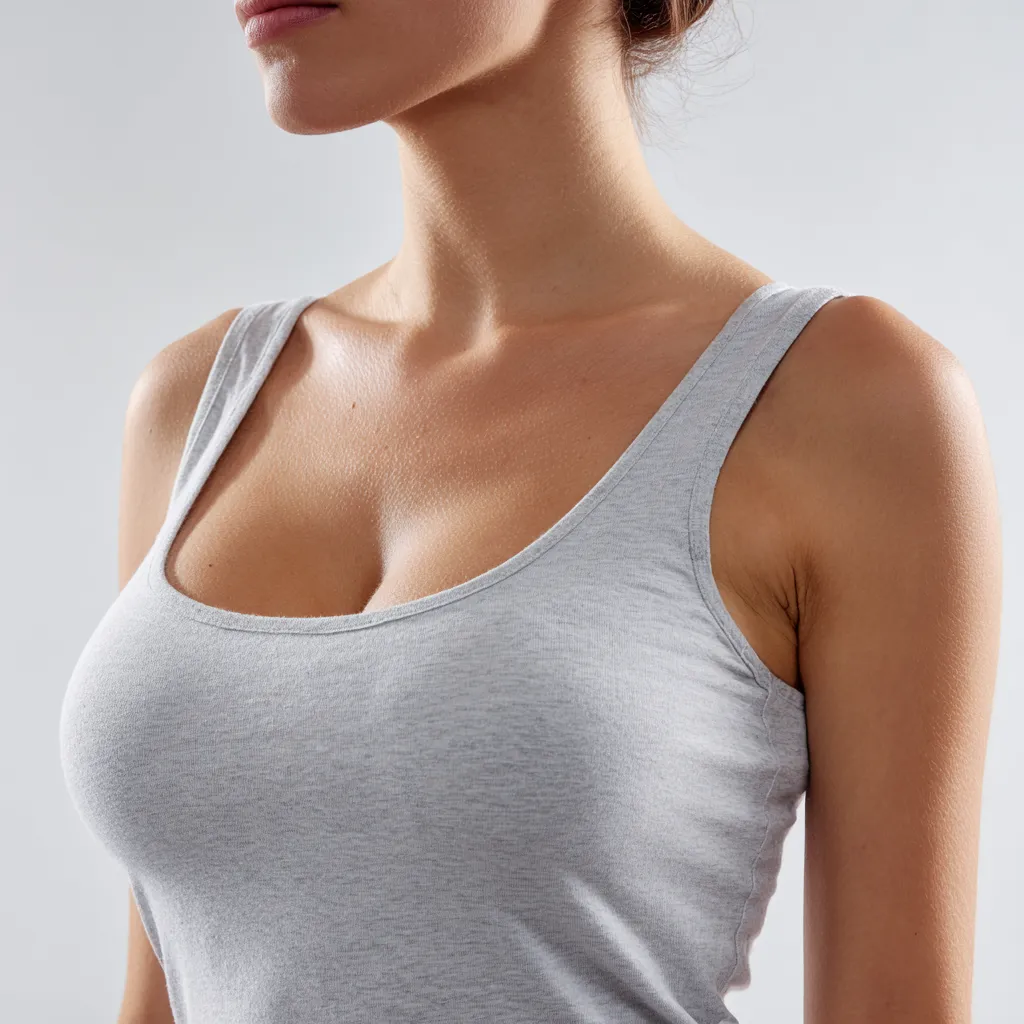
Breast Augmentation Procedure: A Quick Overview
Understanding the timeline can help ease anxieties about the process. Here is a realistic overview of what to expect.
| Aspect | Details |
| Duration of Process | 1–2 hours |
| Hospitalization Duration | Typically an outpatient procedure (0 nights); 1 night for observation if needed |
| Mobility Duration | Restricted arm movement for 1-2 days; light walking encouraged immediately |
| Return to Activity | Desk jobs and light activities: 7–10 days; Strenuous exercise/heavy lifting: 4–6 weeks |
| Complete Recovery | Initial healing in 6-8 weeks; Final implant “drop and fluff” position: 3–6 months |
| Anticipated Results | Immediate size increase; Final shape and feel settles over several months |
Export to Sheets
Common and Expected Breast Augmentation Side Effects (The Healing Process)
Does plastic surgery hurt? Yes, you can expect some discomfort as part of the healing process. However, it’s temporary and well-managed. The following side effects are a normal part of recovery.
Pain, Swelling, and Bruising
This is the body’s natural response to surgery. You will experience moderate pain for the first few days, which is effectively controlled with prescribed medication. Swelling and bruising are also most prominent in the first week. Wearing your surgical bra (compression garment) is essential to minimize swelling and support the implants as they settle.
A Feeling of Tightness and Changes in Sensation
Your chest will feel tight, as if you’ve done a strenuous workout. This is due to the skin and muscles stretching to accommodate the new implants. You may also experience temporary changes in nipple and breast sensation, ranging from hypersensitivity to numbness. In most cases, normal sensation returns over several months as the nerves heal.
Visible Scarring
Scarring is an unavoidable part of any surgery. However, our surgeons are experts in minimizing its appearance. Incisions are strategically placed in the breast crease (inframammary), around the areola (periareolar), or in the armpit (transaxillary) to be as concealed as possible. Over time, these scars will fade significantly, and we will provide you with a scar management plan to promote optimal healing.
A Transparent Look at Potential Complications and Long-Term Risks
Is cosmetic surgery dangerous? While breast augmentation is overwhelmingly safe, it is a major surgery, and potential complications exist. Being aware of them is key. At Vivid Clinic, we mitigate these risks through meticulous surgical technique and patient education.
Capsular Contracture
This is the most common complication specific to breast implants. The body naturally forms a scar tissue capsule around any foreign object, including an implant. In some cases, this capsule can tighten and squeeze the implant, causing the breast to feel hard, look distorted, or become painful. Treatment can range from medication to surgery to remove the capsule and possibly replace the implant.
Implant Rupture or Leakage
While uncommon with modern implants, it is possible for an implant to rupture.
- Saline Rupture: The implant deflates quickly, and the harmless saline is absorbed. The change is obvious.
- Silicone Rupture: Known as a “silent rupture,” the cohesive gel often stays within the capsule. You may not notice any change. This is why periodic monitoring with an MRI or ultrasound is recommended by health authorities.
Implant Malposition
This refers to the implant moving from its intended position. This can include “bottoming out” (implant drops too low), symmastia (implants merge in the middle, creating a “uniboob”), or lateral displacement (implant moves to the side). The risk is minimized by creating a precise implant pocket during surgery and by following post-operative instructions carefully.
Breast Implant-Associated Anaplastic Large Cell Lymphoma (BIA-ALCL)
This is not breast cancer, but a rare and treatable type of immune system cancer that can develop in the scar tissue capsule around an implant. Global health organizations have extensively studied BIA-ALCL and found it to be very rare, particularly with smooth-surfaced implants, which are commonly used today. Our surgeons will discuss this with you in detail during your consultation.
Does It Last Forever? The Lifespan of Breast Implants
This is a critical point of understanding: breast implants are not lifetime devices. While many women enjoy their implants for 10, 15, or even 20+ years without issue, it is likely you will need a revision or replacement surgery at some point in your life. The question isn’t if your implants will be replaced, but when. Thinking of breast augmentation as a long-term journey is the healthiest approach.
Your All-Inclusive Breast Augmentation Journey in Istanbul with Vivid Clinic
We have designed a seamless, supportive, and luxurious experience for our international patients. Your journey begins the moment you land at Istanbul Airport (IST), where your private VIP driver will greet you and take you to your 5-star hotel to settle in. The next day, you’ll have your comprehensive, one-on-one consultation with your plastic surgeon to finalize your surgical plan, select your implants, and have all your questions answered. On the day of your surgery, you’ll be cared for in our JCI-accredited, state-of-the-art hospital by our compassionate medical team. Following your procedure and a monitored recovery period, you’ll return to your hotel to rest. We will see you again for a final check-up with your surgeon before you depart. Our commitment to you doesn’t end there; we provide robust remote aftercare, following up on your progress to ensure you heal beautifully and feel supported every step of the way.
Is Breast Augmentation Worth It? A Personal Decision
Is cosmetic surgery good? Is it beneficial? For thousands of women, the answer is a profound yes. When performed for the right reasons—to improve self-confidence, restore pre-pregnancy body shape, or achieve a sense of bodily harmony—the impact can be incredibly positive. It’s about feeling more like yourself and carrying yourself with renewed confidence. The “worth” of breast augmentation is measured in the personal satisfaction and improved quality of life reported by patients who are thrilled with their safe, beautiful, and natural-looking results.
Frequently Asked Questions About Breast Augmentation Side Effects
1. How does implant choice (saline vs. silicone) influence the potential breast augmentation side effects?
Implant choice directly impacts certain breast augmentation side effects. For example, silicone implants have a lower rate of visible rippling, especially in thin patients, because the cohesive gel holds its shape. However, a silicone rupture is “silent” and requires an MRI to detect. Saline implants, if they rupture, deflate obviously, which can be alarming but requires a simpler, non-urgent replacement. The physical feel and risk profile are different, and at Vivid Clinic, we help you choose the best option for your body type and peace of mind.
2. What are the long-term breast augmentation side effects I should monitor for years after my surgery?
Long-term monitoring is key. The primary long-term breast augmentation side effects to watch for include capsular contracture (progressive hardening of the breast), silent implant rupture (for silicone), and changes in breast shape. You should perform regular self-exams and follow up with a doctor if you notice any significant changes. The FDA recommends periodic MRI screening for silent rupture in silicone implants, a protocol we fully support and advise our patients on.
3. Can things like capsular contracture, one of the main breast augmentation side effects, be prevented or treated?
While it can’t be completely prevented, the risk is significantly lowered by expert surgical technique. Creating a clean, precise pocket and using a “no-touch” insertion method like the Keller Funnel minimizes bacterial contamination, a leading theory for what causes it. If capsular contracture, one of the most discussed breast augmentation side effects, does occur, it is treatable. Mild cases may respond to massage or medication, while more severe cases require a capsulectomy surgery to remove the scar tissue.
4. Are the breast augmentation side effects different when combined with a breast lift (mastopexy)?
Yes. Combining an augmentation with a breast lift (an “augmentation-mastopexy”) is a more complex surgery, which can increase some risks. The potential breast augmentation side effects are compounded with those of a lift, meaning there’s a slightly higher risk of issues like healing problems, especially around the nipple, and more extensive scarring. However, for patients with both volume loss and sagging (ptosis), it is often the only way to achieve a youthful, uplifted result.
5. How does Vivid Clinic’s surgical technique minimize common breast augmentation side effects like scarring and implant displacement?
Our surgeons at Vivid Clinic are meticulous in their technique to minimize breast augmentation side effects. We use the Keller Funnel, a no-touch insertion technique that reduces infection risk. We create an exact-sized implant pocket to prevent displacement. For scarring, we place incisions in the most hidden locations possible and use fine sutures for delicate closure, followed by a comprehensive scar therapy plan to ensure they fade to be nearly invisible.
Begin Your Journey with Clarity and Confidence
Now that you are armed with honest and thorough information, you can make a decision that feels right for you. If you are ready to explore your options further, we invite you to take the next step.
Contact Vivid Clinic today to schedule your free, no-obligation virtual consultation with one of our board-certified plastic surgeons in Istanbul. Let’s discuss your personal goals and show you why patients from around the globe trust us to deliver exceptional care and stunning results.
References for “Breast Augmentation Side Effects: A Complete Patient Guide for Istanbul”
- U.S. Food and Drug Administration (FDA). “Risks and Complications of Breast Implants.”
- Relevance: This is the most critical and authoritative source regarding implant safety. The FDA provides detailed information directly to consumers about all known risks, including implant rupture, capsular contracture, and a comprehensive section on Breast Implant-Associated Anaplastic Large Cell Lymphoma (BIA-ALCL). This source validates the most serious safety information discussed in the article.
- American Society of Plastic Surgeons (ASPS). “Breast Augmentation.”
- Relevance: As the world’s largest plastic surgery specialty organization, the ASPS provides a foundational guide for patients. This resource covers the entire procedure, what to expect during recovery, and a balanced overview of potential risks and side effects, supporting the general procedural and recovery sections of the article.
- Headon, H., Kasem, A., & Mokbel, K. “Capsular Contracture after Breast Augmentation: An Update for Clinical Practice.” Archives of Plastic Surgery, 2015.
- Relevance: This is a peer-reviewed article from a respected clinical journal that provides an in-depth review of capsular contracture, the most common complication. It discusses causes, prevention strategies (like surgical technique), and treatment options, lending strong scientific support to the article’s most detailed complication section.
- Source (via PubMed): National Library of Medicine, PubMed Central.
- Walker, P. S., & Walls, B. “Long-Term Outcomes in Primary Breast Augmentation.” Plastic and Reconstructive Surgery Global Open, 2023.
- Relevance: A recent study from a leading open-access plastic surgery journal provides crucial data on the longevity of breast implants. This type of research directly supports the article’s important statement that implants are not lifetime devices and will likely require revision or replacement, helping to set realistic long-term expectations for patients.
- Source (via Journal Publisher/PubMed): Wolters Kluwer Health, Inc.