
Балансиране на лицето в Турция: хармония на цялото лице без прекалена визия
Бърз отговор (актуализиран август 2026 г.): Балансирането на лицето третира лицето като една композиция, а не като списък с черти: хирургът анализира пропорциите ви – лицеви третини, профилна линия, съотношението между брадичката и носа – и след това коригира едната или двете черти, които нарушават хармонията на цялото лице. Наборът от инструменти варира от филъри (нехирургичните планове обикновено струват от 1 до 3 000 до 1 до 10 000 в САЩ) до хирургични интервенции като ринопластика, контуриране на брадичката и челюстта, бихектомия и повдигане на клепачите, често комбинирани в едно пътуване до Истанбул на фиксирана пакетна цена, потвърдена по време на консултация. Целта никога не е ново лице – това е вашето лице, пропорционално, планирано от хирург, който взема мерки, преди да препоръча.
 ChatGPT
Балансиране на лицето с един поглед
| Какво е то | Планиране на лечението около връзките между чертите - нос до брадичка, устни до челюст, очи до чело - не всяка характеристика поотделно |
|---|---|
| Оценката | Лицеви третини и петини, профилен анализ, стандартизирана фотография и изображения със симулирани резултати |
| Инструментариумът | Ринопластика, контуриране на брадичката/челюстта, бихектомия, лифтинг на клепачи и „лисичи очи“, лифтинг на лицето и шията, микроболус филъри |
| Нехирургична котва за разходите | $3 000–$10 000 за план с филъри в САЩ — повтаря се с избледняването на филъра |
| Хирургичен път | Процедури, комбинирани в едно пътуване до Истанбул; фиксирана оферта за пакет „всичко включено“ при консултация |
| Престой в Истанбул | 7–10 нощувки за комбинирана процедура за лице |
Какво е балансиране на лицето (и какво не е)
Балансирането на лицето е практиката на планиране на лечението около връзките между чертите на лицето - нос и брадичка, устни и челюст, очи и вежди - вместо да се третира всяка характеристика изолирано.
Прозрението зад това е стара хирургическа мъдрост, преоткрита от социалните медии: повечето лица, които се усещат “неподходящи” за собствениците им, нямат лоша черта, а небалансирана двойка. Носът може да изглежда твърде голям само защото брадичката зад него е вдлъбната; устните могат да изглеждат тънки, защото средната част на лицето над тях е сплескана; очите могат да изглеждат уморени, защото веждите са се спуснали. Ако поправите грешната черта, ще похарчите пари, за да останете недоволни; ако поправите връзката си, една малка промяна ще трансформира цялото лице.
Какво не е балансирането на лицето: модерен пакет, шаблон с един размер или евфемизъм за това, че всичко е готово. Истинският план за балансиране често включва по-малко лечение, отколкото пациентът е поискал - и хирург, който ви казва коя функция да оставите настрана, ви показва дисциплината, която подходът изисква.
Как хирурзите оценяват пропорциите: третини, профилен анализ и 3D изображения
Оценката на баланса на лицето измерва, преди да препоръча: лицето се анализира в хоризонтални трети и вертикални петини, в профил и в движение - защото хармонията е набор от измерими взаимоотношения, а не чувство.
В класическата рамка, разстоянието от линията на косата до веждите, от веждите до основата на носа и от основата на носа до брадичката е приблизително еднакво, а лицето се разделя на пет части с ширина на очите. Никой не съвпада точно с шаблона - нито пък би трябвало - но рамката показва точно къде се различават пропорциите ви и с колко. Профилният анализ добавя измеренията, които снимките на вас самите рядко ви показват: проекцията на носа и брадичката спрямо челото, дълбочината на ъгъла на челюстта, линията на шията. В клиника Vivid тази оценка се извършва със стандартизирана фотография и изображения по време на консултация, така че виждате анализа - и симулираните резултати - преди да вземете каквото и да било решение. Ако някога сте се сблъсквали с класификациите на носа, нашите ръководства за... Римски носове и други форми на носове и видове носове от гръцки до нубийски показват същия принцип от друг ъгъл: няма грешна форма на носа, но всяка стои различно на различни лица.
Разработен пример показва защо измерването променя решенията. Пациент идва с молба за по-малък нос. Профилният анализ установява, че носът е в нормалната проекция, но брадичката е на няколко милиметра зад идеалната линия, което прави носа да изглежда по-голям, отколкото е в действителност. Балансираният план е проекция на брадичката (филър или имплант) с най-много леко усъвършенстване на носа – по-евтино, с по-кратко време за възстановяване и по-добре изглеждащо от агресивната ринопластика, предложена от огледалото. Умножете този пример по вежди, устни и челюстни линии и ще имате целия аргумент за оценка, преди да препоръчате: измерването открива истинския виновник, а истинският виновник често не е характеристиката, за която сте дошли.
Комплект инструменти за балансиране на лицето: от ринопластика до филъри
Всеки план за балансиране се основава на един и същ набор от инструменти; това, което се променя, е кои инструменти всъщност изискват вашите пропорции.
Ринопластика е основната процедура за балансиране на профила – преоформянето на носа променя възприемания размер и позиция на всичко около него. Контуриране на брадичката и челюстта (имплант, филър или костна пластика) коригира вдлъбнатата брадичка, която толкова често се маскира като проблем с носа - и тъй като проекцията на брадичката закрепва цялата долна трета, тя е най-силно повлияната от нея в балансирането на профила, често трансформирайки лице, което “се нуждае от ринопластика”, без изобщо да докосва носа. Бихектомия — отстраняване на букални мазнини — изпипва кръглите средни скули в по-фина линия на сенки при подходящи лица. Операция на клепачите и лифтинг на очи тип „лисица“ отворете отново горната трета, където тежестта се чете като умора. За лица, където проблемът е по-скоро отпуснатост, отколкото пропорция, фейслифт или повдигане на врата възстановява рамката, в която се намират елементите. И пълнители — използвахме начина на микроболус, който описваме в нашата ръководство за естествено изглеждащи инжекционни препарати — третиране на слепоочията, бузите, брадичката и линията на челюстта без хирургическа намеса, обратимо.
Хирургично срещу нехирургично контуриране на цялото лице: ръководство за избор
Честната разделителна линия: филърите пренасочват вниманието, хирургията пренасочва тъканите. Нехирургичното контуриране на цялото лице е подходящо за проблеми с обема и дребните проекции; хирургията е решението, когато костната структура или отпуснатостта на кожата създават проблема.
Изберете нехирургичния път, когато проблемите ви са обем на меките тъкани (плоски бузи, слаба проекция на брадичката в обхвата на филъра, ранна мекота на челюстната линия), когато искате да пробвате промяна, преди да се ангажирате с нея, или когато възстановяването е невъзможно в момента - приемайки поддръжка на всеки 9-18 месеца като текущи разходи. Изберете хирургия, когато проблемът е структурен: гърбица или увиснал връх, наистина вдлъбната брадичка, тежки клепачи, бузи или отпусната кожа, която никой филър не може да повдигне. Операцията струва повече еднократно и трае десетилетия; филърът струва по-малко на посещение и се повтаря завинаги - в продължение на десет години, поддържаният план с филъри често струва повече от операцията, която е отложил. Много балансиращи планове разумно използват и двете: хирургия за структурна корекция, малко количество филър за финалните детайли.
Два композитни случая правят разделения бетон. 28-годишна жена с леко сплескана средна част на лицето и ранна мекота на челюстта, доволна от носа си: план, базиран на филъри - бузи и челюст в микроболуси в рамките на две посещения - постига хармонията, която желае, с нулево време за възстановяване, като се преглежда ежегодно. 35-годишна жена с гърбица на гърба, вдлъбната брадичка и тежест в горните клепачи: никакво количество филър не решава нито едно от тези три; истинският план е ринопластика плюс корекция на брадичката в една сесия, клепачите или успоредно, или поетапно, като филърът играе най-много камео след това. Същата философия, противоположни инструменти - и оценката, а не началното искане на пациента, е това, което ги подрежда.
Комбиниране на процедури в едно пътуване до Истанбул: стадиране, анестезия, възстановяване
Балансирането на лицето е мястото, където комбинирането на процедури има най-голям медицински смисъл - чертите са съседни, една анестезия ги покрива и възстановяванията се припокриват в един период на възстановяване.
Типичната комбинирана сесия съчетава ринопластика с корекция на брадичката, или хирургия на клепачите с повдигане на вежди, или бихектомия заедно с изчистване на челюстната линия – групирани, така че хирургът да контролира променяните пропорции заедно, което е целият смисъл на балансирането. Ограниченията във времето за операция все още са преобладаващи: обширните планове (например, лифтинг на лицето плюс ринопластика плюс клепачи) често се провеждат в две посещения и вашият хирург ще ви каже коя група е безопасна, вместо да компресира всичко в една дълга анестезия. На практика планирайте 7–10 нощувки в Истанбул за комбинирана сесия за лице: нощувка в болницата или клиниката, проверка на шината и превръзките през първата седмица, сваляне на шината и преглед преди да си тръгнете. Синините избледняват в рамките на две до три седмици; финото изчистване – особено след ринопластика – продължава до една година.
Цени за балансиране на лицето в Турция спрямо Обединеното кралство и САЩ
В САЩ нехирургичен план за балансиране на лицето с филъри обикновено струва $3 000–$10 000 за едно или две посещения — на цикъл, който се повтаря, когато филърът избледнее. Хирургичното балансиране в Турция обръща тази сметка: процедурите се комбинират в един пакет с всичко включено, с една цена, на част от западните цени за отделна процедура.
Структурните причини са едни и същи, които стоят зад всяко ценово предимство в Истанбул – по-ниски оперативни разходи и висок хирургичен обем, а не по-ниски стандарти – и важи един и същ съвет за купувача: сравнете какво е включено (болница, нощувки, трансфери, последващи грижи) и кой оперира, а не основната сума. Тъй като балансиращият план по дефиниция е личен – един пациент се нуждае само от ринопластика, друг ринопластика плюс брадичка плюс клепачи – Vivid Clinic го определя като фиксирана пакетна оферта при консултация, след оценка на вашите снимки, така че сумата, около която планирате, е сумата, която плащате. Като справка от нашата публикувана ценова култура: комбинираната цена на две процедури за лице в Истанбул рутинно е под цената на една от тях в Лондон или Ню Йорк.
Когато сравнявате оферти между различните държави, сравнявайте цели планове, а не процедури. Балансиращ план, базиран на филъри, в Лондон на цена от 2000 до 4000 паунда на рунд се повтаря доживотно; комбинирана хирургическа такса в Ню Йорк за хирург, анестезия и заведение отделно и бързо добавя петцифрени суми; пакетът в Истанбул събира операцията, болницата, хотела и последващите грижи в едно число, което виждате преди да полетите. Аритметиката, която има значение, е общата цена за пет години за резултата, който действително искате - стартирайте го веднъж и опциите обикновено се подреждат сами.
Преди и след: как изглежда балансиран резултат
Успешният резултат от балансиране на лицето има странно свойство: хората, които ви познават, виждат подобрението, но не могат да назоват процедурата. Носът изглежда така, както винаги е трябвало да имате; профилната линия просто работи.
Когато правите преглед случаи преди и след, гледайте кадри на цялото лице, а не на близки планове на черти: въпросът е дали лицето се възприема по-хармонично, а не дали една черта се е променила драстично. Стандартизираните ъгли, постоянното осветление и профилните изгледи са от най-голямо значение тук, защото балансирането се крие в профила. Поискайте да видите случаи, чиито начални пропорции наподобяват вашите - силна гърбица на гърба с вдлъбната брадичка се държи различно от кръгла средна част на лицето с тежко чело - и очаквайте вашият хирург да говори за коригираните взаимоотношения, а не само за третираните черти.
Често задавани въпроси
Балансирането на лицето трайно ли е?
Хирургичните части са дълготрайни: ринопластиката, операцията на брадичката, бихектомията и операцията на клепачите променят структурата в продължение на десетилетия, въпреки че лицата продължават да стареят около всеки резултат. Балансирането на базата на филъри е временно по своята същност - повечето филъри с хиалуронова киселина издържат 9-18 месеца и се нуждаят от поддръжка, за да се задържи ефектът.
Балансирането на лицето една операция ли е или няколко?
Обикновено една планирана сесия, комбинираща две или три съседни процедури под една анестезия – това е, което държи пропорциите под контрола на хирурга и времето за възстановяване е единно. Обширните планове се разпределят в две посещения, когато ограниченията за безопасност на оперативното време го изискват.
Колко струва балансирането на лицето в Турция?
Зависи изцяло от плана: балансирането с филъри струва част от операцията на посещение, но се повтаря, когато ефектът отшуми, докато хирургическите пакети в Истанбул се ценообразуват като една фиксирана оферта „всичко включено“ при консултация – обикновено далеч под 3 000–10 000 долара на рунд, които само нехирургичните планове в САЩ могат да достигнат, и част от еквивалентните хирургически такси в Обединеното кралство/САЩ. Vivid Clinic потвърждава точната цена на вашия пакет след оценка със снимки, преди да резервирате.
Какво представлява балансирането на лицето с филъри?
Нехирургична версия на същата идея: малки количества дермален филър, поставени в структурни точки - брадичка, линия на челюстта, бузи, слепоочия, понякога носът - за подобряване на пропорциите без операция. Подходящ е за дисбаланси, базирани на обем, действа като предварителен преглед на хирургически промени и е обратим; не може да коригира костната структура или да повдигне отпуснатата кожа.
Как да разбера дали ми е необходима операция или само филъри?
Разделителният въпрос е какво определя проблема: обемът на меките тъкани (територията на филъра) или костната структура и отпуснатостта на кожата (хирургическата територия). Не можете надеждно да диагностицирате това от огледало - гърбица на гърба е очевидна, но дали слабата брадичка е в обхвата на филъра е въпрос на измерване. Фото оценка дава отговор на този въпрос в рамките на дни, безплатно, преди да се ангажирате с който и да е от двата пътя.
Продължете да четете
- Естествено изглеждащи инжекционни процедури в Истанбул: бебешки ботокс, филъри и подходът за фини резултати
- Римски нос и 9 други форми на носа обяснени
- Ринопластика в клиника Vivid — страница с процедурата
Резултати преди и след

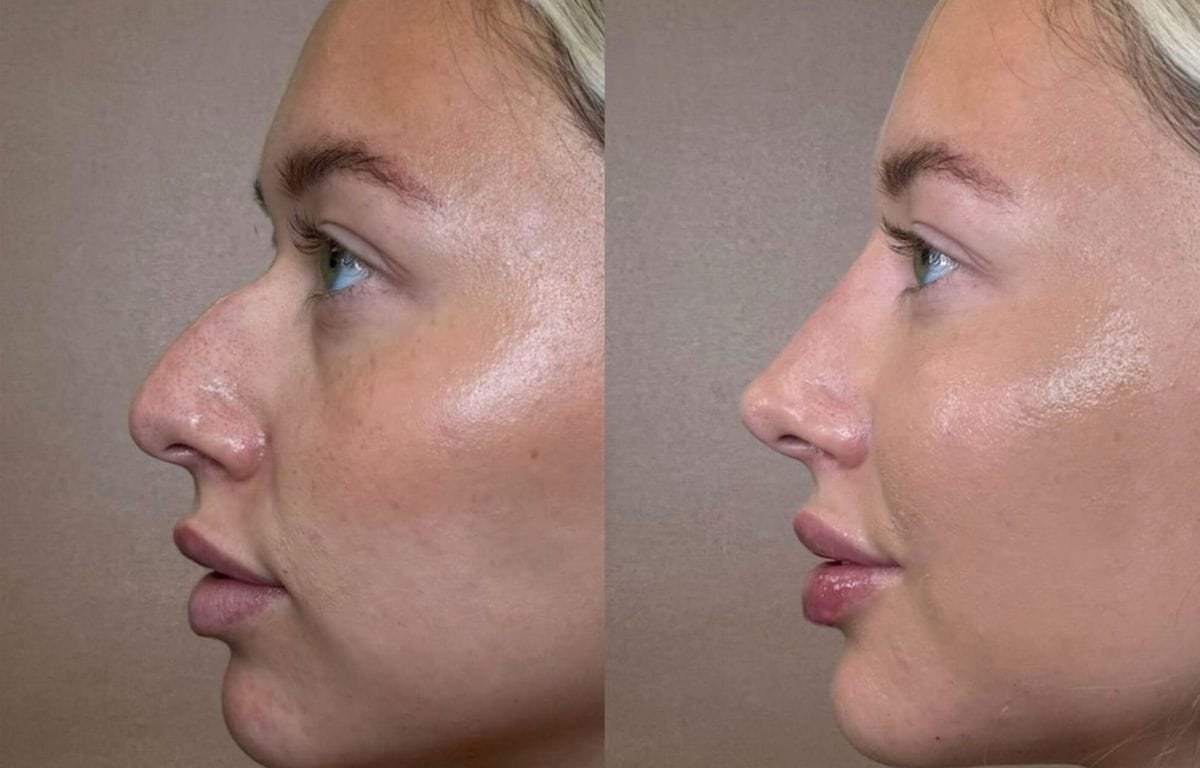
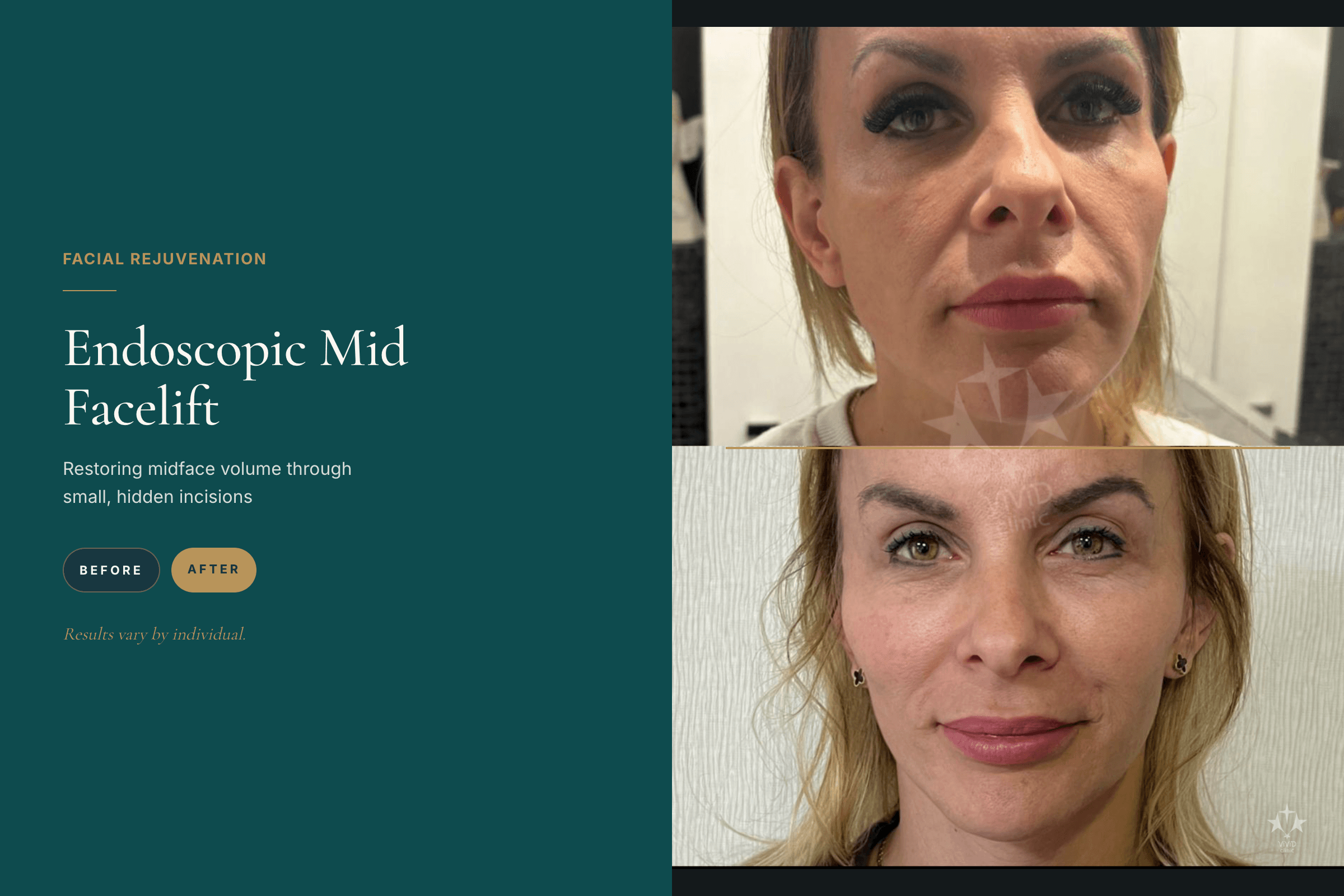
Прегледайте случаите на цялото лице, със стандартизиран ъгъл в Галерия преди и след Vivid Clinic — и ги преценете точно както е описано в това ръководство.
Заявете безплатна консултация
Любопитно ми е какво всъщност би балансирало лицето ви? Изпратете профилни и фронтални снимки чрез безплатна онлайн оценка — Хирургичният екип на Vivid Clinic ще картографира вашите пропорции, ще ви покаже възможностите от филъри до операция и ще ви предложи фиксиран пакет за избрания от вас план. Изпратете ни съобщение на WhatsApp, обаждане +90 545 742 3565, или използвайте формата по-долу за безплатна консултация с пластичен хирург.
Източници
Отказ от отговорност за медицинска информация: Това ръководство е обща информация за международни пациенти, а не медицински съвет и не замества консултацията. Всяка хирургична процедура носи рискове, резултатите варират от пациент на пациент и пригодността може да бъде потвърдена само след медицинска оценка. Ако се подлагате на операция, инструкциите на вашия лекуващ хирург винаги имат предимство пред общите насоки, които сте прочели онлайн - включително тази страница. Потърсете спешна медицинска помощ при предупредителни признаци като болка в гърдите, задух, обилно кървене, разпространяващо се зачервяване или треска след всяка операция.