BBL Compression Garment: What to Expect After Surgery

A BBL compression garment — often called a faja — is the fitted post-surgical wear you use after a Brazilian butt lift. It compresses the areas where fat was removed by liposuction, helping control swelling and support your new contours while tissues heal. Most surgeons prescribe staged garments over several weeks; the exact schedule belongs to your surgeon, not the internet.

Compression garments at a glance

Key facts about BBL compression garments
What it isMedical-grade compression bodysuit (faja) covering liposuction areas
Why it is usedSwelling control, comfort and support for healing contours
Typical patternStaged garments (softer first, firmer later) over roughly 6–12 weeks
Compression on the buttocksMinimal by design — grafted fat should not be squashed
Who sets your scheduleYour treating surgeon — protocols vary and override this guide
Vivid诊所Garment guidance is part of aftercare planned at your consultation

Why compression matters after a BBL

A BBL is liposuction plus fat transfer — and the liposuction areas are where compression earns its keep. After fat removal, the body fills the space with fluid; steady, even pressure limits that swelling, reduces discomfort as you move, and supports the skin against your new contour while it re-adheres.

Honest note on the evidence: garment wear after body contouring is standard surgical practice worldwide, but high-quality comparative research on the ideal schedule is limited. According to a randomised study indexed on PubMed (Abdelhalim & Samhan, Aesthetic Plastic Surgery, 2021), one common protocol used garments 24 hours a day for four weeks after lipoabdominoplasty — and adding clinic-based compression therapy improved swelling and satisfaction further. Different surgeons run different protocols for good reasons. That is why every timeline below is a typical range, not a rule.

One thing your faja is deliberately 不是 doing: crushing your buttocks. Grafted fat needs blood supply to survive, so BBL garments are designed — and sometimes cut away — to keep firm pressure on donor areas while leaving the grafted area lightly supported. The same logic is why surgeons restrict direct sitting early on and suggest a BBL pillow.

Faja stages explained

This table scrolls sideways on small screens.

Compression garment stages and typical timing
阶段When (typical)What it is like
Stage 1From surgery, first 1–2 weeksSofter, adjustable garment fitted while you are swollen; worn nearly all day and night, removed for showering
Stage 2Roughly weeks 2–6Firmer fabric, closer fit as swelling falls; usually still most of the day
Stage 3 (if advised)From about week 6Optional firmer shaping wear, tapering to daytime-only, then stopping

Not every surgeon uses three stages; some use two, some adjust by how your swelling behaves. The staging matters less than the principle: compression follows swelling down.

How long garments are typically worn

Across published protocols and mainstream surgical practice, a common overall pattern looks like this: near-continuous wear (roughly 23–24 hours a day, off for showering) for the first several weeks, then a taper to around half-day wear, with most patients finishing somewhere between week 6 and week 12. Some surgeons stop earlier; some extend daytime wear if swelling lingers. If your plan differs from what you read here or in any forum, follow your plan — your surgeon has seen your tissues and your swelling, and general guidance (including the ASPS overview) is no substitute.

Getting the fit right

A good fit feels like firm, even support — snug everywhere, painful nowhere, with no numbness or tingling.

  • Too tight: pins and needles, skin indentations that do not fade, trouble breathing deeply, or new pain under the garment. Loosen or size up and tell your surgical team — excessive pressure can harm skin and healing tissue.
  • Too loose: fabric wrinkles against the skin, the garment slides when you move, swelling feels unsupported. Wrinkled compression can mark healing skin, so this matters more than it sounds.
  • Re-fitting is normal: your body changes quickly in the first weeks; needing a smaller garment is progress, not a problem.

Washing and caring for your garment

  • Hand-wash or gentle-cycle in cool water with mild detergent; air-dry away from direct heat — heat breaks down the elastic fibres that do the work.
  • Two garments make life far easier: one on, one drying. If your package includes one, buying a second in the same size and brand is a sensible purchase.
  • Replace a garment that has lost its stretch; baggy compression is barely compression at all.

Flying home: garments are not flight socks

Medical tourists often assume the faja covers them for the flight home. It does not. Your compression garment manages surgical swelling; it does nothing for the separate, serious risk of travel-related blood clots (DVT) after surgery. Ask your surgical team when you are fit to fly, whether they recommend anti-embolism measures such as flight socks, and how to stay mobile and hydrated in the air — and read the NHS guidance on cosmetic surgery abroad before you book with anyone. At Vivid Clinic, fitness-to-fly and travel planning are part of your discharge review, and our team stays in contact through 远程后续护理 once you are home.

Frequently asked questions

How many hours a day should I wear my BBL compression garment?

Most protocols start at roughly 23–24 hours a day — removed only for showering — for the first several weeks, then taper. Your surgeon sets your exact hours, and their schedule overrides any general guide, including this one.

Can I sleep without my faja?

Not in the early weeks under most protocols — night-time swelling control matters as much as daytime. Sleeping positions (front or side, not on your buttocks) usually change before garment hours do. Ask your surgeon when night wear can stop.

Can I wear Spanx instead of a medical compression garment?

Shapewear is not a medical garment: it compresses unevenly, rolls at the edges and is not designed for post-surgical swelling. Once you are fully healed and discharged from garment wear, ordinary shapewear is fine — as a fashion choice, not a treatment.

What happens if I stop wearing my garment too early?

The honest answer: usually more prolonged swelling and discomfort, and possibly a less smooth final contour — though bodies vary and research on exact consequences is limited. Stopping early against your surgeon’s advice trades short-term comfort for avoidable risk to a result you paid for.

Does Vivid Clinic provide the compression garment?

Garment arrangements are confirmed as part of your personal treatment plan at consultation — ask us exactly what your package includes, what to bring, and whether to buy a spare. Message us on WhatsApp and we will walk you through it.

Keep reading

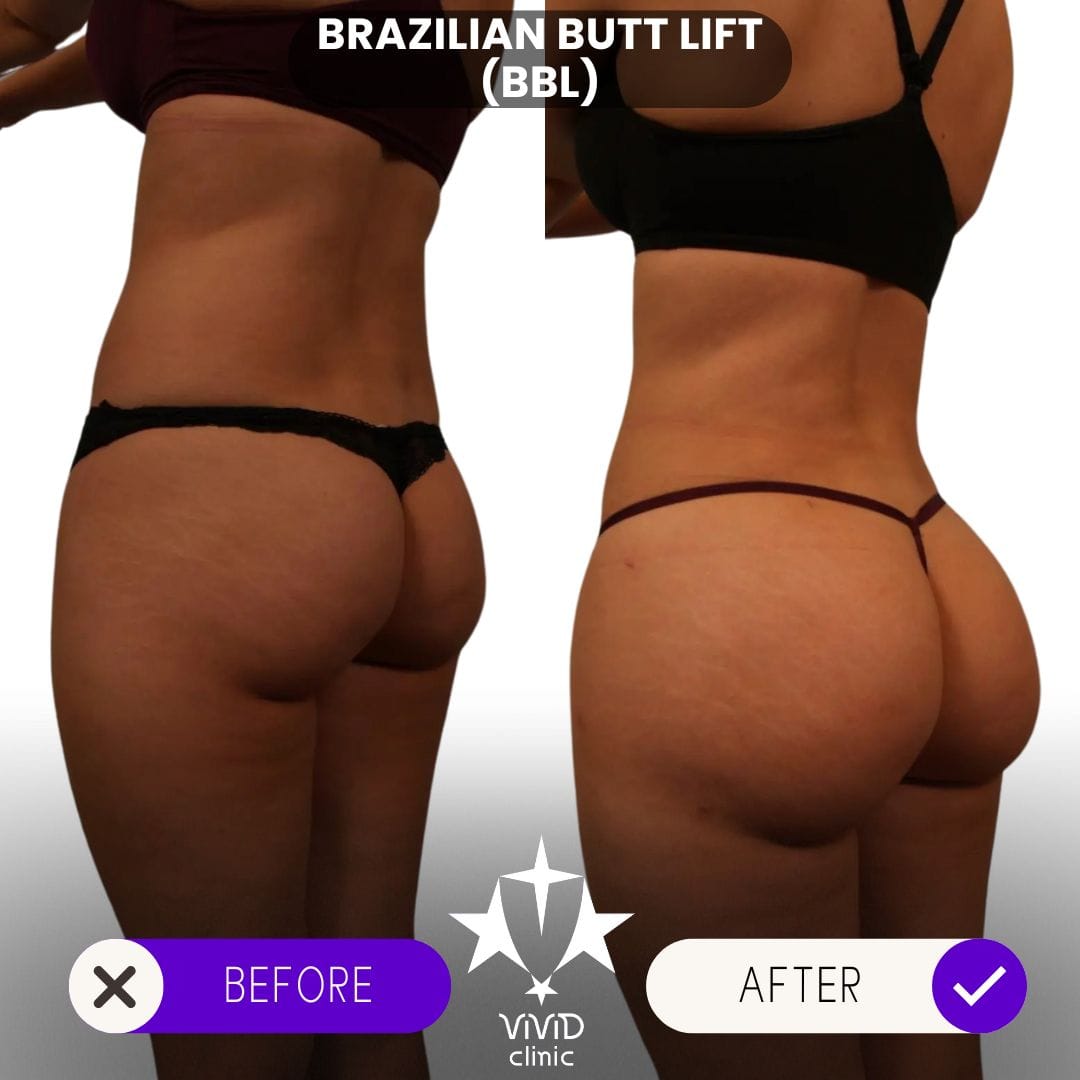
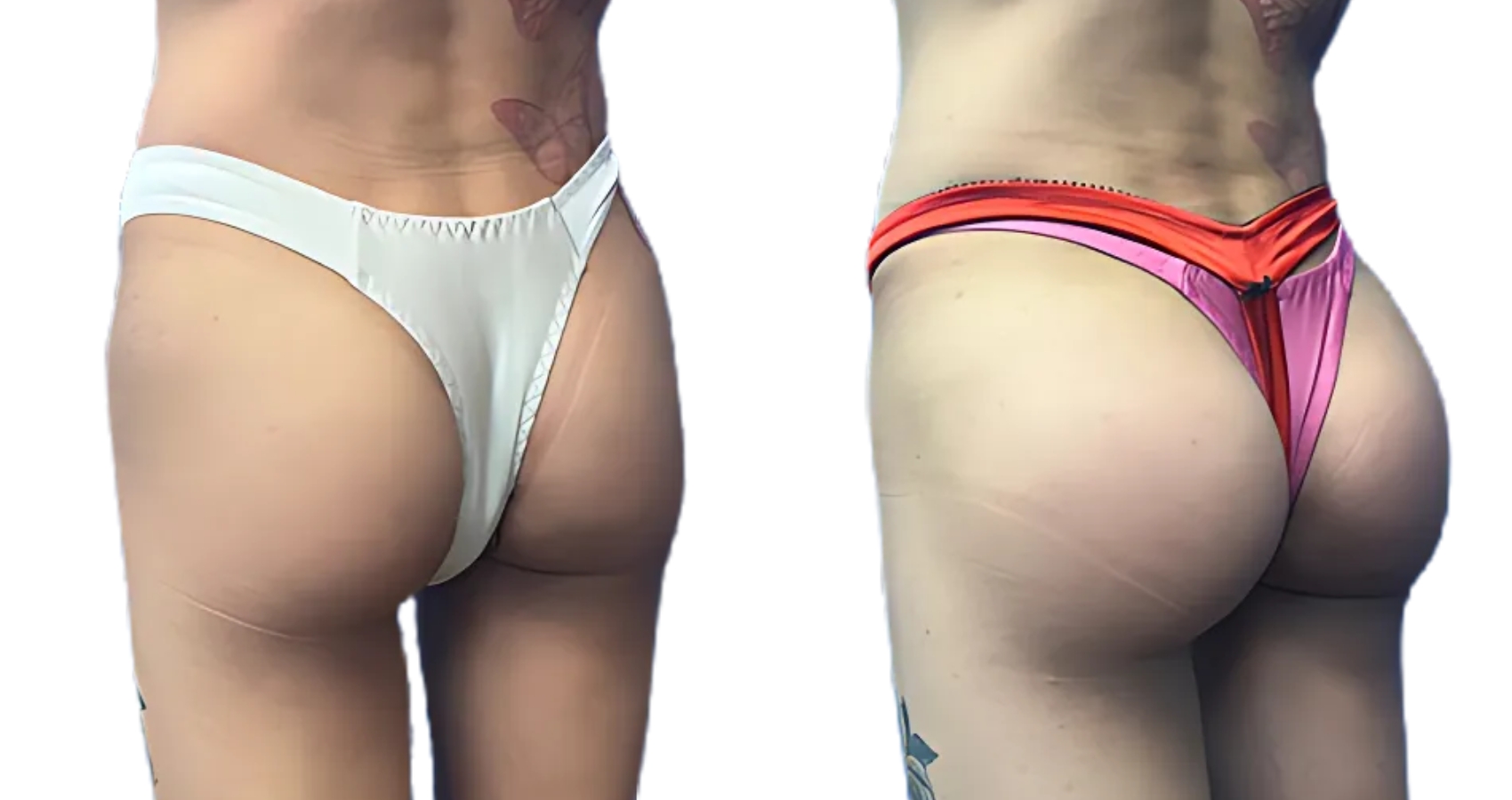
Before and After Results

Individual results vary. Your surgeon will explain what may be achievable based on your anatomy, health and treatment plan.

Request your free consultation

Planning a BBL and want the full recovery picture — garments, sitting, sleeping, flying home? Ask us directly. Message us on WhatsApp, call +90 545 749 3565, or use the form below for a 免费咨询整形外科医生.

Vivid诊所——咨询申请
本网站受 reCAPTCHA 和 Google 保护 隐私政策服务条款 申请。.

Medical information disclaimer: This guide is general information for international patients, not medical advice. Garment protocols vary legitimately between surgeons; your treating surgeon’s instructions always override general guidance you read online — including this page. Contact your surgical team about garment pain, numbness or skin changes, and seek urgent medical help for calf pain or swelling, chest pain, breathlessness, spreading redness or fever after any operation.