

Einführung
Considering a hair transplant is more than a cosmetic decision – it’s a journey toward renewed confidence and a sense of self. If you’re researching sapphire FUE, you’ve likely reached a point where restoring your hairline means restoring your emotional wellbeing as well. Sapphire FUE has become one of the most discussed modern hair restoration approaches, especially for international patients travelling to Istanbul, Turkey, for treatment at clinics like Vivid Clinic. This technique combines advanced materials with a proven method, aiming to deliver natural-looking results with a comfortable recovery. But what is sapphire FUE really, and what should you know before choosing it for your hair restoration journey? Here, we break down the most important, honest facts about the procedure, the science behind it, and what to expect – from your consultation all the way through full recovery.
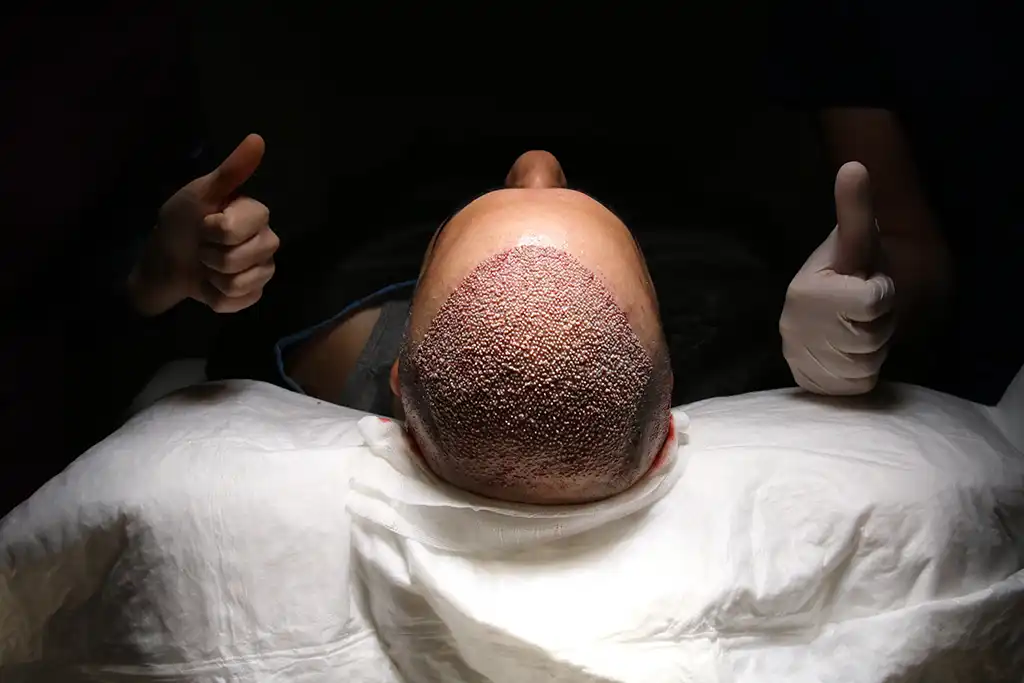
What Is Sapphire FUE?
Sapphire FUE is a refinement of the well-established Follicular Unit Extraction (FUE) hair transplant technique. The difference lies strictly in the recipient-site creation stage. Instead of using traditional steel blades to open the micro-channels where new grafts will be implanted, sapphire FUE uses blades made from synthetic sapphire crystal. This allows the surgeon to open narrower, more uniform channels with even greater control over depth, angle, and density.
It’s important to clarify: Sapphire FUE is not an entirely new hair transplant method, but rather an innovation in the tool and technique used at a critical step. This refinement leads to clinical advantages for many patients, such as less bleeding, reduced tissue trauma, and more natural-looking results – though the ultimate outcome depends on the skill of the surgeon, donor area quality, and personalized planning, not the blade alone.
Why Patients Choose Sapphire FUE in Istanbul, Turkey

Istanbul stands out as a capital for modern hair restoration, with thousands of international patients coming each year. Vivid Clinic is at the forefront, offering hospitality-led care and an expert team with deep experience in advanced hair transplantation. Sapphire FUE is particularly requested by patients who want:
- More natural hairline design and density
- Minimised scabbing and faster recipient site healing
- The latest refinements in micro-surgical tools
- A lower trauma procedure for scalp and skin
Choosing sapphire FUE in Istanbul means pairing technical expertise with attentive service – including personalized consultations, VIP airport transfers, hotel arrangements, and comprehensive postoperative support. The city itself offers internationally accredited clinics, affordability, and an established support network for medical tourists. For those comparison shopping, you’ll find more about how Turkey compares to other countries for hair transplant pricing and experience on our site.
Who Is a Good Candidate for Sapphire FUE?
The ideal sapphire FUE candidate generally includes:
- Adults with androgenetic alopecia (male/female pattern hair loss) that is stable – not rapidly progressing
- Healthy individuals with realistic expectations about density and the time needed for results
- Adequate, healthy donor area (typically back and sides of the scalp) with sufficient follicle density and calibre
- No uncontrolled medical conditions
During your consultation at Vivid Clinic, a plastic surgeon assesses your scalp and hair characteristics (density, thickness, Norwood stage, previous treatments), discusses your goals, and plans a personalised hairline to best fit your age and facial proportions. Young adults (especially under 23) with actively progressing loss are often advised to stabilise hair loss medically first. Learn more about suitability and patient journey in our detailed guide to the Vivid Clinic experience.
Who May Not Be Suitable for Sapphire FUE?
Some situations mean sapphire FUE – not to mention other advanced hair transplant techniques – may not be advised, at least at this stage. These include:
- Advanced or depleted donor area, or donor supply exhausted from prior procedures
- Diffuse or unpatterned hair thinning where no stable donor area is present
- Active scalp infection, inflammatory scalp disease, or alopecia areata
- Uncontrolled metabolic diseases (e.g., diabetes with poor control), bleeding/clotting disorders
- Certain autoimmune conditions
- Unrealistic expectations or untreated body dysmorphic disorder
A medical evaluation with an experienced surgeon is essential to identify any contraindications and build a realistic plan. If you fall into any of the categories above, your surgeon will advise on possible alternatives or staged approaches, sometimes combining medical therapy with surgery when appropriate.
Benefits of Sapphire FUE
Saphir FUE provides benefits that are both technical and experiential for hair transplant patients. The key advantages, supported by clinical research and patient reports, include:
- Finer, uniform incisions: Sapphire blades can be manufactured with finer, more consistent edges, allowing for micro-channels that are narrower and more uniform than those possible with steel blades.
- Less tissue trauma: The extreme hardness and sharpness of sapphire produce incisions with less lateral tissue damage, associated with reduced swelling, bleeding, and scabbing.
- Denser graft placement: Tighter, more controlled incisions mean surgeons can place grafts more closely and at optimal angles, increasing perceived hair density and mimicking natural hair growth patterns more effectively.
- Improved healing: Smaller incisions may heal more cleanly and with less scab formation, often leading to a gentler recovery for the recipient area.
- Reduced crusting: Less visible crusting/scabbing, which is especially important in the hairline or temples where the cosmetic outcome is most scrutinised.
- Control over angle and depth: More precise channel creation supports a natural-looking, personalised hairline and reduces the risk of ‘planted’ or artificial appearance.
It’s important to remember that the instrument is only as good as the technique and planning of your surgeon. The right candidate with a well-planned approach tends to benefit most from these refinements. For more practical differences between hair transplant methods, see our complete guide to hair transplant methods.
Übersichtstabelle zum Verfahren
| Aspekt | Details |
|---|---|
| Dauer | 6-8 hours (may be split over two consecutive days for large numbers of grafts) |
| Krankenhausaufenthalt | No overnight hospital stay; performed as a day-case under local anaesthesia |
| Mobilität | Immediate (walking and basic activities same day, with brief recovery period on-site) |
| Zurück zur Aktivität | Routine activities after 2-4 days, office work usually after 5-7 days |
| Vollständige Wiederherstellung | 7-14 days for wound healing, with final maturation over 12-18 months |
| Erwartete Ergebnisse | Initial shedding is normal, regrowth begins at 3-4 months, final results visible by 12-18 months |
The process is tailored to your specific goals and donor availability. The majority of patients undergo a single-day session, typically lasting 6-8 hours including breaks. More extensive cases requiring 4000+ grafts may be planned over two consecutive days. As a minimally invasive procedure done under local anaesthesia, no hospital admission or general anaesthetic is required. Most international patients are able to walk comfortably after a short observation, return to their hotel, and are cleared to travel home within 2-3 days of the operation. Routine desk work can resume after a few days, but patients must avoid intense activity, swimming, or sun exposure for several weeks. Scabs and crusts disappear within 7-14 days. Regrowth occurs slowly: most visible change takes shape over 12-18 months.
So funktioniert das Verfahren: Schritt für Schritt
The sapphire FUE process consists of well-defined steps, each important for a safe and effective outcome:
- Pre-operative consultation: On arrival, you meet your dedicated surgeon for a thorough scalp assessment (including Norwood grading, donor density analysis, and review of hair calibre/colour/texture). Your hairline is designed and drawn after in-depth conversation about your goals, age, and natural proportions.
- Routine testing and consent: Blood tests and standard safety checks are performed before surgery to ensure you’re ready for the day.
- Preparation: The donor area (typically the lower back and side scalp) is shaved for visibility and access. Local anaesthesia is administered – sedation is available if you prefer.
- Graft extraction: Using a micromotor punch (usually 0.6-0.9 mm in diameter), the surgeon removes follicular units one by one from the safe donor area. Every graft is handled under strict sterile protocols.
- Graft sorting and counting: Each follicular unit is counted, sorted by quality, and collected in a chilled holding solution to preserve viability.
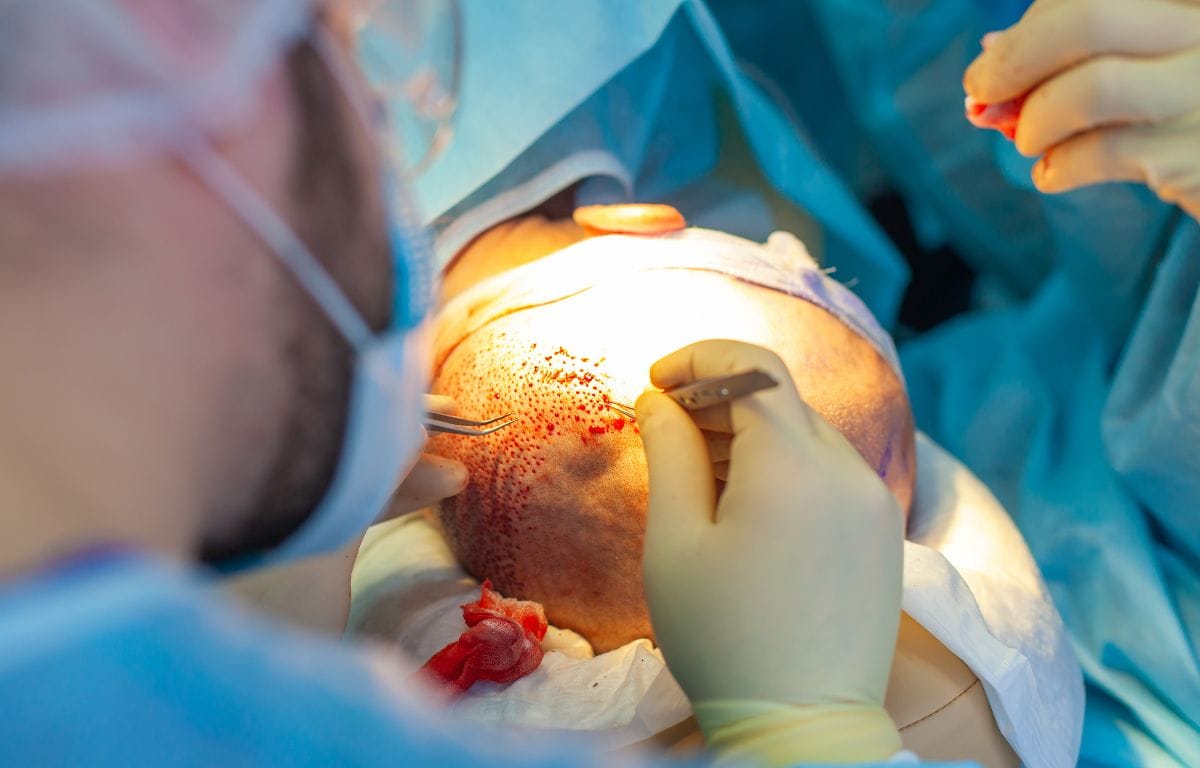
- Recipient site creation with sapphire blades: The recipient area is numbed, and synthetic sapphire blades are used to create V-shaped micro-channels at carefully controlled direction, angle, and depth – this is where the blade material makes the clinical difference.
- Implantation: Follicular units are individually implanted into the prepared channels using fine forceps, ensuring they match the planned pattern and density.
- Dressing and aftercare briefing: The scalp is dressed, and your medical team walks you through every detail of post-procedure care – for both donor and recipient areas.
The number of grafts typically ranges from 2000 to 4500 depending on the patient’s need and donor capacity. Sapphire blades are favoured for creating dense, natural hairlines and high-perfection frontal areas. If you want to know more about the mechanics of the surgery, see our step-by-step guide to hair transplant procedures.
Sapphire FUE vs Classic FUE and DHI
Sapphire FUE, classic FUE, and DHI are often compared. Here are the clinically meaningful distinctions:
- Classic FUE: Grafts are extracted using the same micro-punch methods as sapphire FUE, but the recipient sites are made using steel blades or needles. Steel is sharp, but tends to dull during long sessions and is limited in the minimum incision width achievable.
- Sapphire FUE: Shares the same extraction technique as above. The distinction is the use of synthetic sapphire blades, which are harder, smoother, and maintain their sharpness, allowing for finer, more precise channels. This improves angle control and may reduce visible scarring.
- DHI (Direkte Haarimplantation): Foregoes pre-made channels. Instead, a Choi implanter pen both opens a channel and places the follicle in a single movement. DHI is sometimes preferred for cases with existing hair (working ‘between’ native follicles) or for smaller areas, but can be slower or less practical for large sessions.
All techniques have legitimate medical uses. The right choice depends on your hair loss pattern, graft number, and whether you need to work between existing hairs. See detailed comparisons on our hair transplantation methods page and read about DHI in our dedicated article.
Ablaufübersicht bei Vivid Clinic
At Vivid Clinic in Istanbul, your journey is designed to feel clear and supported from the very beginning. After arriving in Istanbul, you are greeted by our VIP airport transfer service and escorted to your 5-star hotel. A one-on-one consultation with your dedicated surgeon includes detailed scalp and donor analysis, a medical check, and custom hairline design tailored to your features and goals. On procedure day, our medical team walks you through each step, ensures your comfort, and keeps you informed. After your sapphire FUE hair transplant, you’ll recover briefly in our clinic before returning to your hotel with a personalized post-op kit and clear aftercare instructions. Before your departure, a check-up is performed, and Vivid Clinic’s support team remains available for ongoing remote aftercare and questions after you return home. Learn more about what to expect on your journey at our dedicated patient journey page.
Recovery Timeline: What to Expect After Sapphire FUE
The recovery following sapphire FUE is notably more comfortable than older, more invasive methods, but still requires proper care and patience. Here’s what most international patients experience:
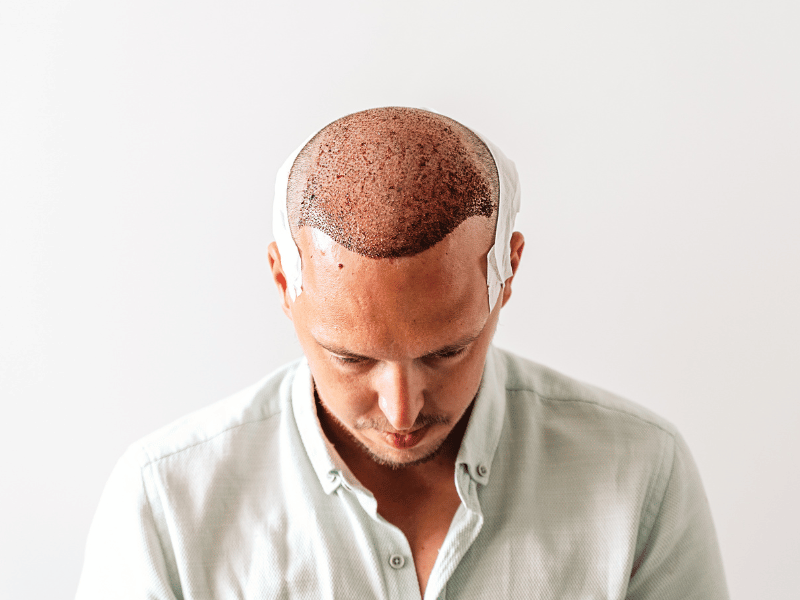
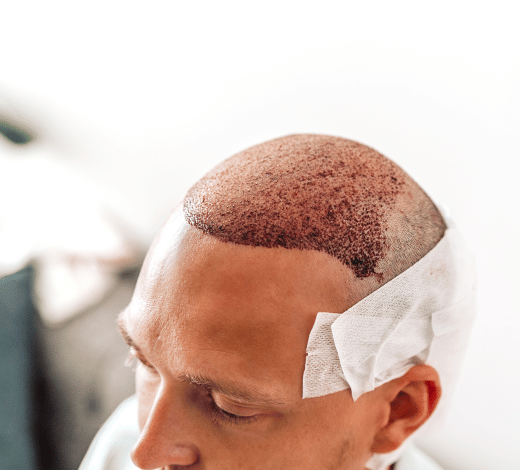
- Day of Surgery: Slight soreness or tightness in donor and recipient areas; mild swelling possible. A protective bandage is placed.
- Day 2-3: Swelling can develop around the forehead and eyes, peaking around day 3. This is temporary and usually resolves without intervention.
- Day 3-7: The first hair wash is performed at the clinic, then daily at home with prescribed lotion and shampoo. Scabs and crusts begin to form and then shed. Redness and pinprick marks are visible.
- Days 7-14: Most scabbing and crusting disappears. Any lingering redness continues to fade. The donor area heals as tiny dot scars which become less noticeable as hair regrows.
- 2-4 Weeks: Mild numbness, itching, or tingling may persist but rapidly improves. Strenuous exercise, swimming, or sauna use should be postponed until cleared by your surgeon.
- 2-8 Weeks: Transplanted hairs typically shed – known as ‘shock loss.’ This is expected and not a sign of graft failure.
- Month 3-4: New hair growth begins, appearing initially fine and thin, gradually becoming denser and more substantial.
- Month 6-8: Substantial new coverage is visible – typically 60-70% of the final result.
- 12-18 Monate: Full maturation of the transplanted area. Hair texture, thickness, and shape all continue to refine, revealing your final result.
Throughout recovery, you will need to avoid direct sun, heat, and any headwear that causes friction. Alcohol and smoking impair healing and should be avoided for several weeks as instructed. Learn more about aftercare in our comprehensive aftercare guide Und what to expect in the first week.
Wann werden Sie Ergebnisse sehen?
Hair restoration is a journey of patience as well as planning. Here’s what the average sapphire FUE patient can expect in terms of visible results:
- Initial transplanted hairs often shed within 2-8 weeks of surgery – this is a normal part of the healing process. It is called ‘shock loss’ and does not mean the grafts have failed.
- New hair typically starts emerging after 3-4 months, initially as fine, thin strands.
- By 6-8 months, most patients will see 60-70% of the final result as hair continues to thicken and mature.
- Final density and naturalness are assessed at 12-18 months.
The permanence of the result is determined by the fact that donor hair is DHT-resistant. However, native (non-transplanted) hair can continue thinning, so you may need medical therapy and, in some cases, a second transplant in the future. Die Ergebnisse variieren von Person zu Person.
Risiken und Sicherheitsaspekte
Sapphire FUE is very safe in experienced hands, but, as with any minimally invasive procedure, it does carry some risks:
- Schwellungen und Blutergüsse: Especially around the forehead and upper eyelids in the first week; typically resolves within days.
- Numbness or altered sensation: Usually temporary, subsiding as the skin and nerves recover.
- Folliculitis or small cysts: Occasionally occur, managed with standard post-op care.
- Minor infection: Rare with modern sterile technique, but potentially present for patients who do not follow aftercare.
- Shock loss of native hair: The surrounding native hair may temporarily thin after surgery, especially if genetically susceptible. This usually regrows.
- Unnatural angles or density: A risk if the procedure is performed by an inexperienced technician or at a non-accredited clinic – emphasising the need to choose a reputable centre.
- Donor area over-harvesting: Taking too many grafts from the donor zone can lead to visible thinning; proper planning at a qualified clinic is crucial.
The benefit of sapphire blades lies in less tissue trauma and finer control, but the surgeon’s skill and personalised approach are the most important factors for a safe, natural result. Always prioritise clinics that are properly licensed, with transparent consultation and planning.
Cost Factors for Sapphire FUE
The total cost of a sapphire FUE procedure in Istanbul varies depending on several important factors:
- Anzahl der benötigten Transplantate: More extensive balding requires more grafts, affecting both time and resource use.
- Technique chosen: Sapphire FUE, DHI, and classic FUE all come at different price points based on consumables, staffing, and session complexity.
- Erfahrung des Chirurgen: Clinics with highly experienced surgeons and support staff may command higher fees.
- Clinic accreditation and standards: Premium, internationally accredited clinics may cost more, but offer additional safety and comfort guarantees.
- Im Paket enthalten: Most Istanbul clinics, including Vivid Clinic, offer all-inclusive packages with airport/clinic/hotel transfers, accommodation, language services, prescription shampoos and medications, and all post-operative consultations – these add value and clarity to your total investment.
- Personal needs and complexity: Specialty cases (previous failed transplants, unusual hairline design, combination therapies) may require custom planning and pricing.
To receive a tailored quote, a detailed Beratung is necessary. You can also read our articles on cost in Istanbul Und the main factors influencing price for more insights. Remember, a responsible, experienced clinic will never give a guaranteed cost or outcome without proper assessment.
Why Choose Vivid Clinic for Sapphire FUE in Istanbul?
Vivid Clinic stands out for several reasons:
- Personalised care: Every patient receives a comprehensive evaluation, bespoke hairline planning, and a clear treatment plan. Your comfort and privacy are priorities at every step.
- Experienced, accredited team: Vivid’s surgeons are highly trained in modern FUE refinements, including sapphire blade techniques for minimal trauma and natural results.
- International approach: Services are tailored for patients from the UK, EU, Gulf and worldwide, with English-speaking support, documentation, and aftercare.
- End-to-end support: From VIP airport pickup to luxury hotel stays, your entire journey – from consultation to remote recovery – is coordinated for you.
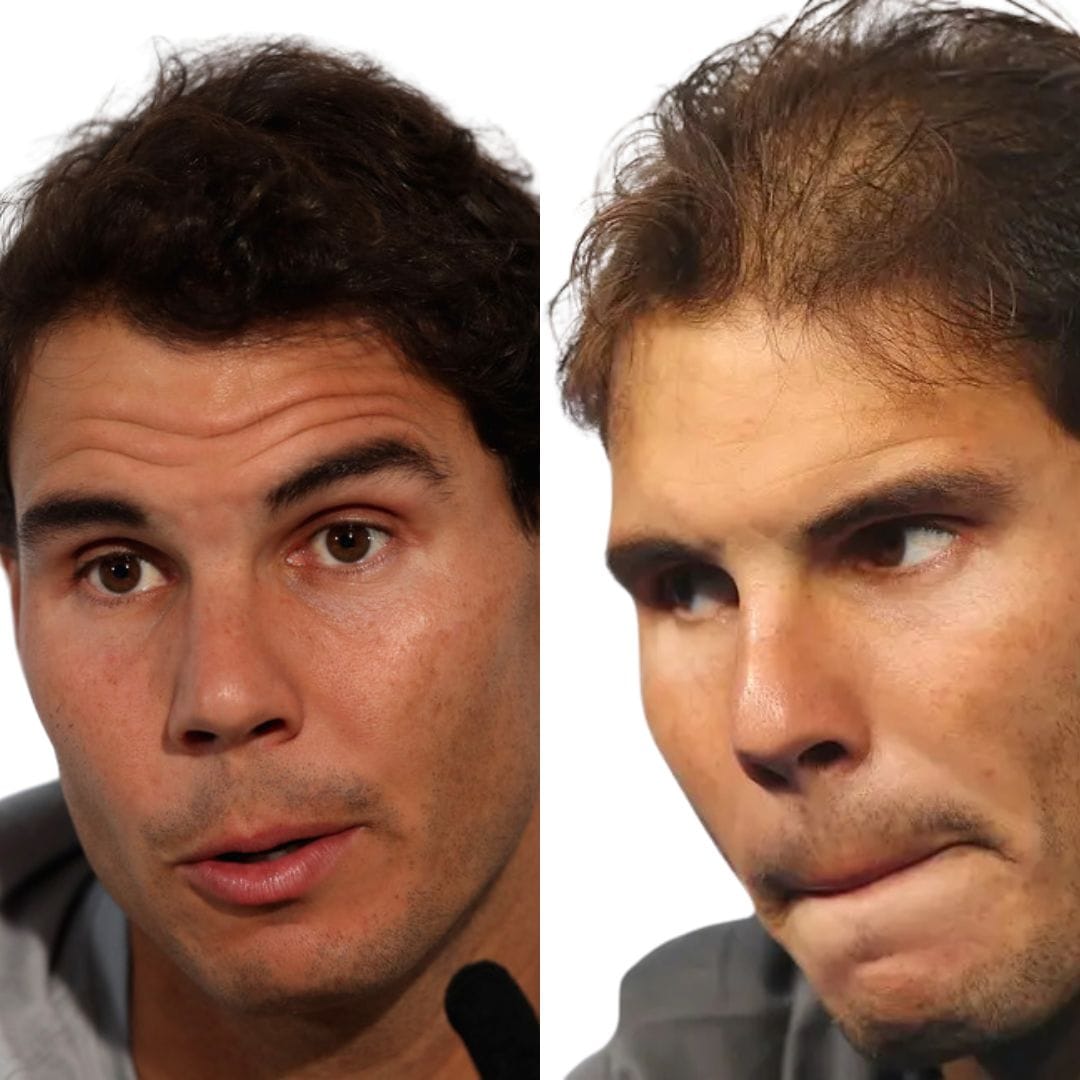
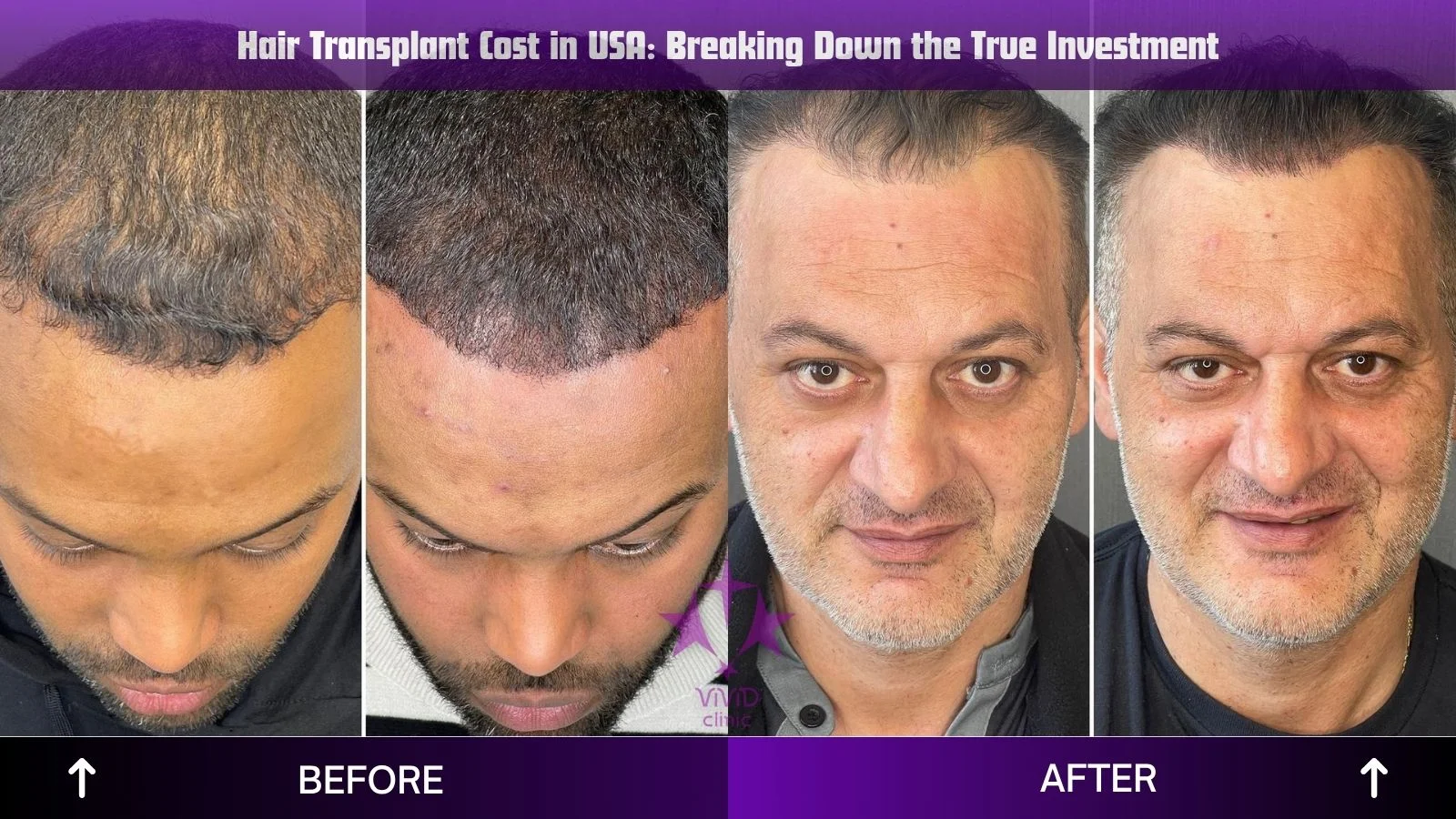
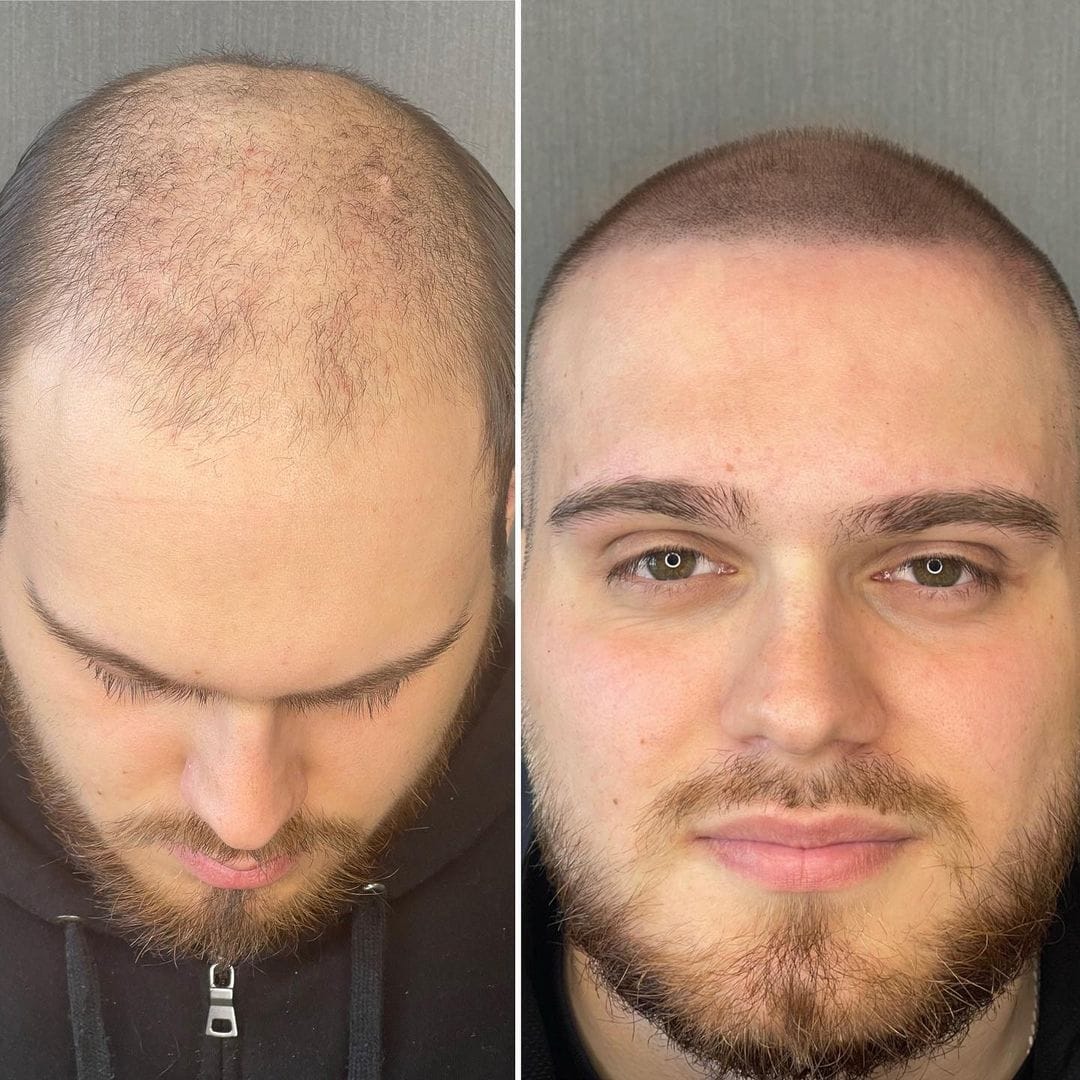
- Proven results: See examples in our Vorher-Nachher-Galerie, and always know that ‘Results vary by individual.’
If you want to meet the professionals who craft these transformations, visit our doctors page.
Vorher-Nachher-Ergebnisse in der Vivid-Klinik

Häufig gestellte Fragen (FAQs)
What exactly makes sapphire FUE different from classic FUE?
The main difference in sapphire FUE is the material used for creating recipient sites: synthetic sapphire blades versus classic steel blades. Both extract follicles in the same way, but sapphire’s extreme hardness allows for finer, uniform micro-channels for grafts, leading to less trauma, reduced scabbing, and improved naturalness – especially for intricate hairlines. The skill of your surgeon and the quality of your donor area are more important than the blade itself.
How long is the recovery after a sapphire FUE procedure?
Most patients are mobile the same day and can travel home in 2-3 days. Visible scalp scabbing and redness mainly subside within 7-14 days. The donor area heals quickly too, often as pinpoint marks. You should avoid strenuous activity and direct sun for around 2-4 weeks. Hair regrowth starts slowly by months 3-4, with full results by 12-18 months. Recovery may feel gentler compared to classic FUE or strip methods.
Are there any special risks with sapphire FUE compared to other methods?
The core risks – such as swelling, numbness, minor infection, and shock loss – are similar for all advanced FUE methods. Sapphire blades offer less tissue trauma and precise control, potentially reducing swelling and scabbing. That said, risks are most strongly linked to surgical skill and clinic standards, not blade material. Choosing an experienced clinic accredited in Istanbul is vital for safety.
How much does sapphire FUE typically cost in Turkey?
The price of sapphire FUE in Istanbul depends on factors like graft number, clinic reputation, surgeon’s expertise, package inclusions (hotel, transfers, medications), and overall case complexity. You cannot receive an accurate, personalised cost until an in-person or remote consultation. For detailed information, see our articles on Kosten für eine Haartransplantation in Istanbul Und understanding cost factors. Always confirm exactly what is included with your quote.
How do I maintain my hair after a sapphire FUE transplant?
After your sapphire FUE hair transplant, your care team will provide detailed aftercare instructions for donor and recipient areas, including how to wash and protect your scalp. Avoid smoking, alcohol, strenuous exercise, and sunlight for the recommended recovery period. As native hair may continue to thin, your surgeon may suggest ongoing medical therapy to support long-term results. You’ll be supported with remote aftercare by Vivid Clinic’s team after you return home. For best practices, explore our comprehensive aftercare guide.
Conclusion: Your Next Step to a Confident You
Sapphire FUE stands out as a sophisticated evolution in hair restoration, delivering the precision needed for lifelike results and a comfortable, quick recovery – especially when performed by an expert team in Istanbul, Turkey, at Vivid Clinic. If you’re weighing hair transplant options, remember: consulting with a skilled, internationally oriented plastic surgeon will give you clarity on your unique suitability, anticipated results, and a complete, honest view of the journey from start to finish. The experience at Vivid Clinic includes individualized planning, caring hospitality, and support from consultation to long-term aftercare. Ready to move forward? Explore our hair transplant services oder Sehen Sie echte Ergebnisse – and get started with a free consultation today.
Referenzen & Weiterführende Literatur
Für unabhängige, medizinisch geprüfte Hintergrundinformationen zu diesem Thema siehe Internationale Gesellschaft für Haartransplantationschirurgie Und Amerikanische Akademie für Dermatologie – Haarausfall.