
 ChatGPT
The Eyeliner That Disappears the Moment You Open Your Eyes
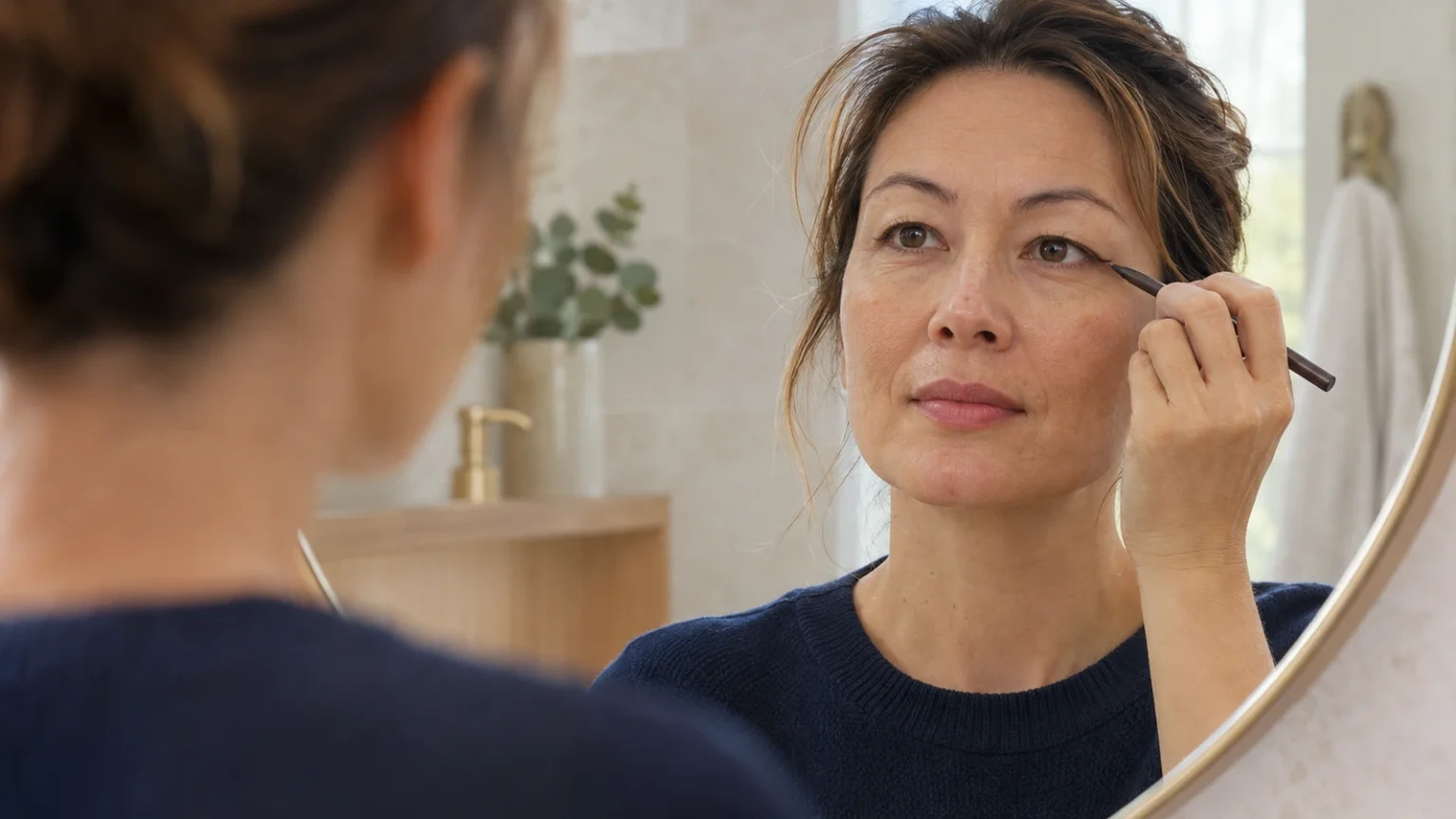
You spend ten careful minutes on a wing of eyeliner. You look down, and the line is crisp and even. You look up into the mirror, and it has vanished under a soft fold of skin. In photos your eyes look smaller, a little tired, maybe a little sad, even on a good day.
If that sounds familiar, you probably have hooded eyes, and you are far from alone. For some people the fold has been there since their teens; for others it crept in during their forties as the brows and lids slowly settled. The good news is that you have more options than you might think, from smarter makeup to targeted treatment.
This guide from Vivid Clinic in Istanbul, Turkey explains what causes hooding, how to work with it, and when a lift actually helps. If you want a personal answer, every plan starts with a free consultation with a plastic surgeon.
What Are Hooded Eyes?
Risposta rapida: Hooded eyes have a fold of skin, and sometimes soft tissue, that hangs from below the brow over the upper lid crease. The fold hides part or all of the movable lid when the eyes are open. It can be a natural trait you were born with or a change that develops with age.
The movable part of the upper lid is the area where you would normally place eyeshadow. In hooded eyelids, that space is partly covered by the fold above it.
Hooding is a shape, not a disease. Many people love their hooded eyes. Others find the fold heavy or, in advanced cases, low enough to block part of their upper vision.
If you are curious how hooding compares to other eye shapes, our guide to types of eyes walks through the main variations. Deep set, monolid and downturned eyes are covered in separate articles.
How to Tell If You Have Hooded Eyes
Relax your forehead, look straight ahead in natural light and check:
- Can you see your lid crease? If the crease disappears behind a fold, you likely have hooding.
- Does eyeshadow vanish when your eyes open? This is the classic sign.
- Does the fold rest near or on your lashes? This suggests more pronounced hooding.
- Does lifting your brows with a fingertip open the eye? If so, a lower brow may be part of the picture.
6 Causes of Hooded Eyes
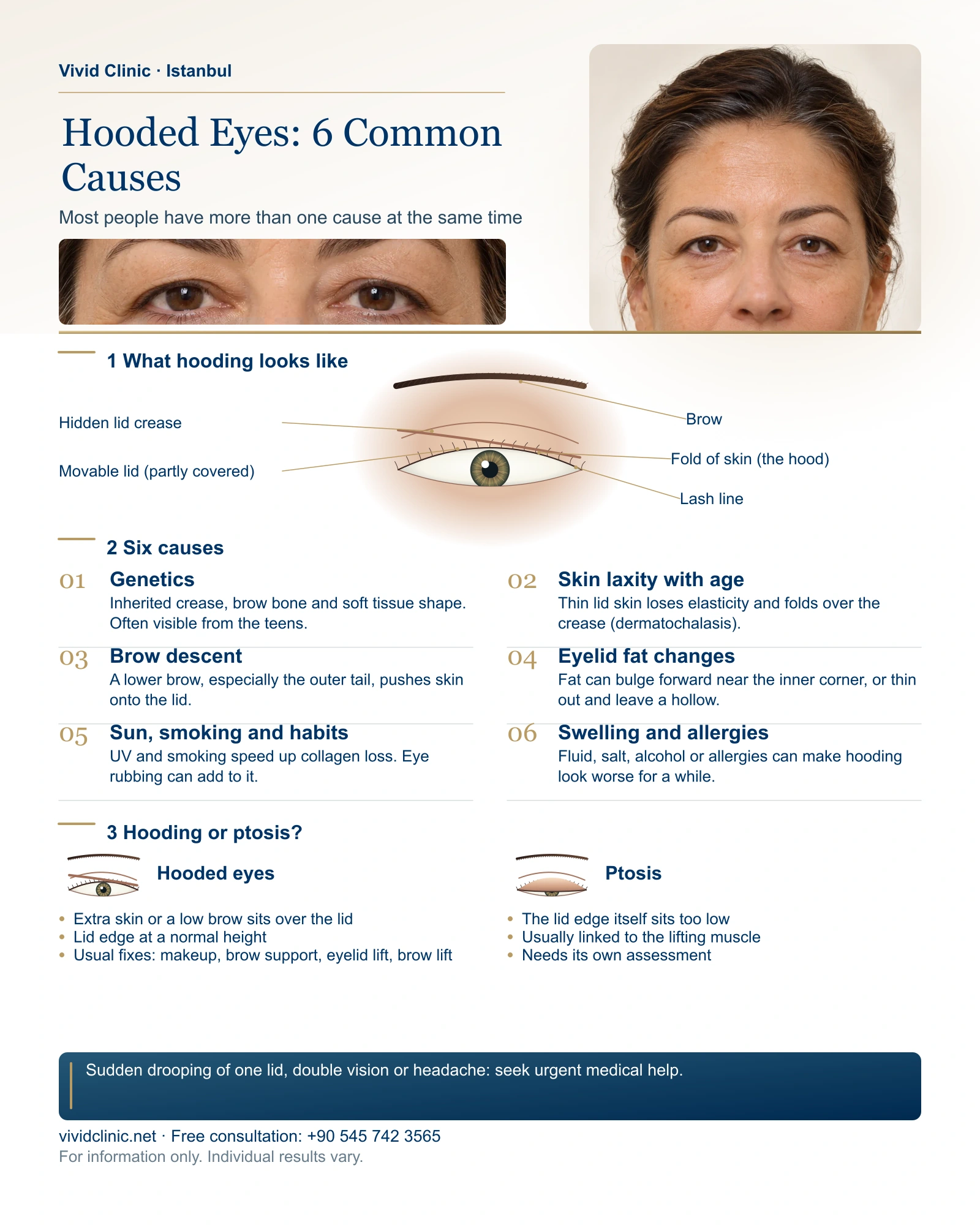
Risposta rapida: The six common causes are genetics, age-related skin laxity, a lowering brow, shifting fat around the eye, lifestyle factors such as sun and smoking, and swelling from fluid or allergies. Most people have more than one cause at the same time.
1. Genetics and Natural Eye Anatomy
Some people inherit hooded eyelids. The fold may sit low because of where the crease forms, how much soft tissue lies under the brow, or the natural shape of the brow bone. It often shows from the teens and runs in families.
2. Skin Laxity With Age (Dermatochalasis)
Eyelid skin is among the thinnest on the body. Over the years it loses collagen and elasticity, stretches, and folds over the crease. Doctors call this dermatochalasis.
3. Brow Descent (Brow Ptosis)
The eyebrows are not fixed in place. As the forehead tissues relax, the brow, especially the outer tail, can drift downward. A lower brow pushes skin down onto the lid, deepening the hood.
4. Changes in Eyelid Fat
Small pads of fat sit behind the upper lid. With age, the thin membrane holding them can weaken, letting fat bulge forward, often near the inner corner. In others, fat thins and the skin drapes over a hollow.
5. Sun, Smoking and Lifestyle Habits
Ultraviolet exposure breaks down collagen, and smoking reduces blood supply to the skin. Both can speed up skin laxity around the eyes. Eye rubbing and large weight changes may add to it.
6. Swelling, Fluid and Allergies
Puffiness from salt, alcohol or allergies can make hooding look worse for a while. If swelling appears suddenly, affects one eye, or comes with redness or pain, see a doctor, as thyroid eye disease and other medical conditions can be involved.
Genetic vs Age-Related Hooded Eyes
Both types look similar in a photo, but they differ in a few useful ways.
| Caratteristica | Genetic Hooding | Age-Related Hooding |
|---|---|---|
| Typical onset | Teens or twenties | Usually from the late thirties or forties |
| Main driver | Crease position, brow bone, soft tissue | Skin laxity, brow descent, fat changes |
| Skin quality | Usually firm and smooth | Thinner, with fine creases |
| Change over time | Fairly stable | Often gradually increases |
| Approccio usuale | Makeup, sometimes a conservative lid procedure | Depends on cause: brow, lid or both |
Hooded Eyes or Ptosis? Why the Difference Matters
Hooding is about excess skin or a low brow sitting over the lid. Ptosis means the upper lid margin itself, the edge where the lashes grow, sits too low. It is usually linked to the muscle that raises the lid, which can stretch with age or long-term contact lens wear, and less often to nerve or muscle conditions.
Some people have both. Removing skin alone will not raise a drooping lid margin, so ptosis needs its own assessment and, when appropriate, its own treatment plan. Sudden drooping of one lid, especially with double vision, headache or a change in pupil size, needs urgent medical review.
Makeup Tricks for Hooded Eyes
Makeup cannot change anatomy, but it can make hooded eyes look more open.
Work With Your Eyes Open
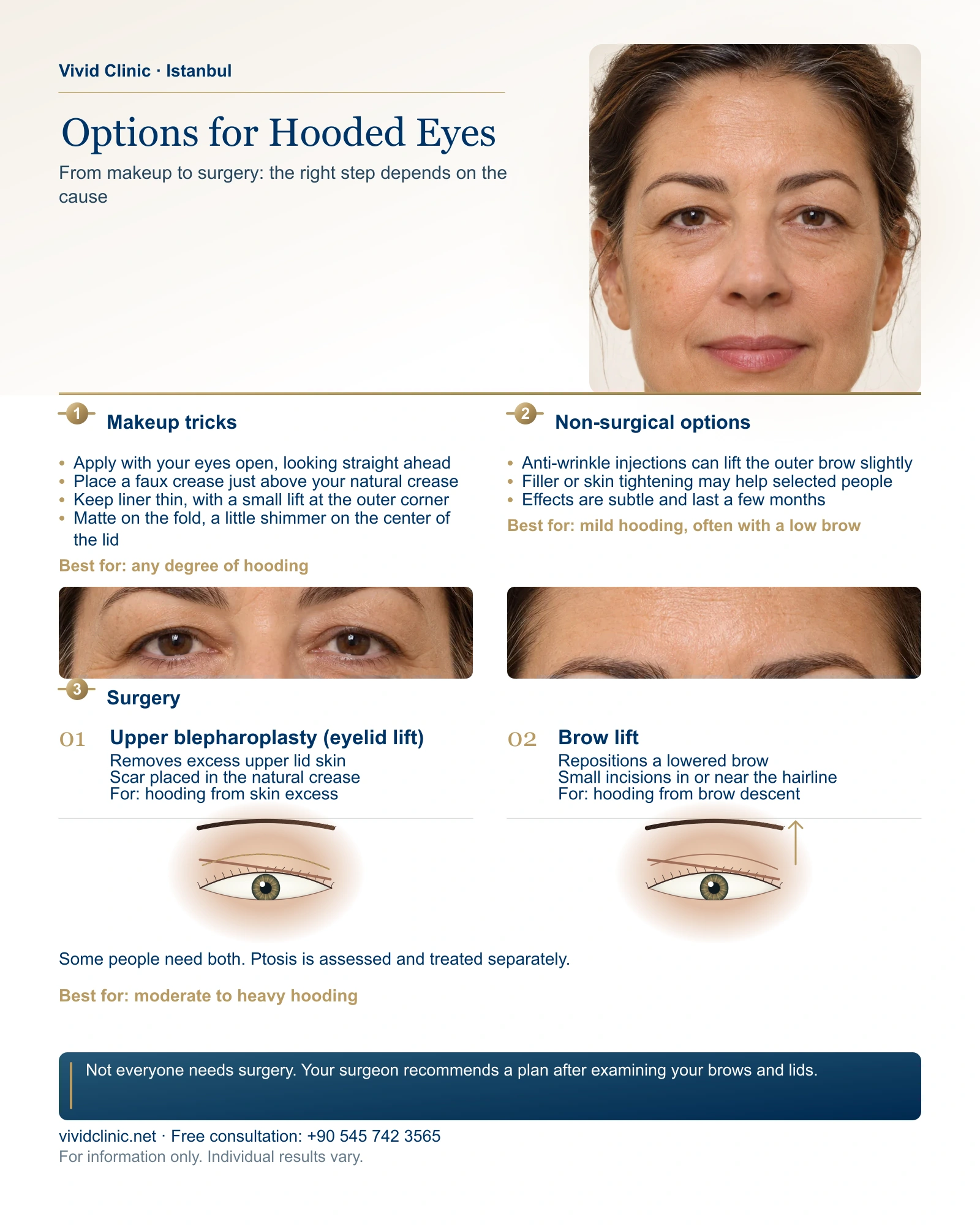
Apply shadow and liner while looking straight ahead. The visible zone above the fold, not your hidden crease, is your real canvas.
Place a Faux Crease Higher
Use a matte transition shade slightly above your natural crease, where it can still be seen with your eyes open. This creates the illusion of depth and a larger lid space.
Keep Liner Thin and Lifted
A thick line usually disappears under the fold. Try a fine line close to the lashes and a small upward flick at the outer corner, angled toward the tail of the brow.
Choose Matte Over Shimmer on the Fold
Shimmer reflects light and can make the hood look fuller. Matte tones help it recede, while a little shimmer in the center of the lid or inner corner adds brightness.
Curl Lashes and Shape Brows
Curled lashes lift the visual line of the eye. Brows slightly lifted at the tail frame the area, and primer reduces transfer onto the fold.
Non-Surgical Options for Hooded Eyelids
Risposta rapida: Non-surgical options can give a subtle lift for mild hooding, especially when a low brow is part of the cause. Results are modest and temporary. They do not remove excess skin, so moderate or severe hooding usually needs surgery for a meaningful change.
If makeup and the options below meet your goals, surgery may not be needed at all.
Anti-Wrinkle Injections for a Brow Lift Effect
Carefully placed botulinum toxin can relax the muscles that pull the brow down, letting the outer brow rise a little. This can open mild hooded eyes slightly. Effects usually last a few months. Learn more on our Botox in Turchia pagina e la nostra lifting del sopracciglio non chirurgico guida.
Fillers and Skin-Tightening Treatments
In selected cases, filler can support the outer brow, and energy-based skin-tightening devices may improve skin quality slightly. Neither replaces skin removal when the fold is heavy.
Hooded Eyes Surgery: When a Lift Actually Helps
When excess skin or a low brow causes the fold, surgery is usually the only option that changes the structure.
Upper Blepharoplasty (Eyelid Lift)
Upper blepharoplasty removes excess upper lid skin and, when needed, a small strip of muscle or fat. The incision is placed in the natural crease, so the scar usually settles into a fine line that is hidden when the eyes are open. It is the most common form of hooded eyes surgery.
Our dedicated page on blefaroplastica per palpebre cadenti covers this procedure in depth. You can also read about blefaroplastica in Turchia e nostro sollevamento delle palpebre service.
Brow Lift
If the brow has descended, removing lid skin alone may pull the brow even lower. A brow lift repositions the brow, often through small incisions in or near the hairline. See Lifting delle sopracciglia in Turchia for the different approaches.
Combined Plans
Many people with age-related hooding benefit from a combination of brow and lid surgery. If ptosis is present, lid muscle repair may be discussed as a separate step. Combining procedures changes recovery and cost.
Chi è un buon candidato e chi no?
You may be suitable for upper blepharoplasty or a brow lift if:
- The fold is caused by excess skin, a low brow or both
- Makeup and non-surgical options no longer meet your goals
- You do not smoke, or can stop before and after surgery
- You want a natural improvement and understand that results vary
Surgery may be delayed, adapted or not advised if you have significant dry eye, active thyroid eye disease, uncontrolled blood pressure, a bleeding disorder, or untreated ptosis that has not been assessed.
Procedure Overview Table: Upper Blepharoplasty (Eyelid Lift)
| Aspetto | Dettagli |
|---|---|
| Durata del processo | About 45 minutes to 1.5 hours for both upper lids |
| Durata del ricovero ospedaliero | Usually a day case; 1 night if combined with other procedures |
| Durata della mobilità | Camminando lo stesso giorno |
| Ritorno all'attività | About 7 to 10 days for desk work and social plans |
| Recupero completo | Circa 4-6 settimane per la maggior parte del gonfiore; l'attività fisica riprende gradualmente. |
| Risultati previsti | Visibile dopo 2-4 settimane; risultato definitivo dopo circa 3-6 mesi. |
These ranges are typical; your surgeon confirms yours.
Panoramica del processo operativo presso la Vivid Clinic
Your journey begins with your arrival in Istanbul, where a VIP airport transfer takes you to your 5-star hotel for check-in. Next comes a one-on-one consultation, when your surgeon examines your lids and brows, checks for ptosis and dry eye, and confirms whether an eyelid lift, a brow lift or a combination suits you. On surgery day, the team looks after you from admission to recovery and explains each step. Post-operative care follows, with cool-compress guidance, prescribed ointment or drops, and contact with your coordinator. A checkup visit, including suture removal where needed, confirms that healing is on track before your departure. Once you are home, remote aftercare follow-up continues with photo reviews and direct access to the team.
Recovery Timeline After Upper Blepharoplasty
Prime 24-48 ore
Expect swelling, tightness and some blurred vision from ointment. Rest with your head raised and use cool compresses as advised. Discomfort is usually mild to moderate.
Dal giorno 3 al giorno 7
Bruising and swelling begin to fade. Stitches are commonly removed at around five to seven days. Many people feel comfortable going out with sunglasses by the end of the first week.
Settimane da 2 a 4
Most visible bruising has settled. Desk work, light social plans and, with your surgeon’s approval, eye makeup and contact lenses return.
Months 2 to 6
The crease scar continues to soften and fade, and the lid contour refines. The final result of an eyelid lift for hooded eyes is usually judged between three and six months.
Benefits of Treating Hooded Eyes
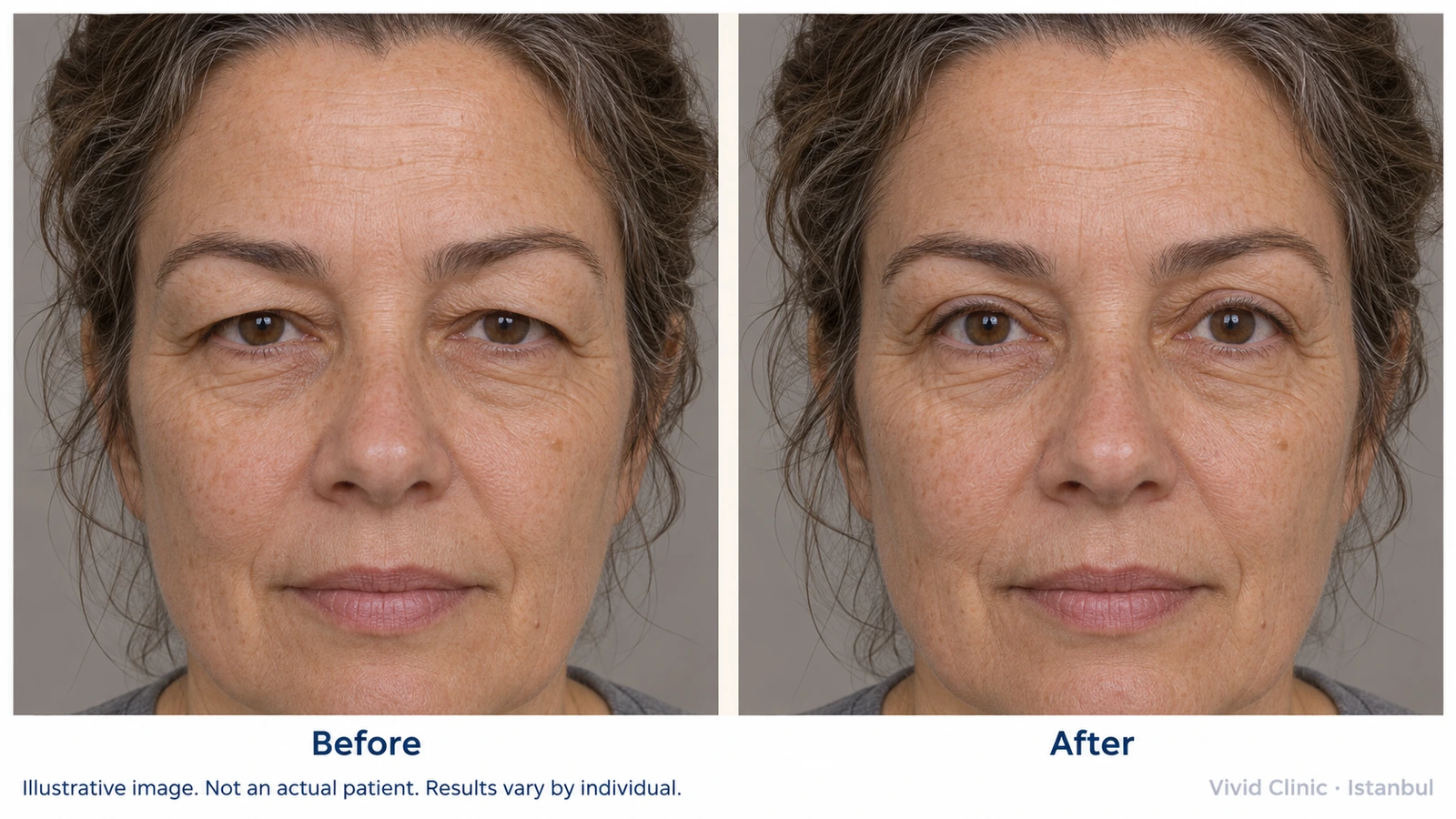
- A more open, rested look to the eyes
- More visible lid space for makeup
- Less heaviness at the end of the day
- In selected cases, a clearer upper field of vision
- Results of surgery are typically long lasting, although natural aging continues
Benefits differ from person to person, and no specific outcome can be promised.
Rischi ed effetti collaterali
Every procedure carries some risk. Common, usually temporary effects include bruising, swelling, dry or watery eyes, light sensitivity and tightness. Less common risks include asymmetry, visible or raised scarring, difficulty fully closing the eyes for a period, infection and, if too much skin is removed, a hollow or surprised look. Brow lifts can cause temporary scalp numbness.
Bleeding behind the eye is rare but an emergency. Severe pain, sudden tense swelling or any loss of vision needs urgent medical help.
Come prepararsi
- Share your full medical and eye history, including dry eye, laser eye surgery and thyroid conditions
- Ask your doctor before stopping any prescribed medicine, including blood thinners
- Smetti di fumare e di assumere nicotina con largo anticipo rispetto all'intervento chirurgico.
- Plan time off and, if possible, travel with a companion
Consigli per la cura successiva
- Sleep with your head raised for the first week
- Use cool compresses and prescribed ointment or drops as instructed
- Non strofinare gli occhi né indossare lenti a contatto finché non si riceve l'autorizzazione.
- Avoid heavy lifting, swimming, saunas and hard exercise for the advised period
Cost Factors for Hooded Eyes Treatment in Istanbul, Turkey
There is no single price, because each plan is different. Cost depends on:
- Whether you need upper blepharoplasty, a brow lift, ptosis repair or a combination
- Tipo di anestesia e durata dell'intervento
- Contesto ospedaliero ed esperienza del chirurgo
- Se i trattamenti non chirurgici fanno parte del piano
- Esami, farmaci, hotel, trasferimenti e assistenza post-operatoria inclusi nel pacchetto.
Per avere un'idea iniziale, prova il nostro calcolatore dei costi degli interventi chirurgici. Si tratta solo di una stima, il prezzo finale verrà confermato dopo la consulenza.
Perché scegliere Vivid Clinic per la correzione delle palpebre cadenti?
Vivid Clinic è una clinica internazionale di alto livello specializzata in risultati personalizzati e dall'aspetto naturale. Il tuo piano di trattamento viene elaborato a partire da un esame di sopracciglia e palpebre, e ti verrà consigliato se un approccio non chirurgico è più adatto alle tue esigenze.
Puoi incontrare il nostro dottori, sfoglia i risultati nel nostro galleria prima e dopo, e richiedi una consulenza gratuita con un chirurgo plastico inviando foto nitide dei tuoi occhi frontali e laterali.
Cosa possono aspettarsi i pazienti internazionali
La maggior parte dei pazienti condivide foto e una breve anamnesi prima di partire. Un coordinatore aiuta con le date, l'hotel e i trasferimenti, e la maggior parte delle persone prevede circa una settimana per un intervento di blefaroplastica.
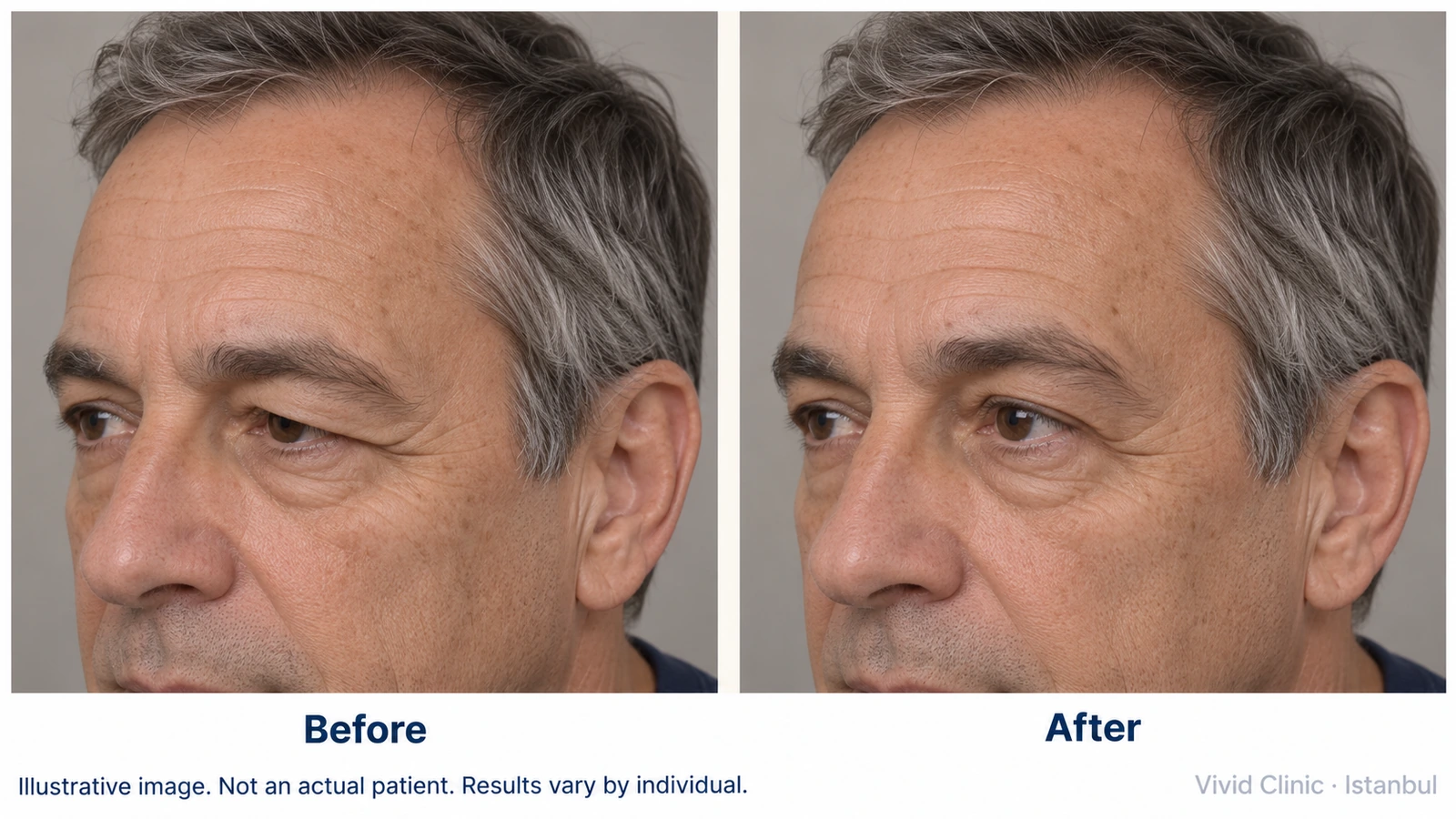
Domande frequenti
È possibile correggere le palpebre cadenti senza intervento chirurgico?
Le palpebre cadenti di lieve entità possono spesso essere migliorate senza intervento chirurgico, ma il cambiamento è sottile. Una piega palpebrale artificiale più alta, un eyeliner sottile e sollevato e ombretti opachi rendono gli occhi più aperti. Le iniezioni antirughe possono sollevare leggermente la parte esterna del sopracciglio quando la sua posizione bassa è una delle cause, e l'effetto di solito dura alcuni mesi. Nessuna di queste opzioni rimuove la pelle in eccesso, quindi una palpebra cadente moderata o grave di solito richiede una blefaroplastica, un lifting del sopracciglio o entrambi per un cambiamento strutturale significativo. Una consulenza vi aiuterà a scegliere la soluzione migliore.
Per correggere le palpebre cadenti, è meglio una blefaroplastica superiore o un lifting delle sopracciglia?
Dipende dalla causa. Se la piega è dovuta principalmente a un eccesso di pelle sulla palpebra superiore e il sopracciglio si trova ad un'altezza normale, la blefaroplastica superiore è solitamente l'opzione principale. Se il sopracciglio è sceso e spinge la pelle sulla palpebra, potrebbe essere necessario un lifting del sopracciglio, a volte associato anche a un intervento chirurgico alle palpebre. La rimozione della pelle delle palpebre quando il sopracciglio è basso può farlo scendere ulteriormente, quindi l'ordine e la combinazione degli interventi sono importanti. Il chirurgo controlla la posizione del sopracciglio, l'eccesso di pelle e la funzionalità dei muscoli palpebrali prima di consigliare un piano di intervento.
Quanto tempo dovrei rimanere a Istanbul per un intervento chirurgico per la correzione delle palpebre cadenti?
Per una blefaroplastica superiore, molti pazienti internazionali prevedono di trascorrere circa una settimana a Istanbul. I punti di sutura vengono solitamente rimossi dopo circa cinque-sette giorni, una volta che la visita di controllo conferma che la guarigione procede correttamente. Un lifting delle sopracciglia o un intervento combinato potrebbero richiedere qualche giorno in più. Gonfiore ed ematomi di solito scompaiono in una o due settimane. Prenotate un volo con orari flessibili, portate occhiali da sole e collirio lubrificante per il viaggio e tenete presente che al vostro rientro a casa potrete usufruire di un follow-up a distanza. Il chirurgo vi confermerà una tempistica personalizzata dopo avervi visitato.
Le palpebre cadenti sono la stessa cosa della ptosi?
No. La palpebra cadente descrive una piega di pelle o di sopracciglia basse sulla palpebra superiore, mentre la ptosi indica che il bordo della palpebra stessa si trova troppo in basso, di solito a causa di un allungamento o un indebolimento del muscolo che la solleva. Possono presentarsi contemporaneamente. La differenza è importante perché la rimozione della pelle non solleverà il margine palpebrale cadente e la ptosi potrebbe richiedere la riparazione muscolare o altre valutazioni. Un improvviso abbassamento di una palpebra, soprattutto se accompagnato da visione doppia o mal di testa, richiede un'attenzione medica urgente. Un esame è l'unico modo affidabile per stabilire quale delle due condizioni si ha.
Quali fattori influenzano il costo del trattamento delle palpebre cadenti presso la Vivid Clinic?
Il costo del trattamento per le palpebre cadenti dipende dal piano personalizzato. I fattori chiave includono la necessità di una blefaroplastica superiore, un lifting delle sopracciglia, la correzione della ptosi o una combinazione di questi interventi, oltre al tipo di anestesia, alla durata dell'intervento e alla struttura ospedaliera. Il pacchetto potrebbe includere anche esami, farmaci, hotel, trasferimenti VIP e assistenza post-operatoria. Poiché questi elementi variano, indicare una cifra fissa in un articolo sarebbe fuorviante. Vivid Clinic offre una consulenza gratuita con un chirurgo plastico, a seguito della quale riceverete un preventivo personalizzato. Il calcolatore di prezzi online fornisce solo una prima stima.
Conclusione
Occhi incappucciati Sono comuni e non rappresentano un problema a meno che non vi diano fastidio. Per alcune persone, un trucco più mirato è tutto ciò che serve. Per altre, un lifting non chirurgico apporta un cambiamento discreto, mentre una blefaroplastica, un lifting del sopracciglio o entrambi possono risolvere il problema della pelle in eccesso e del sopracciglio inferiore alla radice.
La scelta migliore dipende da una diagnosi accurata. La Vivid Clinic di Istanbul, in Turchia, offre una consulenza gratuita con un chirurgo plastico per aiutarvi a comprendere le opzioni disponibili prima di prendere una decisione. Richiedi una consulenza gratuita e inviate le vostre foto per una valutazione personalizzata.
Risultati reali prima e dopo presso la Vivid Clinic
Le foto qui sotto mostrano casi reali di pazienti della Vivid Clinic, tratti dalla galleria fotografica della clinica stessa e condivise con il loro consenso, come pubblicato sul sito web della clinica. Si tratta di casi di blefaroplastica in generale, il principale intervento chirurgico per correggere le palpebre cadenti, e non rappresentano una documentazione specifica del fatto che ogni paziente presentasse effettivamente questa condizione. I risultati variano a seconda dell'anatomia, della guarigione e del piano di trattamento.
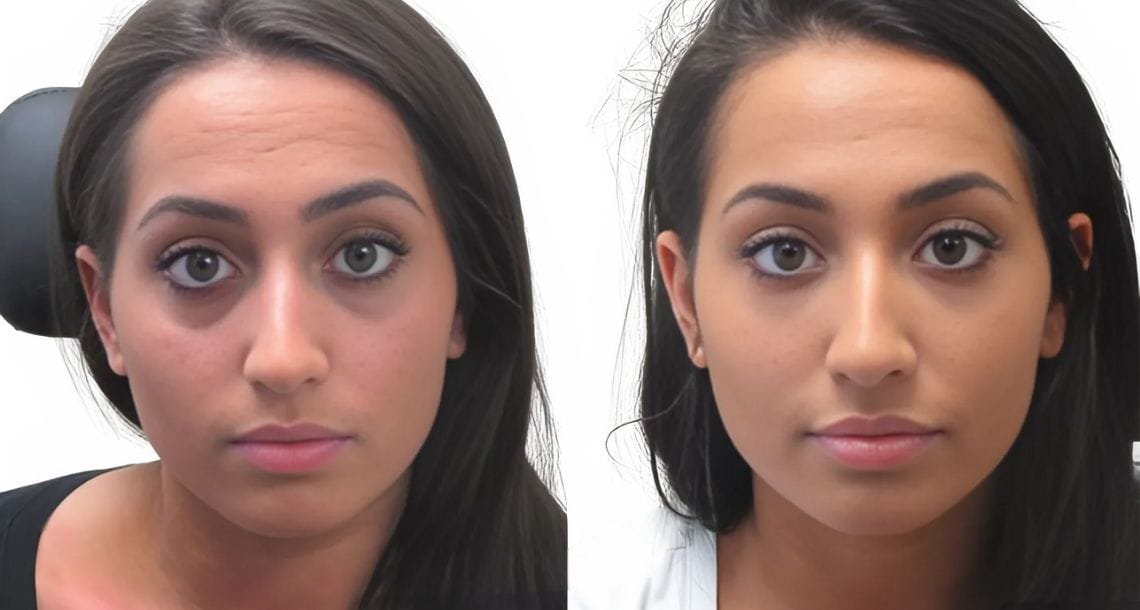
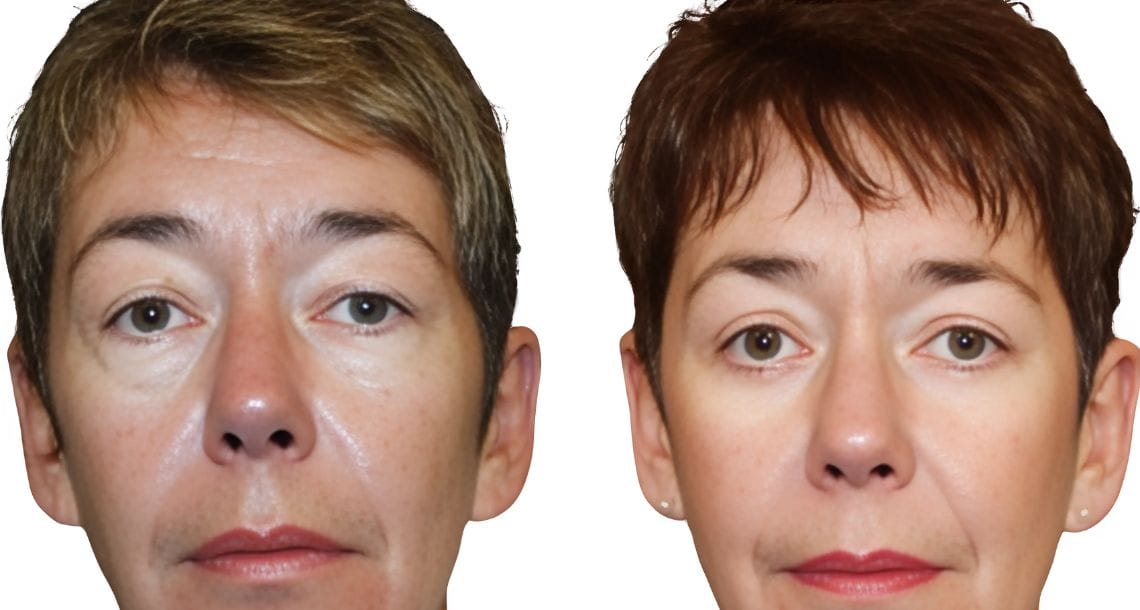
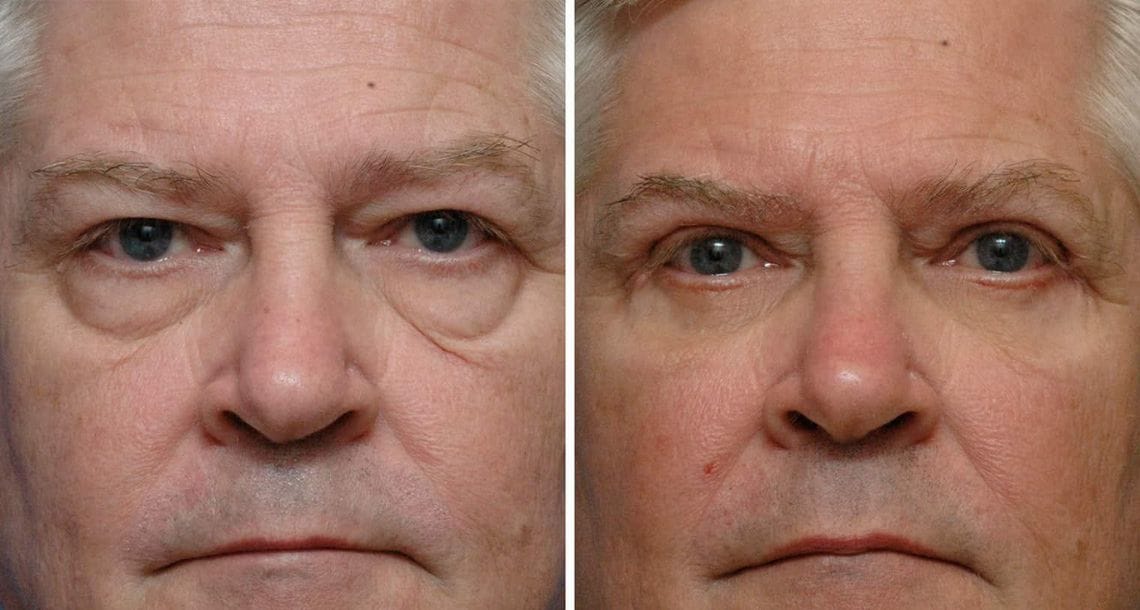
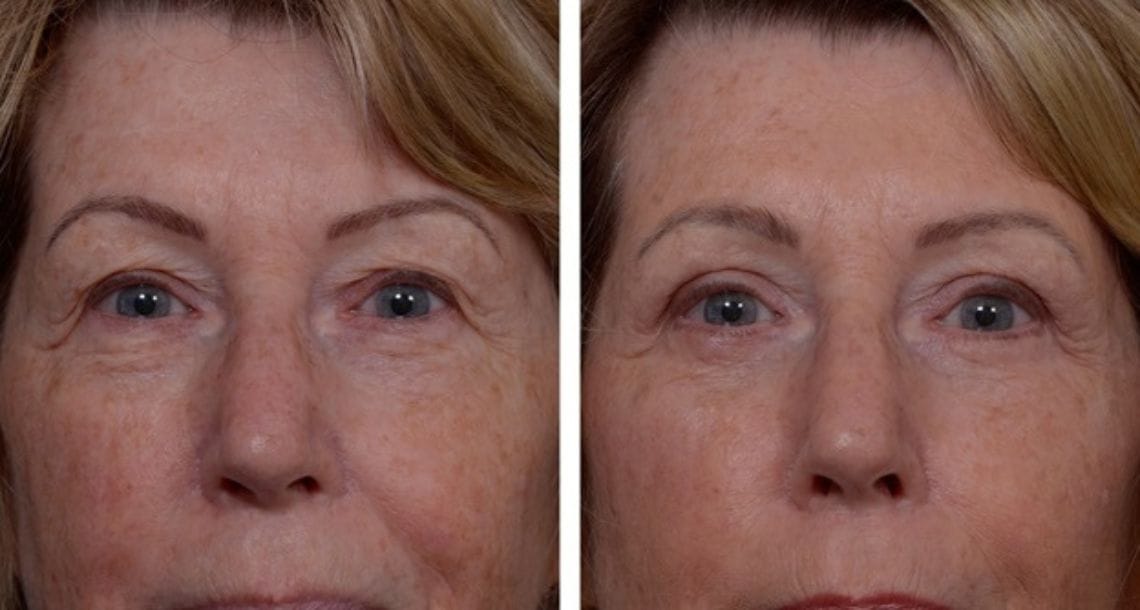
Vedi altri casi nella versione completa galleria prima e dopo e il Galleria di foto prima e dopo la blefaroplastica. Per scoprire cosa è possibile realizzare per i propri occhi, Richiedi la tua consulenza gratuita.
Questo articolo ha scopo puramente informativo e non sostituisce una consulenza medica personalizzata. L'idoneità al trattamento, i rischi, i tempi di recupero e i risultati attesi devono essere discussi con un chirurgo qualificato. I risultati variano da persona a persona.