Plastische chirurgie voor en na: hoe beoordeel je de werkelijke resultaten?
Kort antwoord (bijgewerkt augustus 2026): Een betrouwbare voor-en-na-vergelijking laat alles identiek zien, behalve de operatie zelf: dezelfde belichting, dezelfde afstand en hoek van de camera, dezelfde houding, geen filters en een aangegeven tijdsduur sinds de ingreep. Leer om op deze vijf punten te letten en gemanipuleerde fotogalerijen verliezen hun aantrekkingskracht – want belichting, houding en lenskeuze alleen kunnen al een halve transformatie simuleren. Beoordeel de resultaten vervolgens op eerlijke momenten: de meeste ingrepen laten hun ware resultaat na drie tot zes maanden zien, littekens vervagen tot achttien maanden en een neuscorrectie blijft tot een jaar lang mooi.
 ChatGPT
Beoordelingsresultaten in één oogopslag
| De vijf controles | Dezelfde belichting · dezelfde camera-afstand en -hoek · dezelfde houding · geen filters · aangegeven herstelinterval |
|---|---|
| De extra's van 2026 | Er bestaan door AI gegenereerde "resultaten" — vraag gerust om extra invalshoeken en tijdstippen van elke zaak die indruk op u maakt. |
| Eerlijke klokken | De meeste ingrepen zijn na 3-6 maanden definitief · littekens vervagen in 12-18 maanden · een neuscorrectie blijft gedurende 12 maanden een verfijnd resultaat geven |
| BBL-notitie | Het resultaat stabiliseerde zich na ongeveer 3 maanden, bij de typische vetretentie van 60-80%. |
| Gouden standaard | Gestandaardiseerde klinische fotografie, schriftelijke toestemming, tijdsintervallen met datums, dezelfde patiënt op meerdere tijdstippen. |
| Bij Vivid Clinic | Toestemming verkregen, gestandaardiseerde galerij met herstelintervallen en commentaar van de chirurg op geselecteerde gevallen. |
Waarom voor- en nafoto's van plastische chirurgie de meest eerlijke marketing zijn.
Alles wat een kliniek je verder vertelt, is een belofte; een gestandaardiseerde voor-en-na-foto is het bewijs – het dichtstbijzijnde wat esthetische chirurgie heeft bij een gepubliceerd trackrecord.
Precies daarom zijn foto's ook het zwakste punt in de smokkelpraktijken van zwakke klinieken. Recensies kunnen worden samengesteld en websites kunnen worden herschreven, maar een galerij met consistente, gedateerde en met toestemming gemaakte casusfoto's is tijdrovend en duur om te vervalsen – het vereist jarenlange ervaring met echte patiënten met echte resultaten die ermee hebben ingestemd om hun foto's te laten zien. Beschouw galerijen daarom als het belangrijkste document in uw onderzoek: belangrijker dan de prijslijst, belangrijker dan het aantal volgers op Instagram. De kunst is om ze kritisch te lezen, iets wat je in ongeveer vijf minuten leert en waar je een leven lang van kunt blijven scrollen.
Hoe herken je gemanipuleerde foto's: belichting, houding, hoeken en filters
De meeste fotomanipulatie is geen Photoshop, maar pure enscenering. Vijf controles onthullen vrijwel alles.
Verlichting. Fel bovenlicht vóór en zacht frontaal licht ná is de oudste truc in de lichaamsfotografie: schaduwen accentueren kuiltjes en vetrolletjes, diffuus licht laat ze verdwijnen. De achtergrond en de schaduwen moeten exact overeenkomen. Houding. Afhangende schouders en een ontspannen buik vóór, een gekanteld bekken en aangespannen buikspieren ná — alleen al de houding kan een liposuctieresultaat simuleren. Let op de hoek van de wervelkolom en de breedte van je stand. Hoek en afstand. Als de camera dichterbij wordt gebracht of wordt gekanteld, veranderen de schijnbare verhoudingen (zo vervormen selfies met een telefoon neuzen); de kaders moeten identiek zijn. Huidtextuur. Filters en egaliseringstechnieken laten poriën verdwijnen — als je huid er ergens geairbrusht uitziet, vertrouw de rest dan niet. Tijd en consistentie. Een foto van na de behandeling, genomen op dag vijf in een compressiepak, geeft informatie over zwelling, niet over het resultaat; een betrouwbare foto toont het tijdsinterval. En nog een belangrijke kanttekening: resultaten die er aanzienlijk beter uitzien dan die van andere klinieken, zijn meestal niet beter, maar eerder beter geënsceneerd.
In 2026 komt daar een zesde controlepunt bij: gegenereerde beelden. AI-tools kunnen nu in grote hoeveelheden fotorealistische "resultaten" fabriceren, en het bewijs hiervoor zit zelden in de huid zelf, maar in de opeenstapeling van kleine onmogelijkheden: sieraden of moedervlekken die tussen de frames verschuiven, achtergronden die bijna identiek zijn, handen en oren die een tweede blik waard zijn, en een galerij waarin elke patiënt er griezelig fotogeniek uitziet onder identiek studiolicht. De verdediging is hetzelfde als altijd, alleen strenger: geef de voorkeur aan galerijen met veel klinische foto's van gemiddelde kwaliteit die overduidelijk echt zijn, boven een paar perfecte foto's, vraag om extra hoeken en tijdstippen van elke casus die indruk op u maakt (gefabriceerde casussen kunnen die niet leveren), en hecht meer waarde aan video, die nog steeds veel moeilijker consistent te vervalsen is.
Hoe ziet gestandaardiseerde klinische fotografie eruit?
Klinische documentatie is opzettelijk saai: neutrale achtergrond, vaste belichting, gemarkeerde cameraposities, dezelfde reeks hoeken voor elke patiënt, geen make-up bij gezichtsbehandelingen — en dit alles wordt identiek herhaald met vaste tussenpozen tijdens de controles.
Voor een gezicht betekent dat vooraanzicht, zowel driekwartaanzicht als profielaanzicht, in rust en in beweging; voor een lichaam: vooraanzicht, achteraanzicht en zijaanzicht op een constante afstand en in een constante houding. De datum of het herstelinterval moet in het dossier worden vermeld, en elke kliniek die op deze manier fotografeert, kan u dezelfde patiënt op meerdere tijdstippen laten zien — na twee weken, na drie maanden, na twaalf maanden — wat het meest informatieve is dat een fotogalerij kan bevatten, omdat het u laat zien hoe een herstelcurve er daadwerkelijk uitziet. Dit is de standaard die wij hanteren. voor en na galerij En de norm die u van elke kliniek op uw shortlist mag eisen – dat is punt negen op onze lijst. 10-punten checklist voor het kiezen van een kliniek.
Realistische tijdlijnen voor resultaten per procedure
Om een resultaat te beoordelen, moet je weten wanneer het resultaat klaar is om beoordeeld te worden – en elke procedure heeft zijn eigen tijdslimiet.
Neuscorrectie: Na een week is de neus wat minder scherp en na twee tot drie weken toonbaar, maar na drie maanden is het verhaal pas echt af en na twaalf maanden is de puntjes perfect – beoordeel een neus nooit voordat hij een jaar heeft geproefd. Buikwandcorrectie en liposuctie: De vorm is na zes weken zichtbaar door de zwelling, de uiteindelijke contouren na drie tot zes maanden, en de littekens veranderen in de loop van 12 tot 18 maanden van rood naar licht van kleur. BBL: Het hoogste punt werd direct bereikt, waarna het na drie maanden stabiliseerde op de typische vetretentie van 60-80% — onze BBL-gids beschrijft die curve tot in detail. Borstoperatie: Implantaten blijven de eerste weken hoog zitten en zakken na drie tot zes maanden naar hun natuurlijke positie; een lift volgt een vergelijkbaar traject. Facelift: Na vier tot zes weken zijn de kinderen sociaal vaardig, na twee tot drie maanden zijn de littekens definitief zichtbaar en vervagen ze in de loop van een jaar tot fijne lijntjes. Haartransplantatie: De meest bizarre curve van allemaal is dat getransplanteerde haren binnen enkele weken uitvallen, de hergroei begint rond de derde maand en het eerlijke oordeel volgt na twaalf maanden. Wanneer een galerie de tijdsintervallen aangeeft, kunt u elk paar haren aan deze tijdsindicaties vergelijken; wanneer ze dat niet doen, weet u nu dat u ernaar moet vragen – en dezelfde tijdsindicaties gelden ook voor uw eigen spiegel na de operatie, waar ze u weken van onnodige zorgen zullen besparen.
Hoe we casussen presenteren bij Vivid Clinic
Elke casus in onze galerij is een echte patiënt van de Vivid Clinic, gefotografeerd volgens ons gestandaardiseerde protocol, getoond met schriftelijke toestemming — en gepresenteerd met het genezingsinterval, omdat een resultaat zonder tijdstip slechts een half verhaal is.
Waar casussen het meest bruikbaar zijn, combineren we ze met commentaar van de chirurg: wat de uitgangsanatomie toeliet, wat er gedaan is en waarom, en wat het doel van de patiënt was – want "beter" betekent alleen iets relatiefs ten opzichte van de opdracht. U vindt hier ook onbewerkte patiëntverhalen. onze pagina met getuigenissen en onafhankelijk van Trustpilot. Vraag tijdens het consult om casussen te zien die op u van toepassing zijn: uw ingreep, een vergelijkbaar uitgangspunt, op verschillende tijdstippen. Dat is een redelijk verzoek bij elke serieuze kliniek, en het antwoord daarop zegt veel.
Normen voor privacy en toestemming van patiënten
Achter elk gepubliceerd paar schuilt een keuze die een patiënt heeft gemaakt – en de normen die die keuze beschermen, zijn mede bepalend voor hoe je een kliniek beoordeelt.
Toestemming voor klinische fotografie en toestemming voor publicatie zijn twee aparte beslissingen: een patiënt kan zijn of haar chirurg toestaan alles te documenteren en toch niets publiceren, en die instructie is permanent en herroepbaar. Gezichten kunnen worden bijgesneden of gemaskeerd, identificerende kenmerken kunnen worden verborgen en watermerken dienen er vooral toe om te voorkomen dat andere klinieken resultaten stelen die zij niet zelf hebben geproduceerd – een diefstal die wijdverbreid is en nog een reden waarom inconsistent ogende fotogalerijen argwaan wekken. Vraag waar u ook informeert hoe uw eigen afbeeldingen worden opgeslagen, wie er toegang toe heeft en hoe de toestemming voor publicatie eruitziet. Een kliniek die zorgvuldig met de afbeeldingen van haar patiënten omgaat, zal ook zorgvuldig met die van u omgaan – inclusief, als u dat wenst, ze nooit aan iemand laten zien.
Veelgestelde vragen
Wanneer zijn de resultaten van een plastische chirurgie-ingreep definitief?
Bij de meeste lichaams- en borstverkleiningen is het uiteindelijke resultaat na drie tot zes maanden zichtbaar, waarbij de littekens gedurende 12 tot 18 maanden verder vervagen. Bij een neuscorrectie duurt het een volledig jaar voordat het definitieve resultaat bereikt is. Alles wat je eerder ziet – inclusief je eigen spiegelbeeld na twee weken – is zwelling met daarin een voorproefje.
Waarom plaatsen klinieken watermerken op foto's van voor en na de behandeling?
Vooral om te voorkomen dat andere klinieken resultaten stelen die ze zelf niet hebben behaald, wat vaak voorkomt in de marketing van medisch toerisme. Een watermerk op consistente, gestandaardiseerde foto's is een goed teken; een galerij met uiteenlopende stijlen en ontbrekende watermerken suggereert geleende afbeeldingen.
Kan ik vergelijkbare zaken als de mijne bekijken voordat ik een beslissing neem?
Ja, en u moet er zeker naar vragen. Een serieuze kliniek kan u casussen laten zien die zijn goedgekeurd voor uw ingreep en uw anatomie aan het begin van de procedure, idealiter op meerdere momenten tijdens het genezingsproces. Bij Vivid Clinic is dit een standaard onderdeel van het consult, samen met de openbare galerij.
Worden voor- en nafoto's wel eens vervalst?
Er bestaan regelrechte vervalsingen, maar de meeste misleiding is enscenering: veranderde belichting, houding, hoek, afstand of filters tussen de twee beelden. Controleer of alles behalve het resultaat identiek is en je zult bijna alles ontdekken — en beschouw resultaten die aanzienlijk beter zijn dan die van alle andere klinieken als een waarschuwingssignaal, niet als een reden om op de shortlist te komen.
Kan ik de resultaten die ik op Instagram en TikTok zie vertrouwen?
Beschouw sociale media als de etalage van een kliniek, niet als de patiëntendossiers: de content wordt er geselecteerd op interactie, geplaatst om indruk te maken en vaak, zelfs onbedoeld, door het platform zelf gefilterd. Gebruik het om klinieken te ontdekken en controleer de foto's vervolgens op hun website en tijdens een consult. Daar zijn gestandaardiseerde foto's, aangegeven hersteltijden en casussen die aansluiten bij uw anatomie wel of niet aanwezig.
Lees verder
- BBL in Istanbul: veiligheidsnormen, werkelijke kosten en terugverdientijd in 2026
- Hoe kies je de beste kliniek voor cosmetische chirurgie in Istanbul: een checklist voor 2026?
- Patiëntgetuigenissen van Vivid Clinic
Resultaten voor en na
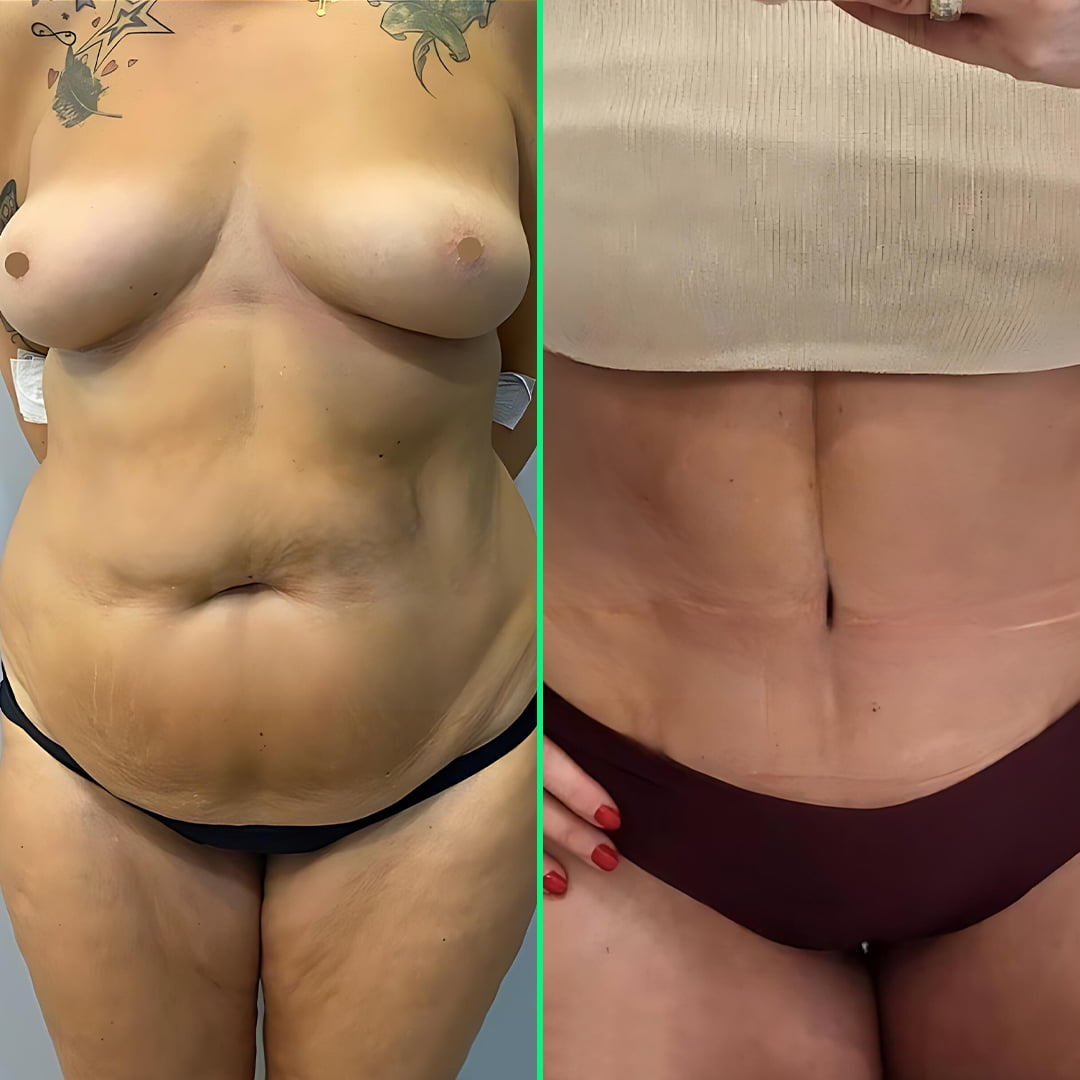

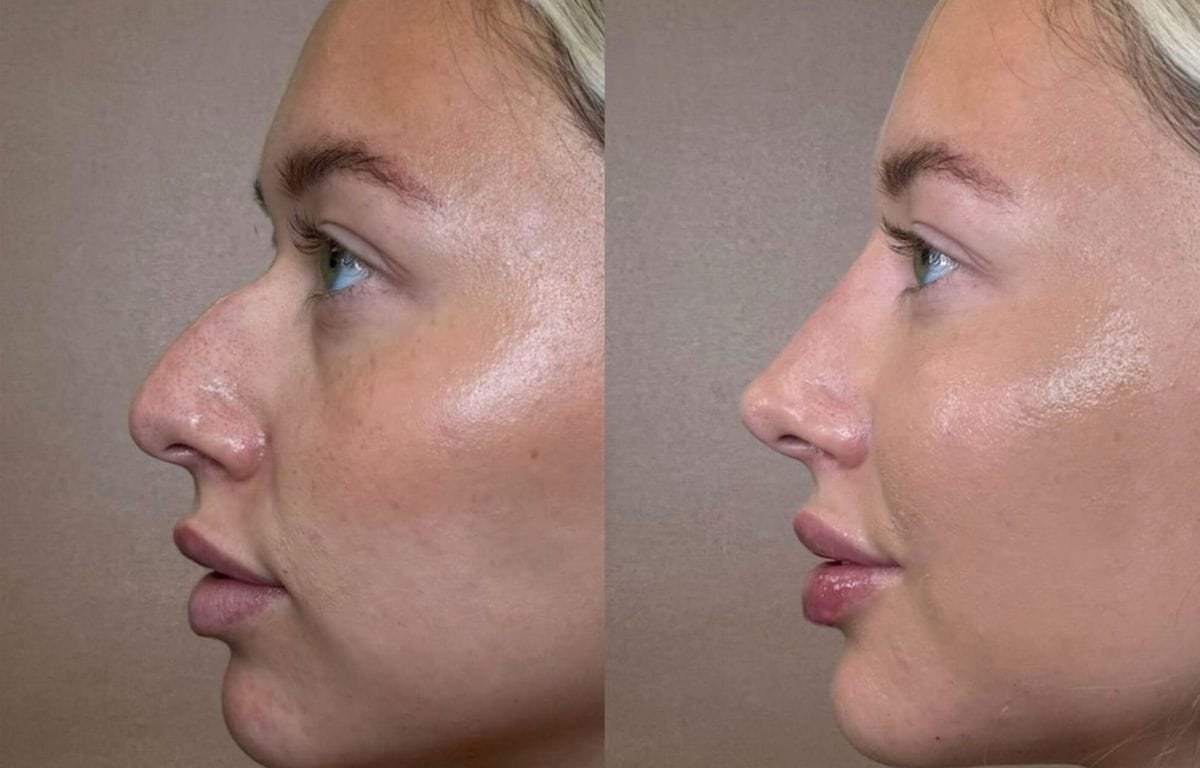
Ga direct aan de slag met deze handleiding: blader door de Vivid Clinic voor- en na-fotogalerij en voer de vijf controles uit op elk paar.
Vraag uw gratis consult aan
Beoordeel ons op onze resultaten. Blader door de Vivid Clinic voor- en na-fotogalerij, stuur dan je foto's via een gratis online consult en vraag om voorbeelden te zien van genezen gevallen die begonnen zijn waar jij nu begint. Stuur ons een bericht via WhatsApp, telefoongesprek +90 545 742 3565, Of gebruik onderstaand formulier voor een Gratis consult met een plastisch chirurg.
Bronnen
Disclaimer met betrekking tot medische informatie: Deze gids bevat algemene informatie voor internationale patiënten, is geen medisch advies en vervangt geen consult. Resultaten kunnen per patiënt verschillen, hersteltijden zijn indicatief en geen garanties, en de geschiktheid voor een ingreep kan pas na een medische evaluatie worden vastgesteld. Als u een operatie ondergaat, hebben de instructies van uw behandelend chirurg altijd voorrang op algemene richtlijnen die u online leest, inclusief deze pagina. Zoek na een operatie direct medische hulp bij waarschuwingssignalen zoals pijn op de borst, kortademigheid, hevige bloedingen, toenemende roodheid of koorts.