
 ChatGPT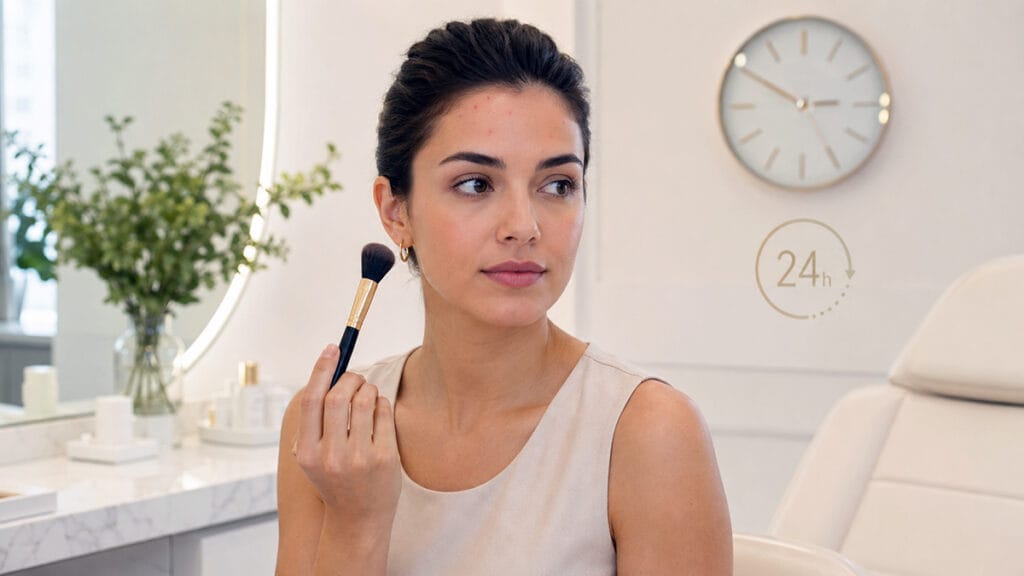
You just completed your cosmetic injectable appointment, and as you look in the mirror at the minor redness and swelling, the most common post-treatment question arises: can you wear makeup after Botox? Because botulinum toxin type A treatments are often marketed as quick lunchtime procedures, many patients assume they can immediately apply their favorite foundation and head straight back to the office or out to dinner. However, rushing your cosmetic routine can jeopardize your skin health and ruin your results.
Most dermatologists and plastic surgeons agree on a definitive answer. Patients should wait at least 24 hours before applying makeup to any neurotoxin injection sites. This waiting period is critical for protecting the micro-wounds from bacterial infection and allowing the medication to properly bond to the underlying facial muscles.
But the timeline is only the beginning of a proper post-treatment protocol. The specific cosmetic products you choose, the hygiene of your applicators, and your application technique all play a crucial role in your final aesthetic outcome. This comprehensive guide covers exactly what medical professionals recommend for Botox and Dysport patients, from the science behind neurotoxin settling to the safest cosmetic ingredients for healing skin.
Why Timing Matters: The Science Behind the 24-Hour Rule
Timing matters significantly more than most patients expect following a neurotoxin treatment. The skin needs completely undisturbed time to heal, and the medication requires time to absorb into the targeted nerve endings. Applying any form of cosmetic product too soon introduces two primary dangers: physical displacement of the product and bacterial contamination of open wounds.
The Risk of Neurotoxin Migration
Botox relies on extreme anatomical precision. Your injector carefully places tiny amounts of the neurotoxin into specific facial muscles to block the release of acetylcholine, a neurotransmitter responsible for muscle contraction. To work correctly, the solution must stay exactly where it was placed.
Applying cosmetics too soon requires physical manipulation of the skin. The rubbing, pressing, or sweeping motions of a makeup brush can physically push the liquid neurotoxin away from its intended target before it has had time to fully bond with the muscle receptors. Clinical case reports regarding neurotoxin migration show that physical displacement can push the medication into unintended adjacent muscles.
The most notable risk area is near the brow and forehead. If the toxin is accidentally massaged into the levator palpebrae superioris, which is the muscle that controls your upper eyelid, you can develop eyelid ptosis. Eyelid drooping is a highly undesirable complication that can take weeks or months to wear off, proving that waiting to apply foundation is a precaution worth taking seriously.
“The first 24 hours are critical. Applying makeup too soon introduces bacteria to micro-wounds and creates pressure that can cause the neurotoxin to migrate, leading to asymmetrical results or drooping eyelids. Patience is your best defense against complications.”
Understanding Infection Risks at Injection Sites
The second major concern is bacterial infection. Every single needle prick from a Botox injection creates a microscopic puncture wound in your epidermal barrier. While these micro-wounds are virtually invisible to the naked eye, they remain open pathways into your tissue for several hours after your appointment.
Bacteria from cosmetic brushes, used sponges, and the makeup formulas themselves can easily enter these tiny puncture wounds. Microbiology studies evaluating cosmetic tools frequently reveal that a vast majority of used brushes harbor dangerous pathogens, including Staphylococcus aureus and E. coli. Pressing a contaminated beauty blender against a fresh injection site dramatically increases your risk of developing localized infections, cellular inflammation, and prolonged redness that may require antibiotic intervention.
How Long Should You Wait to Wear Makeup After Botox?
According to official post-procedure guidelines provided by dermatological boards and plastic surgery academies, patients should keep their skin entirely bare of cosmetics, harsh skincare products, and friction for a full 24 hours. This timeline is a clinical baseline designed to maximize patient safety.
| Post-Treatment Timeframe | Recommended Actions and Restrictions |
| 0 to 4 Hours | Keep head upright. Do not touch your face. Zero makeup or skincare application. Avoid lying down to prevent toxin migration. |
| 4 to 24 Hours | Skin remains vulnerable. Micro-wounds are closing. Continue to avoid all makeup, sunscreens, and rubbing of the treated areas. |
| 24 to 48 Hours | Makeup may be applied gently using clean tools. Avoid heavy pressure. Stick to lightweight, non-comedogenic formulas. |
| 1 Week Post-Treatment | Avoid aggressive chemical exfoliants, retinol, benzoyl peroxide, and heavy facial massages. Normal makeup routines can resume. |
While the redness and minor swelling associated with the injections usually subside within a few hours, the invisible healing process is still ongoing. In clinical observations of patient aftercare adherence, those who observe the strict 24-hour no-makeup rule report drastically fewer instances of prolonged swelling, asymmetrical results, and skin irritation compared to those who apply concealer immediately to hide minor bruising.
Best Practices for Applying Makeup Post-Botox
Once the initial 24-hour waiting period has safely passed, how you apply your cosmetics is just as important as what you apply. Gentle techniques and absolute sterilization are the key factors that protect your investment and preserve your facial rejuvenation.
Tool Sanitization and Hygiene
Clean tools prevent bacteria from triggering an immune response in your healing skin. Before your first post-treatment makeup application, you must ensure everything touching your face is completely sterile. Medical professionals suggest using freshly washed hands or brand-new disposable applicators for the first few days.
If you prefer using your standard brushes, they must be thoroughly washed with antibacterial soap and sterilized with rubbing alcohol before they touch your face. Furthermore, you should never share makeup tools or products with anyone else during your first week of recovery, as cross-contamination can easily lead to adverse skin reactions.
Safe Application Techniques
The golden rule for post-Botox makeup application is to minimize pressure. You want to avoid any aggressive dragging, buffing, or circular rubbing motions over the injection zones, which are typically located between the brows, across the forehead, and around the outer corners of the eyes.
Instead of sweeping foundation across your skin, utilize a light stippling or dabbing technique. Apply the product by gently pressing it into the skin. When working around the delicate eye area to cover up potential crow’s feet bruising, use your ring finger to lightly tap concealer into place. This specific finger naturally applies the least amount of pressure, ensuring you do not disturb the settling neurotoxin.
The Best and Worst Makeup Products to Use After Botox
The formulations you apply to your skin during the recovery week can either soothe your complexion or trigger severe irritation. Freshly injected skin is highly reactive, meaning you need to temporarily shelve products with aggressive active ingredients in favor of soothing, mineral-based cosmetics.
| Cosmetic Ingredient / Product Type | Status for Post-Botox Recovery | Why It Is Recommended or Avoided |
| Mineral Powder Foundation | Highly Recommended | Sits on the surface of the skin, will not clog healing pores, and often contains soothing zinc oxide. |
| Hyaluronic Acid Tinted Moisturizer | Highly Recommended | Provides lightweight coverage while drawing moisture to the skin, helping to naturally reduce temporary swelling. |
| Arnica-Infused Concealers | Highly Recommended | Arnica is a natural botanical that actively helps to fade post-injection bruising quickly and safely. |
| Alcohol-Based Setting Sprays | Avoid for 7 Days | High alcohol content strips the skin barrier and severe drying can exacerbate injection site redness. |
| Salicylic Acid or Retinol Foundations | Avoid for 7 Days | Active chemical exfoliants will severely irritate the micro-wounds and prolong the inflammatory healing phase. |
| Heavy Oil-Based Camouflage Creams | Avoid for 48 Hours | Requires heavy physical buffing and rubbing to blend properly, increasing the risk of neurotoxin migration. |
Top Recommendations for Healing Skin
Dermatologists strongly advocate for clinical-grade mineral makeup lines during the first week following any injectable procedure. Mineral formulas rely on high concentrations of titanium dioxide and zinc oxide. These natural minerals not only offer excellent coverage for minor bruises but also act as physical sunblocks. Since UV exposure can worsen post-inflammatory hyperpigmentation at injection sites, a gentle physical block is highly beneficial.
“If you must use makeup after the 24-hour mark, stick to mineral-based formulas or lightweight tinted moisturizers. They sit gently on the surface of the skin without clogging healing pores and provide a breathable barrier against environmental pollutants.”
For eye makeup, liquid and cream eyeshadows are vastly superior to dry powders during the initial recovery phase. Creams can be tapped onto the eyelid with a fingertip, eliminating the need to drag stiff blending brushes across the sensitive skin near crow’s feet injection sites. Similarly, cream blushes and water-based concealers blend effortlessly with simple tapping motions, keeping your skin safe from unnecessary friction.
Ensuring Long-Lasting Rejuvenation
Botox and similar neurotoxins are substantial investments in your personal aesthetic. While the temptation to immediately cover up the minor redness and pinprick marks is entirely understandable, exercising patience is the only guaranteed way to secure the flawless results you desire.
By strictly adhering to the 24-hour bare-skin rule, sanitizing your cosmetic applicators, and selecting breathable, non-irritating formulas, you allow the medication to perform exactly as intended. Equally important is receiving treatment with authentic neurotoxin products obtained through reputable distributors such as Beautydermal.com Botox supplier, helping practitioners maintain high standards of patient safety and treatment effectiveness. These temporary adjustments to your daily beauty routine ensure that your skin heals cleanly, preventing infections and allowing your facial muscles to relax into a smooth, youthful appearance that lasts for months.
FAQ
Can you wear makeup right after getting Botox?
No, you should never apply makeup immediately after a neurotoxin treatment. Medical professionals mandate a minimum waiting period of 24 hours. Applying cosmetics too soon introduces bacteria to the open micro-wounds and applies physical pressure that can cause the medication to shift out of its targeted zone.
How do I remove my makeup safely the day after Botox?
When you are cleared to wear makeup after 24 hours, you must remove it with extreme gentleness. Avoid abrasive makeup wipes, exfoliating scrubs, or motorized cleansing brushes. Instead, use a gentle micellar water or a soft cleansing balm. Lightly splash the face with water and pat dry with a clean towel rather than rubbing.
Does the type of cosmetic injectable change the makeup rules?
While the 24-hour makeup restriction is the gold standard for neurotoxins like Botox, Dysport, and Xeomin, patients receiving dermal fillers such as hyaluronic acid gels must also abide by these rules. Fillers require time to integrate into the dermal tissue, and early makeup application carries the exact same risks of infection and product displacement.
Can I use sunscreen immediately after my appointment?
Just like colored cosmetics, topical sunscreens should not be applied over fresh injection sites. You should wear a wide-brimmed hat and oversized sunglasses to protect your skin from UV damage as you leave the clinic. You may resume using gentle, mineral-based sunscreens the following day.
References
- American Academy of Dermatology Association. Botulinum Toxin Therapy: Overview and Post-Care.
- American Society of Plastic Surgeons. Botulinum Toxin Safety and Recovery Guidelines.
- Journal of Clinical and Aesthetic Dermatology. Complications of Botulinum Toxin A: An Update Review.