
 ChatGPT

Introduction
If you’re exploring your options for a hair transplant, chances are you’ve come across the debate between Sapphire FUE and DHI. Choosing the best technique can feel overwhelming-especially when you want results that fit your goals, timetable, and lifestyle. Both Sapphire FUE and DHI are advanced methods designed to restore a natural-looking hairline, often transforming confidence and self-image. But which is truly right for you?
In this comprehensive guide, we’ll compare Sapphire FUE vs DHI in detail, drawing on Vivid Clinic’s expertise in Istanbul, Turkey. We’ll explore their key differences, advantages, limitations, recovery experiences, and how your unique situation guides the best choice. Whether you’re an international patient or simply eager to make an informed decision, this breakdown will help you confidently plan your next step.
What Is Sapphire FUE?
Sapphire FUE (Follicular Unit Extraction) is a minimally invasive hair transplant technique that uses ultra-sharp blades made of sapphire crystal. The innovation here is in the blades: the sapphire tip allows doctors to create micro-channels in the scalp with exceptional precision and less trauma compared to traditional steel blades. Every follicle is individually harvested from the donor area (usually the back or sides of your head) and then implanted into the recipient zones.
This method is known for delivering high-density, natural-looking results thanks to precise angulation and placement. At Vivid Clinic in Istanbul, Sapphire FUE is performed by experienced surgeons for men and women seeking a modern, effective solution with reduced healing times and minimal visible scarring. The International Society of Hair Restoration Surgery (ISHRS) describes FUE as one of the two donor harvesting methods used in modern hair transplant surgery.
How Sapphire FUE Works
The process begins with local anesthesia, followed by careful extraction of follicular units using a micro-punch device. Surgeons then use sapphire blades to open recipient sites according to your natural hair pattern and density requirements. Each graft is then inserted into these micro-channels, maximising survival and aesthetic harmony. Because sapphire blades are extremely sharp and smooth, tissue trauma is minimized, which typically leads to faster recovery and less post-op discomfort.
Who Should Consider Sapphire FUE?
This technique suits patients with moderate to advanced hair loss who want substantial coverage in one session. It is also ideal for those with limited donor area or concerns about visible scarring. International patients-especially those seeking expert care in Istanbul, Turkey-often choose Sapphire FUE when natural results and a safe, comfortable experience are top priorities.
What Is DHI (Direct Hair Implantation)?
Direct Hair Implantation (DHI) is another cutting-edge transplant technique, best known for its use of a specialized Choi implanter pen. Unlike Sapphire FUE, where channels are created in the scalp before implantation, DHI allows the surgeon to extract and immediately implant hair grafts in a single step. The Choi implanter combines graft loading, channel creation, and implantation into one streamlined process-offering even more control over the angle, depth, and direction of each hair. This method is particularly valued for restoring hairlines, temples, and targeted areas with high precision. At Vivid Clinic, DHI has become popular for its minimally invasive approach, reduced handling of grafts, and superb aesthetic control.
How DHI Works
Using local anaesthesia, doctors extract hair follicles one by one from the donor area, then immediately load each follicle into the Choi implanter. The surgeon then places each graft directly into the scalp, customizing the depth and orientation for optimal growth and natural appearance. The absence of pre-made channels reduces scalp trauma and can help speed up the healing process.
Who Should Consider DHI?
DHI excels for patients needing precise, high-density implantation-such as those seeking to create a new hairline, fill small thinning zones, or perform corrective surgeries. It’s ideal for those who prefer minimal shaving or want a discreet recovery. Many international patients at Vivid Clinic opt for DHI for delicate cases requiring the utmost artistic control.
Why Patients Choose Sapphire FUE or DHI in Istanbul, Turkey
Istanbul has become a top destination for hair restoration, with Vivid Clinic at the forefront of innovation and patient satisfaction. Patients from the UK, Europe, and Gulf regions travel to Istanbul for several reasons: highly skilled surgeons, next-generation technology such as Sapphire FUE and DHI, and the comfort of all-inclusive medical tourism packages. The city’s clinics, including Vivid, provide seamless VIP experiences, from airport transfer to five-star hotel accommodation and personalized aftercare. For many, Istanbul offers an unparalleled balance of quality, results, and value-making it the preferred setting for transformative hair restoration.
Who Is a Good Candidate for Sapphire FUE or DHI?
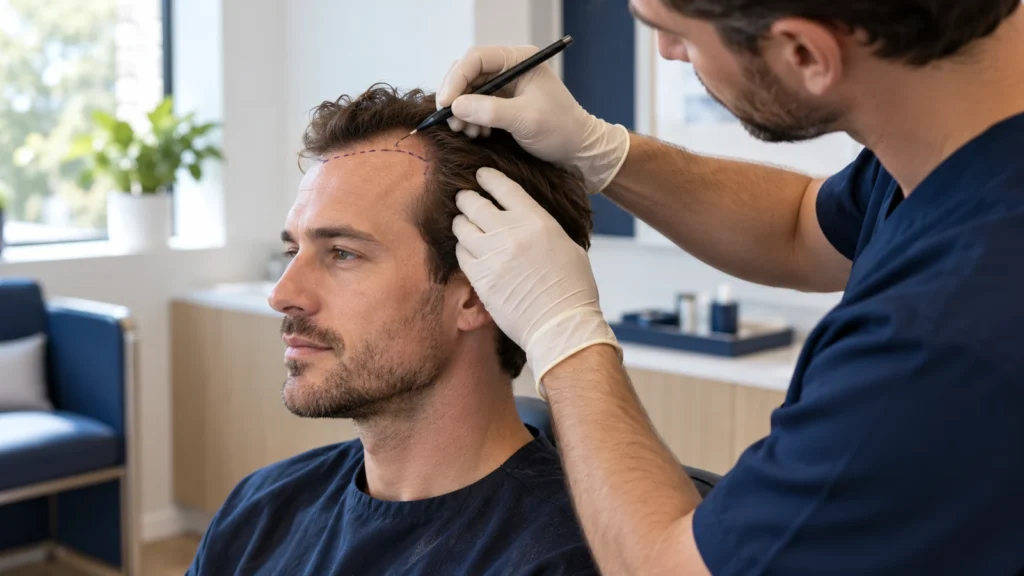
Suitability depends on several individual factors, but many patients considering Sapphire FUE vs DHI share common traits. You might be an ideal candidate if you:
- Have realistic expectations and desire natural results
- Have sufficient donor hair at the back or sides of your scalp
- Are in generally good health, without uncontrolled medical conditions
- Are willing to follow aftercare instructions to optimise results
- Seek expert-led, customized treatment in a reputable clinic
During your consultation at Vivid Clinic, your surgeon will carefully evaluate these aspects to determine which approach (Sapphire FUE or DHI) best suits your goals and scalp characteristics.
Who May Not Be Suitable for Sapphire FUE or DHI?
Not all patients are ideal candidates. Suitability depends on both medical history and scalp specifics. You may not qualify for Sapphire FUE or DHI if you:
- Have advanced hair loss with an insufficient donor area
- Live with chronic diseases or uncontrolled diabetes
- Have active scalp infections or skin conditions
- Are prone to abnormal scarring (keloids)
- Have unrealistic expectations about density or results
An honest, detailed assessment at Vivid Clinic is essential before moving forward. Sometimes, alternative hair restoration solutions or combined approaches offer better outcomes. Consultation with an experienced surgeon ensures your safety and satisfaction come first.
Procedure Overview Table
| Aspect | Details |
|---|---|
| Duration | 6-8 hours (Sapphire FUE), 7-9 hours (DHI) |
| Hospitalization | None; outpatient procedure |
| Mobility | Same day; patients can walk and return to hotel |
| Return to Activity | Light activity in 2-4 days; office work in 5-7 days |
| Complete Recovery | 10-14 days for healing, 6-12 months for hair maturation |
| Anticipated Results | Visible growth after 3 months; final results at 12 months |
This table compares the main logistical aspects of Sapphire FUE and DHI at Vivid Clinic. Both procedures are carried out in one day, allowing patients same-day mobility and the ability to return to light daily activities within days. The main difference in procedure duration stems from the complexity and precision required-DHI may take slightly longer for very high-density work. Recovery involves visible scalp healing in around two weeks, with substantial hair growth appearing from three months onward and full results typically visible by one year. Your surgeon will tailor your recovery plan to your unique case, and remote aftercare is available for all international patients.
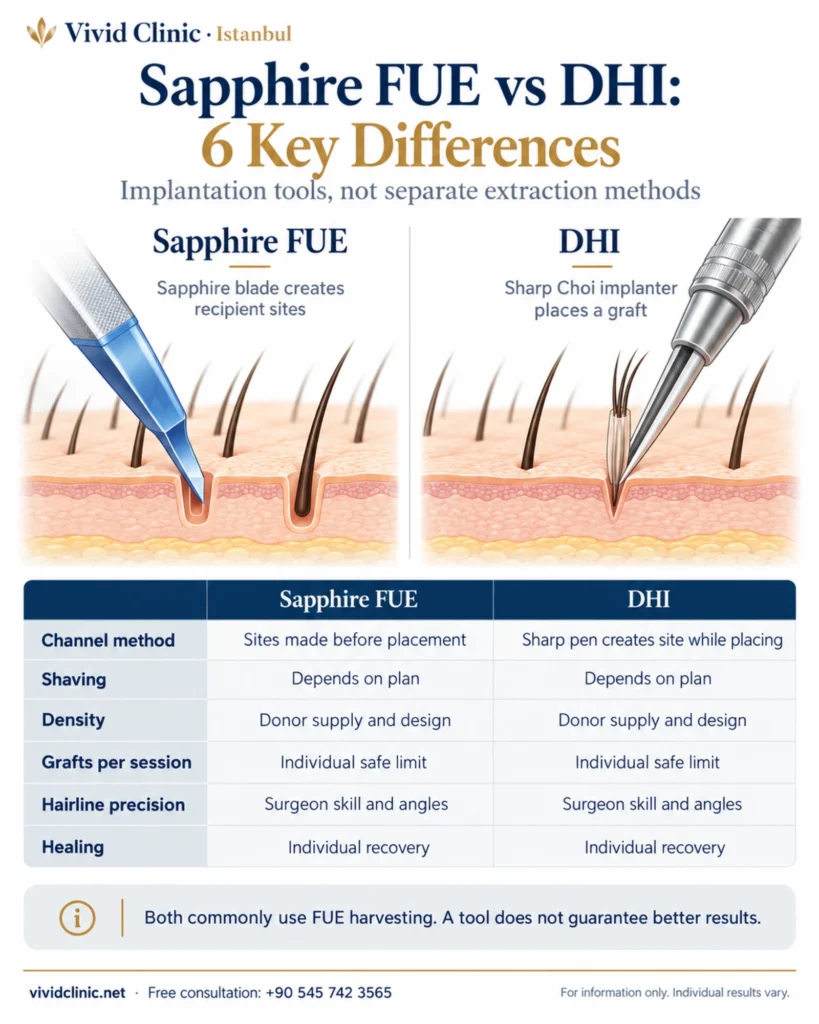
Side-by-Side Comparison: Sapphire FUE vs DHI
| Feature | Sapphire FUE | DHI |
|---|---|---|
| Extraction Method | Individual follicular units by micro-punch | Individual follicular units by micro-punch |
| Implantation Tool | Sapphire crystal blades create micro-channels | Choi implanter pen for direct placement |
| Implantation Process | Channels are opened, then grafts placed | Simultaneous channel creation and graft insertion |
| Scalp Trauma | Very low due to sharp sapphire blades | Minimal due to combined implantation step |
| Recipient Area Shaving | Usually required for natural blending | Partial or minimal shaving possible |
| Density & Hairline Design | High density possible, excellent for large areas | Maximum density in small targeted areas; excellent for detailed hairlines and temples |
| Procedure Length | 6-8 hours | 7-9 hours (can be longer for high precision cases) |
| Ideal Candidates | Moderate to advanced hair loss, large coverage needed | Small, focused areas, hairline creation, corrections |
| Scarring | Minimal dot-like scars, usually invisible | Minimal dot-like scars, usually invisible |
The main differences between Sapphire FUE and DHI revolve around their implantation tools and techniques. While both deliver impressive, natural-looking results with minimal scarring, the personalization and density planning create unique strengths for each method. Your Vivid Clinic surgeon will assess your hair loss pattern and expectations, providing clear recommendations after consultation.
Pros and Cons: Sapphire FUE vs DHI
Sapphire FUE: Pros
- Excellent for treating large areas of loss in a single session
- Ultra-precise channel creation with sapphire blades
- Natural results with low trauma and minimal visible scarring
- High graft survival rate when performed by experts
Sapphire FUE: Cons
- Requires full shaving of the recipient area for best blending
- May involve slightly more post-op swelling in some cases
- Larger sessions may require longer recovery than DHI for dense hairline work
DHI: Pros
- No need for full shaving; minimal haircut possible for discreet recovery
- Maximal control over the angle and density of each graft
- Reduces graft handling, which can improve survival rate in delicate work
- Ideal for hairline, temples, and touch-up or corrective procedures
DHI: Cons
- Time-consuming for large sessions (may require multiple sittings)
- Can be more expensive due to added precision and tools
- Not always the best choice for extensive baldness correction
Which Technique Suits Which Patient?
Your personal hair loss pattern, hair type, lifestyle, and cosmetic goals make a dramatic difference in technique selection. At Vivid Clinic, the process always starts with a thorough consultation and scalp evaluation. In general:
- Sapphire FUE is preferred for patients who want large coverage, dense graft numbers, or have advanced thinning in the crown and mid-scalp.
- DHI is chosen by those who desire precise hairline design, minimal downtime, maximum discretion, or have already had a previous transplant and need smaller corrections.
A personalized recommendation ensures you benefit from the technique that aligns with your needs-not just the trend or technology. The combined experience of Vivid Clinic’s team in Istanbul, Turkey, ensures every patient receives tailored care and honest guidance.
How the Procedure Works Step by Step
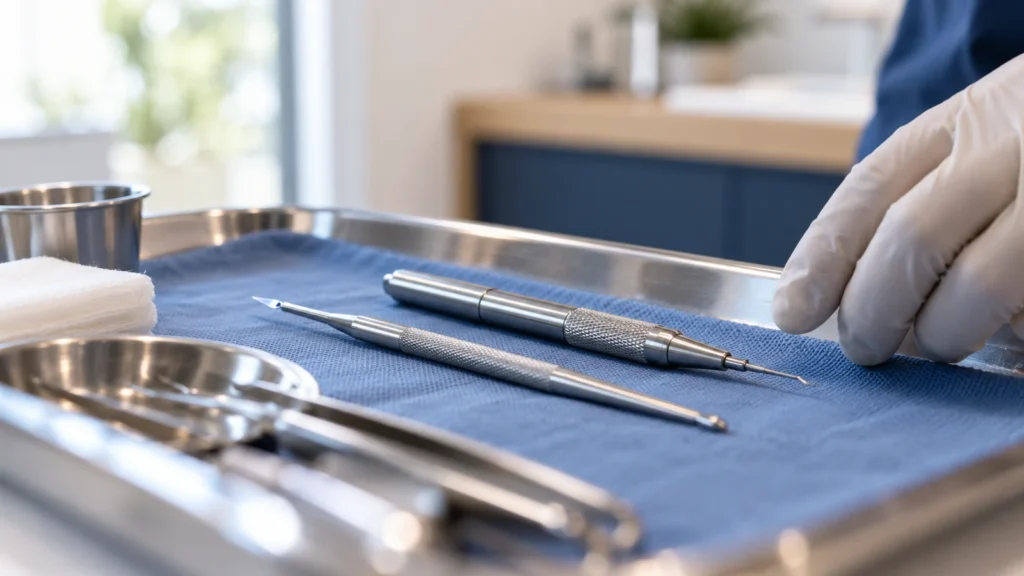
Sapphire FUE Procedure Steps
- Local anaesthesia is administered, and the donor area is shaved.
- Individual follicular units are extracted using a micro-motor or manual punch.
- The surgeon creates micro-channels in the recipient area using sapphire blades, mapping the hairline and angles.
- Extracted grafts are implanted into the channels for a natural pattern.
- The area is bandaged, and you receive detailed aftercare instructions.
DHI Procedure Steps
- Local anaesthesia is applied; only the donor area is shaved (for minimal haircut cases).
- Follicles are extracted using a similar punch device, as in FUE.
- Each viable graft is loaded into the Choi implanter pen.
- The surgeon inserts each graft directly into the scalp, controlling angle and placement.
- Small, focused areas can be completed with almost no visible trauma.
Operation Process Overview at Vivid Clinic
At Vivid Clinic in Istanbul, your hair transplant journey is tailored to maximize comfort and confidence. International patients are greeted at the airport by private VIP transfer and escorted to their chosen five-star hotel. Your consultation with a plastic surgeon allows in-depth discussion of your scalp health, hair goals, and suitability for Sapphire FUE or DHI. On the day of your procedure, the medical team supports you throughout surgery, keeping you informed and comfortable in a state-of-the-art facility.
After the transplant, you recover comfortably at your hotel with post-op instructions and rapid support as needed. Before departure, a checkup visit ensures healing is on track. Once home, dedicated remote aftercare provides you with continued guidance-so you always feel connected to your Vivid surgeon, wherever you are.
Recovery Timeline
Both Sapphire FUE and DHI offer fast, low-risk recovery for most patients, but there are subtle differences worth noting. After surgery, the scalp may show minor redness, pinpoint scabs, or mild swelling for up to a week. Most discomfort is mild and managed easily with medication. Hair shedding (‘shock loss’) of the transplanted follicles is normal within the first month. New growth typically starts from the third month, with significant improvement by six months and mature results developing at the 10 to 12-month mark.
Patients are encouraged to avoid strenuous activity, direct sun, and aggressive hair washing during the first two weeks. Your personalized aftercare protocol at Vivid Clinic-along with detailed instructions and follow-up-helps speed healing and protect your investment. Whether you opt for Sapphire FUE or DHI, you can expect a discreet return to daily life within days, with visible regrowth forming steadily in the months ahead. For more guidance, please see our Comprehensive Guide To Hair Transplant Aftercare.
When Will You See Results?
Patience is essential when it comes to seeing the final outcome of your Sapphire FUE or DHI hair transplant. The first signs of new growth commonly appear around the third month. At this time, new hairs might be soft and fine, gradually thickening with each subsequent growth cycle. At the 6- to 9-month mark, density increases, texture improves, and your hairline design becomes more visible.
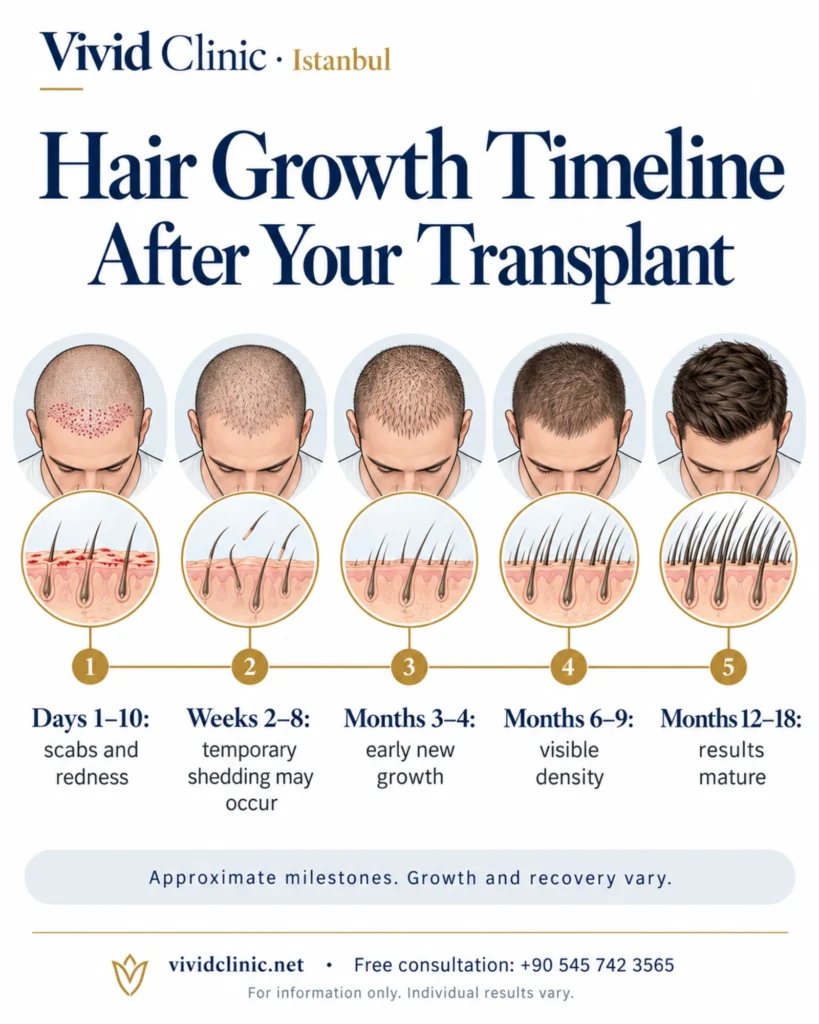
By 12 months (sometimes sooner), the full transformation is usually complete. Individual recovery does vary; your physiology, aftercare diligence, and overall health all influence the timeline. Vivid Clinic’s medical team monitors your progress from afar, ensuring any unusual patterns are addressed promptly and your outcome reaches its full potential.
Risks and Safety Considerations
Like any surgical procedure, Sapphire FUE and DHI hair transplants at Vivid Clinic carry some potential risks. Common, temporary effects may include swelling, redness, mild discomfort, and minor scab formation. Rarely, complications such as infection, poor graft survival, or excessive scar formation may occur. Choosing a reputable clinic-and an experienced surgeon-dramatically reduces these risks. At Vivid Clinic, strict medical protocols, sterilized instruments, and evidence-based care help safeguard your recovery and results. Consultation allows you to discuss your personal risk factors, ensuring every safety measure is in place. Results vary by individual.
Cost Factors Influencing Sapphire FUE and DHI
The cost of your hair transplant at Vivid Clinic depends on a range of variables-never just the advertised price or deal. Key factors include:
- Number of grafts needed and size of the treatment area
- Choice of technique (DHI requires specialized tools and more staff involvement)
- Surgeon experience and medical team involvement
- Facility standards, surgical technology, and safety protocols
- Accommodation, transfers, and other medical tourism services provided
- Aftercare, medications, and follow-up needs
Because every patient’s needs are unique, the most accurate way to receive a personalized estimate is through a consultation. Vivid Clinic provides free consultations, allowing for a medically responsible quote tailored to your goals. For additional information on pricing variables specific to Istanbul, visit How Much Does A Hair Transplant Cost In Istanbul.
Why Choose Vivid Clinic in Istanbul?
Vivid Clinic stands out as a premium destination for hair transplantation in Istanbul, Turkey. The combination of internationally qualified surgeons, state-of-the-art technology, and attentive, patient-focused care yields world-class results for both Sapphire FUE and DHI patients. Whether you’re traveling from the UK, Europe, or the Gulf region, Vivid Clinic’s all-inclusive approach offers seamless airport transfers, luxury hotel coordination, and continuous aftercare-even once you return home. The focus is always on safety, natural aesthetics, and your comfort at every stage of your journey. Transparent communication, honest recommendations, and a no-commitment free consultation make it easy to explore which hair restoration technique is right for you.
Results vary by individual.
Further Reading at Vivid Clinic
- To read more about hair transplant procedures and technologies, visit our Hair Transplant hub.
- Learn more about FUE Hair Transplantation and DHI Hair Transplantation in detail.
- For method comparison, see Methods Of Hair Transplantation.
- Curious about real outcomes? Visit our Before & After Gallery.
- See the renowned Vivid Clinic surgical team on our Doctors page.
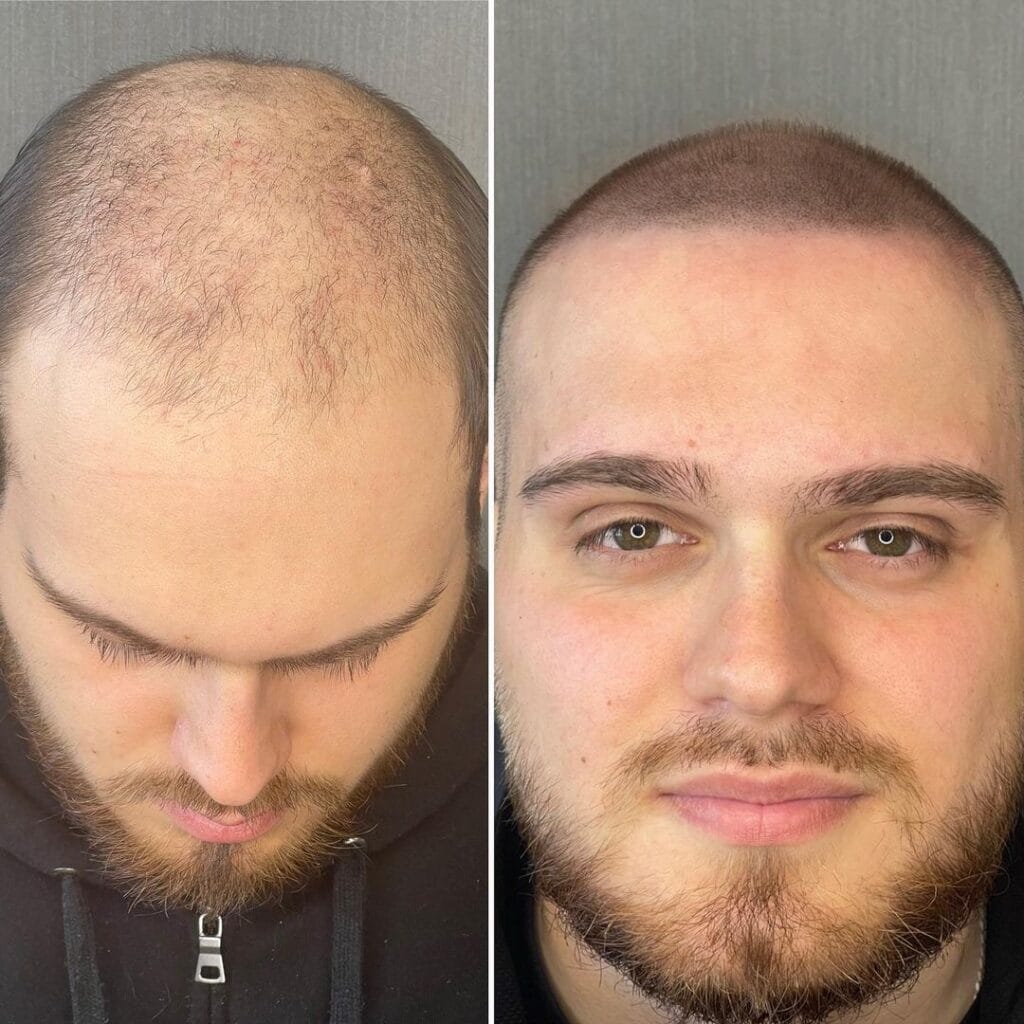
FUE and DHI Hair Transplant Before & After at Vivid Clinic
These consented Vivid Clinic cases include both DHI and FUE hair transplants performed in Istanbul. When weighing sapphire FUE vs DHI, compare hairline detail and density in cases with hair loss similar to yours.


FAQs
What are the main differences between Sapphire FUE and DHI techniques?
When comparing sapphire fue vs dhi, the key difference lies in the implantation process. Sapphire FUE uses ultra-sharp sapphire blades to create recipient channels before grafts are placed, making it ideal for large areas. DHI, on the other hand, employs a Choi implanter pen to implant grafts directly without pre-made channels, allowing high precision for hairlines and small areas. Both minimize trauma and promote natural results, but your specific hair loss pattern and goals will determine which is best.
Is there a difference in recovery time between Sapphire FUE vs DHI?
For most patients comparing sapphire fue vs dhi, recovery timelines are quite similar: mild redness and swelling subside within 7-10 days, with new growth usually starting around three months. DHI may allow a slightly more discreet recovery for small areas, as minimal shaving is required. However, overall downtime and aftercare are very comparable when performed at Vivid Clinic, and a personalized recovery plan is always provided.
Which method, Sapphire FUE or DHI, results in a more natural hairline?
Both techniques, when performed by experienced surgeons at Vivid Clinic, can achieve highly natural hairlines. DHI allows extremely precise placement using the implanter pen, making it especially popular for detailed hairline and temple work. Sapphire FUE achieves excellent natural results in larger areas and can also deliver natural-looking front hairlines. The most important factor is designing the hairline to your features, regardless of the method.
Can I combine Sapphire FUE and DHI in one hair transplant procedure?
Yes, at Vivid Clinic in Istanbul, surgeons sometimes combine sapphire fue vs dhi techniques to optimize outcomes. For example, Sapphire FUE may be used for main coverage, while DHI refines the frontal hairline for extra density and detail. Your medical team will assess your scalp and recommend the best approach after your consultation.
How should I choose between sapphire fue vs dhi for my hair loss pattern?
Choosing between sapphire fue vs dhi depends on your pattern of hair loss, donor hair quality, and your desired look. Sapphire FUE is excellent for wide coverage, whereas DHI excels at precise, high-density hairline and touch-up work. Consultation with Vivid Clinic’s surgeons ensures a personalized treatment plan, guiding you toward the technique that will achieve your aesthetic goals safely and naturally.
Conclusion
Choosing between Sapphire FUE vs DHI for your hair transplant is a deeply personal decision-but you don’t have to make it alone. Both techniques deliver superb, natural results when matched to your scalp, expectations, and lifestyle. Vivid Clinic in Istanbul, Turkey, is dedicated to honest guidance, exceptional care, and technical expertise-ensuring confidence every step of your journey. Take the next step and book a free consultation with a plastic surgeon at Vivid Clinic to receive your individualized treatment plan and hair restoration quote. For many international patients, this conversation marks the true beginning of their transformation.