
 ChatGPT

The Ponytail Moment Nobody Talks About
You pull your hair back, glance at the mirror, and there it is again: a wide stretch of skin between your brows and your hairline that seems to take up half your face. If a big forehead has made you avoid ponytails, windy days or flash photography, you are far from alone, and you have more options than you might think.
Some fixes cost nothing. Others take ten minutes with a hairdresser. A smaller group involves surgery, such as hairline lowering, which plastic surgeons at Vivid Clinic in Istanbul, Turkey perform for patients who want a lasting change.
This guide ranks nine ways to handle a big forehead, from styling tricks to forehead reduction. For a personal opinion, you can request a free consultation with a plastic surgeon and share a few photos first.
Is a Big Forehead Normal?
Quick Answer: Yes. A tall or broad forehead is a normal variation in facial anatomy, not a medical problem. Treatment is entirely optional and only worth considering if it genuinely bothers you.
Faces are often described in thirds: hairline to brows, brows to the base of the nose, and nose to chin. When the upper third is noticeably longer than the other two, the forehead reads as large. Many admired faces have exactly this proportion.
So nothing is “wrong” with a big forehead. The real question is whether you want to change the balance of your face, and how much effort or recovery you would accept to do it.
Why Do I Have a Big Forehead? The Most Common Causes
Quick Answer: Most people with a big forehead simply inherited a high hairline or a particular bone structure. In others, the forehead has grown taller over time because of hair loss, hairline recession, or years of tight hairstyles.
If you have ever typed “why do i have a big forehead” into a search bar at midnight, these are the usual answers.
Genetics and a Naturally High Hairline
The most common reason is a hairline that was always set high. It often runs in families and is present from the teenage years. It is the typical profile of forehead reduction candidates.
Bone Structure and Brow Position
The shape of the frontal bone, the slope of the forehead and brow height all affect how much forehead you see. Low brows or a backward slope can make it look taller, even with a typical hairline.
Hair Loss and a Receding Hairline
For many men, and some women, the forehead was not always this tall. Pattern hair loss gradually moves the hairline back, especially at the temples, and needs a different fix from a high hairline you were born with. Widow’s peaks and mature hairlines are covered in separate guides.
Traction From Tight Hairstyles
Years of tight ponytails, braids, extensions and buns can thin the front edges, a pattern called traction alopecia. Caught early, gentler styling can help hair recover.
When to See a Doctor
A forehead that changes shape, a hairline that suddenly retreats, or patchy hair loss with redness or itching should be checked by a doctor or dermatologist. These cases need a diagnosis first, not a cosmetic fix.
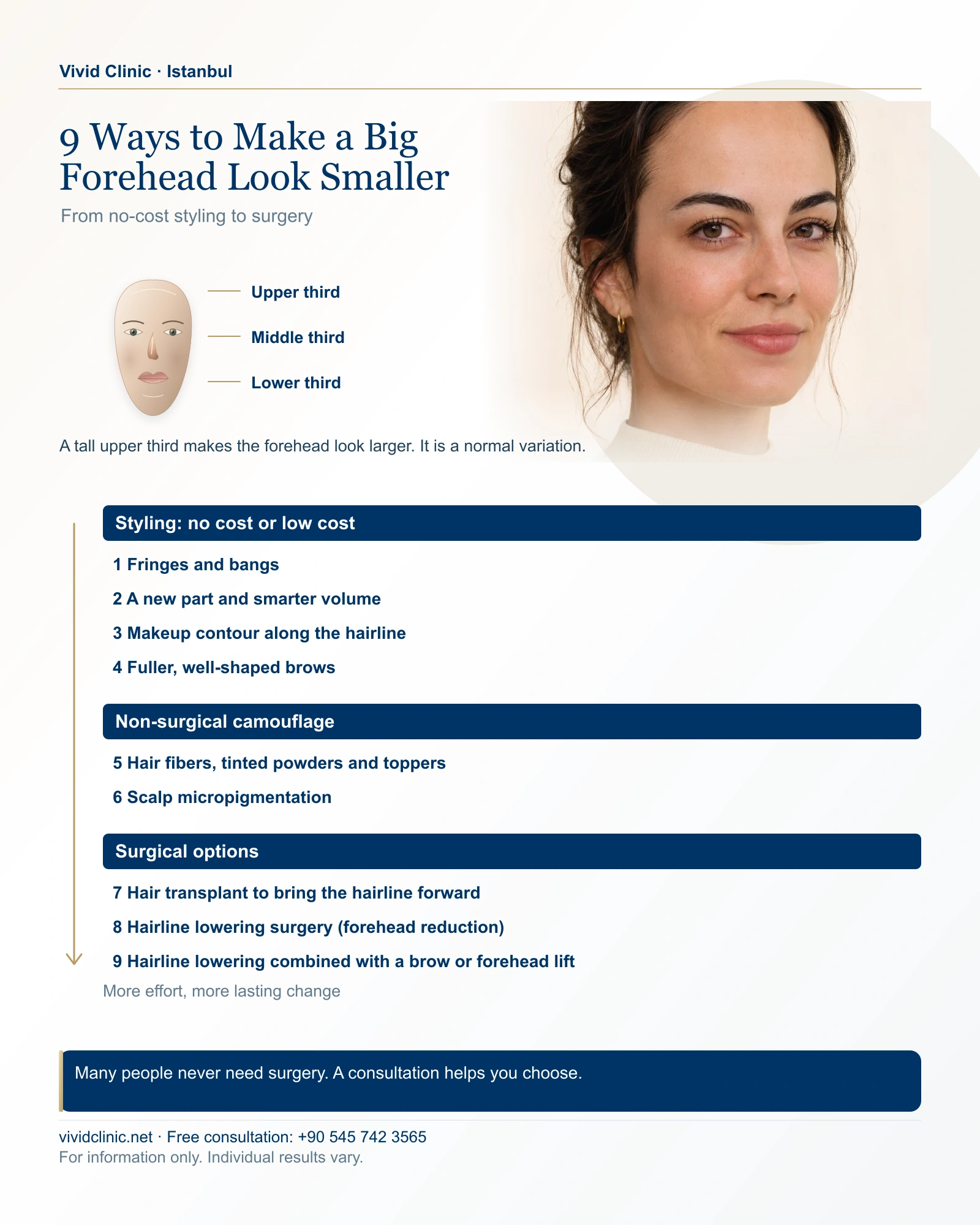
9 Ways to Make a Big Forehead Look Smaller
The fixes below run from free to surgical. Many people find that the first few are all they need.
No-Cost and Low-Cost Styling Fixes
1. Fringes and Bangs
A fringe is the fastest way to shorten a forehead visually. Curtain bangs suit most face shapes, side-swept bangs soften a broad forehead, and a blunt fringe covers the most height.
2. A New Part and Smarter Volume
A deep side part breaks up the horizontal hairline. Avoid slicking hair back or piling volume on top, which adds height. For men, a textured crop styled forward beats a high quiff.
3. Makeup Contour Along the Hairline
A matte bronzer or contour shade one to two tones deeper than your skin, blended along the upper edge of the forehead and temples, visually lowers the hairline. Keep highlighter off the forehead, since shine draws the eye there.
4. Fuller, Well-Shaped Brows
Defined brows frame the eyes and pull attention downward, so a big forehead feels less dominant. Fill sparse brows with pencil or powder. For men, a well-kept beard adds weight to the lower face and rebalances the thirds.
Non-Surgical Camouflage
5. Hair Fibers, Tinted Powders and Toppers
Keratin hair fibers and tinted root powders fill in a thin hairline for the day, while toppers and lace-front pieces offer more coverage. All need regular reapplication.
6. Scalp Micropigmentation
Scalp micropigmentation is a cosmetic tattoo technique, offered by specialist practitioners, that places tiny pigment dots to imitate short hair. It can soften a high hairline in people who keep hair cropped. Pigment fades and needs touch-ups.
Surgical Options
7. Hair Transplant to Bring the Hairline Forward
A hair transplant in Turkey moves follicles from the back of the scalp to build a lower hairline. It suits a big forehead caused by hair loss, or a scalp too tight for advancement. Women can explore female hair transplantation, with soft, rounded hairline designs.
8. Hairline Lowering Surgery (Forehead Reduction)
Hairline lowering surgery removes a strip of forehead skin and advances the hair-bearing scalp forward in a single operation. The forehead is shorter from the day of surgery, which is why it is the main surgical option for a naturally high hairline.
9. Hairline Lowering Combined With a Brow or Forehead Lift
Some people have a tall forehead and heavy, low brows. A surgeon may then discuss combining hairline lowering with a brow lift in Turkey. Note that a classic forehead lift lifts brows and smooths lines rather than shortening the forehead, and some incisions can even raise the hairline, so incision choice matters. The forehead lift procedure page explains these approaches.
When You Do Not Need Surgery at All
Be honest about how often you think about your big forehead. If a fringe makes you forget it, that is a complete solution.
Surgery is worth discussing when the concern persists and styling no longer feels enough. Even then, a good consultation includes the option of doing nothing.
What Is Hairline Lowering Surgery?
Quick Answer: Hairline lowering surgery, also called forehead reduction, shortens the forehead by removing a band of skin just in front of the hairline and moving the scalp forward. It is usually done in one session and the change in forehead height is visible straight away.
The incision follows the natural shape of your hairline, often with an irregular, zigzag pattern that helps it blend. As the area heals, hair can grow through and in front of the scar, which helps disguise it.
Who Is a Good Candidate for Forehead Reduction?
Quick Answer: The best candidates have a naturally high hairline that has stayed stable for years, a flexible scalp, and good general health. Your surgeon checks scalp laxity by hand during consultation.
You may be a good fit if you:
- Have had a high hairline since your teens or early adulthood
- Have no active or progressive hair loss
- Have a scalp that moves easily over the skull
- Are a non-smoker, or willing to stop before and after surgery
- Want a noticeable but natural change and understand there will be a scar
Who It Does Not Suit
Hairline lowering is usually not recommended if you have active, progressive hair loss, such as male or female pattern thinning that is still advancing. Moving a hairline forward that will later recede can leave a visible scar exposed.
It is also less suitable with poor scalp laxity, certain scalp conditions, uncontrolled medical problems, or expectations of an exact measurement. A hair transplant, or no surgery, may then be better advice.
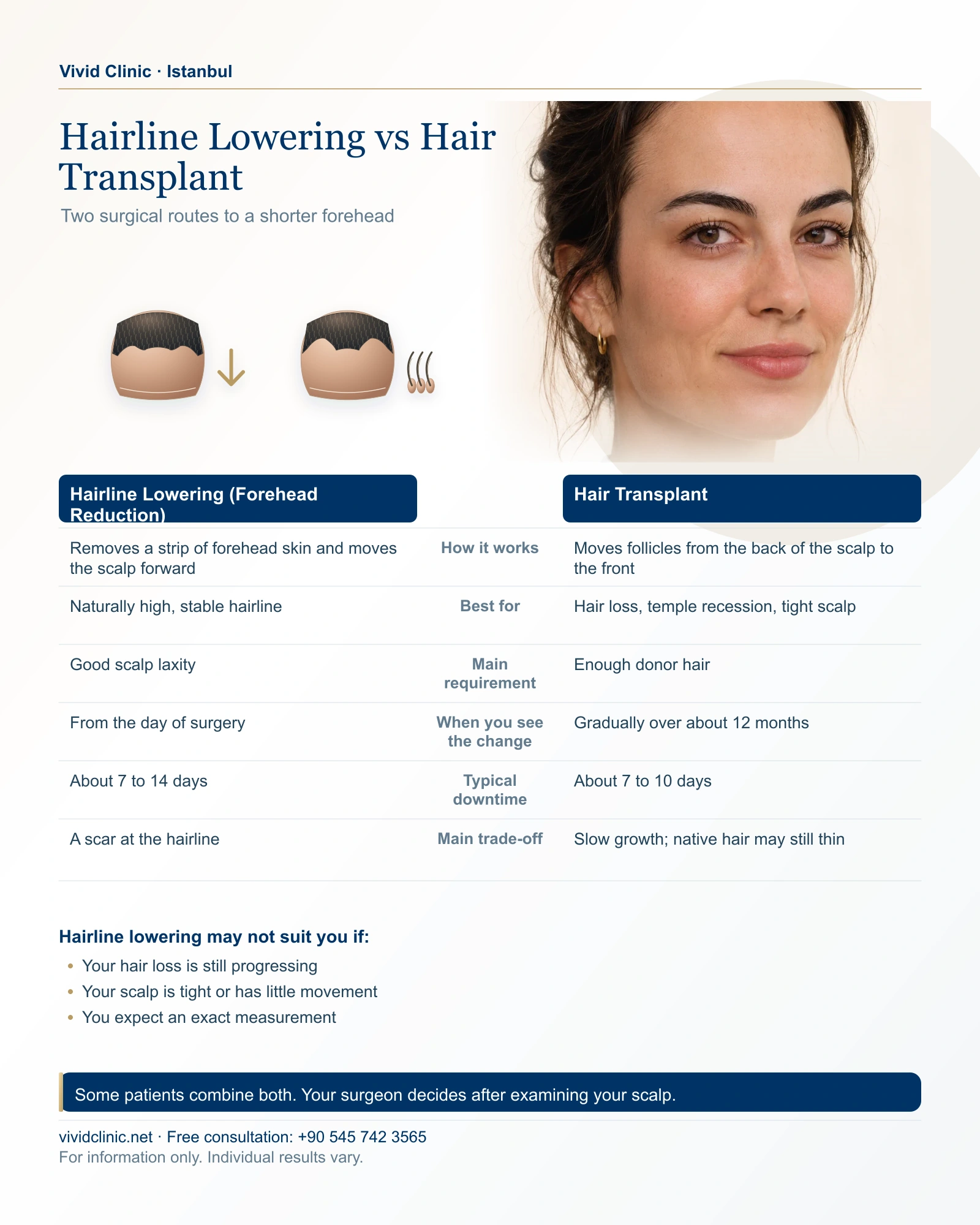
Hairline Lowering or Hair Transplant: Which Fits Your Big Forehead?
Hairline lowering moves your whole hair-bearing scalp, so it changes forehead height in one step with full density at the front. A hair transplant adds hair graft by graft, so density builds over many months.
Hairline lowering suits a stable, high hairline and a flexible scalp. A hair transplant suits recession, temple loss, a tight scalp, or fine-tuning hairline shape. Some patients have both, with grafts later used to soften the scar line or round out the temples.
How Hairline Lowering Surgery Works
Planning the New Hairline
Your surgeon marks a new hairline that suits your proportions, brows and hair pattern. How far it can move depends mainly on how much the scalp can safely stretch, since too much tension can widen the scar.
The Trichophytic Incision Technique
Many surgeons use a trichophytic incision, a beveled cut that lets hair grow through the scar line over the following months. The scalp is released, moved forward and secured, then closed in layers.
Anesthesia and Comfort
The procedure is commonly performed under local anesthesia with sedation or under general anesthesia, depending on your health and the surgeon’s preference. Discomfort afterward is usually manageable with prescribed pain relief.
Procedure Overview Table: Hairline Lowering Surgery
| Aspect | Details |
|---|---|
| Duration Process | About 1.5 to 3 hours |
| Hospitalization Duration | Usually same-day discharge; occasionally one night |
| Mobility Duration | Walking the same day |
| Return to Activity | About 7 to 10 days for desk work; 3 to 4 weeks for strenuous exercise |
| Complete Recovery | About 4 to 8 weeks for swelling and tightness; numbness may take several months |
| Anticipated Results | Shorter forehead from day one; scar and hair growth through it mature over 6 to 12 months |
Operation Process Overview at Vivid Clinic
Your journey begins on arrival in Istanbul, where a VIP airport transfer takes you directly to your 5-star hotel for check-in and a chance to rest. Next comes a one-on-one consultation, in which your surgeon examines your scalp laxity, hair history and facial proportions, then marks the planned hairline with you. On surgery day, the procedure is carried out in an accredited hospital setting with an anesthesia team present. Post-operative care follows, with dressing checks, medication and clear instructions, and a checkup visit is arranged before departure to review the incision and confirm you are ready to fly. Once you are home, remote aftercare follow-up continues through photo reviews and messages with the Vivid Clinic team.
Recovery Timeline After Forehead Reduction
First 24 to 48 Hours
Expect a snug headband, scalp tightness and some swelling. Sleep with your head raised. Mild headaches usually settle with medication.
Days 7 to 10
Swelling may drift down toward the eyes and then fade. Stitches or staples are typically removed around this stage. Most people feel comfortable returning to desk work and light social plans.
Weeks 2 to 6
The scar is pink and softening. Temporary shedding near the incision may occur and usually regrows. Heavier training returns around weeks 3 to 4 if your surgeon agrees.
Months 3 to 12
Numbness behind the incision slowly improves, and hair begins to grow through and in front of the scar. The scar continues to flatten and fade for up to a year.
Benefits of Hairline Lowering
- A shorter forehead in a single procedure
- Uses your own existing hair, so density at the front stays natural
- Freedom to wear hair back or in a ponytail with more confidence
- A scar placed at the hairline, where hair can help disguise it
Benefits vary between patients and depend on anatomy and healing.
Possible Risks and Side Effects
Every surgery carries risks. For hairline lowering these include a visible or widened scar, temporary or longer-lasting numbness, temporary hair shedding near the incision, swelling, bruising, bleeding, infection and asymmetry. Rarely, poor healing at the wound edge can occur, especially in smokers.
If hair loss progresses in the future, the scar may become more noticeable. This is why a careful hair loss assessment before surgery matters so much.
How to Prepare Before Surgery
- Stop smoking and nicotine products for several weeks before and after surgery
- Share your full medical history and medications
- Pause blood-thinning supplements if your surgeon advises
- Keep your hair at a length that can cover the incision area
- Pack front-buttoning tops
- Plan a quiet first week with no heavy lifting
Aftercare Tips
Follow your surgeon’s washing instructions, and avoid hair dye, heat styling and tight hair ties until cleared. Protect the scar from sun with a hat, later sunscreen. Send photos promptly if you notice redness, discharge or increasing pain.
Cost Factors for Hairline Lowering in Istanbul, Turkey
The cost of hairline lowering or a hair transplant varies, so a fixed figure here would not be helpful. The main factors are:
- The surgeon’s experience and the hospital setting
- How much advancement is planned and how complex the hairline design is
- Anesthesia type and operating time
- Whether a brow lift or later hair grafts are included
- Your package, including hotel, transfers and translator support
- Aftercare and follow-up arrangements
For a first estimate, try the surgery price calculator, then request a personalized quote for your big forehead plan.
Why Choose Vivid Clinic?
Vivid Clinic combines surgical planning with international patient support. You can meet our doctors before you travel and get an honest view on whether styling, a hair transplant or hairline lowering suits you.
Every plan starts with a free consultation with a plastic surgeon, based on your photos and goals. If surgery is not the right step for your big forehead, you will be told so.
What International Patients Can Expect
Most patients start by sending photos of their big forehead and hairline from the front, the side and with hair pulled back. The team confirms suitability, a likely plan and travel dates, and coordinators handle hotel, transfers and appointments.
FAQs
How long should I stay in Istanbul for big forehead surgery?
For hairline lowering to correct a big forehead, many international patients plan roughly 5 to 7 days in Istanbul. That covers your consultation and hairline marking, the operation, and at least one checkup before you fly. Stitches are often removed at around 7 to 10 days, and your surgeon will say whether that happens at the clinic or safely at home. A hair transplant usually needs about 3 to 4 days. Vivid Clinic confirms exact timings after reviewing your photos and history, and flexible flights are a sensible precaution.
Can a big forehead be reduced if my hairline is still receding?
If a big forehead comes from active hair loss, hairline lowering is usually not the first choice. Moving the hairline forward while hair behind it keeps thinning can leave the scar exposed later. Surgeons often suggest stabilizing hair loss with medical treatment first, then considering a hair transplant to rebuild the front hairline and temples. If your hairline has been stable for years and is simply high by nature, forehead reduction may still be possible. A careful scalp and family history assessment during consultation decides which route is safer for you.
How much can hairline lowering shorten a big forehead in one operation?
It depends mainly on how flexible your scalp is. In one operation, surgeons commonly describe an advancement of roughly 1 to 2.5 cm, with a little more possible for very loose scalps and less for tight ones. Your surgeon tests laxity by hand and will not plan more than the tissue can safely allow, because excess tension can widen the scar. For a larger change, some surgeons discuss a staged approach or adding grafts later. The goal is a big forehead brought into balance with your face, not a set number, and results vary.
When will I see the final result after fixing a big forehead with a hair transplant?
A hair transplant is slower than hairline lowering. Transplanted hairs usually shed in the first weeks, which is normal. New growth tends to appear from around 3 to 4 months, is clearly visible at about 6 months, and keeps thickening for 12 months or a little longer. So a big forehead treated with grafts softens gradually over the year rather than changing overnight. Final density depends on your donor hair, hair type and aftercare. Your team will usually request progress photos at set intervals to track growth remotely after you return home.
What affects the cost of big forehead surgery at Vivid Clinic in Istanbul, Turkey?
The cost of big forehead surgery depends on the procedure and the plan. For hairline lowering, key factors are the planned advancement, operating time, anesthesia and whether a brow lift is added. For a hair transplant, the area to cover and the hairline design matter most. Package elements such as hotel nights, VIP transfers, translator support and remote aftercare also count. Because every scalp is different, Vivid Clinic gives a personalized quote after a free consultation with a plastic surgeon rather than a fixed price. The online calculator offers an initial idea.
Conclusion
A big forehead is a normal part of many beautiful faces, and often a fringe, a new part or a little contour is all it takes. When the concern runs deeper, a hair transplant or hairline lowering can offer a lasting change, provided your hairline is stable and your scalp suits it.
Vivid Clinic in Istanbul, Turkey offers a free consultation with a plastic surgeon to help you weigh every option, including the option of no surgery. Request your free consultation and send your photos to get a clear, personal plan.
Real Before and After Results at Vivid Clinic
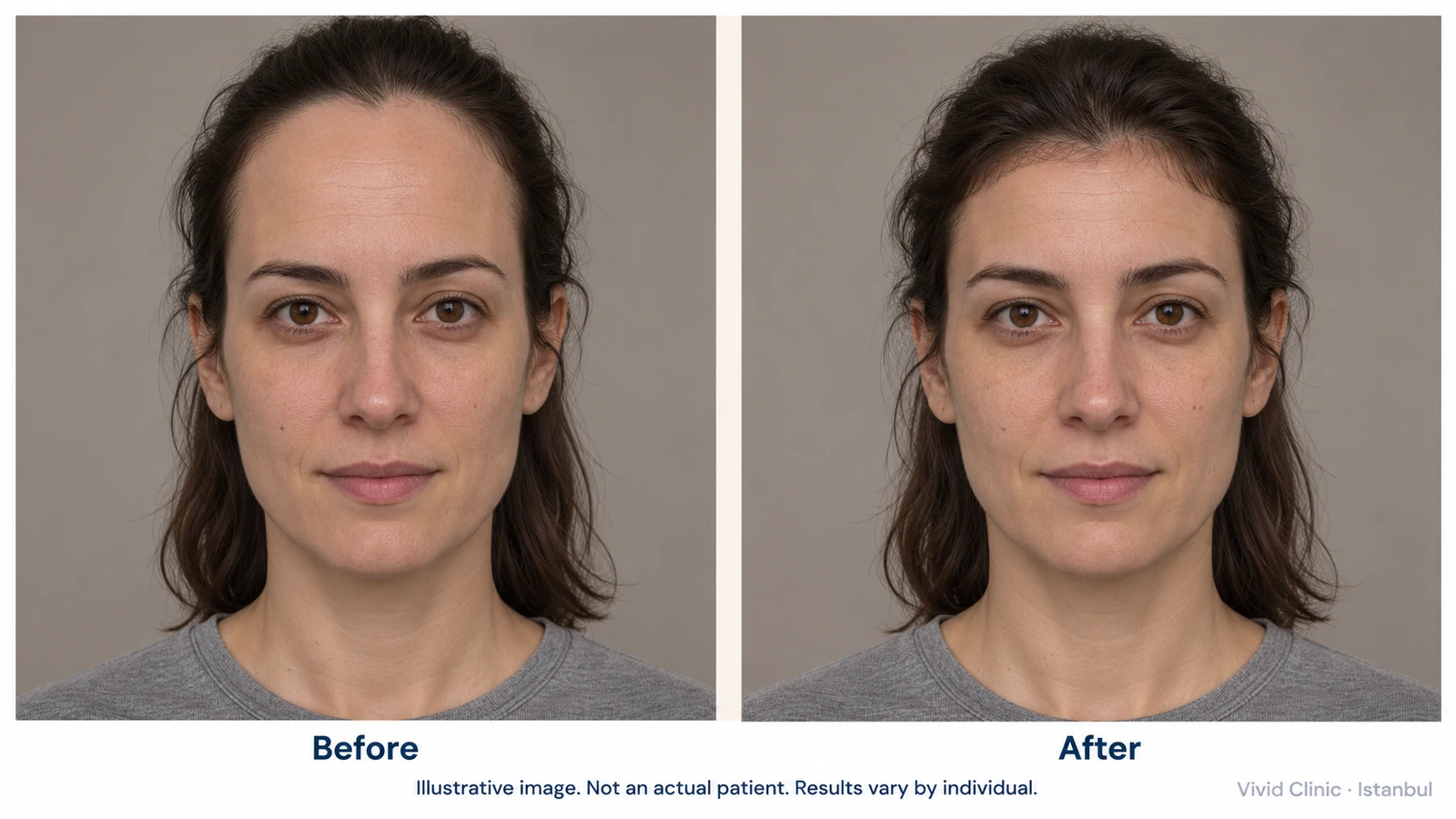
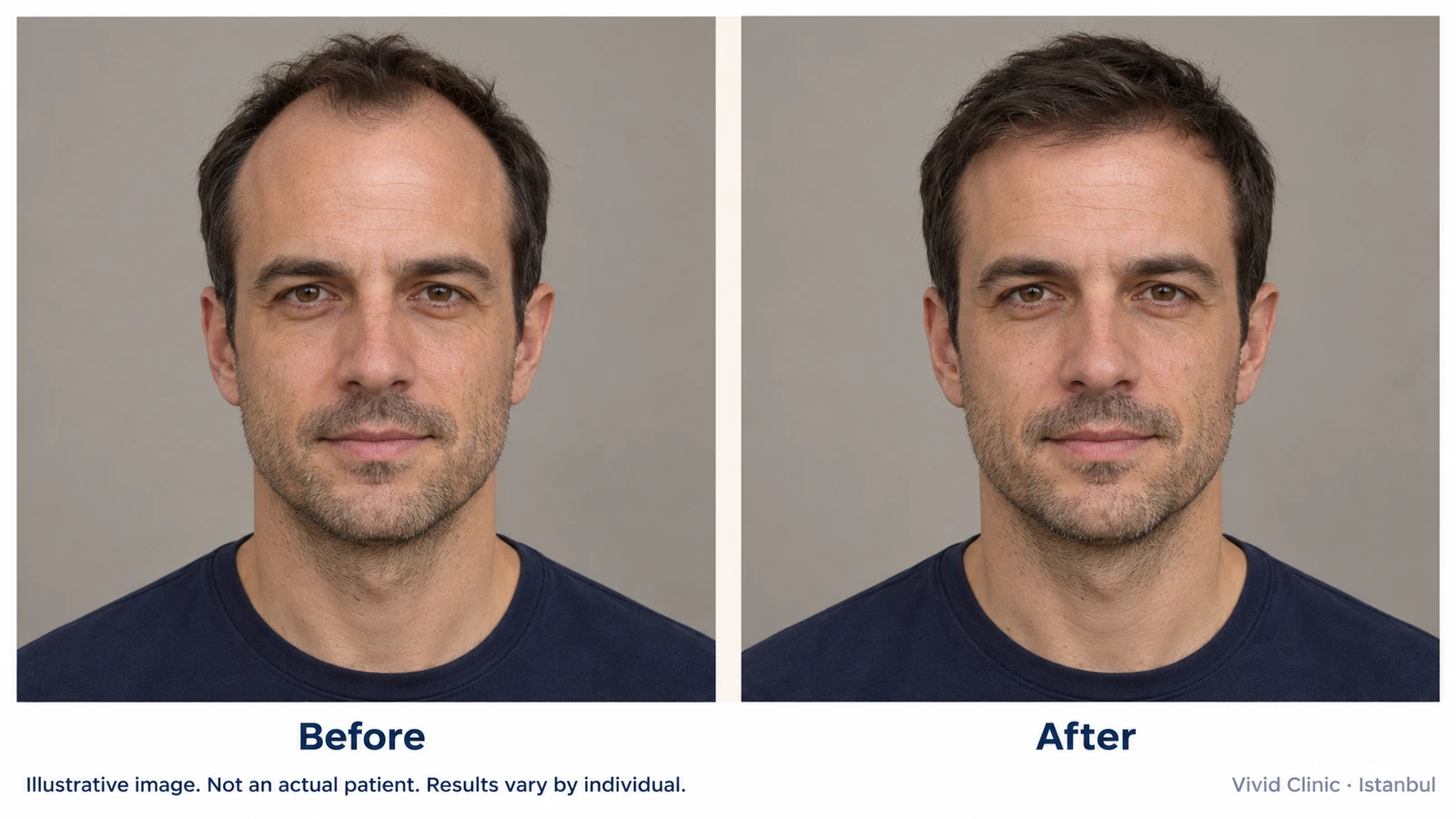
The photos below show real Vivid Clinic patients from the clinic’s own gallery, shared with consent as published on the clinic site. They show a related procedure, hair transplant, which is one of the options for a big forehead, rather than hairline lowering surgery, and results vary by anatomy, healing and treatment plan.


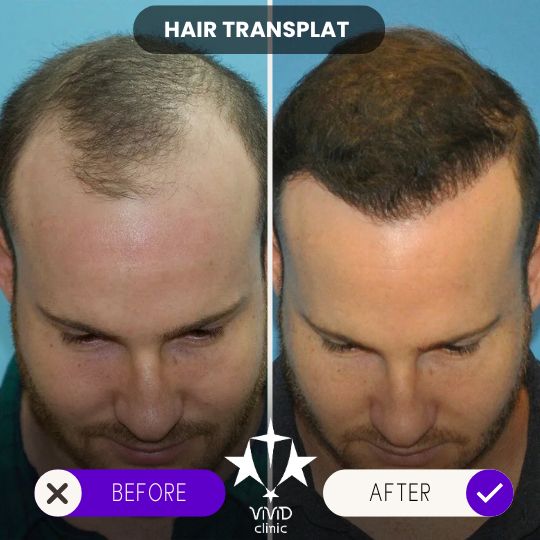


You can view more cases in the full Vivid Clinic before and after gallery. To find out which option suits your hairline, request a free quote and share your photos with the team.
This article is for general information and does not replace a personal medical consultation. Suitability, risks, recovery and expected results should always be discussed with a qualified medical professional. Results vary by individual.