
 ChatGPT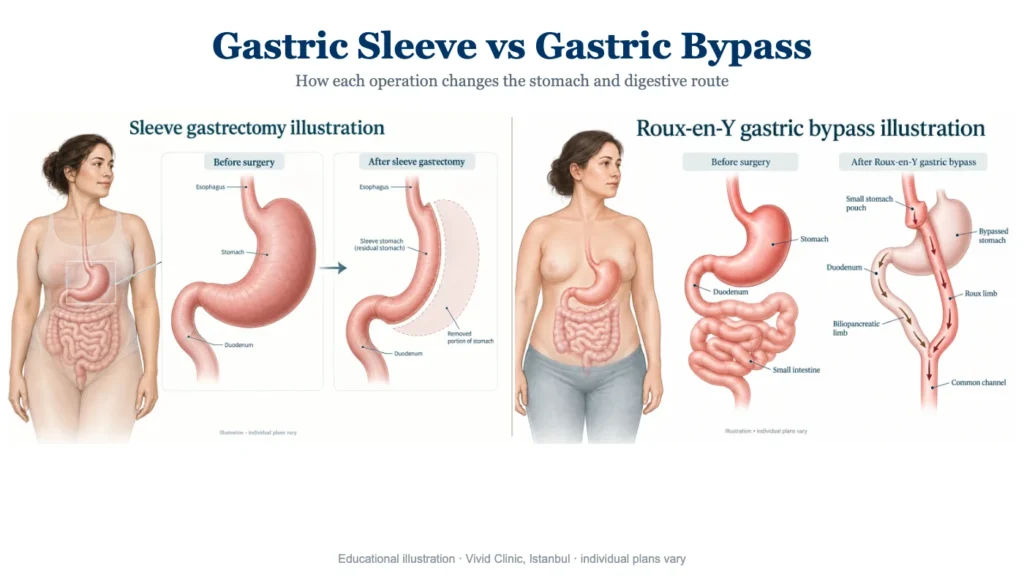
Introduction: The Journey Toward A Healthier You
Deciding between gastric sleeve vs bypass surgery can feel overwhelming, but you’re not alone in this journey. For countless people struggling with weight loss, these life-changing bariatric surgeries represent real hope and a fresh start. Yet, understanding which option meets your unique needs, lifestyle, and weight-loss goals is crucial. At Vivid Clinic in vibrant Istanbul, Turkey, we know that the choice between gastric sleeve and gastric bypass isn’t just a medical decision, it’s a deeply personal one that could reshape not only your body, but your future and self-confidence.
In this comprehensive guide, we’ll break down the twelve key differences between these two powerful surgeries, giving you the expert knowledge you need to feel informed, empowered, and ready for your transformation. Whether you’re just beginning your bariatric research or narrowing down your best option, you’ll find answers to your questions, real recovery insights, risk and safety explanations, cost factors, and what makes Vivid Clinic a trusted destination for international weight-loss patients. Let’s begin: your new chapter starts here.
What Is Gastric Sleeve Surgery?
Gastric sleeve surgery, also known as sleeve gastrectomy, is one of the most popular bariatric procedures worldwide. During the operation, approximately 75-80% of your stomach is permanently removed. What’s left looks like a slender tube or ‘sleeve,’ about the size and shape of a banana. The result is a much smaller stomach capacity, which means you feel full with less food and your overall appetite decreases. This procedure is primarily restrictive, it limits the amount you can eat, but also impacts hormones related to hunger and satiety, leading to considerable, long-term weight loss for most patients.
How Gastric Sleeve Works
By surgically reducing the stomach’s size, the gastric sleeve procedure restricts caloric intake and alters hunger hormones such as ghrelin. Unlike more complex surgeries, the digestive pathway remains unchanged: food moves from the smaller stomach straight into the intestines as it did before, though in smaller volumes. This approach drastically improves metabolic health, supports steady weight loss, and avoids foreign objects or rerouting the intestines.

Who Gastric Sleeve Is For
Gastric sleeve is often recommended for patients with a body mass index (BMI) of 35 or higher, or for those with a BMI of 30+ and serious obesity-related conditions such as type 2 diabetes, sleep apnea, or hypertension. Sleeve gastrectomy is popular for its lower complication rates, simplicity, and ability to achieve 60-70% excess weight loss within 12-18 months. Its straightforward technique often appeals to people seeking effective but less drastic anatomic changes compared to bypass. The American Society for Metabolic and Bariatric Surgery summarises how sleeve gastrectomy and Roux-en-Y gastric bypass differ.
What Is Gastric Bypass Surgery?
Gastric bypass, most commonly the Roux-en-Y gastric bypass, is a powerful bariatric solution that combines both restriction and malabsorption to achieve weight loss. The surgeon creates a small stomach pouch (about the size of an egg) and then reroutes a portion of the small intestine to connect directly to this new pouch. Food ‘bypasses’ most of the stomach and the first section of the intestines, so patients absorb fewer calories and nutrients in addition to feeling full faster. This dual-action approach can provide more rapid initial weight loss and helps many patients achieve significant improvements in metabolic conditions, such as type 2 diabetes.
How Gastric Bypass Works
In gastric bypass, the tiny new stomach pouch limits meal size, while rerouting the intestines alters the direction of food and digestive enzymes. This change not only restricts food intake but also decreases calorie and nutrient absorption for a time, intentionally creating a powerful metabolic effect. Bypass is especially effective for individuals with severe obesity or significant obesity-related diseases, and it can even help ‘resolve’ diabetes in some patients under medical supervision.

Who Gastric Bypass Is For
The best candidates are usually those with a BMI of 40 or higher, or those with moderate obesity and severe comorbidities. Gastric bypass is often preferred for people with longstanding diabetes, severe reflux, or who have not achieved desired results with previous bariatric procedures. However, its complexity means it’s reserved for patients motivated for lifestyle changes and long-term follow-up.
Why Patients Choose Bariatric Surgery in Istanbul, Turkey
Istanbul and Turkey are renowned hubs for bariatric surgery, drawing thousands of international patients every year. The reasons are compelling: world-class surgeons with extensive experience, outstanding clinic standards, affordable pricing packages, including consultation, hospital stay, hotel, and aftercare, and warm hospitality that puts your comfort first. At Vivid Clinic, we combine expert bariatric care with a luxury medical tourism experience. Patients from the UK, EU, and Gulf find not only financial advantages but also peace of mind in Turkey’s rigorous healthcare regulations and personalized, English-speaking support for every step of their transformation.
Side-by-Side Comparison: Gastric Sleeve vs Bypass
| Aspect | Gastric Sleeve | Gastric Bypass |
|---|---|---|
| Surgical Technique | Removes 75-80% of stomach to create narrow tube | Creates small stomach pouch and reroutes intestine |
| Restrictive or Malabsorptive | Restrictive only | Restrictive + Malabsorptive |
| Average Procedure Time | 45-90 minutes | 2-3 hours |
| Hospital Stay | 1-2 nights | 2-3 nights |
| Expected Weight Loss | 60-70% excess weight loss in 12-18 months | 70-80% excess weight loss in 12-18 months |
| Diabetes/Metabolic Impact | Improves, but less dramatic than bypass | Significant improvement, rapid in many cases |
| Risk of Dumping Syndrome | Uncommon | Higher risk |
| Micronutrient Deficiency | Possible, less common | More common; lifelong supplements required |
| Digestive Tract Changed? | No | Yes |
| Reversibility | Not reversible | Technically reversible, but rarely done |
| Long-Term Lifestyle Adjustments | Vital, but often easier adjustment | More strict and lifelong micronutrient monitoring |
| Ideal For | Most obese patients, lower complication risk | Severe obesity, diabetes, severe reflux cases |
Procedure Overview: Bariatric Surgery at Vivid Clinic
| Aspect | Details |
|---|---|
| Duration | Gastric Sleeve: 45-90 minutes; Bypass: 2-3 hours |
| Hospitalization | Sleeve: 1-2 nights; Bypass: 2-3 nights |
| Mobility | Start walking next day after surgery for both types |
| Return to Activity | Light work: 7-14 days; Full activities: 4-6 weeks |
| Complete Recovery | 6-8 weeks for most patients |
| Anticipated Results | Steady weight loss begins within weeks; full effects in 12-18 months |
The above table gives a concise but realistic look at what you can expect after gastric sleeve or gastric bypass surgery at Vivid Clinic in Istanbul. Gastric sleeve generally requires slightly less time in surgery and hospital than bypass. Both procedures encourage early mobility to reduce complications, and most people start to feel more like themselves within two weeks. Gradual, long-term results are the goal, not overnight transformations. Your surgeon will tailor all advice to your health profile, personalized treatment and aftercare support are top priorities for international patients traveling to Turkey.
12 Expert Differences Between Gastric Sleeve and Gastric Bypass
1. Technique and What Actually Changes
Gastric sleeve removes a large section of the stomach, turning it into a narrow ‘sleeve.’ Gastric bypass separates a small stomach pouch and reroutes the intestines to this pouch, so food bypasses much of the stomach and upper intestine. This core difference shapes every other factor.
2. Weight Loss Expectations
On average, bypass produces faster and more dramatic weight loss in the first year, but both procedures lead to impressive excess weight reduction, typically 60-80%. Bypass is sometimes preferred for patients needing very rapid metabolic improvement (such as those with advanced diabetes).
3. Diabetes and Metabolic Effects
Gastric bypass has a stronger and quicker impact on blood sugar, making it ideal for patients with type 2 diabetes or insulin resistance. Gastric sleeve still improves diabetes, but changes are more gradual.
4. Risk of Nutrient Deficiency
Because food bypasses parts of the intestine, gastric bypass patients face a higher risk of vitamin and mineral deficiencies and must commit to lifelong supplements. Sleeve patients also need supplements, but risk is lower.
5. Digestive Differences
With gastric sleeve, the digestive tract’s path is unchanged, only the stomach’s size is reduced. Gastric bypass not only reduces the stomach size but also changes how food and digestive enzymes meet, which can affect how certain foods are tolerated.
6. Dumping Syndrome
Dumping syndrome, nausea, weakness, and diarrhea after eating high-sugar foods, is more common after gastric bypass. It acts as ‘negative feedback’ for poor eating habits but can be uncomfortable. Sleeve patients experience this less often.
7. Procedure Risks and Complications
Sleeve gastrectomy is generally seen as lower risk than bypass, since it doesn’t involve intestinal rerouting. However, any surgery has potential risks, including leaks, bleeding, or infection. Bypass carries extra risks related to the connections between stomach and intestine.
8. Surgical Reversibility
Gastric sleeve is not reversible: the removed portion of the stomach cannot be restored. Gastric bypass is technically reversible, but this is rarely undertaken because of the complexity and potential risks involved.
9. Procedure Duration and Hospitalization
Sleeve surgery usually takes less time (45-90 minutes), with a faster discharge. Bypass is more involved (2-3 hours) and often requires a slightly longer hospital stay.
10. Suitability for Severe Reflux
Gastric bypass is preferred for patients with severe acid reflux or gastroesophageal reflux disease (GERD), as it can dramatically improve symptoms. Sleeve gastrectomy sometimes worsens reflux for certain patients.
11. Long-term Lifestyle and Dietary Changes
Both procedures require lifelong mindful eating, regular exercise, and vitamin supplementation. However, bypass patients need more rigorous supplement routines and medical monitoring to guard against deficiencies.
12. Revision Surgery Options
If primary surgery does not lead to desired weight loss or complications arise, bypass allows for more options in revision surgery. Sleeve can sometimes be converted to bypass for patients needing additional metabolic control or weight loss.
Pros and Cons: Gastric Sleeve vs Bypass
Gastric Sleeve Pros
- Shorter surgery and hospital stay
- Lower complication rate
- No intestinal rerouting, less impact on absorption
- Less risk of dumping syndrome
- Effective, lasting weight loss for most patients
Gastric Sleeve Cons
- Irreversible surgery (stomach permanently removed)
- Possible increase in reflux for some patients
- Slightly slower metabolic benefits compared to bypass
- Requires lifelong healthy habits to avoid weight regain
Gastric Bypass Pros
- Larger, faster weight loss results (especially with diabetes)
- Significant improvement/resolution of diabetes
- Helps improve or eliminate severe reflux/GERD
- Long track record, well-studied outcomes
Gastric Bypass Cons
- Longer, more complex surgery
- Greater risk of complications (leaks, blockages, deficiencies)
- Higher chance of micronutrient deficiency, lifelong supplements needed
- Potentially uncomfortable dumping syndrome
- Difficult to reverse; anatomy permanently altered
Who Is a Good Candidate for Gastric Sleeve or Bypass?
The ideal procedure is based on your unique medical profile, lifestyle, and weight-loss goals. Gastric sleeve is suitable for most patients with a BMI over 35, or BMI 30+ with major health risks. It’s often chosen by people who want a highly successful operation with fewer risks and a straightforward technique. Bypass is better for those with severe obesity, type 2 diabetes, metabolic syndrome, or severe reflux, especially if rapid, significant improvement is needed. Both require a commitment to lifelong changes, regular follow-ups, and ongoing nutritional monitoring. To find out where you stand, read more about bariatric surgery requirements or use our BMI calculator to help assess your eligibility.
Who May Not Be Suitable for Sleeve or Bypass?
Some people may not be candidates for either procedure, or may need further evaluation. Contraindications include severe heart or lung disease, certain medications or substance dependencies, short bowel syndrome, or inability to commit to follow-up care. Patients with severe reflux may do poorly with sleeve but well with bypass. Ultimately, an individualized evaluation by a bariatric specialist, such as the team at Vivid Clinic in Istanbul, will clarify which option, if any, is safest and most effective for you. You can find a detailed overview at our weight loss and bariatric surgery page.
How the Procedure Works Step by Step
Both surgeries are performed under general anaesthesia using minimally invasive (laparoscopic) techniques. For gastric sleeve, the surgeon makes several small incisions, removes most of the stomach, and closes the remaining sleeve-shaped tube with staplers. No intestines are changed. For gastric bypass, a small stomach pouch is created and stapled, then the surgeon connects it directly to a lower part of the intestine, food ‘bypasses’ the majority of the stomach and upper small intestine.
Both surgeries take place in a state-of-the-art operating theatre and require expert perioperative monitoring, with the medical team ensuring safety throughout. After surgery, you will recover in the hospital until safely mobile and able to keep fluids down. Most patients feel well enough to go home (or back to hotel accommodation in Istanbul) within a couple of days.
Operation Process Overview at Vivid Clinic, Istanbul
At Vivid Clinic in Istanbul, your journey is designed to feel clear and supported from the beginning. International patients are welcomed upon arrival at Istanbul airport with VIP transfer to a five-star hotel, where you’ll settle before a one-on-one consultation with your bariatric surgeon. Your surgeon asks about your history, explains gastric sleeve vs bypass in detail, and uses advanced imaging to tailor a treatment plan that fits your goals and unique anatomy.
Surgery is scheduled promptly, normally within 1-2 days, and performed in a fully accredited hospital with English-speaking medical staff. Post-surgery, you’re monitored round the clock with focus on pain management, mobility, and recovery. Before departure, you have a thorough check-up and detailed at-home care instructions. Vivid Clinic provides remote aftercare and support, so you feel guided long after your return home, ensuring peace of mind for every international patient.
Recovery Timeline: What to Expect After Surgery
First Days: You’ll begin with clear liquids and gentle walking in the hospital. Staff will help you manage pain and monitor for any early complications. Most patients leave hospital after 1-2 nights for sleeve and 2-3 nights for bypass.
First 2 Weeks: You progress to pureed and soft foods, focusing on hydration and gradual increase of activity, always under guidance.
Weeks 2-6: You can usually return to light activity and work.
Continued dietary progression and vitamin supplementation ensure steady healing.
6 Weeks and Beyond: Most patients feel recovered and adapt well to new eating patterns. Full resumption of exercise is usually possible at this stage. Weight loss accelerates, and regular check-ups (in person and remotely) are vital for monitoring nutrition and health.
When Will You See Results?
Noticeable weight loss often begins within days of surgery, but the full transformation is gradual. Most sleeve or bypass patients lose 60-80% of their excess weight over 12-18 months. Initial weight drops quickly, then steadies, and you’ll experience ongoing improvements in energy, appearance, and even chronic conditions like diabetes and high blood pressure. Remember: results vary by individual. Your Vivid Clinic team will support your progress and adjust your plan to help you sustain your results for the long term.
Risks and Safety Considerations
Like any surgery, gastric sleeve and bypass both carry potential risks. These can include bleeding, infection, leakage at surgical sites, blood clots, or, more rarely, complications related to anesthesia. Bypass patients in particular have additional risks tied to the intestinal rerouting, such as hernias or blockages. Long-term, you may face issues like vitamin deficiency, which is why strict follow-up and consistent supplementation are crucial.
Choosing a highly experienced clinic, like Vivid Clinic in Istanbul, and staying engaged in your aftercare are the most important steps for safety and success. Remember: results and recovery vary from patient to patient, and the best outcomes come from honest, ongoing communication with your bariatric care team.
Cost Factors for Gastric Sleeve and Bypass in Istanbul
One of the biggest reasons patients choose Turkey is value: all-inclusive surgery packages tend to be significantly more affordable than in the UK, EU, or Gulf. However, the final expense depends on:
- Which procedure (sleeve or bypass)
- Surgeon experience
- Hospital accreditation and technology level
- Included hotel, transfer, and aftercare amenities
- Anesthesia and medical support complexity
- Pre-operative diagnostics or lab tests
- Post-op medication and nutritional supplements
- Duration of stay and required follow-up
No two patients are the same, so consultation is required for an exact quote. For a comprehensive look at cost influences, visit Bariatric Surgery Price or request a tailored estimate, your accurate pricing always begins with a personalized consultation at Vivid Clinic Istanbul.
Why Choose Vivid Clinic in Istanbul?
Vivid Clinic leads with experience, compassion, and patient-centered care for every stage of your bariatric journey. Our internationally trained bariatric surgeons use the latest minimally invasive methods and offer transparent, honest assessment of gastric sleeve vs bypass solutions. Our support for international patients is unmatched, from seamless airport pickup and luxury accommodation to daily rounds from English-speaking staff and lifelong remote aftercare after you return home. With focus on safety, lasting results, and comfort, Vivid Clinic makes your transformation smoother, clearer, and more successful. Discover your options at our weight loss and bariatric hub, or read more about specific procedures such as gastric sleeve and gastric bypass surgery pages.
Related guides: gastric sleeve in Turkey, gastric sleeve cost in Turkey and the four types of bariatric surgery.
Frequently Asked Questions (FAQs)
Which is safer: gastric sleeve vs bypass?
Both gastric sleeve and gastric bypass are considered safe when performed by experienced bariatric surgeons, such as those at Vivid Clinic. Gastric sleeve generally carries a lower immediate surgical risk as it does not involve intestinal rerouting. Gastric bypass, while highly effective, is a more complex operation and has a slightly higher risk of micronutrient deficiencies and certain complications. However, with proper candidate selection, expert care, and diligent post-operative follow-up, both procedures can be performed with high safety. Like any surgery, risks exist, so consultation is mandatory to determine which approach is safest for your health profile.
How much weight will I lose with gastric sleeve vs bypass?
Weight loss is significant with both procedures, but bypass sometimes results in more rapid and dramatic results. On average, gastric sleeve patients lose about 60-70% of excess weight over 12-18 months, while gastric bypass patients can lose 70-80% in the same period. The best outcomes depend on strict adherence to dietary guidelines, exercise, and follow-up care. Results vary by individual. Your surgeon can estimate your prospects after personal assessment at Vivid Clinic Istanbul.
What is recovery like for gastric sleeve vs bypass?
Recovery is typically a little quicker for gastric sleeve. Most sleeve patients are able to walk the day after surgery, have less discomfort, and are discharged in 1-2 days. Bypass patients may need an extra night in hospital and should expect slightly slower mobility and a more gradual dietary reintroduction. Both procedures require rest, nutrition monitoring, vitamin supplements, and a gradual return to work and activity. International patients are supported throughout and receive detailed at-home guidance upon discharge from Vivid Clinic Istanbul.
Is it easier to maintain weight loss after gastric sleeve or bypass?
Long-term success comes down to adopting and maintaining healthy eating and lifestyle habits, regardless of the procedure. Bypass may deliver faster results and is sometimes more robust against weight regain, especially in those with metabolic syndrome. However, both procedures can help you lose large amounts of weight, and keep it off, when followed by proper aftercare and lifestyle commitment. Regular follow-up at Vivid Clinic, both in person and remote, helps maximize the success of gastric sleeve or bypass in every patient.
How do I choose between gastric sleeve vs bypass at Vivid Clinic?
Only a personalized consultation with a bariatric surgeon can determine your best option. Your BMI, age, medical history (especially diabetes and reflux), weight-loss goals, and personal preferences are all major factors. Some patients are better candidates for gastric bypass due to existing health issues, while others do best with the simpler sleeve approach. Vivid Clinic in Istanbul takes pride in guiding each international patient through careful evaluation, ensuring the safest, most effective solution for permanent change. Start your journey with a free consultation for expert guidance on gastric sleeve vs bypass.
Conclusion: Take Your Next Step with Confidence
Choosing between gastric sleeve vs bypass is a pivotal, deeply personal decision, and now, you’re equipped with the facts, the expert differences, and the recovery realities to help you decide. Both surgeries can dramatically transform your health, confidence, and future, especially when supported by caring, skilled professionals dedicated to long-term results. At Vivid Clinic in Istanbul, you’ll receive more than expert surgical care, you’ll be guided, supported, and encouraged by a world-class team, every step of the way. Your new chapter starts now, get in touch for a full evaluation, discover what’s truly possible, and let our experts help you choose the procedure that’s right for you.