
 ChatGPT

Quick answer: Male blepharoplasty is eyelid surgery designed around a man’s typically heavier brow, thicker eyelid skin, and less tapered eyebrow shape, with the goal of reducing upper eyelid skin excess and hooding while keeping a natural, masculine eye contour. Men considering the procedure usually want the same thing: eyes that look less tired or heavy-lidded without looking “done.” This article walks through what the surgery addresses, how it’s planned, what a real combined case can (and can’t) teach you, and what to ask before booking a consultation in Istanbul, Turkey.
Male Blepharoplasty and the Upper Eyelid
The upper eyelid changes with age and genetics in fairly predictable ways: the skin loses elasticity and gradually descends, fat pads can bulge or, less often, deflate, and the muscle supporting the lid can weaken. In men, this often shows up as a fold or “hood” of skin resting on the lash line, sometimes reducing the visible eyelid crease almost entirely. Male blepharoplasty targets this excess skin — and, when indicated, a modest amount of fat — through an incision hidden along the natural eyelid crease. The aim is a more open, rested appearance that still reads as recognizably male: a lower, straighter brow position and a less pronounced crease than is typical in eyelid surgery marketed to women are usually preserved rather than altered.
It’s worth being clear that eyelid hooding has more than one cause. Skin excess on the lid itself is one factor, but the position of the eyebrow is another, and the two are frequently confused — which is the subject of the next section.
Upper Eyelid Skin versus Brow Position: Why Examination Matters
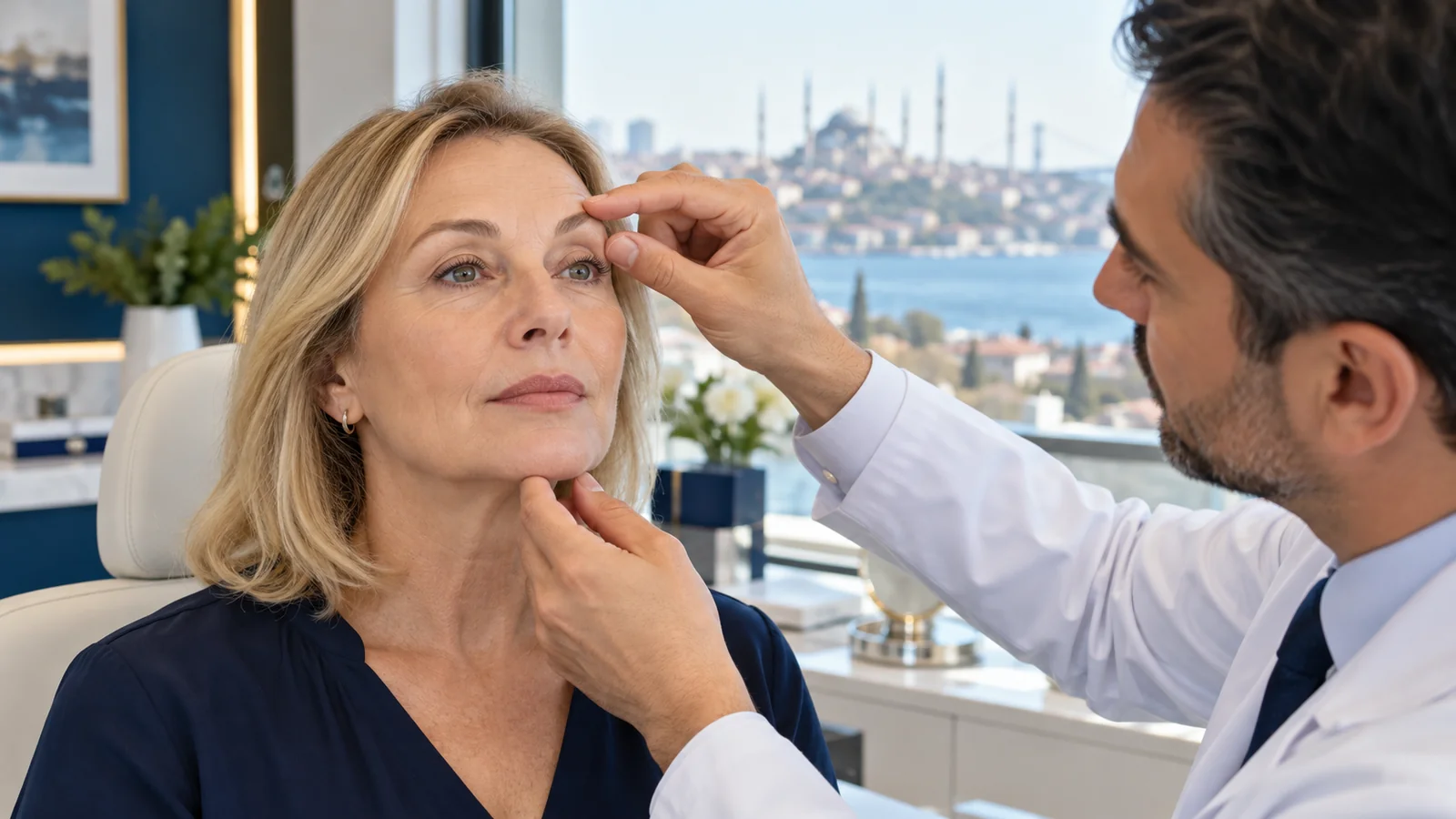
A heavy-looking upper eyelid is not always a blepharoplasty problem. Because the eyebrow, forehead, and upper eyelid function as one connected unit, a lowered or flattened brow can push skin down onto the lash line and mimic the appearance of true eyelid skin excess. Surgeons distinguish between the two by physically manipulating the brow during an in-person exam — gently elevating it to a natural resting height and observing how much of the apparent hooding resolves. If most of the heaviness disappears when the brow is supported, the brow itself, not the eyelid skin, is likely the primary contributor. If the hooding persists even with the brow elevated, the eyelid skin is more clearly the issue.
This distinction matters because the two problems call for different operations. Blepharoplasty removes skin and, when appropriate, fat from the eyelid itself. A brow lift repositions the eyebrow and forehead soft tissue. Some men need one, some need the other, and some benefit from both performed together. No photograph, however sharp or well lit, can substitute for this hands-on assessment — a surgeon needs to see and touch the tissue, test skin recoil, and evaluate brow mobility and muscle function in person. This is general clinical guidance about how eyelid and brow assessment works; it is not a claim about what any particular patient’s examination found, including the case discussed below.

Case M: Upper Blepharoplasty Alongside Face and Neck Surgery
To illustrate what a real combined surgical plan can look like, we can reference one documented Vivid Clinic case, referred to here as Case M. Six months after surgery, this patient had undergone three procedures performed together in a single surgical plan: a deep plane face and neck lift, platysmaplasty (tightening of the neck muscle band), and upper blepharoplasty. It is important to state the full combination every time this case is referenced, because the visible six-month result reflects all three procedures acting together, not the eyelid surgery in isolation.

This case is useful context for understanding how male blepharoplasty gets planned alongside other facial procedures, and it is discussed in that spirit throughout this article — as supporting context for planning, not as proof of an isolated eyelid outcome.
Why Glasses and Expression Limit This Before-and-After Comparison
A detail worth stating plainly: in every available photograph of Case M, the patient is wearing glasses. This is true of the frontal comparison above and of the second image below. Glasses frames sit directly across the brow and upper eyelid region, and they change how light falls on the lid, partially obscure the crease, and can visually compress or distort the apparent fold. This meaningfully limits how closely the upper eyelid skin and crease can actually be judged from these particular photographs — a limitation we think is more useful to name directly than to gloss over.
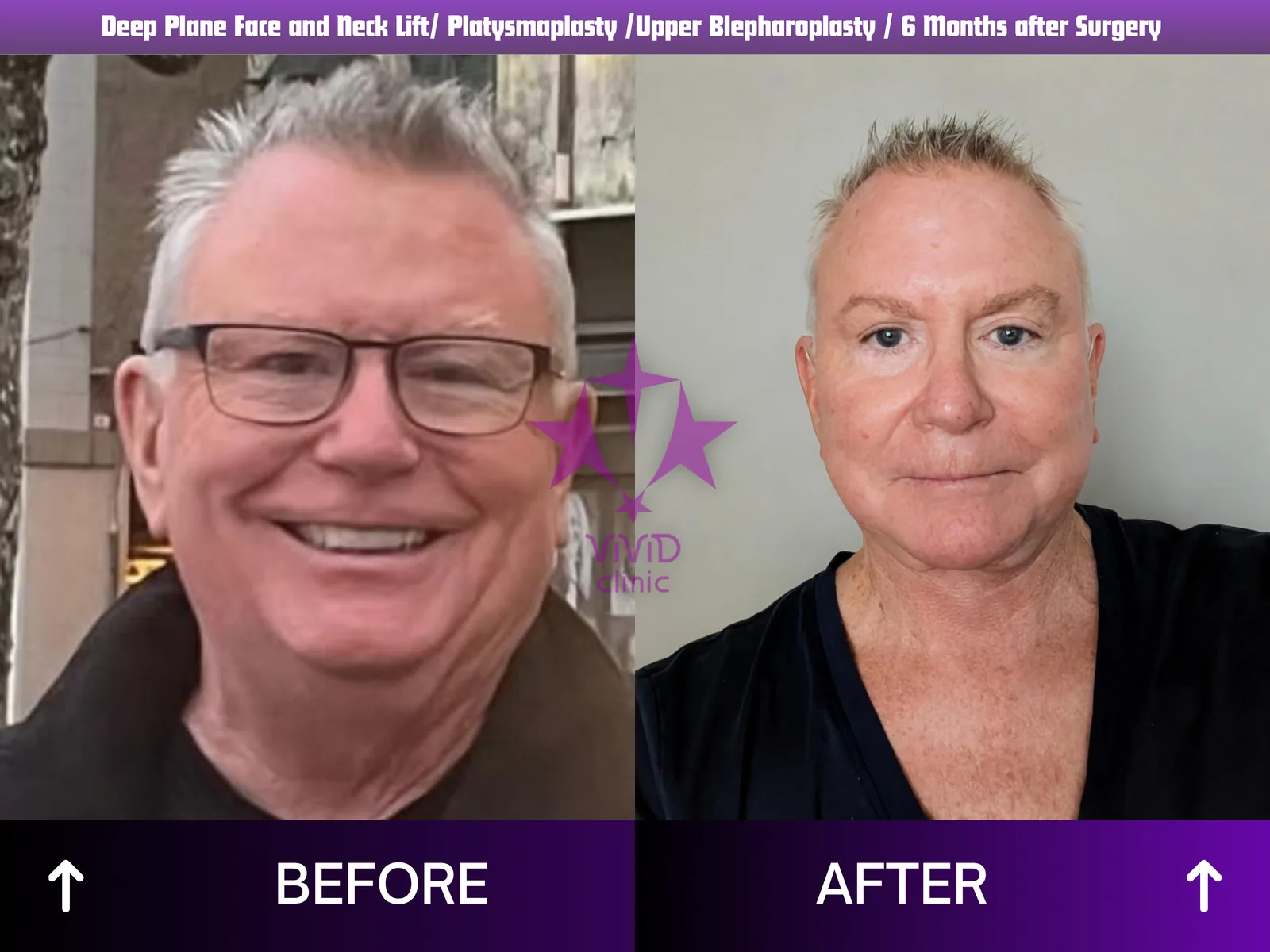
The second image compounds this further: the “before” photo shows the patient smiling in a casual setting, while the “after” photo is a neutral, posed frontal view, and the glasses themselves differ between the two shots. Smiling naturally lifts the cheeks and narrows the eye opening, which is not a fair comparison point against a neutral resting expression. Taken together, these two images are best understood as general before-and-after documentation of the overall combined procedure — not as a precise, apples-to-apples record of the eyelid crease specifically.
What Matched Eyelid Photographs Should Document
For anyone trying to evaluate eyelid results from photographs — whether their own or a clinic’s gallery — it helps to know what a properly matched set actually requires. A useful eyelid comparison pair should be taken with the same camera distance and lighting setup for both photos, with no glasses or frames obstructing the brow or lid, with the same head position and gaze direction (typically straight ahead at a fixed point), and with a relaxed, neutral expression in both shots rather than one smiling and one neutral. Ideally, a close-up crop isolating the eye and brow region is included alongside the wider facial view. Case M’s available images do not fully meet this standard, for the reasons described above, which is exactly why this article treats them as general combined-procedure context rather than a definitive eyelid-specific result. For a broader set of matched comparisons, visit our full blepharoplasty before-and-after gallery.
Who May Be Suitable, and Who May Not
Candidacy Considerations
Men who are generally healthy, non-smokers or willing to stop smoking well before and after surgery, and who have realistic expectations about a natural-looking, rested appearance tend to be reasonable candidates for upper blepharoplasty. Good candidates typically have visible upper eyelid skin excess confirmed on physical examination, stable eyelid and brow anatomy, and no uncontrolled conditions that would elevate surgical risk. Because male eyelid surgery is conservative by design — removing enough skin to open the eye without erasing the natural fold — a thorough exam helps set expectations about how much change is realistic.
Limitations and Exclusions
Blepharoplasty is not appropriate for everyone. Men with significant dry eye disease, certain thyroid or autoimmune eye conditions, uncontrolled cardiovascular or bleeding disorders, or active eye infections generally need those issues addressed or ruled out first. Someone whose primary concern is brow position rather than eyelid skin may be a better candidate for a brow lift, or a combined approach, as discussed earlier. None of this is a statement about the photographed patient in Case M — that determination can only be made through an individual clinical exam, not through a marketing photograph.
Preparation and Consultation
Preparation for male blepharoplasty typically begins well before surgery day: a full medical history review, an eye and eyelid function exam, photography for the medical record, and a discussion of medications and supplements that may need to be paused (particularly blood thinners). Patients are usually asked to stop smoking for a defined period before and after surgery, since smoking measurably impairs healing. Arranging help for the first day or two after surgery, and time off work, are also part of practical planning that your surgical team will walk through during consultation.
Procedure Overview
| Category | General Guidance |
| Duration | 45 minutes to 1.5 hours for upper eyelids alone; longer when combined with other facial procedures |
| Hospitalization | Usually a day case; may involve one overnight stay when combined with facial surgery |
| Mobility | Normal light activity is generally possible within 1–2 days |
| Return to Activity | Most patients return to work and social settings in about 7–10 days once visible bruising fades |
| Recovery | Visible swelling and bruising mostly resolve within 2 weeks; incision lines continue to fade for months |
| Anticipated Results | Improvement is visible almost immediately once swelling subsides, with a final result generally apparent by 3–6 months |
These figures describe upper blepharoplasty on its own. Case M’s actual six-month recovery reflects the combined effect of a deep plane face and neck lift, platysmaplasty, and upper blepharoplasty performed together, so the healing course for that specific patient would have extended beyond eyelid surgery alone.

How the Operation Is Planned and Performed
Surgical planning starts with marking the amount of skin to be removed while the patient is upright and eyes are open, since eyelid skin behaves differently lying down than it does when gravity is acting on it normally. The incision is placed within the natural upper eyelid crease so the resulting scar sits in a fold rather than on visible skin. Through this incision, the surgeon removes the marked excess skin and, if indicated, conservatively addresses fat pockets — men typically retain slightly more upper eyelid fullness than is removed in eyelid surgery aimed at a softer, more tapered result. When blepharoplasty is combined with a facelift or neck lift, as in Case M, the procedures are typically sequenced within the same operative session, and the overall anesthesia and surgical time reflect the combined plan rather than the eyelid component alone.
Recovery and the Results Timeline
In the first few days after upper blepharoplasty, swelling and bruising around the eyes are expected and typically peak within the first 48–72 hours before gradually improving. Cold compresses, keeping the head elevated, and avoiding strenuous activity are standard early guidance. Most patients feel comfortable resuming light daily activity within a day or two, and many return to work or social settings within 7–10 days once bruising has faded enough to conceal with makeup or simply resolves on its own. The incision line, hidden in the eyelid crease, continues to soften and fade over subsequent months. As with any eyelid or facial procedure, the fully settled result generally isn’t apparent until swelling has completely resolved, which commonly takes 3–6 months — a timeline consistent with the ASPS’s general guidance on eyelid surgery outcomes. When blepharoplasty is combined with a face and neck lift, as in Case M, overall recovery — bruising extent, swelling distribution, and the pace of returning to normal appearance — reflects the combined procedures, not the eyelid component in isolation, and the ASPS’s facelift results guidance is a useful general reference for that broader recovery arc.

Risks and Safety Considerations
As with any surgical procedure, upper blepharoplasty carries risks that should be discussed candidly during consultation. These can include temporary or, rarely, prolonged dry eye symptoms, asymmetry in healing or scarring, under- or over-correction of skin removal, temporary numbness, infection, bleeding, and, in rare cases, changes in eyelid closure or position. According to the American Society of Plastic Surgeons’ guidance on eyelid surgery safety, discussing your full medical history, current eye health, and any prior eyelid or vision issues with your surgeon beforehand is an important part of minimizing these risks. A candid conversation about dry eye history in particular is worth having explicitly, since pre-existing dry eye can influence both candidacy and postoperative comfort. The American Academy of Ophthalmology also explains how eyelid surgery is performed.
Cost Factors and Combination Planning
Because surgical fees depend on the surgeon’s assessment, the complexity of the individual case, whether the procedure is performed alone or combined with brow, face, or neck surgery, anesthesia requirements, and facility costs, we don’t quote a fixed price here — cost varies by complexity, surgeon, and individual assessment, and is properly discussed only after an in-person or documented clinical evaluation. If you are also considering facelift procedures or a brow lift alongside eyelid surgery, your consultation is the right place to discuss how combining procedures may affect overall planning, recovery, and cost.
Your Journey at Vivid Clinic in Istanbul
When you choose Vivid Clinic for your care in Istanbul, Turkey, your journey is coordinated from the moment you book. Our patient coordinators plan your visit around your surgery date, arrange a VIP airport transfer, and check you into a partner five-star hotel for your stay. You’ll meet your surgeon for an in-person consultation to confirm your plan before proceeding, have your procedure at our accredited facility, and recover under the clinical team’s aftercare protocol, with a check-up before you fly home. After you return home, Vivid Clinic’s team stays in contact for remote follow-up as you continue healing. Package inclusions can change, so confirm current details with your patient coordinator before booking.
Choosing a Surgeon and Discussing Expectations
Choosing who performs your male blepharoplasty matters as much as the decision to have surgery at all. Look for a surgeon who examines you in person, explains the difference between eyelid skin excess and brow position as it applies to your own anatomy, and is willing to discuss limitations as openly as benefits. A good consultation should leave you with a realistic sense of what surgery can and can’t change, an honest risk discussion, and clear before-and-after documentation standards. You can review our surgical team’s backgrounds before booking a consultation.
Get a Free Consultation
If you’re weighing whether male blepharoplasty, a brow lift, or a combined facial procedure is right for you, the most reliable next step is a real evaluation rather than a photo comparison. Book a free consultation with Vivid Clinic in Istanbul, Turkey, and discuss your eyelid and facial goals directly with our surgical team.
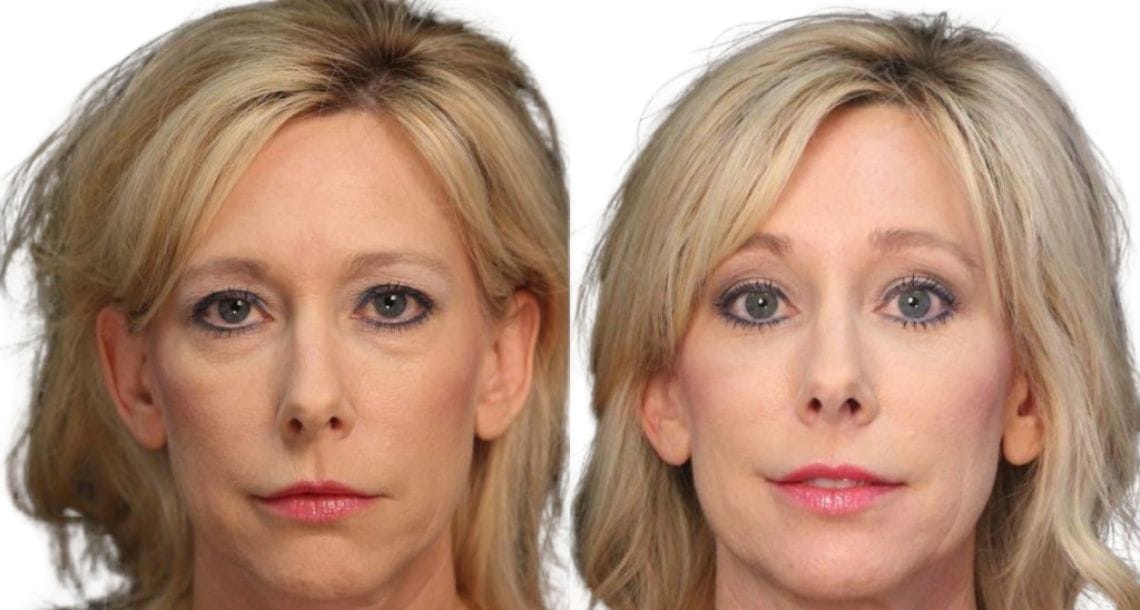
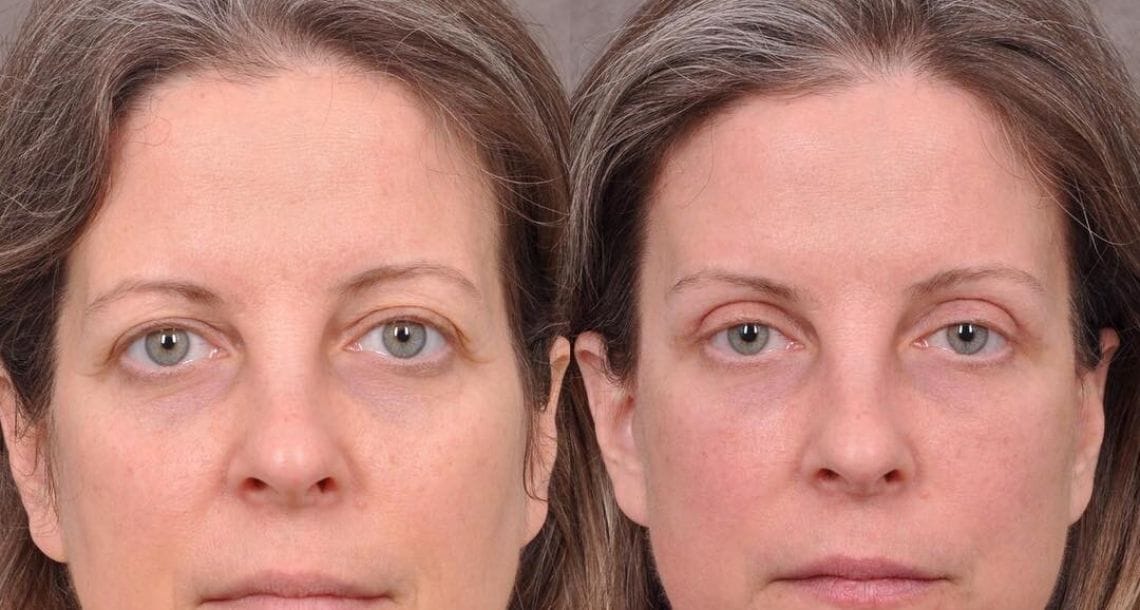
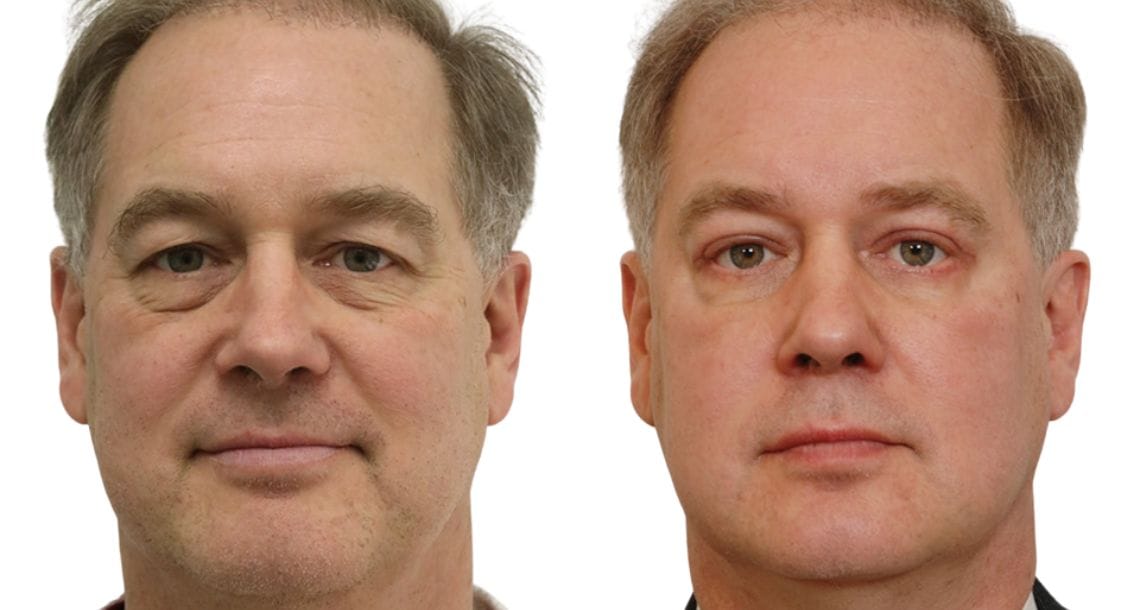
Male Blepharoplasty Before and After Results at Vivid Clinic
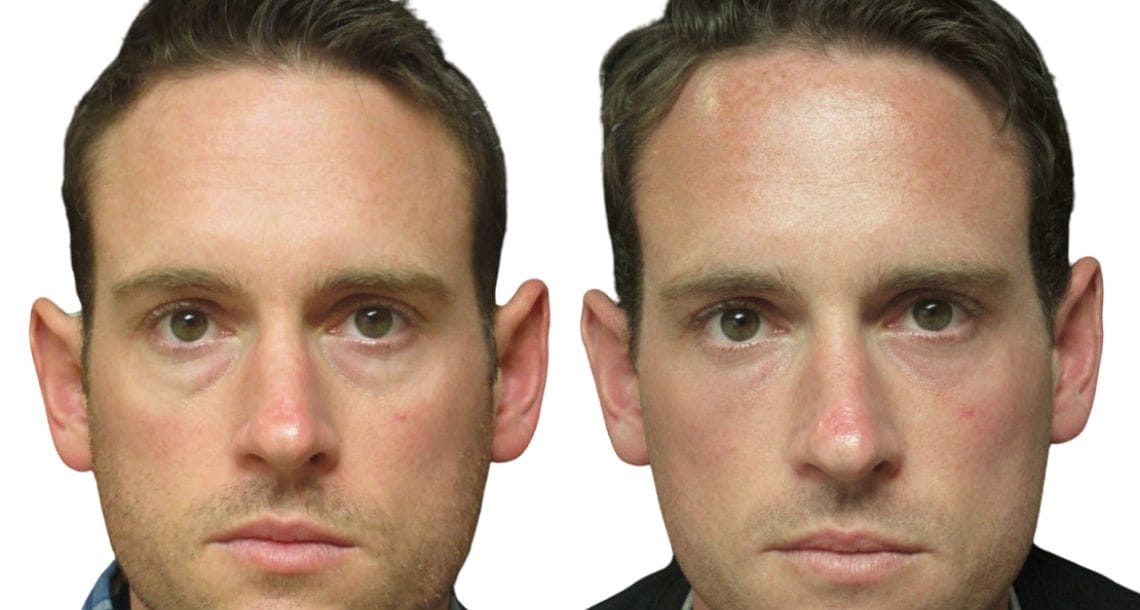
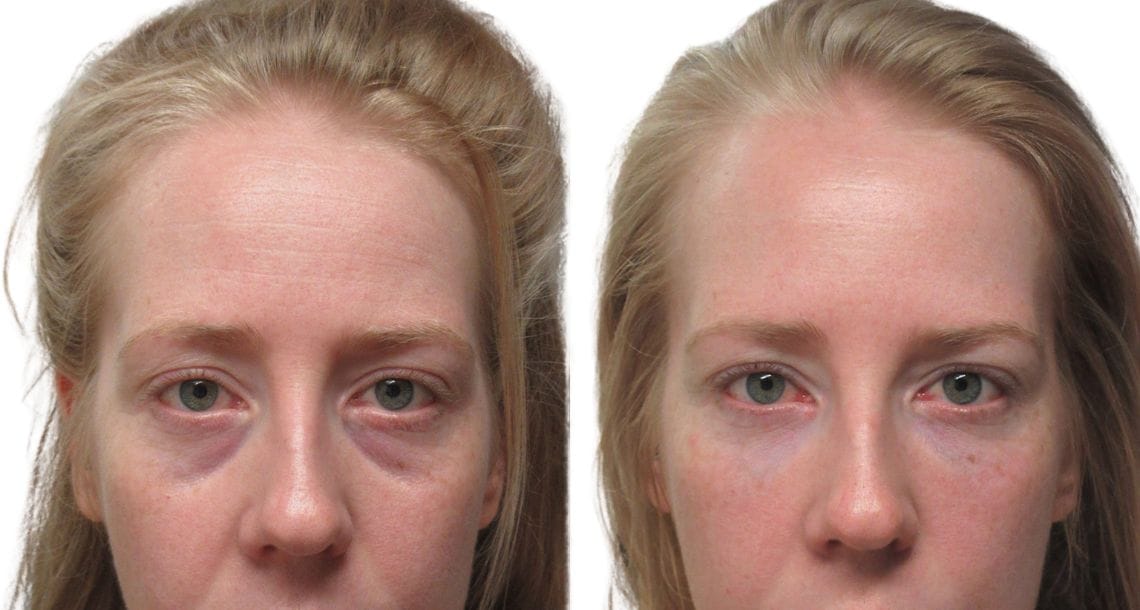
These before-and-after photos show real Vivid Clinic patients treated in Istanbul, shared with their consent. Photos are matched for angle and lighting wherever possible. Individual results vary. Browse the full Before & After Gallery.

Frequently Asked Questions
What does male blepharoplasty usually address in the upper eyelids?
Male blepharoplasty generally addresses excess or hooding upper eyelid skin and, when appropriate, a conservative amount of underlying fat, with the goal of a more open, rested eye appearance that still preserves a natural, masculine brow and crease position. The exact amount removed depends on an individual exam, not a fixed formula.
Can male blepharoplasty be combined with face and neck surgery?
Yes. Upper blepharoplasty is commonly combined with other facial procedures such as a facelift or neck lift when a patient’s overall goals and anatomy support it. Our documented Case M is one example: it involved upper blepharoplasty performed together with a deep plane face and neck lift and platysmaplasty in a single surgical plan, and the recovery and results reflect all three procedures combined, not blepharoplasty alone. Learn more about facelift procedures offered at Vivid Clinic.
Why are unobstructed before photographs important for upper eyelid results?
Because glasses frames, differing lighting, and inconsistent expressions between “before” and “after” shots can all obscure or distort the eyelid crease, unobstructed, well-lit, expression-matched photographs are necessary to fairly judge eyelid-specific change. In Case M, glasses appear in every available photo, which is exactly the kind of limitation that should be disclosed rather than minimized when reviewing any before-and-after set — including through our full blepharoplasty before-and-after gallery.
Can photographs establish whether eyelid surgery improved vision?
No. Photographs — even well-matched ones — cannot establish a functional vision outcome. Vision function requires formal clinical assessment, such as visual field testing or an ophthalmologic exam, performed by a qualified professional. Case M’s photographs were not intended to, and cannot, demonstrate any change in vision.
What should I discuss about dry eyes, scars and recovery before male blepharoplasty?
Before surgery, it’s worth discussing any personal or family history of dry eye symptoms, how incision scars are placed and expected to fade over time, realistic swelling and bruising timelines, and what early warning signs (such as unusual pain or vision changes) should prompt you to contact your surgical team. Reviewing eyelid surgery at Vivid Clinic and the ASPS’s eyelid surgery safety guidance beforehand can help you prepare specific questions for your consultation.
Male blepharoplasty is a well-established, conservative approach to upper eyelid skin excess, but getting a natural-looking result depends on an accurate in-person diagnosis — distinguishing eyelid skin from brow position — and honest expectations about what before-and-after photography can and can’t show, as Case M illustrates. If you’re considering male blepharoplasty, the next step is a real conversation with a surgeon, not a photo comparison. Get a Free Consultation with Vivid Clinic in Istanbul, Turkey, to discuss your own eyelid and facial goals, and browse our before-and-after gallery for additional documented cases.