
 ChatGPT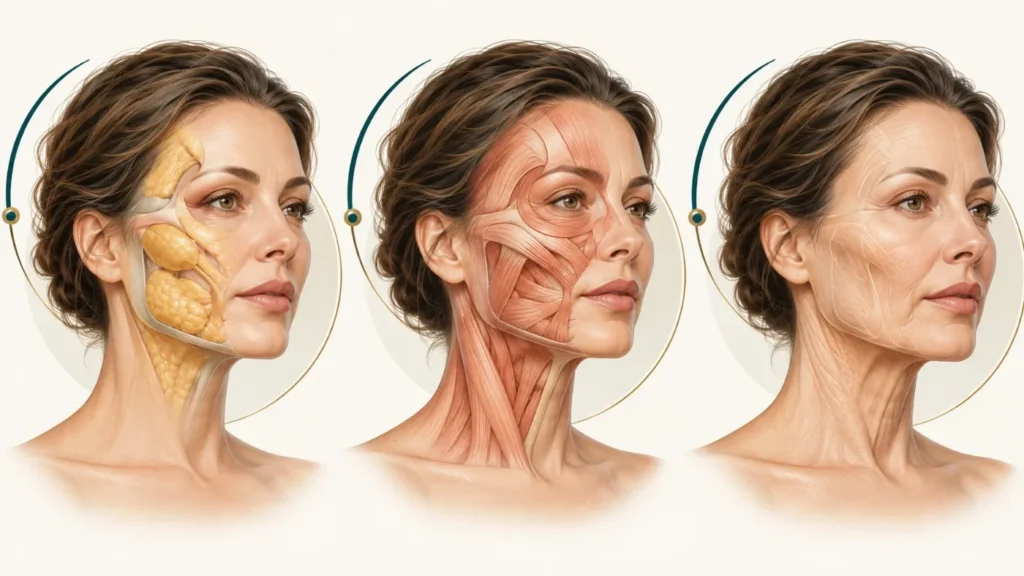
Quick answer: Marionette lines filler vs botox is a common comparison because the two treatments address different parts of the concern. Filler adds volume beneath the skin, while Botox acts on selected facial muscles that pull the mouth corners downward. At Vivid Clinic in Istanbul, Turkey, a free consultation with a plastic surgeon is the path to a personal answer.
Editorially reviewed by the Vivid Clinic Surgical Board. Last updated: October 2026.
What Are Marionette Lines?
Marionette lines are the vertical creases that run from the corners of the mouth down toward the chin. They often become more noticeable as the lower face changes with age, when skin loses firmness and the tissues around the mouth shift. Many people first notice them in photographs or when they smile, and they can make the lower face look tired or downturned.
Marionette lines are a normal feature of facial movement and aging, not a flaw. Their depth varies from person to person, shaped by bone structure, skin quality, sun exposure, smoking and genetics. Treatment is always optional, and many people choose to leave them alone.
Why Marionette Lines Form
The lines usually reflect several factors working together rather than a single cause. The American Society of Plastic Surgeons (ASPS) lists thinning skin, facial fat loss, gravity, sun damage, smoking, heredity and stress as contributors to facial aging in its facelift overview. Each factor affects the lower face in a different way, which is why two people with similar-looking lines may need very different plans.
Some people look at their reflection and decide that a fold is more visible than they would like. Others feel comfortable with their expression lines and see them as part of their character. Both views are valid, and a good clinic will treat your preference as the starting point rather than trying to correct a feature you do not want changed.
What Filler Changes and What It Cannot Lift
Dermal filler adds volume beneath the skin. According to the ASPS dermal fillers overview, fillers can soften facial creases and wrinkles and enhance shallow contours. For a marionette line, filler may soften the fold by supporting the tissue beneath it.
Filler cannot lift sagging skin or reposition tissue that has descended. ASPS describes fillers as temporary treatments for facial aging, so ongoing treatment is needed to maintain results. Filler is generally better suited to finer creasing than to heavy jowling or excess skin.
Consider a simple example. A reader who mainly notices a soft crease, while the skin along the jawline still looks firm, may hear very different advice than someone whose main concern is loose skin and visible jowls. The first situation may point toward volume-based options, while the second may point toward a different plan altogether.
When Muscle Treatment May Be Relevant
Some lower-face concerns involve how muscles move more than how much volume sits beneath the skin. Botox is an injectable treatment that acts on selected facial muscles, and a clinician may consider it when a downward pull at the mouth corners seems to contribute to the look of the lower face. Whether this applies depends on a careful examination of how your face moves at rest and when you speak or smile.
Botox effects are individual. The timing of onset, how long the effect lasts and the possible side effects are best explained by your clinician in relation to your health history and goals. Muscle treatments are not a substitute for an examination, and they are not suitable for everyone.
When Skin Laxity Points Toward Surgical Lifting
Skin laxity is different from a fine fold. ASPS states that a facelift addresses sagging facial skin, deepened folds between the nose and the corners of the mouth, fat that has fallen or disappeared, and jowls. When these features dominate the picture, a surgeon may discuss a facelift rather than a non-surgical option.
A facelift is a surgical procedure, and its results may not erase every crease. ASPS notes that a facelift does not change your fundamental appearance or stop the aging process. Minimally invasive treatments may delay the need for surgery or complement it, which is why the choice is rarely all or nothing.
Comparing Longevity, Recovery and Limitations
Comparing these options is most useful when you look at what each one changes, how long its effects last and what recovery involves. The three main paths differ in each of these areas, as summarized below.
- Filler: adds volume beneath the skin. ASPS describes it as temporary, so maintenance is needed.
- Botox: acts on selected muscles. Timing and duration are individual and are confirmed at consultation.
- Facelift: surgical repositioning of skin and tissue, with a recovery period of several weeks and a final result that settles over months.
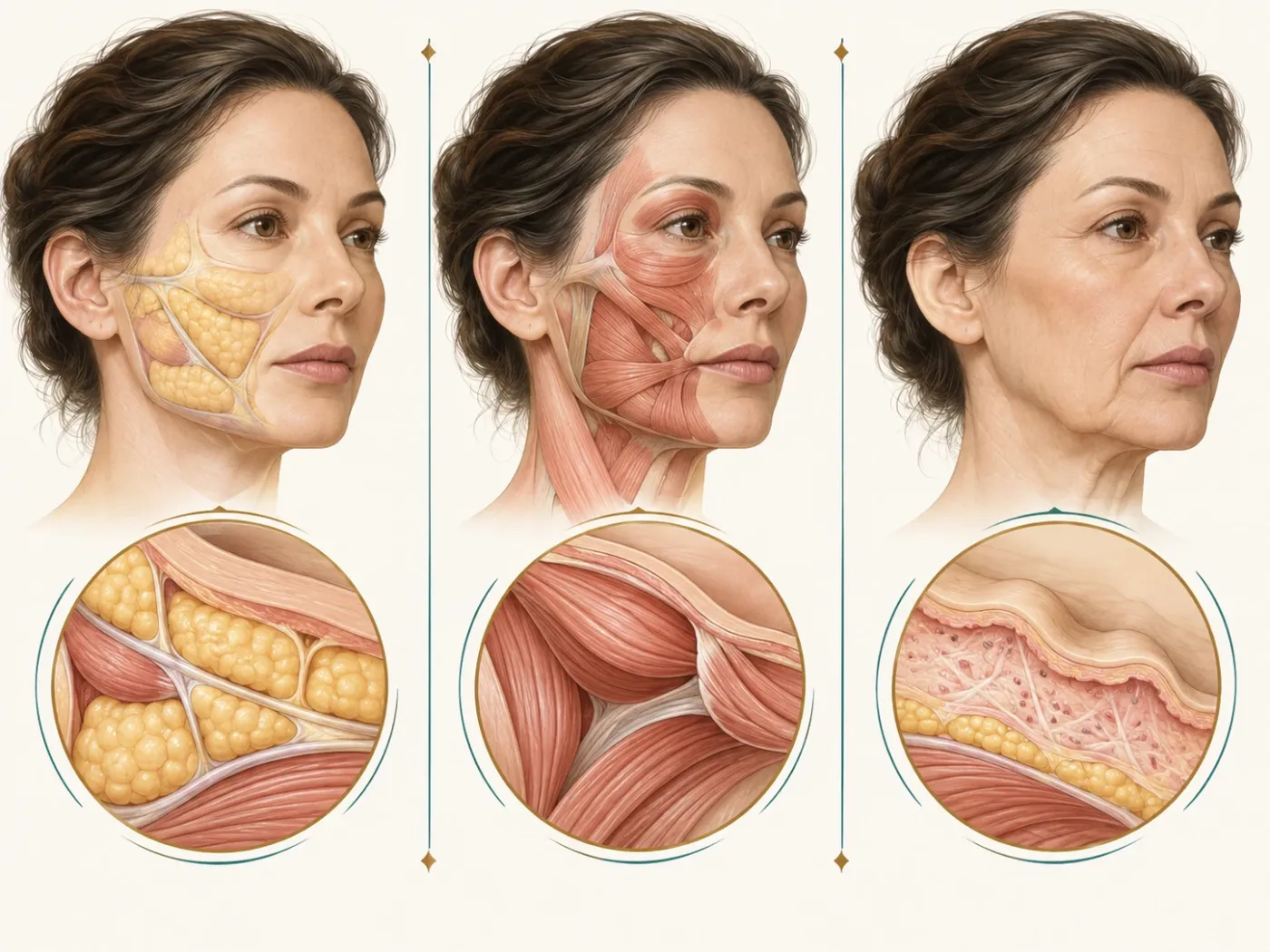
Because the options differ in cost, downtime and maintenance, the decision is rarely about one treatment alone. Your clinician may suggest one option, a combination of approaches, or a plan to wait and reassess over time.
Filler Complications and When to Seek Urgent Help
Serious filler complications are uncommon, but they are real. ASPS states that severe complications from dermal fillers are uncommon, and its dermal filler safety page lists common reactions such as redness, swelling, bruising, bleeding at the injection site, itchy rash, lumps and asymmetry. Under- or over-correction can also occur, and filler that is felt under the skin may be noticeable.
In very rare cases, filler may enter a blood vessel rather than the tissue beneath the skin. This can block blood flow, and the effects depend on where the blockage occurs. If the eye is affected, vision loss is possible, and the ASPS safety page describes this as the most serious consequence it covers.
The page does not list a symptom checklist, so any unusual pain, skin that turns pale, blue or dusky, or any change in vision after filler should be treated as urgent. Report it to your treating clinician or to emergency services without delay. Waiting to see whether symptoms settle is not a safe approach in these situations.
Marionette Lines Filler vs Botox: Candidacy and Reasons to Defer Treatment
Candidacy depends on your health, current medications, expectations and the cause of your lines. A clinician may recommend waiting if your health history or medications make a treatment less suitable, or if your goals are not yet clear. Waiting is a legitimate decision, and a good consultation will respect it.
Reasons to defer treatment include unclear goals, a recent illness, a concern that is really about another feature of the face, or a plan that does not match the cause of the lines. This article does not describe injection technique, and it is not a guide to self-treatment. Any treatment should be planned and performed only by a licensed clinician in a proper clinical setting.
Marionette Line Treatment Overview: Realistic Expectations
Optional overview of relevant treatments, not a recovery table for a natural feature.
| Aspect | Details |
|---|---|
| Duration Process | Filler and Botox: not stated in the sources verified for this article; your clinician will confirm timing. Facelift: operating time is not stated in the verified sources and depends on the surgical plan. |
| Hospitalization Duration | Facelift: usually 1 night in hospital, according to the Vivid Clinic facelift guide. Filler and Botox: admission needs are not stated in the verified sources and are confirmed at consultation. |
| Mobility Duration | Facelift: light walks can start the day after surgery (Vivid Clinic facelift guide). Filler and Botox: not stated in the verified sources. |
| Return to Activity | Facelift: most people return to desk work after two to three weeks; the timing for exercise is set by your surgeon (Vivid Clinic facelift guide). Filler and Botox: not stated in the verified sources. |
| Complete Recovery | Facelift: swelling and bruising peak around days 2–3, and most visible swelling settles by weeks 4–6 (Vivid Clinic facelift guide). Filler and Botox: not stated in the verified sources. |
| Anticipated Results | Facelift: the final result settles over 3–6 months, with subtle refinement up to 12 months (Vivid Clinic facelift guide). Filler: temporary, so maintenance treatment is needed (ASPS). Botox: duration not stated in the verified sources. |
Individual timelines vary with anatomy, healing and the treatment plan. Treat these values as general reference points, and ask your surgeon to confirm the timing that applies to you.
How to Prepare for a Marionette Line Treatment Consultation
Prepare a clear list of your current medications, supplements, allergies, prior procedures and medical conditions. Share what bothers you most, whether it is the lower-face fold, sagging skin or a sense that your face looks tired. Clear goals help your clinician decide whether filler, muscle treatment, surgery or waiting makes the most sense.
For a facelift, the Vivid Clinic guide advises no nicotine for at least four weeks before and after surgery. A free consultation with a plastic surgeon at Vivid Clinic in Istanbul, Turkey gives you a chance to ask these questions in person and to review the timing, risks and alternatives in detail.
Marionette Line Treatment Recovery and When to Judge Results
Recovery depends on the treatment you choose. Early effects after filler or muscle treatment are discussed individually, and your clinician will explain what to expect for your own plan and how to contact the team if you have questions afterward.
After a facelift, the Vivid Clinic guide describes swelling and bruising that peak in the first few days and most visible swelling that settles by weeks four to six. It also notes that most people return to desk work after two to three weeks, and that you should ask your surgeon when you can resume normal activity and exercise. Your surgeon will also provide instructions for caring for incisions, drains and medications.
Final results take time to assess. The Vivid Clinic guide says the final result settles over three to six months, with subtle refinement up to 12 months. Keep early impressions in perspective, and avoid judging the outcome before the swelling has fully settled.
Marionette Line Treatment Risks, Limitations and Medical Red Flags
ASPS lists several facelift risks, including reactions to anesthesia, bleeding, blood clots, injury to facial nerves, fluid buildup, infection, numbness, lasting pain, slow wound healing or skin loss, and visible stitches. It also lists hair loss at the incisions and unsatisfactory results, such as asymmetry or visible deformities where incisions end. The ASPS facelift safety page describes these as rare and says they will be fully discussed before consent.
A facelift is a surgical procedure, and no surgery is free of risk. Limitations include the fact that the result may not erase every crease and that the procedure does not stop the aging process. Medical assessment should come first for anyone with a bleeding disorder, a heart or lung condition, or a medication list that needs review.
What Affects the Cost of Marionette Line Treatment in Istanbul
Cost depends on several factors, including the surgeon’s experience, the facility, the type of anesthesia, procedure complexity, whether treatments are combined, travel and accommodation, and aftercare. Because each plan is individual, quotes are personal. This article does not list prices, averages or exchange rates.
When you compare quotes, ask what is included, such as the consultation, the procedure, the facility, anesthesia, follow-up and any travel arrangements. A lower quote that excludes aftercare may not be comparable with a higher one that covers it. Compare like with like, and ask for the estimate in writing.
Marionette Line Treatment in Istanbul: Your Patient Journey at Vivid Clinic
Your journey with Vivid Clinic begins when you arrive in Istanbul, Turkey. Where your package includes a VIP airport transfer, you are collected and taken to your five-star hotel for check-in, and eligibility for these benefits is confirmed at consultation because they apply only to select procedures. Your one-on-one consultation with the medical team follows, where your anatomy, history, medications and goals are reviewed. If a treatment is recommended, the treatment day comes next, followed by post-operative care and a check-up visit before you depart. Remote aftercare continues after you return home, so your clinician can follow your recovery from a distance.
Choosing a Qualified Surgeon for Marionette Line Treatment
Choosing a clinic is a decision about safety and communication as much as about results. You can review the team on the Vivid Clinic doctors page, where each surgeon has a profile to check. Verify credentials directly with the clinician and ask which procedures they perform most often.
Ask how complications are handled and how the team communicates during recovery. A free consultation with a plastic surgeon is a practical way to compare these answers before you decide. You can also explore Vivid Clinic’s face aesthetic services to see the wider options discussed at the clinic.
Frequently Asked Questions About Marionette Lines
How does filler differ from Botox in treating lower-face concerns?
The main difference is what each treatment targets. When people compare marionette lines filler vs botox, they are usually weighing volume against muscle movement. Filler adds volume beneath the skin and can soften the fold, though ASPS describes fillers as temporary, so maintenance is needed. Botox acts on selected facial muscles, which may matter when a downward pull at the mouth corners is part of the picture. Neither option lifts heavy skin on its own. A clinician examines how your face moves and how the tissue sits before suggesting one approach, a combination, or waiting.
When might skin laxity make a facelift discussion more relevant?
Skin laxity moves the conversation toward a facelift when the concern is loose skin and tissue rather than a fine fold. In the marionette lines filler vs botox comparison, a facelift may be discussed when sagging, jowling and deepened folds from the nose to the mouth corners are the main issues. ASPS states that a facelift addresses these features, along with fat that has fallen or disappeared. A facelift may not erase every crease, and it does not stop aging. Minimally invasive options may delay surgery or complement it, and your surgeon will assess whether surgery fits your goals.
What can happen when too much filler is used?
Overcorrection is one of the issues ASPS lists with dermal fillers, alongside asymmetry and filler that feels palpable under the skin. In the marionette lines filler vs botox discussion, too much product can make the lower face look fuller than intended or create lumps that need attention. Some reactions are common and temporary, such as redness, swelling and bruising. Rarer but serious events include infection, skin damage from reduced blood flow, and vascular occlusion, which can affect vision if the eye is involved. Careful planning and conservative judgment matter, but no approach removes these risks completely.
Which symptoms after filler need urgent medical help?
Any severe or worsening symptom after filler needs prompt medical attention. The ASPS safety page does not publish a full symptom checklist, so the practical approach is to treat unusual pain, skin that turns pale, blue or dusky, or any change in vision as urgent. Contact your treating clinician immediately, or emergency services if you cannot reach them. Ordinary redness, swelling or tenderness that settles is different, but it still deserves a call if it worsens. When you research marionette lines filler vs botox, keep the clinic’s emergency contact details with you after any treatment.
How do maintenance, recovery and total cost differ between options?
Maintenance, recovery and cost follow different patterns. Filler is temporary, so ongoing treatment may be needed to keep a marionette lines filler vs botox result looking as intended. Botox effects are individual, and your clinician will explain whether repeat sessions are likely for you. A facelift involves a surgical recovery period, with swelling that peaks in the first few days and a final result that settles over months. Total cost depends on the surgeon, facility, anesthesia, complexity, and any travel or aftercare, so compare like for like and ask what each estimate includes.
Sources and Further Reading on Marionette Lines
Related reading: How to get rid of smile lines
Filler, Botox or Both: Choosing Your Marionette Line Plan
Marionette lines filler vs botox is a useful comparison, but the right answer depends on your anatomy, goals and health. This article is for informational purposes only and does not replace a personal medical consultation. Suitability, risks, recovery and expected results should always be discussed with a qualified medical professional.
If you are considering a treatment in Istanbul, Turkey, Vivid Clinic can help you understand your options with a personalized plan. Get a Free Consultation with a plastic surgeon and take a thoughtful first step at your own pace.