
 ChatGPT
The Top Fits, the Jeans Never Do
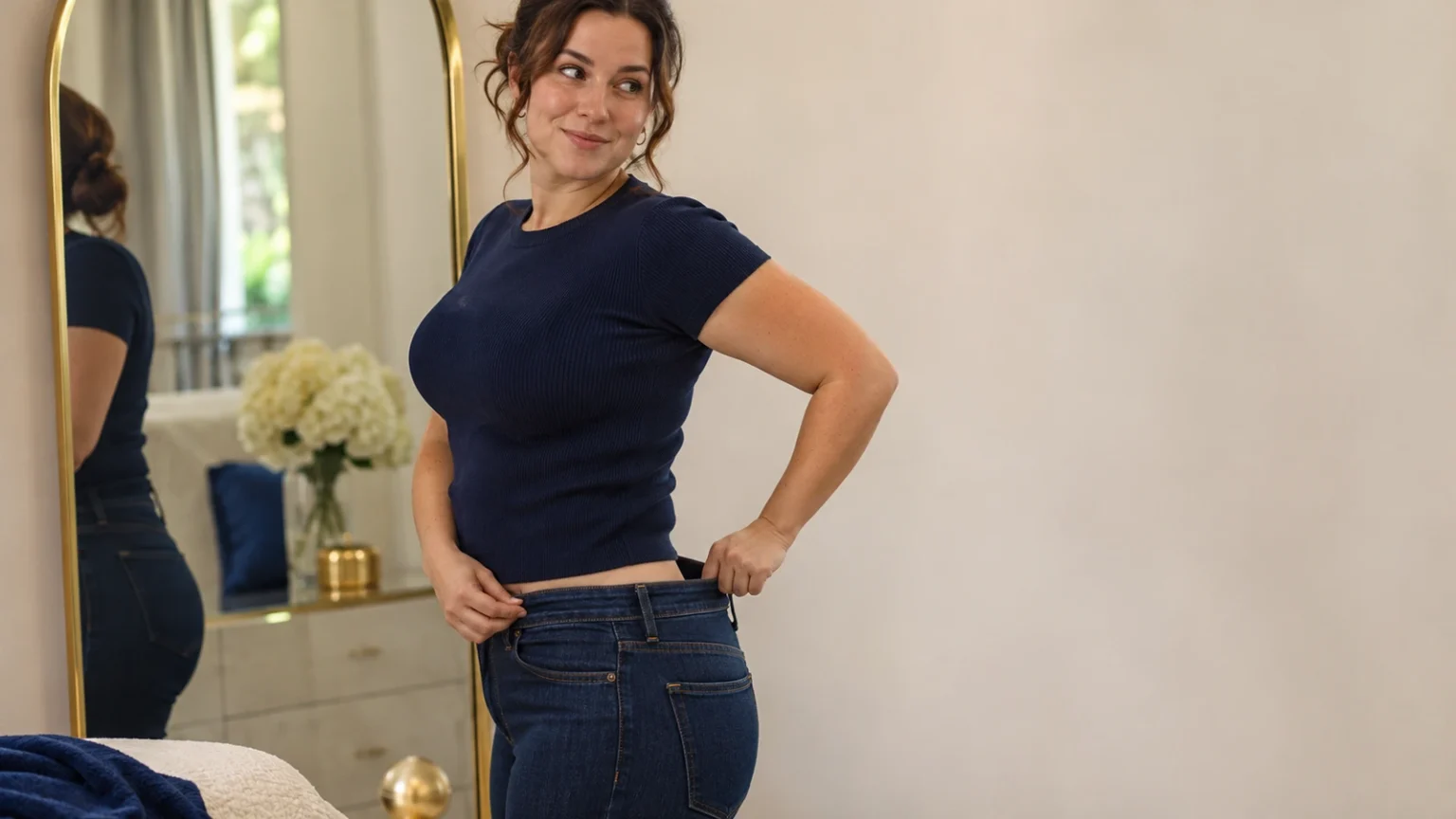
You know the fitting-room routine. The blouse in your usual size sits nicely on your shoulders, then the matching trousers stop halfway up your thighs. Go up a size and they fit your hips but gape at the waist. If that sounds familiar, you probably have a pear body shape, and you are in good company.
A pear shaped body is one of the most common patterns there is, especially among women. It is not a flaw, just where your body prefers to keep its reserves.
This guide covers the traits, a simple measuring method, styling ideas, training realities and contouring options. At Vivid Clinic in Istanbul, Turkey, you can also request a free consultation with a plastic surgeon for a personal opinion.
What Is a Pear Body Shape?
Quick Answer: A pear body shape describes a figure in which the hips and thighs are wider than the shoulders and bust, usually with a clearly defined waist. It is a normal, common pattern of fat distribution shaped largely by genetics and hormones, not a medical problem.
The name comes from the silhouette: narrower on top, fuller below. Our body types page compares it with the other main silhouettes, including the apple.
Common Traits of a Pear Shaped Body
Typical traits include:
- Shoulders and bust narrower than the hips
- A defined waist that looks small next to the hips
- Fullness at the outer thighs, sometimes called saddlebags
- Inner thighs that touch or rub
- Tops and bottoms that are a size or more apart
Buttock form varies within this group, as our guide to butt shapes explains.
The Pear Shape Body Type in Men
The pear shape body type is less common in men, who more often store fat around the abdomen, but it does occur.
Why a Pear Body Shape Stores Fat in the Hips and Thighs
Genetics and Bone Structure
Fat distribution runs in families. A wider pelvis and narrower shoulders also create the outline at any body fat level, and no diet or procedure changes the skeleton.
Hormones
Estrogen encourages fat storage in the hips, buttocks and thighs, which is why this pattern typically appears at puberty. Around menopause, as estrogen falls, storage often shifts toward the abdomen.
What Lower-Body Fat Means for Health
Fat stored under the skin of the hips and thighs is generally considered to carry a lower metabolic risk than fat stored deep in the abdomen. That is reassuring, but overall weight, activity and diet still matter.
Pear Shape or Lipedema? A Separate Medical Condition
Lipedema is not the same thing as a pear body shape. It is a chronic condition, seen almost exclusively in women, in which fat builds up symmetrically in the legs and sometimes the arms, typically sparing the feet. The areas are often tender, bruise easily and respond poorly to diet and exercise.
Lipedema needs a medical diagnosis. If your legs feel heavy, sore or disproportionately large despite a stable weight, see a doctor.
How to Tell if You Have a Pear Body Shape
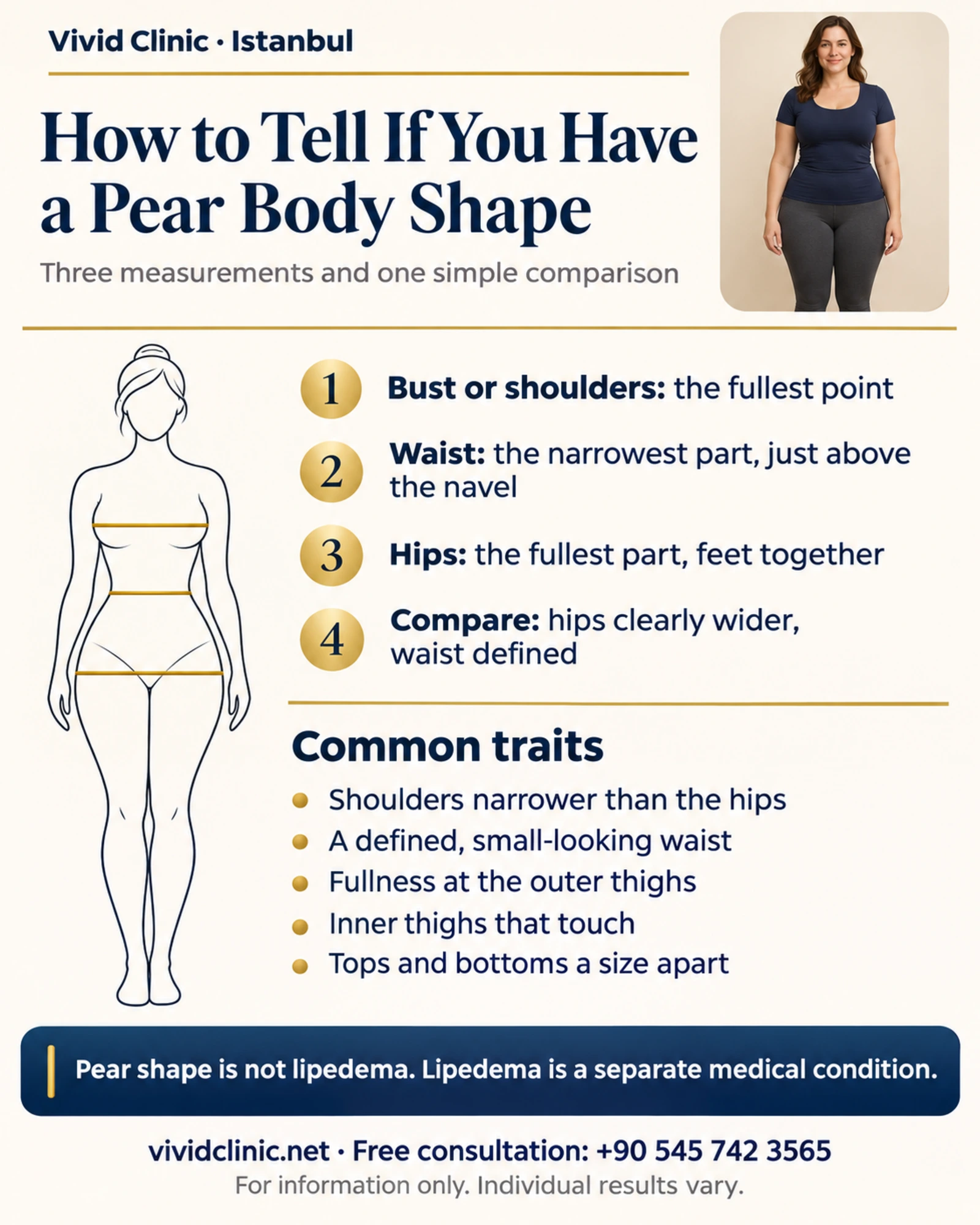
Quick Answer: Measure your bust or shoulders, your waist and your hips with a soft tape. If your hips are clearly the widest measurement and your waist is noticeably narrower, your proportions match a pear body shape.
Keep the tape level and snug, not tight.
- Bust or shoulders. Measure around the fullest part of your bust, or across the widest point of your shoulders.
- Waist. Measure the narrowest part of your torso, a little above the navel.
- Hips. With feet together, measure around the fullest part of your hips and buttocks.
- Compare. Hips clearly wider than the bust or shoulders, with a defined waist, point to a pear outline.
Numbers are a guide, not a verdict, and many people sit between a pear body shape and another type.
How to Dress a Pear Body Shape: 7 Styling Tips
Styling is mostly about balance: a little visual weight on top, a highlighted waist and fabric that skims the hips. Treat these as options, not rules.
- Bring attention upward. Lighter colors, prints and detail on top draw the eye to your shoulders and face.
- Widen the shoulder line. Boat necks, square necks, cap sleeves and lightly structured jackets balance the hips.
- Show your waist. Wrap dresses, belts and tops that end at the waist highlight the narrowest part of your frame.
- Choose A-line and fit-and-flare cuts. Skirts and dresses that fit at the waist and flare gently skim the hips.
- Pick trousers that fall straight from the hip. Bootcut, straight and wide-leg styles in darker, plain fabrics create a long, even line.
- Watch where hems end. Tops should end a little above or well below the widest part of the hips.
- Fit the hips, then tailor the waist. Buy bottoms that fit your widest point and have the waist taken in.
Knowing how to dress a pear body shape is about feeling at ease, not hiding.
Pear Body Shape Exercises and Nutrition: What Really Changes
Exercise and nutrition can change your size, strength and muscle tone. They cannot change your skeleton or choose where fat leaves first.
Why Spot Reduction Does Not Work
Leg lifts strengthen the muscle under the outer thigh, but they do not selectively burn the fat on top of it. Fat loss happens across the whole body, and the hips and thighs often slim last.
Training That Helps
The most useful pear body shape exercises fall into two groups:
- Lower-body strength. Squats, lunges, hip thrusts and deadlifts build firm glutes and legs.
- Upper-body strength. Rows, presses, push-ups and lateral raises add a little shoulder width to balance the hips.
Aim for resistance training two to three times a week, plus any cardio you enjoy.
Nutrition Realities
No food targets thigh fat. A modest calorie deficit lowers overall body fat, and enough protein protects muscle. At a healthy weight, further dieting often thins the upper body more than the lower.
When You Do Not Need Surgery
Most people with a pear body shape never need a procedure, and nobody needs one for health reasons. If your proportions do not bother you, there is nothing to fix.
Contouring is worth discussing only when a specific area keeps bothering you at a stable, healthy weight. If you are still losing weight, wait.
Contouring Options for a Pear Body Shape
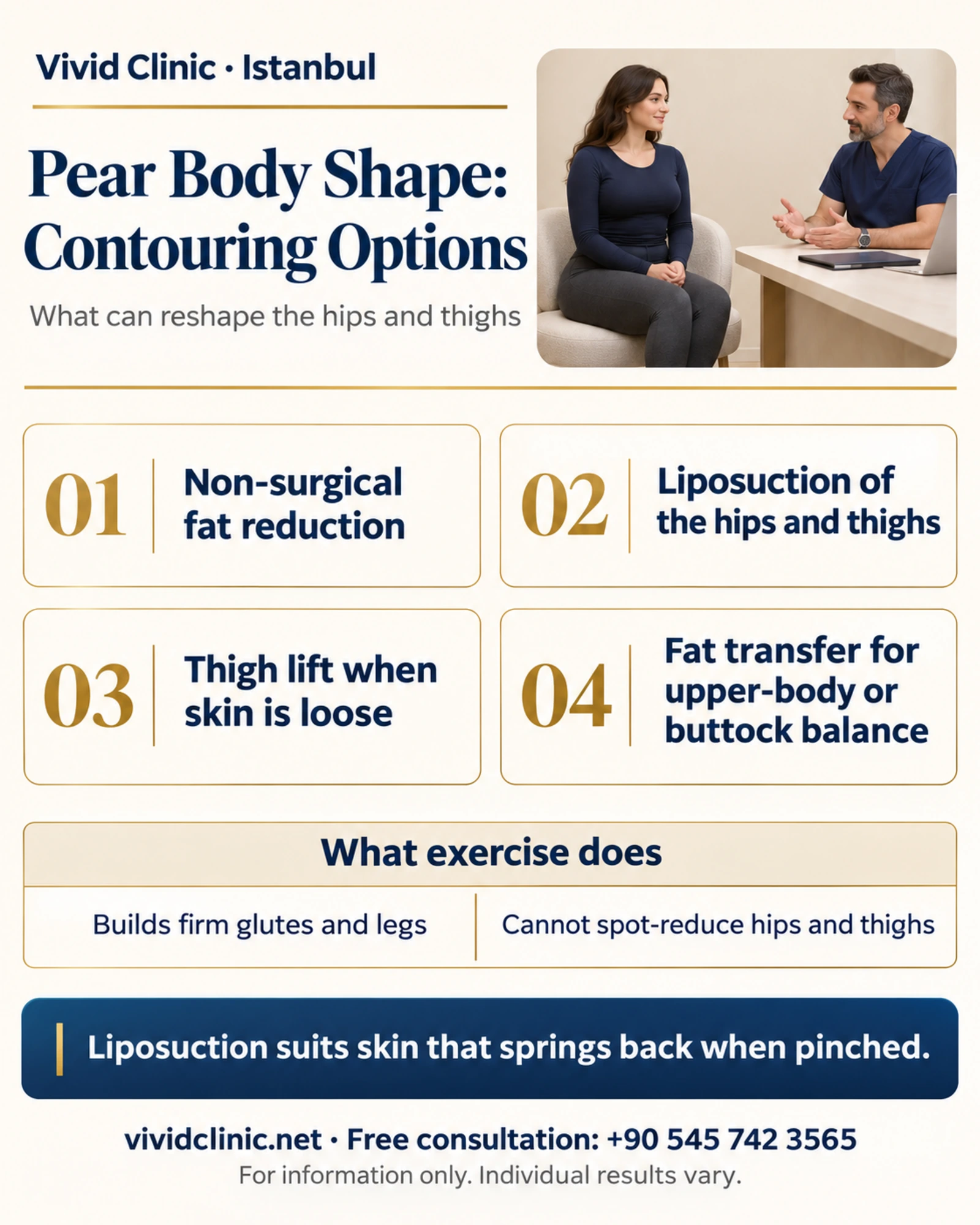
Quick Answer: The main options are non-surgical fat reduction for small pockets, liposuction for the hips, outer thighs and inner thighs, a thigh lift when the skin is loose, and fat transfer to balance the upper body or buttocks. The right choice depends on your fat, skin quality and goals, and results vary by individual.
Our overview of body contouring in Turkey explains how they fit together.
Non-Surgical Fat Reduction
Device-based treatments cool or heat fat cells through the skin, and the body clears them over the following weeks. Downtime is short, but the change is modest, so they suit a small, pinchable bulge only.
Liposuction for Hips, Outer Thighs and Inner Thighs
Liposuction removes fat through a thin tube called a cannula. The usual targets are the hips and flanks, the outer thighs and the inner thighs.
Thigh skin shows unevenness easily, so surgeons remove fat conservatively and in even layers. With VASER liposuction, ultrasound energy loosens the fat first, which may be suggested in selected cases.
Liposuction is body contouring, not weight loss. It does not treat cellulite or loose skin.
Thigh Lift When Skin Is Loose
If the main issue is loose inner thigh skin, often after major weight loss, removing fat alone can leave the area looking deflated. A thigh lift removes excess skin and is sometimes combined with liposuction. The trade-off is a longer scar, usually in the groin crease and sometimes down the inner thigh, plus a longer recovery.
Fat Transfer for Upper-Body or Buttock Balance
Fat collected during liposuction can be purified and placed elsewhere. A BBL uses it to improve buttock projection, and a smaller transfer can soften hip dips. Fat transfer to the breasts can add modest volume to a smaller upper body.
This step is optional. Not all transferred fat survives, and fat transfer to the buttocks carries specific risks, including rare but serious fat embolism, which your surgeon should explain in detail.
Who Is a Good Candidate for Hip and Thigh Liposuction?
Quick Answer: Hip and thigh liposuction suits adults who are close to their goal weight, have kept it stable for several months and have firm, elastic skin, with localized fullness that has not responded to diet and exercise. Suitability is confirmed by a surgeon after an individual assessment.
Signs that you may be suitable include:
- Skin that springs back when pinched
- Good general health and no smoking, or willingness to stop around surgery
- Realistic expectations of a smoother outline, not a different frame
Who May Not Be Suitable?
Liposuction is not a treatment for obesity. It is a poor match when the main concern is loose skin or cellulite, and it cannot narrow a wide pelvis.
Possible lipedema should be diagnosed first. Uncontrolled medical conditions, clotting disorders, pregnancy and certain medications can rule surgery out or delay it.
How Hip and Thigh Liposuction Works: Technique Step by Step
- Assessment and marking. Your surgeon examines you standing and marks the areas to treat.
- Anesthesia. General anesthesia or sedation is used, depending on the plan.
- Small incisions. Short incisions are placed in discreet positions and leave small scars that typically fade over time.
- Tumescent fluid. A solution is infiltrated to reduce bleeding and ease fat removal.
- Fat removal. The cannula removes fat in controlled, even layers.
- Garment. A compression garment is fitted.
Procedure Overview Table: Liposuction of the Hips and Thighs
| Aspect | Details |
|---|---|
| Duration Process | About 1 to 3 hours |
| Hospitalization Duration | 0 to 1 night |
| Mobility Duration | Gentle walking the same day or the next day |
| Return to Activity | About 7 to 10 days for desk work; 4 to 6 weeks for strenuous exercise |
| Complete Recovery | 6 to 12 weeks for most swelling and firmness to settle |
| Anticipated Results | Early shape at 4 to 6 weeks; final contour at 3 to 6 months |
Operation Process Overview at Vivid Clinic
Your journey begins when you arrive in Istanbul, where a VIP airport transfer meets you and takes you to your 5-star hotel for check-in. Next comes a one-on-one consultation, in which your surgeon examines your hips and thighs, reviews your medical history and finalizes the plan. On surgery day, the hospital team looks after you from admission and anesthesia through to recovery. Post-operative care follows, with dressing checks and compression garment guidance. A checkup visit before you leave confirms that healing is on track. After your departure, remote aftercare follow-up continues with photo reviews by the Vivid Clinic team.
Recovery Timeline After Hip and Thigh Liposuction
Recovery differs from person to person.
Days 1 to 3
Expect swelling, bruising and soreness, managed with prescribed medication. Short, frequent walks begin early.
Week 1
Bruising starts to fade. Your checkup takes place, and many people return to desk work within about 7 to 10 days.
Weeks 2 to 6
The compression garment is usually worn for about 4 to 6 weeks, as your surgeon advises. Light exercise resumes gradually, and the thighs may feel firm, lumpy or numb in places.
Months 3 to 6
Swelling resolves, the skin settles and the final outline becomes clear.
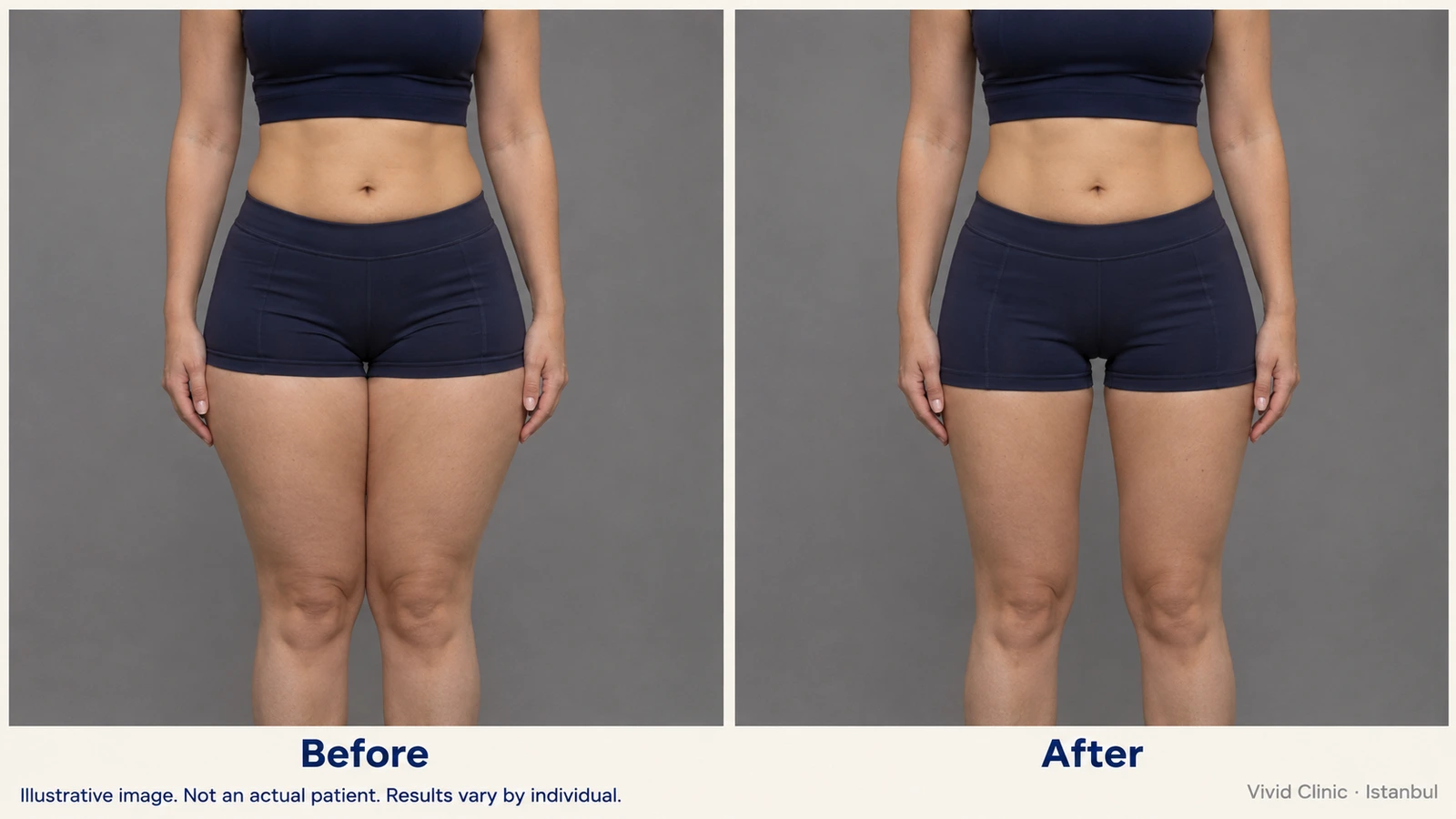
Benefits of Contouring a Pear Body Shape
- Reduces fullness in areas that often resist diet and exercise
- Can create a smoother transition from waist to hip to thigh
- May help clothes fit more evenly between top and bottom
Removed fat cells do not regenerate, but remaining cells can enlarge with weight gain, so a stable weight protects the result.
Risks and Side Effects
Like any surgical procedure, liposuction carries potential risks. These include bruising, swelling, temporary numbness, fluid collection (seroma), infection, contour irregularities, asymmetry, skin laxity, visible scars and, rarely, blood clots or anesthesia-related complications.
A thigh lift adds the risks of a longer incision, such as delayed wound healing. Careful patient selection and good aftercare lower these risks but cannot remove them.
How to Prepare Before Surgery
- Stop smoking and nicotine for the period your surgeon specifies
- Share your full medical history and medications, including any history of blood clots
- Pack loose trousers or skirts that fit over a compression garment
Aftercare Tips for a Smoother Recovery
- Wear your compression garment as directed
- Walk little and often, and avoid sitting still for long periods
- Avoid alcohol, smoking, saunas and strenuous exercise until cleared
- Report unusual pain, redness, fever or calf swelling promptly
Cost Factors in Istanbul, Turkey
The cost of contouring a pear body shape depends on the number of areas treated, the technique, whether a thigh lift or fat transfer is added, operating time, surgeon experience, hospital and anesthesia fees, and the hotel, transfer and aftercare services in your package.
For an initial idea, try the surgery price calculator. It gives an estimate only; your surgeon confirms the final figure after assessing you.
What International Patients Should Expect
Most planning happens before you travel: you send photos, describe your goals and receive a personalized recommendation. Many liposuction patients plan around five to seven days in Istanbul.
Flying home is usually possible after your checkup. On the flight, wear your garment, drink water and walk the aisle regularly.
Why Choose Vivid Clinic in Istanbul, Turkey?
Vivid Clinic is a premium, international clinic focused on natural-looking, personalized body contouring. Every plan starts with a free consultation with a plastic surgeon, including a frank opinion on whether your pear body shape needs surgery at all.
From there, one team coordinates your consultation, transfers, hotel, treatment, checkups and remote aftercare. You can meet our doctors before you decide.
FAQs
How long should I stay in Istanbul for liposuction if I have a pear body shape?
Most international patients plan around five to seven days in Istanbul for hip and thigh liposuction, and somewhat longer if a thigh lift is part of the plan. The stay usually covers your in-person consultation, surgery day, one night in hospital if advised, early recovery at your hotel and a checkup visit before departure. Your surgeon confirms that you are fit to fly at that checkup. On the journey home, wear your compression garment, stay hydrated and walk the aisle regularly.
Which pear body shape exercises help slim the hips and thighs?
No exercise removes fat from one chosen area, because spot reduction does not work. What helps is a combination. Lower-body strength work, such as squats, lunges and hip thrusts, firms the glutes and legs. Upper-body work, such as rows, presses and lateral raises, adds a little shoulder width that balances the hips. Regular cardio and a modest calorie deficit reduce overall body fat. Even with consistent effort, the hips and thighs are often the last areas to change, and bone structure stays the same.
Is liposuction or a thigh lift better for a pear body shape?
It depends on whether the concern is fat or skin. Liposuction suits firm, elastic skin with localized fullness at the hips, outer thighs or inner thighs. A thigh lift is designed for loose, hanging skin, most often on the inner thighs after major weight loss or with age, and it leaves a longer scar. Some patients need a combination, and some are advised to have neither. Your surgeon makes the recommendation after examining you standing and checking your skin quality. Results vary by individual.
Is a pear body shape the same as lipedema?
No. A pear body shape is a normal pattern of fat distribution, while lipedema is a chronic medical condition. Lipedema typically causes symmetrical, disproportionate fat in the legs and sometimes the arms, usually sparing the feet, along with tenderness, heaviness and easy bruising. It tends to respond poorly to diet and exercise. The two can look similar in photos, so self-diagnosis is unreliable. If your legs are painful or bruise easily, ask a doctor familiar with lipedema for an assessment before considering any cosmetic procedure.
What affects the cost of contouring a pear body shape in Turkey?
Several factors shape the price. These include how many areas are treated, the technique used, whether a thigh lift or fat transfer is added, the length of the operation, surgeon experience, hospital and anesthesia fees, pre-operative tests, and the hotel, transfers and aftercare included in your package. Because plans differ so much between patients, an exact figure can only be given after an assessment. Vivid Clinic in Istanbul, Turkey provides a personalized quote following your consultation, with no obligation to proceed.
Conclusion
A pear body shape is a common, normal pattern, set mostly by genetics and hormones. Smart styling, strength training and sensible nutrition go a long way, and most people need nothing more. For those still bothered by a specific area at a stable weight, liposuction, a thigh lift or fat transfer can refine the outline. Results vary.
If you would like a personal assessment, Vivid Clinic in Istanbul, Turkey offers a free consultation with a plastic surgeon. Get a Free Consultation and find out which approach, if any, makes sense for you.
Real Before and After Results at Vivid Clinic
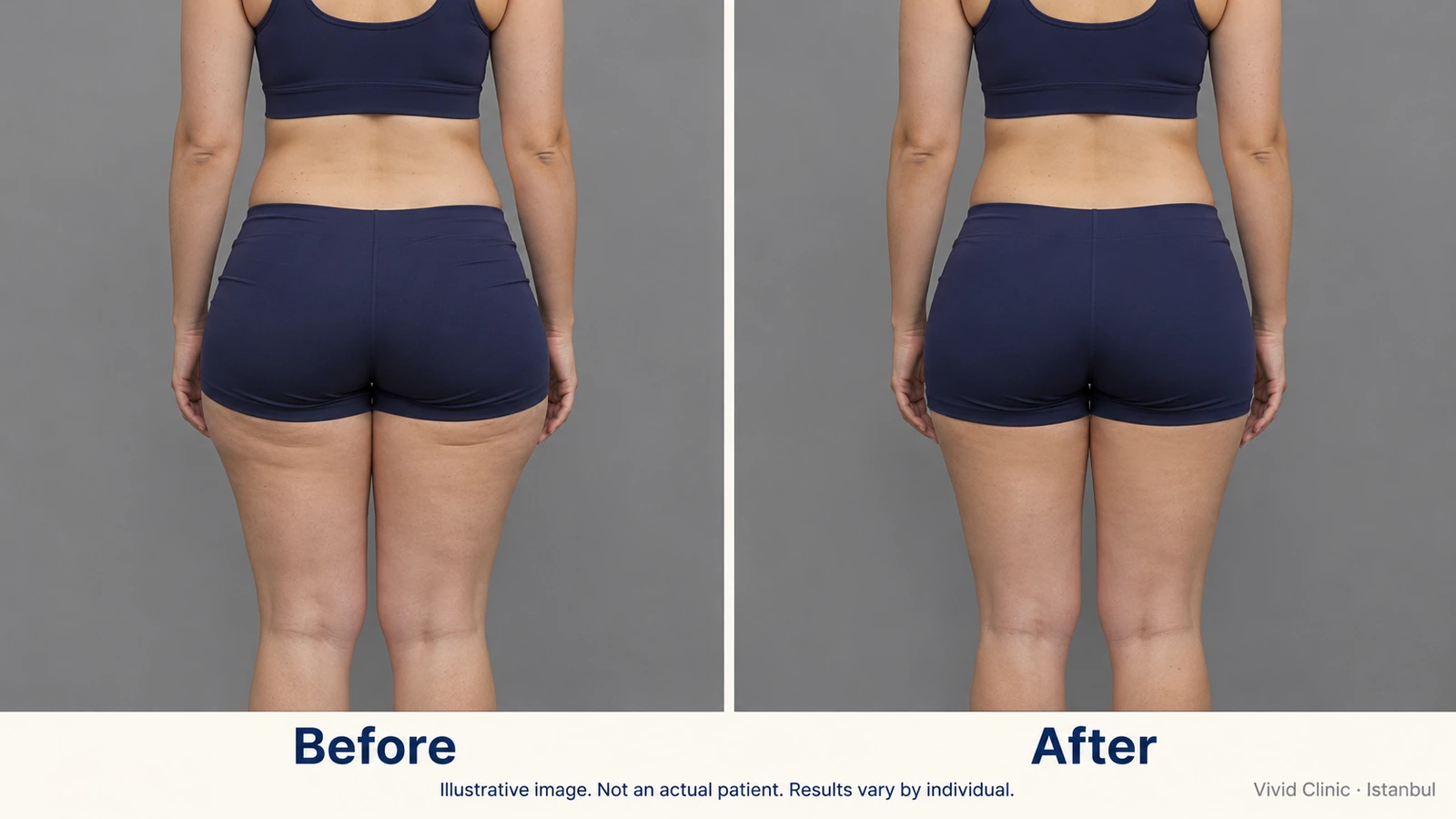
The photos below show real Vivid Clinic patients from the clinic’s own gallery, shared with consent as published on the clinic site. They are liposuction and BBL cases, related body contouring procedures, and were not selected because the patients have a pear body shape; results vary by anatomy, healing and treatment plan.
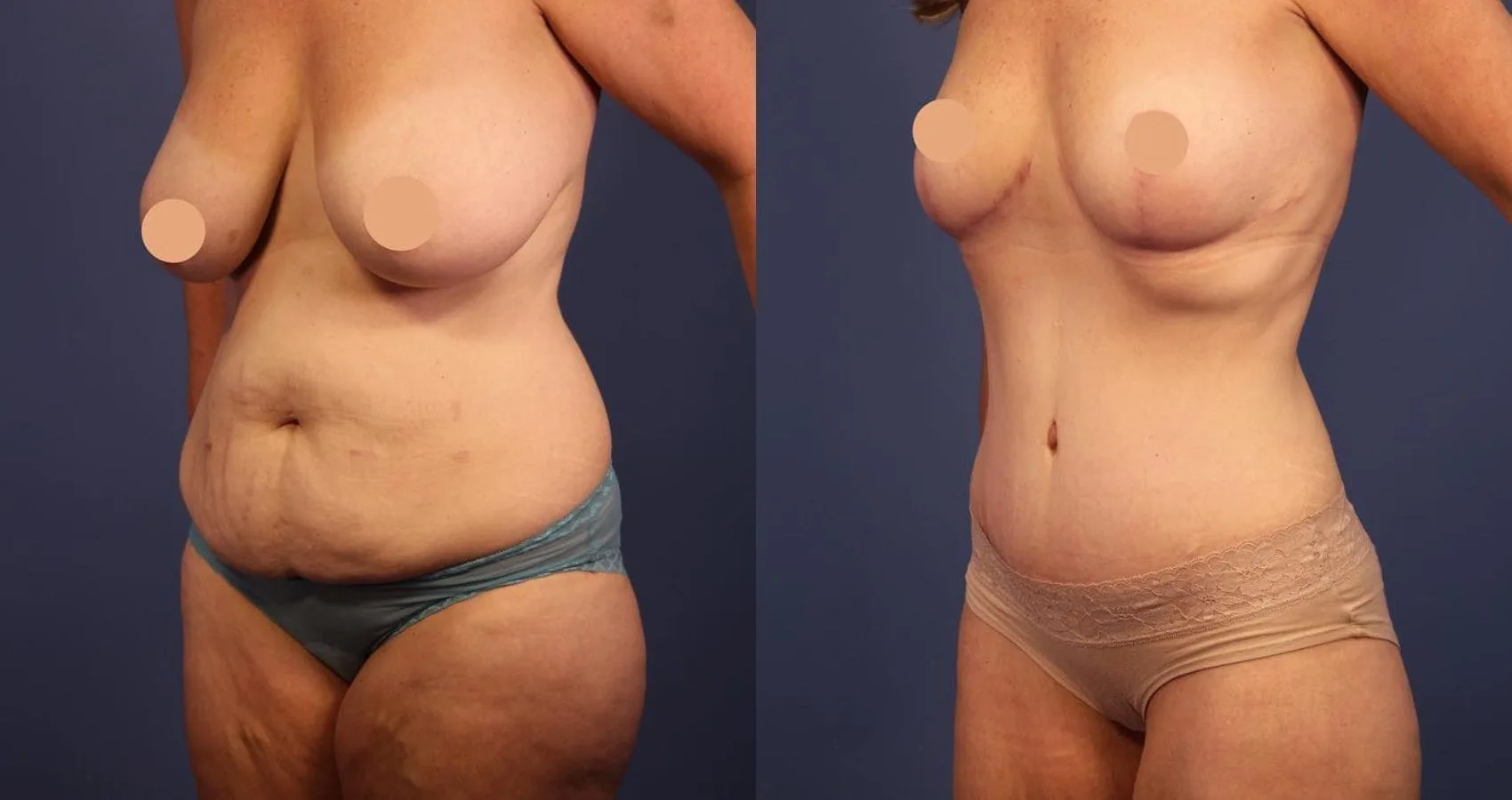
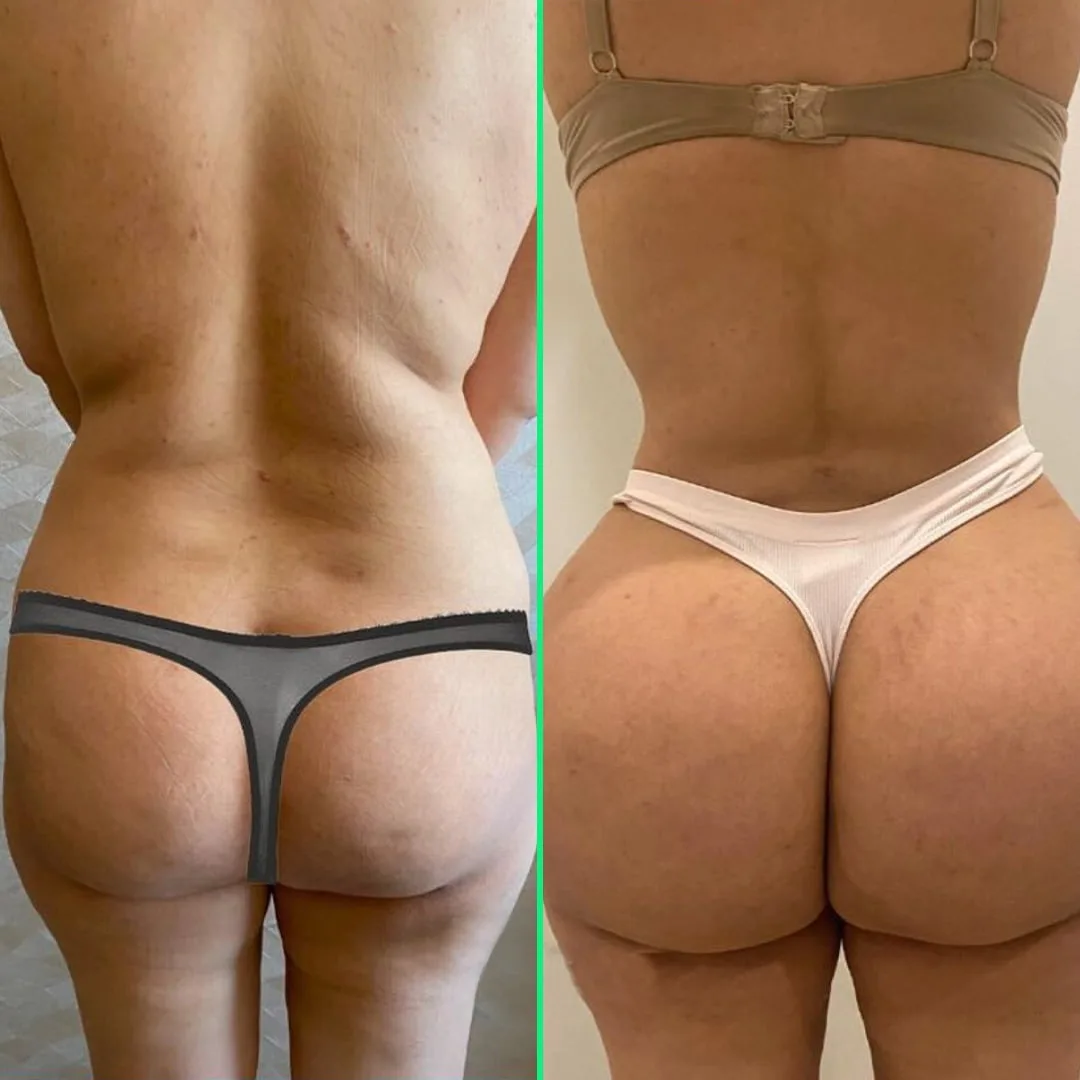
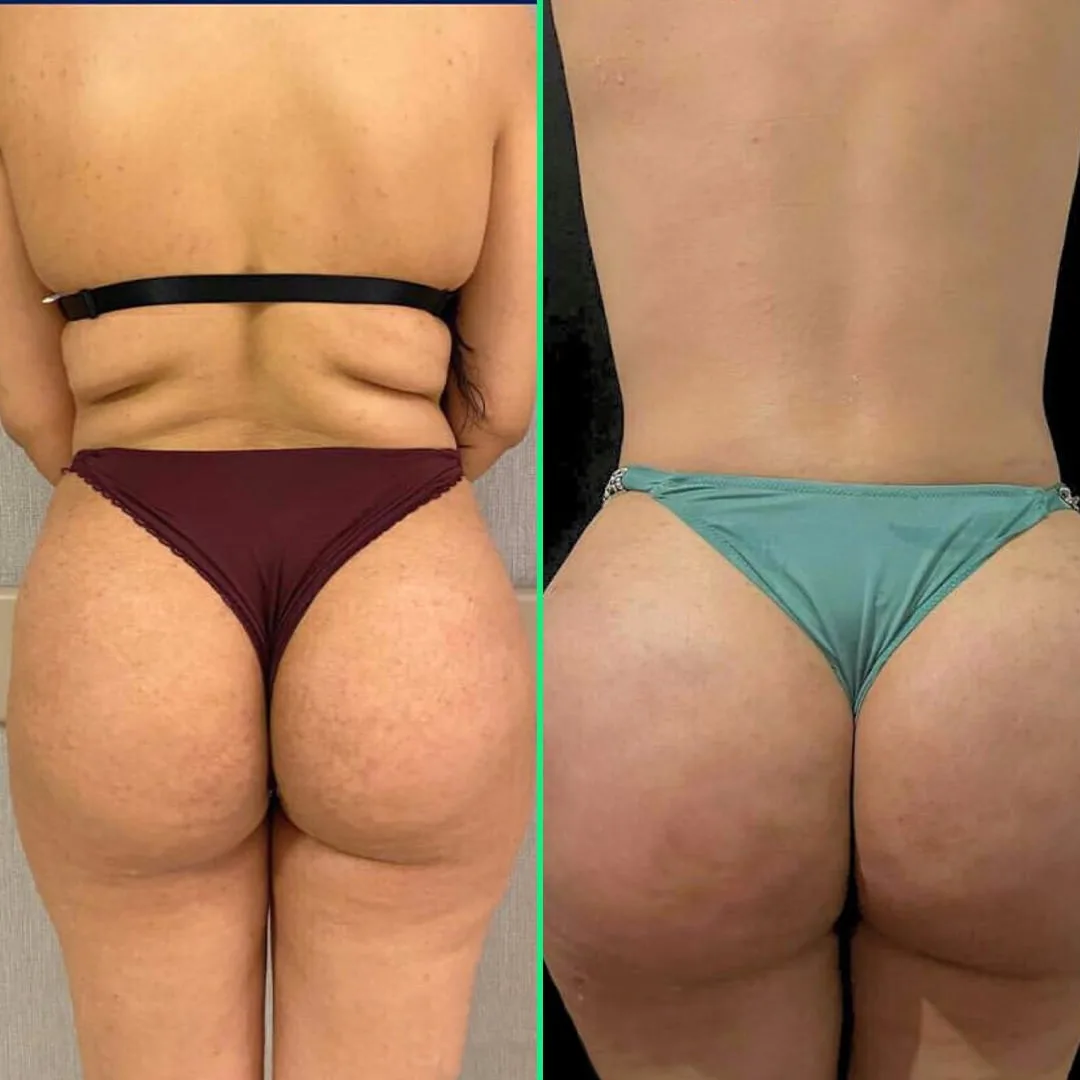
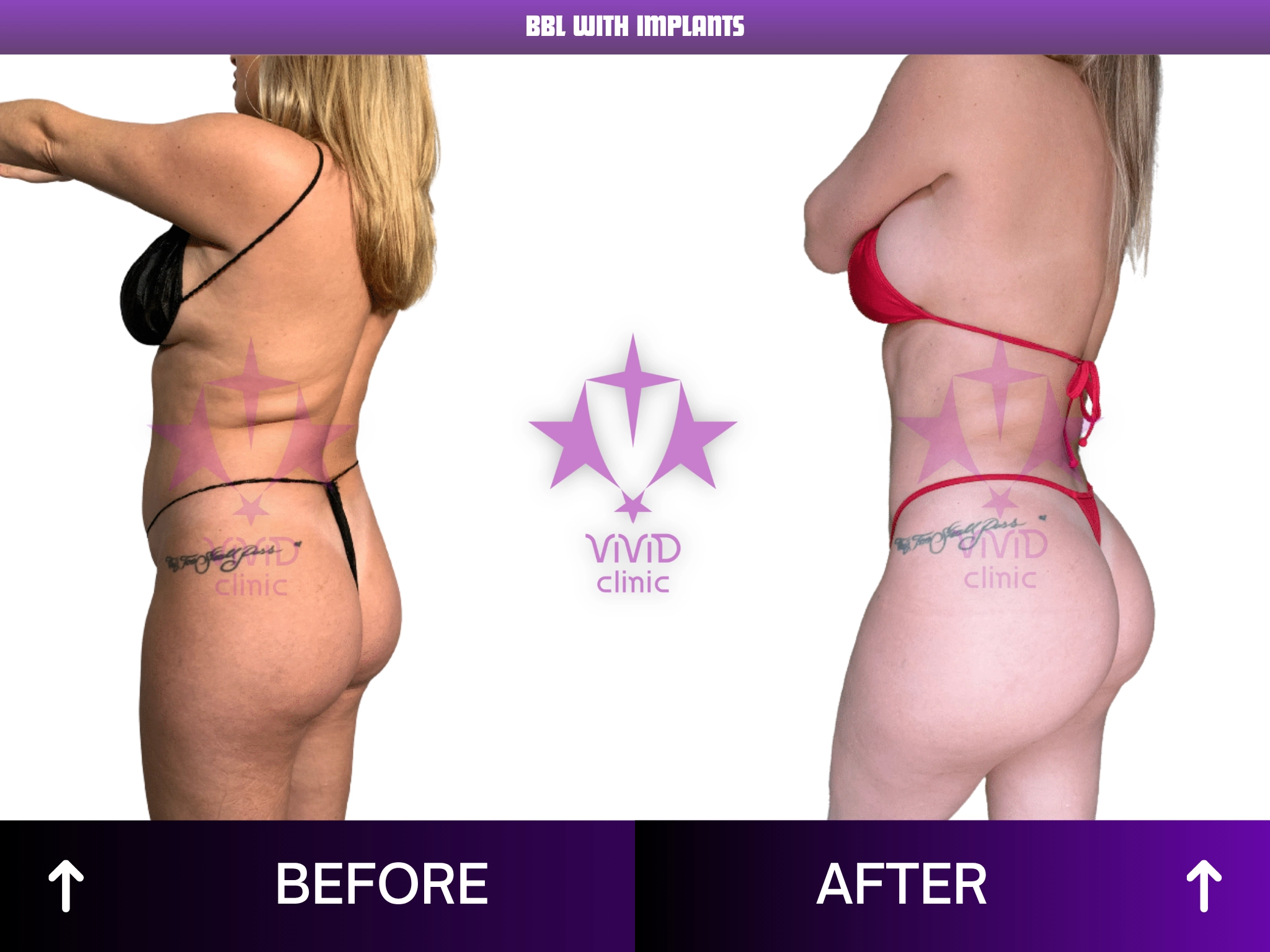
You can browse more cases in the full before and after gallery. To learn what may be realistic for your own hips and thighs, send your photos to the Vivid Clinic team and request your free consultation with a plastic surgeon.
This article is for general information and does not replace a personal medical consultation. Suitability, risks, recovery and expected results should always be discussed with a qualified medical professional. Results vary by individual.