
 ChatGPT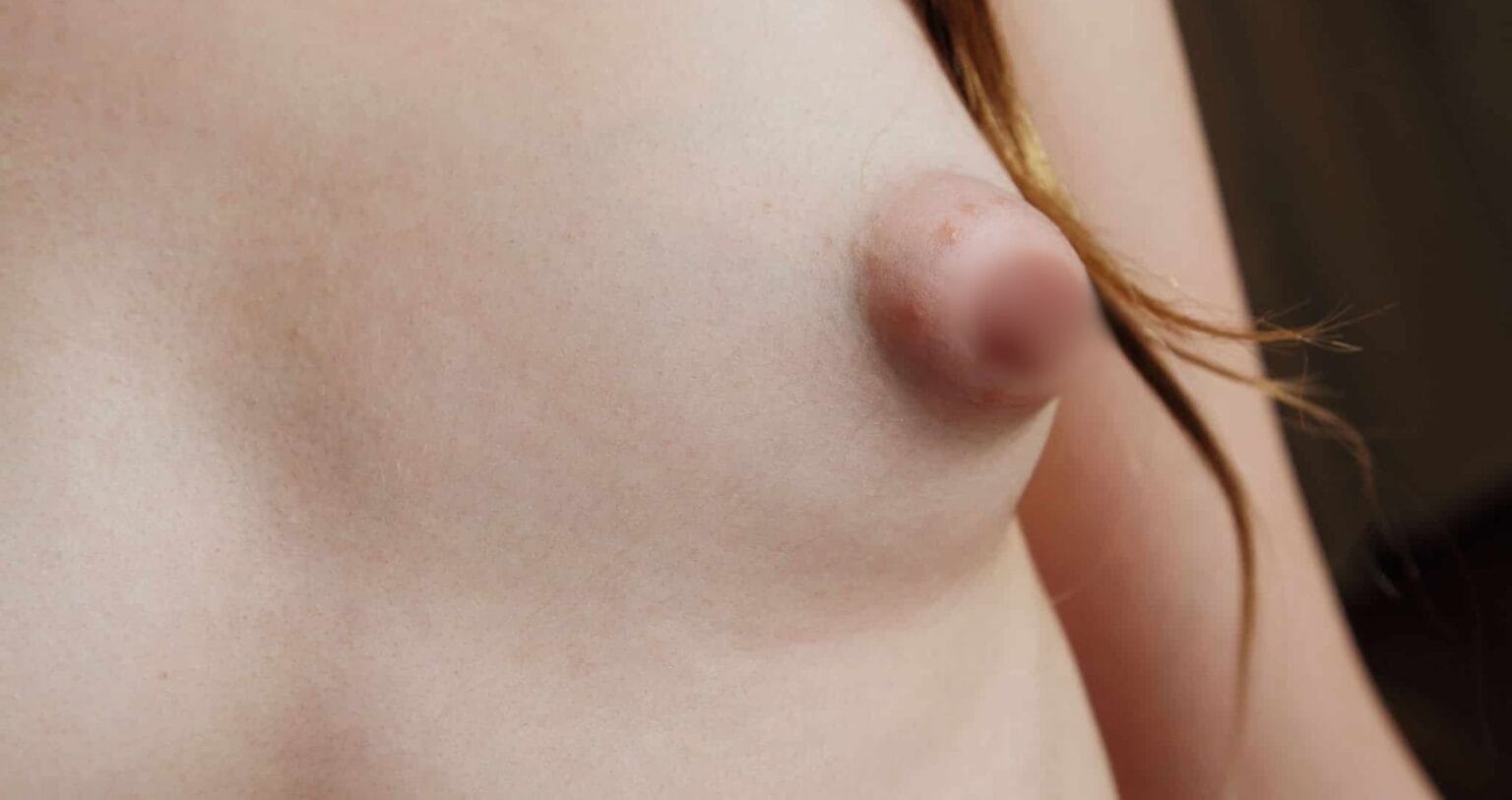
Puffy Nipples: 6 Causes and the Confidence-Restoring Treatments That Actually Work
Puffy nipples are one of the most common — and most quietly distressing — body image concerns we see at Vivid Clinic, affecting men and women of every age. Whether the cause is hormonal change, weight fluctuation, pregnancy, or genetics, a raised or swollen areola can make you self-conscious in everyday clothing, at the gym, or on the beach.
This guide breaks down exactly what causes puffy nipples, clears up the biggest misconceptions, and walks through every non-surgical and surgical treatment available at Vivid Clinic in Istanbul — including real before-and-after results and a clear next step if you decide treatment is right for you.
What Are Puffy Nipples?
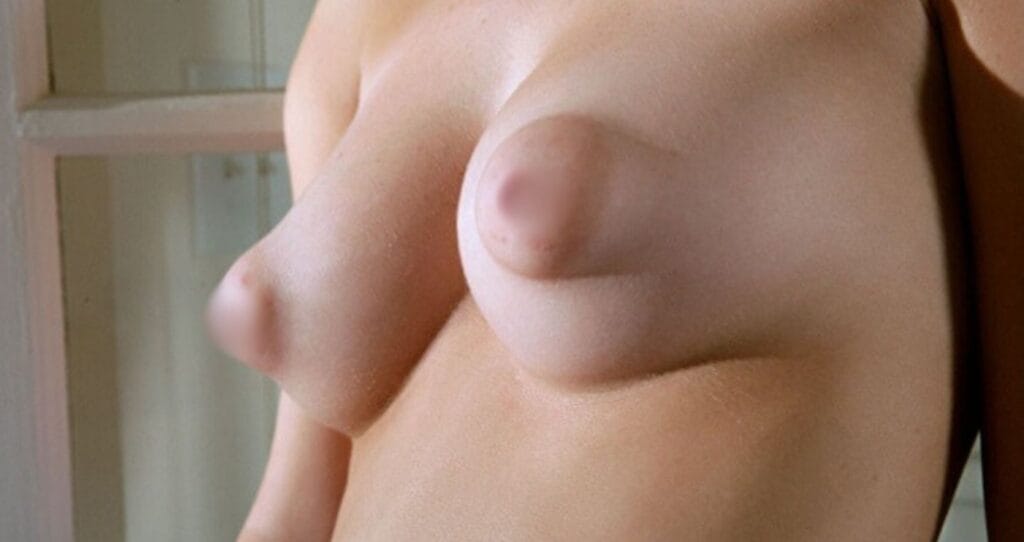
Puffy nipples occur when the areola, the area surrounding the nipple, becomes raised or swollen. This condition affects both men and women and maybe more noticeable when accompanied by excess breast tissue or fat. Although puffy nipples are often harmless, many seek treatment for aesthetic reasons.
Causes of Puffy Nipples in Men and Women
Several factors can contribute to the appearance of puffy nipples:
- Hormonal Changes: Puberty, pregnancy, menopause, or hormonal imbalances can cause changes in breast tissue, leading to nipple puffiness.
- Weight Gain: Fat accumulation in the chest can make the nipples appear more prominent.
- Gynecomastia: In men, this condition leads to the enlargement of breast tissue, often causing puffy nipples.
- Pregnancy and Breastfeeding: Hormonal shifts during and after pregnancy and milk production can result in puffy nipples.
- Genetics: Some people are genetically predisposed to having puffy or enlarged nipples.
- Medications and Steroid Use: Anabolic steroids, some antidepressants, and certain blood pressure or prostate medications can trigger or worsen puffy nipples, especially in men.
- Puberty: Rising and fluctuating hormone levels during puberty are the single most common cause of temporary puffy nipples in teenage boys.
Not sure which cause applies to you? A free online assessment with Vivid Clinic’s surgical board gives you a personalised answer — no obligation, no pressure.
Do Puffy Nipples Cause Fat?
A common misconception is that puffy nipples cause fat accumulation. In reality, puffy nipples do not generate fat, but excess fat deposits in the chest area can contribute to the appearance of puffy nipples.
What Happens If You Leave Puffy Nipples Untreated?
Leaving puffy nipples untreated is generally harmless. For men, the condition may be caused by gynecomastia, which can affect self-esteem but rarely poses health risks. In women, puffy nipples are typically a natural variation in breast anatomy. However, for those who are concerned about their appearance, treatment options are available to enhance confidence and comfort.
Puffy Nipples in Women: Appearance and Treatment Options
Puffy nipples can vary in appearance in women, from minor puffiness to more pronounced cases. Causes include hormonal changes during puberty, pregnancy, breastfeeding, and weight gain.
Treatment Options for Women at Vivid Clinic
- Non-Surgical Treatments: Hormone-regulating medications or topical treatments may reduce nipple puffiness.
- Surgical Options: Areola reduction surgery removes excess tissue to create a more proportionate appearance.
- Fat Removal: Liposuction or fat reduction treatments can address puffy nipples caused by excess fat in the chest area.
Puffy Nipples in Men: Causes and Treatment Solutions
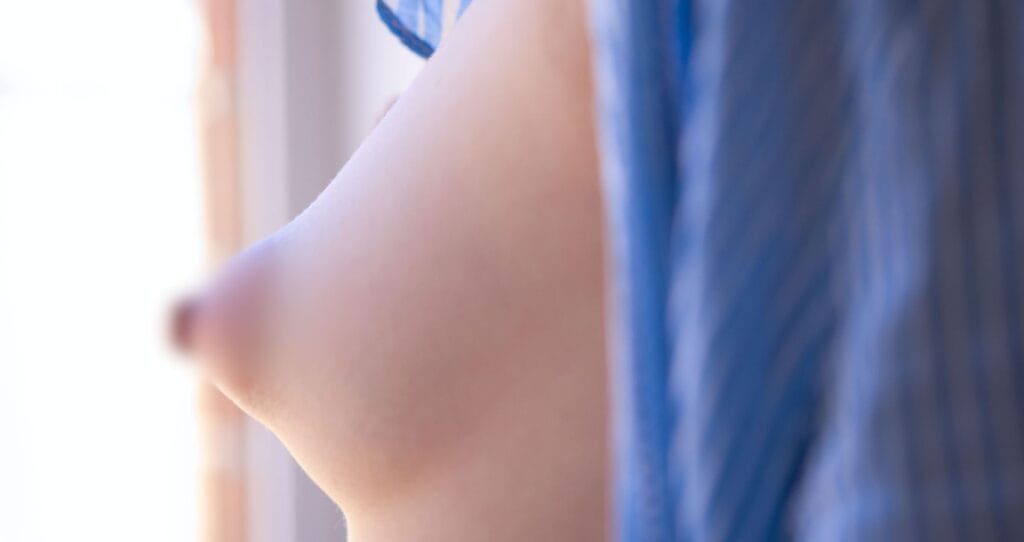
Men frequently experience puffy nipples due to gynecomastia or weight gain. Gynecomastia, which is common during puberty, results from hormonal imbalances and may persist into adulthood. Certain medications and steroid use can also contribute to male puffy nipples.
How to Get Rid of Puffy Nipples in Men
At Vivid Clinic, we offer several effective treatments for men with puffy nipples:
- Exercise and Weight Loss: Chest exercises and weight loss can reduce fat around the nipples, improving their appearance.
- Surgical Options: For more severe cases, surgical procedures like glandular tissue excision or liposuction may be necessary to remove excess breast tissue and flatten the chest.
Before and After Gallery
At Vivid Clinic, we have successfully helped countless clients achieve their desired appearance. View our before-and-after gallery to see the dramatic transformations our patients have experienced after receiving treatment for puffy nipples.
Watch the Transformation
Want to learn more about real patient experiences? Visit our YouTube channel to watch consultations, procedures, and results related to puffy nipples and gynecomastia.
How to Get Rid of Puffy Nipples: A Detailed Guide
Several non-surgical and surgical methods exist to treat puffy nipples, depending on the underlying cause.
Non-Surgical Options
- Weight Management: Reducing body fat through diet and exercise can help minimize the appearance of puffy nipples.
- Exercise: Chest-targeted exercises like push-ups and bench presses can tone the chest and reduce nipple puffiness.
- Supportive Bras: For women, a well-fitting bra can minimize the appearance of nipple protrusion.
Surgical Options at Vivid Clinic
- Liposuction: Removes excess fat from the breast area, reducing nipple puffiness.
- Glandular Tissue Excision: This procedure removes excess breast tissue for men with gynecomastia (see our guide to the gyno surgery price by grade).
- Areola Reduction Surgery: This surgery reduces the size and projection of the nipple and areola for a more proportionate appearance.
Puffy Nipples Treatment Options at a Glance
Every case is different, so your exact plan is confirmed at consultation — but here is how the main puffy nipples treatment paths compare.
| Treatment | Best For | Downtime | When You’ll See Results |
|---|---|---|---|
| Weight management & targeted exercise | Mild puffiness from excess fat, no glandular tissue | None | 8–12 weeks of consistent effort |
| Hormone regulation (medical) | Recent-onset puffiness with a confirmed hormonal cause | None | Weeks to a few months |
| Liposuction | Puffiness caused mainly by fat, minimal excess skin | 2–4 days light activity | Initial results in 2–3 weeks; final at 3 months |
| Glandular tissue excision (gynecomastia surgery) | Firm, glandular puffiness in men that will not respond to diet or exercise | 5–7 days before flying home | Initial shape in 2–3 weeks; final at 3–6 months |
| Areola reduction surgery | Stretched, domed, or disproportionate areola in men or women | 1 week before resuming normal routine | Final results at 3–6 months as scars fade |
Your Puffy Nipples Treatment Journey at Vivid Clinic, Istanbul
Most international patients start with a free online assessment: send photos and a short medical history, and Vivid Clinic’s surgical board confirms whether your puffy nipples are best managed non-surgically or through a procedure such as gynecomastia surgery or areola reduction, along with an all-inclusive quote. If you travel to Istanbul for treatment, a VIP airport transfer takes you to your hotel, and you meet your surgeon in person the next day to confirm the plan before your procedure. Surgical patients typically stay 5–7 nights — covering the operation, a follow-up check, and initial recovery — before flying home with detailed aftercare instructions and ongoing remote support from Vivid Clinic’s patient coordinators. The full range of breast aesthetic procedures and body-contouring options such as liposuction can be combined with your visit if your surgeon recommends it.
FAQs about Puffy Nipples
How to Get Rid of Puffy Nipples?
Treatment depends on the underlying cause and how noticeable the puffiness is. Non-surgical options include weight management, targeted chest exercise, and hormone regulation for cases linked to a treatable imbalance. When puffy nipples come from excess glandular tissue or stretched areola skin, surgical options — liposuction, glandular tissue excision, or areola reduction surgery — give a permanent, flat-chest result.
Can Puffy Nipples Be Reduced Without Surgery?
In mild cases, yes — weight loss, chest-focused strength training, and, when a hormonal cause is confirmed, medication can visibly reduce puffy nipples. Once the underlying tissue has become fibrous or glandular (common in longstanding gynecomastia), non-surgical measures plateau, and surgery is the only way to fully flatten the chest.
How Much Does Puffy Nipples Treatment Cost in Istanbul?
Cost depends on whether treatment is non-surgical or surgical, and — for men with gynecomastia-related puffy nipples — on the surgical grade. Vivid Clinic quotes an all-inclusive package (surgery, anaesthesia, compression garment, hotel and VIP transfers) after a free online assessment; see our full gynecomastia surgery cost guide for current price ranges by grade.
Can Puffy Nipples Come Back After Surgery?
Areola reduction and glandular tissue excision remove the tissue causing puffy nipples, so results are considered permanent once healing is complete. Puffiness can recur only if the original trigger returns — significant weight regain, new steroid or medication use, or a hormonal imbalance — which is why Vivid Clinic reviews your history at consultation to minimise that risk.
Why Do Teenagers Get Puffy Nipples, and When Should They See a Doctor?
Hormonal shifts during puberty cause temporary puffy nipples in a large share of teenage boys, and most cases resolve on their own within six months to two years. A pediatrician or endocrinologist should be consulted if the puffiness persists beyond two years, causes significant distress, or appears alongside other symptoms — surgery is not considered until physical maturity and only after a full medical evaluation.
Is Surgery for Puffy Nipples Painful, and What Is Recovery Like?
Surgery for puffy nipples is performed under local anaesthesia with sedation or general anaesthesia, so you feel nothing during the procedure itself. Post-operative discomfort is mild to moderate and controlled with standard medication; most patients wear a compression garment for 2–3 weeks, return to desk work within a week, and resume full activity by 4–6 weeks.
Does Having Puffy Nipples Affect Breastfeeding?
In most cases, puffy nipples do not affect breastfeeding. However, it is best to consult with a healthcare professional if you have concerns.
Conclusion
Puffy nipples are common, usually harmless, and — whatever the cause — very treatable. Whether lifestyle changes are enough or you need gynecomastia surgery or areola reduction to get the flat, confident chest you want, Vivid Clinic in Istanbul can build a plan around your goals, your timeline, and your budget.
No commitment · Confidential · Reply within 24 hours