BBL Istanbul: The Complete, Safety-Focused Guide to Brazilian Butt Lift Surgery in Turkey
Quick answer: A Brazilian Butt Lift (BBL) in Istanbul is a body-contouring operation that moves your own fat from the waist, back or thighs to the buttocks. Performed by a board-certified plastic surgeon in a licensed hospital, with fat placed only above the muscle, it is a controlled 3–4 hour procedure under general anesthesia. Expect no direct sitting for about two weeks, supported sitting until weeks 6–8, a flight home after 7–10 days, and a final shape at months 4–6. The right first question is not “Should I get a BBL?” but “Am I a safe and suitable candidate?” — this guide helps you answer it.
 ChatGPT
BBL in Istanbul at a glance
| What it is | Liposuction of the waist, back or thighs, purification of the fat, and transfer of that fat to the buttocks to reshape the whole torso |
|---|---|
| Safety standard | Subcutaneous-only injection (above the gluteal muscle) with blunt cannulas, performed by the surgeon in a hospital operating room |
| Anesthesia and duration | General anesthesia · approximately 3–4 hours · continuous anesthesiology monitoring |
| Sitting | No direct sitting for about 14 days · supported sitting with a BBL pillow from week 2 · near-normal sitting by weeks 6–8 |
| Flying home | Usually 7–10 days after surgery, once your surgeon confirms fitness to fly |
| Final result | Shape stabilises at months 2–3 · final result at months 4–6 · surviving fat then behaves like normal body fat |
| At Vivid Clinic | Surgeon-led planning, licensed partner hospitals, free plastic-surgeon consultation, international patient coordination and remote aftercare |
Introduction
Brazilian Butt Lift surgery has become one of the most discussed—and most misunderstood—procedures in modern aesthetic medicine. Search trends, social platforms, and celebrity culture have pushed demand to record highs, yet confusion, misinformation, and legitimate safety concerns continue to surround the topic. If you are researching BBL Istanbul, you are likely trying to separate medical fact from marketing noise.
This guide is written to do exactly that.
It is not a sales page. It is not designed to rush you into a decision. It is a structured, evidence-based resource built for patients who want clarity, proportional aesthetics, and—above all—safety.

Why So Many Patients Are Drawn to BBL Istanbul
Over the past decade, Istanbul has emerged as one of the world’s most sought-after destinations for Brazilian Butt Lift surgery. This did not happen by chance.
Patients are drawn to Istanbul because it uniquely combines three factors that rarely coexist elsewhere:
- A strong tradition of body-contouring aesthetics focused on harmony rather than exaggeration
- Board-certified plastic surgeons operating in regulated, hospital-grade environments
- A medical tourism ecosystem capable of delivering complex surgery with structured pre- and post-operative care
Unlike regions where BBL became popular primarily through social media trends, Istanbul’s approach has evolved within the framework of reconstructive and aesthetic plastic surgery. The result is a focus on proportion, waist-to-hip balance, and long-term outcomes rather than short-term visual shock value.
The One Question You Must Answer Before Considering a BBL
Most patients begin their journey by asking, “Should I get a BBL?
That is the wrong starting point.
The correct—and far more important—question is:
“Am I a safe and suitable candidate for a Brazilian Butt Lift?”
BBL is not a one-size-fits-all procedure. It is highly dependent on anatomy, fat distribution, metabolic health, and psychological readiness. A well-performed BBL can deliver transformative yet natural results. A poorly indicated one can lead to disappointment or serious complications.
This guide is structured to help you answer that question honestly, before aesthetics or pricing ever enter the conversation.
What This Guide Promises: Clarity Over Hype
You will not find exaggerated promises here. You will find:
- Clear explanations written in plain, medical language
- Transparent discussion of risks and limitations
- Ethical guidance on who should—and should not—proceed with surgery
- Insight into why surgeon experience and technique matter more than location or price
Throughout this guide, the goal is informed decision-making, not pressure.
What Is a Brazilian Butt Lift (BBL), Really?
Despite the name, a Brazilian Butt Lift is not a traditional “lift,” and it is not merely about making the buttocks larger. At its core, BBL is a three-dimensional body-contouring procedure.
BBL as Body Contouring, Not Just Butt Enlargement
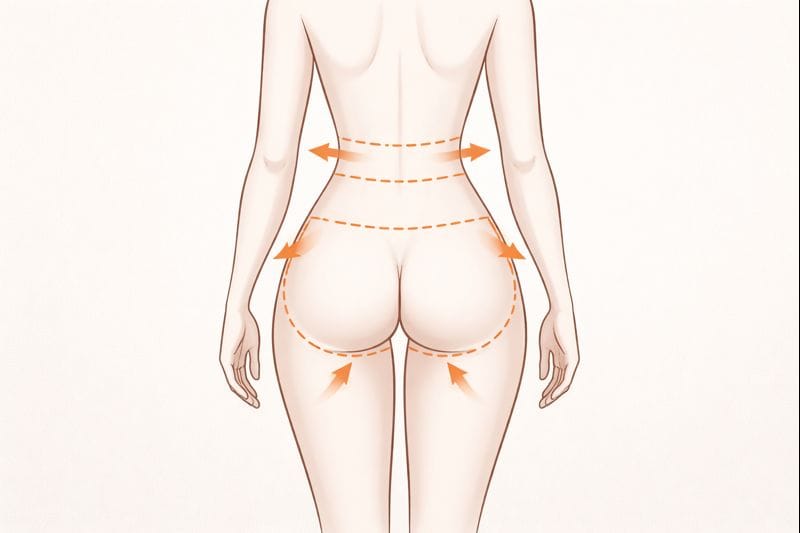
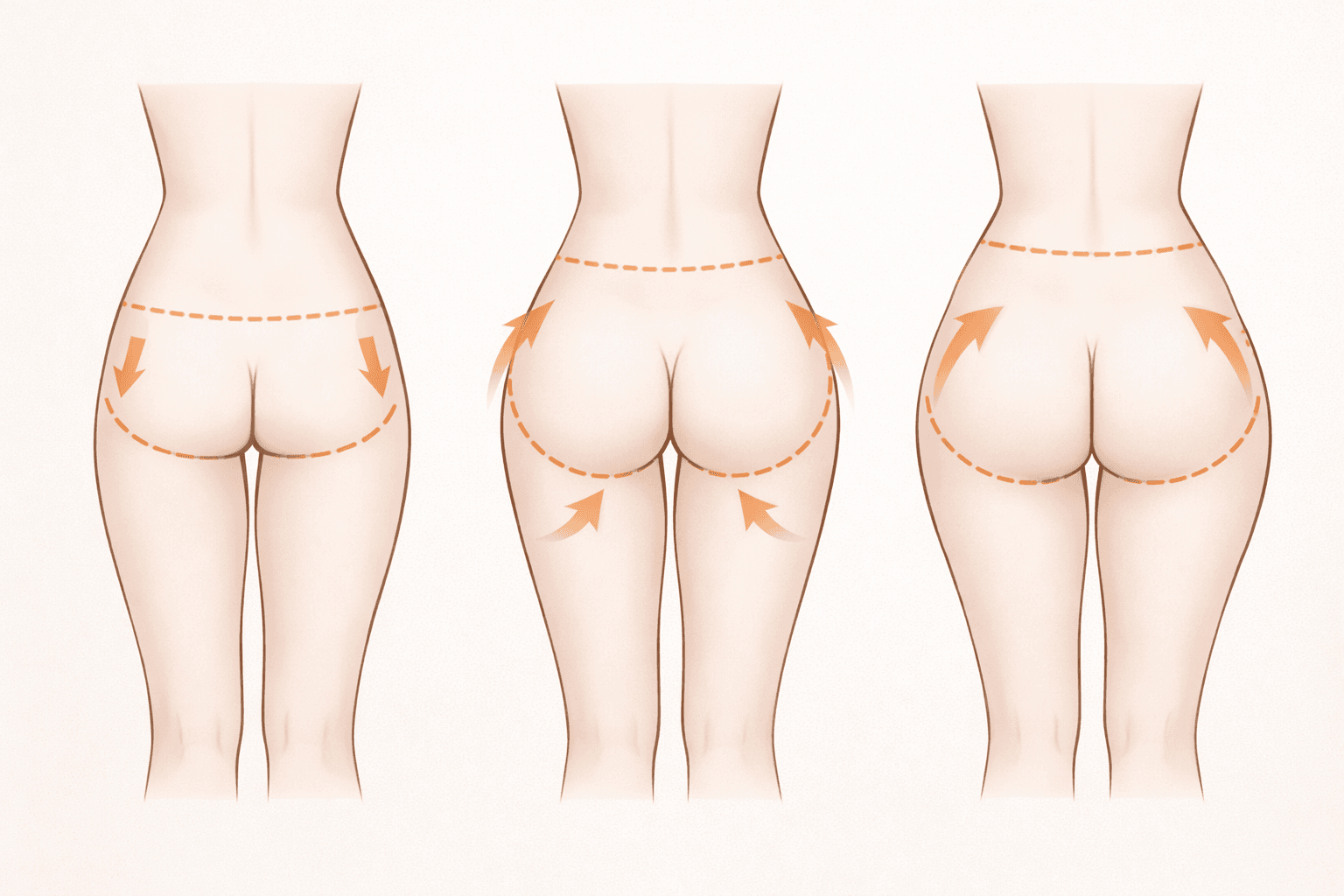
A true BBL reshapes the entire torso. The procedure combines strategic liposuction with fat transfer to create balance between:
- Waist
- Hips
- Lower back
- Buttocks
The enhancement of the buttocks is only one component. In fact, many of the most aesthetically pleasing BBL results are achieved not by adding excessive volume, but by removing fat from the surrounding areas to improve contrast and proportion.
This is why experienced surgeons often describe BBL as a sculpting procedure rather than an augmentation.
Fat Transfer Explained in Simple, Medical Terms
BBL relies on your own fat—nothing artificial.
The process occurs in three controlled stages:
Fat Harvesting
Fat is gently removed via liposuction from donor areas such as the abdomen, flanks, lower back, or thighs.
Fat Processing
The harvested fat is purified to remove blood, fluids, and damaged cells, leaving only viable fat tissue.
Fat Reinjection
The purified fat is carefully injected into specific layers of the buttocks to enhance shape and projection.
Not all transferred fat survives. A portion is naturally reabsorbed by the body within the first weeks. This is normal and expected. Proper technique aims to maximize fat survival while prioritizing safety.
Why BBL Is Fundamentally Different From Implants
Buttock implants and BBL are fundamentally different procedures with different long-term behaviors.
BBL uses living tissue that integrates into your body’s natural fat stores. Implants introduce a foreign object that remains separate from surrounding tissues.
This distinction matters because:
- Fat responds naturally to weight changes and aging
- There is no risk of implant displacement or capsular contracture
- The aesthetic outcome tends to be softer and more organic
However, fat transfer also demands far greater technical precision, which is why surgeon expertise is non-negotiable.

Why Istanbul Has Become a Global Hub for BBL Surgery
Istanbul’s rise as a global BBL destination is rooted in medical culture, not marketing trends.

- Aesthetic philosophy focused on proportion
- Hospital-based surgical standards
- Integrated medical tourism care
Aesthetic Philosophy: Proportion, Waist-to-Hip Ratio & Harmony
European and Turkish aesthetic principles prioritize balance over extremes. In BBL surgery, this translates to:
- Respecting the patient’s skeletal structure
- Enhancing curves without distorting posture or gait
- Designing results that remain natural when viewed from all angles
Rather than chasing viral body shapes, surgeons in Istanbul typically aim for outcomes that age well and align with the patient’s overall physique.
Surgical Training & Hospital Infrastructure in Turkey
Plastic surgeons in Turkey undergo extensive formal training, often within university hospitals and high-volume surgical centers. BBL procedures are performed in licensed hospitals, not office-based operating rooms.
This matters because BBL is not a minor procedure. It requires:
- Advanced anesthesia support
- Continuous patient monitoring
- Emergency readiness
Operating within hospital settings significantly improves safety margins, particularly for international patients.
Medical Tourism Advantages for International Patients
Istanbul’s medical tourism infrastructure is built to manage the full patient journey, including:
- Pre-arrival coordination and medical documentation
- Airport transfers and accommodation logistics
- Structured follow-up and aftercare
Clinics such as Vivid Clinic operate within this ecosystem, allowing surgical teams to focus on medicine while dedicated coordinators manage the patient experience.
Who Istanbul Is Best Suited For
Istanbul is ideal for patients who:
- Value surgeon expertise over social media branding
- Are willing to follow post-operative protocols carefully
- Seek balanced, long-term aesthetic outcomes
It may not be suitable for individuals looking for extreme volume, rushed timelines, or procedures without proper medical screening.
Who Is a Good Candidate for BBL Istanbul?
Selecting the right candidate is the single most important determinant of BBL safety and satisfaction. Many complications—and a large percentage of disappointing outcomes—originate not from surgical error, but from poor patient selection.
Ideal Candidates: Body Fat, Health and Expectations
A suitable candidate for BBL Istanbul generally meets all of the following criteria:
- Adequate donor fat: Sufficient, harvestable fat in the abdomen, flanks, lower back, or thighs. BBL is not a weight-gain procedure; it redistributes existing fat.
- Stable health profile: No uncontrolled chronic conditions; clearance for general anesthesia; acceptable blood values.
- Realistic aesthetic goals: Understanding that BBL enhances shape and proportion—not instant, exaggerated volume.
- Lifestyle compatibility: Willingness to follow strict post-operative instructions, including sitting and sleeping restrictions during the fat-survival window.
Candidates who view BBL as a sculpting procedure—and not a shortcut to a viral body trend—tend to report the highest long-term satisfaction.
Who Should Not Get a BBL
A responsible clinic must also clearly identify contraindications. BBL is not appropriate for patients who:
- Have insufficient donor fat and refuse alternative strategies
- Present with significant medical risks (e.g., uncontrolled diabetes, clotting disorders)
- Are unwilling to comply with recovery protocols
- Seek extreme volume without anatomical feasibility
- Are pursuing surgery primarily due to external pressure or social media influence
Ethical surgical practice means declining cases that cannot be performed safely—even when demand exists.
Psychological Readiness & Realistic Expectations
BBL alters body proportions in a visible, permanent way. Psychological readiness includes:
- Stable body image and self-esteem
- Clear personal motivation (not partner or trend driven)
- Acceptance that results evolve over months—not days
Surgeon-led consultations that include expectation management significantly reduce post-operative regret.
Types of BBL Procedures Explained
Not all Brazilian Butt Lifts are the same. The technique must be adapted to anatomy, fat availability, and risk tolerance.
Classic (Fat-Only) Brazilian Butt Lift
This is the most common and safest form when properly indicated. It involves:
- Liposuction of multiple donor areas
- Purified fat transfer to the buttocks
- Subcutaneous-only injection planes
Results are typically natural, proportionate, and long-lasting when weight remains stable.
Skinny / Petite BBL (Low-Body-Fat Patients)
Skinny BBL is designed for patients with limited donor fat. Key characteristics include:
- Micro-fat grafting
- Conservative volume goals
- Emphasis on contour rather than projection
This approach demands advanced technique and honest counseling; not every low-BMI patient is a candidate.
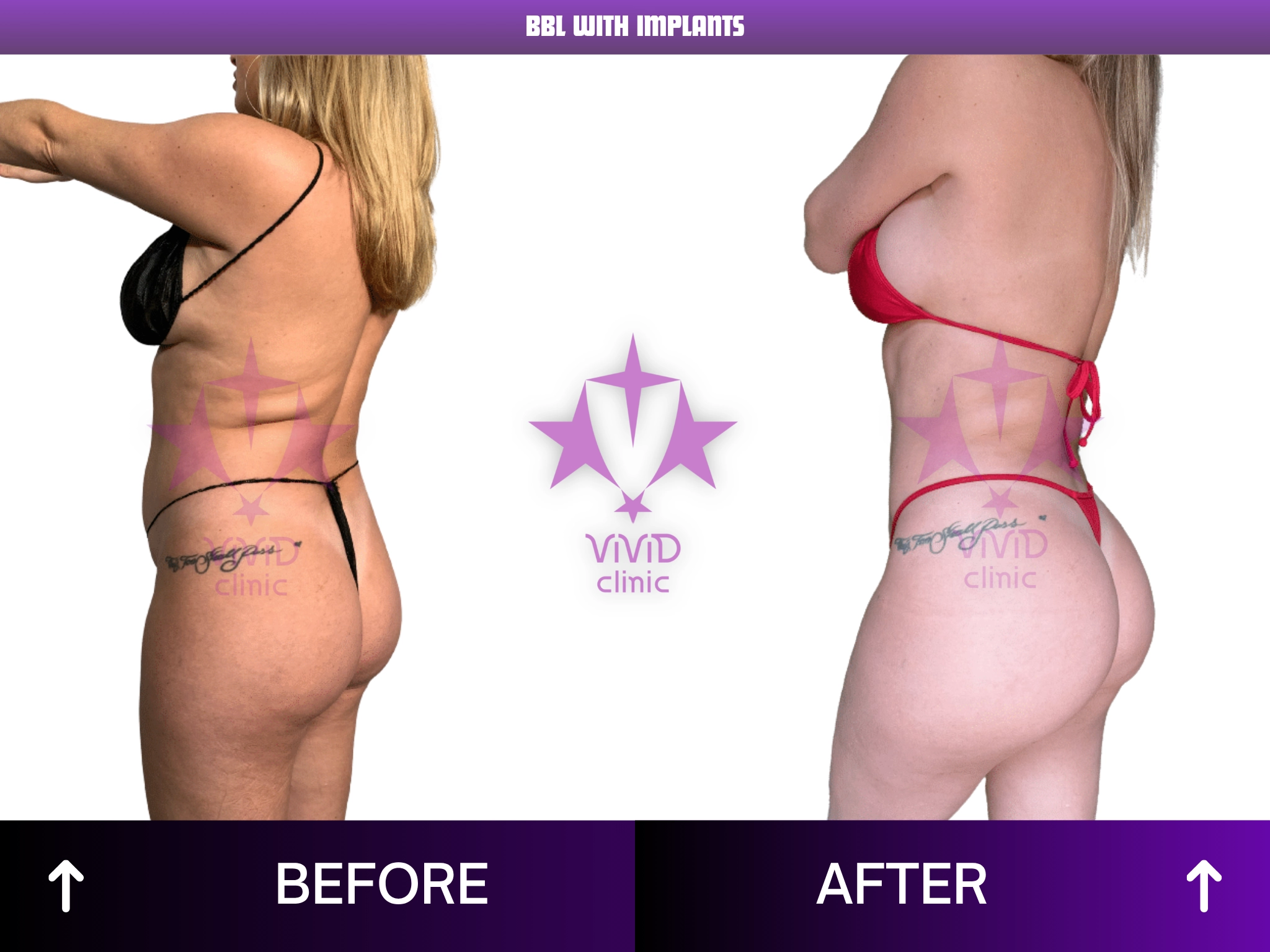
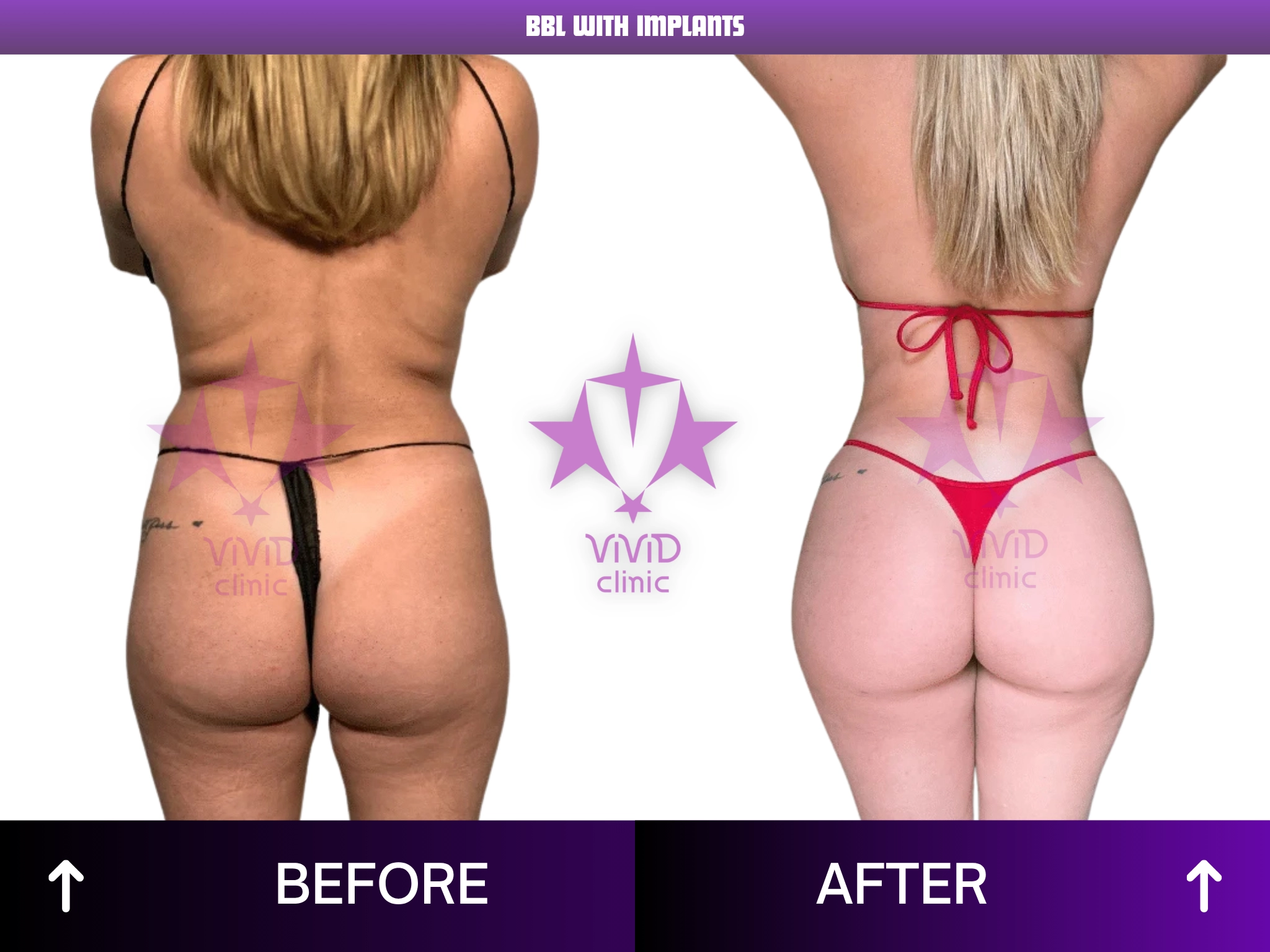
Supercharged / Composite BBL (Fat + Implants)
In rare, carefully selected cases, fat transfer may be combined with implants. This option:
- Increases complexity and recovery demands
- Carries higher complication risk
- Requires meticulous planning and informed consent
It is not a first-line solution and should never be used to compensate for unsafe fat volumes.
Revision & Secondary BBL Procedures
Revision BBL addresses issues such as:
- Asymmetry
- Fat loss
- Under-projection
- Previous unsafe techniques
Secondary procedures require careful assessment of scar tissue, remaining donor fat, and patient expectations.
Understanding Different BBL Shapes
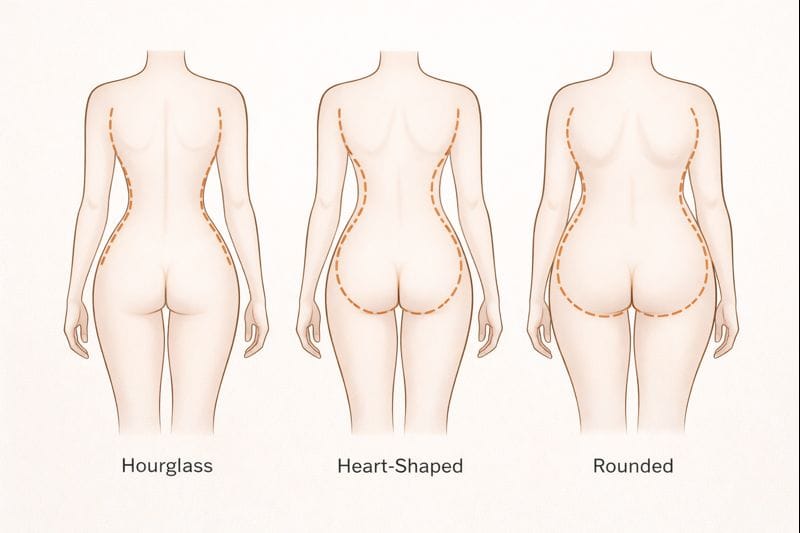
BBL results are not one-dimensional. Shape selection must be rooted in anatomy, not trends.
Choosing a Shape Based on Anatomy, Not Trends
Factors influencing shape choice include:
- Pelvic width
- Muscle mass
- Skin elasticity
- Donor fat distribution
Attempting to impose an incompatible shape often leads to unnatural results.
BBL vs Other Buttock Enhancement Options
Understanding alternatives clarifies why BBL is—or is not—the right choice.
BBL vs Non-Surgical Fillers
Injectable fillers may offer mild improvement but:
- Require repeated sessions
- Cannot match BBL volume
- Are cost-inefficient long term
They are not substitutes for surgical fat transfer.
BBL vs Buttock Lift
Buttock lifts address skin laxity, not volume. They are often combined with BBL in post-weight-loss patients (see our mommy makeover guide) but serve different goals.
BBL vs Weight Gain
Weight gain increases fat unpredictably and does not sculpt. BBL strategically redistributes fat to create controlled proportions.
The BBL Surgical Process, Step by Step
This section addresses the technical core of Brazilian Butt Lift surgery—how it is performed, where risk exists, and how modern standards reduce that risk. Understanding these steps is essential for evaluating surgeon competence and clinic safety, especially when researching BBL Istanbul.
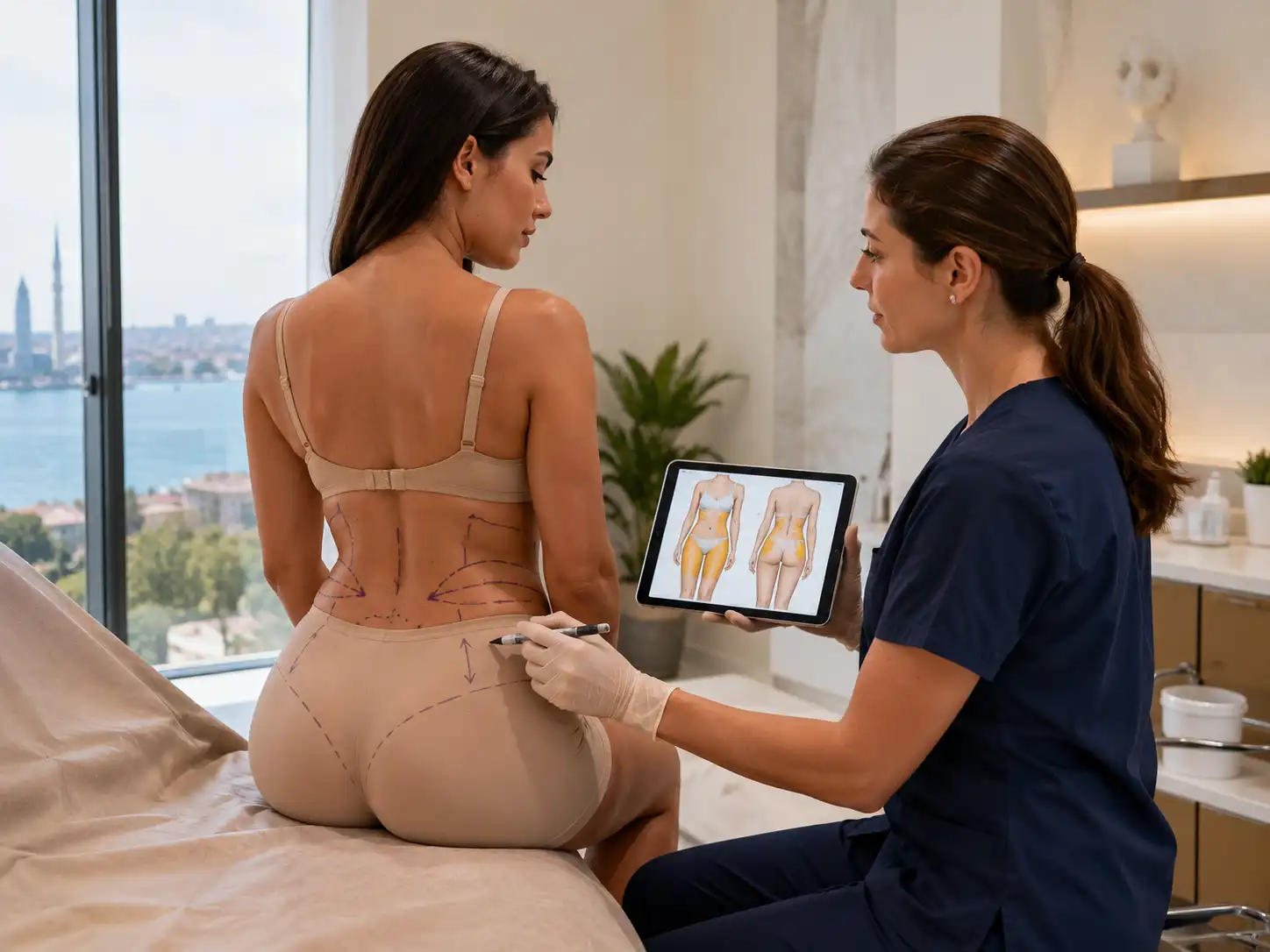
Pre-Operative Evaluation & Medical Screening
A safe BBL begins before the operating room. Comprehensive screening typically includes:
- Detailed medical history and physical examination
- Laboratory tests (CBC, coagulation profile, metabolic markers)
- Assessment of donor fat volume and skin quality
- Anesthesia clearance
Patients who are rushed into surgery without proper evaluation are exposed to unnecessary risk. Ethical clinics delay or decline surgery when findings fall outside safe parameters.
Liposuction: Donor Area Selection & Techniques
Donor areas are chosen strategically to improve overall contour while preserving fat quality. Common areas include:
- Abdomen and flanks (waist definition)
- Lower back (critical for posterior contour)
- Inner or outer thighs (case-dependent)
Modern liposuction emphasizes controlled, low-trauma fat harvesting. Excessive suction pressure or aggressive techniques can damage fat cells and compromise survival after transfer.
Fat Processing & Purification
Harvested fat is not injected directly. It must be purified to isolate viable adipocytes. Processing methods typically involve:
- Separation of blood and anesthetic fluids
- Removal of damaged or non-viable cells
- Concentration of healthy fat tissue
Proper processing improves graft survival and reduces inflammation. Poorly processed fat increases the likelihood of resorption or irregularity.
Safe Fat Injection Planes
This is the single most important safety principle in BBL surgery.
Current international consensus mandates subcutaneous-only fat injection. Fat must be placed above the gluteal muscle, never into or beneath it.
Why this matters:
- Major veins reside within the gluteal muscle
- Intramuscular injection can allow fat to enter the bloodstream
- This mechanism is responsible for fat embolism
Safe BBL technique uses:
- Blunt cannulas
- Controlled angles
- Layer-by-layer subcutaneous placement
Any deviation from this standard is unacceptable.
Anesthesia, Duration & Operating Room Standards
BBL is performed under general anesthesia in fully equipped operating rooms. Typical parameters include:
- Duration: approximately 3–4 hours
- Continuous anesthesiology monitoring
- Strict fluid management
Operating in accredited hospitals—with emergency readiness—is a non-negotiable safety requirement for this procedure.
BBL Safety: Why This Surgery Has a Reputation (And the Facts)
Brazilian Butt Lift gained notoriety due to higher reported mortality rates in the past. Understanding why is crucial to understanding how risk is now reduced.
Why BBL Is Considered the Most Dangerous Cosmetic Surgery
Historically, elevated risk stemmed from:
- Intramuscular fat injection
- Inexperienced surgeons
- High-volume, marketing-driven clinics
- Lack of standardized safety protocols
It is important to note that these factors are modifiable, not inherent to the procedure itself.
Fat Embolism Explained
Fat embolism occurs when fat enters the bloodstream and travels to the lungs or heart. In BBL, this can happen if fat is injected into muscle, where large veins are present.
Key points:
- It is not related to fat volume alone
- It is directly linked to injection depth and technique
- It is preventable with proper anatomical respect
Intramuscular vs Subcutaneous Fat Injection
The shift to subcutaneous-only injection has dramatically improved safety outcomes worldwide.
How Risk Is Reduced With Modern Techniques
Risk mitigation strategies now include:
- Mandatory subcutaneous injection protocols
- Ultrasound-assisted guidance (in advanced centers)
- Surgeon-only fat injection (no delegation)
- Conservative volume planning
These measures transform BBL from a high-risk trend into a controlled surgical procedure.
Surgeon Experience vs Clinic Marketing
Experience cannot be replaced by branding.
Red flags include:
- Emphasis on extreme results
- Unrealistically low pricing
- High daily surgery volume per surgeon
True safety comes from case selection, anatomical mastery, and disciplined technique, not promotional language.
BBL Recovery Timeline: What Actually Happens
Recovery after a Brazilian Butt Lift is not passive. It is an active biological phase during which transferred fat cells either survive and integrate—or are reabsorbed. Understanding this timeline is essential to protecting your results.

Days 1–7: The Critical Phase
The first week is the most sensitive period for fat survival.
What patients typically experience:
- Swelling and bruising in donor areas
- Tightness from compression garments
- Limited mobility
Critical rules during this phase:
- No direct sitting on the buttocks
- Sleep on the stomach or sides only
- Wear compression garments as prescribed
- Strict hydration and nutrition
This phase is about protection, not comfort.
Weeks 2–4: The Fat Survival Window
During weeks two to four:
- Swelling gradually decreases
- A portion of transferred fat is naturally reabsorbed
- Early shape becomes visible but unstable
Patients may begin limited sitting with a BBL pillow, but prolonged pressure is still discouraged. This window determines the long-term volume retained.
Months 2–3: Shape Stabilization
At this stage:
- Fat survival becomes more predictable
- Buttock contour softens and looks more natural
- Most patients return to normal daily routines
Exercise may resume gradually, excluding high-impact gluteal movements unless cleared by the surgeon.
Months 4–6: Final Results
Final results typically emerge between four and six months. At this point:
- Remaining fat cells behave like normal body fat
- Shape and projection stabilize
- Minor asymmetries often self-correct
Sitting, Sleeping, Flying & Sexual Activity Rules
- Sitting: Limited with support for 6–8 weeks
- Sleeping: Avoid direct pressure for at least 6 weeks
- Flying: Usually permitted after medical clearance (often 7–10 days)
- Sexual activity: Resumed cautiously after swelling subsides
Following these guidelines directly affects outcome quality.
Long-Term Results: 1, 5 and 10 Years Later
A well-performed BBL can produce durable results—but longevity depends on biology and lifestyle.
Fat Retention & Weight Stability
Once fat survives the initial months, it behaves like native fat:
- Weight gain may enlarge results
- Weight loss may reduce volume
- Stable weight equals stable results.
Aging, Pregnancy & Lifestyle Impact
Natural aging changes skin elasticity over time. Pregnancy and hormonal shifts can alter fat distribution, but the structural enhancement from BBL typically remains visible.
When Revisions May Be Needed
Revisions may be considered if:
- Significant fat resorption occurs
- Weight changes alter balance
- Asymmetry persists beyond healing
Revisions are usually smaller and less invasive than primary surgery.
Failed or Disappointing BBL Results
Not all outcomes meet expectations. Understanding why helps prevent repeat disappointment.
Common Causes of Failed BBL
- Poor candidate selection
- Unsafe or outdated injection techniques
- Inadequate post-operative compliance
- Unrealistic expectations
Can a Failed BBL Be Corrected?
In many cases, yes. Correction options depend on:
- Remaining donor fat
- Skin condition
- Scar tissue extent
A waiting period of at least 6 months is often required before revision.
When to Wait vs When to Revise
Early swelling or unevenness does not equal failure. Revision should only be considered once tissues fully stabilize.
Combining BBL With Other Procedures
Combining procedures can enhance results—but increases complexity.
BBL + Tummy Tuck
Combining BBL with a tummy tuck reshapes both front and back contours. It requires careful surgical planning to manage tension, circulation, and recovery demands.
BBL + Liposuction 360
Liposuction and BBL are often performed together to enhance waist definition and buttock projection in a single surgical plan.
Safety Considerations When Combining Surgeries
- Longer anesthesia time
- Higher physiological stress
- Strict patient selection
Safety must always override aesthetic ambition.
BBL Istanbul Cost: What Determines the Price
Price should never be evaluated in isolation.
What "All-Inclusive" Really Means
A legitimate all-inclusive BBL package typically covers:
- Surgery and anesthesia
- Hospital stay
- Pre- and post-operative care
- Compression garments
- Transfers and coordination
Why Prices Vary Between Patients
Costs vary based on:
- Procedure complexity
- Donor fat availability
- Combination surgeries
- Recovery needs
Why the Cheapest BBL Is the Riskiest
Extremely low pricing often signals:
- Compromised safety protocols
- High-volume, rushed surgery
- Inexperienced surgical teams
In BBL, price compression often correlates with risk expansion.
Why Choose Vivid Clinic for BBL Istanbul
Choosing the right clinic is a medical decision—not a marketing one. At Vivid Clinic, BBL surgery is approached as a surgeon-led, safety-first procedure.
- Surgeon-Led Planning & Personalized Design: Every case is individually planned based on anatomy, goals, and risk profile.
- Accredited Hospitals & Safety Protocols: All procedures are performed in licensed hospitals with full anesthesia and emergency support.
- Free Plastic Surgeon Consultation: Patients receive transparent guidance before any commitment.
- International Patient Support & Aftercare: From arrival to long-term follow-up, care extends beyond the operating room.
Your Istanbul Journey, Step by Step
Arrival, VIP Transfer & Hotel Stay
Patients are welcomed with organized transfers and comfortable accommodations.
Consultation, Surgery & Hospital Care
In-person evaluation precedes surgery, followed by monitored hospital recovery.
Follow-Up, Departure & Remote Aftercare
Post-operative checks are completed before departure, with continued support remotely.
Is a BBL in Istanbul the Right Decision for You?
A Brazilian Butt Lift is not about chasing a trend. It is about alignment between anatomy, expectations, and safety. When performed responsibly, BBL in Istanbul can offer refined, lasting enhancement—but only for the right candidate.
The right decision is made with information, not urgency.
Frequently Asked Questions About BBL in Istanbul
How long should I avoid sitting after BBL?
Short answer: At Vivid Clinic, most BBL patients are advised to avoid direct sitting for the first 14 days. After that, many can begin supported sitting with a BBL pillow for short periods, and gradually return to normal sitting around weeks 6–8 depending on healing and graft stability.
Here’s a practical timeline and the reasoning behind it. Your surgeon’s written protocol always takes priority because anatomy, fat volume, and combined procedures can change recommendations.
Typical timeline (general guidance)
- Days 0–14: Avoid sitting directly on the buttocks (except brief toilet use). Rest and sleep on your stomach or sides as instructed.
- Weeks 2–4: Begin sitting with a BBL pillow if cleared. Keep sessions short; stand/walk every 20–30 minutes.
- Weeks 4–6: Increase supported sitting time gradually. Avoid long sessions and soft couches.
- Weeks 6–8: Many patients return to near-normal sitting, with continued caution for prolonged pressure.
Why this matters
Newly transferred fat needs stable blood supply. Early pressure can reduce circulation, increase fat resorption, and flatten results.
Final notes
If you experience worsening pain, fever, sudden swelling, or breathing difficulty, contact your surgical team urgently or seek emergency care.
What should I pack for BBL Istanbul?
Short answer: Pack for mobility, compression management, and safe sitting. Bring essential documents, loose clothing, recovery supplies, and the right travel setup so you don’t “break” your post-op rules during the flight home.
Must-bring checklist (international patients)
- Documents: passport + copies, clinic contact details, flight and hotel confirmations, medical history/allergies list.
- Clothing: loose front-opening tops, slip-on shoes, loose pants/dresses, underwear that doesn’t cut into swelling.
- Recovery kit: BBL pillow (surgeon-approved style), gentle toiletries, wet wipes, small towel, charger + travel adapter.
- Medication: your prescriptions in original bottles; avoid adding supplements unless your surgeon approves.
- Logistics: flexible return date if possible (±1–2 days), your written post-op plan stored offline.
BBL pillow — lightning summary
- Why: keeps pressure off the grafted area during the early survival window.
- How to use: weight on thighs/hip crease; buttocks should not sink into the seat.
- Best travel use: choose firm support; avoid soft pillows that collapse on flights.
Final notes
If you tell us your travel dates and flight duration, the Vivid Clinic team can provide a customized packing list and a travel-ready sitting plan.
Why am I disappointed with my BBL results?
Short answer: Disappointment after a BBL usually comes from unrealistic expectations, uneven fat survival, contour imbalance, or avoidable recovery mistakes (early sitting, nicotine use, poor garment fit).
Common causes (fast bullets)
- Expectation mismatch: chasing exaggerated social media outcomes instead of anatomy-based planning.
- Donor limitation: insufficient usable fat, especially in very lean patients.
- Resorption: a portion of transferred fat does not survive (normal), but excessive loss can flatten results.
- Contour issues: uneven liposuction or asymmetrical grafting.
- Recovery noncompliance: early sitting, smoking/vaping, incorrect compression.
How we reduce disappointment at Vivid Clinic
- Goal alignment: we define your desired shape using realistic outcomes for your body type.
- Surgeon-led planning: fat placement is designed for proportion and safety, not trends.
- Written recovery plan: sitting, garment schedule, walking plan, follow-ups—clear and enforceable.
Final notes
Most “panic” about results happens in the first weeks when swelling and settling distort the shape. Final evaluation is typically at 3–6 months, and revision decisions should wait until healing stabilizes.
What is the safest BBL injection technique?
Short answer: The most important safety principle is that fat should be injected only in the subcutaneous layer (above the gluteal muscle). Deep (intramuscular/submuscular) injection dramatically increases embolism risk because large veins are located within the muscle.
Why deep injections are dangerous
The gluteal muscles contain major blood vessels. If fat enters those vessels, it can travel to the lungs (fat embolism), which is life-threatening. That’s why injection plane is a critical safety issue in BBL.
Best-practice safety steps (what to ask your surgeon)
- Confirm subcutaneous-only fat placement.
- Ask what cannula size and technique are used to avoid deep passes.
- Ask whether the procedure is done in a licensed hospital with anesthesia monitoring.
- Ask about the clinic’s emergency pathway and post-op monitoring.
Final notes
No one should promise “zero risk,” but modern safety-focused technique, patient selection, and proper facilities significantly reduce preventable danger.
Why is BBL cheaper in Istanbul?
Short answer: It’s mainly economics: lower operational costs, exchange-rate advantage for foreign patients, and strong medical tourism competition. Lower price does not automatically mean lower quality—but it makes clinic selection more important.
Key reasons behind the price difference
- Cost structure: staffing, rent, and operational costs are typically lower than the US/EU.
- Currency advantage: EUR/USD often go further in Turkey than at home.
- Competition: Istanbul has a high concentration of medical tourism providers.
The safety reality (important)
The risk is not “Turkey” — it’s rushed high-volume settings, unclear surgeon accountability, and weak post-op systems. A responsible clinic should clearly explain who operates, where surgery occurs, and how complications are managed.
Final notes
A BBL is not the procedure to choose based on price alone. Always evaluate surgeon-led planning, hospital standards, and written aftercare.
When can I return to exercise after BBL?
Short answer: Most patients start with walking immediately (as cleared), avoid glute pressure early, and return to structured training gradually—often with more freedom after 6 weeks and fuller workouts around 8–12 weeks, depending on healing.
Stage 1: First 2 weeks (healing + circulation)
- Do: short walks multiple times daily to reduce clot risk.
- Avoid: gym workouts, heavy lifting, prolonged standing fatigue.
Stage 2: Weeks 3–6 (gradual conditioning)
- Longer walks, gentle mobility.
- Upper-body training that doesn’t require sitting.
- Avoid intense glute-loading exercises until cleared.
Stage 3: Weeks 6–12 (return to training)
- Light cardio, progressive resistance.
- Introduce glute work gradually if your surgeon approves.
Final notes
Your program should match your healing. Pain, swelling spikes, or asymmetry changes are reasons to pause and get checked.
Can I get a BBL if I'm skinny?
Short answer: Yes—some low-body-fat patients can get a Skinny/Petite BBL, but it depends on whether there is enough usable donor fat and whether your goals match what is realistically achievable without unsafe volume chasing.
What makes “Skinny BBL” different
- Limited donor fat: smaller harvest means smaller transfer volumes.
- Precision shaping: subtle contouring can produce a noticeable improvement without extreme projection.
- Realistic goals: the best outcomes are proportional and natural rather than dramatic.
When we advise against it
- If donor fat is too low to do the procedure safely and meaningfully.
- If expectations are based on “high-volume” results that don’t match your anatomy.
Final notes
A consultation at Vivid Clinic in Istanbul can clarify donor availability and recommend alternatives if a BBL would be low-yield.
How much fat survives after BBL?
Short answer: While every patient is different, many surgeons expect roughly 60–80% of transferred fat to survive long-term when technique and aftercare are strong. The final stable result is usually judged at 3–6 months, sometimes up to a year.
What happens after surgery (real timeline)
- Weeks 1–3: swelling makes the buttocks look larger than the final result.
- Weeks 3–12: some fat is naturally reabsorbed; shape may fluctuate.
- After 3–6 months: surviving fat behaves like normal fat—weight changes can change size.
What improves fat retention
- Avoiding pressure early (sitting rules).
- No smoking/vaping (nicotine constricts blood flow).
- Proper garment use (correct fit, correct schedule).
- Stable nutrition + stable weight in early healing.
Final notes
If results look uneven early, it’s often swelling—not “failure.” We typically evaluate stability after the body has fully settled.
Why is BBL so popular?
Short answer: BBL became popular because it can reshape the entire silhouette—waist, hips, and buttocks—in one plan. It’s effective when it is treated as body contouring, not just butt enlargement.
Why BBL works (when done correctly)
- Liposuction creates contrast: shaping the waist and lower back makes the buttocks look more projected even without extreme volume.
- Fat transfer can look natural: surviving fat integrates and moves naturally with your body.
- Customization: shape (hourglass/heart/bubble) should be chosen based on anatomy, not trends.
Final notes
At Vivid Clinic, we emphasize proportion and safety-first technique so the result looks natural and stays stable with your lifestyle.
How long does BBL recovery take?
Short answer: Most patients feel noticeably better after 10–14 days, return to light routines in 2–3 weeks, and see more stable shape at 3–6 months. The first 2–4 weeks are the most important for fat survival.
What recovery usually looks like
- Days 1–7: swelling, tightness, bruising; walking starts early to reduce clot risk.
- Weeks 2–4: swelling begins to drop; supported sitting may begin if cleared.
- Months 2–3: shape stabilizes; most daily activity resumes.
- Months 4–6: results look more “final.”
Final notes
If swelling suddenly worsens on one side, if pain escalates, or you notice breathing issues, seek urgent evaluation.
When can I fly home after BBL?
Short answer: Many international patients fly home after 7–10 days once cleared. Earlier travel can increase discomfort and clot risk and makes follow-up harder. Your surgeon’s clearance is the safest rule.
Flight safety essentials
- Use a BBL pillow for the entire journey.
- Stand and walk regularly (every 45–60 minutes if possible).
- Hydrate and avoid alcohol.
- Discuss DVT prevention (compression socks, medication if indicated) with your surgeon.
Final notes
If you have a long-haul flight, planning a slightly longer Istanbul stay is often more comfortable and safer.
When can I sleep on my back after BBL?
Short answer: Many surgeons advise avoiding back-sleeping for at least 2–6 weeks. Some patients can return sooner with special positioning, while others need longer depending on graft volume and comfort.
Best sleeping positions early
- Stomach sleeping is commonly recommended.
- Side sleeping may be allowed with pillow support to reduce hip/butt pressure.
Practical tips
- Use a pregnancy pillow or wedge system to maintain position.
- Avoid soft mattresses that increase pressure points.
Final notes
Your surgeon will advise when back sleeping is safe based on your swelling pattern and graft stability.
When can I shower after BBL?
Short answer: Many patients can take a gentle shower within 24–72 hours, but the timing depends on incision care, drains (if used), and your surgeon’s protocol. Baths and pools are usually delayed longer.
Shower rules that prevent problems
- Use lukewarm water; avoid hot, long showers early.
- Do not scrub incisions—pat dry gently.
- Wear your garment again promptly after drying.
Avoid until cleared
- Baths, swimming pools, saunas, hammams.
Final notes
If you notice increasing redness, heat, drainage, or fever, contact your team immediately.
How long do I wear compression garment after BBL?
Short answer: Many patients wear a compression garment for 4–8 weeks. The exact duration and tightness matter: compression supports swelling control and contouring, but the grafted buttock area should not be over-compressed.
Why garments matter
- Controls swelling and supports donor-area shaping.
- Helps reduce fluid buildup and irregular contours.
Common mistakes
- Buying the wrong size (too tight can cause pressure problems).
- Wearing foam boards incorrectly or compressing the buttocks excessively.
Final notes
At Vivid Clinic, garment guidance is individualized based on your liposuction areas and swelling pattern.
What BBL shape is right for me?
Short answer: The right BBL shape is chosen based on your pelvic width, hip structure, waist length, skin quality, and donor fat distribution—not based on trends. The goal is harmony, not exaggeration.
What we evaluate
- Waist-to-hip balance (proportion).
- Hip dips and lateral fullness potential.
- Lower back contour (crucial for projection illusion).
- Skin elasticity and cellulite patterns.
Final notes
A well-designed BBL looks natural in clothing and in motion—not only in one photo angle.
What does all-inclusive BBL include?
Short answer: A true all-inclusive plan usually covers surgeon fees, anesthesia, hospital costs, tests, garments, post-op checks, and patient coordination. The key is transparency: you should know exactly what is included before you pay.
What “all-inclusive” should typically include
- Surgery + anesthesia + operating room.
- Pre-op evaluation/tests.
- Hospital stay and immediate post-op monitoring.
- Compression garment and planned follow-ups.
- International patient support/coordination.
What patients should clarify
- Is revision included if medically necessary?
- Are additional garments/lymphatic massages optional extras?
Final notes
We recommend requesting a written inclusions list before booking flights.
Why is the cheapest BBL risky?
Short answer: A very low price often signals compromises in time, staffing, monitoring, or accountability. For BBL, safety is heavily dependent on technique and controlled operating standards—so “cheap and rushed” is the wrong combination.
Common red flags
- High daily surgery volume per surgeon.
- Unclear who performs fat injection.
- Weak follow-up plan for international patients.
- Non-hospital settings for major surgery.
Final notes
A BBL should be evaluated like a medical decision—surgeon-led planning, hospital standards, and written safety protocols matter more than promotional pricing.
Can a failed BBL be fixed?
Short answer: Many failed or disappointing BBL outcomes can be improved, but revision is typically considered after at least 6 months (often 6–12 months) once swelling settles and scar tissue stabilizes.
Common revision goals
- Improve projection or restore volume after excessive resorption.
- Correct asymmetry or contour irregularities.
- Address donor-area issues from liposuction.
When to wait vs revise
- Wait: early swelling, temporary lumps, unevenness in the first months.
- Evaluate sooner: signs of infection, fluid collection, severe pain, skin compromise.
Final notes
Revision planning depends on donor fat availability and tissue condition—this is why a detailed in-person exam matters.
Can BBL be combined with other procedures?
Short answer: Yes, BBL is commonly combined with Liposuction 360, and sometimes with a tummy tuck in a “mommy makeover” plan—but combined surgery increases complexity, anesthesia time, and recovery demands. Candidate selection is critical.
Why combining can be beneficial
- Improves waist definition and enhances the BBL silhouette.
- Single recovery period for multiple changes.
Safety factors we evaluate
- Total operative time and blood loss risk.
- BMI, medical history, clot risk profile.
- Ability to follow recovery restrictions (sitting, mobility, support).
Final notes
If combining procedures compromises safety, we recommend staging surgeries rather than forcing a single session.
What questions should I ask my BBL surgeon?
Short answer: Ask questions that reveal technique, safety standards, accountability, and follow-up—not just “how many cc.” The right answers should be confident, specific, and consistent with modern BBL safety principles.
High-value questions (copy/paste)
- Do you inject fat only in the subcutaneous plane?
- Who performs the fat injection—surgeon only or delegated?
- Where is the surgery performed (licensed hospital)?
- What is your post-op sitting plan (exact weeks)?
- How do you manage complications for international patients?
- What results are realistic for my anatomy?
Final notes
If a clinic cannot answer clearly or avoids specifics, that’s a red flag. A BBL should be led by safety-first surgical planning.
Request your free surgeon consultation
Considering a Brazilian Butt Lift in Istanbul? Send your photos and goals through our free online consultation and a Vivid Clinic plastic surgeon will assess whether you are a safe candidate, explain the technique suited to your anatomy, and confirm a fixed all-inclusive quote — usually within 48 hours. Message us on WhatsApp, call +90 545 742 3565, or use the form below.
Sources
Medical information disclaimer: This guide is general information for international patients, not medical advice, and it does not replace a consultation. Every surgical procedure carries risks, results vary from patient to patient, and suitability can only be confirmed after medical evaluation. If you have surgery, your treating surgeon’s instructions always override general guidance you read online — including this page. Seek urgent medical help for warning signs such as chest pain, shortness of breath, heavy bleeding, spreading redness or fever after any operation.