
Unshaven FUE or DHI
Grafts are implanted between existing hairs, usually with a DHI implanter pen. The recipient area is not shaved.
- Recipient area
- Not shaved
- Implantation
- Usually a DHI implanter pen
- Grafts per day
- More modest
A female hair transplant moves healthy follicles from a stable donor area to a thinning parting, temples or hairline, often without shaving. It suits women whose hair loss is diagnosed, stable and localised. The trip takes about 3 days, and most women return to work within a week.
Free medical review within 24 hours · No obligation · ★ 5.0 from 157 Google reviews
Editorially reviewed by the Vivid Clinic Surgical Board · Last reviewed September 2026
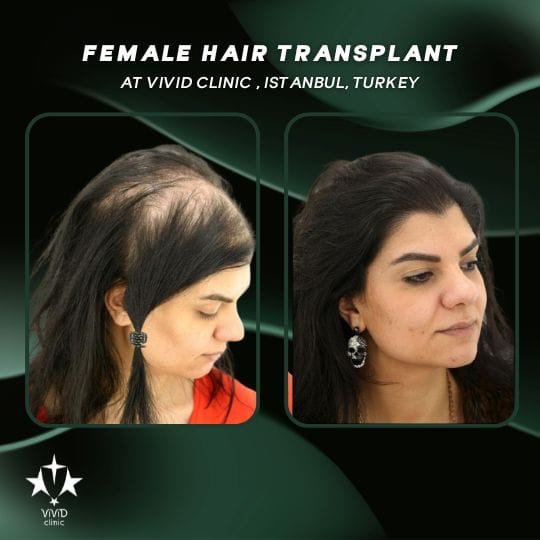
Follicles from a stable donor area, usually the back of the scalp, are moved to areas that have thinned. Each follicular unit is implanted with FUE or DHI techniques at the angle of your natural hair. Female hair loss is more often diffuse and can have several causes, so planning starts with diagnosis, not a graft count. For a broader overview, read our women hair transplant guide.

| Before surgery | Diagnosis of the cause, including blood tests your doctor requests |
|---|---|
| Procedure time | Typically 5–8 hours, depending on graft number and technique |
| Anaesthesia | Local anaesthesia, with light sedation if your doctor recommends it |
| Hospital stay | None — same-day return to your hotel |
| Recommended stay in Istanbul | 3 days |
| Shaving | Usually unshaven or a small hidden donor band |
| Back to desk work | Usually 3–7 days, often with hair styled over the area |
| Exercise | Walking straight away; gym after about 2 weeks |
| Shedding | Weeks 2–8 (native hair nearby may also shed temporarily) |
| New growth | From months 3–4 |
| Final result | 12–18 months |
| Stitches | None |
Results from Vivid Clinic patients, shared with consent. Individual results vary. 4 cases shown; each caption states what the photos show and what is not recorded.
Before: Widened parting with visible scalp. After: Narrower parting with denser coverage.
Vivid Clinic patient, shared with consent. Individual results vary; this is one case, not a promise of your outcome.
Before: Thinning along the parting and temples. After: Denser parting and temple coverage.
Vivid Clinic patient, shared with consent. Individual results vary; this is one case, not a promise of your outcome.
Before: Diffuse thinning along the parting. After: Denser hair along the parting.
Vivid Clinic patient, shared with consent. Individual results vary; this is one case, not a promise of your outcome.
Before: Thin parting with visible scalp. After: Fuller parting.
Vivid Clinic patient, shared with consent. Individual results vary; this is one case, not a promise of your outcome.
Photos are unedited clinic composites; before and after photos may differ in lighting, clothing and pose. Consent is on file at the clinic.
In these cases the medical team explains why a transplant is not the right step now, and what to discuss with your own doctor or dermatologist.
Most women prefer not to shave. Grafts are placed between existing hairs, and only a small donor band is trimmed. Surgery moves hair; it does not stop the underlying process.
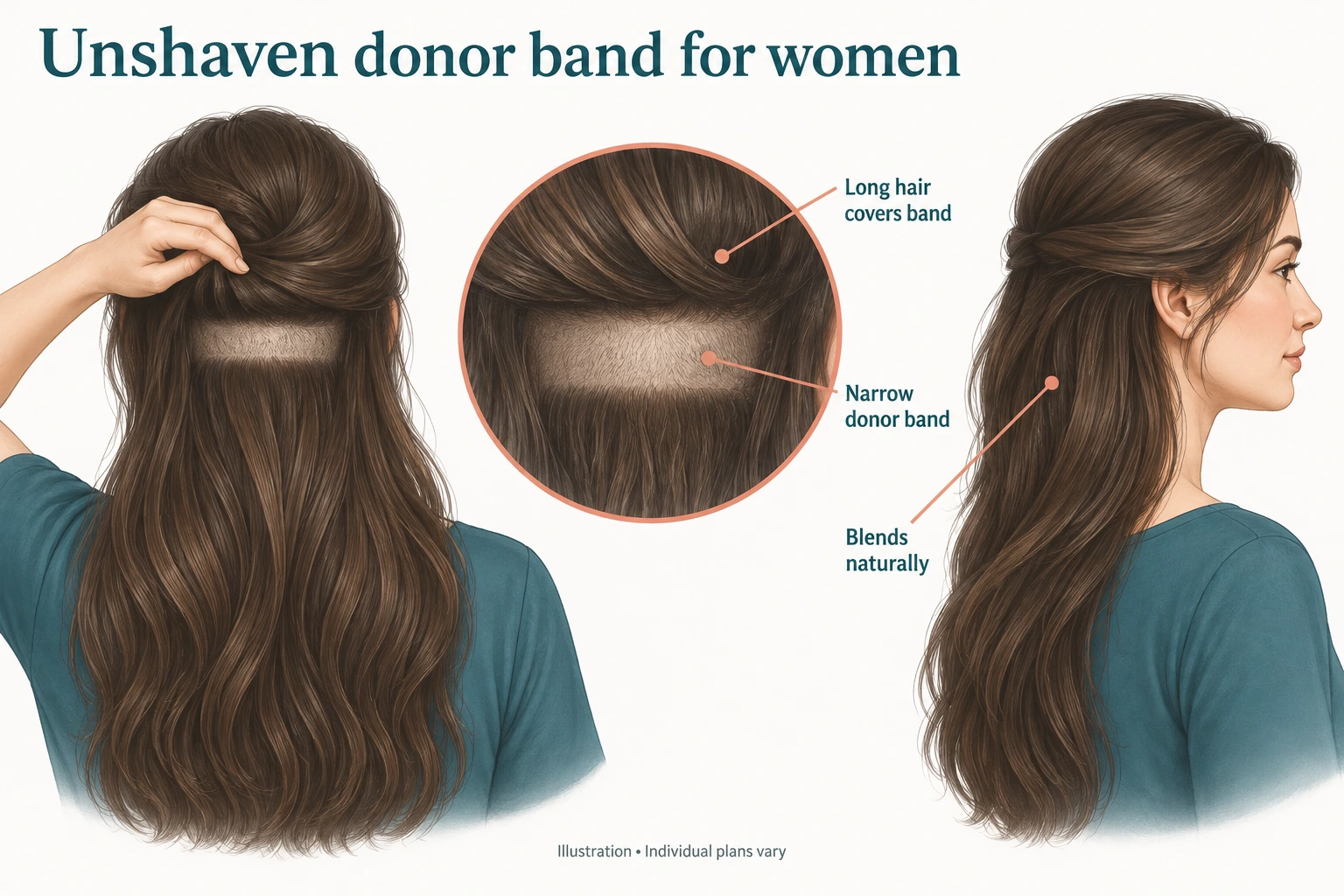
Grafts are implanted between existing hairs, usually with a DHI implanter pen. The recipient area is not shaved.
A narrow band at the back of the head is trimmed for extraction. Your longer hair falls over it, so it is hidden from the first day.
Your doctor may discuss topical minoxidil and, in some cases, PRP (platelet-rich plasma). Evidence for PRP is still developing.
Learn more about the method on our DHI hair transplant in Istanbul page, or see how FUE hair transplant works. Some hormonal medicines are only suitable for certain women and are discussed individually.
Before planning surgery, your doctor may ask for blood tests such as a full blood count, ferritin, thyroid function, vitamin D and B12. A trichoscopy (magnified scalp examination) helps assess donor density and miniaturisation.
Blood results and your hair-loss history reviewed.
Parting, temples or hairline planned with you at a mirror.
Local anaesthesia of the donor and recipient areas.
Grafts taken from the hidden donor band.
Placed between existing hairs with an implanter pen or fine blades.
Instructions, medication and a gentle washing routine.

Day 1
Your coordinator meets you at the airport and a VIP transfer takes you to your hotel. Many women travel with a companion, which we can plan for.
Day 2
You meet the doctor, review your blood results and agree the plan. Routine pre-operative tests are done at the clinic, followed by the procedure. An interpreter or coordinator stays with you, and you return to your hotel in the evening.
Day 3
The team checks the treated areas and carries out a gentle first wash. Most women fly home the same day, with the 24/7 post-operative support line available afterwards.
Your parting, hairline and the back of your head, plus any recent blood results. Our medical team explains whether a transplant, medical treatment or both would suit you. Free, no obligation.
Long hair can usually be styled loosely over the area within days. See our hair transplant aftercare guide for more detail.
Transplanted follicles from a stable donor area usually keep growing long term. Native hair can continue to thin, which is why ongoing medical management matters.
Avoid tight ponytails, heat styling on the treated area and hair colouring until your doctor confirms it is safe.

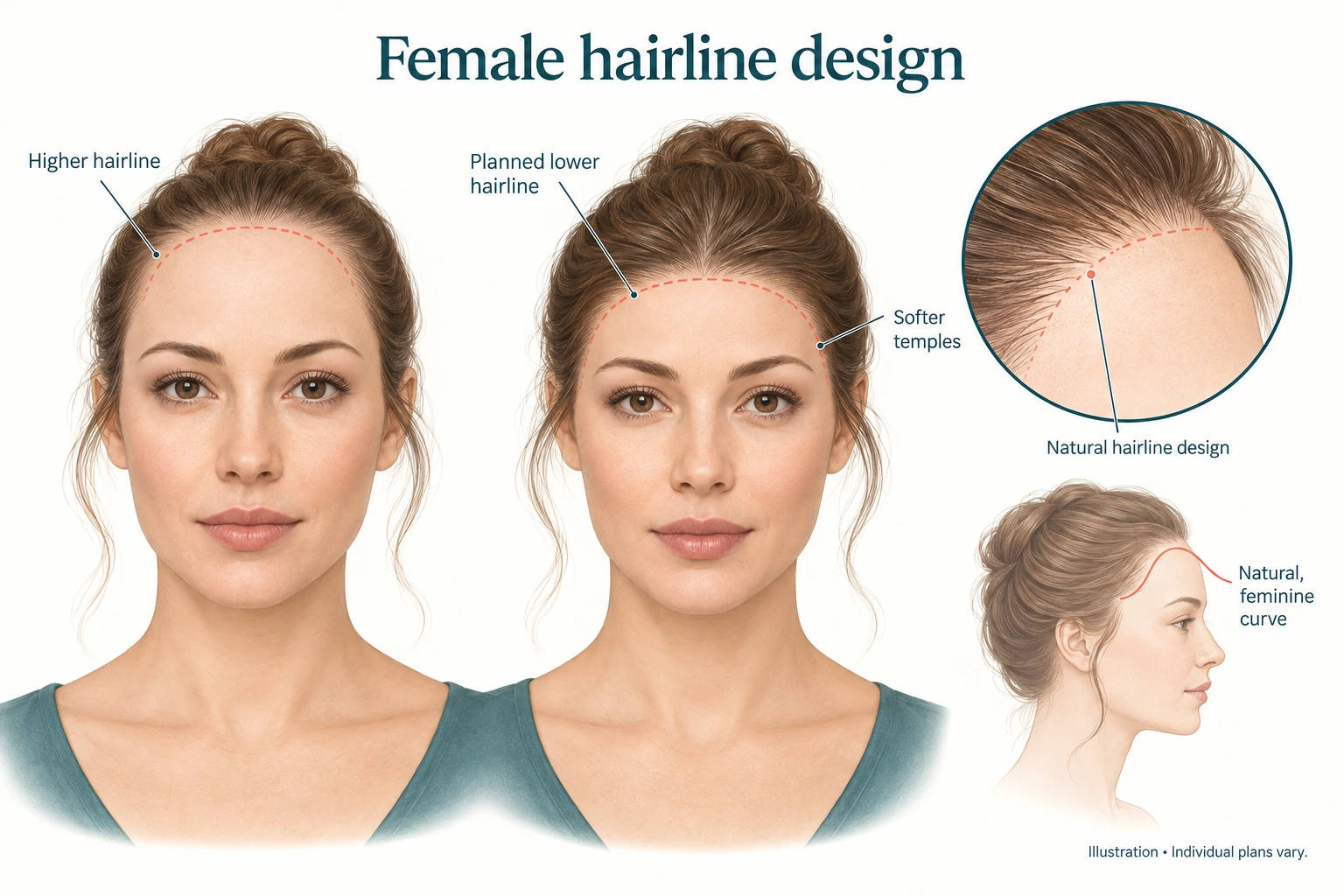
In short: hairline lowering gives an immediate change but leaves a fine incision line. A hair transplant builds the hairline gradually, with no incision line. Some women benefit from both.
| Hair transplant | Hairline lowering | |
|---|---|---|
| How it works | Follicles moved from the donor area to the hairline | A strip of forehead skin is removed and the hairline advanced |
| Change | Builds gradually over 12–18 months | Immediate, in one operation |
| Incision line | None | A fine incision line at the hairline |
| Temples | Can soften the temples and shape irregular areas | Advances the front hairline |
| Key requirement | A stable, dense donor area | Good scalp flexibility |
Your doctor will explain which option is realistic for your forehead height, scalp flexibility and hair density.
A female hair transplant in Turkey is often more affordable than in the UK, the Netherlands or Belgium. A personal quote is given only after the medical team reviews your photos and history — the consultation is free.
Typically covers:
Your price depends on
The specialists who work on DHI and FUE cases, currently at Avrasya Hospital in Istanbul.
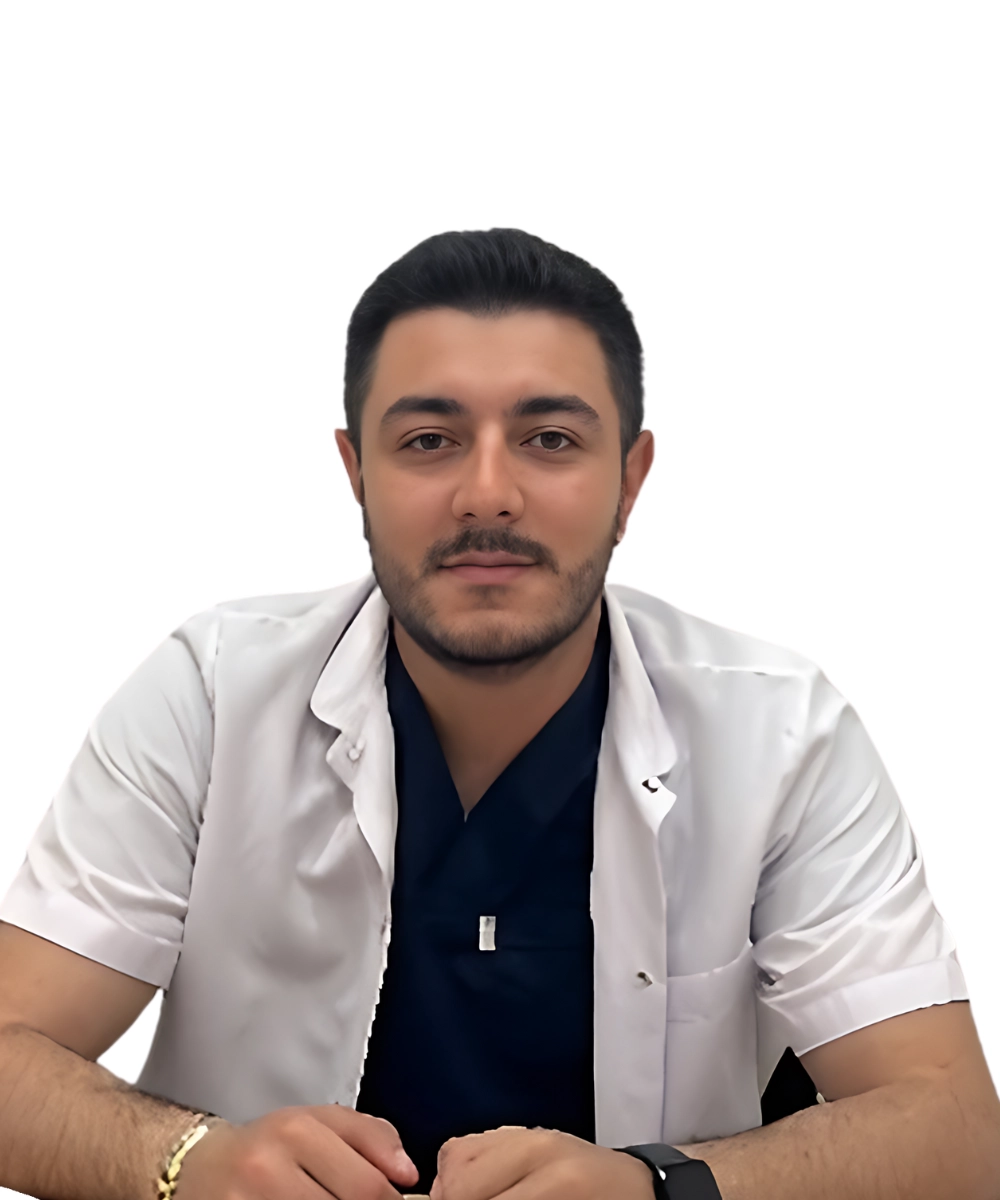
Hair Transplant Specialist
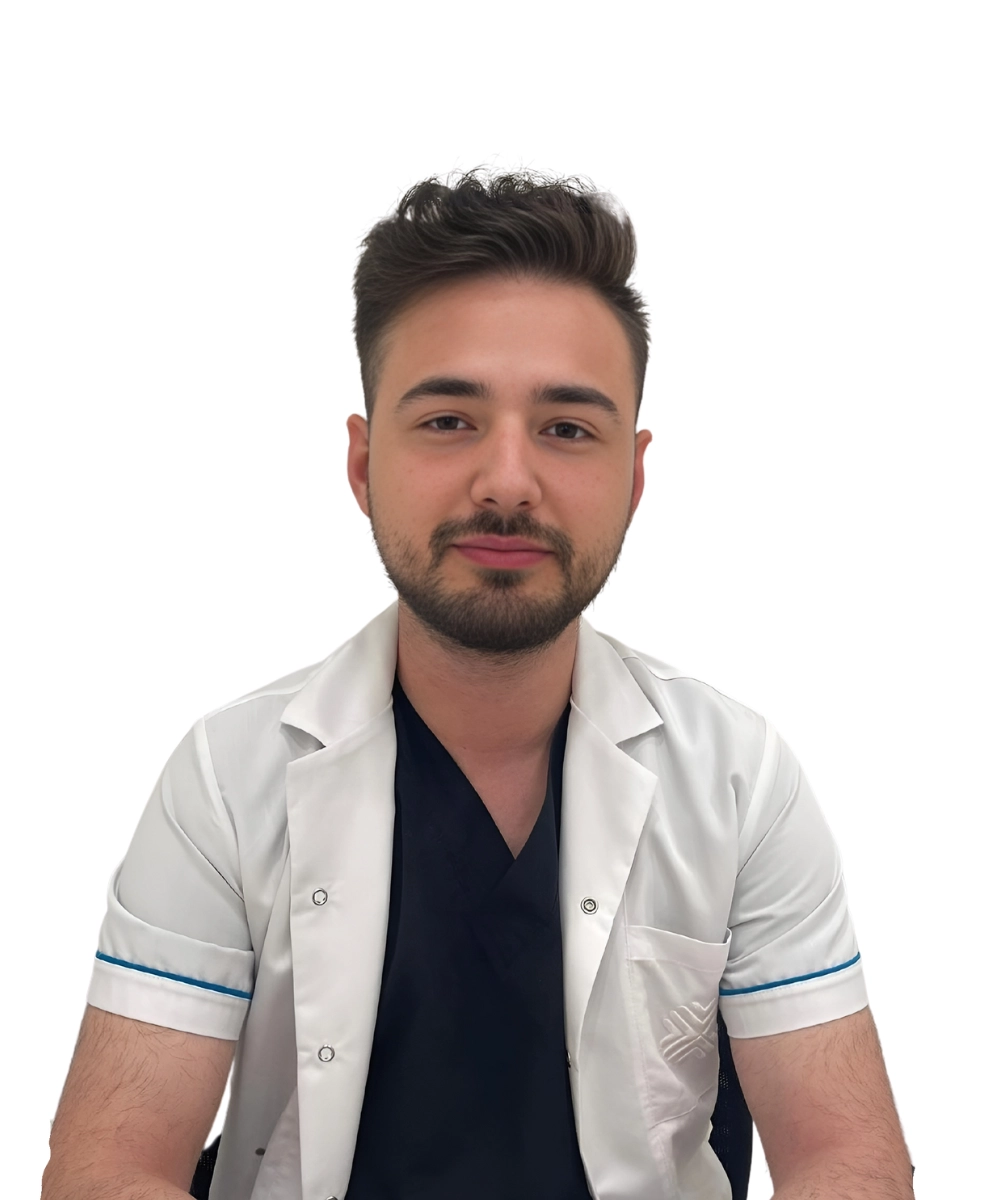
Hair Transplant Specialist
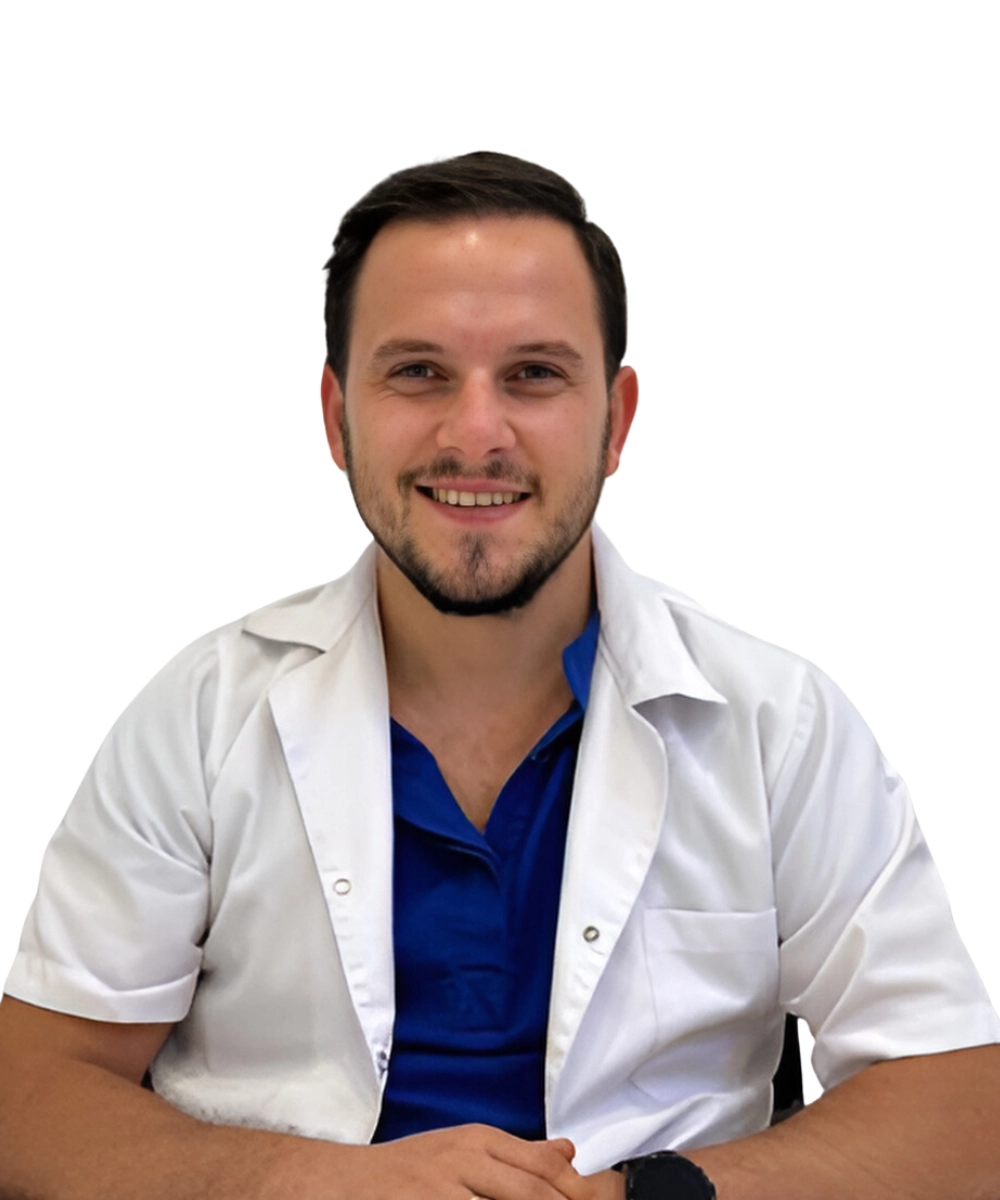
Hair Transplant Specialist
Transplanted follicles usually keep growing long term, but every procedure carries some risk.
The NHS guide to hair loss and the American Academy of Dermatology explain common causes of hair loss independently.
Before a female hair transplant Turkey trip, your doctor may ask for a full blood count, ferritin, thyroid function, vitamin D and B12, plus hormone tests if you have signs such as irregular periods or acne. These help rule out treatable causes of thinning. You can send recent results with your photos, and any missing tests can be arranged before surgery.
Yes. Most women having a female hair transplant Istanbul procedure keep their hair length. Grafts are placed between existing hairs, usually with a DHI implanter pen, and only a narrow donor band at the back is trimmed, hidden under longer hair. Because unshaven work is slower, the number of grafts per day is usually more modest.
Often not. If thinning is diffuse and the donor area at the back is also thin, a female hair transplant Turkey plan may move weak hair and risk visible donor thinning. Diagnosis and medical treatment usually come first. A transplant works well when the donor area is stable and dense and the thinning is concentrated on the parting, temples or hairline.
For a high forehead, hairline lowering gives an immediate change but leaves a fine incision line and needs a flexible scalp. A female hair transplant Turkey plan builds the hairline gradually over 12–18 months with no incision line and can reshape the temples. Your doctor will assess your forehead height, scalp laxity and density before recommending one or both.
Most doctors advise waiting about four weeks after a female hair transplant Istanbul procedure before using hair dye, so the scalp has healed and crusts have cleared. Avoid bleach and strong chemical treatments for longer if your doctor recommends it. A patch test beforehand is sensible, and your Vivid Clinic team will confirm the timing at your follow-up.
It can. Between weeks 2 and 8 after a female hair transplant Turkey procedure, the transplanted hairs shed, and some nearby native hair may shed temporarily. This shock loss is more common in women and usually recovers. New growth begins around months 3–4, and the final result is usually seen at 12–18 months. Your team checks progress at set milestones.
Plan about 3 days for a female hair transplant Istanbul trip. Day 1 is arrival and transfer to your hotel. On day 2 you meet the doctor, complete routine tests and have the procedure. Day 3 brings a check-up and a gentle first wash, and most women fly home that day. Many women travel with a companion, which we can plan for.
Common causes include female pattern hair loss, telogen effluvium after illness, childbirth or stress, low ferritin, thyroid disorders, hormonal conditions such as polycystic ovary syndrome and traction alopecia. Many improve with treatment, so a female hair transplant Turkey plan starts with diagnosis. Autoimmune or scarring alopecias need specialist treatment before any surgery is considered. Your doctor explains what applies to you.
Send a few clear photos of your parting, hairline and the back of your head, along with any recent blood results. The medical team reviews them privately — free and with no obligation.
Free · No obligation · Reply within 24 h
Open a summary of this guide in your AI assistant.
 ChatGPT