
Medically reviewed by Prof. Dr. Özgür Pilancı, Plastic, Reconstructive & Aesthetic Surgeon — August 2026
Quick answer (updated August 2026): Lipo 360 is liposuction of the entire waistline in one session — upper and lower abdomen, both flanks, and the mid-to-lower back — treated as a single continuous shape rather than separate “areas.” It suits people at a stable weight with pinchable, subcutaneous fat and reasonable skin quality; it does not treat deep visceral fat, and it is not a weight-loss method. In the US, lipo 360 typically runs $6,400–$14,700 all-in; in Istanbul, the same circumferential session is commonly priced around $3,000–$4,000 at accredited hospitals. Expect a compression garment for about six weeks and your true result at six to twelve months.
What lipo 360 actually is
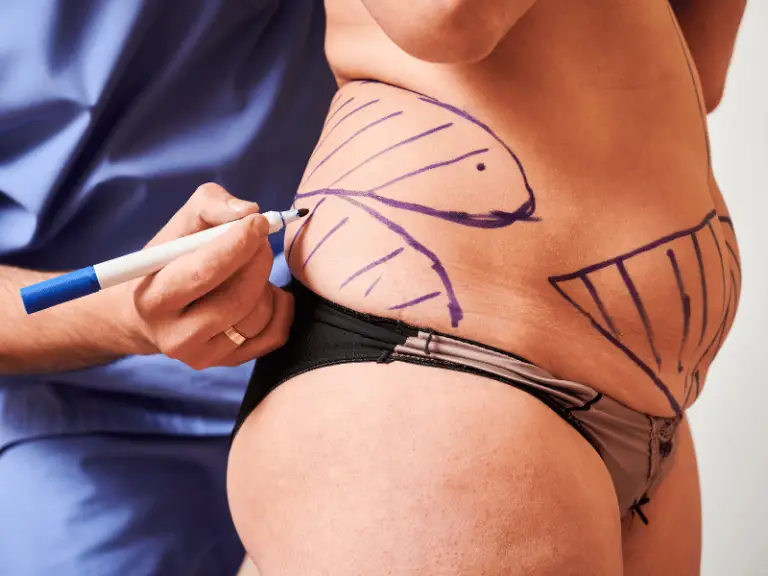
A conventional liposuction quote is priced by “area” — abdomen, flanks, back — as if the waist were three separate problems. Lipo 360 treats it as what it is: one circumference. In a single session, under one anesthetic, the surgeon contours the upper and lower abdomen, both flanks (love handles), and the bra-line and lower back, then blends the transitions so no treated zone ends in a ridge where an untreated one begins.
The reason the approach took over waist surgery is symmetry of light. A waist is read in profile and in three-quarter view, and a flat front beside untouched flanks looks heavier, not lighter — the eye compares. Circumferential treatment is how you get the “carved” look people actually mean when they say they want a smaller waist: a continuous concave line from ribs to hips, front, sides and back agreeing with each other.
What it is not: a different technology, a trademarked device, or an operation on muscle or skin. Lipo 360 is a treatment plan — standard tumescent liposuction, sometimes energy-assisted, applied around the full trunk. Anyone selling it as a distinct machine is marketing.
What actually sets your waist size
Before deciding to change your waist, it is worth knowing what built it. Four things set the number on the tape measure, and surgery only addresses one of them.
Your rib cage and hip width are skeletal and fixed — the distance between your lowest rib and your iliac crest, and the flare of both, create the space a waist can curve into. This is why two people at the same body-fat percentage have visibly different waists, and why a naturally short-waisted or straight-hipped person will never wasp-waist through diet.
Muscle wraps the space: thick obliques from years of heavy side work can widen the waist slightly, and a lax abdominal wall (common after pregnancy, when the rectus muscles separate) lets the whole midsection bow forward.
Subcutaneous fat — the pinchable layer between muscle and skin — is what drapes over the frame. It is the only one of the four that liposuction removes.
Visceral fat sits deep, behind the muscle wall, packed around the organs. It is what makes an abdomen firm and rounded rather than soft, and no cannula can legally or safely reach it. Visceral fat responds to diet, exercise, sleep and medical weight management — and shrinking it does more for health than any cosmetic procedure does.
The honest self-test: lie flat. Fat you can pinch between fingers is subcutaneous and treatable; a belly that stays domed and firm when you lie down is mostly visceral, and the right first step is lifestyle or medical, not surgical.
How to get a smaller waist without surgery — and the limits
The direct answer: reduce overall body fat with a sustained calorie deficit and resistance training, train the deep core (the transverse abdominis acts like a natural corset), fix posture, and be patient — you cannot spot-reduce the waist, because fat loss location is genetically determined. That combination genuinely slims most waists by centimeters over months, and it is where everyone should start.
What does not work as advertised: waist trainers and “waist slimmer” belts compress tissue and redistribute water for a few hours; worn hard and long, they weaken rather than strengthen the core and change nothing about fat. Ab exercises alone build muscle under the fat layer without shrinking it. Sweat wraps dehydrate skin temporarily.
The pattern is the same one we describe for every body area: exercise changes muscle, diet changes fat mass overall, and neither chooses where the fat leaves from. When a stubborn roll survives a genuinely stable, lean weight — flanks and lower abdomen are the classic sites — that is the gap liposuction exists to close.
Who is a good candidate for lipo 360

The best lipo 360 candidates are at or near a stable weight they can maintain, carry their excess as pinchable subcutaneous fat around the trunk, and have skin with enough elasticity to shrink to the new contour — younger skin, no major stretch-mark damage, no hanging fold. Complication risk rises with BMI and with the volume removed, so surgeons screen both; most prefer patients broadly under about BMI 30–35 and at their own plateau rather than mid-diet.
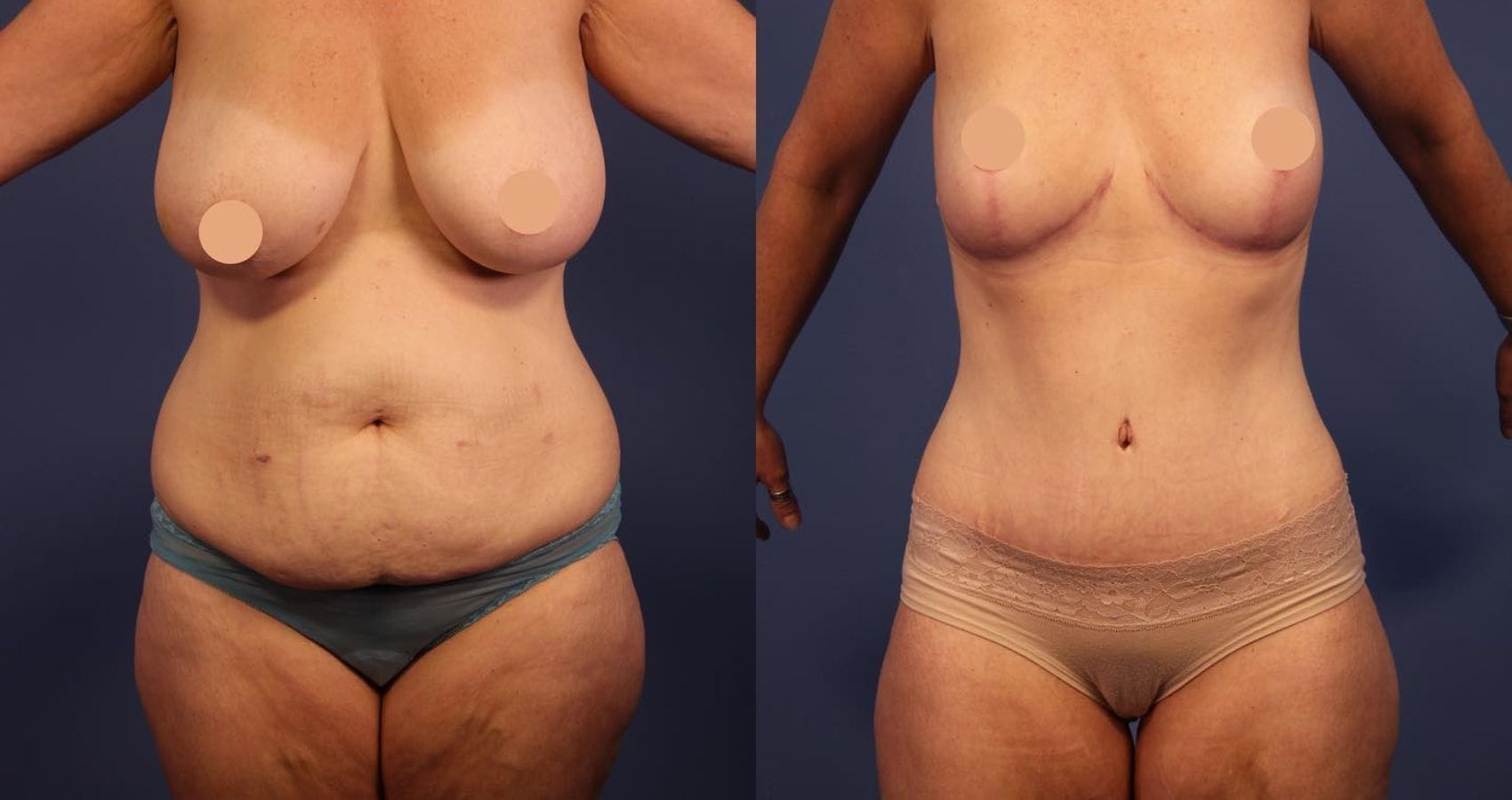
Three groups should hear “not this operation” from an honest surgeon. If the dominant problem is visceral fullness, liposuction will disappoint — the deep fat stays. If there is loose, overhung skin or separated muscles (common post-pregnancy), removing fat can worsen the drape; a tummy tuck — alone or with liposuction — is the operation that actually fits, and our tummy tuck costs guide covers that price story. And anyone hoping to lose significant weight should finish first: liposuction is a contouring tool for the last stubborn liters, not a weight-loss method.
Lipo 360 price: US, UK and Turkey
Benchmarks first, since “lipo 360 price” quotes vary wildly by market. In the United States, the American Society of Plastic Surgeons lists an average liposuction surgeon’s fee of $4,711 (plasticsurgery.org, checked August 2026) — per procedure, before anesthesia and facility fees, and typically covering far less than a full 360. All-in lipo 360 pricing in the US commonly lands between $6,400 and $14,700 depending on city and extent, with a national average around $8,000. In the UK, comparable circumferential work at private clinics generally runs £6,000–£10,000. In Istanbul, medical-travel pricing for a full lipo 360 at accredited hospitals is commonly reported around $3,000–$4,000, usually packaged with hospital stay, transfers and aftercare.
The gap is cost base — surgeon wages, facility fees and rent — not surgical corners. What should be identical wherever you book: a named, credentialed surgeon; an accredited hospital or surgical facility; anesthesia by an anesthesiologist; and a written quote saying exactly which zones, which technology, and what aftercare is included. Vivid Clinic confirms lipo 360 quotes at consultation after a photo assessment, because the honest price depends on how many zones you actually need treated — some “360” candidates need only flanks and lower abdomen.
The procedure: tumescent technique, energy assistance, and the safety ceiling

However it is branded, the operation follows the same architecture. The surgeon infiltrates the fat layer with tumescent fluid — saline with local anesthetic and adrenaline — which firms the tissue, limits bleeding and provides hours of post-op pain relief. Thin cannulas then loosen and suction fat through incisions a few millimeters long, placed where waistbands hide them. Energy-assisted variants — ultrasound (as in Vaser liposuction) or laser — liquefy fat before suction, which many surgeons prefer in fibrous zones like the back and for fine “etching” work. A full 360 takes roughly one to three hours, done as a day case or with one hospital night in medical-travel settings.
There is a real safety ceiling. ASPS guidance defines removal beyond five liters as large-volume liposuction, and a published analysis of over 4,500 patients found complications roughly tripled above that line (3.7% vs 1.1%), with seroma the most common issue — while also showing the safe ceiling scales with body size rather than being one number for everyone.
The practical translation: a surgeon who plans your aspirate volume to your body, operates in a hospital-grade facility, and refuses to chase “maximum fat” in one session is protecting your result and your safety at once. Removing less, evenly, beats removing more, unevenly — a principle you can verify in any before-and-after gallery by looking for smooth, ripple-free light across the treated zones.
Recovery: the honest timeline
Days 1–3: the treated circumference is swollen, bruised and tender; the tumescent fluid weeps from the tiny incisions for the first day or two, which looks dramatic and is normal. You will be walking the same day — early walking is the main clot precaution — and wearing a fitted compression garment from the operating table.
Week 1: most desk workers are back at work within about a week. Bruising peaks and starts to yellow. The garment stays on essentially around the clock.
Weeks 2–6: swelling recedes unevenly — evenings worse, mornings better. Light exercise typically resumes around two to three weeks, full training around six, per your surgeon’s clearance. The garment tapers on your surgeon’s schedule, commonly full-time for about six weeks; some surgeons add manual lymphatic drainage massage in this window, a protocol choice rather than a universal requirement.
Months 3–12: this is where the waist you paid for appears. Skin retracts gradually, residual swelling drains, and the final contour is judged at six to twelve months. Numb or firm patches over the treated zones soften on the same clock. Photograph yourself monthly in the same light rather than consulting the mirror daily — the daily version lies.
Results, limits, and what surgery can never promise
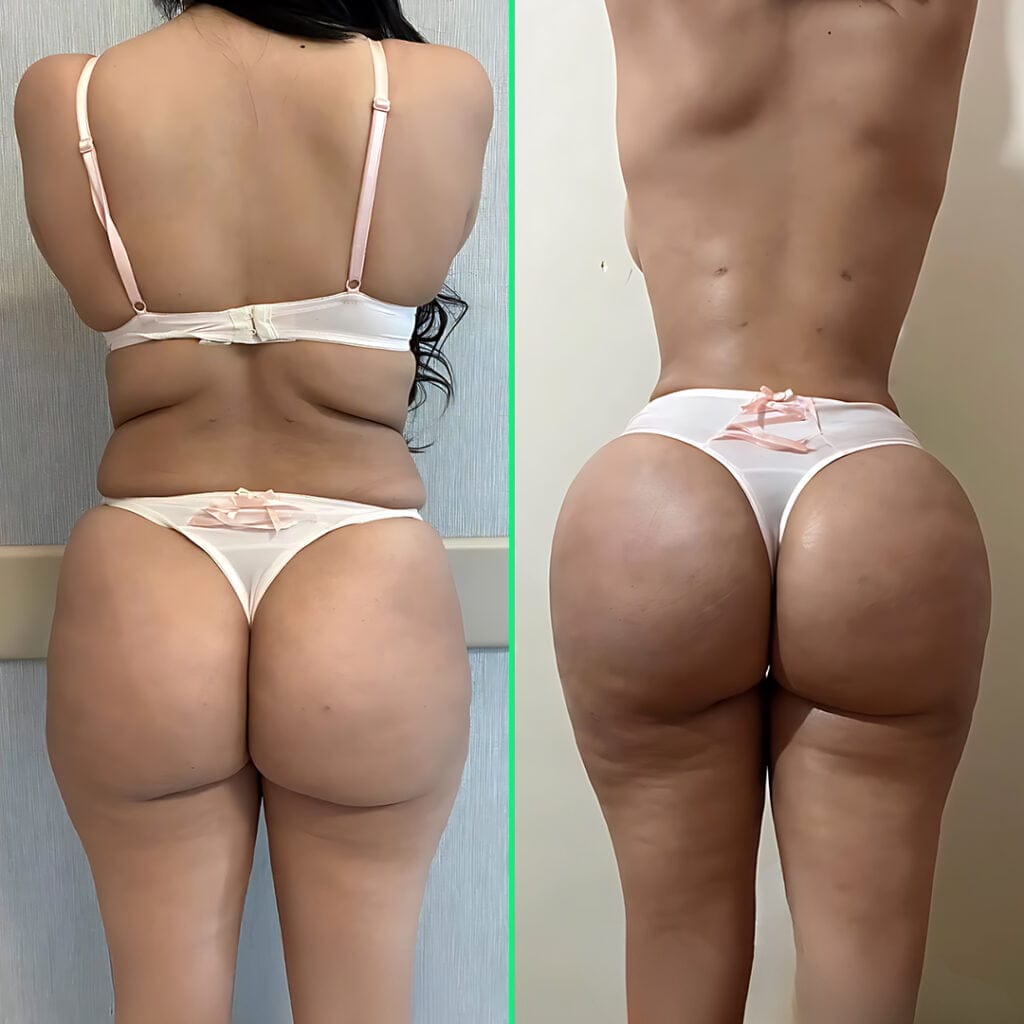
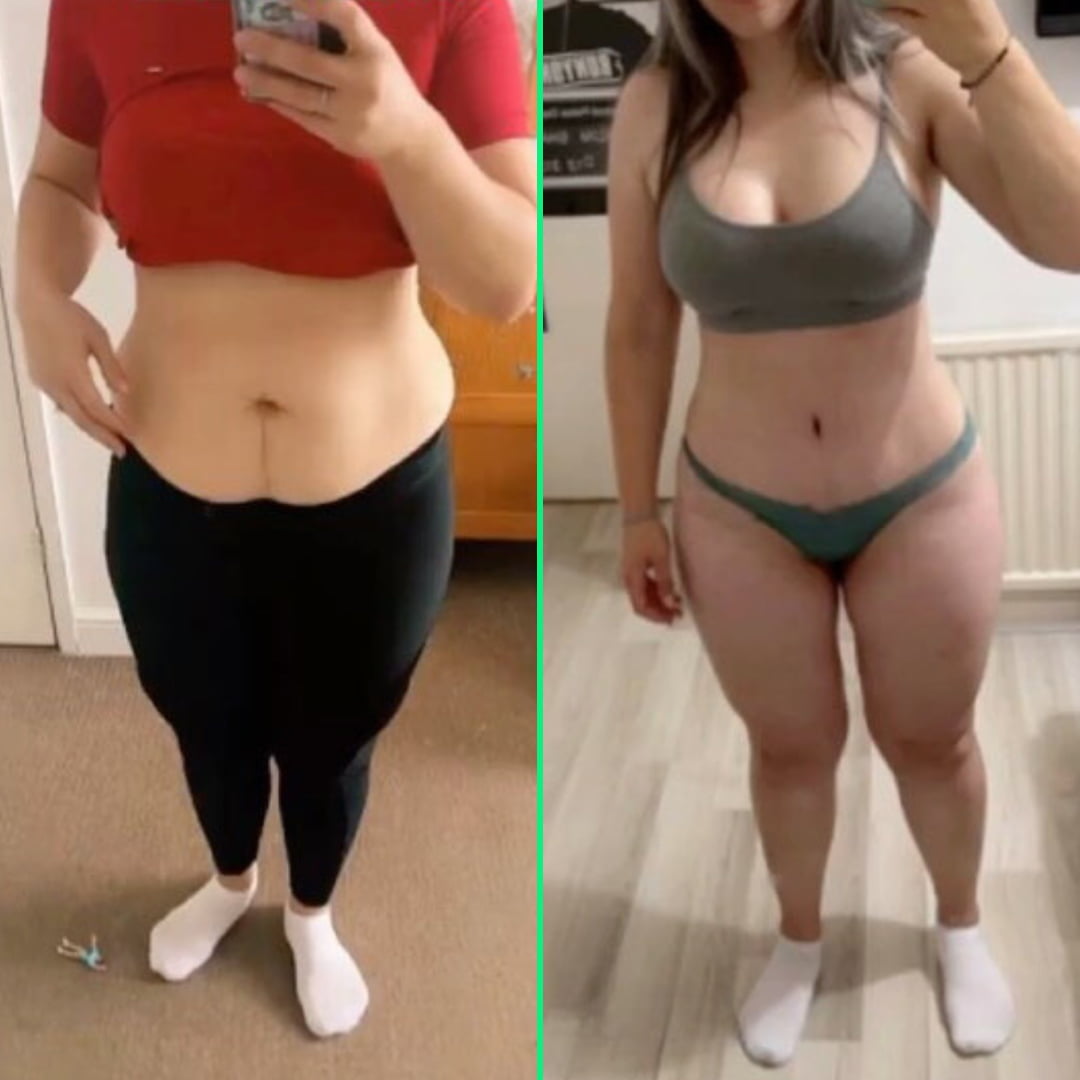
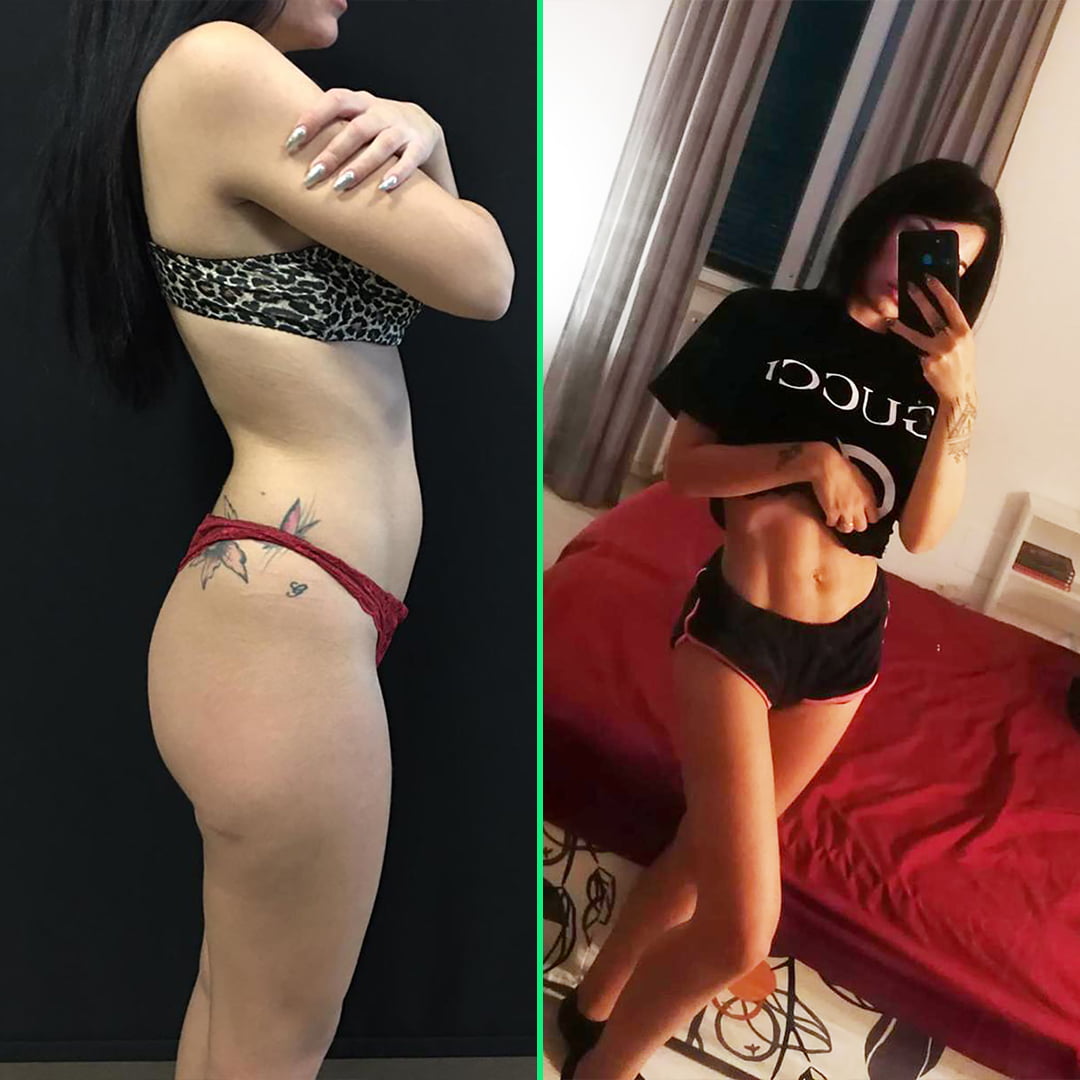
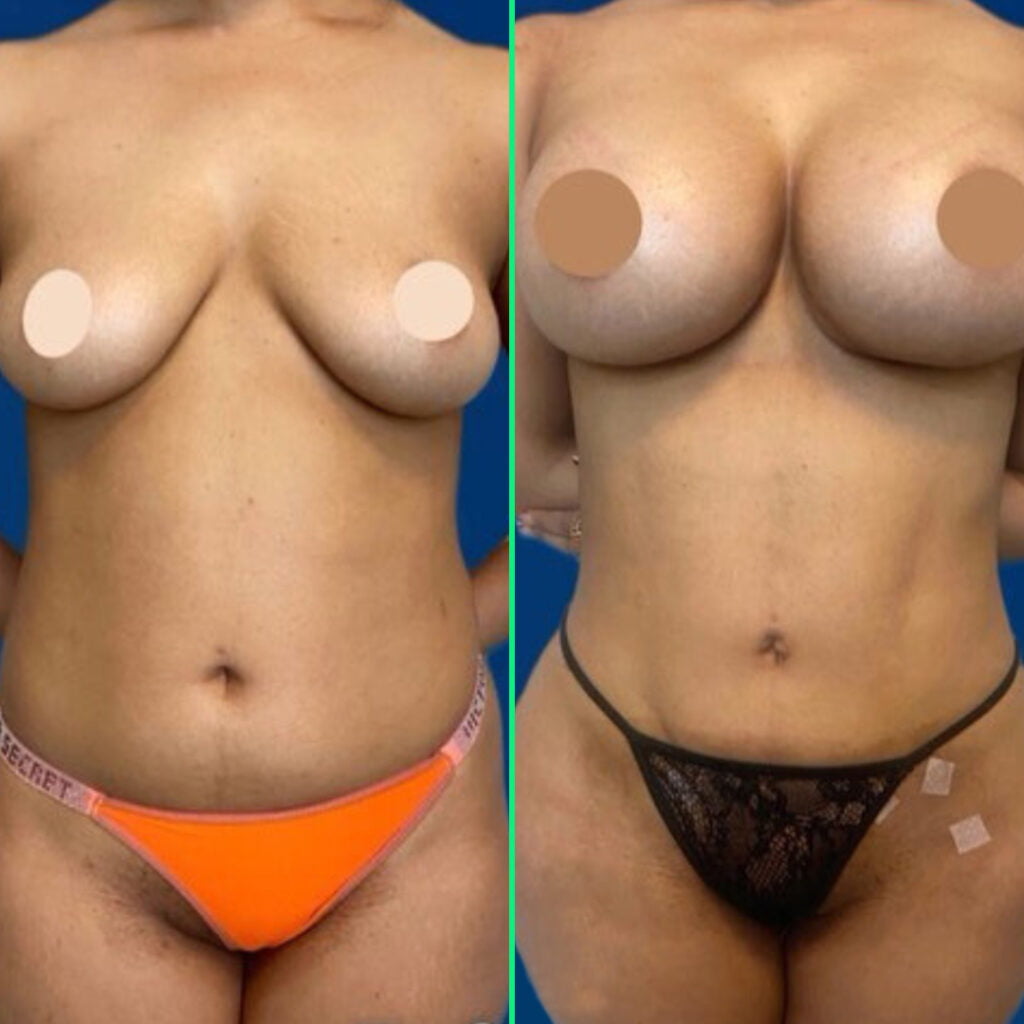
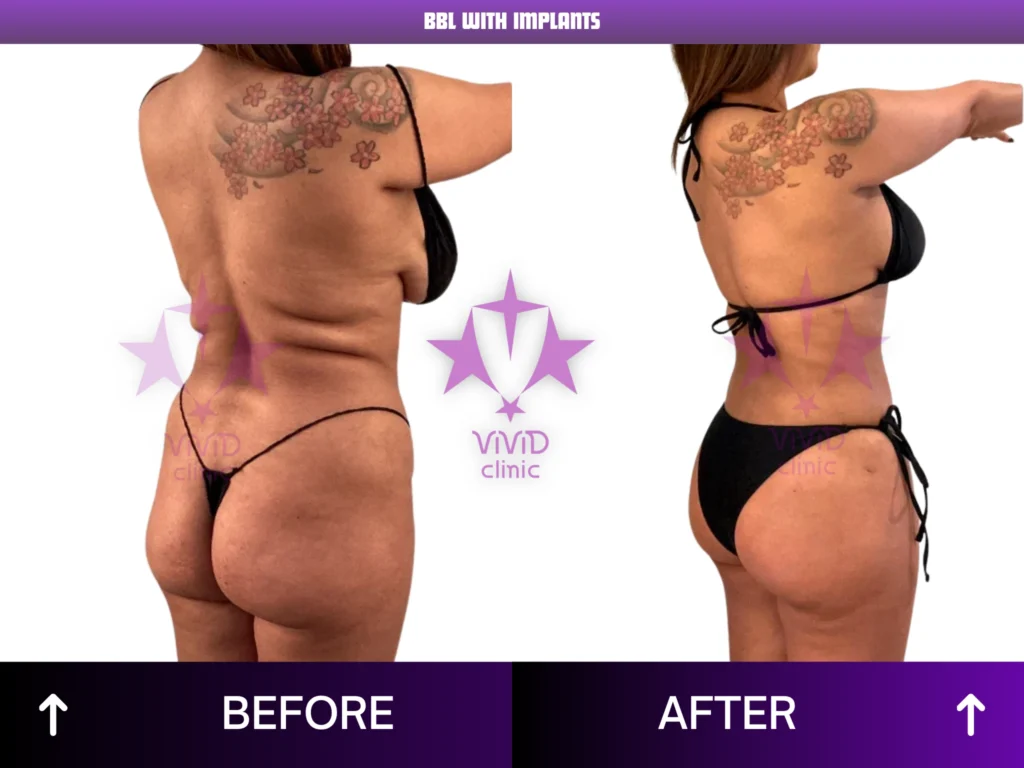
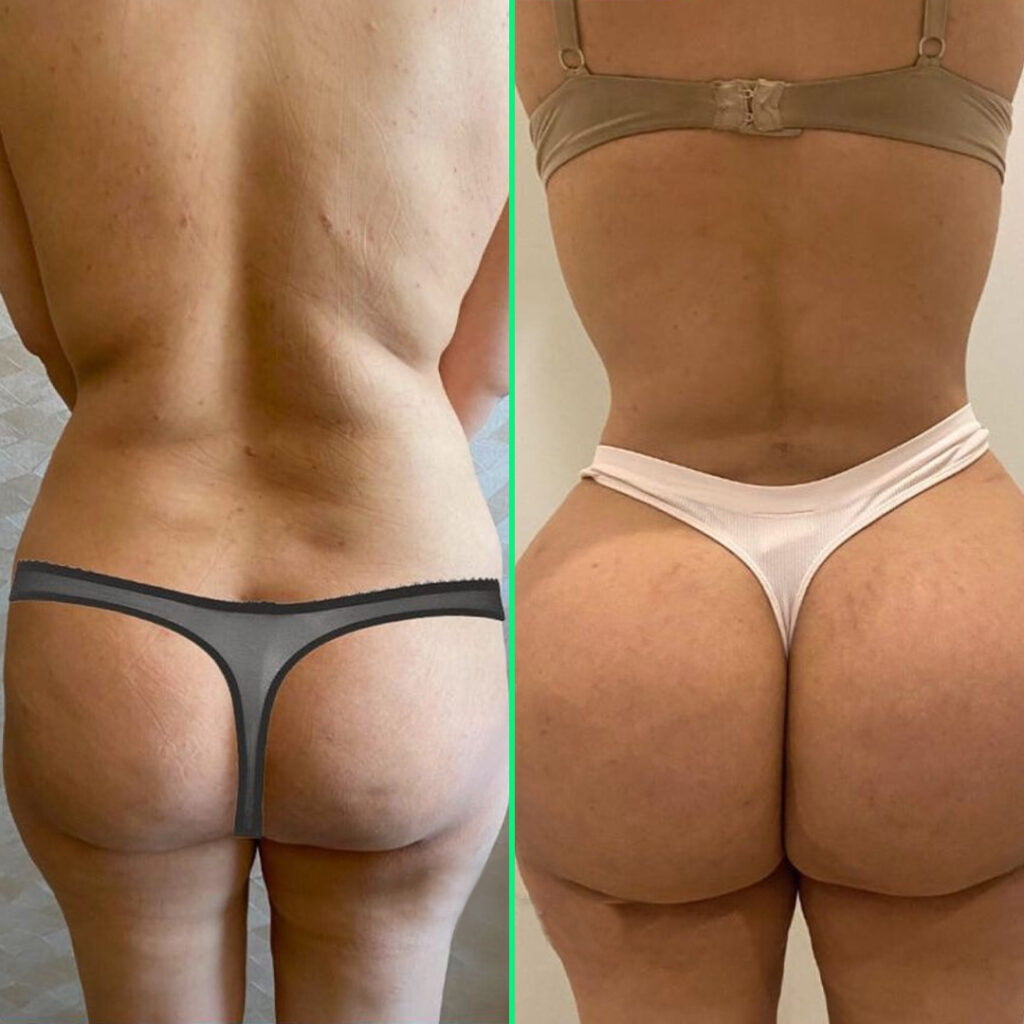
A well-executed lipo 360 delivers a visibly smaller, more defined waist and flatter flanks — commonly a clothing size or two through the middle — and the removed fat cells do not regenerate. Two limits keep results honest. First, skin does the last part of the job: where elasticity is poor, the deflated layer can sit slightly loose or show irregularities, which is why candidate selection matters more than cannula brand. Second, remaining fat cells still respond to weight change — significant gain after surgery shows up in untreated zones and in what remains, and no operation edits your skeleton: a wide rib cage or narrow hips still set the frame the new waist curves into.
Lipo 360 also pairs naturally with other contouring. The fat removed is exactly what a Brazilian butt lift reuses to build hip and buttock volume — one reason the waist-to-hip change from a combined procedure reads more dramatic than either alone. And where the abdominal wall itself is the problem, the pairing is with a tummy tuck rather than more suction. Which combination, if any, fits your anatomy is a photograph-and-examination question, not a menu question.
Lipo 360 and Body Contouring Before & After Results at Vivid Clinic


Frequently Asked Questions
How much does lipo 360 cost?
As third-party benchmarks, checked August 2026: US all-in pricing commonly runs $6,400–$14,700 (ASPS lists the average liposuction surgeon’s fee alone at $4,711); UK private pricing typically £6,000–£10,000; Istanbul packages are commonly reported around $3,000–$4,000 including hospital stay and transfers. Vivid Clinic confirms your quote at consultation after a photo assessment, since the price depends on which zones you actually need.
How much fat does lipo 360 remove?
Typically one to four liters, planned to your body size — not the maximum possible. Removal beyond five liters is classed as large-volume liposuction and carries a higher complication rate in published ASPS data, so an honest plan prioritizes an even, smooth contour over headline volume. Lipo 360 is measured in centimeters off the waist, not kilograms off the scale.
Can liposuction slim my legs too?
Yes — thighs, inner knees and calves are treatable zones, but they are not part of lipo 360, which covers only the trunk’s circumference. Leg contouring is planned separately because the tissue behaves differently and swelling lasts longer below the knee. If your goal is overall lower-body slimming, weight loss remains the foundation; liposuction refines shape, not size.
Do waist trainers work — before or after surgery?
As a slimming tool, no: a waist trainer compresses and redistributes tissue for the hours you wear it and changes nothing structural. After lipo 360 you will wear a medical compression garment for around six weeks — a different object with a different job: controlling swelling and helping skin adhere to the new contour. Do not substitute a fashion waist trainer for it.
Lipo 360 or a tummy tuck — which do I need?
Pinchable fat with tight skin and an intact muscle wall points to lipo 360. Loose or overhung skin, stretch-mark-damaged tissue, or separated muscles after pregnancy point to a tummy tuck, sometimes with liposuction added. The wrong choice in either direction disappoints, which is why the assessment matters more than the preference you arrive with.
Will the fat come back after lipo 360?
The removed cells are gone permanently, and at a stable weight the new contour holds. Significant weight gain enlarges the fat cells that remain — including visceral fat behind the muscle wall — so the waist can thicken again even though the treated layer stays thinner than it would have been. The operation rewards maintenance; it does not replace it.
Wondering whether your waist is a fat problem, a skin problem, or simply your frame? That distinction decides everything — including whether surgery would help at all. Send photographs for a free online assessment and get a straight answer about which zones would change your shape, what it would cost, and whether lipo 360 is even the right tool.