
 ChatGPT

Medically reviewed by Prof. Dr. Özgür Pilancı, Plastic, Reconstructive & Aesthetic Surgeon — August 2026
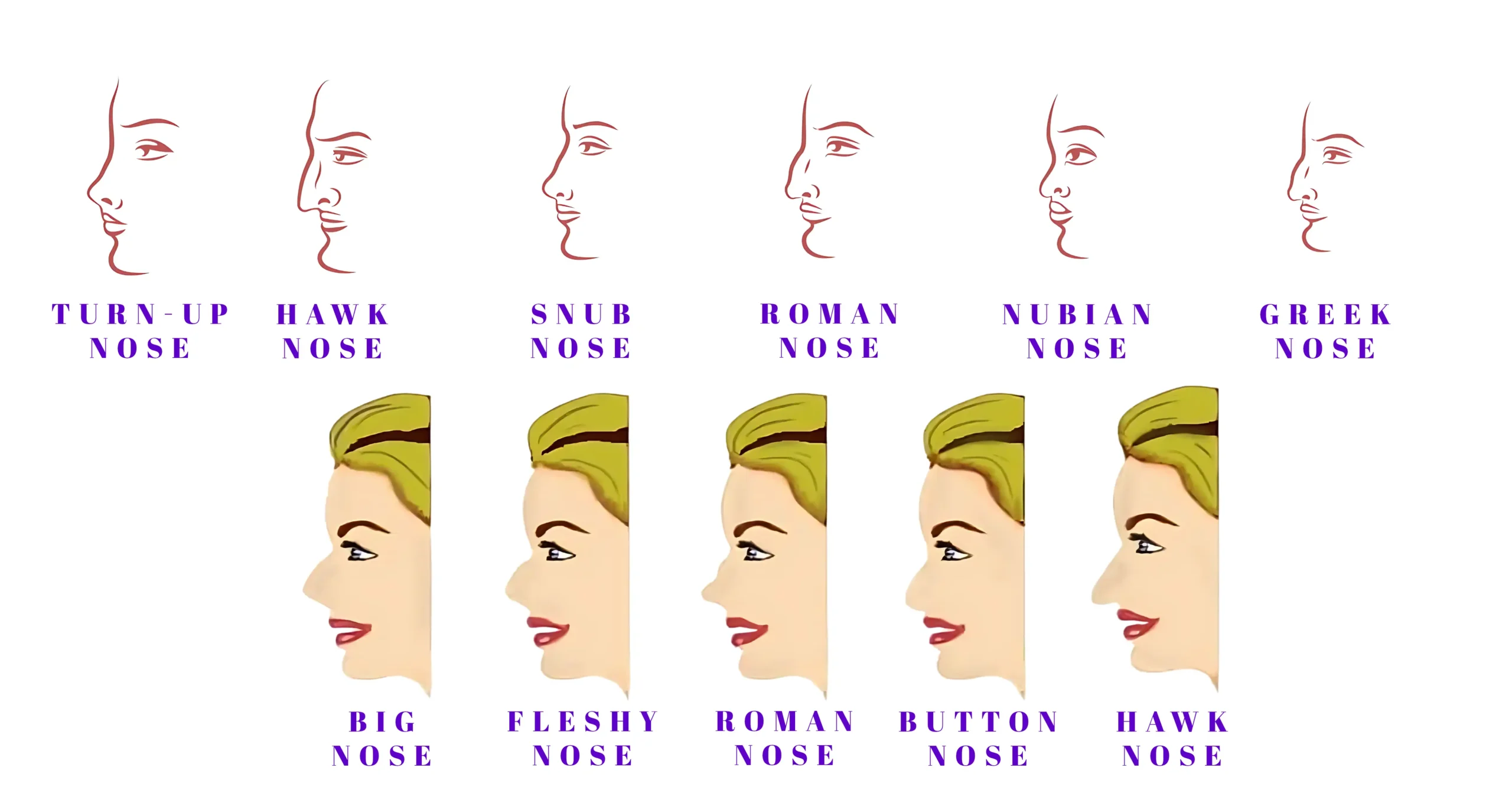
Quick answer (updated August 2026): Most of the things called "nose deformities" online are simply normal anatomical variation — a dorsal hump, a bulbous tip or a low bridge are inherited traits, not medical problems. A genuine structural deformity is different: a pollybeak, an inverted-V, a saddle nose or alar retraction almost always follows previous surgery or injury, and each is corrected by rebuilding support rather than by removing more tissue. This guide explains what each term means, what causes it, and what a realistic fix looks like.
Variation versus deformity: the distinction that matters
There is a real difference between a nose that is not to your taste and a nose that is not working.
A dorsal hump, a wide nasal base, a round tip, a low bridge, a slightly crooked profile — these are inherited structural traits, shared by millions of people, and they carry no medical consequence at all. You may choose to change one because it bothers you. That is a legitimate reason for surgery. It is not a diagnosis, and any clinic that describes an ordinary nose as deformed is selling rather than assessing.
A structural deformity is something else: a nose whose framework has lost support or shape, usually after a previous operation, an injury or a disease process. It can look wrong, breathe badly, or both. It is also harder to fix than the original nose was to change, because the surgeon is now working with scar tissue and a depleted supply of cartilage.
The sections below cover both, and say clearly which is which.
Dorsal hump
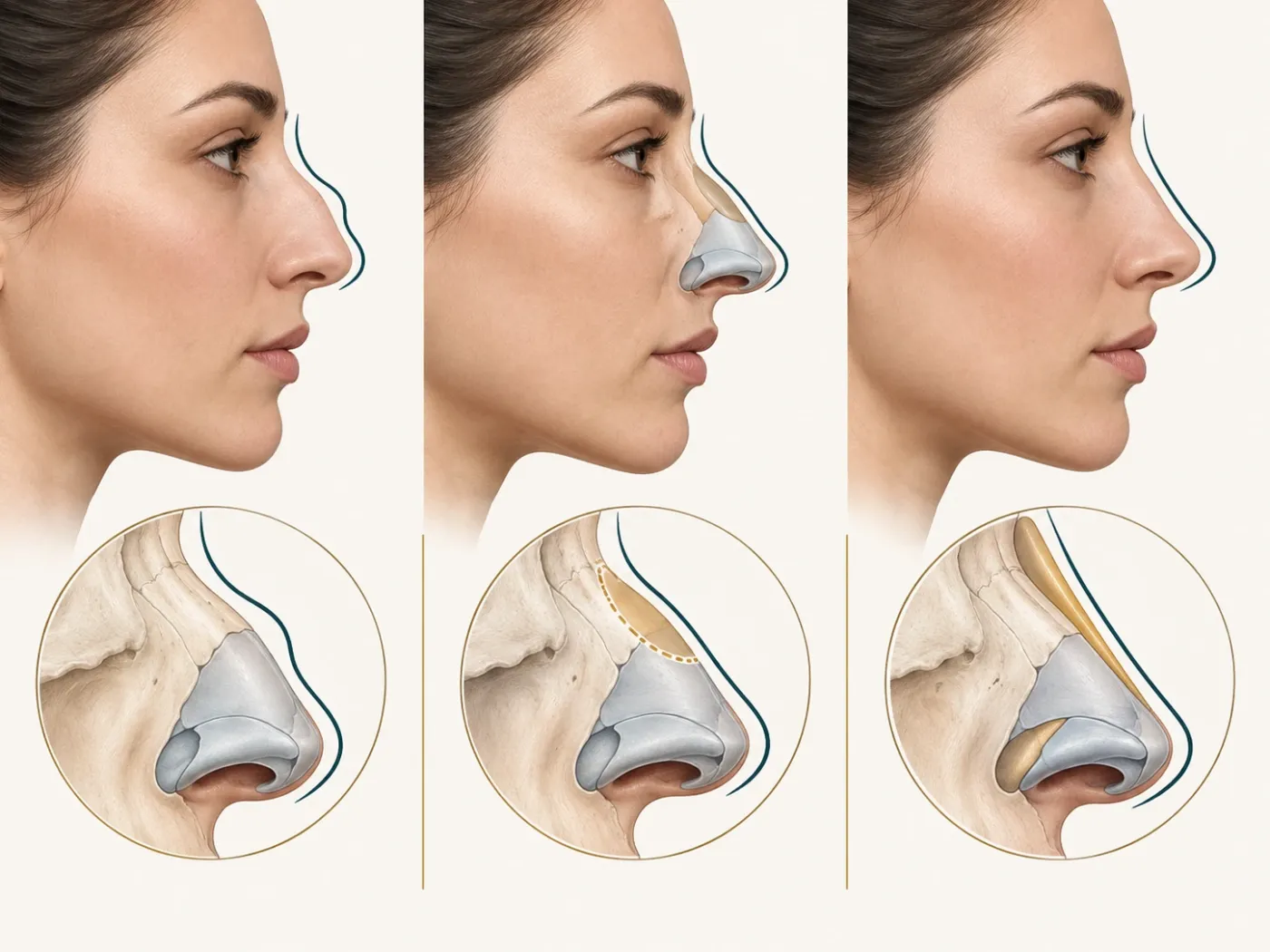
A dorsal hump is a raised ridge along the bridge of the nose, made of a bony component in the upper part and a cartilaginous component below it. Most are inherited; some follow a childhood nasal fracture that healed with a step. It is one of the single most common reasons people consider rhinoplasty, and it is entirely normal anatomy.
Correction. Traditional dorsal hump reduction rasps the bone and trims the cartilage down to the intended profile line. Removing the hump leaves an "open roof" — the bridge is now flat-topped where the bone was — so lateral osteotomies (controlled cuts in the nasal bones) bring the sidewalls back in to close it. Skipping that second step is one route to the inverted-V described below.
Preservation rhinoplasty takes the opposite approach: rather than removing the hump and rebuilding, it lowers the whole dorsum as an intact unit, keeping the natural dorsal lines and the keystone junction. It suits some noses very well and others not at all, and it is a conversation to have with your surgeon rather than a technique to request by name.
A hump can also be camouflaged rather than reduced — filler or a small cartilage graft placed above and below it to straighten the profile line. This is a real option for small humps, though it adds volume to a nose rather than removing it.
Bulbous tip and bulbous noses
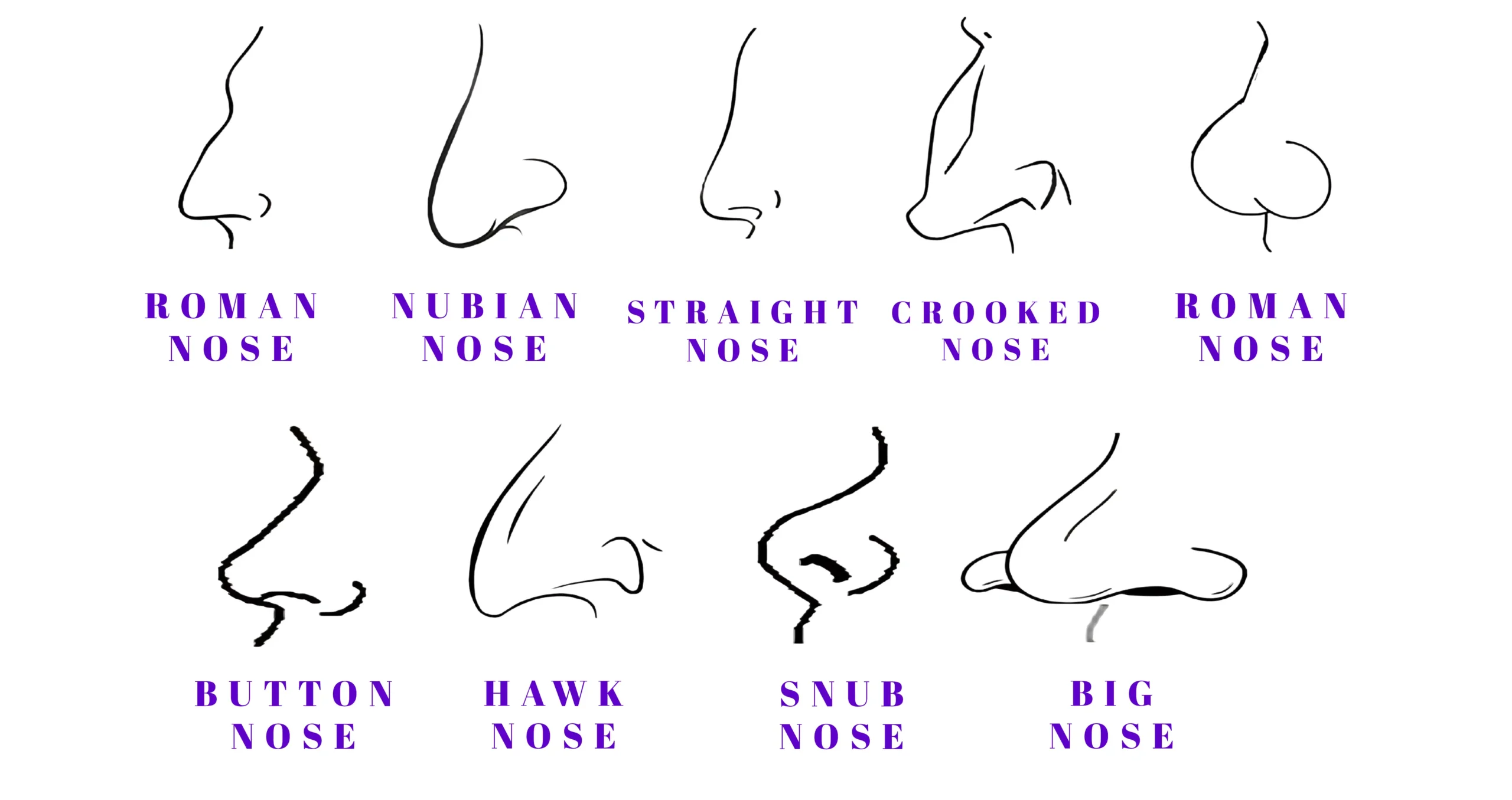
A bulbous tip is a round, undefined tip without clear tip-defining points. Two things cause it, usually together: thick, sebaceous tip skin that masks whatever shape lies underneath, and lower lateral cartilages that are broad or convex rather than neatly domed.
Correction. Cartilage-sparing techniques dominate modern practice: sutures narrow the domes and set their angle, and a conservative cephalic trim reduces excess width while leaving a preserved rim of cartilage behind. Aggressive removal was the old approach, and it is precisely what produces alar retraction and nostril collapse a decade later.
The honest caveat is skin. Refinement has to show through the skin envelope, and thick skin sets a ceiling on how much definition is achievable. A surgeon who assesses your skin thickness and tells you what it means for your result is giving you more useful information than one who promises a sharply defined tip regardless.
Bifid tip
A bifid tip shows a visible cleft or a double point, because the two dome cartilages sit too far apart. The word simply means "split into two". It is a variation, not a disease, and it becomes more noticeable with thin skin.
Correction. Interdomal sutures draw the two domes together, sometimes with a small cartilage graft over the top to smooth the transition. It is one of the more predictable tip manoeuvres.
Pollybeak deformity
A pollybeak deformity is fullness in the area just above the tip, which erases the small step in the profile line called the supratip break and leaves a convex, parrot-like profile. It is a post-surgical problem, not a natural shape, and it is one of the most common reasons people seek revision rhinoplasty.
There are two versions, and they are not interchangeable:
- Cartilaginous pollybeak — too much dorsal septal cartilage was left behind relative to the new tip height. This one is straightforward to correct: the residual cartilage is reduced.
- Soft-tissue pollybeak — the space above the tip was over-resected and scar tissue filled it in. This is far more common in thick-skinned noses, and much harder to fix, because the problem is scar rather than structure.
Correction. Cartilaginous cases are revised surgically. Soft-tissue cases are often managed first with steroid injection into the scar tissue and firm taping during healing, with surgery reserved for scar that does not settle. Prevention matters more than correction here: adequate tip support and careful dorsal reduction at the first operation prevent most cases.
Inverted-V deformity

An inverted-V deformity is a visible horizontal step across the middle of the nose, where the lower edge of the nasal bones shows through the skin as an upside-down V. It happens when a hump is removed without restoring support to the middle third: the upper lateral cartilages collapse inward, dropping away from the bone above them.
It is not only cosmetic. The same collapse narrows the internal nasal valve — the tightest point in the whole airway, at around 10 to 15 degrees when normal — so patients often notice their breathing has become worse since surgery.
Correction. Spreader grafts: thin strips of cartilage placed between the septum and each upper lateral cartilage, propping the middle vault open and restoring both the dorsal line and the valve angle. Spreader grafts are now routine in primary rhinoplasty for exactly this reason, and they are the standard repair when the deformity has already occurred.
Saddle nose and collapsed bridge
A saddle nose is a bridge that has sunk into a concave dip because the septum has lost its structural support. Causes include trauma, septal haematoma that was not drained, infection, cocaine use, granulomatous disease, and over-aggressive septal harvesting during a previous operation.
Correction. This is reconstructive rather than reductive surgery: the bridge is rebuilt with a structural graft. Septal cartilage is the first choice when enough remains; ear (conchal) cartilage suits smaller defects; rib cartilage is used for larger reconstructions. These are complex cases and belong with a surgeon who does them regularly.
Alar retraction and nostril notching
Alar retraction means the nostril rim sits too high, exposing more nostril than it should and giving a startled, over-operated look. It nearly always follows over-resection of the lateral crura in a previous rhinoplasty, or scar contracture during healing.
Correction. Rim grafts, alar batten grafts or composite grafts (cartilage with skin attached) are used to push the rim back down. It is one of the harder problems in revision surgery and the results are gradual.
Crooked and deviated noses
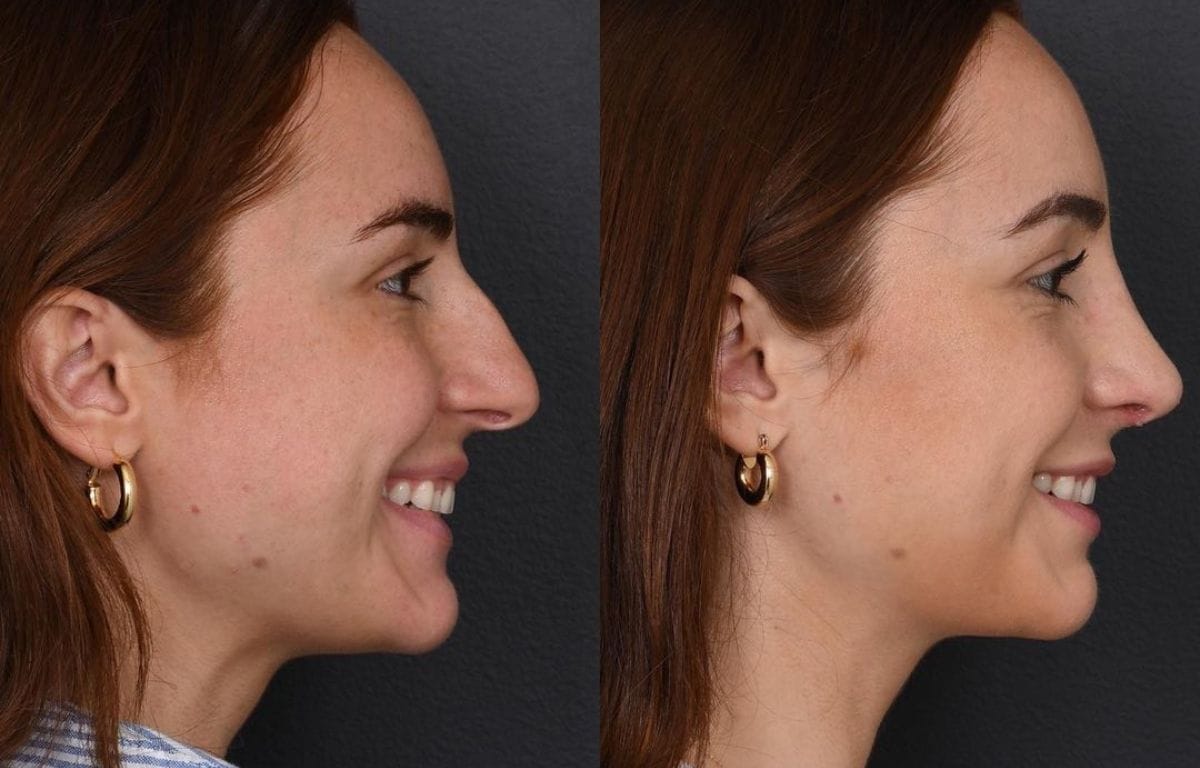
A nose that leans to one side is usually following its septum. A deviated septum can twist the whole external nose, and correcting the outside without correcting the inside tends to fail — the septum simply pulls the nose back off centre during healing. That is why straightening a crooked nose is generally a combined septorhinoplasty rather than a cosmetic-only operation, and why a surgeon should examine the inside of your nose, not only photograph the outside.
Rhinophyma: a skin condition, not a shape
Rhinophyma is different from everything above, because the framework of the nose is normal. It is a thickening and overgrowth of the sebaceous glands and connective tissue of the nasal skin, producing a red, bumpy, enlarged nose, and it is regarded as an advanced stage of rosacea. It is far more common in men, usually diagnosed after 50, and — contrary to a persistent and unkind myth — it is not caused by drinking alcohol. It occurs in drinkers and non-drinkers alike.
Treatment. Early rosacea is managed medically, which may prevent progression. Established rhinophyma is treated by reshaping the skin envelope: CO2 laser resurfacing, dermabrasion, electrosurgical debulking or surgical excision, sometimes in combination. There is no cure, and the condition can gradually recur, so this is management rather than a one-time fix.
What actually fixes a structural deformity

The pattern running through all of these is worth stating plainly: modern rhinoplasty fixes shape problems by adding and repositioning support, not by removing more tissue. Sutures, spreader grafts, rim grafts, columellar struts and batten grafts do the work. Almost every deformity on this page traces back to an older philosophy of taking tissue away and hoping the rest would hold its shape. The NHS also explains what nose reshaping surgery involves.
That is also why revision surgery is harder than primary surgery. The tissue planes are scarred, the skin is less forgiving, and the septal cartilage that a surgeon would normally use for grafts may already have been harvested. Most surgeons ask for at least twelve months between operations so that swelling has fully resolved and the tissues have softened before any revision is planned.
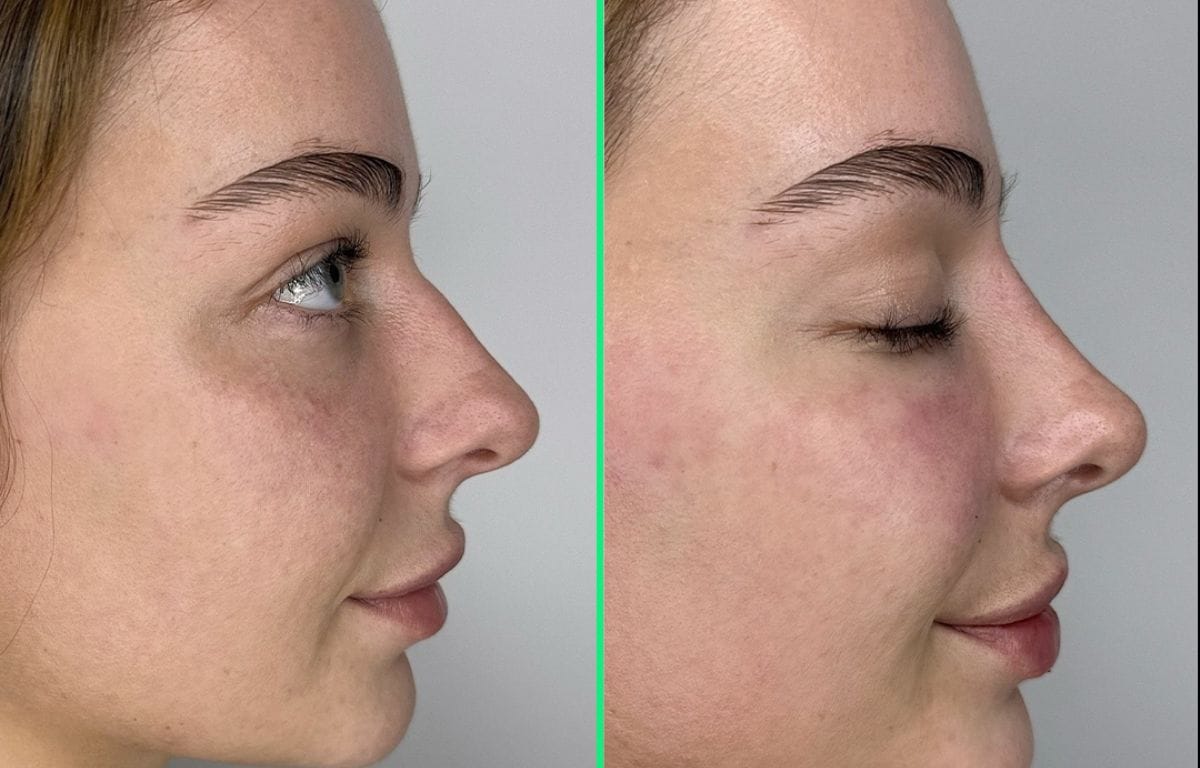
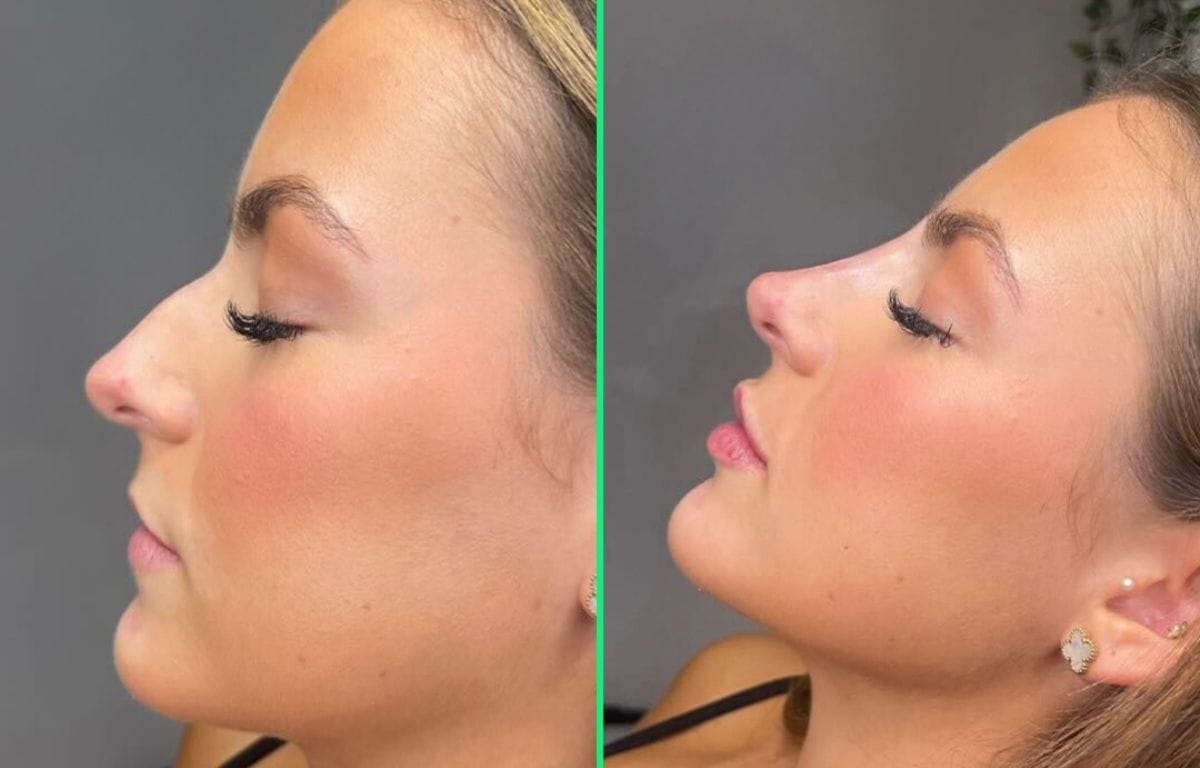
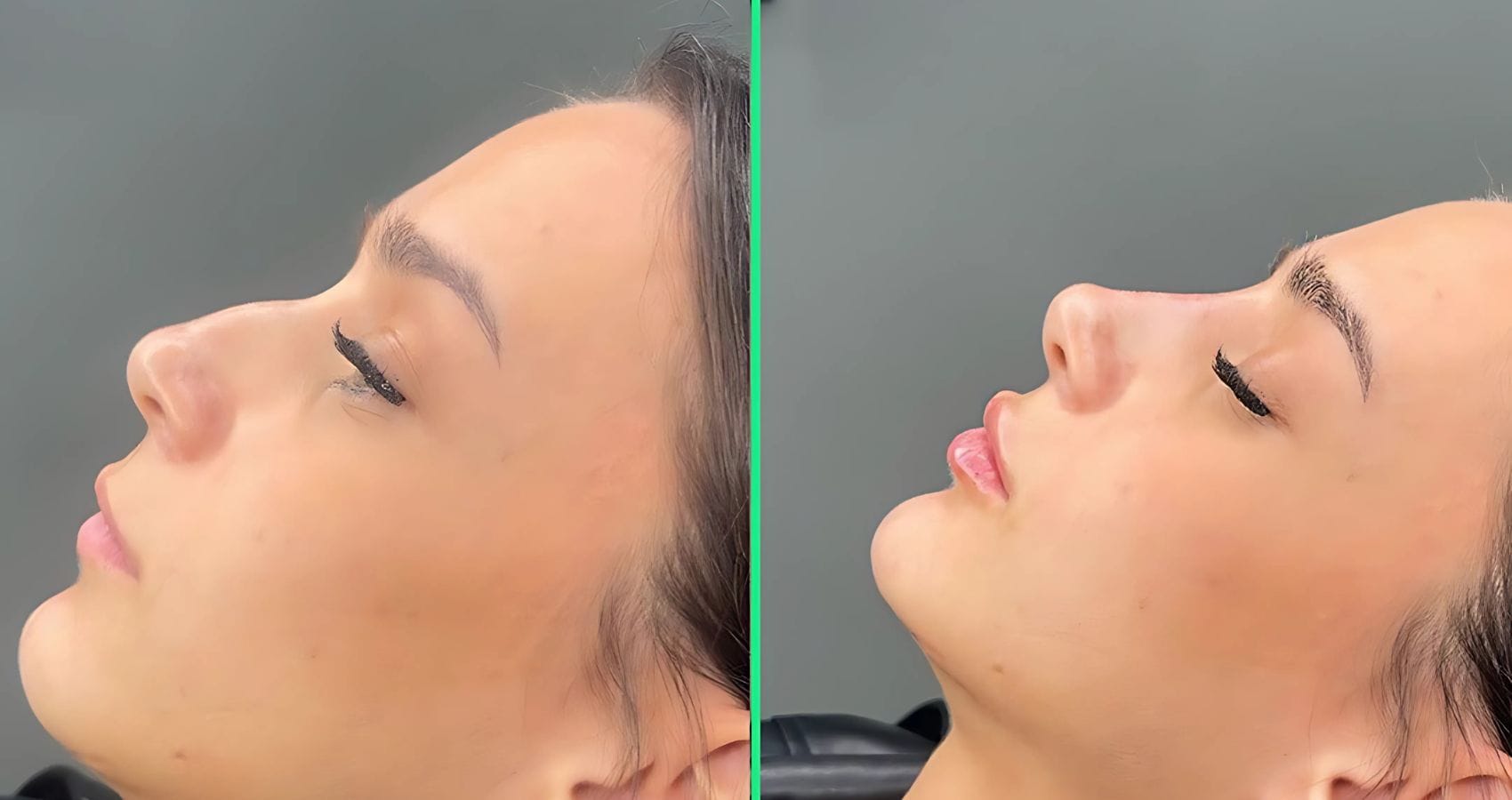
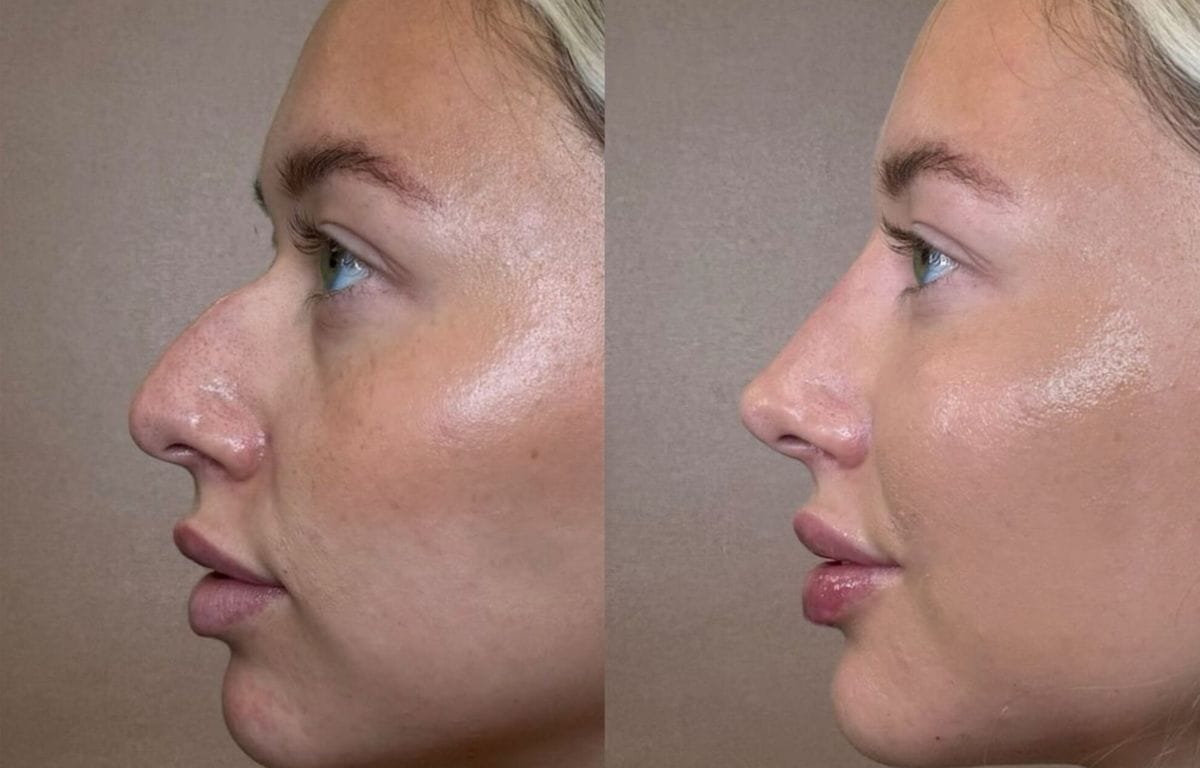
You can see how these decisions look on real faces in our before-and-after gallery, and our rhinoplasty page explains the operation itself.

Rhinoplasty Before & After Results at Vivid Clinic




Frequently Asked Questions
Is a dorsal hump a deformity?
No. A dorsal hump is normal inherited anatomy — a ridge of bone and cartilage along the bridge of the nose, present in a large share of the world’s population. It has no effect on breathing or health. Some humps follow an old nasal fracture, but most are simply the nose someone was born with. Changing one is a personal aesthetic choice, and any clinic that describes an ordinary hump as a defect is marketing rather than diagnosing.
What causes a pollybeak deformity?
Pollybeak is fullness above the tip that erases the natural step in the profile line, and it is a complication of previous surgery rather than a natural shape. The cartilaginous type occurs when too much dorsal septal cartilage is left relative to the tip; the soft-tissue type occurs when the supratip area is over-resected and scar tissue fills the gap. The soft-tissue version is more common in thick skin, and it is treated first with steroid injections and taping rather than immediate surgery.
What is an inverted-V deformity and can it be fixed?
It is a visible step across the middle of the nose where the nasal bones end, caused by collapse of the upper lateral cartilages after a hump was removed without restoring middle-vault support. It usually narrows the internal nasal valve as well, so breathing gets worse. It is correctable: spreader grafts placed between the septum and each upper lateral cartilage restore both the straight dorsal line and the airway.
Can a bulbous nose be made defined?
It can be refined, but skin thickness sets the limit. Surgery narrows and reshapes the tip cartilages with sutures and conservative trimming, and that reliably improves definition. Thick, sebaceous tip skin then masks part of the change, because the new shape has to show through the skin envelope. Realistic expectation-setting matters more here than technique choice, and thick-skinned patients also take longer for swelling to settle — often well past a year.
What is a spreader graft?
A spreader graft is a thin strip of cartilage, usually taken from the septum, placed lengthwise between the septum and the upper lateral cartilage on each side. It holds the middle third of the nose open, which keeps the internal nasal valve at a functional angle and prevents or corrects an inverted-V deformity. It is one of the most commonly used grafts in modern rhinoplasty.
How long should I wait before revision rhinoplasty?
Most surgeons recommend at least twelve months. Swelling takes that long to fully resolve — particularly in the tip and in thick skin — and what looks like a deformity at four months is often unsettled swelling that will improve on its own. Operating early risks correcting a problem that would have disappeared, in tissue that has not yet softened.
Not sure whether what you are seeing is a variation or a problem? Send photographs for a free online assessment and get a plain-English answer about what is actually there — and whether anything needs doing at all.