
 ChatGPT

Medically reviewed by Prof. Dr. Özgür Pilancı, Plastic, Reconstructive & Aesthetic Surgeon — August 2026
Quick answer (updated August 2026): Rhinoplasty in Turkey is typically quoted as an all-in package, and published Turkish clinic prices in 2026 commonly start from around €2,900 and rise with complexity. For comparison, UK private rhinoplasty is commonly quoted at £2,000–£6,000, with most cases falling between £3,000 and £4,000, while the American Society of Plastic Surgeons puts the average US surgeon’s fee at $7,637 — a figure that excludes anaesthesia and facility costs entirely.
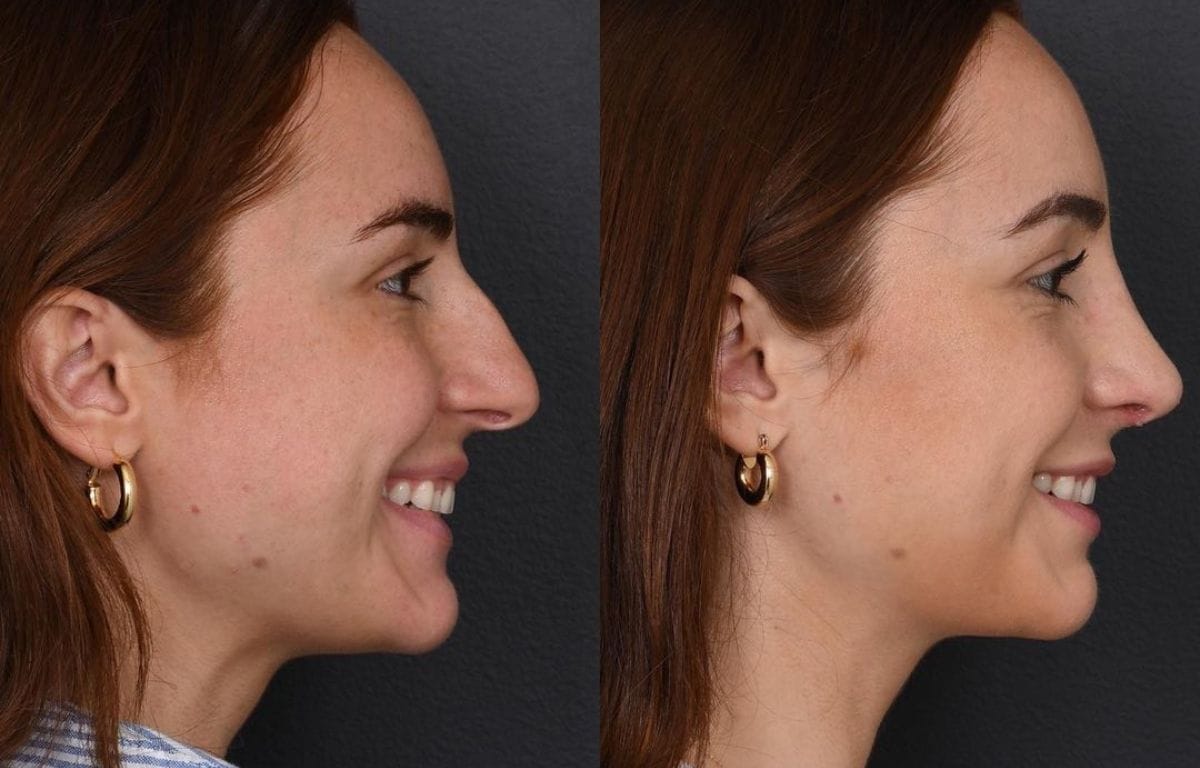
The gap is real, and it comes mostly from lower operating costs and a favourable exchange rate, not from cutting corners. But the price is the easy part of this decision. What matters far more is who is operating, what the package actually covers, and what happens if something goes wrong. If your main concern is wide or flared nostrils, alarplasty (alar base reduction) is a shorter procedure that can be done on its own or added to a full rhinoplasty, and it is usually priced accordingly.
What rhinoplasty costs, compared

| Published price range | What it usually covers | |
|---|---|---|
| Turkey (package) | From around €2,900, rising with complexity (published clinic pricing, 2026) | Usually surgery, anaesthesia, hospital stay, hotel nights, transfers and interpreter — but this varies enormously between clinics |
| UK (private) | £2,000–£6,000, most £3,000–£4,000 | Typically hospital charges, surgeon and anaesthetist fees, and follow-up consultations |
| US (surgeon fee only) | $7,637 average (ASPS) | Surgeon’s fee only — anaesthesia, operating room and related expenses are extra |
Two things to take from that table. First, the US figure is not comparable to the other two: it is a surgeon’s fee in isolation, and the real total is meaningfully higher once anaesthesia and facility charges are added. Second, “from” prices in every market are entry prices for straightforward primary cases. A revision, a thick-skinned tip, a functional septal correction or a rib-graft reconstruction all sit above the headline number, wherever you have them done.
Vivid Clinic’s own rhinoplasty and alarplasty prices are quoted after assessment, because the operation genuinely differs between patients — a small alar base reduction and a revision septorhinoplasty are not the same procedure with the same theatre time. [CONFIRM — insert real package price and inclusions here before publishing, or keep this at-consultation wording. Do not substitute an estimated figure.]
What is rhinoplasty surgery?

Rhinoplasty — from the Greek rhis (nose) and plassein (to shape) — is surgery to change the shape, size or function of the nose. You will also see it written as rhinoplasty surgery, rhino plasty, rhino surgery or simply “a nose job”; they all mean the same thing. In Spanish-language searches, rinoplastia is the surgical operation while rinomodelación usually refers to non-surgical reshaping with fillers, which is a different treatment with different limits.
Rhinoplasty covers a wide range of work. It may reduce a dorsal hump, refine a bulbous tip, narrow the bridge, change tip rotation or projection, narrow the nostril base, straighten a crooked nose, or correct breathing problems by addressing the septum and the nasal valves at the same time. Most operations combine several of these.
Alarplasty: nostril and alar base surgery


Alarplasty — also called alar base reduction, nostril reduction or nostril surgery — narrows the base of the nose. It is one of the most searched nose procedures, and one of the most misunderstood, because two different problems get treated as if they were one.
Alar flaring is outward bowing of the nostril walls beyond a vertical line dropped from where the nostril meets the cheek. Alar base width is the distance between the two nostril bases, measured against the distance between the inner corners of the eyes. They are different measurements and they need different operations: flare is reduced with a wedge excision at the alar crease, while width is reduced with a sill excision at the nostril floor. Many patients have some of each, and the surgeon plans the excision pattern accordingly.
Alar base reduction only — alarplasty as a standalone operation, without touching the bridge or tip — is a legitimate and relatively common request. It is a smaller operation than a full rhinoplasty, usually done under local anaesthesia with sedation, with a shorter recovery. It suits patients whose bridge and tip already please them and whose only concern is nostril width.
The trade-off worth knowing: alarplasty leaves scars. They are placed inside the natural alar crease, where they usually settle to near-invisibility, but they are permanent incisions on the outside of the nose. Over-narrowing is also difficult to reverse, which is why conservative excision is the rule.
Types of rhinoplasty you will see quoted
Open versus closed. Closed (endonasal) rhinoplasty works entirely through incisions inside the nostrils, leaving no external scar. Open rhinoplasty adds a small incision across the columella, the strip of tissue between the nostrils, and lifts the skin to expose the framework. Open gives more direct visibility and control and is generally preferred for complex, revision and thick-skinned cases; closed avoids the columellar scar and often has slightly faster early swelling resolution. Neither is universally better.
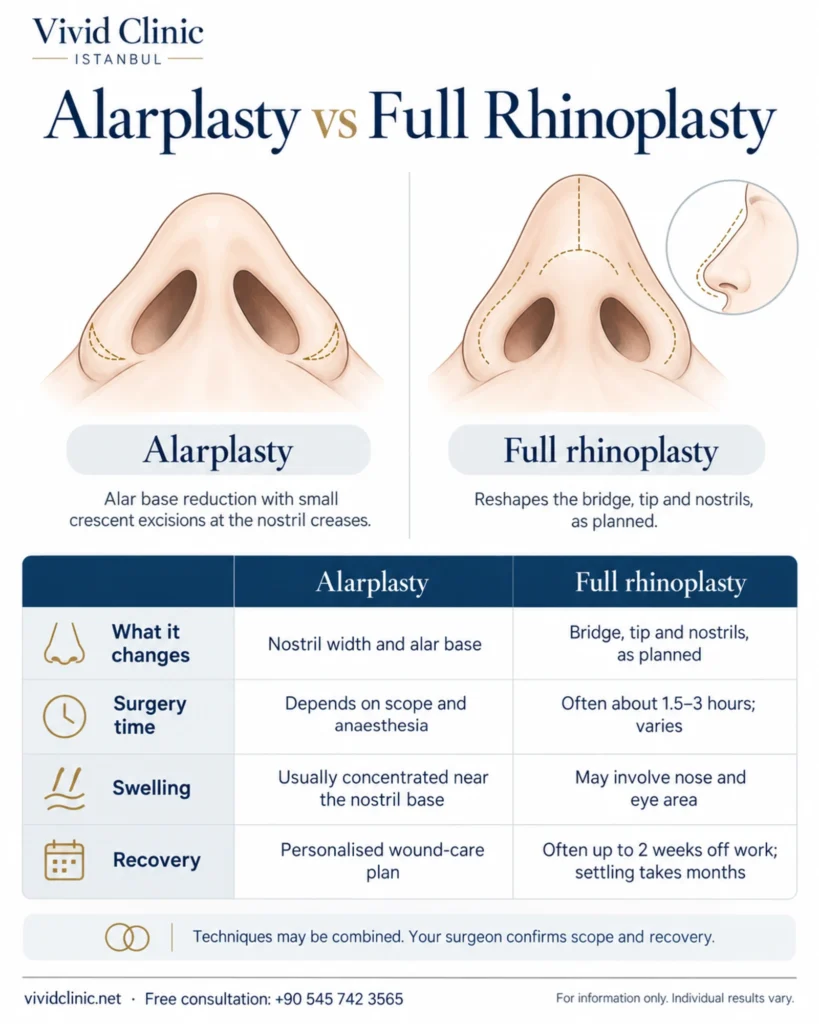
Preservation rhinoplasty lowers the whole bridge as an intact unit rather than removing a hump and rebuilding the roof, keeping the natural dorsal lines and the keystone junction where bone meets cartilage. It suits certain noses very well and others not at all. It is worth asking about, but it is not a technique to insist on before anyone has examined your nose.
Structural rhinoplasty is the mainstream modern approach: grafts and sutures rebuild support rather than simply removing tissue. Spreader grafts, columellar struts and rim grafts all belong to this philosophy, and it exists precisely because the older reduction-only approach produced collapsed middle vaults and retracted nostrils a decade down the line.
Thick skin rhinoplasty. This is not a separate operation but a genuinely different planning problem, and it deserves its own paragraph because so many patients are never told. Thick, sebaceous nasal skin — most pronounced over the tip and supratip — masks the cartilage work underneath it.
In a thick skin bulbous tip, the surgeon can narrow and define the cartilage framework perfectly and the result will still read as softer than a thin-skinned nose, because the definition has to show through the skin envelope. Thick skin also swells for longer, often well beyond a year, and carries a higher risk of soft-tissue fullness above the tip. Good surgeons plan for this with stronger tip support and more projection, and they say so at the consultation rather than afterwards.
Revision rhinoplasty is a second (or later) operation to correct a previous result. It is harder than primary surgery: the tissue is scarred, the skin is less forgiving, and the septal cartilage a surgeon would normally use for grafts may already have been taken. Most surgeons want at least twelve months between operations.
Rhinoplasty results and simulators

A rhinoplasty simulator — morphing software or 3D imaging that shows a projected result at consultation — is a useful communication tool. It lets you and your surgeon agree on a direction rather than trading vague adjectives, and it exposes mismatched expectations early, which is when they are cheap to fix.
It is not a promise. A simulation cannot model your skin thickness, your healing, your cartilage strength or your scar behaviour, and no reputable surgeon will present one as a guaranteed outcome. Treat it as a sketch of intent.
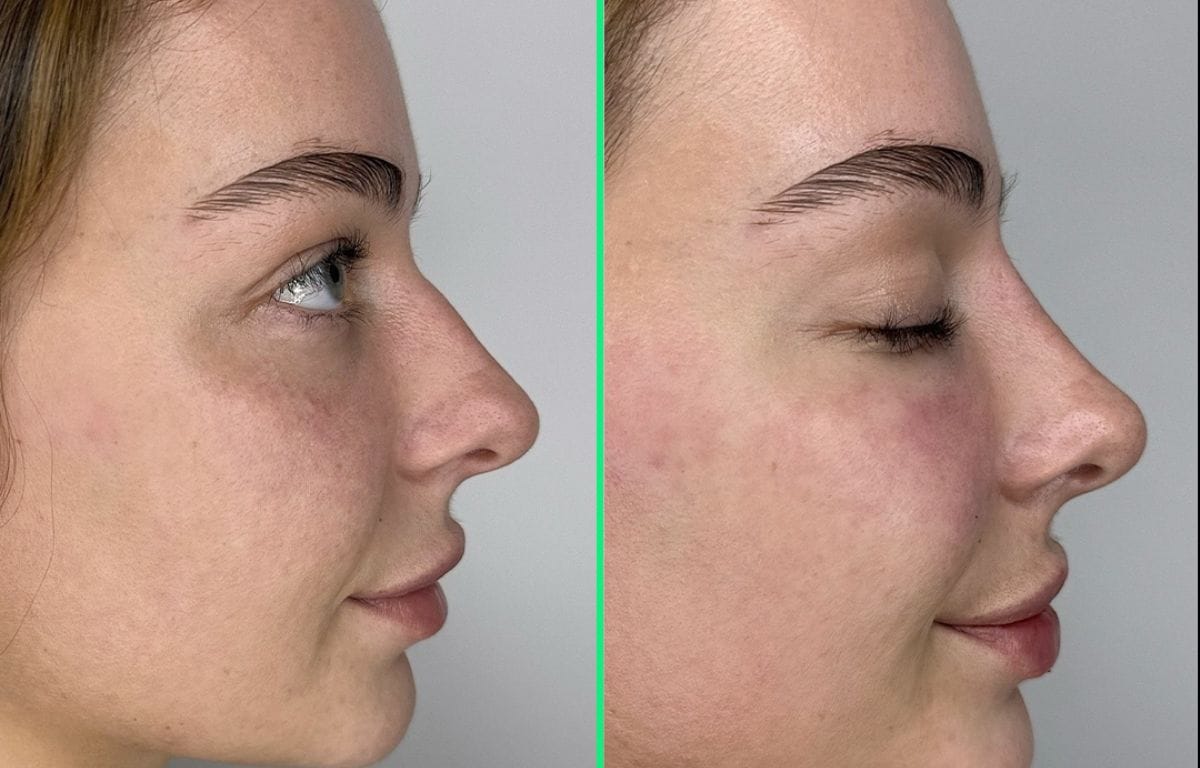
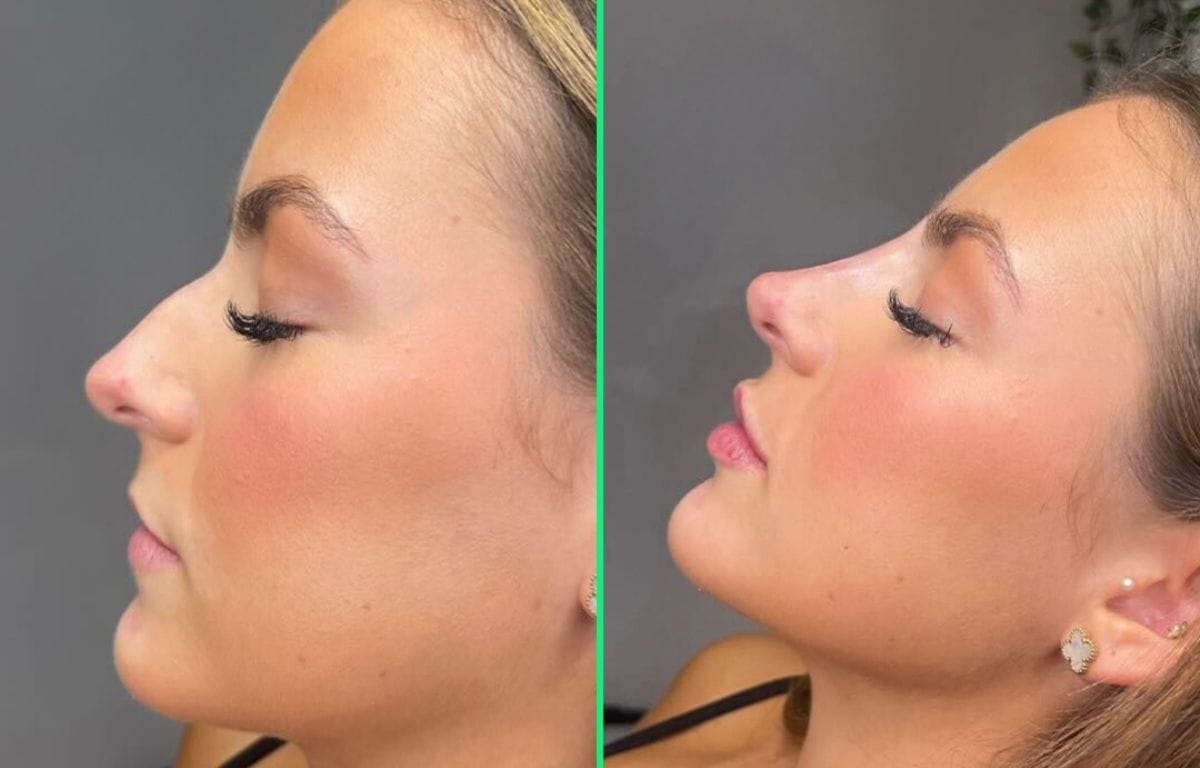
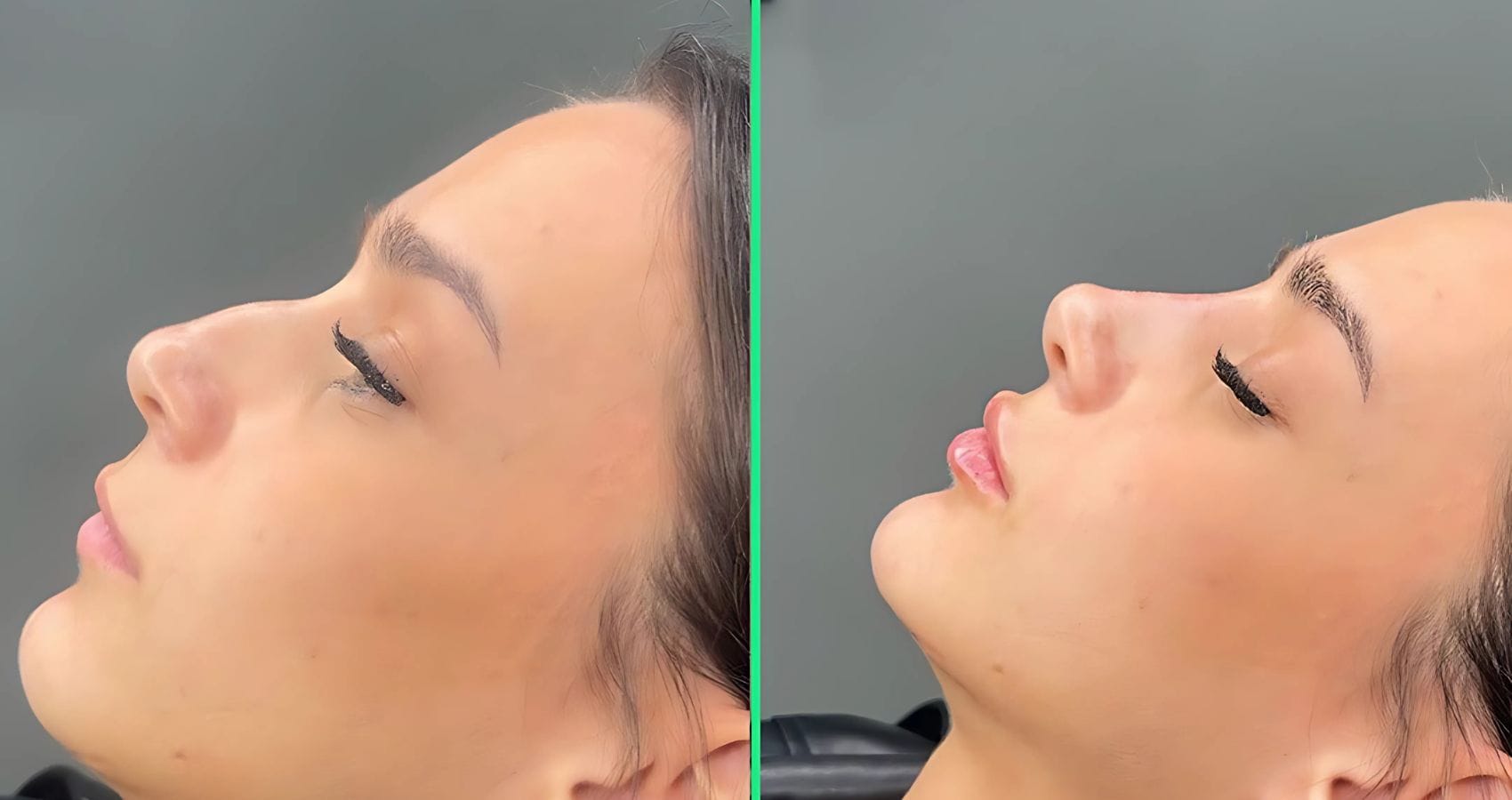
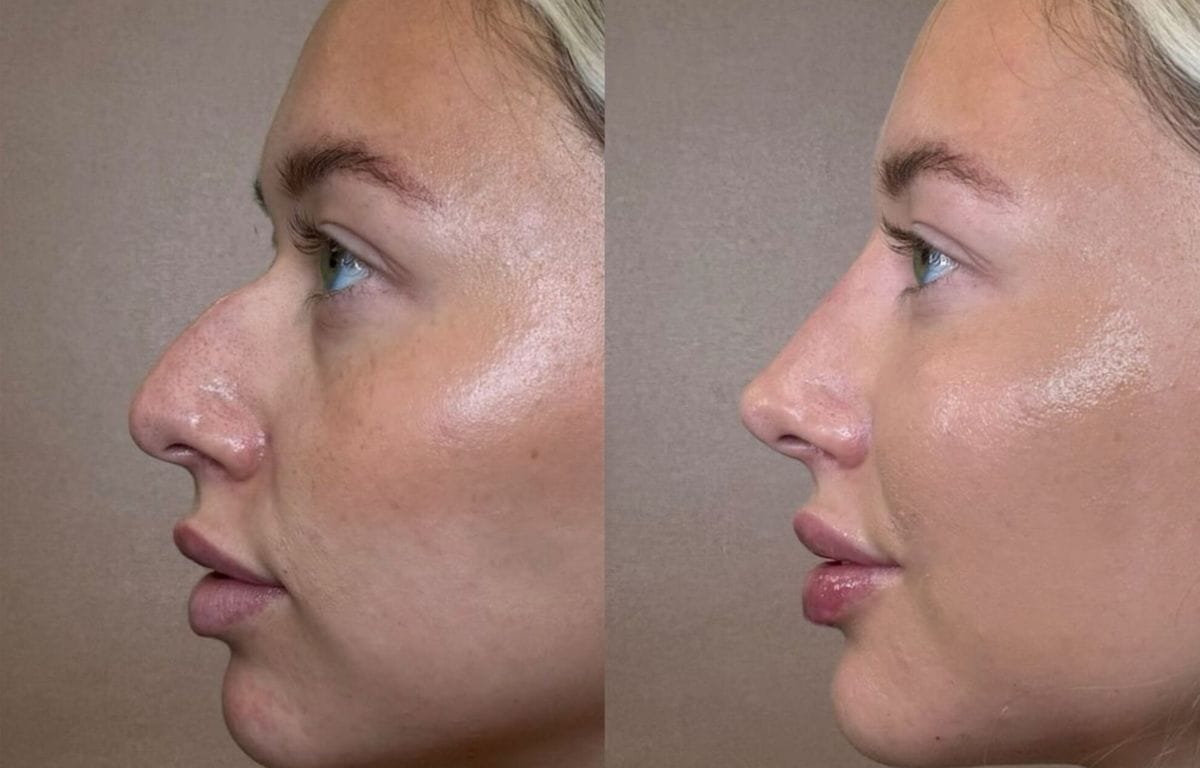
Real rhinoplasty results also arrive slowly. The rough shape appears when the splint comes off at about a week, but the tip refines over many months, and the accepted figure for the final contour is around twelve months — longer in thick skin. Judging your result at six weeks is judging swelling. You can see settled results in our before-and-after gallery.
The safety questions that actually matter
The NHS publishes plain guidance on having cosmetic surgery abroad, and it is worth reading before you book anything anywhere — the NHS page on cosmetic surgery abroad is the honest starting point. Its central warnings are that safety standards vary between countries, that aftercare is the part most often neglected, and that an overseas surgeon has no legal obligation to provide corrective treatment if you are unhappy.
None of that is an argument against travelling for surgery. It is an argument for asking better questions:
- Who is operating, exactly? Get the surgeon’s name in writing before you pay. Ask about their board certification, their training, how many rhinoplasties they perform a year, and how many of your specific case type. In Turkey, look for membership of the Turkish Society of Plastic, Reconstructive and Aesthetic Surgeons (TPRECD) and check the hospital’s Ministry of Health licensing; JCI accreditation is an additional international standard some hospitals hold.
- Where is the operation taking place? A licensed full hospital with intensive-care capability is not the same as a day clinic.
- What does the price include, and what does it not? Anaesthesia, facility fee, implants or grafts, medication, splint removal, garments, extra nights if you need them.
- What is the revision policy? This is the question patients most often forget. Ask who pays for a revision, over what time window, and who pays for the flights.
- Who do you call at 2am in week three, and in what language? Named contact, real phone number, and a plan for what happens if you develop a fever or bleeding after you have flown home.
- What is the plan if something goes wrong while you are still in Turkey? Extra nights, readmission, and who covers the cost.
Check your travel insurance too: standard policies routinely exclude complications of elective surgery.
The trip itself

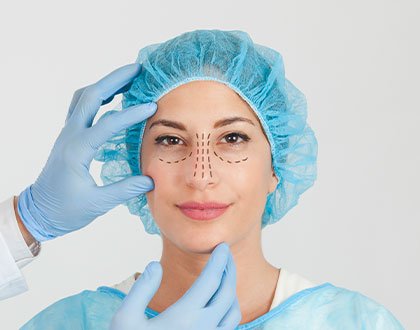
A typical rhinoplasty journey runs like this. Photographs and history are reviewed remotely; you travel; you are examined in person and the plan is confirmed before anything is agreed; pre-operative bloods and assessment happen; surgery takes roughly two to four hours under general anaesthesia; you stay one night in hospital in most cases; the external splint stays on for about a week; it is removed before you fly home; and you fly with your surgeon’s clearance, usually around 7 to 10 days after the operation.
Flying earlier is the most common mistake. Cabin pressure changes are uncomfortable on a freshly operated nose, and surgery plus long-haul travel raises the risk of blood clots — the reason the NHS advises resting rather than travelling in the first days after an operation. [CONFIRM — replace with Vivid’s actual stay length and flight-clearance protocol.]
If you are weighing the whole decision rather than just the price, our rhinoplasty page covers the operation in detail, and our face aesthetics hub sets it alongside the other facial procedures patients often combine it with.
Rhinoplasty Before & After Results at Vivid Clinic



Frequently Asked Questions
What is alarplasty?
Alarplasty, or alar base reduction, is surgery that narrows the base of the nose. It reduces alar flaring — nostril walls that bow outward — with a wedge excision at the crease where the nostril meets the cheek, and reduces nostril width with an excision at the nostril floor. It can be done as part of a full rhinoplasty or as a standalone operation under local anaesthesia with sedation. The scars sit in the natural alar crease and usually settle well, but they are permanent, and over-narrowing is hard to reverse, so conservative excision is standard.
How much is a rhinoplasty in Turkey?
Published Turkish clinic package prices in 2026 commonly start from around €2,900 and rise with the complexity of the case. That headline figure is for a straightforward primary rhinoplasty; revision surgery, functional septal work, thick-skinned tips and rib-graft reconstructions all cost more. Because packages differ so much in what they include, compare inclusions rather than headline numbers — anaesthesia, hospital nights, transfers, medication, splint removal, follow-up and revision policy are where the real differences sit.
Why is rhinoplasty cheaper in Turkey than in the UK?
Mostly lower operating costs — staff, facilities, insurance and overheads — combined with a favourable exchange rate and a high volume of international patients, which lets clinics run efficiently. Surgeon skill is not what varies by country; it varies by surgeon, everywhere. That is why the sensible way to use a price difference is to spend some of the saving on verifying the surgeon rather than treating the low price as the whole benefit.
What is the difference between open and closed rhinoplasty?
Closed rhinoplasty is performed entirely through incisions inside the nostrils and leaves no visible external scar. Open rhinoplasty adds a small incision across the columella between the nostrils, allowing the skin to be lifted and the framework seen directly. Open is usually preferred for complex tip work, revisions and thick skin because of the visibility it gives; closed avoids the external scar. The choice should follow your anatomy, not a clinic’s default.
Does thick skin change what rhinoplasty can achieve?
Yes, and it is one of the most important things to establish at consultation. Thick, oily nasal skin conceals the cartilage refinement underneath, so a thick-skinned tip will always read as softer than a thin-skinned one, however precise the surgery. Thick skin also swells for longer — often well past a year — and carries a higher risk of fullness developing above the tip. It does not prevent a good result, but it changes what a realistic result looks like, and a surgeon who raises this before surgery is doing you a favour.
When can I fly home after rhinoplasty in Turkey?
Most patients fly around 7 to 10 days after surgery, after the external splint has been removed and with the surgeon’s clearance. Flying sooner is uncomfortable and carries the added blood-clot risk that comes from combining recent surgery with long-haul travel, which is why the NHS advises resting rather than travelling in the days immediately after an operation. Follow your own surgeon’s instruction over any general figure, including this one.
How long until I see my final rhinoplasty result?
The overall shape is visible when the splint comes off at about a week, but that is a swollen nose. Most swelling settles over the first two to three months, tip definition continues to emerge for six to twelve months, and the accepted point for a final contour is around twelve months — longer for thick skin. Judging the result early, and particularly asking about revision early, is the most common mistake patients make.
Want to know what your nose actually needs — and what it would cost? Send photographs for a free online assessment and get an honest answer about which procedure fits, including whether a smaller operation would do the job.