 ChatGPT
Medically reviewed by Prof. Dr. Özgür Pilancı, Plastic, Reconstructive & Aesthetic Surgeon — August 2026
Quick answer (updated August 2026): Body types are descriptions of where your frame, muscle and fat sit, not diagnoses. A pear body — sometimes called bottom-heavy or gynoid — stores proportionally more fat on the hips, thighs and buttocks than around the middle. It is a normal, largely inherited pattern, and from a metabolic point of view it is the lower-risk distribution: fat carried around the organs in the abdomen is what raises health risk, not fat on the hips. Where fat sits is not something training or diet can meaningfully redirect. What you can change is total body fat, muscle shape, and — surgically — localised deposits that stay put at a stable weight.

What the shape labels actually describe
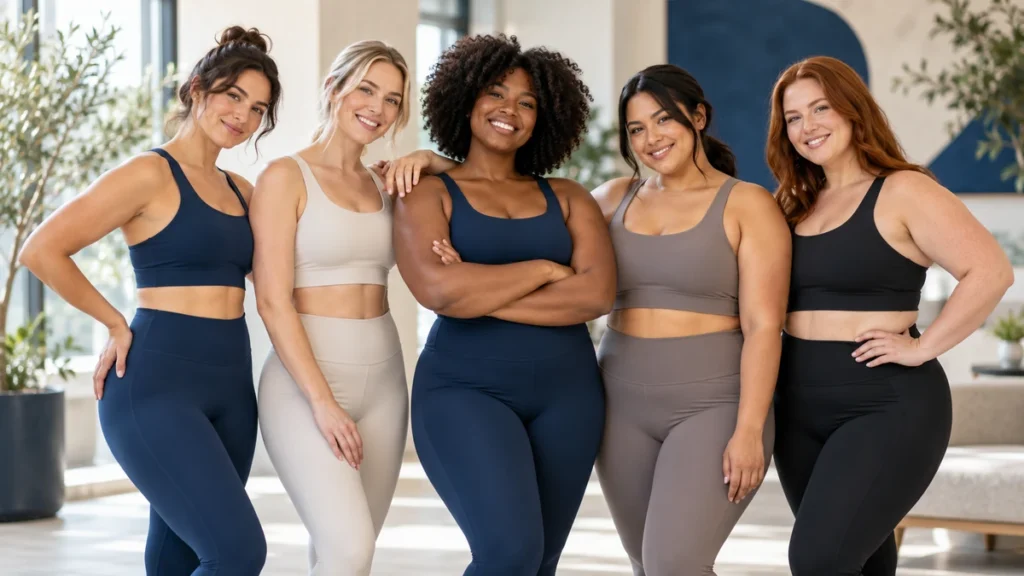
Pear, apple, hourglass, rectangle, inverted triangle. These are descriptions of proportion — the relationship between shoulders, waist and hips — and they come from clothing and fitness culture rather than from medicine.
That does not make them useless. They describe something real: people genuinely do differ in where they store fat and in the width of their skeletal frame. But two limits are worth stating.
First, the labels describe a distribution, not a size. A pear shape exists at any body weight. Losing weight generally makes someone a smaller version of the same shape rather than converting them into a different one.
Second, most people do not fit neatly into one category, and the category can shift across a lifetime with puberty, pregnancy, menopause and age.
The version of this idea with the most scientific content is the distinction between gynoid fat distribution — the lower-body, hip-and-thigh pattern more common in women and strongly influenced by oestrogen — and android distribution, the around-the-middle pattern more common in men and more common in women after menopause.

Somatotypes: where ectomorph, mesomorph and endomorph came from
Anyone reading about body types quickly meets the three somatotypes: ectomorph (lean, narrow-framed), mesomorph (muscular, broad-shouldered) and endomorph (softer, rounder, gains weight readily). Harvard Health explains why fat stored around the abdomen carries more health risk.
The honest history matters here. These categories were devised in the 1940s by the psychologist William Sheldon as part of constitutional psychology — a framework that claimed physique predicted personality and temperament. That claim has been thoroughly discarded. The physical descriptions survived into fitness culture, where they are used as informal shorthand.
As shorthand they are harmless enough. As a training or nutrition prescription they are weak: there is no strong evidence that these categories predict how a given person responds to training or to a particular diet, and most people are a blend rather than a type. Treat “eat for your body type” advice with the scepticism it deserves.
Where your fat sits, and why it matters more than shape

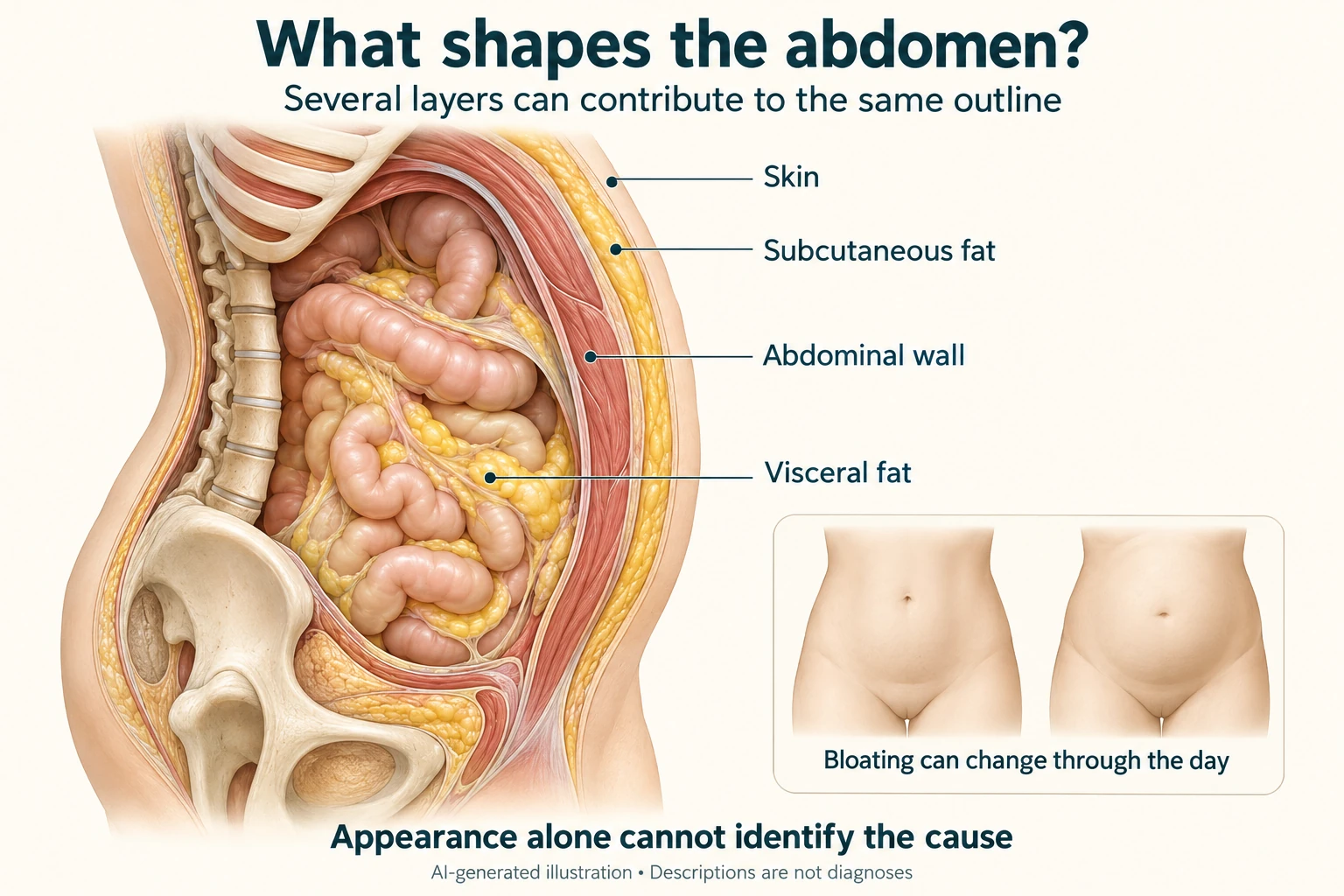
The distinction that genuinely affects health is not pear versus apple. It is subcutaneous versus visceral fat.
Subcutaneous fat sits just under the skin — the layer you can pinch — and makes up around 90% of body fat. Visceral fat is the remaining tenth or so, packed around the organs inside the abdomen. Visceral fat is far more metabolically active, producing inflammatory signalling molecules and precursors that raise blood pressure. That is why abdominal fat is linked more strongly with cardiovascular disease and other conditions than hip and thigh fat is, and why a pear distribution is comparatively protective.
A practical measure that captures this better than weight alone is the waist-to-height ratio: measure your waist midway between the bottom of your ribs and the top of your hips, and divide by your height in the same units. Broadly, 0.4 to 0.49 is the healthy range, 0.5 to 0.59 indicates increased risk, and 0.6 or above indicates the highest risk. It works for adults with a BMI below 35; above that, ask a clinician.
The encouraging part: visceral fat responds better to diet and exercise than lower-body fat does. Regular activity, strength work, adequate sleep and not smoking all reduce it — and no cosmetic procedure touches it at all.
What can and cannot be changed

Cannot be changed. Your skeletal frame — shoulder width, hip width, torso length, limb proportion. And the pattern of where you store fat, which is largely genetic and hormonal. There is no exercise that reduces fat from one specific area; spot reduction does not work, and repetitions of a particular movement build the muscle underneath without preferentially burning the fat over it.
Can be changed. Total body fat, through sustained changes to eating and activity. Muscle size and shape, through resistance training — this is what most visibly alters a physique, and it is the reason “average male physique” changes so much with a couple of years of training while the underlying frame stays exactly the same. Posture and core strength, which change how proportions read.
Can be changed surgically, within limits. Liposuction removes localised subcutaneous fat deposits that persist at a stable weight. Skin-excision procedures such as an abdominoplasty, arm lift or lower body lift remove loose skin that will not retract, which is a common issue after significant weight loss or pregnancy.
Where surgery fits — and where it does not

This is the section most worth being blunt about, and professional bodies say the same thing.
Liposuction is contouring, not weight loss. Most patients lose only two to five pounds. Suitable candidates are within roughly 30% of a healthy weight, at a stable weight, and seeking to reduce a specific deposit rather than to become smaller overall.
Liposuction cannot reach visceral fat. It removes fat below the skin and above the muscle. The fat inside the abdominal wall — the kind that matters most for health — is untouchable by any cannula and responds only to diet and exercise.
Liposuction does not treat cellulite, which involves fibrous bands tethering the skin rather than fat volume alone, and it does not tighten loose skin. Removing volume from beneath skin that has lost elasticity can leave it looking deflated, which is why skin quality is assessed before surgery and why skin-excision procedures exist. Our Vaser liposuction page covers the technique, and the abdominoplasty page covers the skin-and-muscle side of the abdomen; the tummy tuck costs guide sets out pricing.
Fat cells removed do not return — but the remaining ones can enlarge if weight rises, so results depend on maintaining a stable weight.
You can see how body contouring decisions read on real patients in our before-and-after gallery, and the body aesthetics hub sets out the range of procedures.

When “bottom-heavy” is a medical condition

One important exception to everything above. If fat on the legs and hips is markedly disproportionate to the rest of the body, tender or painful to touch, bruises easily, feels nodular under the skin, and does not respond to weight loss — particularly if it spares the feet, leaving a distinct cuff at the ankle — that pattern may be lipedema, a chronic condition of abnormal fat distribution rather than ordinary body shape.
Lipedema is widely under-diagnosed and is frequently mistaken for obesity, which leaves patients being told to try harder at something that was never going to work. It has specific management, and specialised liposuction techniques form part of it. If that description matches your experience, seek a medical assessment rather than a cosmetic consultation.

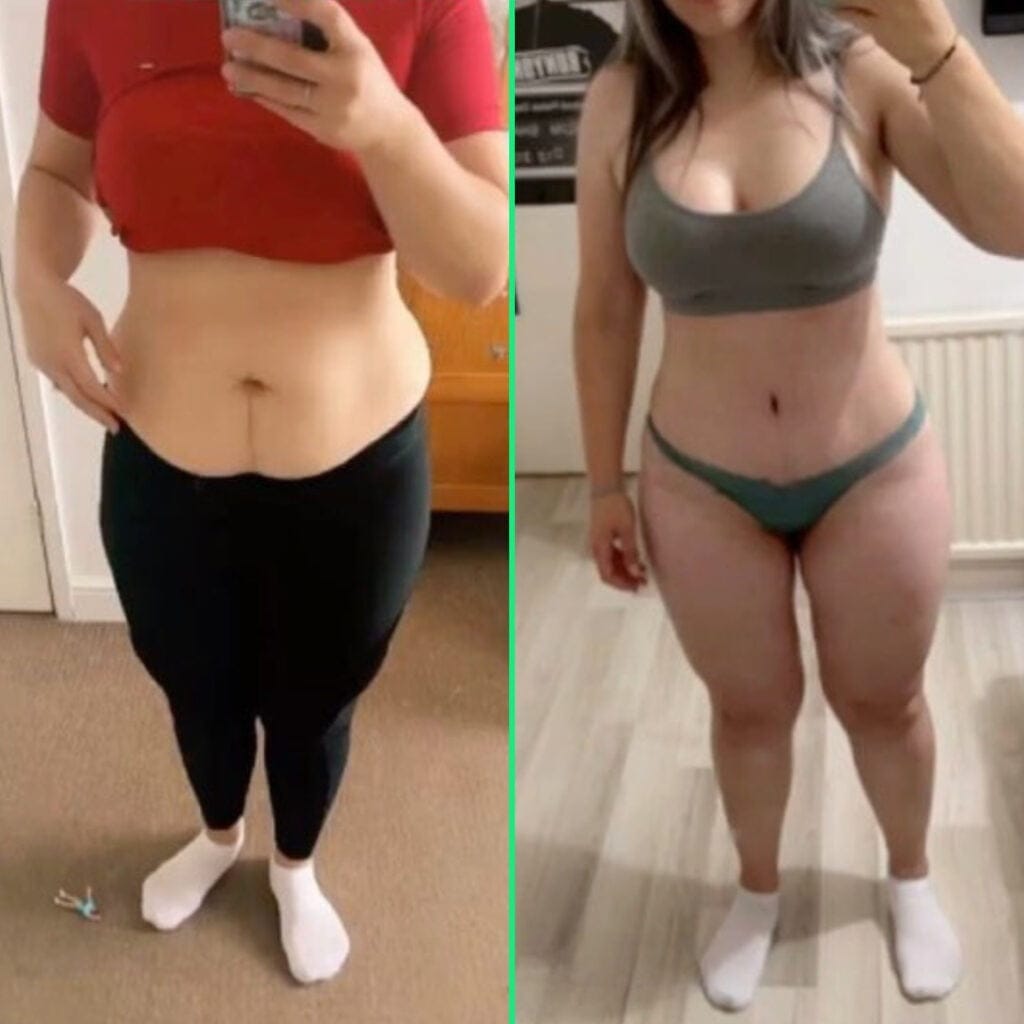
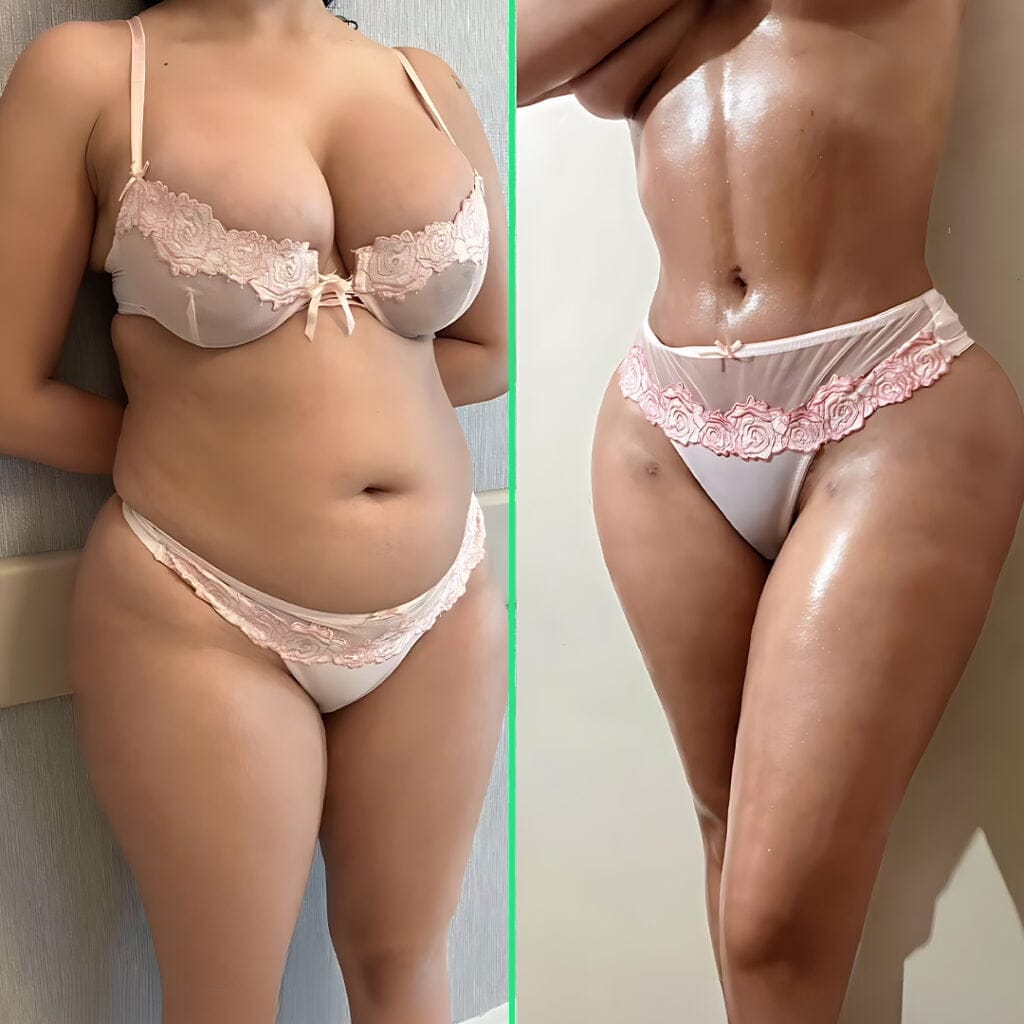
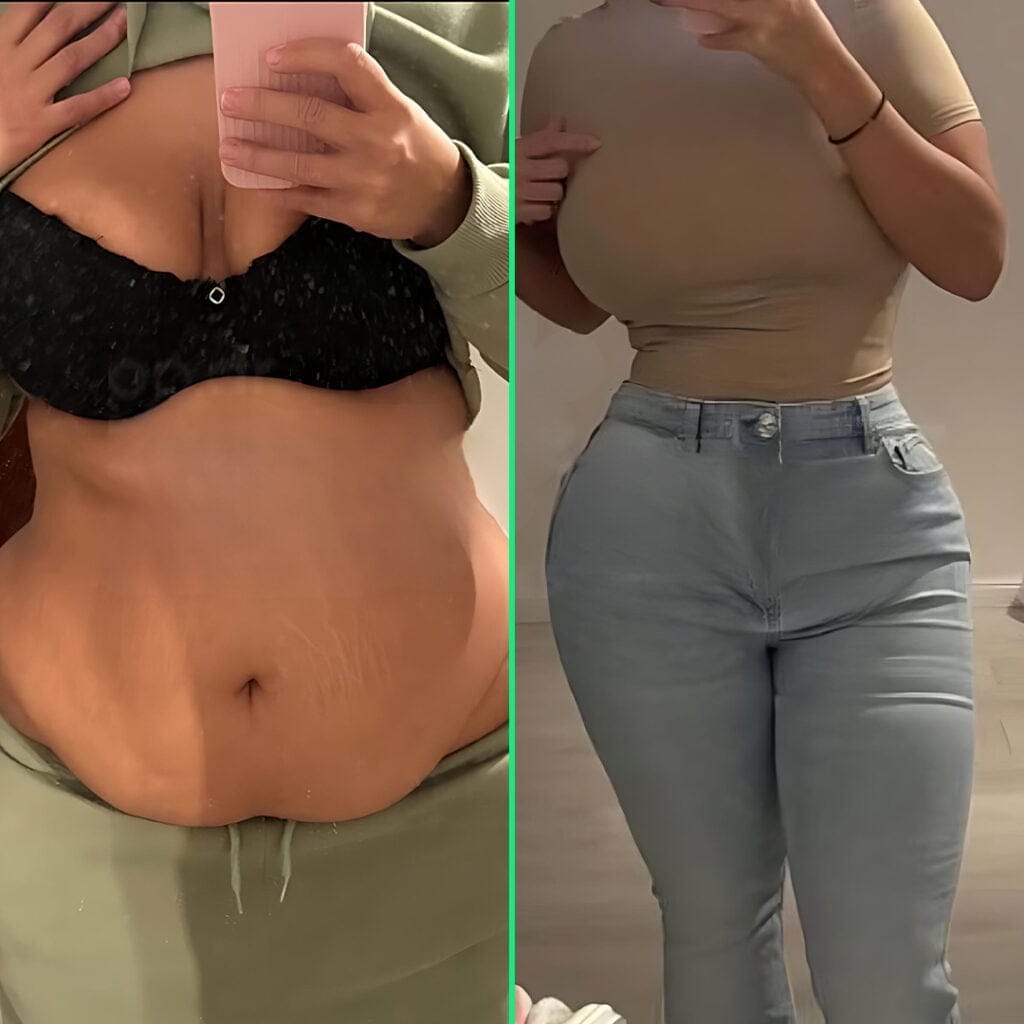
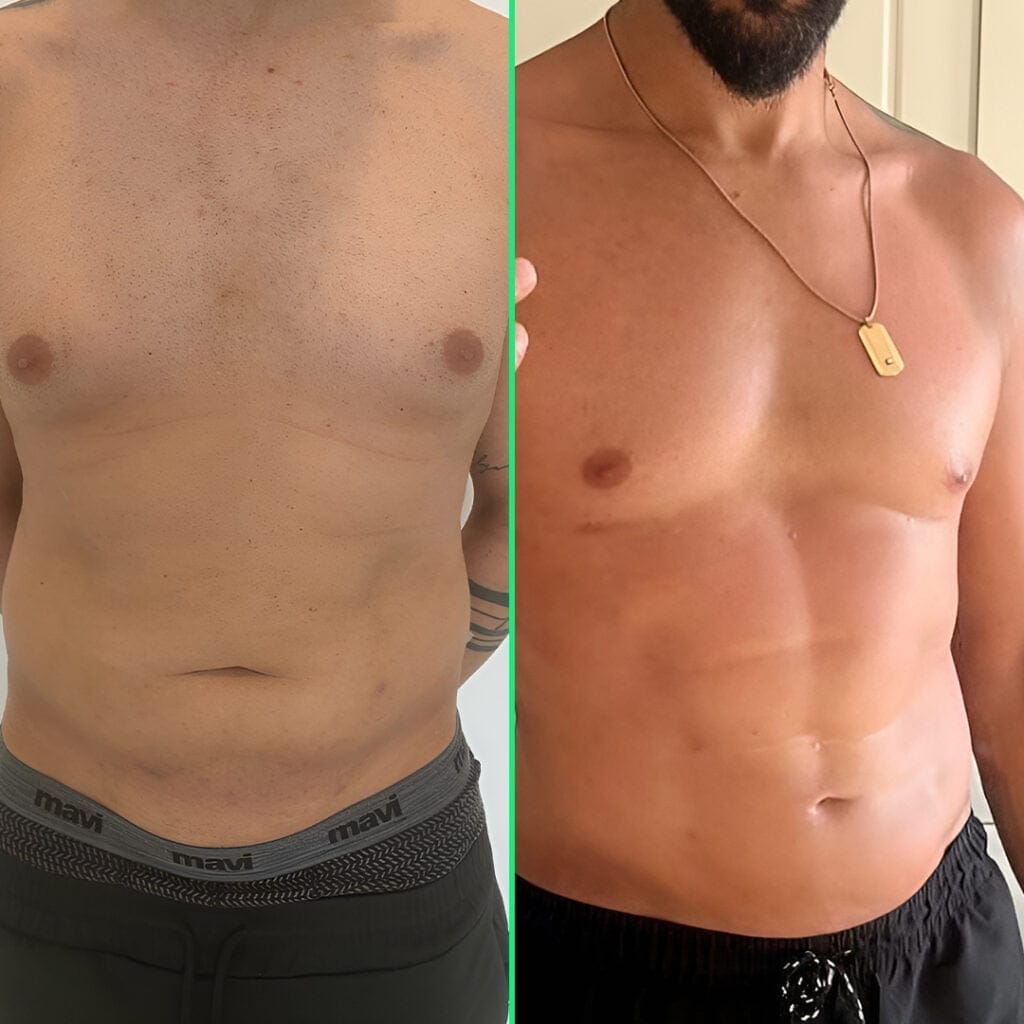
Body Contouring Before and After Results at Vivid Clinic
These before-and-after photos show real Vivid Clinic patients treated in Istanbul, shared with their consent. Photos are matched for angle and lighting wherever possible. Individual results vary. Browse the full Before & After Gallery.


Frequently Asked Questions
What is a pear body shape?
A pear or “bottom-heavy” shape stores proportionally more fat around the hips, thighs and buttocks than around the waist and abdomen, so hip measurement exceeds bust and waist. In medical terms this is a gynoid fat distribution, strongly influenced by oestrogen and largely inherited. It is a normal variation, not a condition, and metabolically it is the lower-risk pattern compared with carrying the same amount of fat around the middle.
Can you change your body type?
You can change your body composition; you cannot change your frame. Skeletal proportions — shoulder width, hip width, limb length — are fixed in adulthood, and the pattern of where your body preferentially stores fat is largely genetic and hormonal. What responds to effort is total body fat and muscle development, and those two together can change how a physique looks considerably without changing the underlying shape category at all.
Is a pear shape healthier than an apple shape?
Generally, yes, for a given amount of body fat. Fat stored around the organs in the abdomen — visceral fat — is metabolically active in ways that raise cardiovascular and metabolic risk, whereas fat stored on the hips and thighs is comparatively inert. This is why waist measurement, and particularly waist-to-height ratio, predicts health outcomes better than weight or BMI alone. It does not mean a pear distribution is risk-free, only that the same fat carried lower is less harmful.
Are ectomorph, mesomorph and endomorph real?
They are real as descriptions and weak as predictions. The three somatotypes were devised in the 1940s within constitutional psychology, a framework claiming physique predicted personality, which has long since been discarded. The physical descriptions persist in fitness culture as convenient shorthand, but there is no strong evidence that they determine how you respond to training or which diet suits you, and most people are a mixture rather than a type.
Can exercise reduce fat from one specific area?
No. Spot reduction does not work: training a muscle group builds that muscle but does not preferentially burn the fat lying over it. Fat loss happens across the body in a pattern set largely by genetics and hormones, and for most people the last area to change is the one they most want to change. This is precisely the gap that liposuction addresses for localised deposits in someone already at a stable, healthy weight.
Will liposuction change my body shape?
It will refine a contour; it will not convert one shape into another. Liposuction removes localised subcutaneous fat in someone at a stable weight, with most patients losing only two to five pounds in total. It cannot reach visceral fat inside the abdomen, does not treat cellulite, and does not tighten loose skin — where skin elasticity is poor, a skin-excision procedure is what is needed instead. Realistic expectations are the single biggest predictor of satisfaction with body contouring.
Not sure whether your concern is fat, skin, muscle or simply frame? Send photographs for a free online assessment and get a straight answer about what would and would not change — including when the honest answer is that nothing surgical is warranted.