

Medically reviewed by Prof. Dr. Özgür Pilancı, Plastic, Reconstructive & Aesthetic Surgeon — August 2026
Quick answer (updated August 2026): Brown skin tones span a wide range, from light tan through honey and olive to deep brown. Your skin tone is the depth of your skin’s color — from beige and light tan through golden, honey and olive to light, medium and deep brown — and it is separate from your undertone, the warm, cool or neutral cast underneath. Every point on that spectrum is a normal, healthy variation. What changes along it is practical: medium-to-deep tones (Fitzpatrick III–VI) tan readily, carry a lower — but never zero — skin cancer risk, mark more easily after inflammation, and need laser and light treatments chosen with more care.

What “skin tone” actually means
Skin tone is the visible depth of pigment in your skin, set by how much melanin your melanocytes produce — not by how many melanocytes you have, which is roughly the same in everyone. Two independent axes describe any complexion: depth (light, medium, tan, brown, deep) and undertone (warm, cool or neutral).
That independence is the most useful fact in this subject: there is light skin with warm golden undertones and deep brown skin with cool ones. A neutral skin tone means neither warmth nor coolness dominates, and it occurs at every depth, from a light skin tone to the deepest brown.
One caveat: words like beige, honey and caramel are cosmetic-counter vocabulary, not medical categories — useful for matching foundation, but with blurry edges.
The medium-to-deep spectrum, named
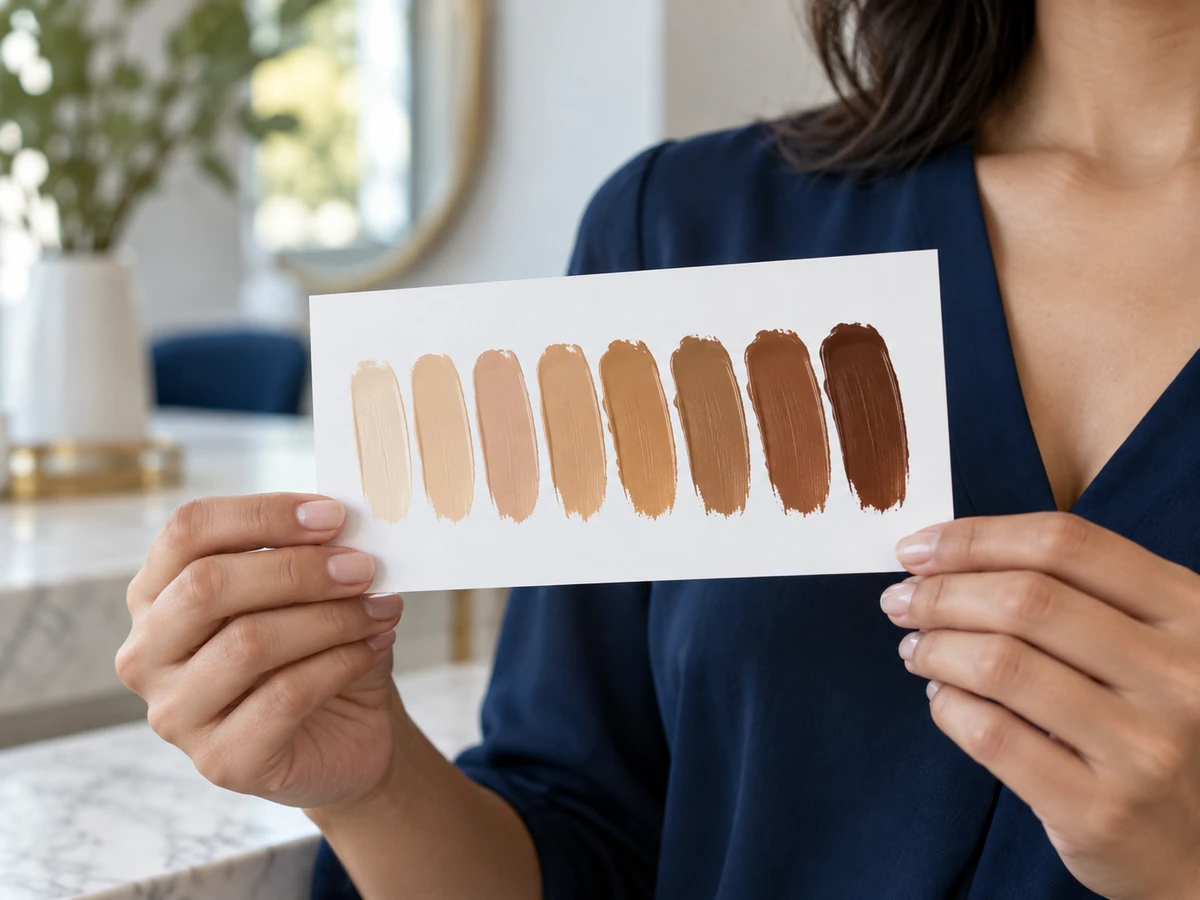
Here is the range this guide covers, roughly from lighter to deeper — points on a continuum, not boxes.
Beige skin sits between fair and medium: light with a subtle warmth, often neutral-to-warm in undertone. Light tan skin is a shade deeper — skin that tans easily and holds a soft brown cast year-round.
A medium skin tone is the broad middle of the spectrum. Olive skin is a medium tone with a distinctive greenish-neutral undertone that can read warm in summer and cool in winter — which is why olive skin so often confuses undertone quizzes.
Golden brown skin tone and honey tan skin describe medium-to-tan depths with clearly warm, yellow-gold undertones — the shades that deepen fastest in the sun. Deep tan skin is the darker end of the tanning range, where a summer tan and a baseline tone blur.
Light brown skin — often written light brown skin tone — begins the brown range: visibly brown all year, most often warm or neutral in undertone. Warm brown skin and medium brown skin tone sit deeper, with golden, red or coppery warmth; beyond them the rich, deep browns complete the spectrum, frequently with cool or neutral undertones.
No tone on this list is better than another. The reason to know where you sit is practical — it predicts how your skin behaves.
Fitzpatrick III–VI: how medium-to-deep skin behaves

Dermatologists classify sun response with the Fitzpatrick scale. Type III burns slightly and tans gradually; type IV rarely burns and tans easily; type V burns minimally and tans deeply; type VI essentially never burns. The tones above fall between III and VI.
More melanin is real protection — it absorbs and scatters ultraviolet light, so sunburn and sun-driven skin cancers are genuinely less common as depth increases. But the risk is not zero, and there is a serious catch: in deeper skin tones, skin cancer is more often found late, when it is harder to treat, and it tends to appear in places sun never reaches — the palms, the soles, under the nails, inside the mouth. A new dark streak in a nail, a sore that will not heal, or any growth that bleeds, itches or changes deserves a dermatologist’s eyes, whatever your tone.
What deeper tones mean for skin treatments
Melanin-rich skin responds to injury differently, and three things follow.
Post-inflammatory hyperpigmentation (PIH). After acne, a cut, a burn or an aggressive treatment, deeper tones are more likely to over-produce melanin at the healing site, leaving a flat dark mark that can take six to twelve months — sometimes years — to fade. Prevention beats treatment: treat the acne, skip the picking, be conservative with anything that inflames the skin.
Keloid tendency. Keloids — raised scars that outgrow the original wound — are markedly more common in deeply pigmented skin, most often between ages 10 and 30, and about a third of affected people have a close relative who keloids too. If that is you, say so before any piercing, tattoo or surgery, because technique and aftercare can be adjusted.
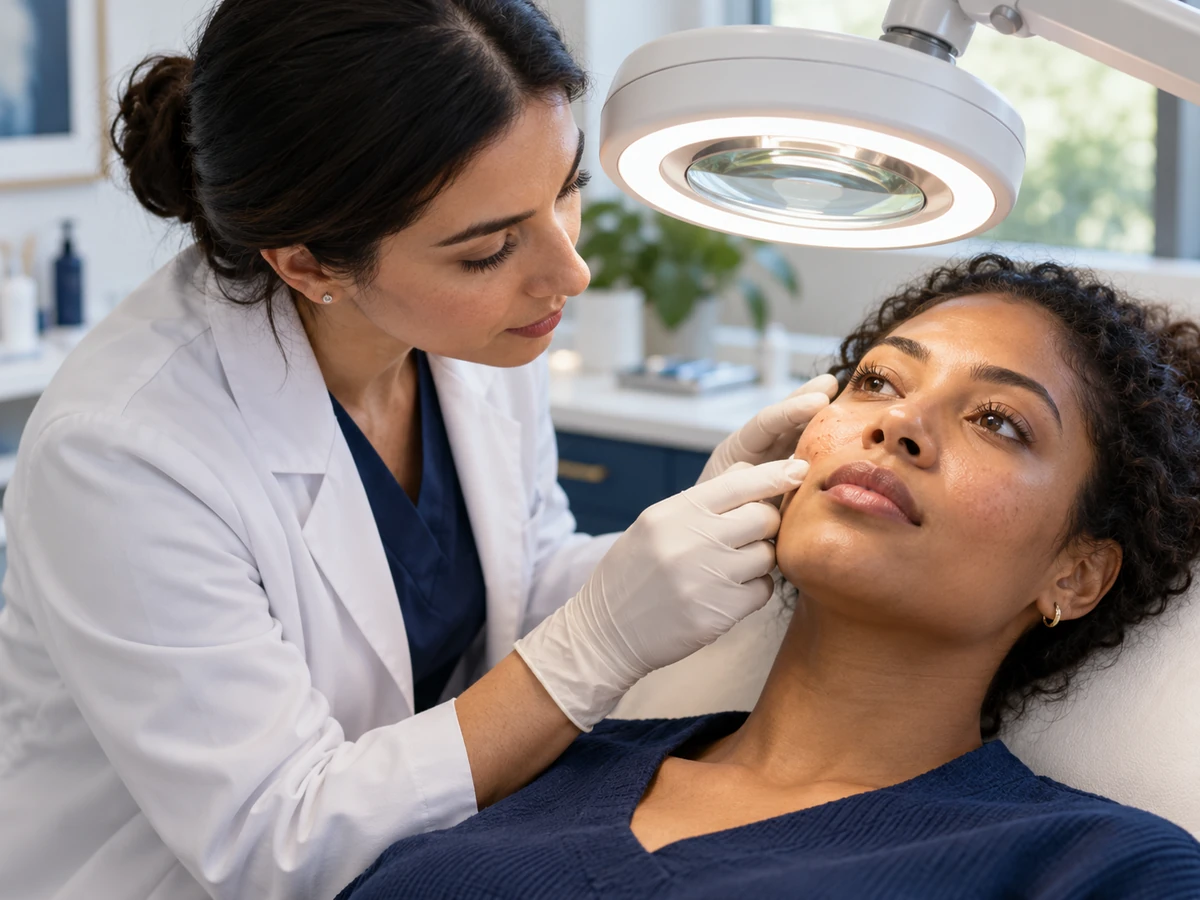
Lasers and IPL need different settings. Devices that target pigment cannot always tell hair or a dark spot from the melanin in the surrounding skin. In Fitzpatrick IV–VI, published guidance calls for longer wavelengths, lower fluences and longer pulse durations, because the risk of post-treatment hyper- or hypopigmentation is higher. None of this makes laser off-limits for brown skin — it makes the practitioner the decision. Choose someone who treats deeper tones routinely, ask which wavelength and why, and expect a test patch.
Sunscreen without the white cast — the honest answer
Every depth of tone needs daily SPF. UV still drives photoaging, uneven pigment and melasma in tan and brown skin, and visible light — ordinary daylight — is a major trigger of dark spots in deeper tones specifically. The American Academy of Dermatology answers common sunscreen questions for every skin tone.
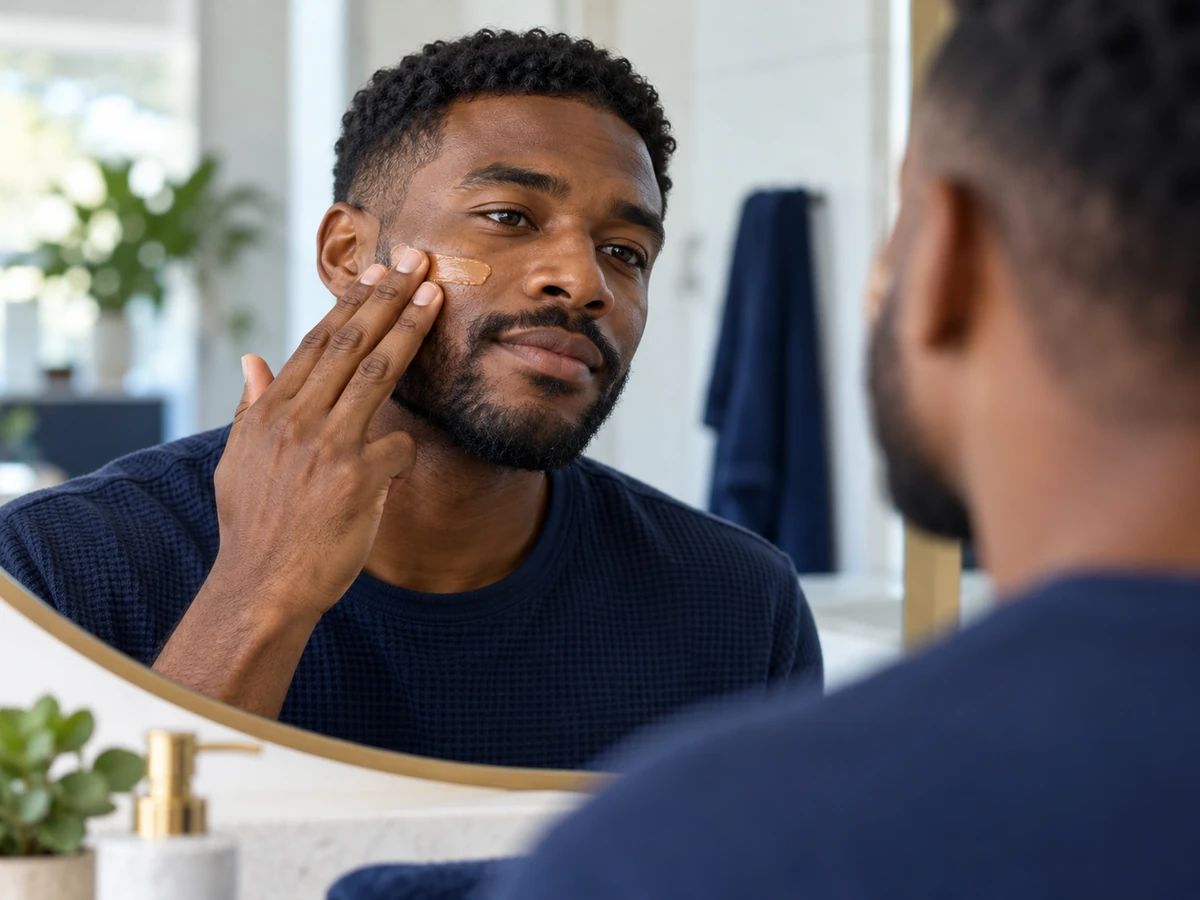
The white cast problem is real: classic mineral sunscreens sit zinc oxide and titanium dioxide particles on the skin, and those particles are white — on deep skin they can read gray or ashy. Three honest fixes exist. Tinted mineral sunscreens add iron oxides, which cancel the cast and block the visible light that plain SPF ignores; dermatologists specifically recommend tinted, iron-oxide formulas for pigment-prone deeper tones. Micronized or “sheer” mineral formulas shrink the particles until the cast is minimal. And modern chemical or hybrid filters are simply invisible on every tone. Any broad-spectrum SPF 30+ you will actually wear daily beats a technically perfect one you avoid.
Darker underarm skin is usually normal

If you searched how to lighten underarms: darker skin in the armpits is extremely common, almost always benign, and more visible the deeper your baseline tone. The usual causes are friction, shaving irritation, deodorant reactions, and the post-inflammatory pigmentation those leave behind. Gentle care genuinely helps: a fragrance-free deodorant, trimming or careful wet shaving instead of dry shaving, less friction — and months, not days, for the pigment to settle.
What does not help: the “whitening” folklore. Lemon juice and baking soda are irritants — they inflame the skin, and inflamed melanin-rich skin makes more pigment, so these remedies routinely darken the very area they promise to lighten. Unregulated lightening creams are worse: analyses have found undeclared mercury and steroids in imported products. If pigmentation genuinely bothers you, the medical route is a dermatologist and evidence-based ingredients such as azelaic acid or retinoids — on a diagnosed problem, under guidance.
One exception matters. If the dark skin is velvety, thickened and gradually spreading — in the armpits, around the neck, or in the groin — that pattern is called acanthosis nigricans, and it is a skin sign, not a hygiene issue. It is strongly associated with elevated insulin levels, as in prediabetes and type 2 diabetes, and occasionally with medications or hormonal conditions. It deserves a medical check and, usually, a simple blood test. Treating the cause — not bleaching the skin — is what improves it.
Why are my cheeks always red?
Persistent facial redness is a skin condition question, not a skin tone one. Occasional flushing with heat, exercise, alcohol or embarrassment is normal physiology. Redness that lasts weeks, flares repeatedly, or comes with burning, visible vessels or acne-like bumps that ignore acne treatment points to rosacea — which often begins as easy flushing, affects all tones, and on tan and brown skin may look violet or brown rather than pink, delaying diagnosis. Flaky redness beside the nose and in the eyebrows suggests seborrheic dermatitis instead. Both are treatable, and persistent redness — especially with eye irritation, which accompanies rosacea in roughly half of cases — warrants a dermatologist rather than another concealer.
Chin hair in women: normal, until it changes
A few coarse chin or upper-lip hairs are a normal variation for a very large share of women, and they become more common after menopause as estrogen falls. Genetics set the baseline; plucking, threading, waxing and laser are all reasonable cosmetic responses, with laser again requiring tone-appropriate settings on deeper skin.
Hirsutism — genuinely male-pattern coarse hair on the face, chest or abdomen — affects more than four in ten women at some point and most often traces back to polycystic ovary syndrome. The flag to act on is change: facial hair that is new, rapidly increasing, or accompanied by irregular periods, stubborn acne or unexplained weight gain deserves a PCOS and endocrine check with your doctor. Identifying the hormonal driver is also what makes the hair treatable at its source.
Related Before and After Results at Vivid Clinic
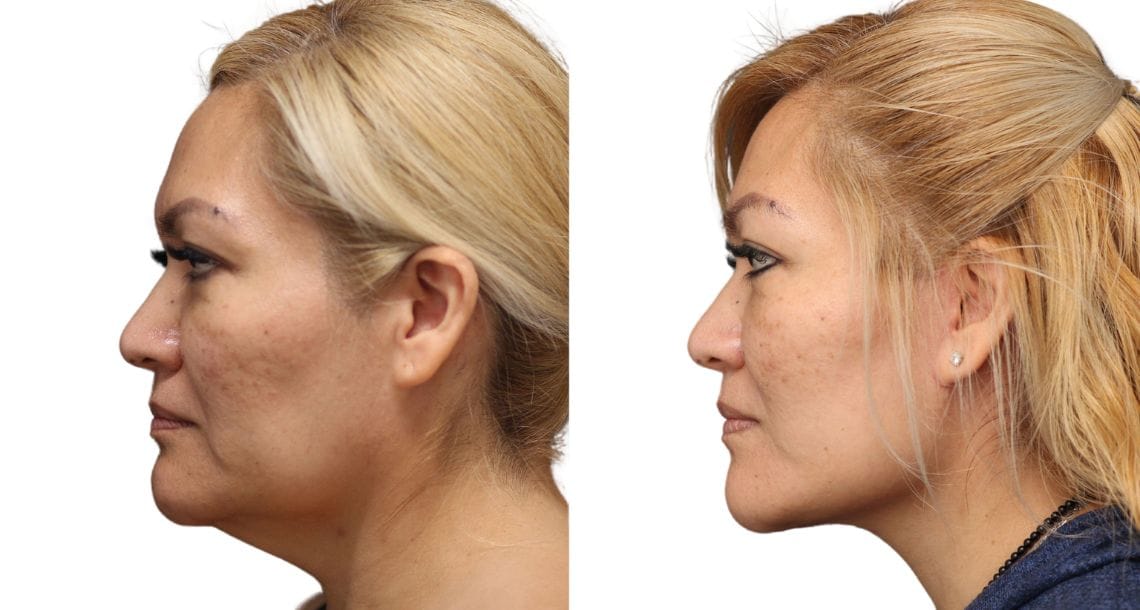
The photos below show real Vivid Clinic patients who had facial rejuvenation (facelift) — a related procedure, not skin-tone care itself — shared with their consent to show how our Istanbul team documents results. Ask during your free consultation to see cases that match your own treatment. Individual results vary. Browse the full Before & After Gallery.





Frequently Asked Questions
How do I work out my skin tone and undertone?
Judge depth in daylight against the range in this guide — beige, tan, olive, golden, honey, light brown, medium brown, deep brown. For undertone, look at the veins inside your wrist: greenish suggests warm, blue-purple suggests cool, an indeterminate mix suggests neutral. Jewelry is a second check — gold flatters warm undertones, silver flatters cool, both suit neutral. The two are independent: any depth can carry any undertone.
What is a neutral skin tone?
A neutral skin tone is one where neither warm (golden, peachy) nor cool (pink, bluish) undertones clearly dominate, and it exists at every depth, from light to deep brown. Practically, it means neutral-labeled foundation shades match without turning orange or ashy, and most colors sit comfortably. Many olive-skinned people test as neutral because the green-tinged olive cast reads warm in some light and cool in other light.
Do tan and brown skin tones still need sunscreen?
Yes — daily. Melanin protects against sunburn, but not against photoaging, uneven pigmentation or skin cancer — and in deeper tones skin cancer is more often caught late, which makes prevention and self-checks more important, not less. Deeper tones are also especially prone to dark spots triggered by visible light, which the iron oxides in tinted sunscreens block. Broad-spectrum SPF 30 or higher, every morning, at every depth.
What is the best mineral sunscreen approach if I hate the white cast?
Look for tinted mineral formulas containing iron oxides — the tint neutralizes the cast and adds visible-light protection that untinted SPF lacks, which is why dermatologists recommend them for pigment-prone deeper tones. Sheer or micronized zinc formulas are a second option, and chemical or hybrid sunscreens are invisible on every tone. The best sunscreen remains the broad-spectrum SPF 30+ you will genuinely reapply.
How can I safely lighten dark underarms?
Reframe the goal from “lightening” to “treating the cause.” Most underarm darkening is friction, shaving irritation or deodorant reaction plus the pigmentation inflammation leaves behind — gentler hair removal, a fragrance-free deodorant and less friction let it fade over months. Lemon, baking soda and “whitening” pastes irritate skin and typically make pigmentation worse; unregulated lightening creams have been found to contain undeclared mercury and steroids. If pigment persists, see a dermatologist — and if the skin is velvety and thickened, get checked for acanthosis nigricans and insulin resistance first.
Are red cheeks a skin tone or a skin condition?
A permanently ruddy complexion can simply be your coloring, especially in fair-to-medium tones with visible capillaries. But redness that flares, spreads, burns or brings bumps is usually a condition — most often rosacea, sometimes seborrheic dermatitis — and rosacea can hide in plain sight on tan and brown skin, where it looks violet or dusky rather than pink. If concealer is your only strategy, a dermatologist can usually name the cause and treat it.
When should chin hair in women be checked by a doctor?
A stable scattering of coarse chin hairs, particularly with age or after menopause, is normal and needs no investigation. See a doctor when the pattern changes: clearly new growth, rapid increase, spread to the chest or abdomen, or facial hair alongside irregular periods, persistent acne or unexplained weight change. That combination justifies a PCOS and endocrine work-up — hirsutism is common and treatable, and finding the hormonal cause is the fastest route to fixing the hair.
Wondering what your skin actually needs — or whether it needs anything at all? Send photographs for a free online assessment and get a straight answer — including when the honest answer is that your skin is doing exactly what healthy skin does.