
 ChatGPT

Medically reviewed by Prof. Dr. Özgür Pilancı, Plastic, Reconstructive & Aesthetic Surgeon — August 2026
Quick answer (updated August 2026): Recovery after cosmetic surgery follows a predictable arc: swelling builds for two to three days and then settles over weeks, bruising cycles through its colours and fades within about two weeks, sutures either dissolve or come out within roughly three to fourteen days, and scars keep maturing for a year or more. Compression garments, elevation, cool compresses, decent sleep and not smoking all genuinely help — and for every specific decision, your surgeon’s instructions override anything you read online, including this page.

Sutures, staples and skin glue: how your incision is closed
Every surgical incision is closed with some combination of sutures (stitches), staples, adhesive strips and skin glue — and knowing which you have tells you most of what you need to know about caring for it. Broadly, sutures are either absorbable, which your body breaks down on its own, or non-absorbable, which a nurse or surgeon removes once the skin has knitted.
Absorbable sutures are usually placed in the deeper layers, where they hold the wound together and then lose their strength over weeks to months as the body absorbs them. Common materials on discharge notes include polyglactin (Vicryl), poliglecaprone (Monocryl) and polydioxanone (PDS) — synthetic threads designed to disappear on a schedule. Visible dissolvable stitches usually break down within one to two weeks, though some types persist for months.
Non-absorbable sutures — typically nylon or polypropylene — sit in the skin surface and are removed once their job is done. Published guidance puts removal anywhere from three to fourteen days after surgery depending on the site and wound tension; facial sutures generally come out at the early end of that window, body sutures later. Keep the removal appointment your clinic gives you — sutures left in too long can mark the skin.
Steri-strips (adhesive paper strips) and skin glue often finish the closure or take over after suture removal. Glue is waterproof and flakes off by itself in about five to ten days; strips are left to peel away on their own. Do not pick at either.
Caring for sutures is mostly about restraint: wash your hands before touching the area, keep the incision clean and dry, shower when your team says you may (often after the first 24 hours, depending on the dressing), and avoid stretching or tension across the wound. Watch for the signs of infection — spreading redness, warmth, thick or smelly drainage, the wound edges opening, or fever — and contact your surgical team if any appear.
One thing that alarms patients unnecessarily: a “spitting” suture — weeks after surgery, a tiny fragment of a deep absorbable stitch works its way to the surface instead of dissolving, sometimes with a small pimple-like spot. It is common and not an emergency. Do not dig at it; let your clinic trim it out and check the spot is not infected.
Swelling: what is normal, and what actually helps
Swelling is not a complication — it is the first stage of healing. Injured tissue triggers an inflammatory response: blood vessels in the area become leaky so that fluid, protein and repair cells can flood in. That fluid is the swelling. It typically builds and peaks over the first 48 to 72 hours after surgery, then settles gradually — mostly over two to three weeks, with the last of it taking months, especially after facial surgery and liposuction.
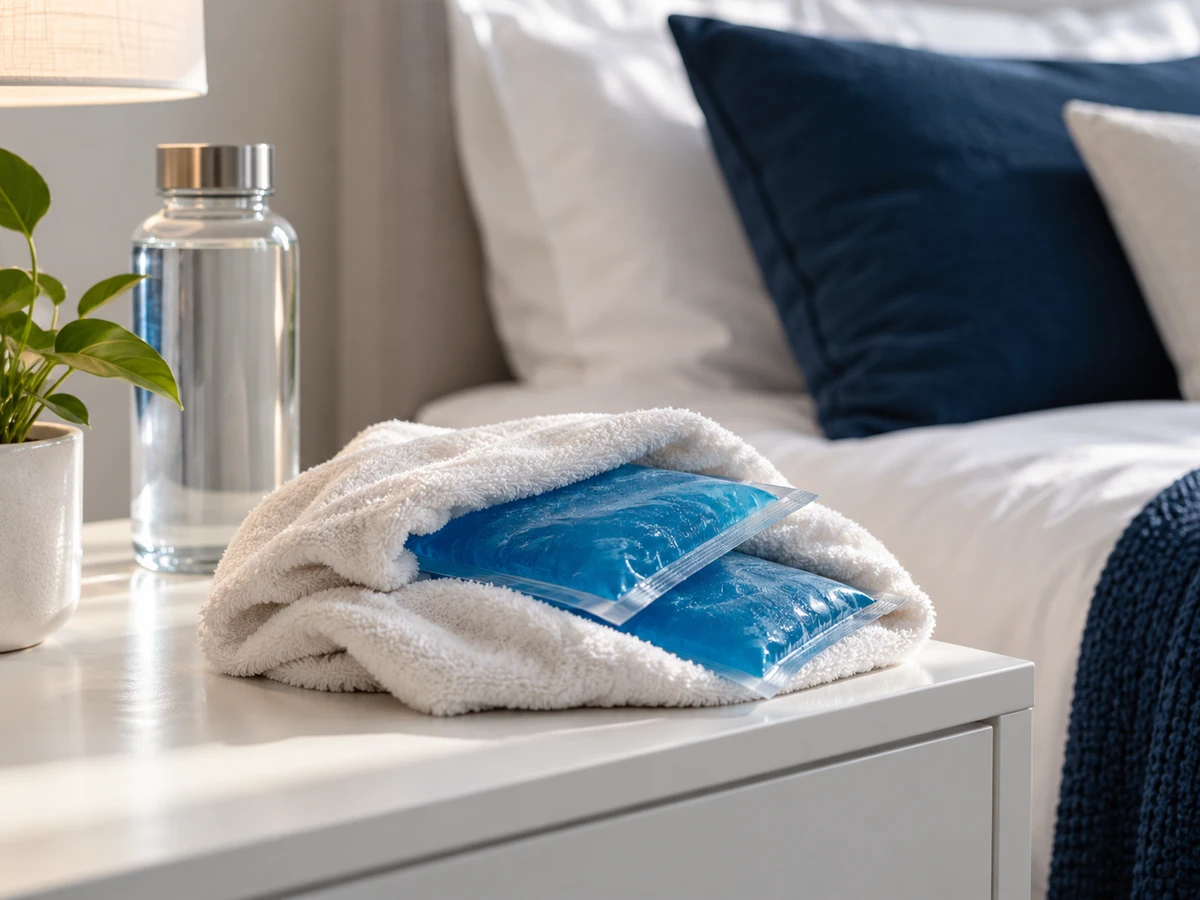
Three things genuinely help. Elevation uses gravity: keeping the operated area above heart level helps fluid drain rather than pool. Cool compresses and ice packs work by vasoconstriction — cold narrows the small blood vessels, reducing blood flow into the area and with it the leak of fluid that becomes swelling; it also numbs pain. Use cold correctly: wrap the pack in a towel (never ice bare skin, and never skin with reduced sensation, which is common near fresh incisions), for no more than about 15 minutes at a time, mainly in the first 24 to 48 hours. Compression, where prescribed, limits the space fluid can occupy — more on garments below.
And an honest limit: nothing makes swelling vanish. Ice, elevation and garments take the edge off, but the timetable is biological. Judge your result at the horizon your surgeon gives you — often months — not in week one.
Bruising: the colour timeline — and the one thing that is not a bruise
A bruise is blood that has leaked from small vessels and become trapped under the skin, and it announces each stage of its clean-up in colour: red or purple at first, then brown, green and yellow as the blood pigments break down, before fading. On darker skin tones the early stages read as purple, dark brown or black. Most bruises fade within about two weeks; severe post-surgical bruising can take a month or more.
For a deep bruise — one in the muscle, which feels tender and stiff rather than just discoloured — standard care is rest, elevation and cold packs for the first 24 to 48 hours, switching to a warm compress after about two days to encourage circulation as the blood is reabsorbed. Paracetamol (acetaminophen) is the usual painkiller choice; check with your team before using anti-inflammatories like ibuprofen, which some surgeons restrict early on because of bleeding risk.
Know the one thing that is not a bruise. A bruise is flat, patchy and painless-to-tender, and it improves day by day. A swelling that is growing, firm, increasingly painful, tight or one-sided — especially in the first day or two after surgery — may be an expanding hematoma: an active collection of blood that can need urgent drainage. That is not a wait-and-see situation: contact your surgical team the same day, and treat rapidly increasing swelling as an emergency.
Compression garments, abdominal binders and fajas
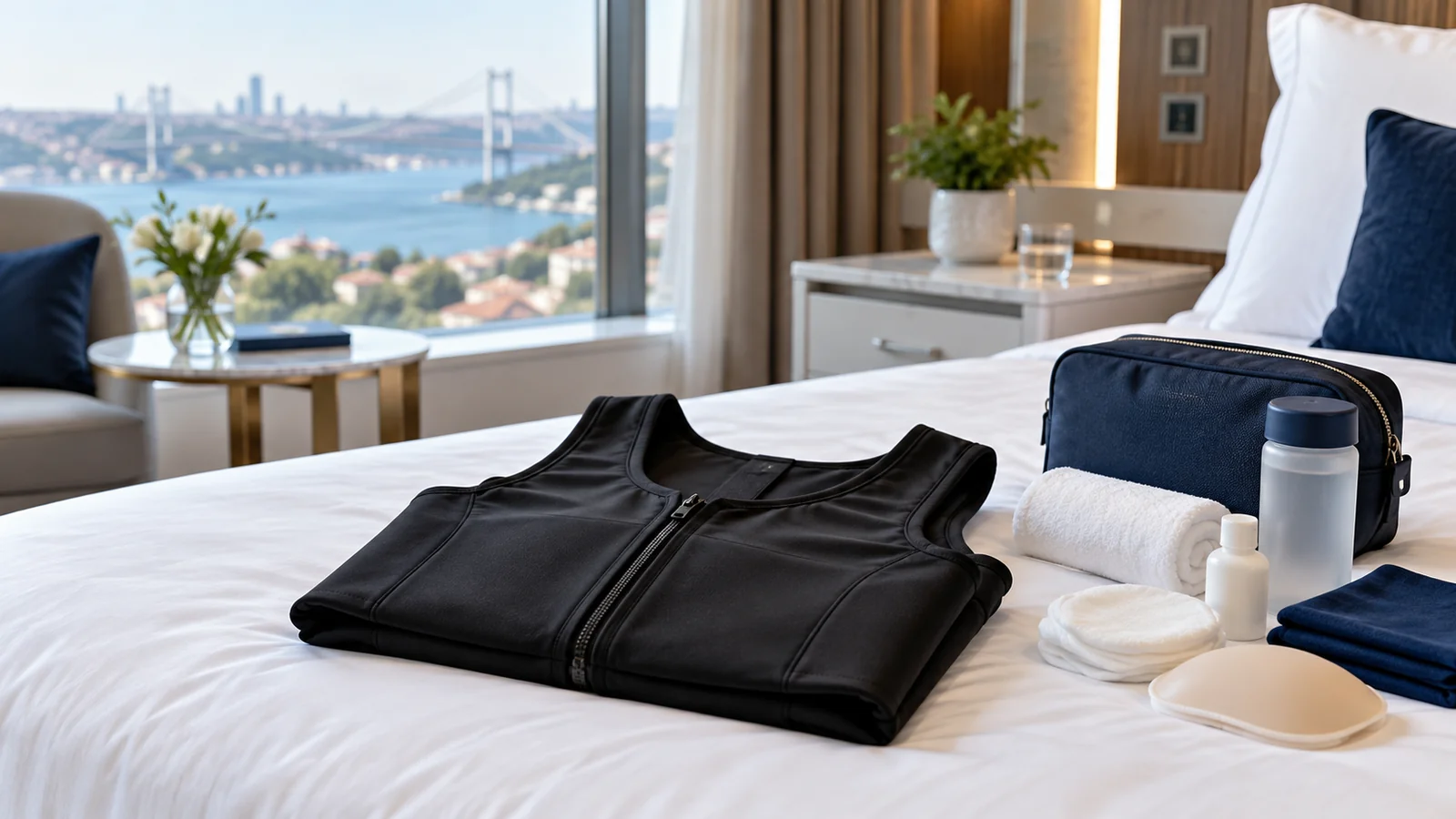
If your procedure involved lifting or reshaping tissue — a tummy tuck, liposuction, breast surgery, a BBL — you will probably be given a compression garment. Spanish-speaking patients know these as fajas (searching “fajas post operatorias” finds the same thing). They exist for three reasons: to limit the space fluid can collect in and so control swelling, to support the skin as it re-drapes onto its new contour, and — patients are often surprised by this — comfort: most people feel more secure moving around with the garment on.
An honest word on the evidence: high-quality research on garments is thinner than you would expect, and published reviews describe practice that varies widely between surgeons. That is exactly why the wear schedule is a your-surgeon question, not a Google question. The broad published pattern is day-and-night wear at first, then daytime-only, over several weeks — but the protocol that matters is the one your clinic gives you.
The abdominal binder is the tummy-tuck version: a firm, adjustable wrap worn after abdominoplasty that supports the repaired abdominal wall, makes standing and walking more comfortable, and controls swelling across a large lifted area. After Vaser liposuction, a fitted garment plays the equivalent role, helping the skin settle evenly against the new contour.
Practical garment sense: it should feel snug, never numbing or breath-restricting; take it off exactly as instructed for washing; and if it rubs a raw spot, rolls into a hard edge, or you develop swelling below it, tell your clinic rather than improvising.
Sleep: positions by procedure — and does sleeping really heal you faster?
Short answer to the search question: yes, sleep genuinely supports healing — and after surgery, how you sleep matters as much as how much.
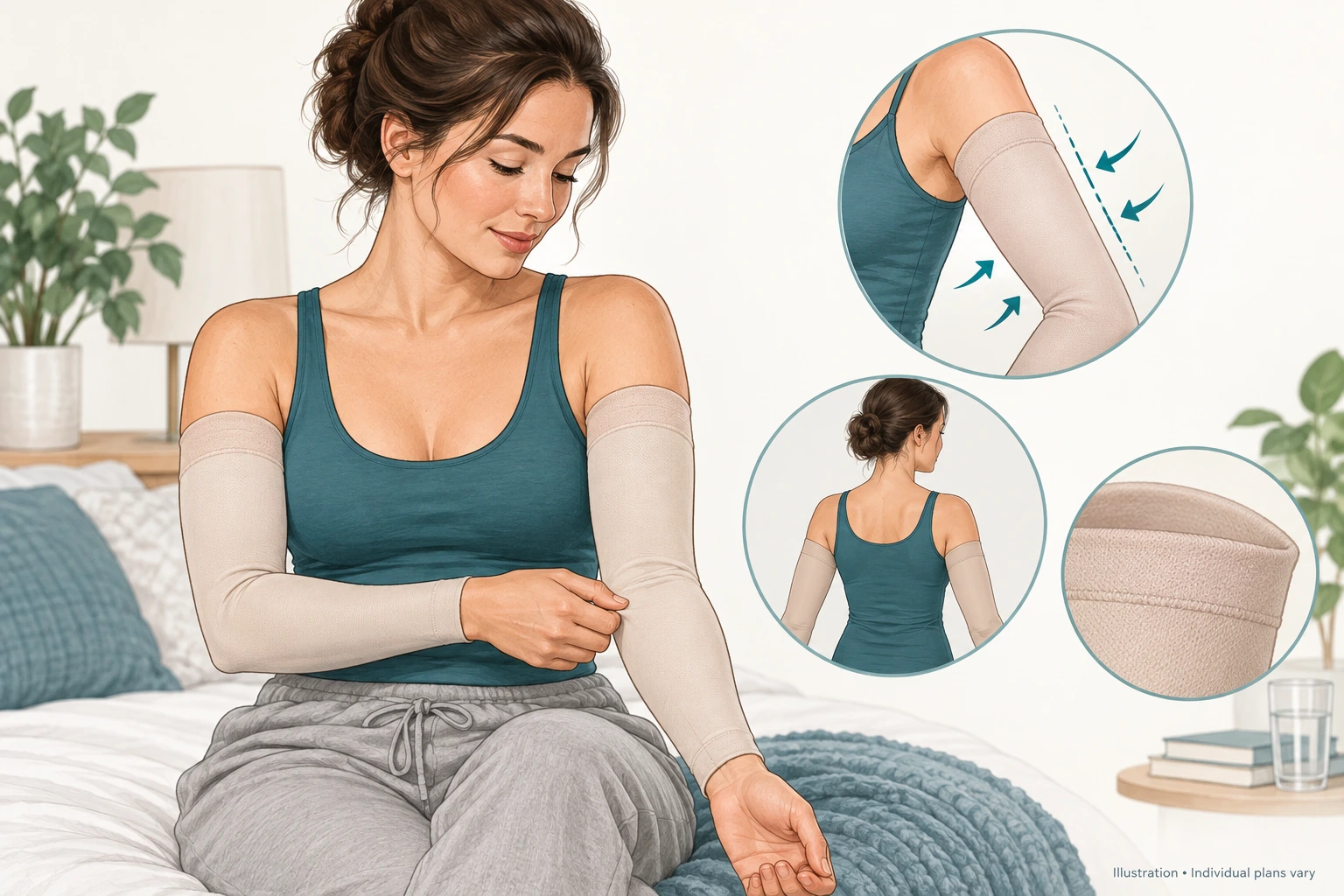
Position depends on the operation. After facial surgery (facelift, rhinoplasty, eyelid surgery), sleep on your back with your head elevated on two or three pillows or a wedge for the first weeks to reduce overnight swelling. After breast surgery (augmentation, lift, reduction), back-sleeping, often slightly propped, protects the incisions; side- and stomach-sleeping wait until your surgeon clears them. After a tummy tuck, a bent “beach chair” position — head and knees raised — takes tension off the abdominal closure in the first days. After a BBL, the rule is no direct pressure on the buttocks: sleep on your stomach or side for as long as your surgeon specifies, because sustained pressure can compromise the grafted fat.
The evidence that sleep helps is real, not folklore. Deep sleep is when the body concentrates its repair work, and controlled research has shown the reverse effect directly: in healthy adults, restricting sleep measurably slowed skin wound healing — and protein-rich nutritional support partially offset the deficit. Treat sleep as part of the treatment plan: keep pain controlled so it does not wake you, set up your pillows before surgery, and skip alcohol, which fragments sleep.

Scars: what works, what is oversold
Every incision leaves a scar, and every scar looks worst before it looks best. A fresh scar is typically red, raised and firm; over 12 to 18 months — and sometimes up to two years — it flattens, softens and fades toward a pale line. Nothing erases a scar, but a few things demonstrably improve how it matures.
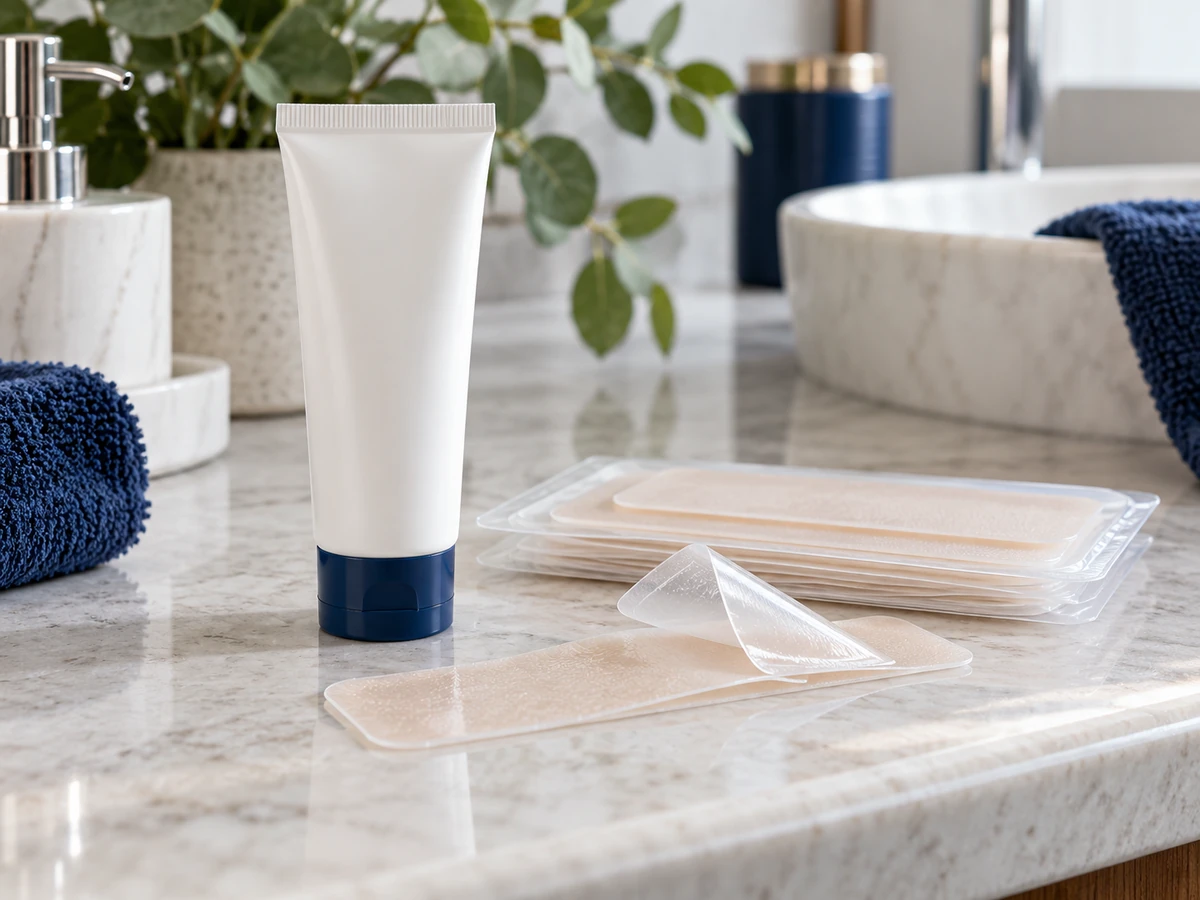
Silicone is the best-evidenced topical option. Silicone sheets or gel, started once the wound has fully closed and used consistently for weeks to months, are the standard first-line recommendation for keeping scars flat and soft — while being honest that even here, the research is of mixed quality. Sun protection is non-negotiable: a healing scar pigments easily, so keep it covered or under SPF 30+ sunscreen for at least a year. Massage with a plain moisturiser, once the wound has healed, helps soften and desensitise the scar.
And scar oils? Here is the honest answer to “best scar oil after surgery”: no oil has good evidence of outperforming plain moisturiser, and it may well be the massage — not the bottle — doing the work. One is unlikely to harm a fully healed scar; just do not expect it to beat silicone, sunscreen and time, and never apply anything to a wound that has not closed.
If your scar is misbehaving, name the pattern. A hypertrophic scar is raised and firm but stays within the original wound and tends to settle. A keloid grows beyond the wound’s borders, does not flatten on its own, and needs treatment — steroid injections, silicone, cryotherapy or laser among the options; anyone who has formed one before should say so before surgery.
Old boil scars and bite mark scars belong to a different family — usually pitted (atrophic) or pigmented marks rather than surgical lines — and they have treatment options too, from steroid treatment and laser therapy to cryotherapy and skin camouflage; the right one depends on an in-person assessment of the scar, so start there rather than with a product.
You can see how mature, well-managed surgical scars actually settle in our before-and-after gallery.
Food, smoking and alcohol: the recovery inputs you control
Healing is construction work, and it needs materials. Protein is the main one — wound repair raises your protein needs, and research on sleep and wound healing found protein-rich nutritional support measurably helped skin repair. Eat protein at every meal, drink enough water, and treat the first weeks as no time to diet aggressively.
Smoking is the single most damaging thing you can do to a healing wound. Nicotine and carbon monoxide starve tissue of the oxygen-rich blood flow repair depends on, and the World Health Organization advises that quitting at least four weeks before surgery significantly cuts complication risk, with outcomes improving further for every additional smoke-free week. Most surgeons include vaping and nicotine gum in that — ask yours — and staying off cigarettes through recovery protects the result you paid for. Alcohol thins the blood, worsens swelling, disrupts sleep and interacts with pain medication: skip it early in recovery.
Quick pre-op answers patients actually search
Can you wear deodorant before surgery? Usually not on the day. Hospitals commonly ask patients to arrive with clean, product-free skin — no deodorant, lotions, perfume or makeup — because residue can interfere with skin antiseptics and clean skin makes monitoring easier. Rules vary between hospitals, so follow the instruction sheet your surgical team gives you.
Define anesthesia. Anesthesia is the controlled, reversible use of medication to block pain and, when needed, awareness during a procedure. General anesthesia renders you fully unconscious with your breathing supported — standard for major operations. Regional anesthesia numbs a whole region — an epidural or nerve block — while you stay awake or lightly sedated. Local anesthesia numbs only the small area being treated. Sedation relaxes you and dims memory of the procedure without full unconsciousness, often combined with local anesthetic.
How old do you have to be to get plastic surgery? For cosmetic surgery, the general rule is 18 — in most countries, including Turkey, purely aesthetic operations are reserved for adults who can consent for themselves. The genuine exceptions are narrow and mostly reconstructive or functional: otoplasty (correction of prominent ears) is performed in children with parental consent, and reconstructive procedures follow medical need rather than a birthday. Eighteen is also only the entry requirement — a responsible surgeon also weighs physical maturity and the stability of your reasons.
Related Before and After Results at Vivid Clinic
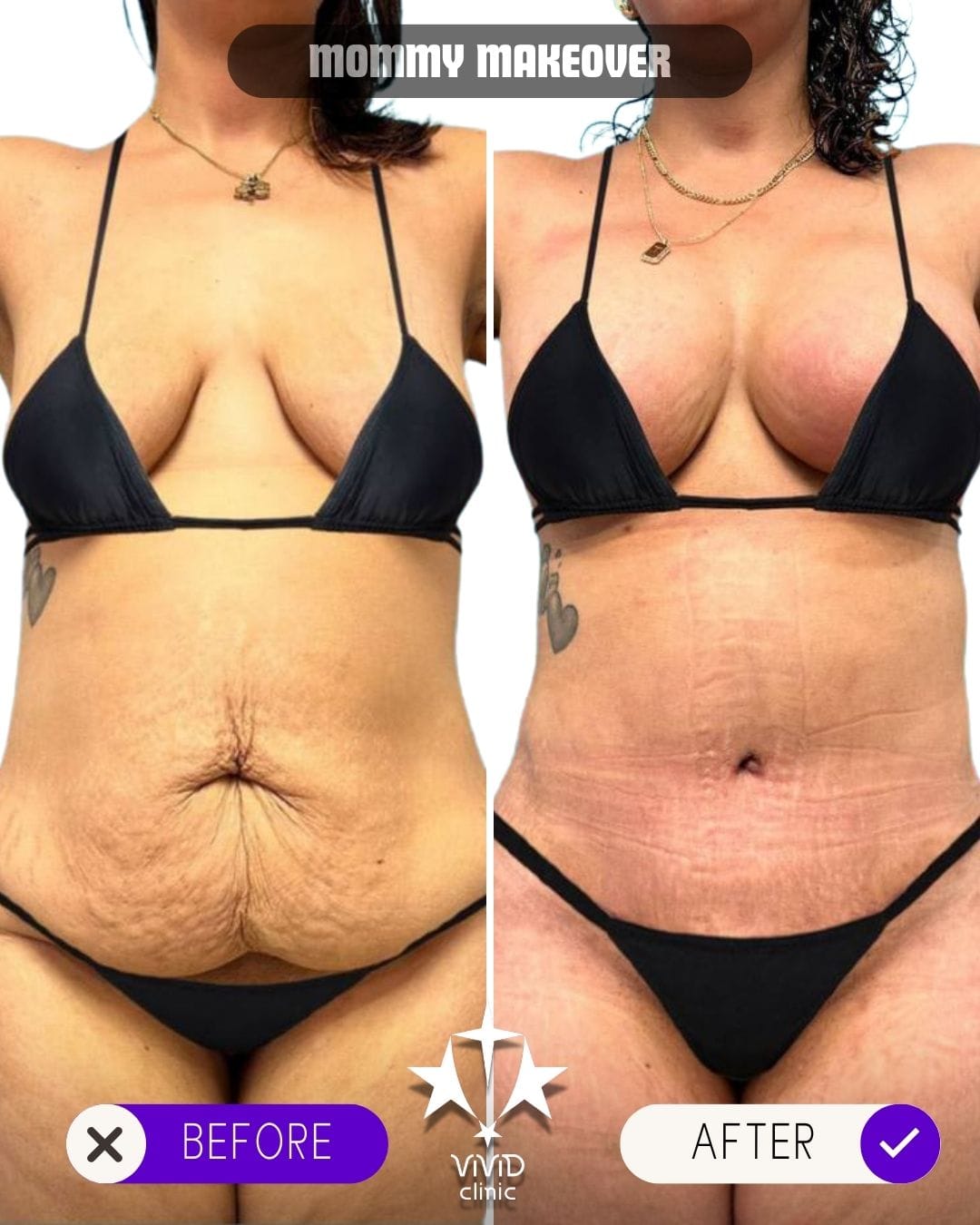
The photos below show real Vivid Clinic patients who had tummy tuck and liposuction (healed results) — a related procedure, not a single recovery protocol itself — shared with their consent to show how our Istanbul team documents results. Ask during your free consultation to see cases that match your own treatment. Individual results vary. Browse the full Before & After Gallery.



Frequently Asked Questions
Why does ice reduce swelling?
Cold makes the small blood vessels constrict — vasoconstriction — reducing blood flow into the injured tissue and therefore the leak of fluid that becomes swelling. It also slows nerve signalling, which is why ice numbs pain. It works best in the first 24 to 48 hours; wrap the pack in a towel, limit each application to about 15 minutes, and never ice skin that is numb after surgery, because you cannot feel a cold injury happening.
When are sutures removed?
Non-absorbable sutures generally come out between three and fourteen days after surgery, depending on the site and wound tension — facial sutures usually at the early end, body sutures later. Absorbable sutures are not removed at all; visible ones typically dissolve within one to two weeks, deeper ones over months. Skin glue flakes off by itself in about five to ten days. Your clinic sets the exact schedule; keep the removal appointment, because sutures left too long can mark the skin.
What is a “spitting” suture?
Sometimes a fragment of a deep dissolvable stitch works its way out through the skin weeks after surgery instead of being absorbed — a sharp point or a small pimple-like spot near the scar. It is common and rarely serious. Do not pull or dig at it: your clinic can remove the fragment in seconds and check there is no infection.
Do you heal faster when you sleep?
Yes — this one is not a myth. Deep sleep is when the body concentrates repair processes, and experimental research in healthy adults found that restricting sleep measurably slowed skin wound healing, while protein-rich nutrition partially offset the effect. Protect sleep deliberately after surgery: keep pain controlled, use the position your surgeon specifies, and avoid alcohol and late caffeine.
What is the best scar oil after surgery?
Honestly: none has good evidence behind it. No oil has been shown to outperform a plain moisturiser, and the massage involved in applying them — not the ingredients — may account for much of any benefit. The measures with real support are silicone sheets or gel once the wound has closed, SPF 30+ sun protection for at least a year, and regular massage. Save the money, keep the massage.
How long do I have to wear a compression garment or abdominal binder?
There is no universal answer: published protocols vary widely between surgeons and procedures. The common pattern is round-the-clock wear at first, then daytime-only, over some weeks — but the schedule that applies to you is the one your surgeon sets.
When is swelling or bruising a warning sign instead of normal healing?
Normal swelling and bruising peak early and then improve every day. Contact your surgical team the same day if you see the opposite pattern: swelling that is expanding, one-sided, tight and increasingly painful (possible hematoma); spreading redness, warmth, smelly discharge or fever (possible infection); or a hot, swollen, painful calf — and treat sudden breathlessness or chest pain as an emergency. When in doubt, ask; no good clinic minds a false alarm.
Recovering well starts with a plan made before surgery. Tell us which procedure you are considering and get a straight answer about what recovery genuinely involves — including the parts that take longer than social media suggests.