
 ChatGPT

Medically reviewed by Prof. Dr. Özgür Pilancı, Plastic, Reconstructive & Aesthetic Surgeon — August 2026
Quick answer (updated August 2026): Searches about Maya, Aztec, Japanese, Mexican, Brazilian or Roman facial features usually get answered with stereotypes. The honest answer is more interesting: what we “know” about ancient faces comes mostly from art, which followed conventions, not from portrait photography; the Maya are a living people of six million or more, not a vanished one; Mexico and Brazil are among the most genetically mixed societies on Earth; and “Asian” covers more than half of humanity. Population averages describe distributions, not individuals — they predict essentially nothing about any single person.
One rule before anything else: averages are not individuals
Every section of this article rests on the same fact from population genetics: the variation within any human population is far greater than the average difference between populations. When researchers measure facial dimensions across groups, they are describing overlapping distributions — tendencies, not types. There is no measurement that assigns a face to a population, and no face that represents one. So a phrase like “Mayan facial features” can only honestly mean what an artistic tradition chose to depict, or what an average across millions of very different individuals looks like. This article covers both, and keeps them clearly apart.
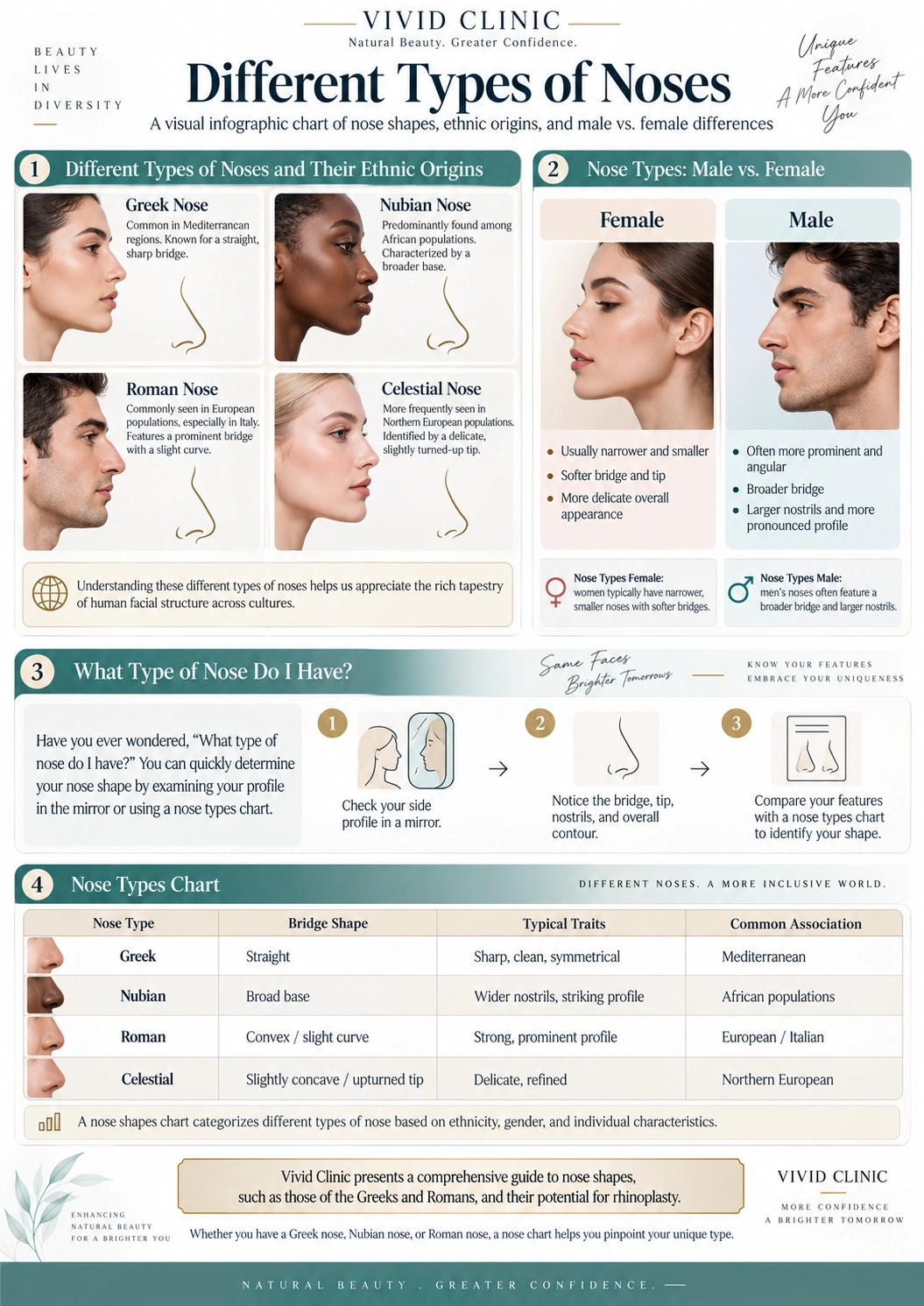
Mayan facial features: the art, the archaeology and a living people
The Maya civilization of southern Mexico, Guatemala and Belize developed the most complete writing system in the ancient Americas and reached its Classic-period height between roughly 250 and 900 CE. Most of what people picture as “Mayan facial features” comes from its art — stelae, painted ceramics and murals — and that art followed conventions, as all court art does.
The most famous convention is the profile: a long, backward-sloping forehead running in a nearly continuous line into the nose. This reflects two things at once. The first is real: many ancient Maya practised cranial modification, gently shaping an infant’s skull with boards or bindings during the months when the bones are still soft. Archaeologists have documented it across the Maya area and across social classes; it was painless, permanent, and carried meanings of beauty, identity and religious significance — one long-studied interpretation links the elongated head to the sacred maize god. The second is artistic: sculptors idealised and exaggerated that profile, just as Greek sculptors idealised theirs. A stela is a statement about how a ruler ought to look, not a photograph. Reading ancient art as a literal anatomical record is the single most common mistake behind this whole topic.
And the Maya are not an ancient people. This is the part most “Mayan face” content omits entirely. An estimated six to seven million Maya live today, chiefly in Guatemala — where Maya people make up roughly forty percent or more of the population — and in the Mexican states of Yucatán and Chiapas, and in Belize, speaking around thirty living Mayan languages such as K’iche’, Q’eqchi’, Kaqchikel and Yucatec. There is no “Maya look” walking out of a carving; there are millions of living people, descendants of that civilization, each with their own face.
Maya vs Aztec facial features: mostly a difference in art, not anatomy
People searching this comparison are usually comparing two art styles without knowing it. The Maya and the Aztecs (properly the Mexica) were different peoples in different places and eras: Maya city-states flourished across the southern lowlands mainly in the first millennium CE and Maya communities continue today, while the Mexica, a Nahuatl-speaking people of central Mexico, founded Tenochtitlan in 1325 and built their empire in the two centuries before the Spanish conquest of 1521.
Both were Indigenous Mesoamerican populations, and no anthropometric study supports a reliable facial distinction between their descendants. What differs visibly is the art: Classic Maya sculpture favoured naturalistic, individualised royal portraits with the elongated profile convention described above, while Mexica stone sculpture was more frontal, monumental and deity-focused, with less interest in individual likeness. So “Maya versus Aztec facial features” is largely a comparison of carving traditions — art history, not biology. The Nahua, descendants of the Mexica and their neighbours, are also a living people: well over a million people speak Nahuatl in Mexico today.
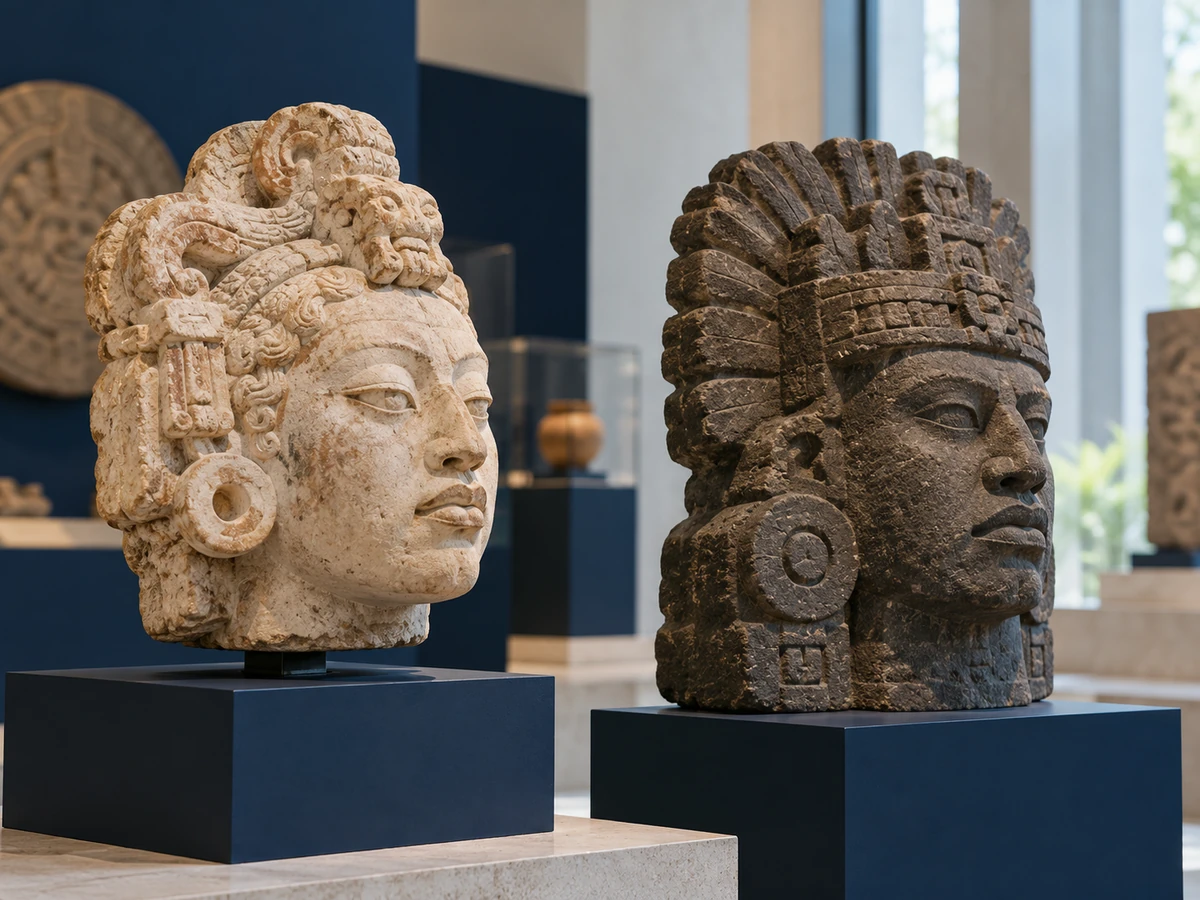
Mexican and Brazilian facial features: admixture is the real story
Anyone promising a “typical Mexican face” or “Brazilian features” is ignoring what genetics actually shows: these are two of the most admixed national populations on Earth.
A landmark 2014 study in Science found extraordinary internal diversity in Mexico: Indigenous populations differ genetically from region to region, and modern Mexicans carry Indigenous American and European ancestry — with a smaller African contribution — in proportions that vary enormously between regions and even siblings. Brazil’s story is parallel with different weights: genomic studies consistently find European, African and Indigenous American ancestry mixed in every region and essentially every individual, in combinations so varied that appearance is a famously poor predictor of a Brazilian’s ancestry profile. In both countries the face of the nation is not a face at all — it is a spectrum.
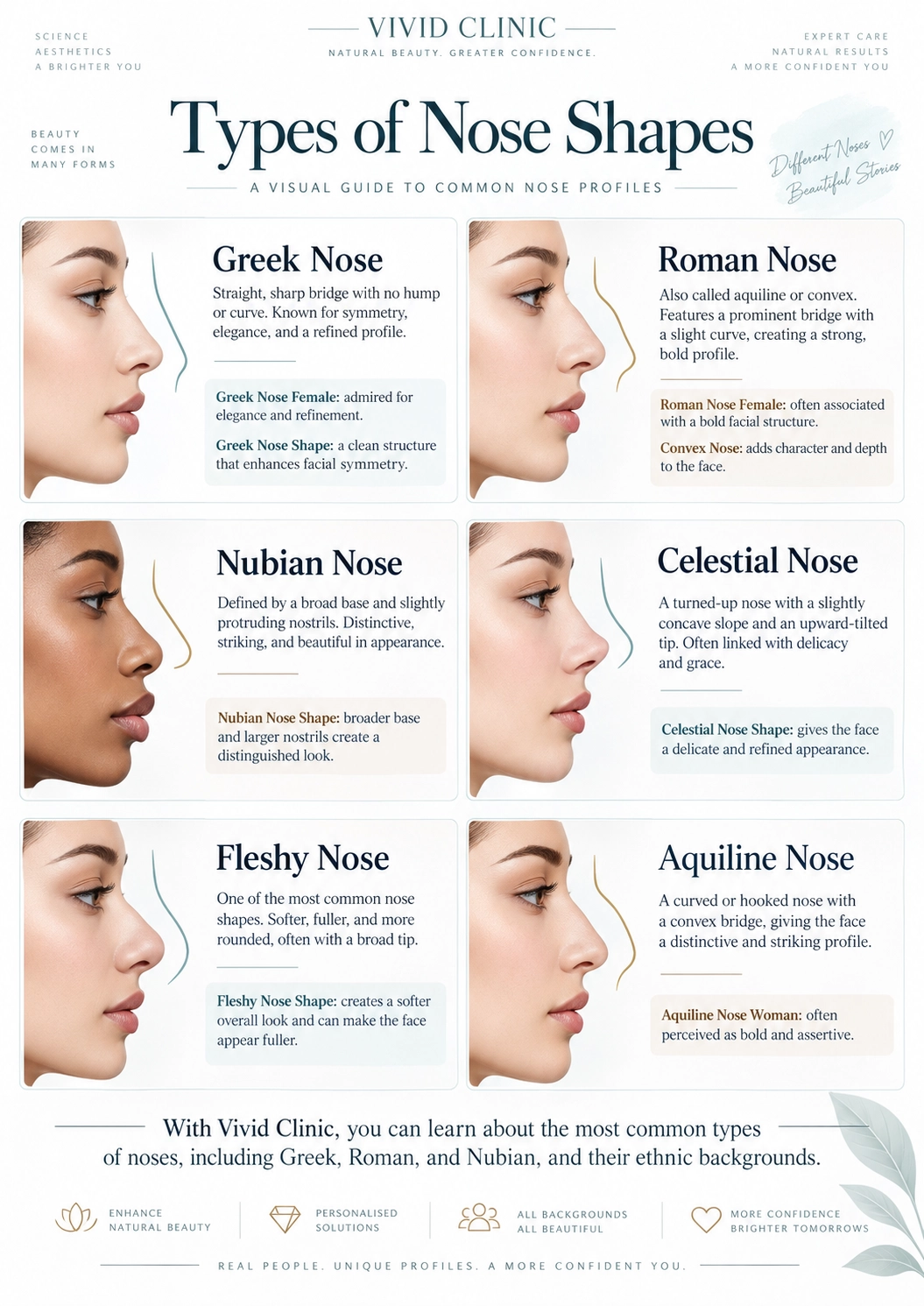

Asian facial features: half of humanity is not one look
“Asian features” is the broadest phrase in this entire keyword set, and the first honest thing to say is that Asia holds more than half of the world’s population — East, Southeast, South and Central Asians differ from one another profoundly, and the differences within each region are larger still. India alone is one of the most genetically diverse areas on the planet: large-scale projects such as GenomeAsia 100K have documented hundreds of distinct population groups across Asia, many of them — particularly in South Asia — shaped by strong founder events, which is why “Indian features” describes well over a billion people who do not share one face.
Japan deserves its own respectful note, since it is searched specifically. Modern genomic work shows that Japanese people descend from at least two — by recent evidence, three — ancient source populations: the indigenous Jōmon hunter-gatherers and later migrations from continental Northeast Asia. As everywhere, that history produced a population with its own internal variation, not a uniform appearance.
Some anatomical variation across Asia is real at the population level and worth describing clinically, because it is normal anatomy. The epicanthal fold — a soft fold of upper-eyelid skin covering the inner corner of the eye — is common in East, Southeast and Central Asian populations and some Indigenous American populations, and appears in infants of every ancestry. Similarly, roughly half of East Asian people naturally have a visible supratarsal (“double eyelid”) crease and roughly half do not; both are completely normal variants of eyelid anatomy, not features to be ranked.
These variants are exactly why East Asian blepharoplasty exists as its own surgical discipline: its modern principle is to work with the eye’s natural anatomy — for patients who want a crease, creating one that suits that eye — never to erase the eye’s character. General eyelid procedures are described on our eyelid lift page.
Roman features: what a marble face can and cannot tell you
“Roman features” and the “Roman face” come to us almost entirely through sculpture, and Roman portraiture had an agenda. Republican-era portraits favoured verism — an exaggerated, unflinching realism of wrinkles, furrows and sagging skin — because in Roman public life age signified experience, gravitas and civic virtue. A generation later, Augustus flooded the empire with idealised, eternally youthful images of himself. Same city, same people, opposite conventions — which is the clearest proof that portraits record values, not average anatomy.
The aquiline or “Roman” nose — a bridge with a gentle convex curve — takes its name from these portraits, where it read as dignified and commanding. It is an entirely normal nasal shape found in every population on Earth, common around the Mediterranean and equally at home in South Asia, the Middle East, Northern Europe and Indigenous North America. And Rome itself was a cosmopolitan empire spanning three continents; its inhabitants were far more varied than its statues.

Facial features and modern aesthetic surgery: one principle
If there is a surgical lesson in all of this, it is the one modern aesthetic surgery has already learned: there is no universal template a face should be measured against. Disciplines such as Asian rhinoplasty and East Asian blepharoplasty exist precisely because different anatomy calls for different techniques — and because the goal of good surgery is a result that fits the individual face and preserves its character and family resemblance, never a “correction” toward someone else’s average. That identity-preserving principle guides how we think about rhinoplasty and every procedure on our face aesthetics hub: the starting point is what makes a face itself.
Related Before and After Results at Vivid Clinic
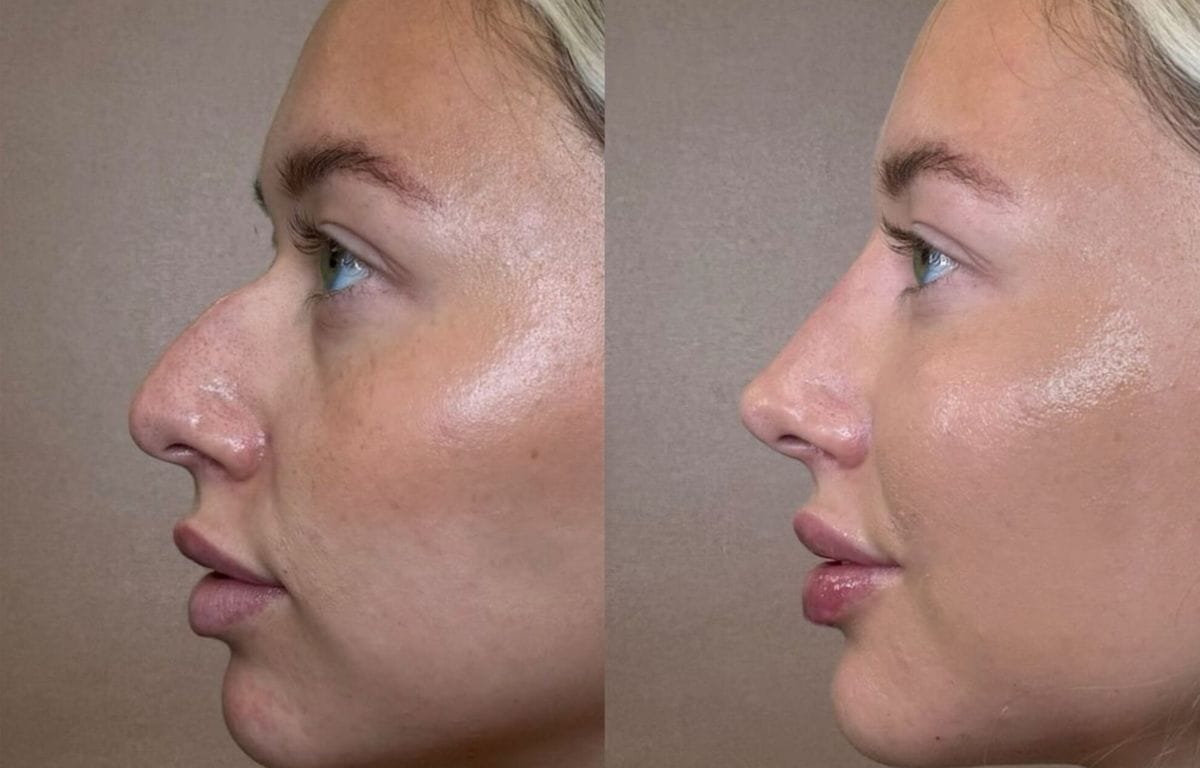
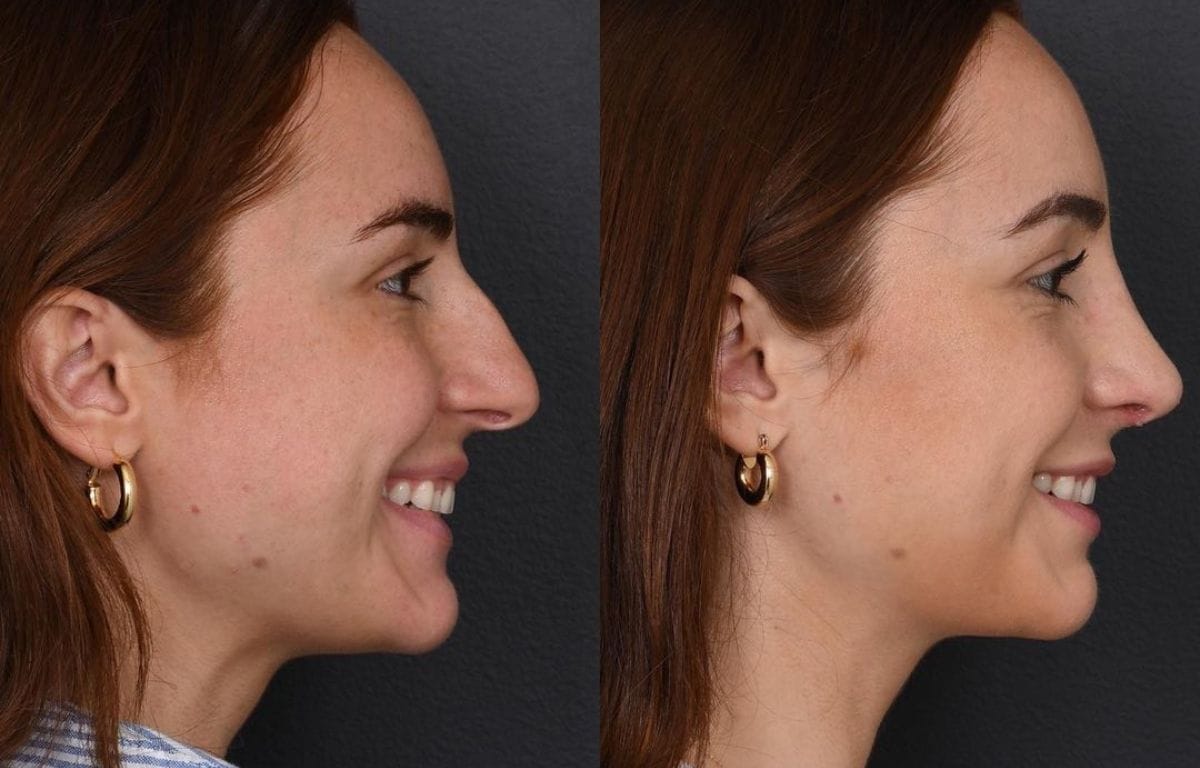
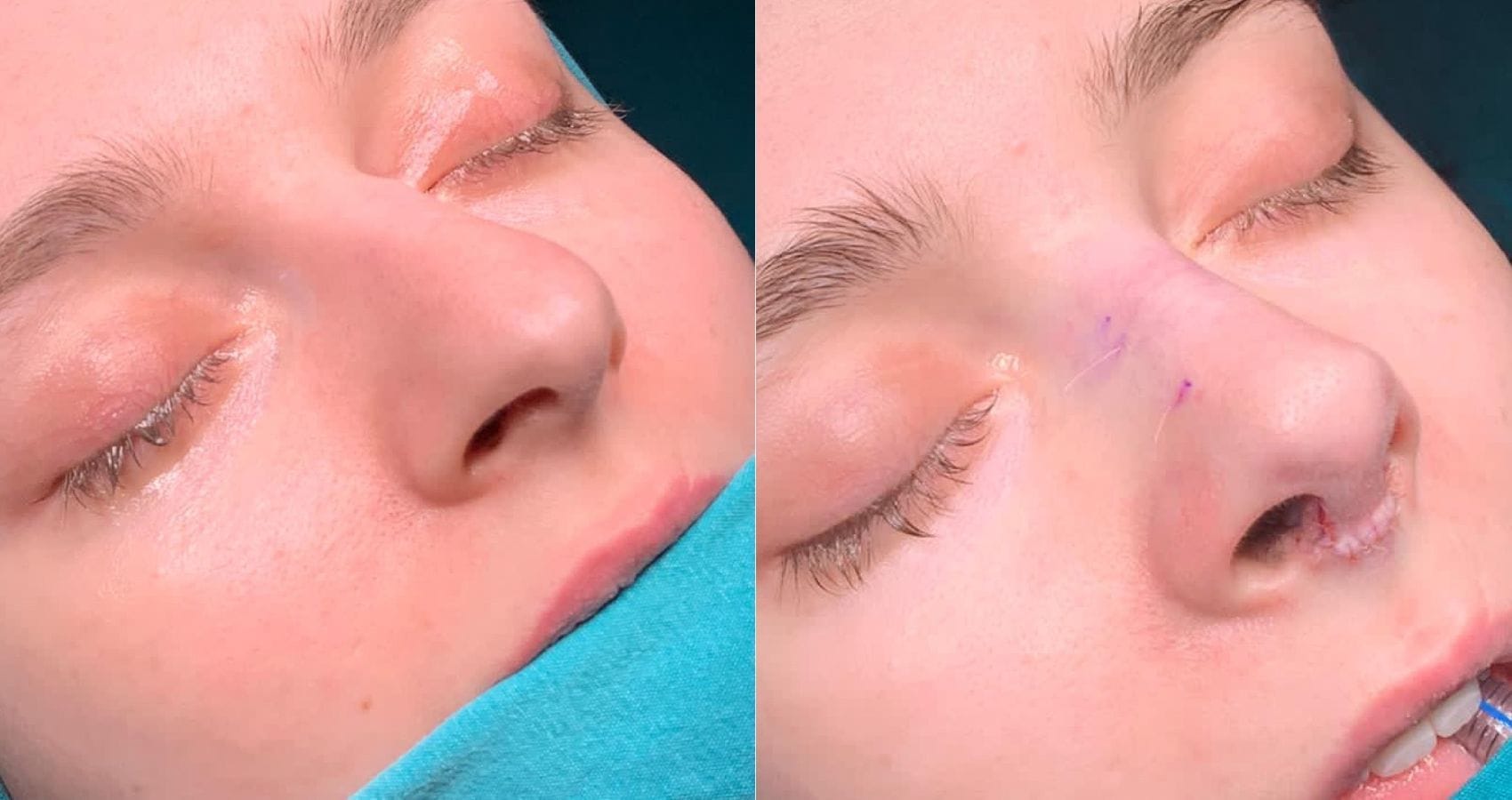
The photos below show real Vivid Clinic patients who had rhinoplasty — a related procedure, not heritage features itself — shared with their consent to show how our Istanbul team documents results. Ask during your free consultation to see cases that match your own treatment. Individual results vary. Browse the full Before & After Gallery.



Frequently Asked Questions
What did the ancient Maya actually look like?
We know less than the carvings suggest. The skeletal record shows people of the same fundamental anatomy as their millions of living descendants, many with deliberately modified skull shapes from infant head-shaping. The famous sloping-forehead profile in Maya art combines that real practice with artistic idealisation — court sculpture showed rulers as they ought to look. The best guide to what Maya people look like is the six million or more Maya alive today.
Are the Maya still alive today?
Yes — emphatically. An estimated six to seven million Maya live today in Guatemala — roughly forty percent or more of the national population — in the Mexican states of Yucatán and Chiapas, and in Belize, speaking around thirty Mayan languages. The civilization’s Classic period ended over a thousand years ago; the people never went anywhere, and describing the Maya only in the past tense is simply wrong.
What is the difference between Mayan and Aztec facial features?
Anatomically, no reliable difference has ever been demonstrated — both were Indigenous Mesoamerican peoples. What differs is the art: Classic Maya sculpture produced individualised royal portraits with an elongated profile convention, while Aztec (Mexica) sculpture was more frontal and deity-focused. The two civilizations were also separated by region, era and language — Maya city-states peaked in the first millennium CE in the southern lowlands; the Mexica empire rose in central Mexico in the fifteenth century.
Why do Maya sculptures show sloping foreheads?
Two reasons working together. Many ancient Maya really did shape infants’ skulls with boards or bindings while the bones were soft — a painless, permanent practice tied to beauty, identity and religious meaning. Sculptors then idealised the resulting profile into a convention, extending the forehead line into the nose more smoothly than anatomy alone would. The sculptures record a cultural practice plus an artistic style — not the natural anatomy of a population.
Is there a typical Mexican or Brazilian face?
No, and genetics is unusually clear about why. Mexico and Brazil are among the most admixed populations in the world, blending Indigenous American, European and African ancestry in proportions that vary from person to person — even siblings can differ substantially — and appearance is a notoriously poor predictor of any individual’s ancestry mix. The honest description of either “face” is a spectrum, not a type.
Do all Asian people share similar facial features?
No — “Asian” covers more than half of humanity, spanning East, Southeast, South and Central Asia, and the variation within each region exceeds the differences between regional averages. India by itself is one of the most genetically diverse places on Earth. Some anatomical variants, such as the epicanthal fold, are genuinely more common in some Asian populations, but they are normal anatomy found across many groups worldwide, and no combination of features defines an “Asian face.”
What is a Roman nose, and did Romans really have it?
A Roman or aquiline nose has a bridge with a slight downward-curving convexity. The name comes from Roman portrait sculpture, where the shape read as dignified — not from any survey of Roman anatomy. Roman portraiture followed deliberate conventions, from the wrinkled realism of Republican verism to Augustan idealisation, so busts record values rather than averages. The shape itself is normal anatomy found in every population, and Rome’s actual inhabitants — drawn from an empire across three continents — were far more varied than their statues.
Curious what a change would mean for your face — and what should stay exactly as it is? Send photographs for a free online assessment and get an honest opinion grounded in your anatomy, never in anyone’s average.