
 ChatGPT

The Mirror Moment After the Scale Finally Moves
You did the hard part. The scale dropped, your clothes changed size, and your blood tests improved. Then one evening you lift your arms to pull off a sweater and see skin that swings, folds and gathers where firmness used to be. That is loose skin after weight loss, and it can feel unfair after so much effort.
You are not doing anything wrong. Skin that stretched for years does not always shrink back on the same timeline as fat, whether the loss came from diet, bariatric surgery or GLP-1 medicines such as semaglutide.
This guide explains honestly what exercise and non-surgical tightening can improve, and when skin removal surgery is the realistic answer. At Vivid Clinic in Istanbul, Turkey, body contouring is planned after a free consultation with a plastic surgeon, so you can understand your options before you plan any travel.
What Is Loose Skin After Weight Loss?
Quick Answer: Loose skin after weight loss is excess skin left behind when the fat beneath it shrinks faster than the skin can contract. It is most common after large or rapid weight loss. Mild laxity may improve a little with time and exercise, but significant overhanging skin usually needs surgery to remove it.
Skin is held firm by collagen and elastin fibers. Long stretching weakens them, so once the volume underneath disappears, the skin envelope is larger than the body it covers.
Why Skin Does Not Always Bounce Back
Two people can lose the same weight and see very different amounts of loose skin after weight loss. Biology matters as much as effort.
Factors That Make Loose Skin More Likely
- The amount of weight lost and how long it was carried
- Age and genetics, since collagen production slows over time
- Sun damage and smoking, which weaken skin fibers
- Previous pregnancies that stretched the abdomen
- The speed of the weight loss
Loose Skin After Ozempic and Other Rapid Weight Loss
People often search for loose skin after Ozempic because GLP-1 medicines can lead to substantial weight loss over a relatively short period. The medicine itself is not thought to damage skin. The issue is mainly speed and scale: when a lot of volume is lost quickly, the skin has less time to adapt.
Decisions about the medicine belong with your prescribing doctor. For surgery, the questions are simpler: has your weight settled, and how much excess skin remains?
Where Loose Skin After Weight Loss Usually Shows
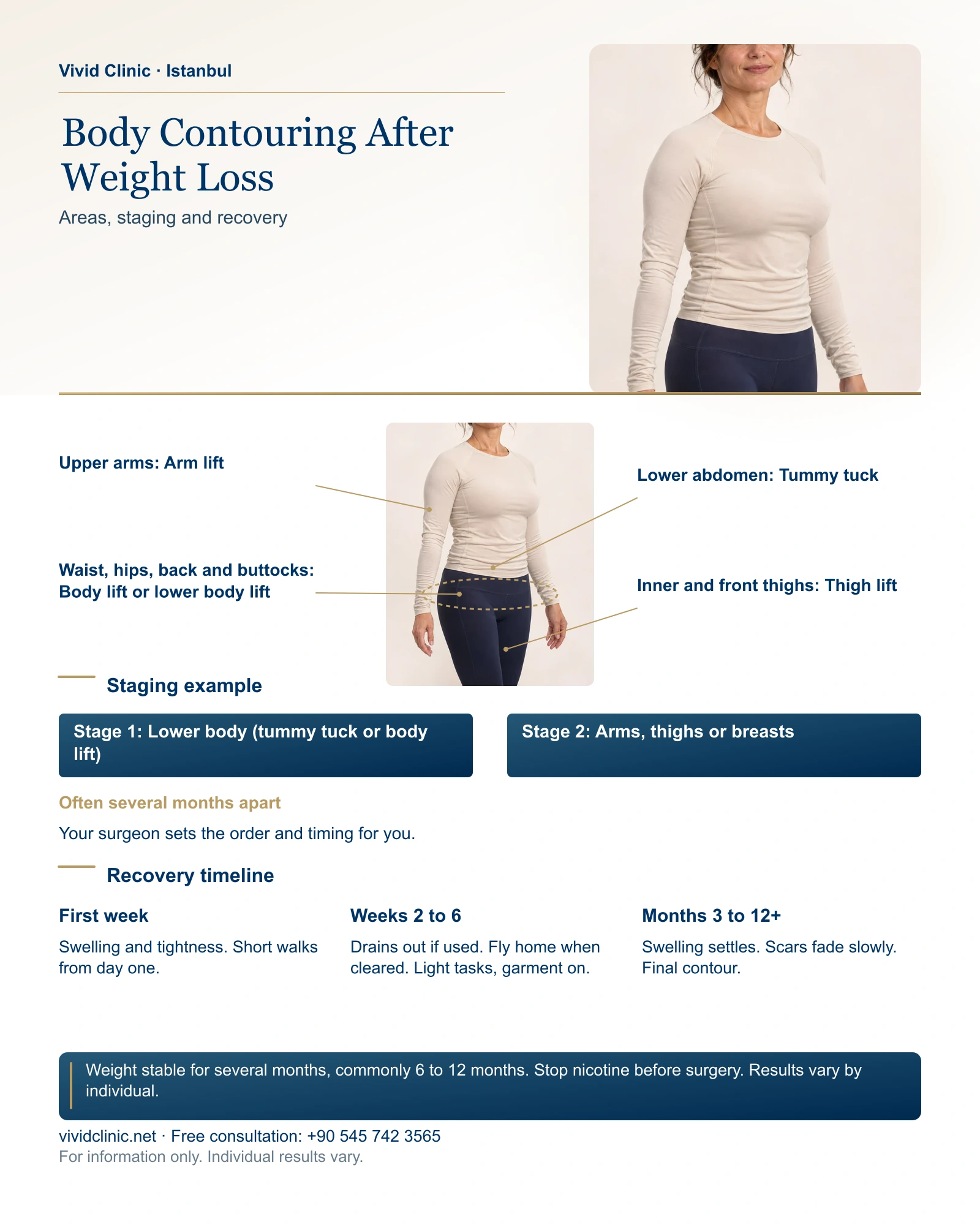
Excess skin rarely sits in one place. Common areas include:
- Lower abdomen: a fold or apron hanging over the waistband
- Flanks, hips and lower back: skin that wraps around the torso like a loose belt
- Upper arms: skin that hangs from the underside of the arm
- Inner and front thighs: creasing and rubbing when walking
- Buttocks: flattening and sagging after volume loss
- Breasts and chest: deflation and drooping
Many patients notice several areas together, so planning usually covers the whole body.
What Can Tighten Loose Skin After Weight Loss Without Surgery?
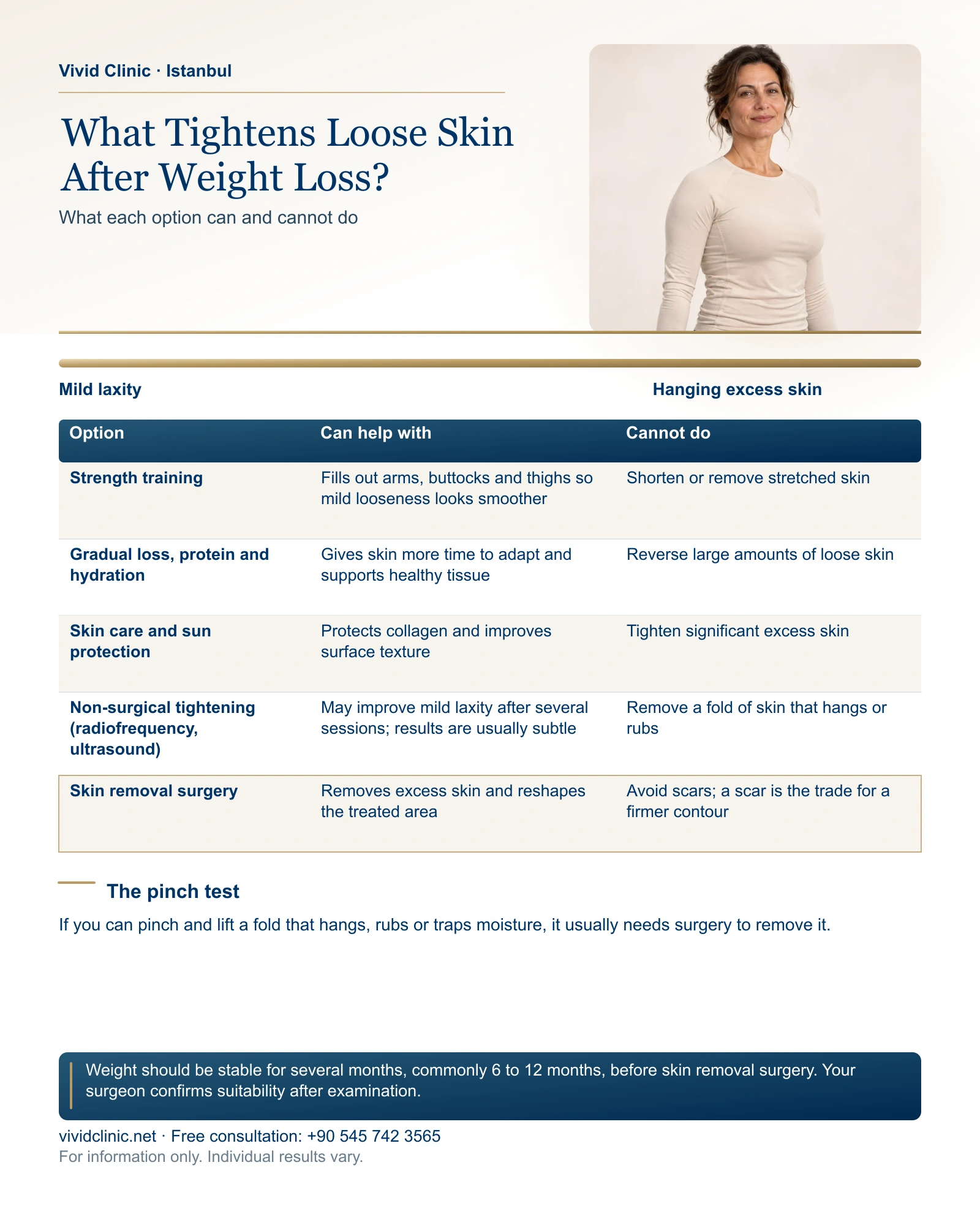
Quick Answer: Strength training, gradual weight loss, good protein intake, hydration and skin care support healthier skin, and non-surgical tightening may improve mild laxity. These options can make a modest difference. They cannot remove a true fold of excess skin.
Strength Training
Building muscle fills out the space under the skin on the arms, buttocks and thighs, so mild loose skin after weight loss can look smoother. It does not shorten the skin, so a hanging fold stays a fold.
Gradual Loss, Protein and Hydration
Steady loss, where medically appropriate, gives skin more time to adapt. Protein supports tissue repair and hydration helps skin feel healthier, but the effect on large amounts of loose skin is limited.
Skin Care and Sun Protection
Sunscreen, moisturizer and not smoking help protect collagen. Creams improve texture, but none has been shown to tighten significant excess skin.
Non-Surgical Skin Tightening
Radiofrequency, ultrasound and radiofrequency microneedling heat deeper skin layers to stimulate collagen. They may help mild loose skin after weight loss in selected people, often over several sessions. Results vary by individual and are usually subtle.
What These Options Cannot Do
If you can pinch and lift a fold that hangs, rubs or traps moisture, exercise and devices will not remove it. That skin needs surgery, and a scar is the trade for a firmer contour.
When Is Skin Removal Surgery the Answer?
Quick Answer: Skin removal surgery is usually considered when loose skin after weight loss hangs, causes rashes or rubbing, limits exercise or clothing, and has not improved after several months of stable weight. A surgeon decides the right procedure after examining you.
Signs that surgery may be the realistic route include:
- Recurrent irritation or infection in skin folds
- Skin that hangs well over the waistband, knees or elbows
- No meaningful change after months of stable weight and exercise
Who Is a Good Candidate for Body Contouring?
Good candidates usually share these features:
- Weight stable for several months, commonly 6 to 12 months
- Good general health with well-controlled medical conditions
- Non-smokers, or willing to stop well before and after surgery
- Good nutrition, with no significant deficiencies
- Realistic expectations about scars and staged recovery
Who Should Wait or Choose Another Path
If you are still losing weight, surgery is usually postponed, because further loss creates new looseness. A high BMI, uncontrolled diabetes, nicotine, anemia or low protein raise the risk of wound-healing problems, so your surgeon may ask you to address these first. Mild laxity may be better served by exercise and time.
Why Weight Stability Matters Before Surgery
Surgeons plan the removal of loose skin after weight loss around the body you will live in. If your weight is still falling, the result can loosen again; if it rises, scars can stretch.
Stability for several months, commonly 6 to 12 months, is a typical guide, and bariatric patients are often assessed 12 to 18 months after their operation. Blood tests for iron, protein and vitamins may be checked. If you take a GLP-1 medicine, tell your surgical team, as the anesthetist may give specific instructions around surgery.
Earlier in your journey? Our weight loss and bariatric surgery page explains surgical options for weight loss itself.
Skin Removal Surgery Options by Area
Surgery for loose skin after weight loss is a family of operations, each targeting a different area.
Tummy Tuck
A tummy tuck removes excess skin and fat from the lower abdomen and, when needed, tightens separated abdominal muscles. The scar sits low, usually from hip to hip. After major weight loss, some patients also need a vertical scar to remove horizontal looseness.
Body Lift and Lower Body Lift
When loose skin wraps around the waist, hips and back, a body lift treats the whole lower torso in one circular plan. A lower body lift removes skin from the abdomen, flanks and lower back, and can lift the buttocks and outer thighs. The scar runs around the body, placed to sit under underwear where possible.
Arm Lift
An arm lift, or brachioplasty, removes hanging skin from the underside of the upper arm. The scar usually runs along the inner arm, sometimes extending toward the armpit.
Thigh Lift
A thigh lift removes loose skin from the inner or front thighs to reduce rubbing and creasing. The scar sits in the groin crease, along the inner thigh, or both.
Combined Plans for the Abdomen and Breasts
After pregnancy and weight loss, a mommy makeover can combine abdominal and breast surgery in one session when it is safe.
Staging: One Operation or Several?
Quick Answer: Many patients need more than one area treated, so surgery is often staged. Combining too much in one session lengthens anesthesia and raises risk. A common approach treats the lower body first and the arms, thighs or breasts in a later stage, often several months apart.
Staging lets each area heal and lets you recover between operations. Your surgeon will discuss which area of loose skin after weight loss bothers you most, what can be combined safely, and how long to wait. The timing is individual.
How the Surgery Is Performed
Body contouring is normally performed under general anesthesia in a hospital. The surgeon marks the skin with you standing, because loose tissue moves when you lie down.
Excess skin and some fat are removed and the tissue is closed in layers, sometimes with liposuction to refine the contour. Drains are often placed for a few days, and compression garments are fitted before you wake.
Procedure Overview Table: Body Contouring After Weight Loss (tummy tuck, body lift, arm lift)
| Aspect | Details |
|---|---|
| Duration Process | About 2 to 6 hours, depending on the areas treated |
| Hospitalization Duration | 1 to 3 nights |
| Mobility Duration | Short assisted walks from the first day; gentle movement during the first 1 to 2 weeks |
| Return to Activity | About 2 to 4 weeks for desk work and light daily tasks |
| Complete Recovery | About 6 to 12 weeks before strenuous exercise and heavy lifting |
| Anticipated Results | New contour visible within weeks; final result and scar maturation at about 6 to 12 months or longer |
Times are general ranges. Results vary by individual, and each stage adds its own recovery.
Operation Process Overview at Vivid Clinic
Your journey begins with your arrival in Istanbul, where a VIP airport transfer takes you to your 5-star hotel and check-in is already arranged. Next comes a one-on-one consultation, when your surgeon examines your skin in person, reviews your weight history and tests, and confirms which areas can be treated safely in this stage. On surgery day, the hospital team looks after you from admission to the recovery ward. Post-operative care includes drain checks, dressing changes and garment fitting. A checkup visit before departure confirms that healing is on track and that you are fit to fly home. Remote aftercare follow-up then continues with photo reviews and contact with your coordinator.
Recovery Timeline
First Week
Expect swelling, tightness and discomfort, managed with prescribed medication. Short walks begin early to support circulation. After a tummy tuck or body lift you may walk slightly bent for several days.
Weeks 2 to 6
Drains usually come out early, and most international patients fly home once cleared. Desk work often resumes. Compression garments stay on as advised, and lifting, stretching and hard exercise are still restricted.
Months 3 to 12 and Beyond
Swelling settles and the contour becomes clearer. Scars fade slowly over 12 months or more; they do not disappear, but usually flatten and pale.
Benefits of Treating Loose Skin After Weight Loss
- Relief from rubbing, rashes and moisture in skin folds
- Easier exercise and movement
- Clothes that fit the body you have worked for
- A firmer, smoother contour in the treated areas
- Lasting improvement when weight stays stable
Aging and future weight changes still affect the skin.
Risks and Side Effects to Discuss
Skin removal surgery is major surgery. Possible risks include bleeding, infection, fluid collection (seroma), wound separation, delayed healing, numbness, asymmetry, wide or raised scars, and blood clots. Revision surgery is sometimes needed.
Wound problems are more common when loose skin after weight loss follows a very large loss, and in people who smoke or have a higher BMI. Nicotine avoidance, early walking and good nutrition lower these risks but cannot remove them.
How to Prepare Before Surgery
- Keep your weight stable and follow a balanced diet with enough protein
- Stop smoking and all nicotine for the period your surgeon specifies
- Share a full list of medications and supplements, including any GLP-1 medicine
- Bring recent blood tests and details of any bariatric surgery
- Arrange help at home for the first weeks
Aftercare Tips for a Smoother Recovery
- Wear compression garments exactly as instructed
- Keep incisions clean and dry
- Walk little and often, and stay hydrated
- Avoid lifting, straining and stretching the treated areas until cleared
- Protect scars from the sun
- Report fever, spreading redness, sudden swelling, calf pain or breathlessness immediately
Skin Removal Surgery Cost Factors in Istanbul, Turkey
The cost of skin removal surgery depends on your individual plan. Key factors include:
- The number of areas treated and whether surgery is staged
- Operating time and the complexity of the skin removal
- Whether liposuction, muscle repair or breast surgery is added
- Surgeon experience and the hospital setting
- Anesthesia, tests and the number of hospital nights
- Hotel, transfer and coordination services in the package
For a first estimate, try the surgery price calculator. Any figure is confirmed only after your surgeon has reviewed your case.
Why Choose Vivid Clinic for Body Contouring?
Istanbul, Turkey is a well-known destination for treating loose skin after weight loss, with modern hospitals and organized care for international patients.
At Vivid Clinic, planning starts with a free consultation with a plastic surgeon. You share photos and your weight history and receive an honest opinion: which procedures suit you, how they could be staged, or whether you should wait. You can learn more about our doctors before you decide.
What International Patients Should Expect
Plan to stay roughly 10 to 14 days for most body contouring, depending on the procedures and your healing. Bring medical records, blood tests, a medication list and loose clothing. Staged plans mean a second trip months later.
FAQs
How long should I wait before surgery for loose skin after weight loss?
Most surgeons want your weight to be stable for several months before treating loose skin after weight loss, commonly 6 to 12 months. After bariatric surgery, assessment often happens around 12 to 18 months after the operation, once weight loss has leveled off and nutrition has recovered. Operating while you are still losing weight can leave new looseness and may raise the risk of healing problems. Your surgeon may request blood tests for protein, iron and vitamins before confirming a date. If you are unsure, send your photos and weight history for a review first.
Can loose skin after weight loss from Ozempic tighten on its own?
Mild loose skin after weight loss with GLP-1 medicines such as Ozempic may improve slightly over the first months, especially with strength training, good protein intake and time. Larger folds that hang or rub usually do not tighten enough on their own, because the stretched skin fibers have limited ability to contract. The medicine is not thought to damage skin directly; the speed and amount of weight lost are the main factors. Decisions about the medicine itself belong with your prescribing doctor. For surgical planning, what matters is that your weight has settled and that your surgeon can assess how much excess skin remains.
Which procedures treat loose skin after weight loss in several areas at once?
When loose skin after weight loss affects several areas, surgeons often combine or stage procedures. A body lift or lower body lift treats the abdomen, flanks, lower back and buttocks in one circular operation. A tummy tuck focuses on the front of the abdomen. Arm lifts and thigh lifts address the limbs and are frequently done in a later stage. Combining too many areas in one session lengthens anesthesia and raises risk, so many patients have two stages several months apart. Your surgeon will recommend a sequence based on your priorities, health and skin quality.
When can I fly home after surgery for loose skin after weight loss in Istanbul, Turkey?
Most international patients stay in Istanbul for roughly 10 to 14 days after body contouring for loose skin after weight loss, although this depends on the procedures and your healing. Before you travel, a checkup visit confirms that wounds are progressing, drains are out if they were used, and you are moving comfortably. Long flights after major surgery carry a higher risk of blood clots, so your surgeon may advise compression stockings, walking in the aisle, good hydration and sometimes preventive medication. Avoid lifting heavy luggage.
What affects the cost of surgery for loose skin after weight loss?
The cost of surgery for loose skin after weight loss depends mainly on how many areas are treated and how complex the skin removal is. Other factors include operating time, whether liposuction or muscle repair is added, whether the plan is staged into more than one trip, the surgeon’s experience, the hospital, anesthesia, hospital nights, and the hotel, transfer and aftercare services in your package. Vivid Clinic offers a free consultation with a plastic surgeon to review your photos and give you a personalized plan.
Conclusion
Loose skin after weight loss is a common, physical result of a big change, not a sign of failure. Strength training, steady habits, skin care and non-surgical tightening can help mild laxity, but folds that hang, rub or trap moisture usually need skin removal surgery. The best results come when your weight is stable, your health is optimized and your plan is staged sensibly. Results vary with your anatomy and healing.
Vivid Clinic in Istanbul, Turkey offers a free consultation with a plastic surgeon to help you understand which areas can be treated and when. Get a Free Consultation and take the next step toward a body that reflects the work you have already done.
Real Before and After Results at Vivid Clinic
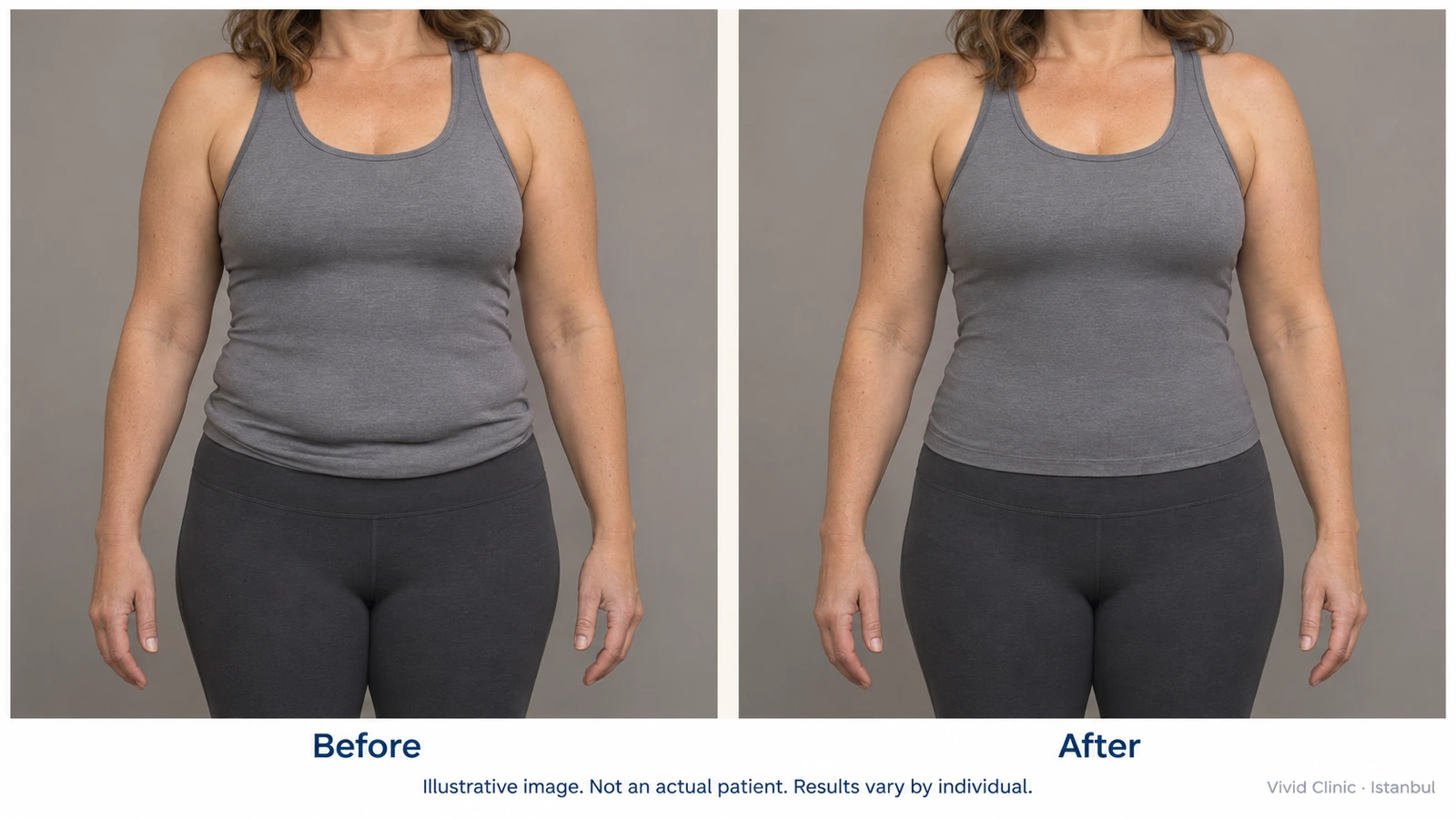
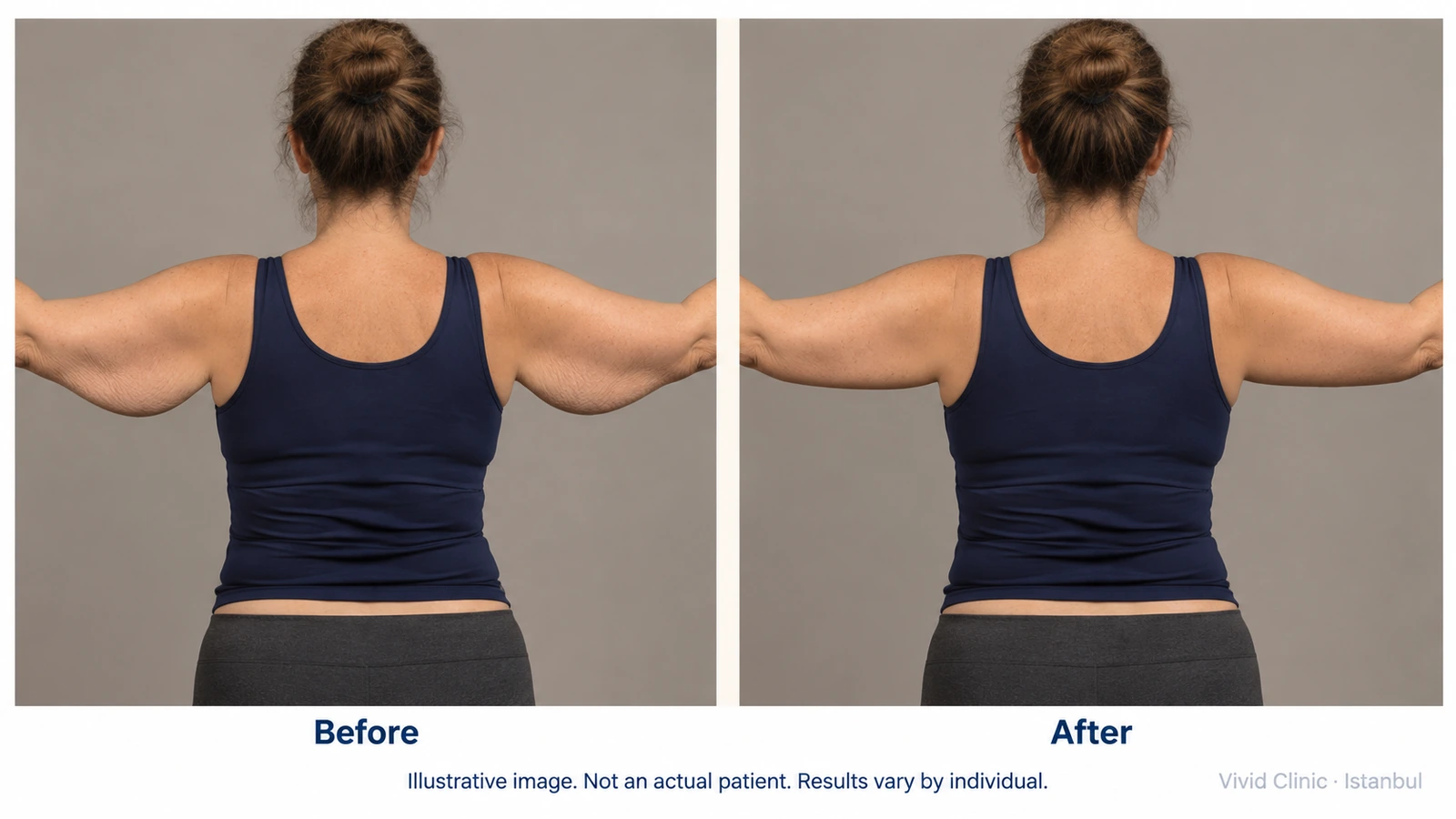
These photos show real Vivid Clinic patients from the clinic’s own gallery, shared with consent as published on the clinic site, and results vary by anatomy, healing and treatment plan. They are tummy tuck and mommy makeover cases, not specifically massive-weight-loss or body lift cases.
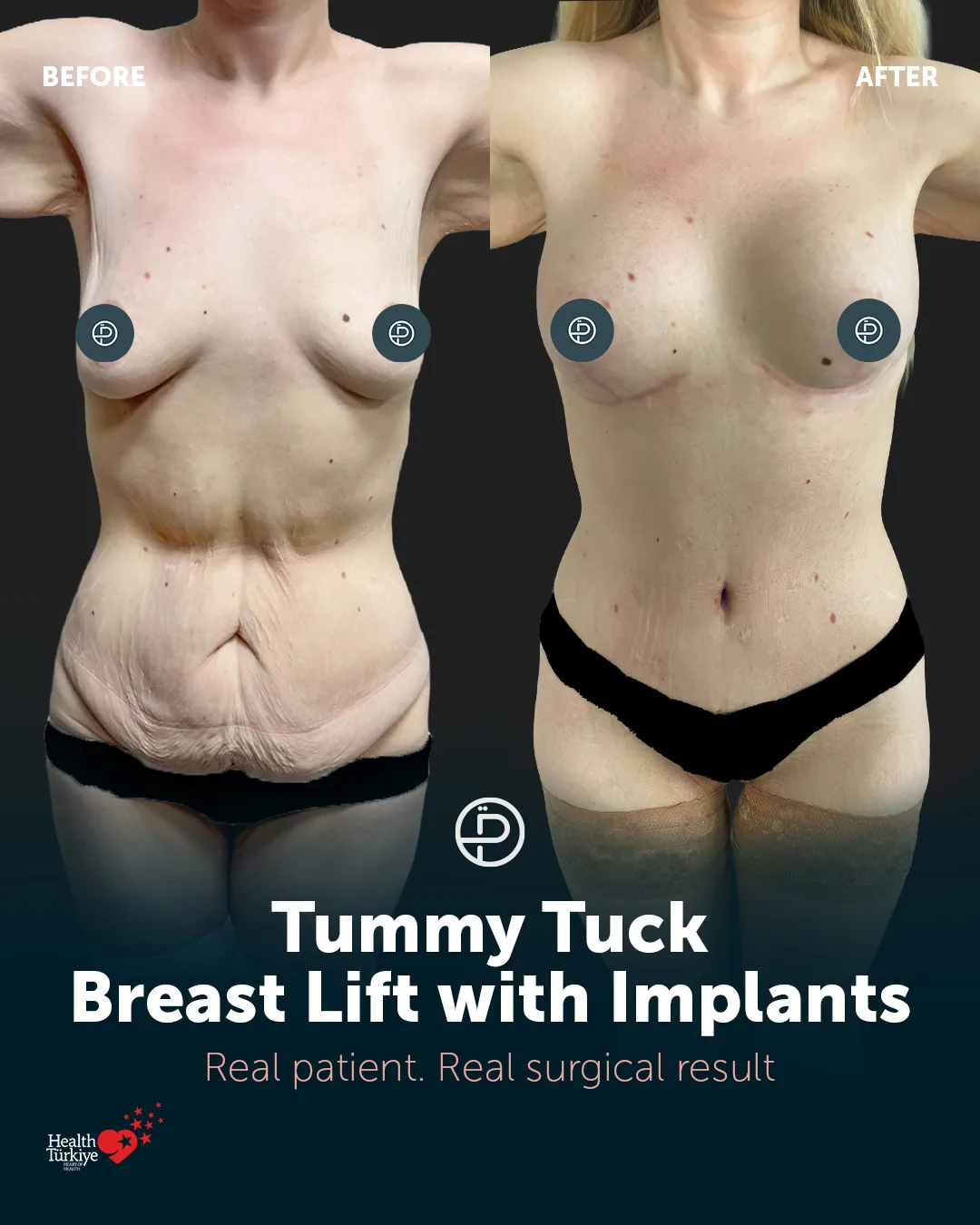
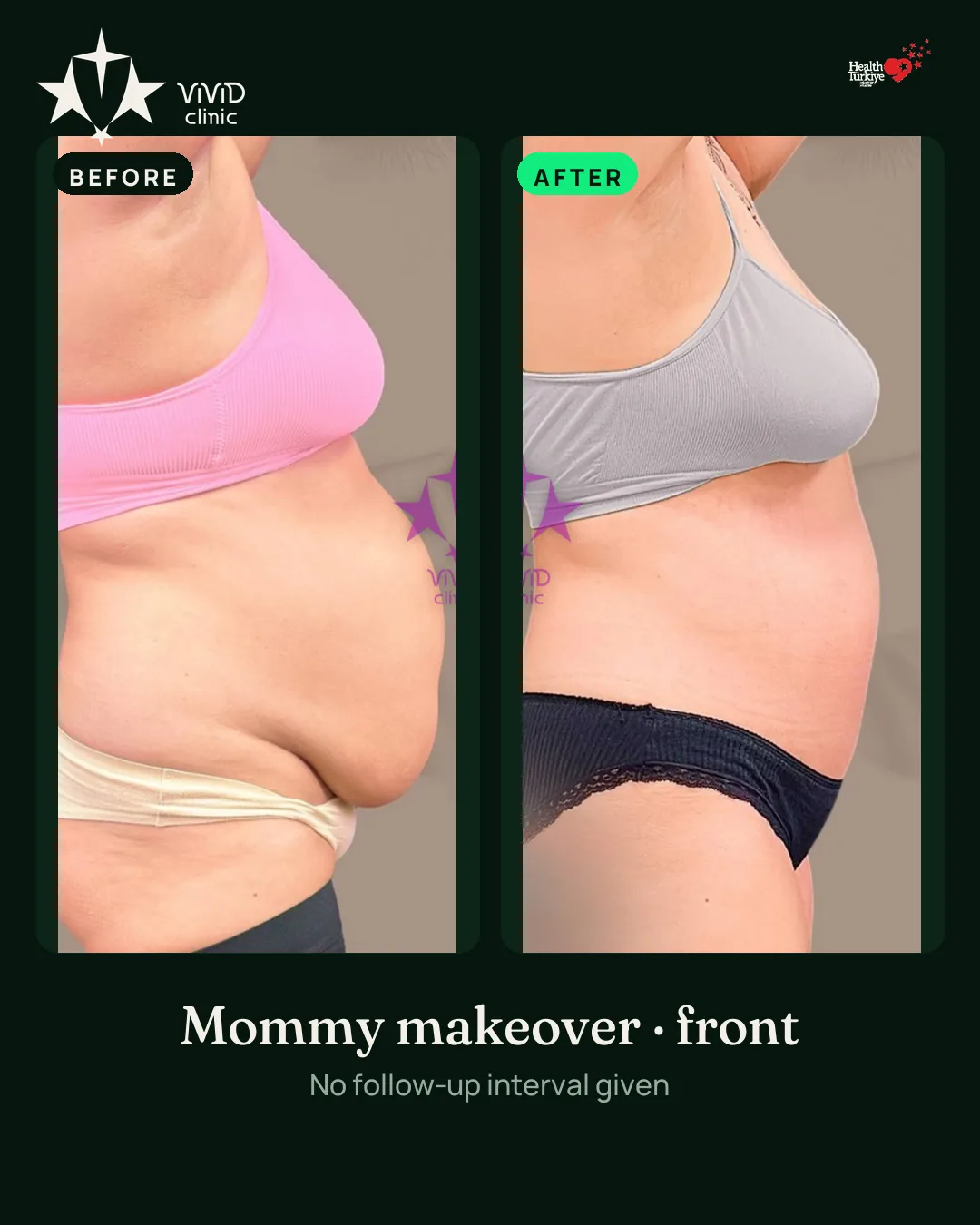
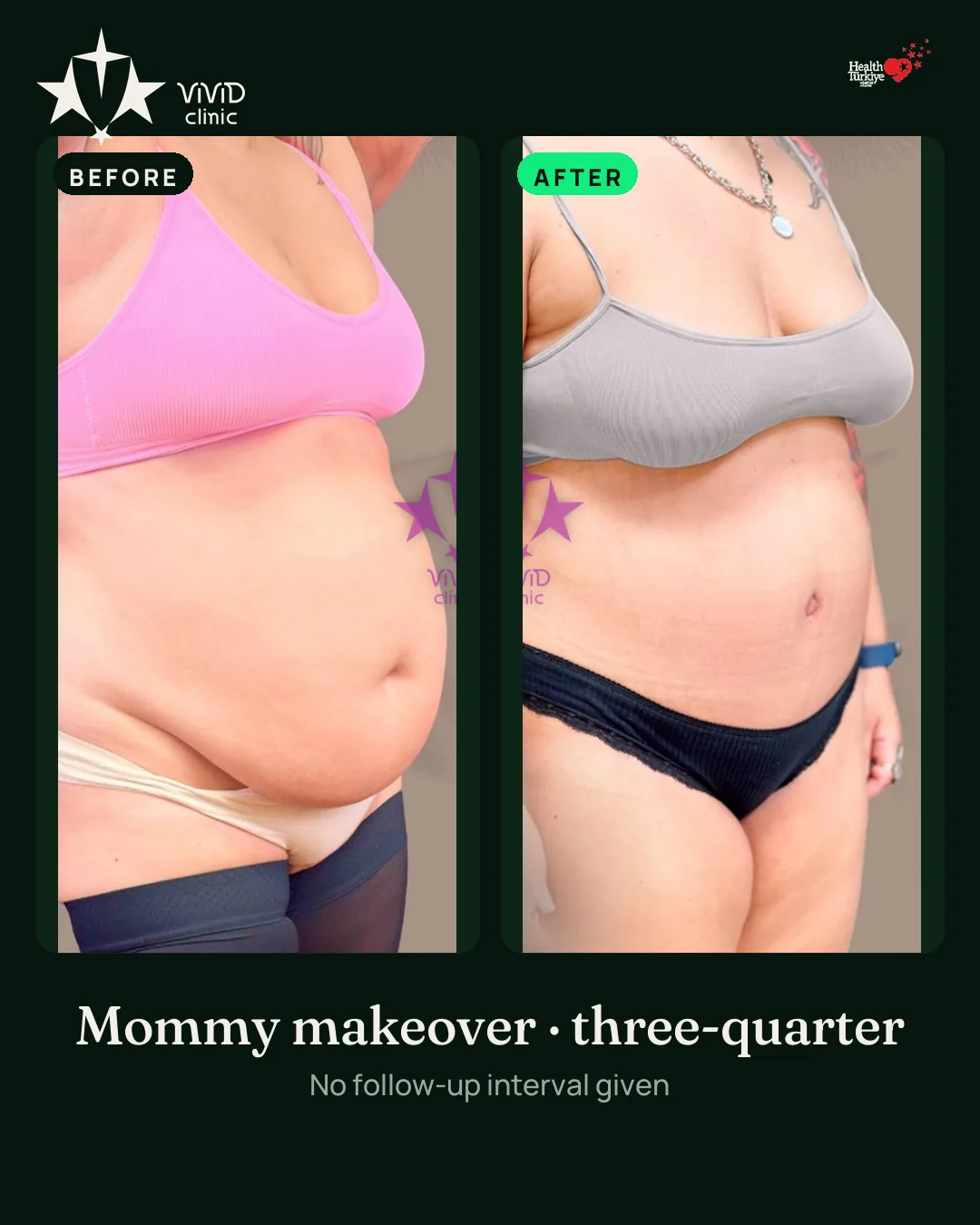
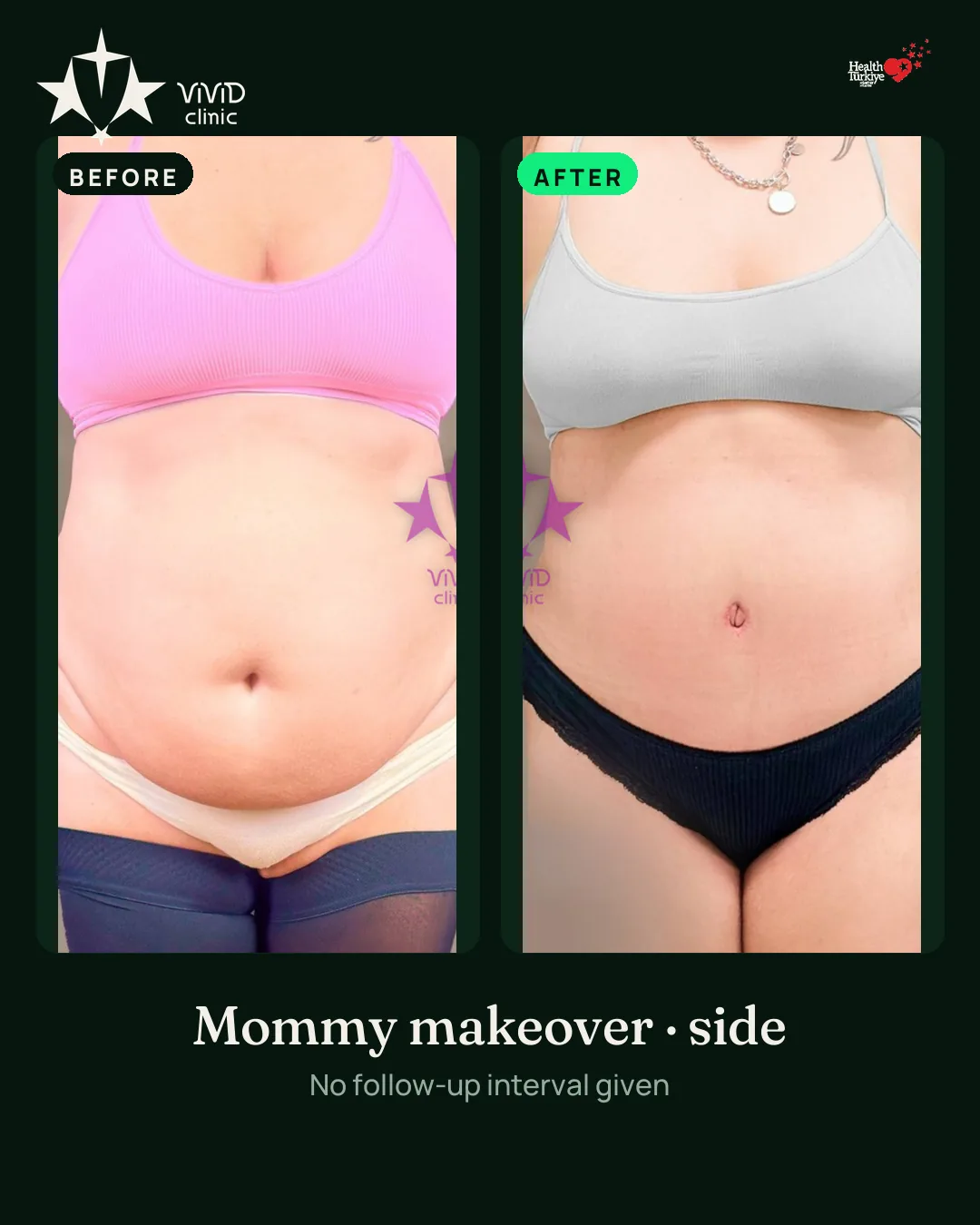
See more cases in the full before and after gallery. To find out what may be realistic for you, send your photos to Vivid Clinic and request your free consultation.
This article is for general information and does not replace a personal medical consultation. Suitability, risks, recovery and expected results should be discussed with a qualified plastic surgeon. Decisions about weight-loss medicines belong with your prescribing doctor. Results vary by individual.