
 ChatGPT

Medically reviewed by Prof. Dr. Özgür Pilancı, Plastic, Reconstructive & Aesthetic Surgeon — August 2026
Quick answer (updated August 2026): When comparing Botox vs Dysport, the useful question is the total cost of a treatment that works for you, not the price per unit. A Dysport unit and a Botox unit are not the same thing, so comparing the two on price per unit tells you nothing. Both manufacturers say so in their FDA labeling: Botox Cosmetic’s units “cannot be compared to nor converted into Units of any other botulinum toxin products,” and Dysport’s “are not interchangeable with other preparations of botulinum toxin products.” Aesthetic practice commonly uses a Dysport-to-Botox dose ratio around 2:1 to 2.5:1, so an area needs more Dysport units — which is why a cheaper unit is not a cheaper treatment. Compare the total cost of treating the area, not the price list.

Why “cheaper per unit” is the wrong question
Dysport is not sold in Botox units. Each product is dosed in potency units defined by its own manufacturer’s assay, and the two scales were never designed to line up. StatPearls notes that FDA-approved labels advise against performing potency conversions at all.
Clinicians still need a working starting point. In the Aesthetic Surgery Journal (2017), Kane and Monheit describe the aesthetic dose ratio between abobotulinumtoxinA (Dysport) and onabotulinumtoxinA (Botox) as having narrowed from an earlier 2:1 to 4:1 down to “more likely to be 2:1 to 2.5:1.”
Follow that through and the price question answers itself: if an area takes two to two and a half times as many Dysport units, a Dysport unit priced at half a Botox unit produces the same bill or a bigger one. Two per-unit prices with no unit counts attached cannot be compared at all.
What the two products are, and how they work
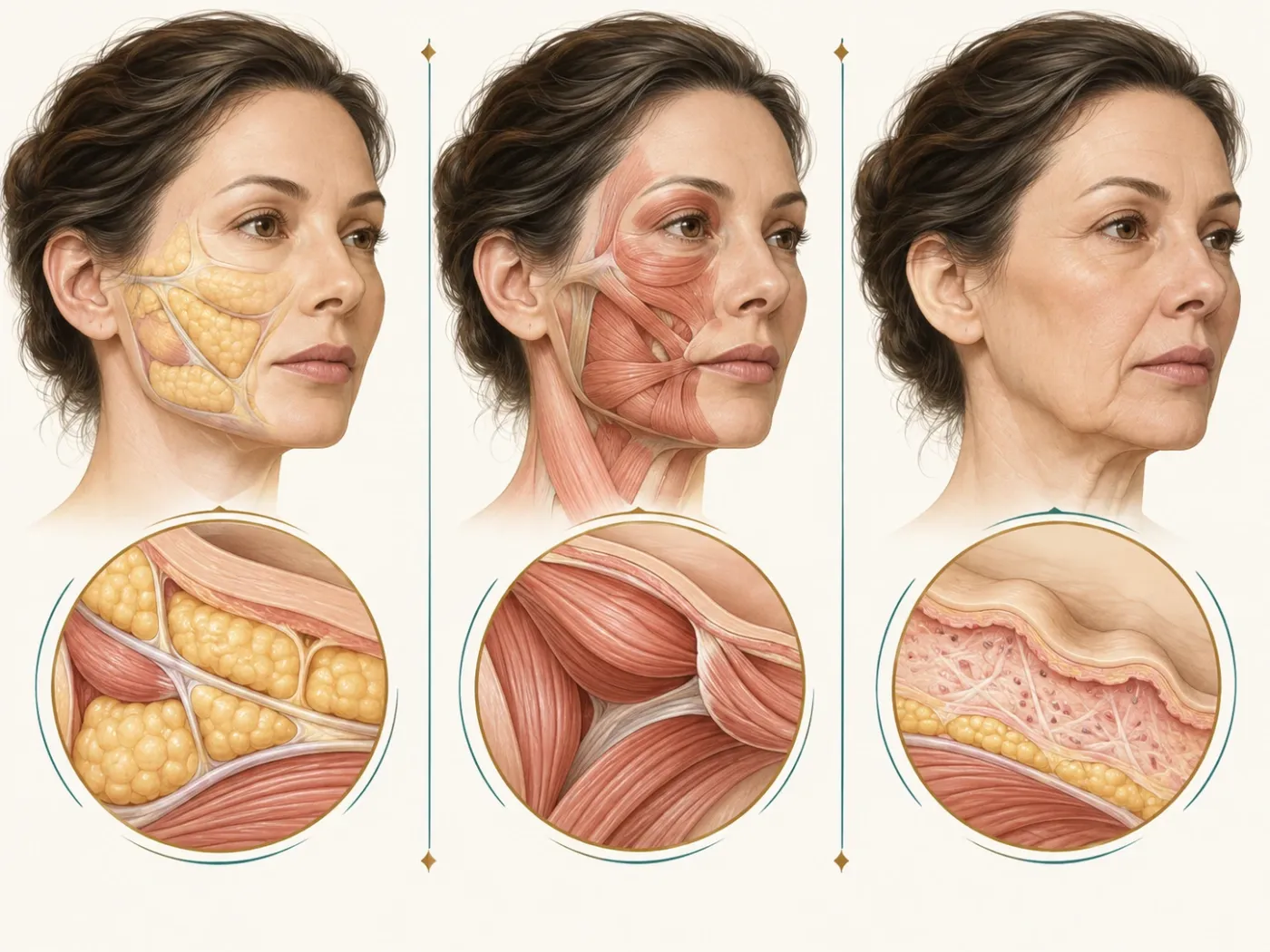
Both are botulinum toxin type A — the same neurotoxin, prepared differently by two manufacturers. Botox is onabotulinumtoxinA; Dysport is abobotulinumtoxinA. They differ in formulation and in how potency is measured, but not in what they do.
At the neuromuscular junction the toxin binds the nerve terminal and cleaves one of the SNARE proteins the nerve uses to release acetylcholine. Without acetylcholine the muscle receives no instruction to contract. StatPearls describes this inhibition as reversible: the terminal recovers and the muscle works normally again.
That sets the limits too. Toxin softens lines made by movement; it does not lift tissue or replace volume. A heavy brow or slack jawline is surgical territory — a forehead lift or a facelift.
Onset, spread and duration

The practical differences between the two are real but modest, and they matter far more to your injector than to your bill.
Onset. Mayo Clinic puts botulinum toxin generally at one to three days to begin working, full effect after a week or more. Comparing the two directly, Nestor and colleagues reported in the Aesthetic Surgery Journal (2017) that abobotulinumtoxinA reached onset marginally sooner in glabellar lines — a mean difference of roughly half a day.
Spread. Kerscher and colleagues, in Archives of Dermatological Research (2012), found abobotulinumtoxinA produced a significantly greater maximal area of effect than incobotulinumtoxinA at a 1:2.5 dose ratio. Wider spread helps across a broad flat muscle and hurts beside structures you want left alone, such as the muscles holding the eyelid up.
Duration. The American Academy of Dermatology gives about three to four months, sometimes longer; the Dysport label reports reduced glabellar line severity for up to four months. It varies with dose, area, muscle bulk and metabolism, and no honest clinic promises a figure.

How clinics price toxin, and why quotes rarely compare

Two pricing models dominate and they are not comparable. Per unit means the bill scales with the product you need. Per area — a flat fee for “the forehead” — is simpler to advertise but hides the quantity entirely.
The American Society of Plastic Surgeons reports an average of $435 for a botulinum toxin treatment and puts typical US per-unit pricing at roughly $10 to $15 per unit. Both are third-party US market averages, not a quote for you.
Comparison then fails three ways at once: per-area pricing conceals the dose, per-unit pricing conceals the product and therefore the unit scale, and how much anyone needs depends on their own muscle bulk and goal.

“A permanent lump after Botox” — what a lump usually is
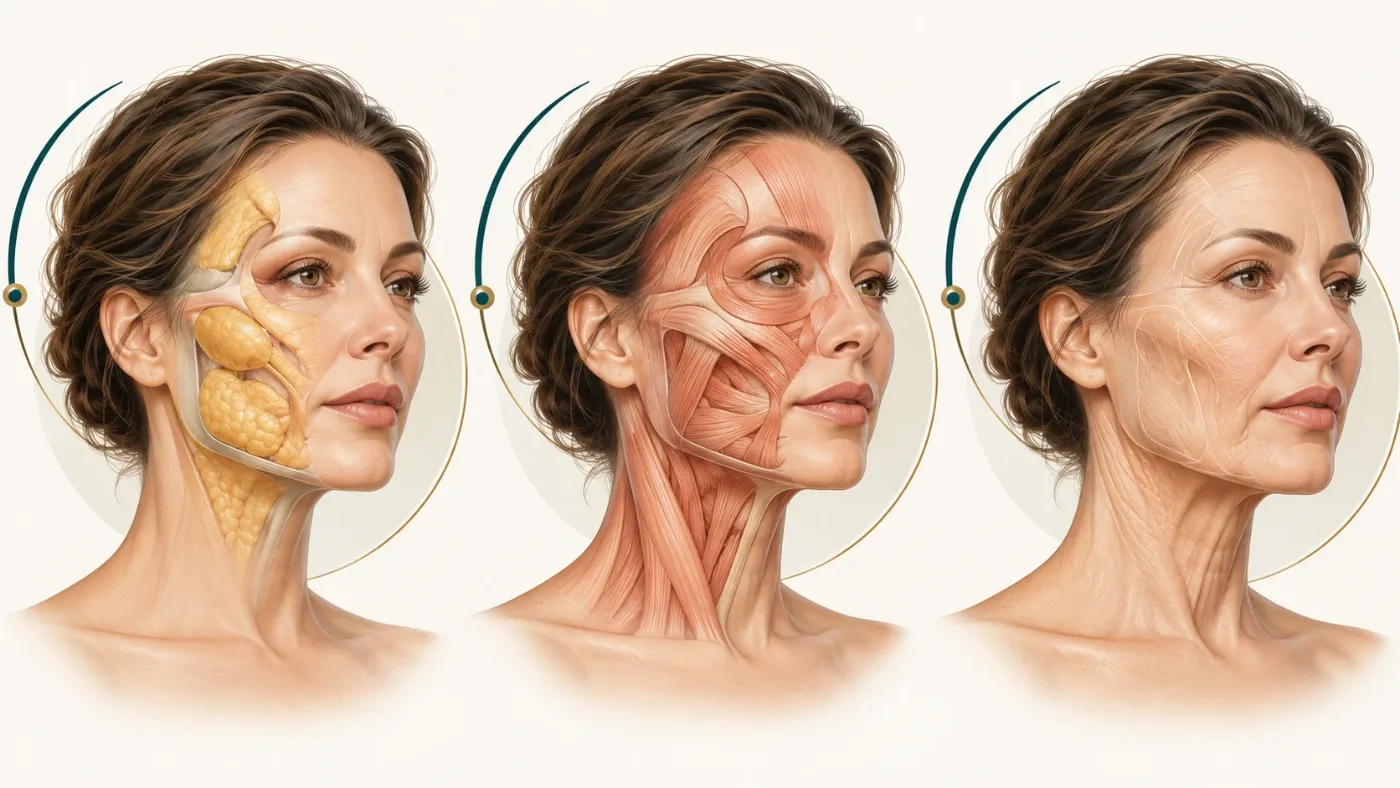
Small bumps immediately after injection are usually just the injected fluid plus a normal reaction to a needle. The AAD lists swelling, redness, soreness and bruising among ordinary temporary side effects; Mayo Clinic lists pain, swelling or bruising at the site. These settle over hours to days.
A lump that persists needs examining rather than guessing at. Persistent nodules after toxin injection are uncommon — and a lasting lump may have nothing to do with the toxin. It may be a nodule from dermal filler placed earlier (the AAD lists lumps among filler complications, and some fillers last years or are effectively permanent), or a cyst, a scar, or an unrelated lesion. Take the dates and product records of every injectable you have had in that area to the appointment.
Trapezius injection (“traptox”) is an off-label use
Injecting toxin into the trapezius to soften a bulky shoulder line and lengthen the look of the neck has become popular online as “traptox.” Its status is worth stating plainly: this is an off-label aesthetic use. Botox Cosmetic’s approved cosmetic indications cover facial lines and platysma bands only, and neither product carries a shoulder or trapezius indication.
Off-label does not mean forbidden — clinicians may use licensed medicines outside their approved indications where they judge it appropriate — but the evidence is thinner than the marketing suggests. A 2025 systematic review by Kapoor and colleagues found only nine studies covering 121 patients, reported temporary trapezius weakness in about 10.7% of cases, and called for further research.
The functional stakes are higher than in the face: the trapezius stabilizes the shoulder blade and is supplied by the spinal accessory nerve. Yi and colleagues, in the Aesthetic Surgery Journal (2024), described substantial paralysis after injections affecting that nerve’s main branch, and linked excessive dosing or nerve injury to subacromial impingement syndrome. Doses used in a large postural muscle are considerably higher than in facial lines, and the downside is posture and shoulder function.
Who should not have botulinum toxin

Both products are contraindicated in anyone with known hypersensitivity to a botulinum toxin preparation or its components, and in anyone with an active infection at the injection site; Dysport adds allergy to cow’s milk protein. FDA labeling warns that patients with pre-existing neuromuscular disorders, myasthenia gravis and Lambert-Eaton syndrome among them, may face increased risk of clinically significant effects including generalized weakness and swallowing or breathing difficulty. Mayo Clinic and Cleveland Clinic both advise against cosmetic treatment during pregnancy and breastfeeding.
Every product also carries an FDA boxed warning that effects may spread beyond the injection site, hours to weeks later, and that swallowing and breathing difficulties can be life-threatening. That is rare at cosmetic doses, and it is why this is a prescription medicine, not a retail service.
The injector and the vial matter more than the brand

Counterfeit and improperly sourced toxin is a documented, recent harm. A CDC investigation running from April to December 2024 identified 17 people across nine states with harmful reactions after injections involving counterfeit products or injectors not meeting state requirements; 13 were hospitalized, with symptoms including double vision and difficulty swallowing or breathing. CDC’s advice is short: ask whether your provider is licensed and trained, confirm the product is FDA-approved and from a reliable source, and if in doubt, don’t have it. The AAD adds that toxin bought online should require a medical license to purchase.
So before booking anywhere, including here, ask three things: which product is being used, whether you may see its packaging, and what the total cost of treating your areas is — not the price of a unit.

Related Before and After Results at Vivid Clinic
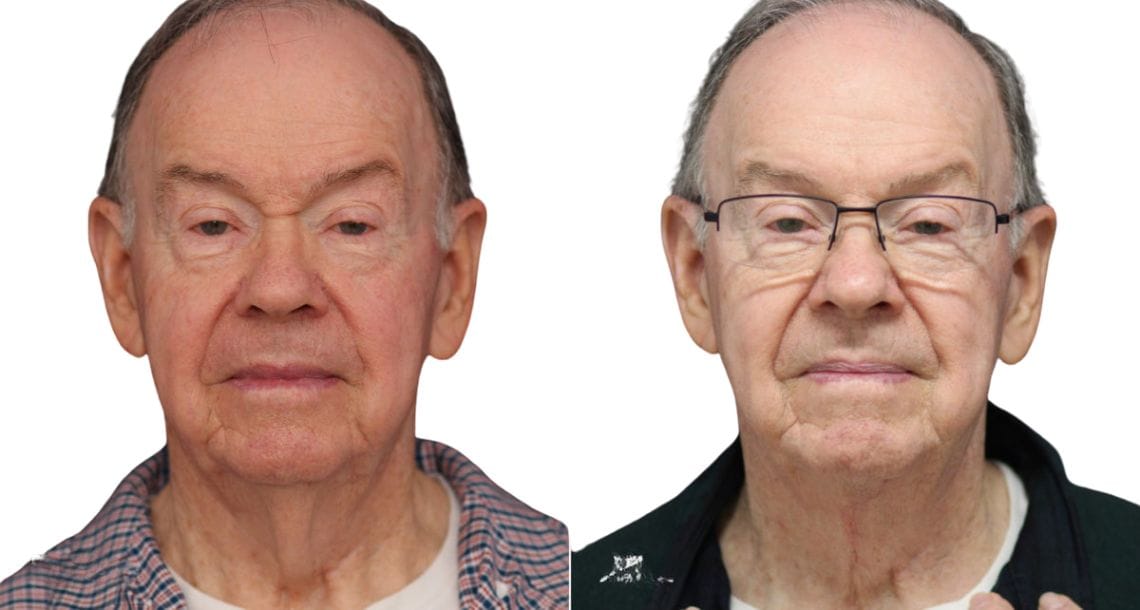
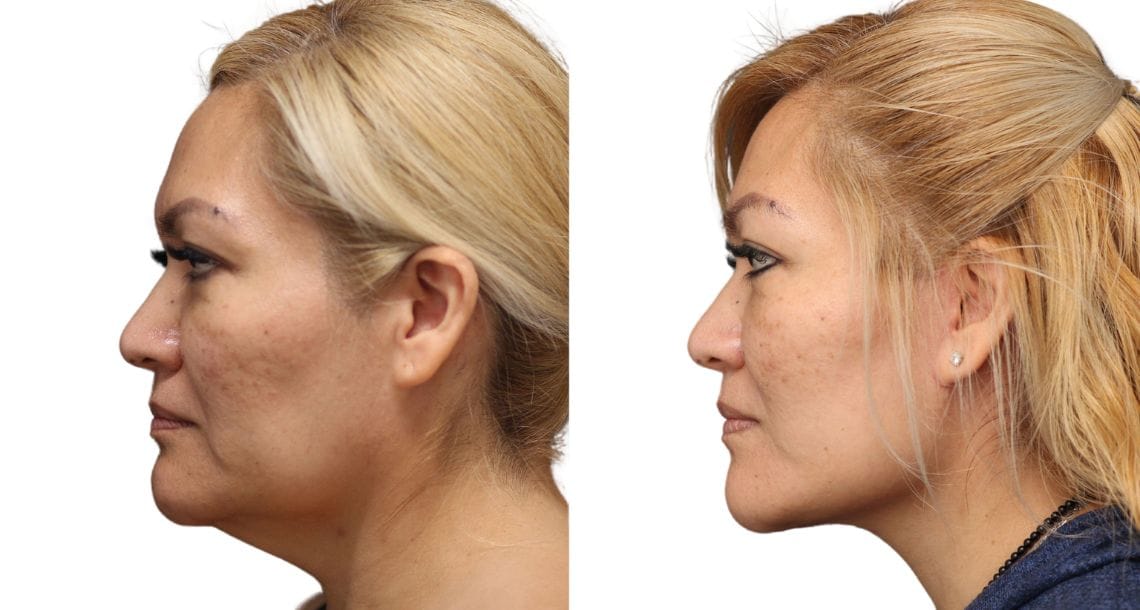
The photos below show real Vivid Clinic patients who had facelift — a related procedure, not botulinum toxin itself — shared with their consent to show how our Istanbul team documents results. Ask during your free consultation to see cases that match your own treatment. Individual results vary. Browse the full Before & After Gallery.




Frequently Asked Questions
Is Dysport cheaper than Botox?
Not reliably, and the per-unit price cannot tell you. Dysport usually costs less per unit, but it is dosed in its own units, and aesthetic practice commonly uses a Dysport-to-Botox ratio around 2:1 to 2.5:1 — so an area takes roughly two to two and a half times as many units, and the totals often land close together. Compare full cost for the same area.
Why are Dysport and Botox units measured differently?
Because each manufacturer defines potency using its own laboratory assay, and the assays were never standardized against one another. A unit measures biological activity in that test, not a fixed quantity of toxin. It is why the Botox Cosmetic label says its units cannot be converted into units of any other product, and why StatPearls records that FDA labels advise against potency conversions.
Which one works faster, and which lasts longer?
Dysport is commonly reported to act slightly sooner, but the gap is small: Mayo Clinic puts botulinum toxin generally at one to three days to begin working, and Nestor and colleagues reported a mean onset difference of about half a day favoring abobotulinumtoxinA in glabellar lines. Duration is broadly comparable: the American Academy of Dermatology gives about three to four months, sometimes longer.
Can you get a permanent lump after Botox?
Persistent nodules are uncommon. Small bumps in the first hours are usually injected fluid and normal injection-site swelling, which the AAD and Mayo Clinic both list among ordinary temporary side effects, and they settle quickly. A lump that lasts needs examining rather than self-diagnosis, and may not be from the toxin at all — filler placed previously can leave a nodule, and a cyst or unrelated lesion presents the same way.
Is Botox in the trapezius muscle safe?
Trapezius injection for shoulder contouring is an off-label aesthetic use — no botulinum toxin product carries an FDA-approved shoulder or trapezius cosmetic indication. Evidence is limited: a 2025 systematic review of nine studies and 121 patients found mostly mild, transient adverse events, including temporary muscle weakness in about 10.7% of cases. Because the trapezius stabilizes the shoulder blade and is supplied by the spinal accessory nerve, reported risks include weakness affecting posture and shoulder function. Discuss the trade-offs with a qualified medical injector.
How do I know the product I am given is genuine?
Ask to see the packaging and labeling before injection, and ask whether the clinician is licensed and trained to administer it. ASPS treats refusal to show packaging, and prices that look too good to be true, as warning signs. The CDC — after investigating 17 harmful reactions across nine states in 2024 — advises confirming the product is FDA-approved and from a reliable source.
Been quoted a price per unit and not sure what it actually buys? Send your questions and photographs for a free online assessment and get a straight answer about what would and would not change — including when the honest answer is that an injectable is not what you need.