
 ChatGPT

Medically reviewed by Prof. Dr. Özgür Pilancı, Plastic, Reconstructive & Aesthetic Surgeon — August 2026
Quick answer (updated August 2026): This guide to chin types explains each common shape and what, if anything, would change it. Chin shape is set by three layers — the chin bone (the mentum), a fat pad in front of it, and the muscle and skin over both — and most faces combine two or three “types” at once: a chin can be long and pointed, small and receding. The common categories are round, pointed, square, cleft, prominent, long, short, small, wide, receding and double. None is a flaw; they are inherited variations. What matters aesthetically is not the label but how the chin’s length and projection sit in proportion to the nose, lips and jawline around it.

What is a chin, exactly?
The chin — anatomically the mentum — is the forward-most part of the lower jaw, and it is a peculiarly human feature: modern humans are the only living species with a true protruding chin. Three layers give yours its shape. The bone decides the fundamentals: how far the chin projects forward, how tall it is vertically, how wide across. The soft tissue — a distinct fat pad and the mentalis muscle that raises and wrinkles the chin — rounds and pads the bone. And the skin drapes over both, changing how the same structure reads as elasticity declines with age.
That three-layer recipe explains almost everything on this page. Bone gives you a long, short, wide, prominent or receding chin. Soft tissue gives you a round, padded or double chin. Skin and age give you a sagging chin. And because the layers are independent, the categories combine — which is why no two chins photograph quite alike.

The main chin types at a glance

Round chin. Soft, curved transition from jawline to chin point, with generous soft-tissue padding. Common, and generally reads as youthful and gentle; it hides bone definition, which is why some people with round chins feel their jawline lacks “edge” even at a healthy weight.
Pointed (pointy) chin. The chin narrows to a defined point, often on a naturally narrow or V-shaped lower face. Frequently paired with a heart-shaped face. Entirely normal anatomy; extremely pointed chins occasionally bother people in profile, where they can read as sharp.
Square chin. A broad, flat chin base with strong corners, blending into a wide jaw. Conventionally associated with a “strong” lower face; in men it is often the goal of jawline treatments, and in women some seek subtle softening — both are style preferences, not corrections.
Cleft chin. A vertical dimple or furrow in the middle of the chin, present when the two halves of the soft tissue (and sometimes the underlying bone) meet with a visible groove. More on its genetics below.
Prominent (big) chin. A chin that projects strongly forward — macrogenia when pronounced. A prominent chin often balances a strong nose surprisingly well; it becomes a concern mainly when it dominates the profile.
Long chin. Here the excess is vertical: the distance from lower lip to chin point is tall, lengthening the lower third of the face. A long chin is about height, not forward projection — the two are independent axes, and confusing them leads people to research the wrong procedure.
Short chin. The vertical opposite: a compressed lower third, often making the lips appear closer to the jaw. Frequently travels with a small or receding chin but is, again, its own axis.
Small chin. Overall reduced chin volume (microgenia) — modest in height, width and projection. Often described by searchers as a “small jaw,” though the jaw proper may be normal.
Wide chin. Chin width greater than the mouth’s width, merging into the jaw with little taper. Reads as strength from the front; rarely noticed in profile.
Receding chin. The chin sits behind the lower lip in profile — the “weak chin.” This one gets a full guide of its own, because it is the most-searched and most-treatable of all chin concerns.
Double chin. Not a bone shape at all, but soft-tissue fullness beneath the chin — fat, loose skin, muscle laxity or a set-back chin masquerading as fat. Also covered in its own guide.
Long chins and big chins: when the lower face dominates

“Long chin” and “big chin” are the most-searched shape terms, and they describe two different things worth untangling. A long chin adds vertical height to the lower third of the face. Facial thirds are a useful mental model: hairline to brows, brows to nose base, nose base to chin. When the bottom third runs noticeably taller than the other two, the chin reads as long even though its forward projection is average. A big or prominent chin projects forward instead — in profile it reaches toward or past the lips’ vertical line.
Neither needs fixing. Plenty of celebrated faces have long or strong chins, and a robust chin is a classically admired trait, particularly in men. For the minority whom it genuinely bothers, this is bone-level anatomy: vertical excess can be shortened and projection reduced through reduction genioplasty — reshaping or repositioning the chin bone — an established procedure in facial plastic and oral-maxillofacial surgery. Soft-tissue tricks (contouring makeup, beard shaping) modulate how it photographs; no exercise or cream changes bone.
Small, short and receding chins
At the other end of the spectrum sit the small chin, the short chin and the receding chin — and the practical question is always which axis is deficient. A vertically short chin, an under-projected receding chin and an all-around small chin can each make the mouth area look crowded and the neck less defined, but they diverge at the treatment stage: projection responds to filler, an implant or advancement genioplasty; vertical shortness to a lengthening genioplasty; and generalized smallness to a combination. A “small jaw” search often turns out to be a normal jaw with a modest chin on it — the assessment, not the label, decides.
The receding chin deserves its own emphasis because it is the one chin type with potential medical company: when the whole lower jaw sits back, bite problems and sleep-disordered breathing can ride along, and those belong with a doctor or orthodontist before any cosmetic conversation — Cleveland Clinic covers that pattern as retrognathia. Our dedicated recessed chin guide covers the self-checks and the full fix menu.
Cleft chins: the dimple you were (probably) born with
A cleft chin forms when the soft tissue — and sometimes the bone — of the chin’s two halves meets with a visible central groove, anything from a subtle dimple to a pronounced furrow. It is strongly heritable and often taught as a textbook dominant trait, but the real genetics are messier: geneticists class it a polygenic trait with variable expression, meaning parents with smooth chins can have a cleft-chinned child and vice versa. It also is not fixed for life — a cleft can soften or deepen as soft tissue changes with age or weight.
Aesthetically, cleft chins sit firmly in the “feature, not flaw” column — from Kirk Douglas onward, they have been considered distinguished. For people who want change in either direction, both exist: a prominent cleft can be softened with hyaluronic acid filler placed into the groove (temporary, repeatable), and a chin or cheek dimple can be surgically created — see our dimple creation service — a short procedure that anchors a small point of skin to the underlying tissue.

Sagging chins: when the shape you had starts to drift
A sagging or saggy chin is not a chin type you are born with; it is what time does to the soft tissue over any chin type. Three changes converge from mid-life: skin loses collagen and elasticity, the jawbone slowly loses volume, and the cheeks’ descending soft tissue gathers beside the chin as jowls, interrupting a jawline that used to run clean. Surgeons call the pronounced version — a chin pad that droops below the jaw’s border — chin ptosis, or less kindly, “witch’s chin.”
Because this is a skin-and-soft-tissue story, its fixes are different from every other section on this page: skin-tightening energy devices for early laxity, and a neck lift or lower facelift when tissue has genuinely descended. A chin implant does nothing for sag — wrong layer.
What your chin says about your profile (and what it doesn’t)
Face-reading traditions have assigned meanings to chins for centuries — square chins for stubbornness, pointed chins for cunning. It makes for fun reading and has no scientific basis: chin shape predicts nothing about personality. What your chin does say something about is the balance of your profile. The chin anchors the lower face, and its length and projection set how the nose, lips and neck read: a strong nose above a small chin looks stronger; a defined chin makes the same neck look tighter. That is why modern assessment — the approach we call facial balancing — evaluates the chin as one variable in a system, and why the most satisfying chin decisions are usually conservative ones.
What can actually change a chin — layer by layer

Match the tool to the layer and the options organize themselves. For bone: an implant or advancement genioplasty adds projection; reduction or shortening genioplasty subtracts height or prominence. For soft-tissue contour: hyaluronic acid filler adds temporary projection, smooths a cleft or squares a jaw edge — reversible and modest by design. For fat beneath the chin: submental liposuction or injectable fat-dissolving, covered in the double chin guide. For skin: tightening devices, neck lift, facelift.
And for many chins, the honest recommendation after assessment is nothing — a chin that suits your face and functions well is not a project. As a third-party cost benchmark, the American Society of Plastic Surgeons lists an average surgeon’s fee of $3,641 for chin augmentation (plasticsurgery.org, checked August 2026), excluding anesthesia and facility costs; Vivid Clinic pricing is confirmed at consultation after a photo assessment.

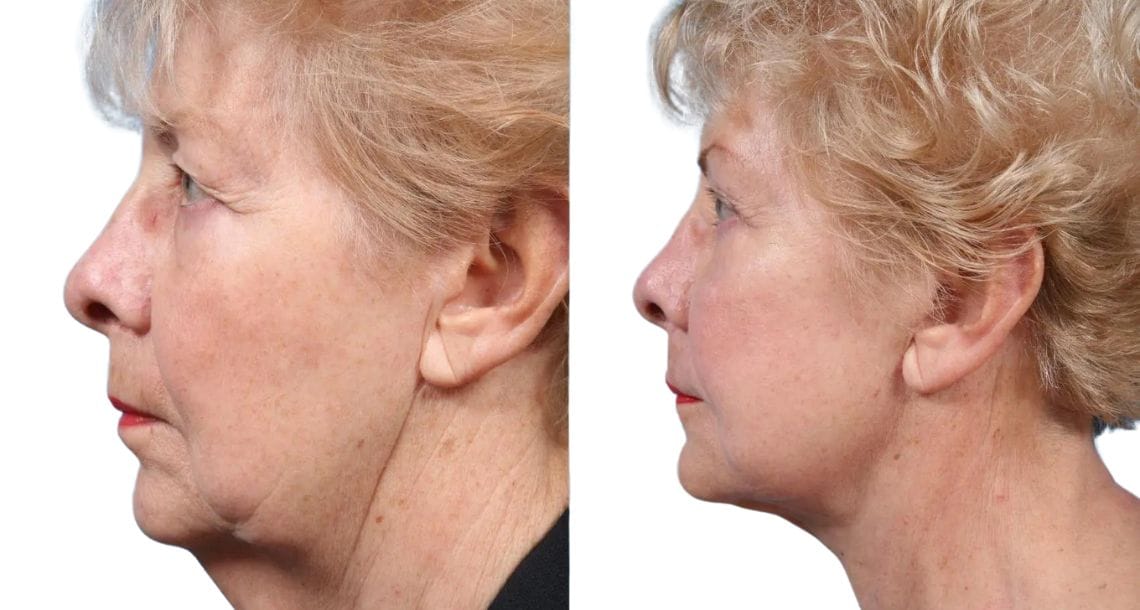
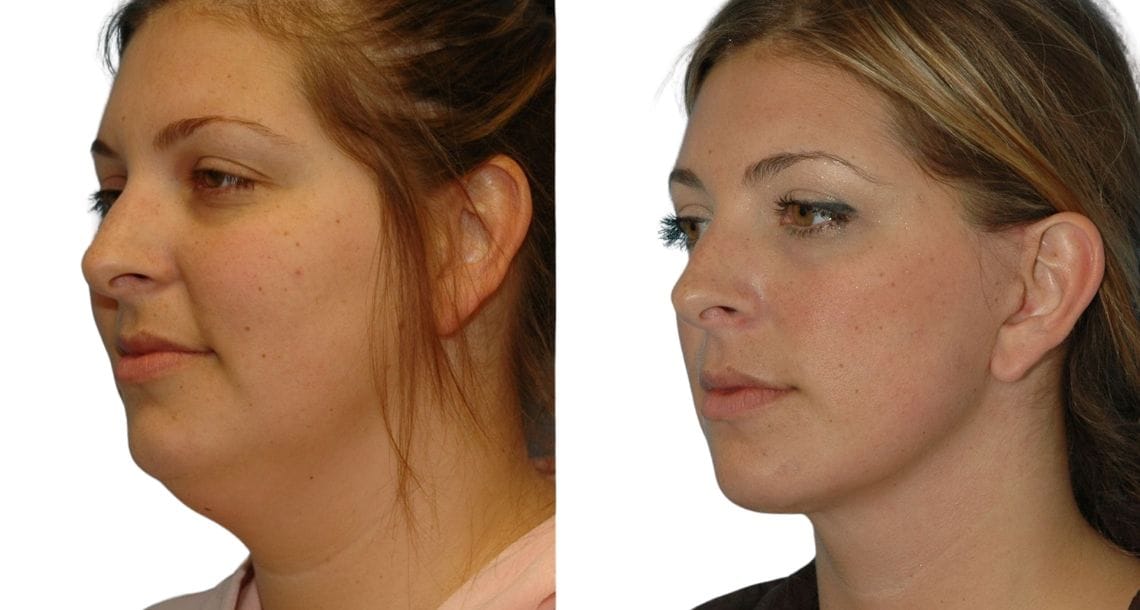
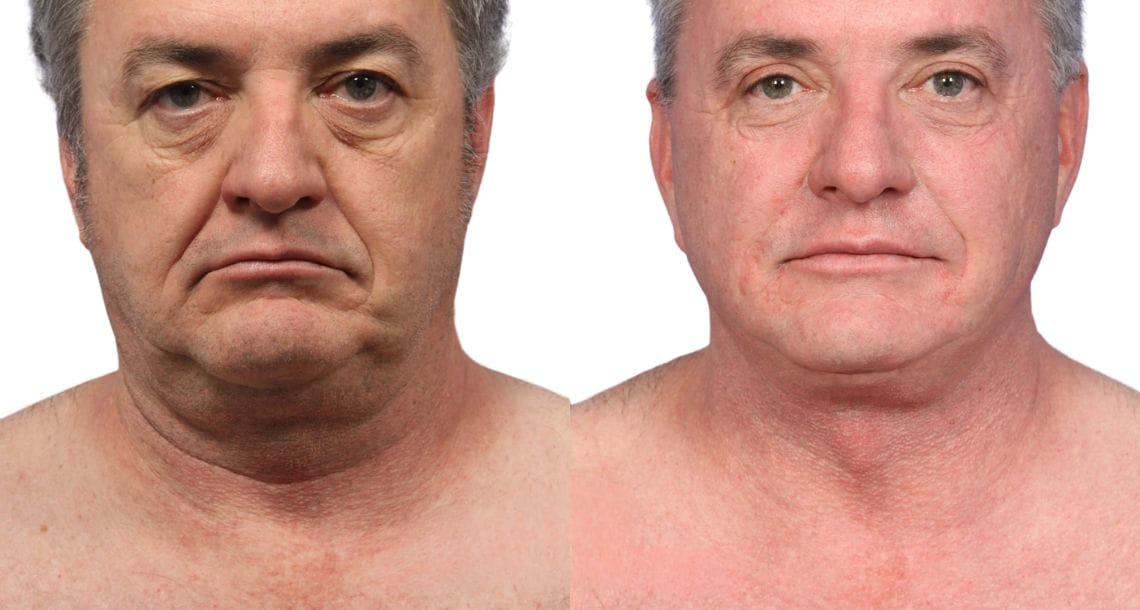
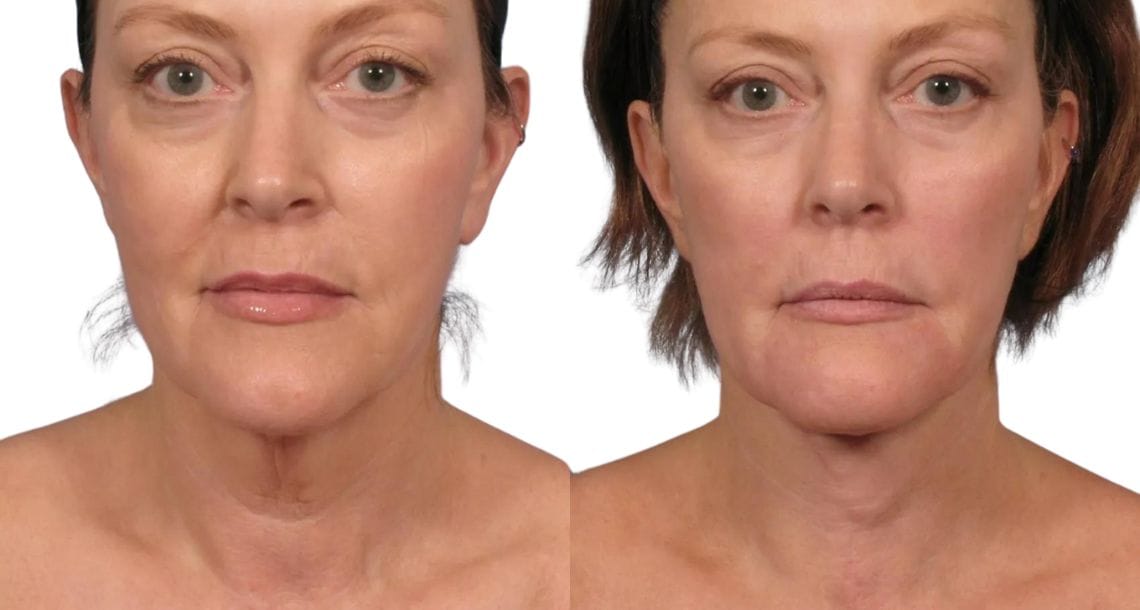
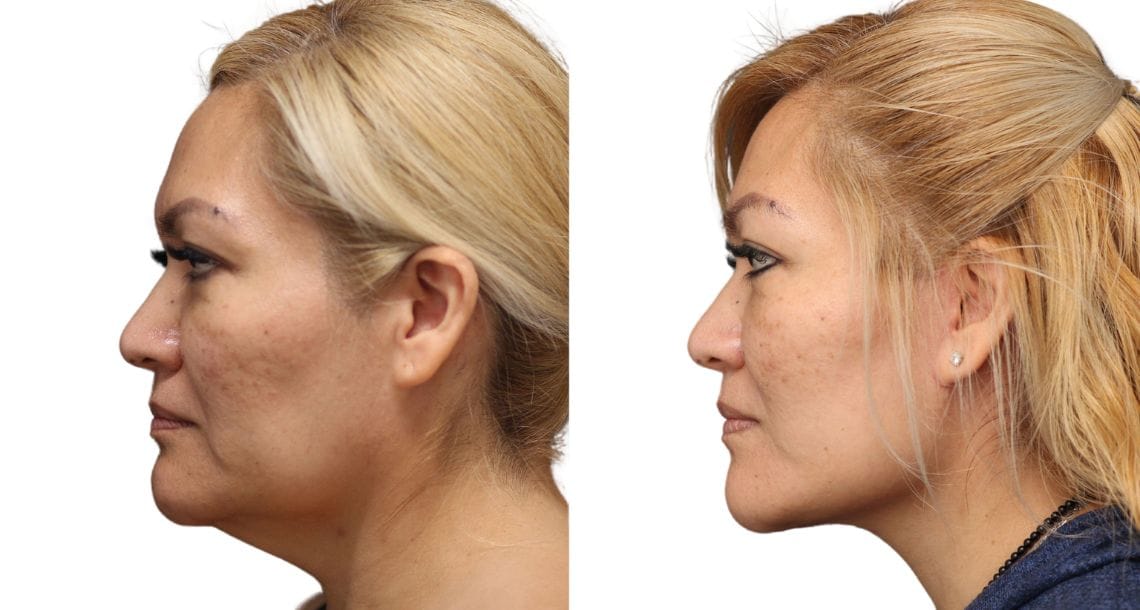
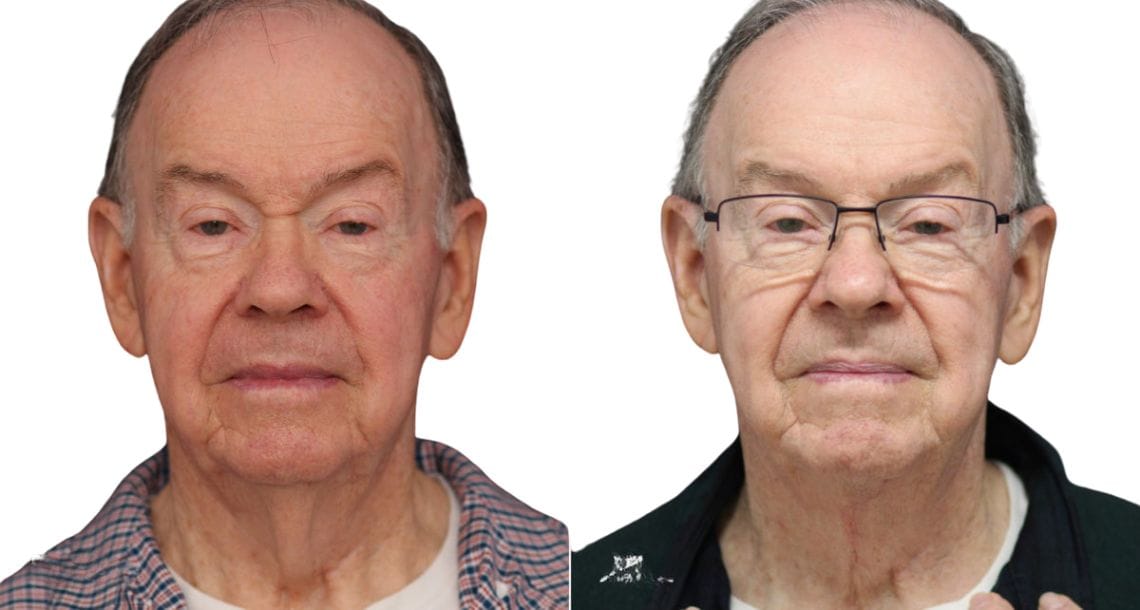
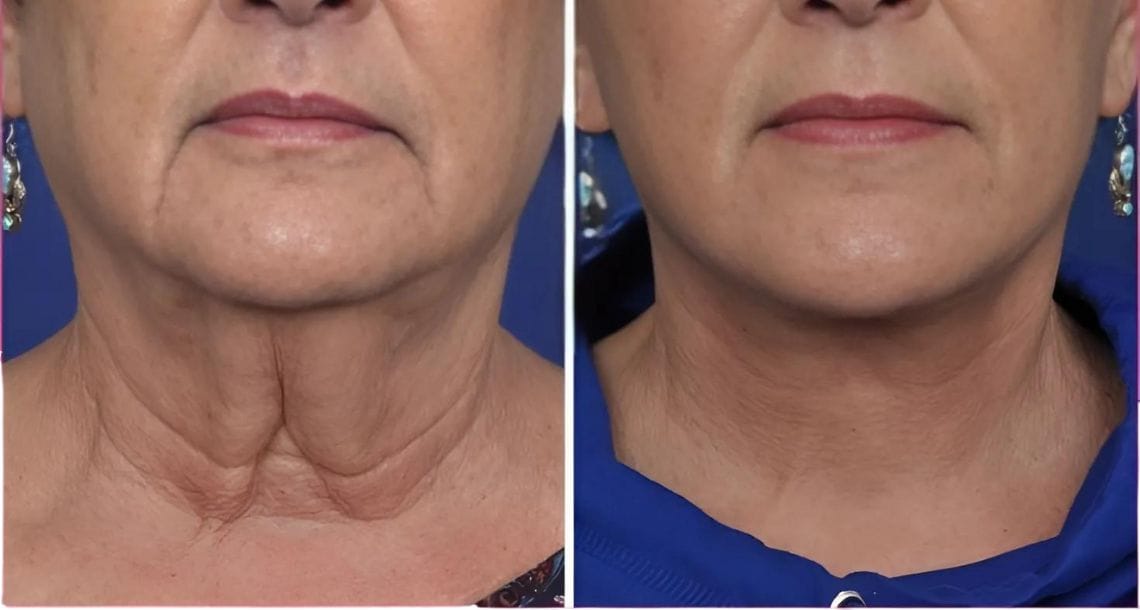
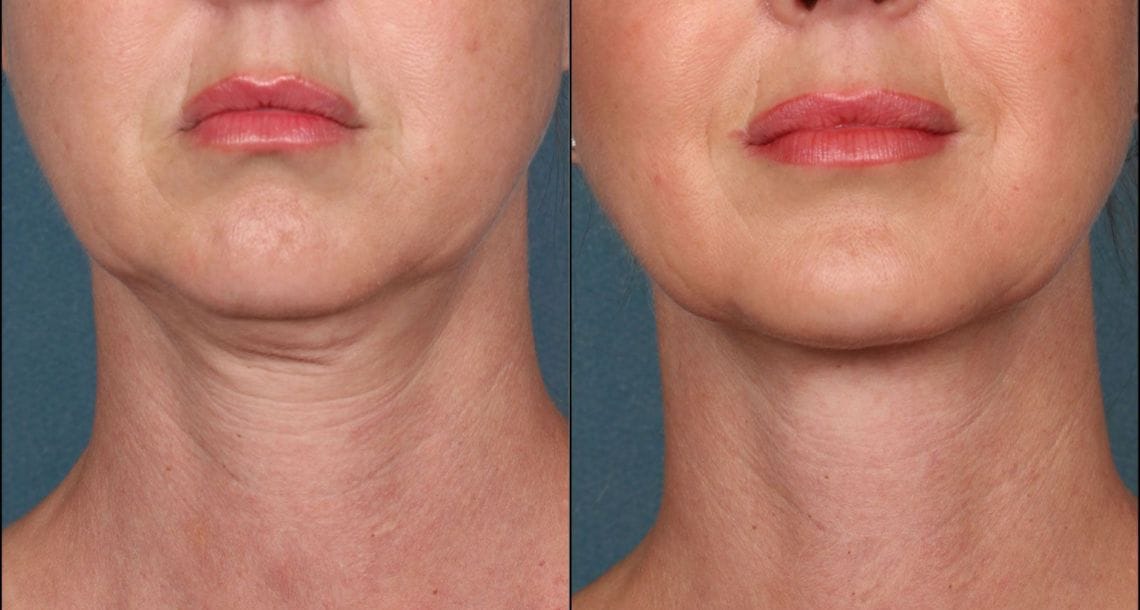
Chin, Jawline and Neck Before & After Results at Vivid Clinic
Frequently Asked Questions
What does a long chin mean?
Only that the vertical distance from your lower lip to your chin point is taller than average, lengthening the lower third of the face. It is an inherited skeletal proportion, not a health sign and not a personality omen. If it genuinely bothers you, vertical reduction genioplasty is the definitive fix; most people simply own it.
Is a cleft chin genetic?
Largely, yes — cleft chins run strongly in families. But the old ‘single dominant gene’ story is an oversimplification: inheritance is polygenic with variable expression, so smooth-chinned parents can have a cleft-chinned child. The groove can also soften or deepen over a lifetime as soft tissue changes.
Can I change my chin shape without surgery?
Within limits. Hyaluronic acid filler can add projection, smooth a cleft or sharpen the chin’s border for around a year at a time, and skin-tightening treatments help early sag. Nothing non-surgical shortens a long chin, shrinks a wide one or lifts real ptosis — those are bone and lift territory.
What causes a sagging chin?
Age, mostly: skin loses elasticity, the jawbone loses a little volume, and descending cheek tissue forms jowls beside the chin. Significant weight loss can unmask the same look. Early laxity responds modestly to energy-based tightening; established sag is corrected with a neck lift or lower facelift.
What is the most common chin shape?
There are no reliable population statistics on chin-shape frequency — categories blur into each other, and most chins combine types (round and short, pointed and receding). Rounded and lightly tapered chins are generally considered the most common presentations, with pronounced clefts and true macrogenia the least.
Wondering which chin type is yours — and whether it is even worth changing? A profile photo answers more than a mirror. Send photographs for a free online assessment and get a plain-language read on your chin’s length, projection and soft tissue — including, often, that the best plan is to leave it exactly as it is.