
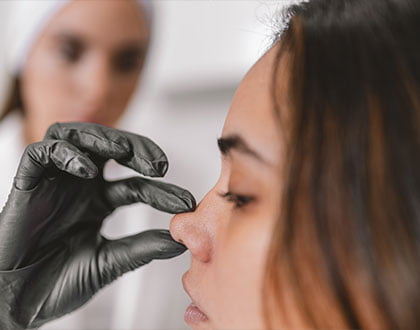
Medically reviewed by Prof. Dr. Özgür Pilancı, Plastic, Reconstructive & Aesthetic Surgeon — August 2026
Quick answer (updated August 2026): A deviated septum means the wall of cartilage and bone dividing your nostrils is bent to one side — which is extremely common and, by itself, needs no treatment. It becomes a problem when the bend blocks airflow: one-sided congestion that never clears, noisy night breathing, recurrent nosebleeds, always sleeping on the same side. Sprays and allergy treatment are the first step; when they fail, septoplasty — a roughly 30–90 minute operation to straighten the septum from inside the nose, leaving no visible change and no external scar — is the definitive fix. Most people are back at a desk within a week, and tissues fully settle over three to six months or longer.

What the septum is — and what “deviated” actually means
Run a finger down the middle ridge of your nose: inside, a thin wall of cartilage (in front) and bone (behind) runs from your nostrils back toward your throat, splitting the nasal cavity into two passages. That wall is the nasal septum, and in an ideal nose it stands straight, giving both sides equal room.
Ideal noses are rare. Estimates cited in ENT literature suggest that a large majority of adults — figures up to 80% are commonly quoted — have some degree of septal deviation, most of it trivial. A septum can bow gently to one side, kink sharply (an “S” or “C” shape), or grow a spur of bone into one passage. The deviation only matters when it meaningfully narrows an airway or contributes to other problems — which is why “you have a deviated septum” on a scan report is not, by itself, a reason for surgery. The question a good surgeon asks is never “is it deviated?” but “is the deviation causing your symptoms?”
Symptoms: how to tell if your septum is deviated
Most deviations cause nothing. When one does, the pattern is distinctive (Mayo Clinic lists the core set):
One nostril that is always the blocked one. Congestion from colds and allergies swings; a structural blockage stays loyal to its side, and worsens whenever swelling from a cold or allergy narrows the passage further.
Noisy breathing at night — and a preferred sleeping side. Many people with a deviation instinctively sleep on one side because the “good” nostril points up and breathes better. Snoring and mouth breathing follow when neither side flows well, with the dry mouth and disturbed sleep that mouth breathing brings.
Recurrent nosebleeds. Air forced through a narrowed passage dries the septal surface and crusts it; crusts crack and bleed.
Facial pressure and repeated sinus trouble. A blocked passage drains poorly, so pressure and infections can recur on the narrow side.
One nuance saves a lot of worry: the nose has a normal rhythm called the nasal cycle, in which the two sides take turns being slightly congested through the day. Alternating blockage that switches sides is usually the nasal cycle; fixed one-sided blockage is what points at the septum.
A simple home check: press one nostril closed, breathe in through the other, then swap — repeat on several days at different times. Consistent asymmetry, always the same side, is worth showing to a doctor, who can see the deviation directly with a light or scope. (This is also why searching “deviated septum pictures” disappoints — from the outside most deviated septums look like ordinary noses; the diagnosis lives inside.)
What causes a deviated septum
Two routes, per Mayo Clinic. You were born with it — the septum can develop off-center in the womb or be displaced during birth itself; many people discover a lifelong deviation only in adulthood. Or the nose was hit — sports, falls, car accidents, a childhood collision nobody remembers. The cartilage may also bend gradually as the nose grows and ages, which is why a deviation can seem to “appear” in adulthood. Contact-sport face protection and seat belts remain the only real prevention.
Three related problems people confuse with it
A transverse nasal crease — a faint horizontal line across the lower bridge — is not a deviation sign. It is a skin crease, classically from years of rubbing an itchy, allergic nose upward (the “allergic salute,” common in children). Its message is “treat the allergy,” not “straighten the septum.”
A collapsed septum is structural failure, not deviation: when septal cartilage is badly weakened — by trauma, previous surgery, infection, or cocaine use, which destroys cartilage by cutting off its blood supply — the bridge can lose support and sink (a “saddle nose”). This is a reconstructive problem, usually needing cartilage grafts, and a different operation from routine septoplasty.
A nasal septal perforation is a hole through the septum, with its own signature: whistling on breathing, persistent crusting, recurrent bleeding, and a feeling of paradoxical blockage. Causes overlap with collapse (trauma, prior septal surgery, cocaine, certain inflammatory diseases). Small symptomless perforations are often left alone; symptomatic ones can be managed with rinses, a silicone button, or surgical repair by a specialist.
Do you actually need surgery?
No scan result mandates an operation — symptoms do. The sensible ladder starts with medical management: saline rinses, a trial of steroid nasal spray, and proper allergy treatment where allergy is in the mix. These do not straighten cartilage, but they shrink the swollen lining around it, and for many people that margin is enough to breathe comfortably. Give the trial weeks, not days.
Septoplasty enters the conversation when a clearly symptomatic deviation persists despite that: fixed one-sided obstruction, recurrent bleeds or sinus infections on the narrow side, sleep consistently disturbed by nasal blockage. Two flags belong with a doctor rather than a checkout page: suspected sleep apnea (loud snoring with gasping or daytime sleepiness needs a sleep assessment — a septoplasty may help nasal breathing but is not, alone, an apnea treatment), and any perforation or collapse picture above, which changes the operation required. Functional septal surgery is also, in many home healthcare systems, insurance-eligible in a way cosmetic surgery is not — worth checking before you decide where and how to have it done.
What septoplasty involves
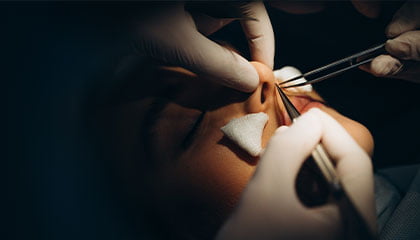
Septoplasty is one of the most standardized operations in nasal surgery. Under general (sometimes local) anesthesia, the surgeon works entirely inside the nostrils — no external cuts, no bruising of the face in a straightforward case. The lining of the septum is lifted, the bent cartilage and bone are trimmed, straightened or repositioned (Mayo Clinic describes parts being removed, reshaped and replaced in corrected position), and the lining is laid back down. Typical operating time is 30–90 minutes, and it is routinely a day-case procedure — home the same day.
Instead of the old packed-gauze finish, most surgeons now place soft silicone splints for a week or so, or dissolving material, to support the straightened septum while it heals. Waking up congested with a drip pad under the nose is normal; waking up with a changed face is not part of this operation at all — a septoplasty, done alone, leaves your outside appearance exactly as it was.
Septoplasty with turbinate reduction
On the side walls of each nasal passage sit the turbinates — scroll-shaped structures of bone and erectile lining that warm, humidify and filter air. In a nose with a long-standing deviation, the turbinate on the open side often enlarges to fill the extra space (compensatory hypertrophy); allergy thickens them further. Straighten the septum and leave a massively enlarged turbinate, and the airway can stay narrow — which is why surgeons frequently pair septoplasty with turbinate reduction: shrinking or trimming the turbinate (by radiofrequency, outfracture or conservative excision) through the same nostrils, in the same session, adding little to recovery.
The counterweight is worth knowing: turbinates are functional tissue, and modern practice reduces them conservatively, because over-resection is associated with a rare but miserable condition called empty nose syndrome — a paradoxically “blocked” feeling in a wide-open nose. Reputable surgeons preserve turbinate function on principle; it is a fair question to ask at consultation.
Septoplasty recovery: week by week
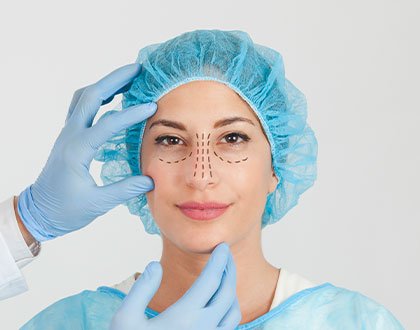
Days 1–3. Congestion is the story — you will breathe mostly through your mouth while swelling and splints occupy the nose. Expect blood-tinged drainage (change the drip pad as needed), a dull ache managed with simple analgesia, and fatigue. Sleep with your head elevated; sneeze with your mouth open; no nose-blowing.
Week 1. Most people take five to seven days off. Splints, if placed, usually come out at the first follow-up around one week — an odd but quick moment that noticeably opens the nose. Desk work commonly resumes at 7–10 days. Bruising is minimal or absent in straightforward septoplasty; visible bruising is more typical when nasal bones are also worked on, so mild discoloration can appear if your operation was combined.
Weeks 2–4. Congestion swings as internal swelling rises and falls. Light exercise returns around two weeks, with heavier lifting, straining and contact risk deferred to four to six weeks per your surgeon (Mayo Clinic’s guidance: avoid strenuous activity and nose-blowing in the early weeks). Crusting is normal; saline rinses are your friend.
Months 1–6 and beyond. Breathing typically improves progressively as swelling resolves — judge the result at three months, not three weeks. Mayo Clinic notes tissues stabilize over three to six months, with subtle change possible up to a year. Airflow, crusting and sensation all settle on that timeline.
Call your surgeon promptly for: fever, pain that increases after day three instead of easing, spreading facial redness, foul-smelling discharge, heavy fresh bleeding that soaking a pad in minutes, or any breathing distress. Infection after septoplasty is uncommon; caught early, it is antibiotic territory — ignored, it threatens the repair.
Septoplasty, rhinoplasty, or both?

The two operations answer different questions through the same nostrils. Septoplasty straightens the internal wall so you can breathe; it changes nothing visible. Rhinoplasty reshapes the visible nose — bridge, tip, nostrils; our rhinoplasty page covers it in depth.
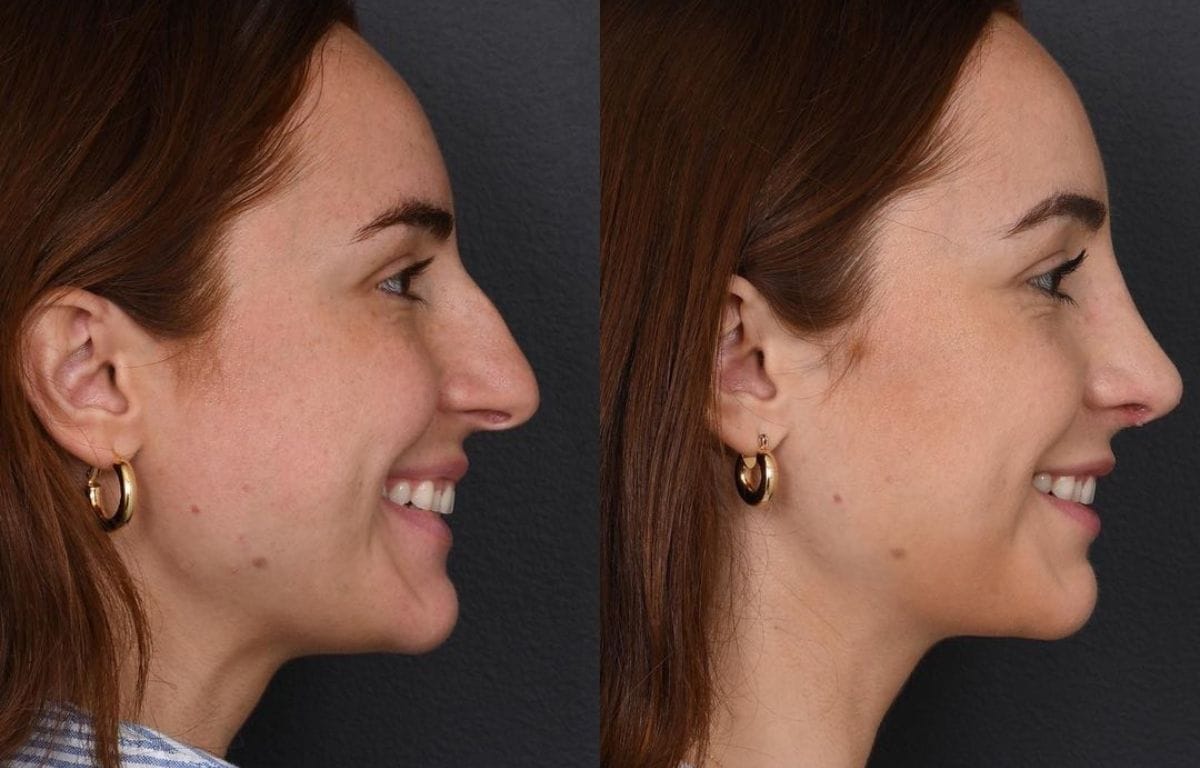
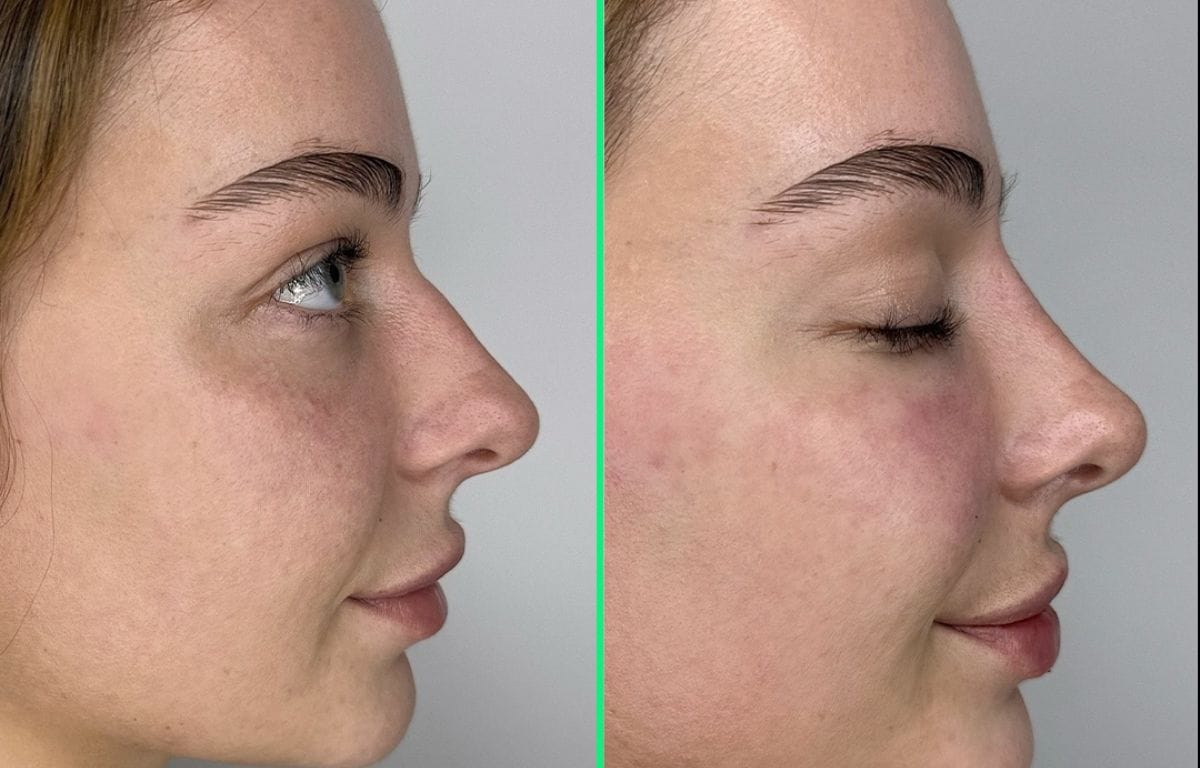
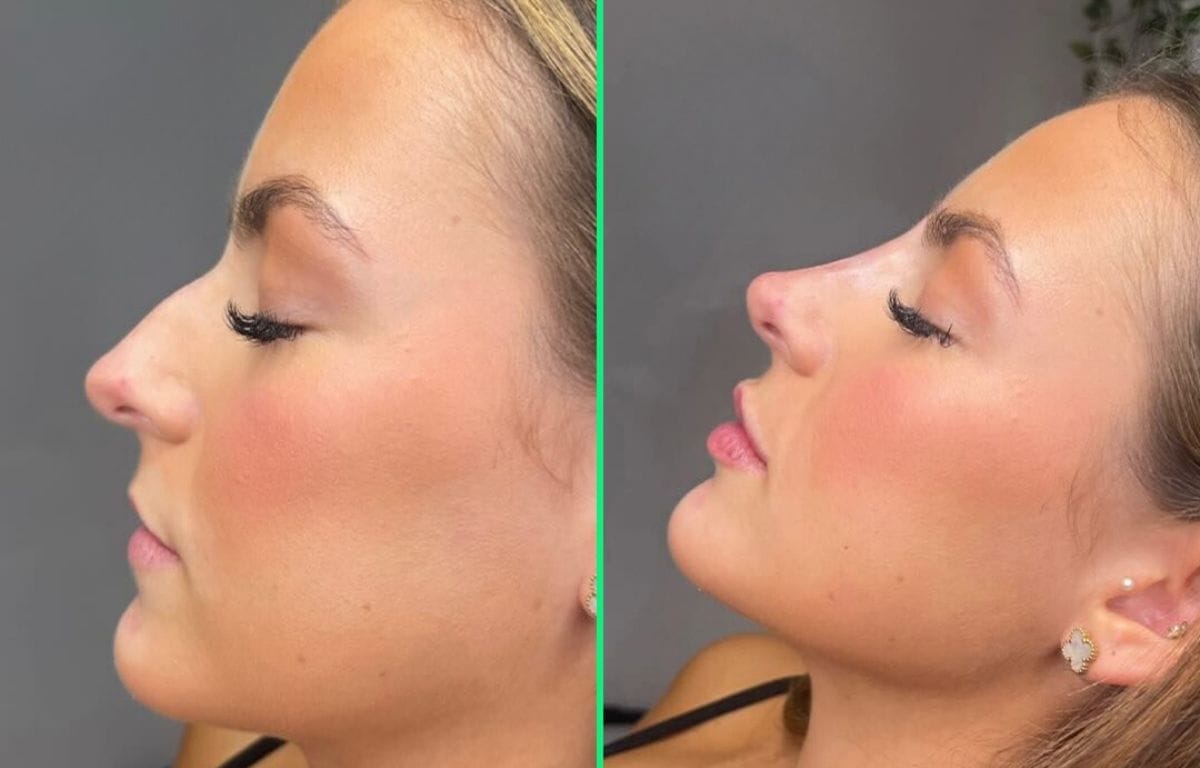
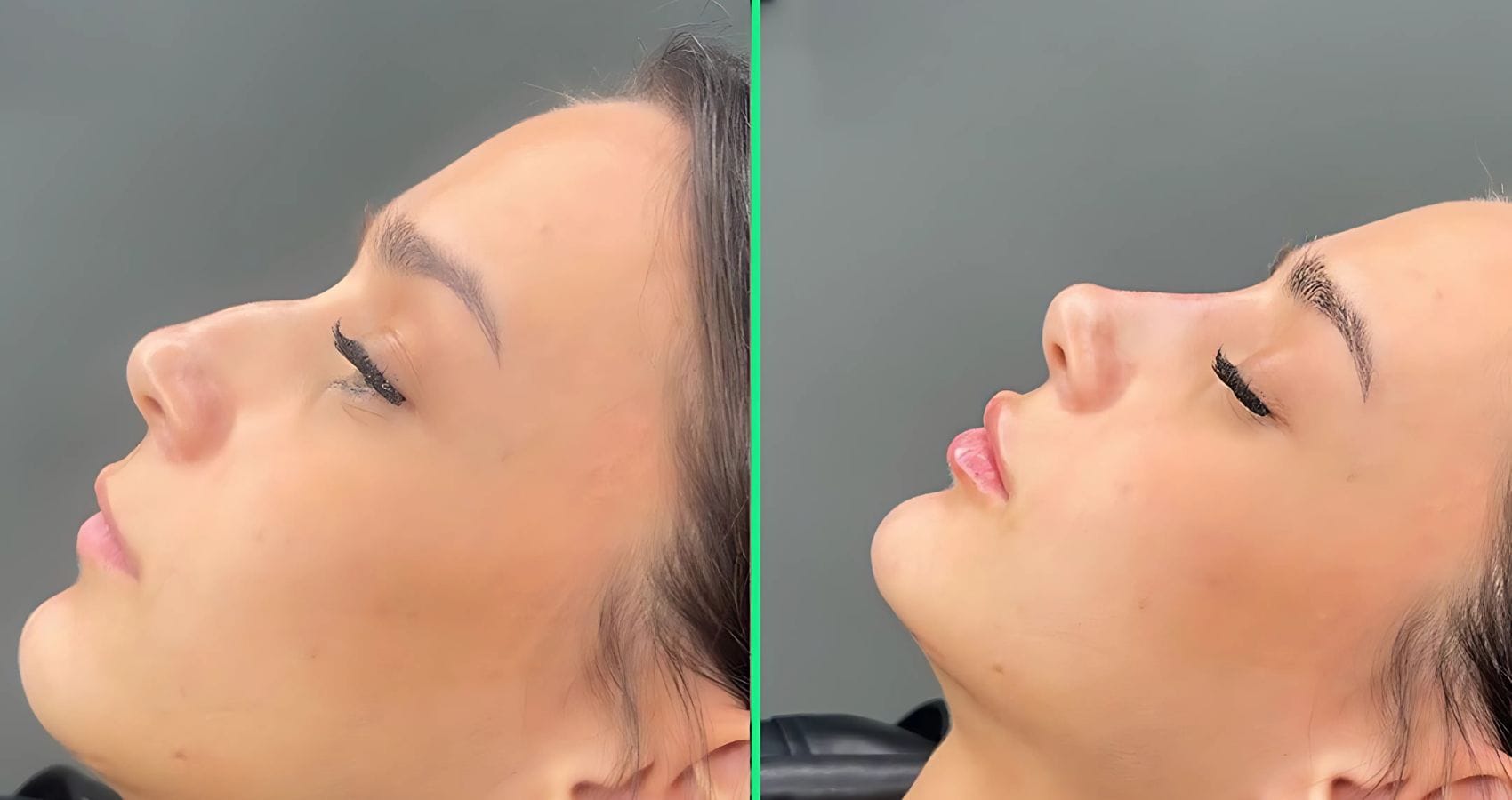
When breathing and shape both bother you — common, since the crooked septum and the crooked bridge often arrived in the same football match — combining them as a septorhinoplasty means one anesthetic, one recovery, and an inside straightened to support the new outside. That is the configuration a plastic surgery clinic is built for, and the reason “before and after deviated septum surgery” photos from combined cases show visible change while pure septoplasty ones do not: judge combined results in a before-and-after gallery by breathing and appearance, and expect the recovery to follow the rhinoplasty timeline — swelling included — described step by step in our rhinoplasty recovery guide.
Results, honestly: most patients get meaningful airflow improvement from a well-indicated septoplasty, and satisfaction in published series is high — but Mayo Clinic is candid that some people have continued symptoms, cartilage can drift with healing, and a minority choose a second, refining operation. A surgeon who examines the inside of your nose before promising anything is the one to trust.
Rhinoplasty and Septorhinoplasty Before & After Results at Vivid Clinic



Frequently Asked Questions
How do I know if I have a deviated septum?
The tell is consistency: one nostril that is always the harder one to breathe through, at different times and on different days, often with snoring, a preferred sleeping side or recurrent nosebleeds on that side. Alternating blockage that switches sides is usually the nose’s normal cycle instead. A doctor confirms the diagnosis in minutes by looking inside with a light or a small scope.
Can a deviated septum fix itself?
No. Cartilage and bone do not straighten with time, sprays or exercises — if anything, deviations can become more symptomatic as the lining thickens with age and allergy. What can improve without surgery are the symptoms: treating allergy and using steroid sprays shrinks the swollen lining and may give a mildly deviated nose all the room it needs.
Is septoplasty painful?
Less than most people fear. The reliable complaints are congestion — breathing through the mouth for the first days — pressure, and disturbed sleep, more than sharp pain; most patients manage with simple painkillers after the first day or two. The single most uncomfortable moment for many is splint removal at around a week, which is brief and followed by immediate relief.
How long does septoplasty recovery take?
Plan on a week away from work, splints out at about one week, light exercise at two weeks and full activity by four to six. Internally the timeline is longer: swelling swings for weeks, and Mayo Clinic puts full tissue stabilization at three to six months, with subtle settling up to a year. Judge your breathing at the three-month mark, not the three-week one.
Does septoplasty change the shape of your nose?
A standard septoplasty does not — the work happens inside, there are no external incisions, and the visible nose is untouched. Shape changes only if you choose to combine it with rhinoplasty (septorhinoplasty), which many patients with both functional and cosmetic concerns do precisely so that one operation and one recovery cover both.
What happens if a deviated septum is left untreated?
If it causes no symptoms — nothing; most deviations need no treatment, ever. A symptomatic one tends to stay symptomatic: chronic one-sided blockage, mouth breathing, dry mouth, disturbed sleep, recurrent nosebleeds or sinus infections. It will not straighten itself, but neither is it an emergency — treat it when the symptoms cost more than a week of recovery would.
Breathing badly through one side — or weighing up fixing the inside and the outside of your nose at once? That distinction decides the operation, and it takes an examination, not a search engine. Send photographs and describe your symptoms for a free online assessment and get a straight answer on whether your septum, your turbinates, your nose’s shape — or none of the three — is the right target.