
 ChatGPT

Medically reviewed by Prof. Dr. Özgür Pilancı, Plastic, Reconstructive & Aesthetic Surgeon — August 2026
Quick answer (updated August 2026): Fair skin is the lightest range of natural human skin tones — roughly Fitzpatrick types I–II: skin that burns easily, tans little or not at all, and often freckles. Light skin sits a half-step deeper and manages a slow, minimal tan. Pale is the slippery one: it can describe a naturally light complexion, but it can also mean a temporary loss of your normal color — pallor — from anemia, illness, shock or cold. New, unexplained paleness, especially with fatigue, breathlessness or dizziness, is a reason to see a doctor, whatever your natural shade.

What does fair skin actually mean?
Fair skin means skin at the lightest end of the natural pigment spectrum: it contains relatively little melanin, burns quickly in the sun, tans minimally, and frequently comes with freckles. It is a description of shade and sun behavior — not a beauty standard, not a defect, and not a ranking. Every skin tone is one normal point on a continuous human spectrum.
The most useful formal anchor is the Fitzpatrick scale, the six-type classification dermatologists use to describe how skin responds to ultraviolet (UV) light. “Fair” corresponds broadly to the first two types:
Type I is highly sun-sensitive skin that, in the classic formulation, always burns and never tans — typically reddish or very pale skin, often with red hair, freckles and light blue, grey or green eyes.
Type II burns easily and tans minimally — fair skin and hair, blue, grey or green eyes, a scattering of freckles; burns first, then at most a light tan.
Type III — often called “light” — sometimes burns but slowly tans to light brown. That is the practical boundary: if your skin reliably tans without burning first, you are probably light rather than fair. And “fair-skinned” people are a varied group — fair skin appears with every hair and eye color, and with cool, warm and neutral undertones alike.
Fair vs. light vs. pale: what is the difference?
The three words overlap in everyday use, but they are not interchangeable. Fair is the lightest natural range (Fitzpatrick I–II: burns easily, rarely tans). Light sits just deeper (roughly type III) and occasionally tans. Pale may simply mean “naturally very light” — but it is also the word English uses for looking washed out relative to your own normal, which is different entirely.
A useful test: fair and light describe where your skin sits on the spectrum; pale often describes where your skin sits relative to itself. A person with medium or deep skin can look pale when unwell — pallor shows in the inner eyelids, nail beds and palms even when it is hard to see on the skin surface. A naturally fair person, by contrast, is not “pale” in any medical sense; that is simply their baseline.
The phrase white skin tone is sometimes used loosely for the same range, but it is imprecise — skin in this range is never true white, only variations of ivory, porcelain and beige, each with an undertone. “Fair” or “light” says more.

When pale skin is a medical sign, not a shade
If your skin has become paler than your normal — rather than always having been light — that is pallor, a symptom rather than a skin tone. Pallor is a loss of color from your usual complexion, caused by less blood or less oxygen reaching the skin, and it deserves attention when it is new, unexplained or accompanied by other symptoms.
Common, well-documented causes include:
Anemia, particularly iron-deficiency anemia — the most frequent culprit. Alongside paler-than-usual skin, typical symptoms are tiredness, shortness of breath, noticeable heartbeats (palpitations) and headaches. It is diagnosed with a simple full blood count, and the NHS advises seeing a doctor if you suspect it.
Blood loss, whether sudden or slow and hidden.
Shock, fainting and strong emotion, which shunt blood away from the skin.
Cold exposure, which narrows the surface blood vessels.
Illness and infection, especially with fever or dehydration.
See a doctor promptly if new paleness comes with fatigue, breathlessness, dizziness, a racing heartbeat, chest pain or fainting. Pallor with any of those companions is a circulation-and-oxygen question, not a cosmetic one — and most causes are very treatable once identified. None of this applies to a lifelong fair complexion: naturally fair skin is not a deficiency of anything, but a normal genetic variant.
Ivory, porcelain, alabaster, cream: the fair-skin vocabulary
Beauty writing has an informal vocabulary of sub-shades within the fair range. These are descriptive conventions, not medical categories, but they are worth decoding because people shop and search by them.
Ivory skin usually means the lightest practical foundation range with a slightly warm or neutral cast — off-white with a hint of yellow or peach rather than pink.
Porcelain skin tone typically describes the very lightest fair skin with a cool or neutral cast and an even, low-freckle surface — borrowing the smooth, slightly translucent quality of fine ceramic.
Alabaster is used much like porcelain — very fair and cool-leaning, with a matte softness. Cream implies fair skin with a distinctly warm, yellow-leaning undertone.
Treat all four as adjectives rather than identities: what actually decides which shade family suits you is the undertone underneath.
Undertones in fair skin: cool, pink, golden and neutral
Undertone is the subtle hue beneath the surface shade, and it varies within fair skin exactly as it does at every depth: cool (pink, red or bluish cast), warm (golden, yellow or peach cast) or neutral (neither dominates). Surface shade and undertone are independent axes — which is why two people with identically fair skin can suit completely different foundations and colors.
The combination that surprises people most is fair skin with a warm undertone. Because fair skin is stereotyped as pink and cool, many warm-fair people spend years in foundations that read faintly grey or ashy on them. If ivory shades sit better than rosy ones, and gold jewelry flatters more than silver, you may be warm-toned however light your skin is. The classic informal check is vein color at the wrist: bluish-purple suggests cool, greenish suggests warm, hard-to-tell suggests neutral.
The genetics behind fair skin
Fair skin is mostly a story about melanin — how much your skin makes, and which kind. Melanocytes, the skin’s pigment cells, produce two main forms: eumelanin, the brown-black pigment that darkens skin and absorbs UV, and pheomelanin, a red-yellow pigment that does not protect skin from UV radiation.
The best-studied switch between the two is the MC1R gene, which controls which type of melanin melanocytes make: an active melanocortin 1 receptor drives production of protective eumelanin. Common MC1R variants reduce the receptor’s activity, so melanocytes make mostly pheomelanin instead — and those variants are most common in people with red hair, fair skin, freckles and increased sun sensitivity. The same variants are associated with an increased risk of melanoma, precisely because pheomelanin-dominant skin has less built-in UV defense.
MC1R is only the most famous contributor — many genes influence pigmentation, which is why fair skin comes in so many versions and appears in families with no red hair at all. Freckles are small concentrated patches of melanin that darken with sun — characteristic of fair skin and benign in themselves.
What fair skin means in practice: sun, burning and skin cancer risk
The practical meaning of fair skin is straightforward: less melanin means less built-in UV protection, so fair skin burns fastest, accumulates sun damage soonest, and carries the highest risk of skin cancer — melanoma and non-melanoma alike. As Mayo Clinic notes, people with blond or red hair, light-colored eyes, and skin that freckles or sunburns easily are more likely to develop melanoma, and severe blistering sunburns increase that risk further.
That makes daily sun protection the single most useful habit for fair-skinned people. The American Academy of Dermatology‘s advice: a broad-spectrum, water-resistant sunscreen of SPF 30 or higher — SPF 30 blocks about 97% of UVB — applied to exposed skin every day and reapplied every two hours outdoors. Clouds are not protection: up to 80% of UV passes through them. Shade at midday, clothing, a hat and sunglasses do the rest, and tanning beds are best avoided entirely. An estimated one in five Americans will develop skin cancer — but it is highly preventable, and fair skin shows suspicious changes early to anyone who looks.
One more honest note: fair skin tends to show photoaging earliest. With less melanin absorbing UV, fine lines, sun spots and visible small blood vessels appear sooner and read more clearly against a light background. That is an argument for sunscreen, not a flaw in the skin.

Matching foundation to fair skin
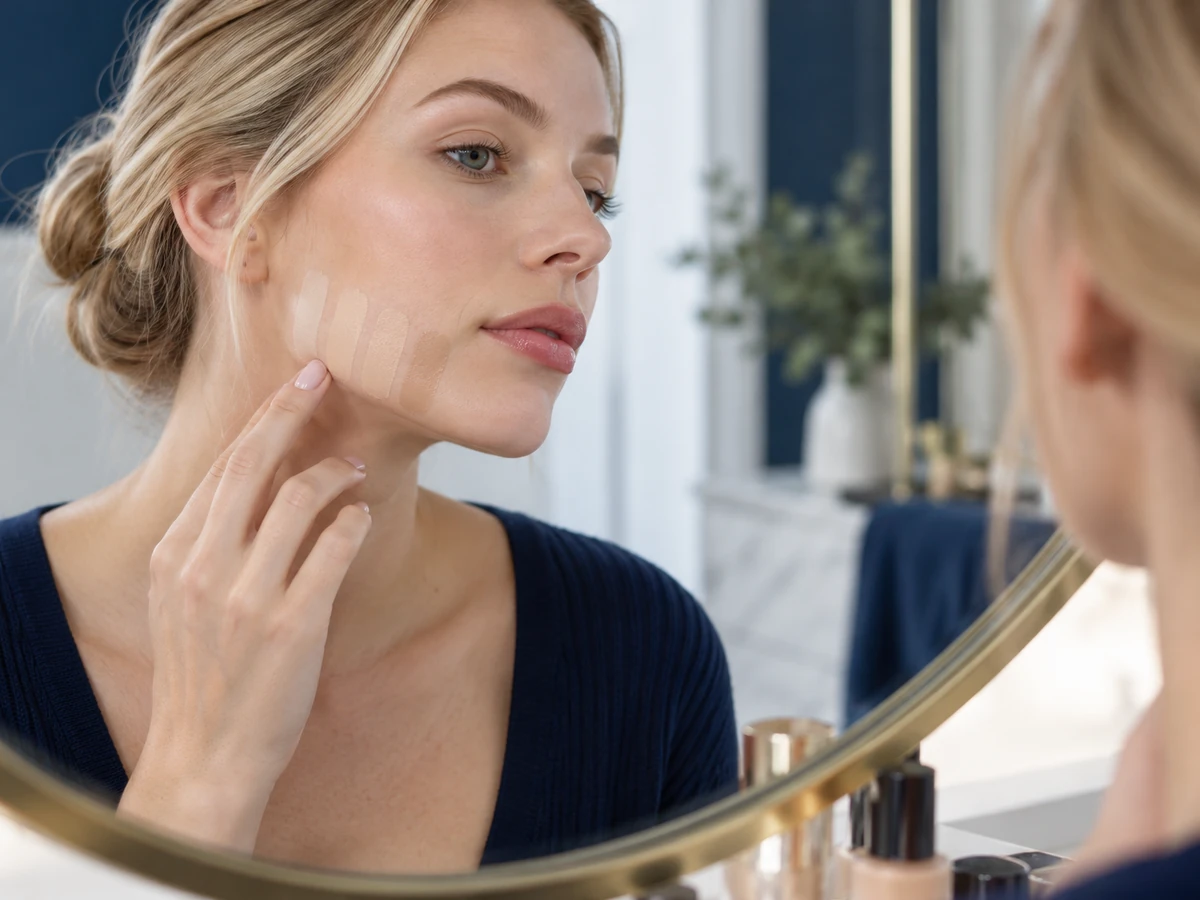
Keep it simple: match the depth first (fair vs. light), then the undertone (cool, neutral, warm), and test on the jawline in daylight. If every fair shade looks slightly grey on you, try the warm version of the same depth before sizing up — an undertone mismatch is more common than a depth mismatch. No shade is “better”; the right one is the one that disappears into your jaw.
Fair skin and cosmetic treatments
Skin tone is one of the first things a practitioner assesses before any energy-based or surgical treatment. On the favorable side: because melanin in the epidermis absorbs laser energy, lightly pigmented skin generally tolerates lasers and IPL more easily, with a lower risk of the post-treatment pigmentation changes that practitioners must actively manage in more deeply pigmented skin.
The trade-offs run the other way, too. Redness shows more on fair skin — flushing, rosacea and sun-related visible vessels are all more conspicuous against a light background — and scars and post-treatment redness stay visible longer while they mature. A good consultation for any facial procedure starts with exactly this kind of assessment; our overview of face aesthetics explains how that thinking applies across facial treatments.
None of this makes fair skin “good” or “difficult” to treat. It makes it specific — like every other point on the spectrum.
Related Before and After Results at Vivid Clinic
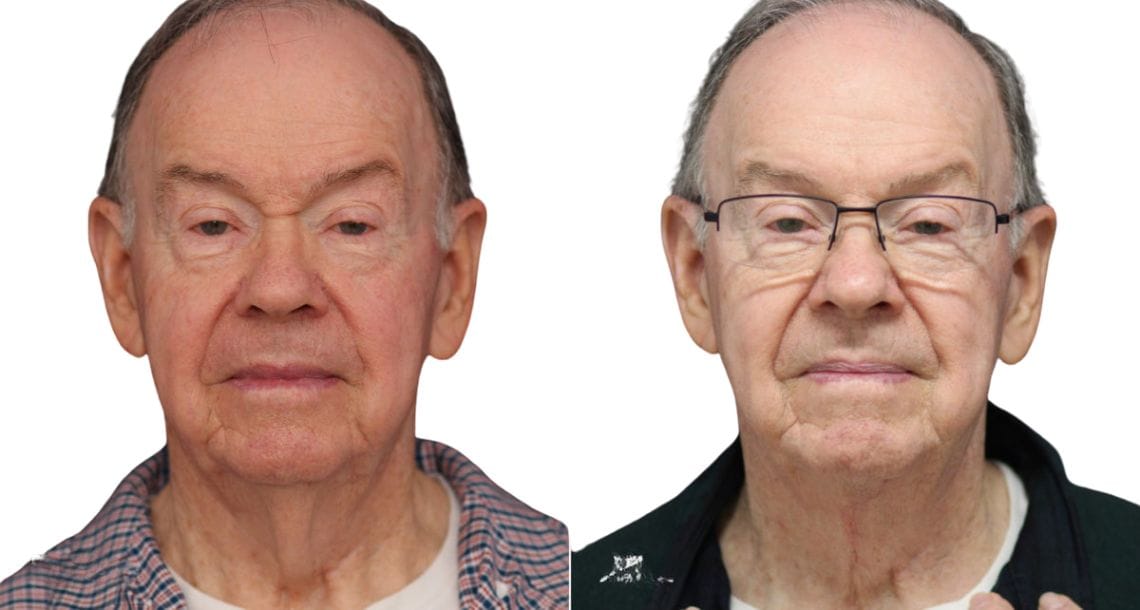
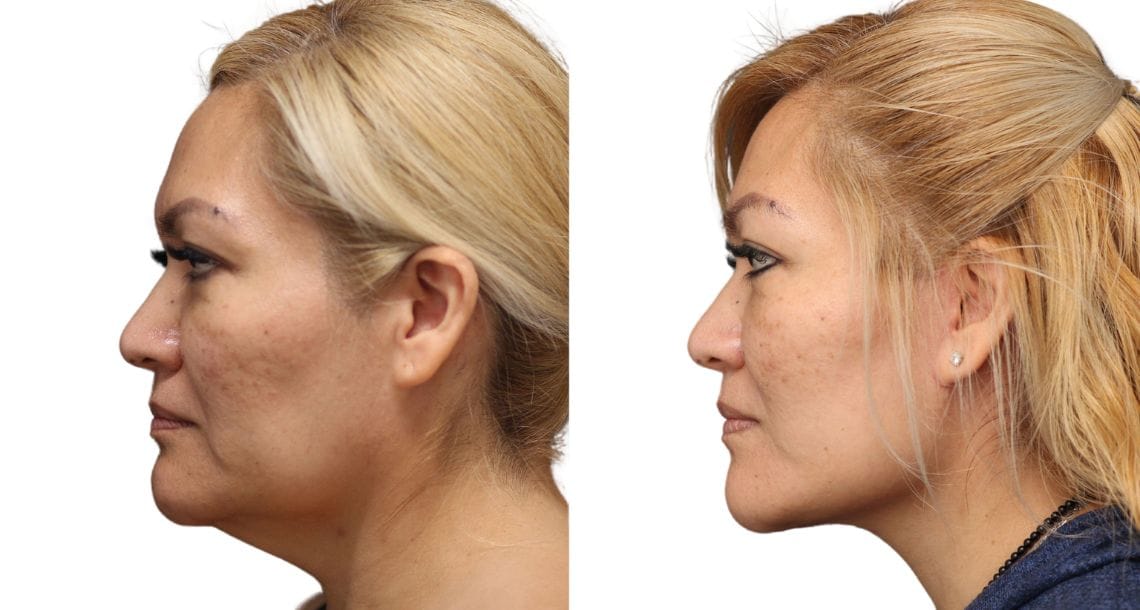
The photos below show real Vivid Clinic patients who had facial rejuvenation (facelift) — a related procedure, not skin-tone care itself — shared with their consent to show how our Istanbul team documents results. Ask during your free consultation to see cases that match your own treatment. Individual results vary. Browse the full Before & After Gallery.




Frequently Asked Questions
What is considered fair skin?
Fair skin is the lightest range of natural skin tones — approximately Fitzpatrick types I and II: skin that burns easily, tans minimally or not at all, and often freckles, typically (but not always) with light eyes and blond or red hair. The reliable self-test is sun response: if you burn before you tan, or never tan at all, you are in the fair range.
What does fair skin mean — is it the same as light skin?
They are neighbors, not synonyms. Fair is the lightest band of the spectrum and essentially does not tan; light sits a half-step deeper (roughly Fitzpatrick III) and can slowly tan to light brown, though it still burns with enough exposure. The distinction matters most for sun behavior: fair skin burns faster and needs the most consistent protection.
What is the difference between pale skin and fair skin?
Fair describes a natural, lifelong shade. Pale can mean that too — but it is also the word for pallor, a temporary loss of your normal color from anemia, blood loss, shock, illness or cold. The test is change: skin that has always been light is fair; skin that has become lighter than your own normal is pale in the medical sense, and worth attention if it persists or comes with fatigue, breathlessness or dizziness.
Why is my skin suddenly paler than usual?
New paleness usually means less blood or less oxygen reaching the skin. The most common cause is anemia — iron deficiency above all — which typically also brings tiredness, shortness of breath and palpitations; other causes include blood loss, fainting, cold and general illness. Check the inner eyelids and nail beds, where pallor shows most clearly at any skin tone, and see a doctor if the change persists or comes with other symptoms — most causes are easy to identify and very treatable.
What is ivory skin? What about porcelain skin?
Both are informal beauty labels for sub-shades of fair skin. Ivory generally means the lightest foundation range with a slightly warm or neutral, yellow-leaning cast; porcelain usually means the very lightest range with a cool or neutral cast and an even, smooth quality. The labels are not standardized — the same complexion can be “ivory” at one brand and “porcelain” at another.
Does fair skin age faster?
Fair skin does not intrinsically age faster, but it shows sun-driven aging earlier: with less melanin absorbing UV, fine lines, sun spots and visible small vessels accumulate sooner and stand out more against a light background. The flip side: this is largely preventable, because so much of fair skin’s visible aging is UV-driven — daily broad-spectrum SPF 30+, shade at peak hours and no tanning beds protect it disproportionately well.
Can fair skin tan safely?
Not really — and for Fitzpatrick type I, mostly not at all. A tan is the skin’s damage response to UV, and skin that burns before it tans pays for every shade of color in damage that accumulates toward wrinkles, sun spots and cancer risk; severe sunburns in particular are linked to melanoma. If you want the look of a tan, a self-tanner delivers it without UV — and fair skin does best with sunscreen every day, not just at the beach.
Fair, light, ivory, porcelain, pale — the words matter less than what your skin is telling you: a lifelong shade is simply yours, and a new change is worth a conversation with a doctor.