
 ChatGPT

Medically reviewed by Prof. Dr. Özgür Pilancı, Plastic, Reconstructive & Aesthetic Surgeon — August 2026
Quick answer (updated August 2026): Lipedema is a chronic medical condition in which fat builds up disproportionately and symmetrically — almost always in women, typically in the legs and sometimes the arms, sparing the hands and feet. It is not ordinary weight gain: the affected fat is often painful, bruises easily, and resists diet and exercise. First-line treatment is conservative — compression, lymphatic drainage, low-impact exercise and weight management; for the right patients, specialized lymph-sparing liposuction is the established surgical option. Lipedema can be managed well, but not currently cured.

What is lipedema?
Lipedema is a chronic disorder of fat tissue in which fat accumulates symmetrically and disproportionately, most often in the hips, thighs and lower legs, and in many patients the arms. It affects women almost exclusively, and the hands and feet are characteristically spared — the enlargement stops abruptly at the ankle or wrist, creating what clinicians call the “cuff” or bracelet sign. That sparing of the feet separates lipedema at a glance from generalized weight gain and most swelling disorders: the leg looks like a column ending at a normal foot.
How common is lipedema? Honestly, nobody knows precisely. Published estimates range from a fraction of one percent up to roughly 10–11% of women — and the Lipedema Foundation cautions that the underlying studies are few, mostly European, and hampered by the lack of standardized diagnostic criteria. What researchers broadly agree on: lipedema is underdiagnosed, not rare.
The cause is not fully understood, but the hormonal link is striking. Lipedema typically appears or worsens at times of major hormonal change — puberty, pregnancy, menopause — and runs in families in a substantial share of cases. Its overwhelming preference for women points to hormones as a central driver, though the mechanism is not yet pinned down.

Why lipedema is so often misdiagnosed
The typical lipedema story is years long, and it usually starts with being told to lose weight. Lipedema fat is largely diet-resistant, so patients who dutifully diet lose weight from the face, chest and waist while the legs barely change — and are then told to try harder. Many see several doctors before anyone names the condition.

Three distinctions do most of the diagnostic work:
Lipedema is not ordinary weight gain. Weight gain is proportionate and painless; lipedema is disproportionate — often several dress sizes between top and bottom — and the affected tissue hurts.
Lipedema is not obesity, though the two often coexist. Most patients also carry ordinary excess weight. The tell is what happens on weight loss: lipedema tissue is tender, nodular and easily bruised, and it persists while the rest of the body slims down.
Lipedema is not lymphedema. Lymphedema is a failure of lymphatic drainage; it usually affects one limb more than the other, involves the foot, pits when pressed, and shows a positive Stemmer sign — the skin fold at the base of the second toe cannot be pinched and lifted. In lipedema the Stemmer sign is negative, both limbs are affected symmetrically, and the feet are spared — and the treatments differ.
An experienced clinician can usually make the diagnosis from the history and an examination; scans mainly rule other conditions out.
Symptoms of lipedema
The defining symptoms are disproportionate, symmetrical enlargement of the legs (and often arms) with pain and fragility of the affected tissue: in published series, roughly 70% of patients report pain or tenderness on pressure and over 80% report easy bruising. Patients typically describe:
- Pain, tenderness and heaviness. The tissue aches and hurts when pressed; the legs feel heavy and tired, often worse late in the day or in warm weather.
- Easy bruising. Bruises appear after minor knocks — or none at all — because the small vessels in the affected fat are fragile.
- A nodular texture. The fat feels like grains of rice or small peas under the skin, unlike ordinary fat.
- Symmetry and the cuff. Both legs (or arms) are affected alike, and the enlargement stops at the ankles or wrists.
- Skin that feels soft and cool, sometimes with a dimpled, orange-peel look.
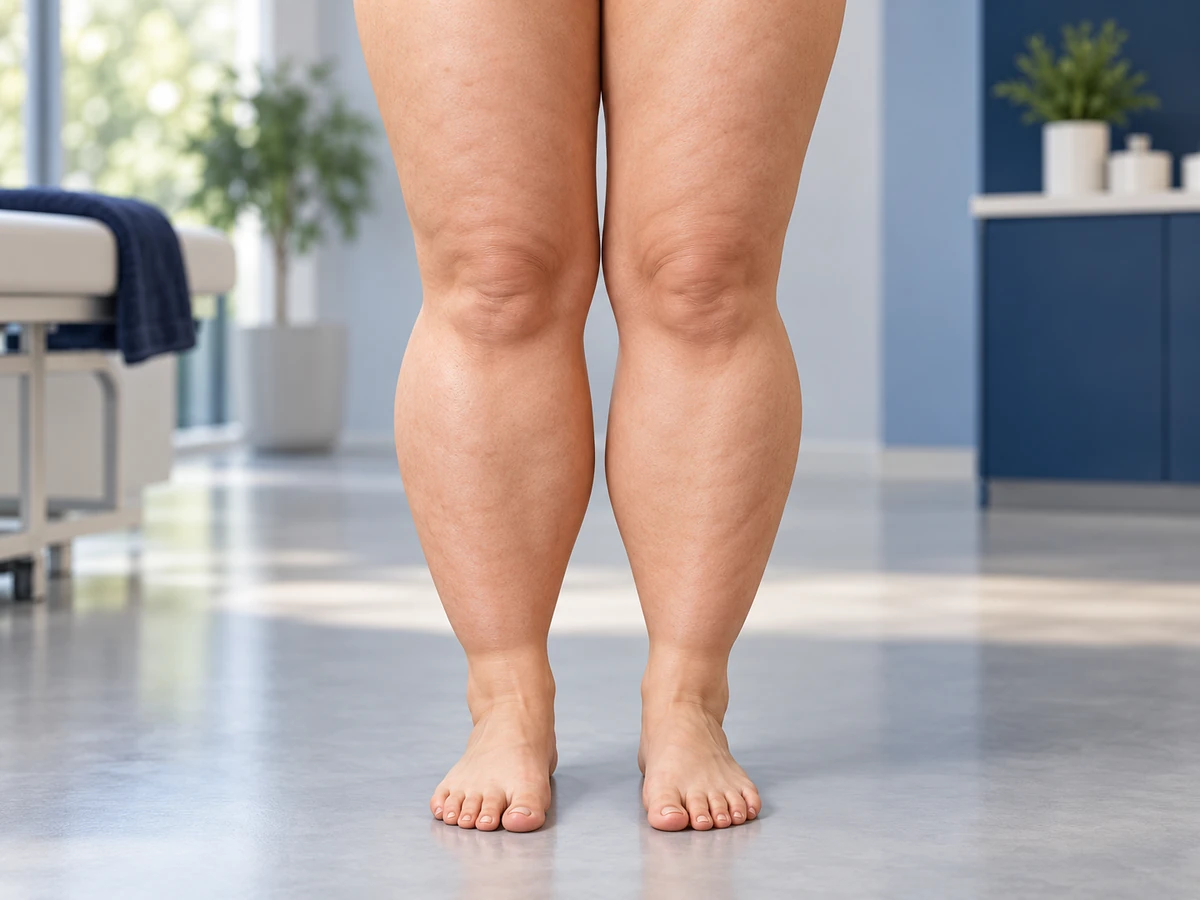
The stages of lipedema
Clinicians grade lipedema by how the tissue looks and feels, from Stage 1 to Stage 3. The stage describes tissue change, not simply size — pain can be severe at any stage, including the first.
Stage 1. The skin looks normal, but the fat beneath feels pebbly, with small pea-sized nodules. Pain and bruising may already be present. This is the stage most often missed.
Stage 2. The skin becomes uneven, with indentations and a dimpled, mattress-like pattern. Nodules are larger and the disproportion more obvious.
Stage 3. Large folds and lobules of fibrotic fat develop, particularly around the inner thighs and knees. The legs become columnar, tissue hardens, and overhanging folds can distort walking and damage joints.
Some classifications add a fourth stage — lipedema with secondary lymphedema, described below.
The types of lipedema
Alongside the stage, lipedema is classified into five types by where the fat accumulates; most patients have more than one type at once.
- Type I — pelvis, buttocks and hips (the saddlebag pattern).
- Type II — pelvis to the knees, with folds of fat around the inner knee.
- Type III — pelvis to the ankles, ending in the classic cuff above spared feet.
- Type IV — the arms, shoulder to wrist, with the hands spared.
- Type V — the lower legs only, knee to ankle; the rarest pattern.
Progression and the lipo-lymphedema overlap
Lipedema progresses steadily in some people and stays stable for long periods in others, often flaring around hormonal events or significant weight gain.
The complication worth understanding is lipo-lymphedema. In advanced lipedema, the bulk of abnormal fat can compress and overwhelm the lymphatic vessels within it, so a true secondary lymphedema develops on top. The feet may then begin to swell, the Stemmer sign can turn positive, and treatment must address both conditions — a strong argument for taking lipedema seriously early.
Lipedema, skin changes and stretch marks
A brief word on skin, since the two are often confused. Stretch marks (striae) appear when skin is stretched faster than it can adapt — during growth spurts, pregnancy, rapid weight change or muscle gain. They are common on the thighs, hips, abdomen and breasts, and can occasionally appear in less typical places such as the neck, shoulders or trunk during rapid tissue expansion or weight fluctuation.
Stretch marks are a cosmetic skin change — not a disease, and not a sign of lipedema. If skin on the neck or elsewhere has changed color or texture rather than simply showing lines, show it to a doctor: some skin changes have hormonal or metabolic causes that deserve their own assessment.
Conservative treatment comes first
First-line treatment for lipedema is conservative — before surgery is considered, and continuing afterwards. It does not remove lipedema fat, but it reduces pain and heaviness, controls swelling, protects the lymphatic system and preserves mobility. The core elements:

- Compression garments. Flat-knit compression tights or sleeves support the tissue, ease aching and heaviness, and help control fluid. Proper fitting matters, particularly around an ankle cuff.
- Manual lymphatic drainage (MLD). Specialized gentle massage by a trained therapist that encourages lymph flow and can soften tissue and reduce discomfort.
- Exercise — especially low-impact and aquatic. Swimming and water aerobics are ideal: water pressure acts as natural compression while taking weight off the joints; walking and cycling are good alternatives. The goal is circulation, lymph flow and joint protection — not burning off the lipedema fat.
- Weight management of the non-lipedema fat. Diet cannot remove lipedema fat, but controlling ordinary body fat matters: added obesity accelerates progression and raises the risk of lipo-lymphedema.
- Skin care. Moisturizing and protecting the skin reduces dryness and infection risk, increasingly important in later stages.
- Psychological support. Years of pain, misdiagnosis and blame take a real toll. Counselling or CBT is a legitimate part of lipedema care, not an afterthought.
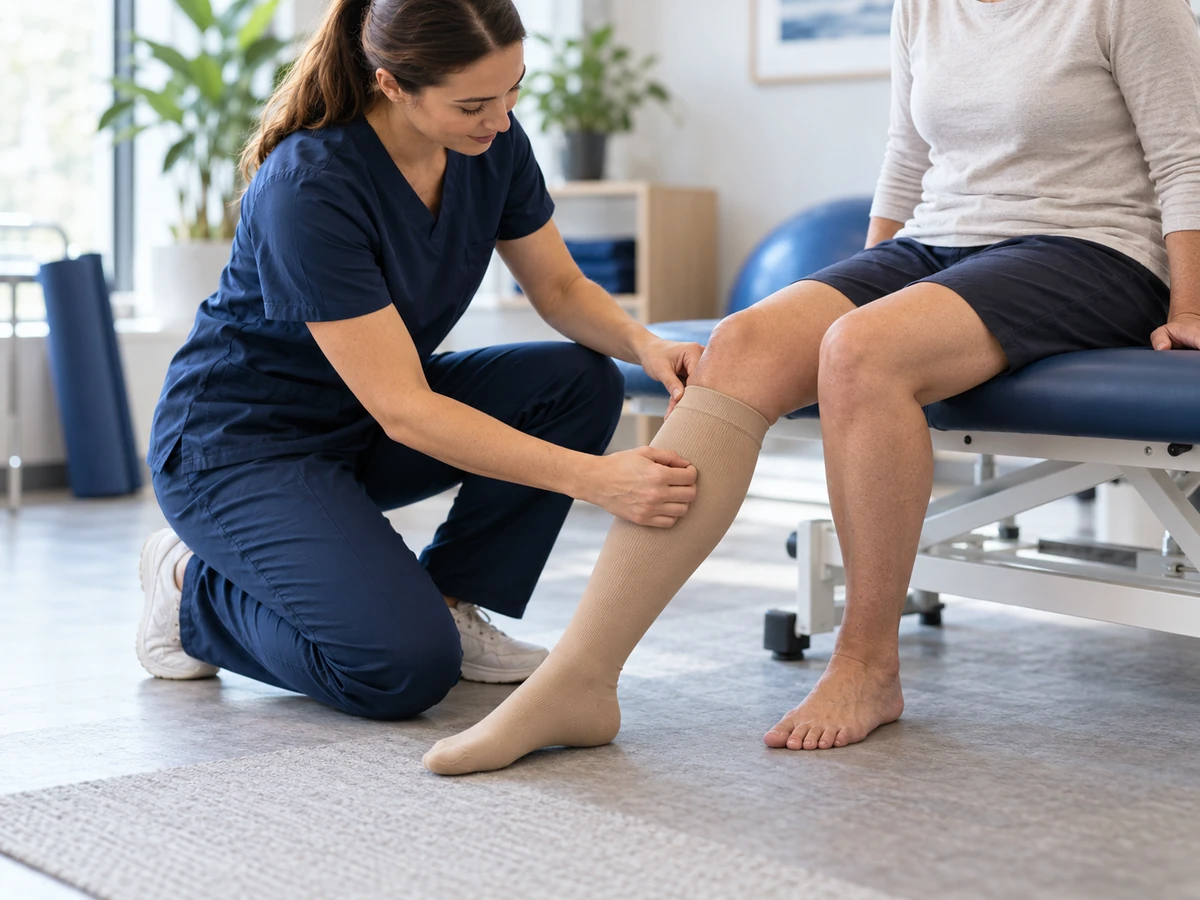
Liposuction for lipedema: a medical procedure, not a cosmetic one
When conservative care no longer controls symptoms, specialized liposuction is the established surgical option. Lipedema surgery uses lymph-sparing techniques — tumescent or water-jet-assisted liposuction (WAL), performed with fine cannulas moved along the axis of the limb to avoid damaging lymphatic vessels. The 2021 US Standard of Care states it plainly: this is not cosmetic liposuction. The goal is removing diseased tissue to reduce pain and restore mobility — not sculpting a silhouette.

What does the evidence show? Published series and consensus reviews report that lymph-sparing liposuction significantly improves pain, heaviness, bruising, mobility and quality of life, and reduces — sometimes eliminates — the ongoing need for compression and lymphatic therapy. Multiple staged sessions are usually needed, because safe removal volumes are limited and regions are treated separately.
Two honest caveats. First, surgery does not cure lipedema: the condition is chronic, remaining fat can progress, and conservative care usually continues in some form. Second, surgeon selection matters enormously — the lymph-sparing technique is the entire point. Our Vaser liposuction page explains how cosmetic liposuction works in general — but a lipedema patient should specifically ask any surgeon, at any clinic, about lymph-sparing technique and lipedema experience.
Insurance and coverage vary widely by country. Some health systems fund lipedema liposuction in defined circumstances; others treat it as cosmetic — the NHS, for example, notes that availability varies. Check your own insurer’s current position, which is changing as recognition grows.
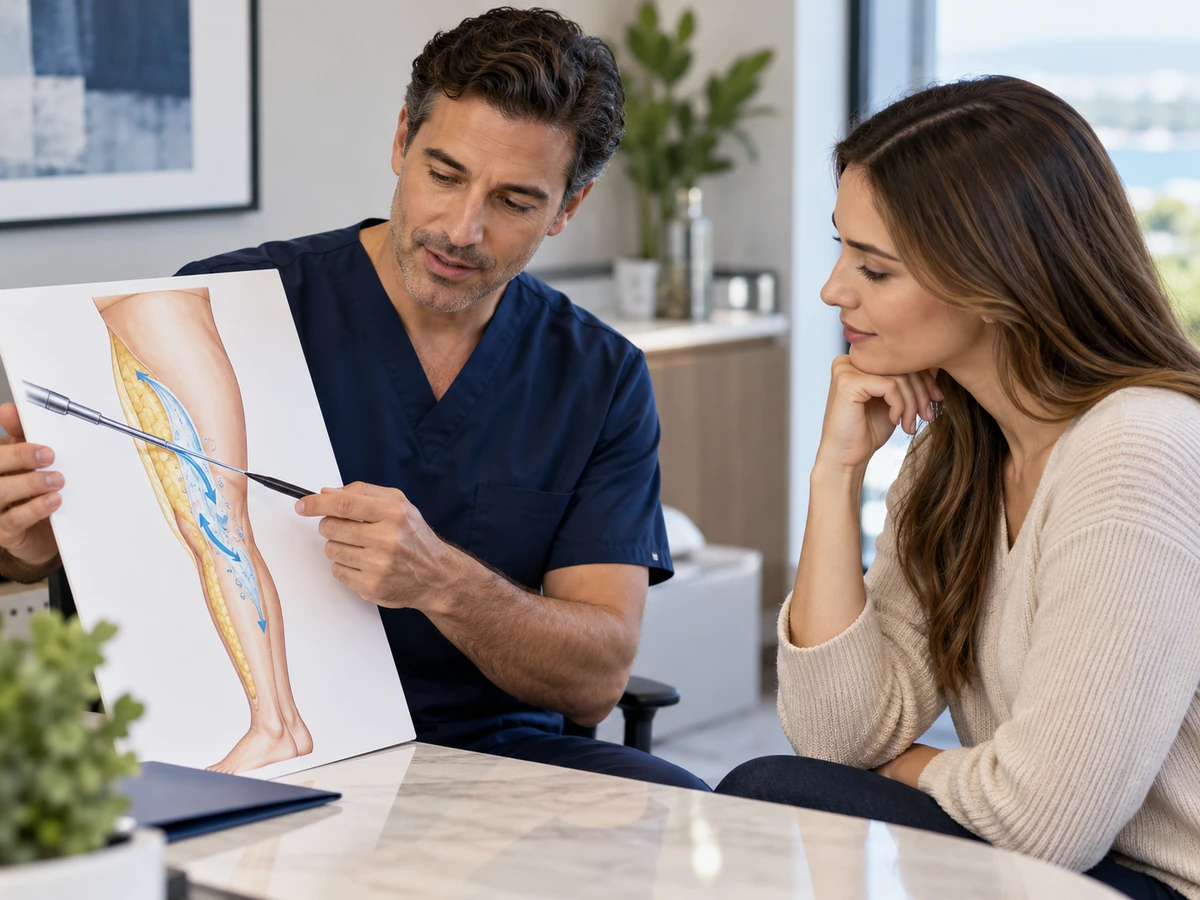
When to seek assessment
Seek assessment if your legs or arms have enlarged out of proportion to the rest of your body, symmetrically and sparing the feet or hands — particularly if the tissue is tender, bruises easily, feels nodular, and has not responded to genuine diet and exercise. Onset around puberty, pregnancy or menopause, or a family history of the same pattern, strengthens the case. A leg that becomes red, hot, painful and swollen with fever needs urgent care — that suggests infection, not lipedema.

To be clear: this article cannot diagnose lipedema, and neither can a photograph. Diagnosis belongs to a clinician experienced in lipedema — often in a lymphology, vascular medicine or specialized plastic surgery setting — who can examine the tissue, check the Stemmer sign, and rule out lymphedema, venous disease and other causes. What an article can do is give you the vocabulary to ask the right questions — and the reassurance that a recognized condition, not a failure of willpower, may explain what you have been living with. Our body aesthetics overview covers the areas our clinic works in.
Related Before and After Results at Vivid Clinic
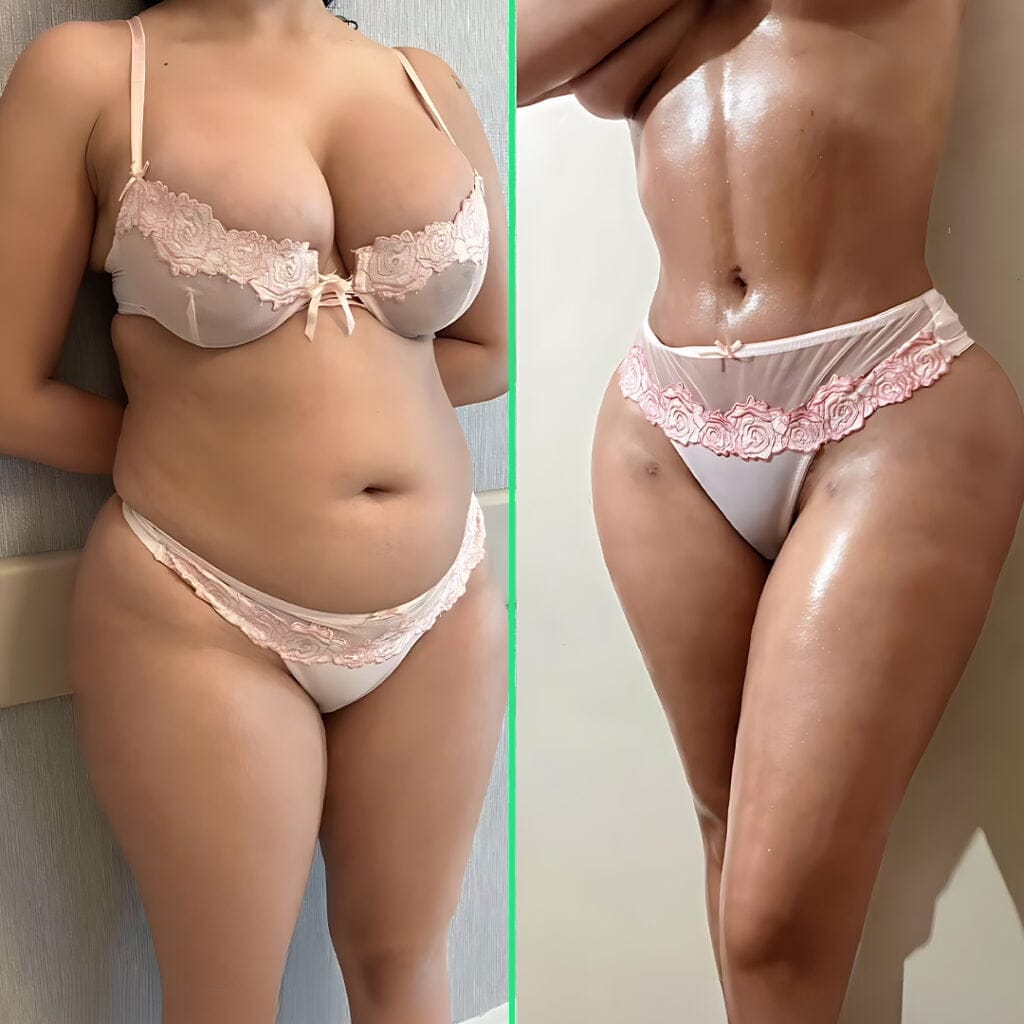
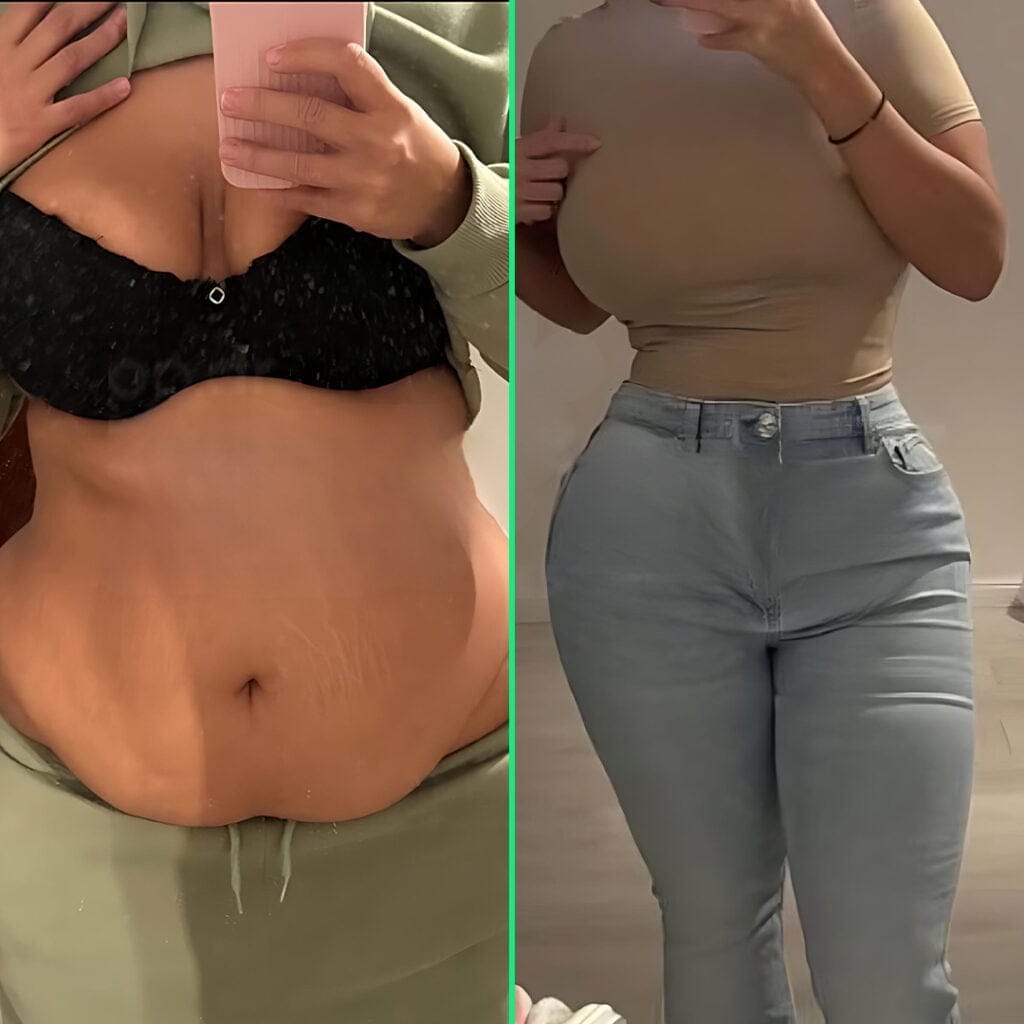
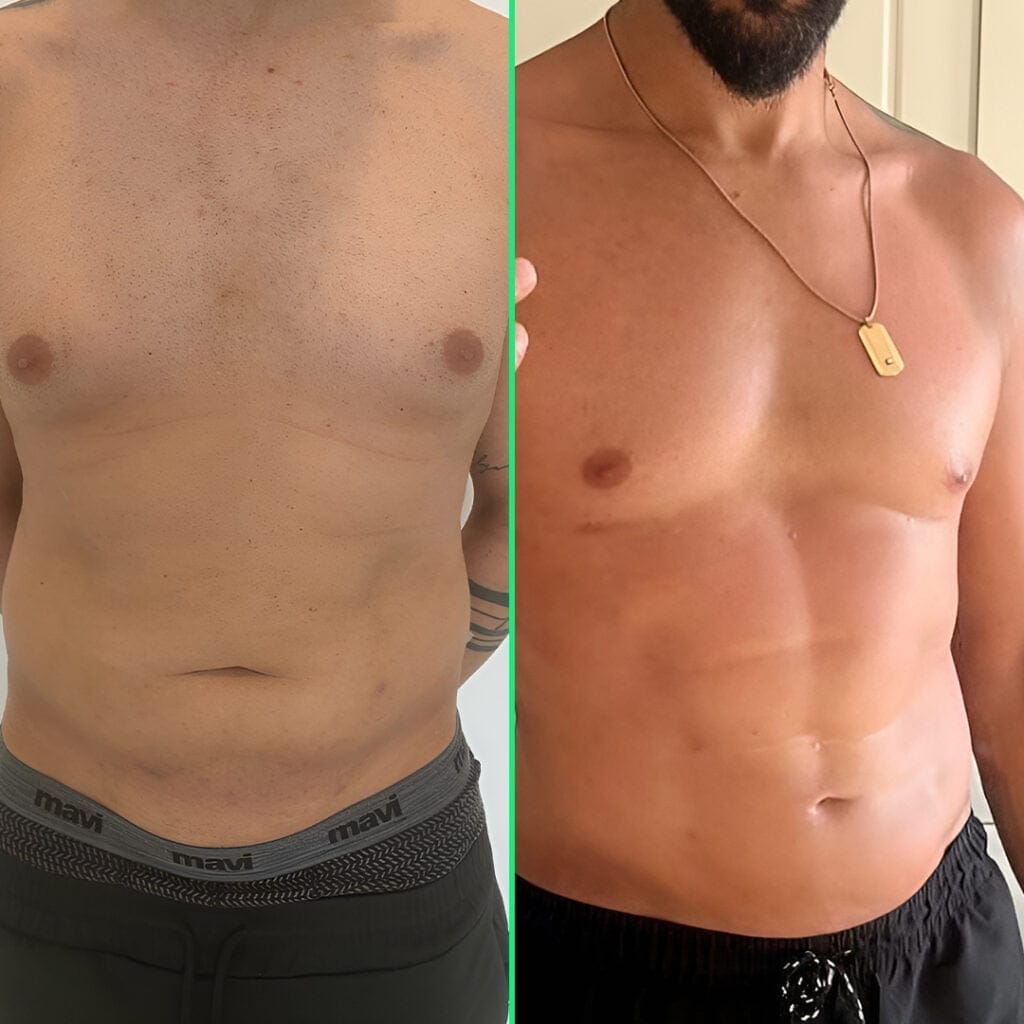
The photos below show real Vivid Clinic patients who had liposuction — a related procedure, not lipedema surgery itself — shared with their consent to show how our Istanbul team documents results. Ask during your free consultation to see cases that match your own treatment. Individual results vary. Browse the full Before & After Gallery.


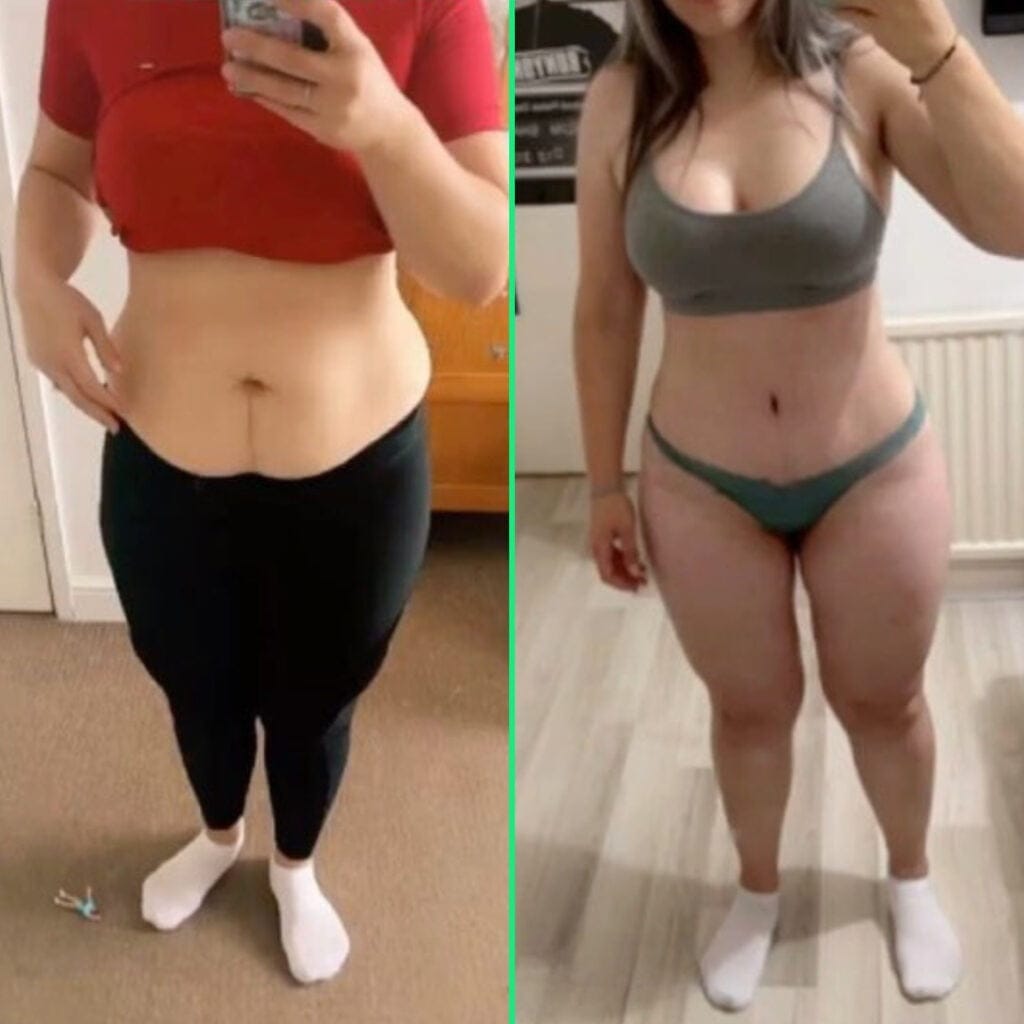
Frequently Asked Questions
What is lipedema in simple terms?
Lipedema is a chronic condition in which abnormal fat builds up symmetrically in the legs and sometimes the arms, almost always in women, while the hands and feet stay slim. The affected fat is painful, bruises easily and does not shrink with diet and exercise as ordinary fat does. It usually appears at times of hormonal change — puberty, pregnancy, menopause — and often runs in families.
How do I know if I have lipedema or just weight gain?
Ordinary weight gain is proportionate, painless and responds to diet; lipedema is disproportionate, tender and largely diet-resistant. The classic pattern is legs several sizes larger than the upper body, both sides equally, stopping at the ankles so the feet look normal. Tissue that hurts when pressed, bruises easily and feels pebbly under the skin points to lipedema. Only an experienced clinician can confirm it — if this sounds familiar, ask specifically about lipedema at your appointment.
What is the difference between lipedema and lymphedema?
Lymphedema is a drainage problem: lymph fluid accumulates because the lymphatic system is damaged or overloaded, usually asymmetrically, involving the foot, with pitting swelling and a positive Stemmer sign. Lipedema is a fat disorder: symmetrical, sparing the feet, non-pitting, Stemmer-negative, but painful and easily bruised. Advanced lipedema can cause secondary lymphedema — lipo-lymphedema — at which point features of both appear together.
Can diet and exercise cure lipedema?
No — lipedema fat is largely resistant to diet and exercise, and no diet cures the condition. That does not make them pointless: low-impact exercise, especially swimming, reduces pain and heaviness and supports lymphatic flow, and keeping non-lipedema weight under control slows progression. The goal of lifestyle care is control and protection, not cure — and being unable to shrink lipedema fat by dieting is a feature of the disease, not a personal failure.
Does liposuction cure lipedema?
No — lipedema cannot currently be cured, by surgery or anything else. What lymph-sparing liposuction can do, per published series and consensus guidance, is substantially reduce pain, heaviness and bruising, improve mobility, and reduce the ongoing need for compression and lymphatic therapy. Multiple staged sessions are usually needed, the lymph-sparing technique is essential, and lighter conservative care usually continues after surgery.
How many liposuction sessions does lipedema treatment take?
Usually more than one. Because lipedema affects large areas and safe removal volumes per operation are limited, treatment is typically staged — several procedures spaced apart, each targeting a region such as the outer thighs, inner thighs and knees, or arms. The exact number depends on stage, regions and volumes, and can only be estimated after in-person assessment by a surgeon experienced in lipedema.
Is lipedema serious?
It can be. Beyond daily pain, heaviness and bruising, untreated lipedema can progress: advanced stages restrict walking, damage knee joints and can overload the lymphatic system, producing lipo-lymphedema. The psychological burden of years of misdiagnosis is real. The encouraging side: early diagnosis, consistent conservative care and, where appropriate, lymph-sparing surgery can control symptoms and protect mobility long term.
Wondering whether your body shape might be lipedema — or something else entirely? Send photographs and your history for a free online assessment and get a straight answer — including, when it is the honest answer, that your first stop should be a lipedema-experienced physician rather than a surgeon.