
 ChatGPT

Medically reviewed by Prof. Dr. Özgür Pilancı, Plastic, Reconstructive & Aesthetic Surgeon — August 2026
Quick answer (updated August 2026): Most nipple types described online are normal anatomical variation rather than conditions that need treatment. Nipples are usually described as protruding, flat, inverted, unclassified or puffy, and areolas vary widely in size, colour and texture. Nearly all of this variation is normal and needs no treatment. Inverted nipples affect an estimated 10–20% of people, are bilateral in about 87% of cases and run in families in roughly half. What matters clinically is not which type you have but whether it has changed — a nipple that becomes inverted, discharges, or develops scaling skin after puberty needs medical assessment rather than cosmetic advice.
The range of normal
The nipple-areola complex has two parts: the nipple itself, which contains the openings of the milk ducts, and the areola, the pigmented area around it, dotted with the small raised Montgomery glands.
Descriptive categories are useful shorthand, but they are not a medical classification, and many people have two nipples that fall into different categories.
Protruding nipples sit above the surface of the areola at rest. Flat nipples sit level with it and typically protrude with cold or stimulation. Inverted nipples are drawn inward, to varying degrees. Unclassified or variable nipples change between flat and protruding. Puffy describes an areola that is raised as a small mound off the breast rather than lying flat against it — common in adolescence and often persisting into adulthood.
Areolas vary just as much. Diameter, colour and the number of visible Montgomery glands differ enormously between individuals, and all of it shifts with puberty, pregnancy, breastfeeding, weight change and age. Colour tends to darken during pregnancy and often stays somewhat darker afterwards. Asymmetry between the two sides is extremely common and is not, by itself, a sign of anything.
Montgomery glands deserve a mention because they are so often mistaken for a problem. They are sebaceous glands that release an oily fluid to protect and lubricate the skin of the nipple and areola, help maintain a pH that discourages bacterial and yeast overgrowth, and produce a scent that helps a newborn locate the nipple and latch. Some people have a handful of barely visible bumps; others have many prominent ones. They typically enlarge in the first trimester of pregnancy and stay enlarged while breastfeeding. They warrant attention only if one becomes sore and inflamed, shows signs of infection, or a swollen mass appears behind the areola.

Inverted nipples: why they happen and how they are graded
Nipple inversion is common and is usually congenital, arising early in development. During fetal life a mammary pit forms, and the tissue beneath normally elevates the nipple above the plane of the areola. Where that elevation is incomplete, and where fibrous tissue tethers the nipple downward, the nipple stays retracted. It often becomes noticeable at puberty, and it sometimes resolves on its own.
Surgeons commonly use the Han and Hong grading system:
Grade 1, sometimes called “shy” nipples, involves minimal fibrous tethering and normal ducts. The nipple can be drawn out easily — by cold, stimulation or gentle manipulation — and holds its projection for a while. Breastfeeding is generally possible, though latching may take more work.
Grade 2 involves moderate fibrosis and some duct retraction. The nipple can be pulled out but retracts as soon as it is released. Breastfeeding is often still possible; whether surgery is advisable is an individual decision.
Grade 3 involves severe fibrosis, a real deficiency of soft tissue and constricted ducts. The nipple cannot be everted manually. Surgery is usually needed for correction, and breastfeeding is rarely achievable.
Acquired inversion is different, and it is the one that matters. Inversion that develops after puberty can follow breast sagging, trauma, infection such as mastitis, duct ectasia, significant weight loss or previous surgery — and it can also be a sign of an underlying cancer. That is why the timeline of the change, rather than the appearance itself, is the important question.

Changes that need a doctor, not a surgeon
Book a medical assessment — not a cosmetic consultation — if you notice any of the following:
- A nipple that becomes newly inverted or pulled inward when it was not before
- Discharge from the nipple, particularly if it is bloody or clear and comes from one duct
- A lump in the breast or under the arm
- Scaling, crusting, redness or eczema-like change of the nipple or areola that does not settle
- Skin dimpling, puckering or thickening anywhere on the breast
Most of these turn out to have benign explanations. But they are the presentations that need investigating properly, and no aesthetic procedure should be planned around a breast that has not been assessed first.

Nipple and areola surgery, in plain terms
Where correction is wanted rather than needed, several approaches exist.
Conservative options for mild inversion — suction devices and nipple retractors used over weeks — can help in grade 1 and some grade 2 cases and have the advantage of leaving the ducts untouched.
Surgical correction of inversion ranges from techniques that carefully dissect and preserve the milk ducts to techniques that divide the tethering fibrous tissue along with the ducts. The distinction matters enormously: duct-dividing techniques significantly reduce or eliminate the ability to breastfeed. Anyone who might want to breastfeed in future must say so before surgery, so the surgeon can choose accordingly. It is not a question that can be revisited afterwards.
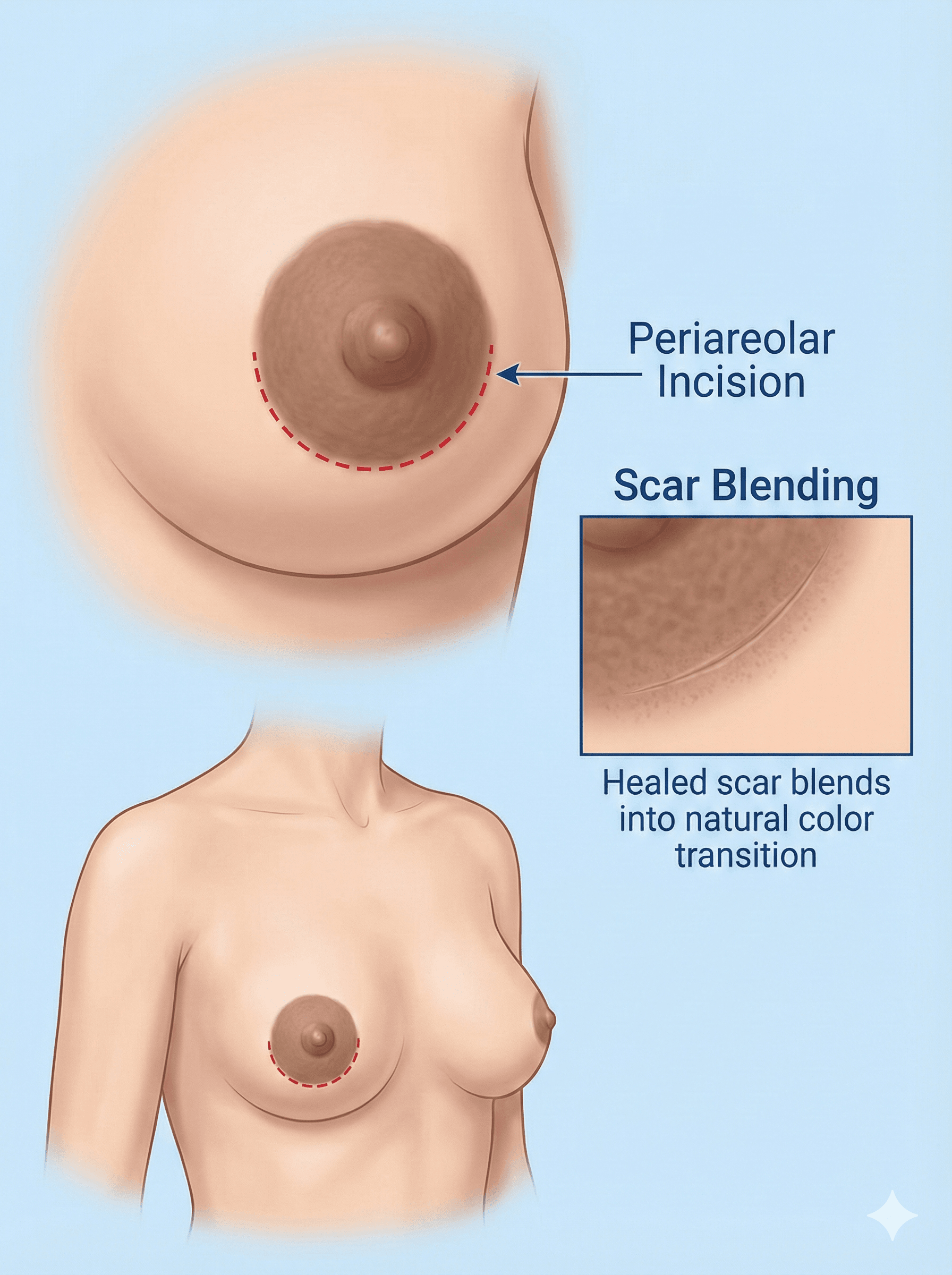
Areola reduction reduces the diameter of the areola through a circular incision at its edge, with the surrounding skin drawn in — the same periareolar incision used in several other breast operations. The scar sits at the border between areola and breast skin, where the change in colour helps camouflage it. Because that scar is held under some tension, it can widen, and the areola can spread again over time; this is one of the recognised limitations of periareolar techniques.
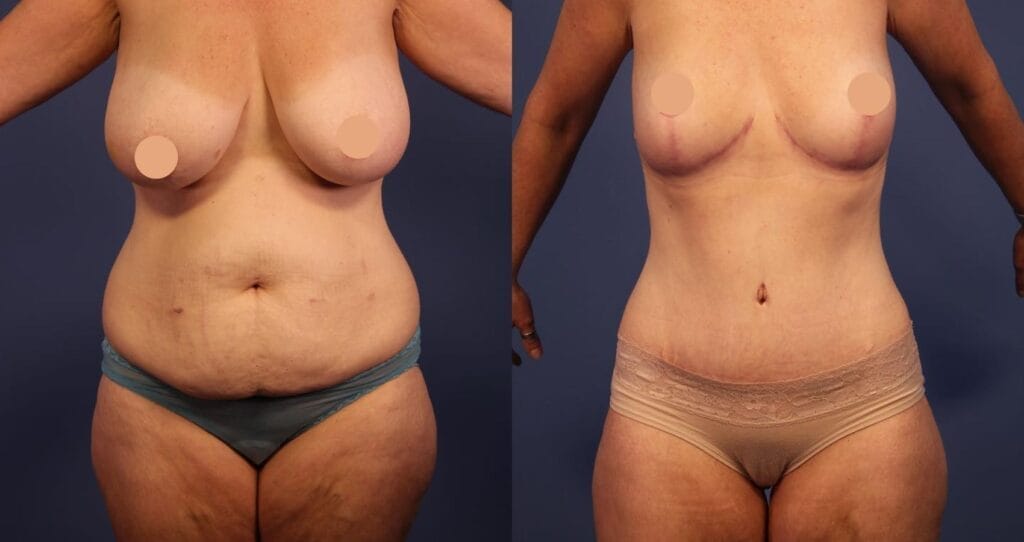
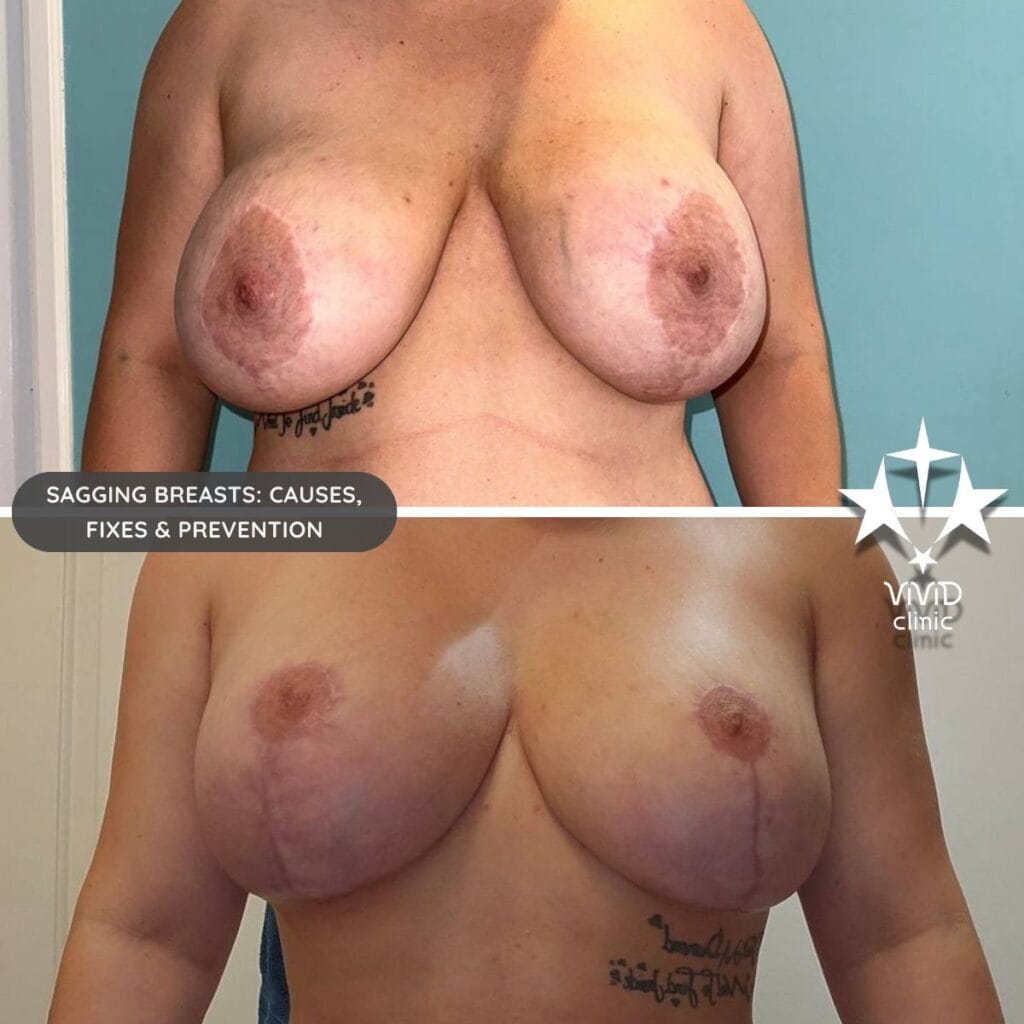
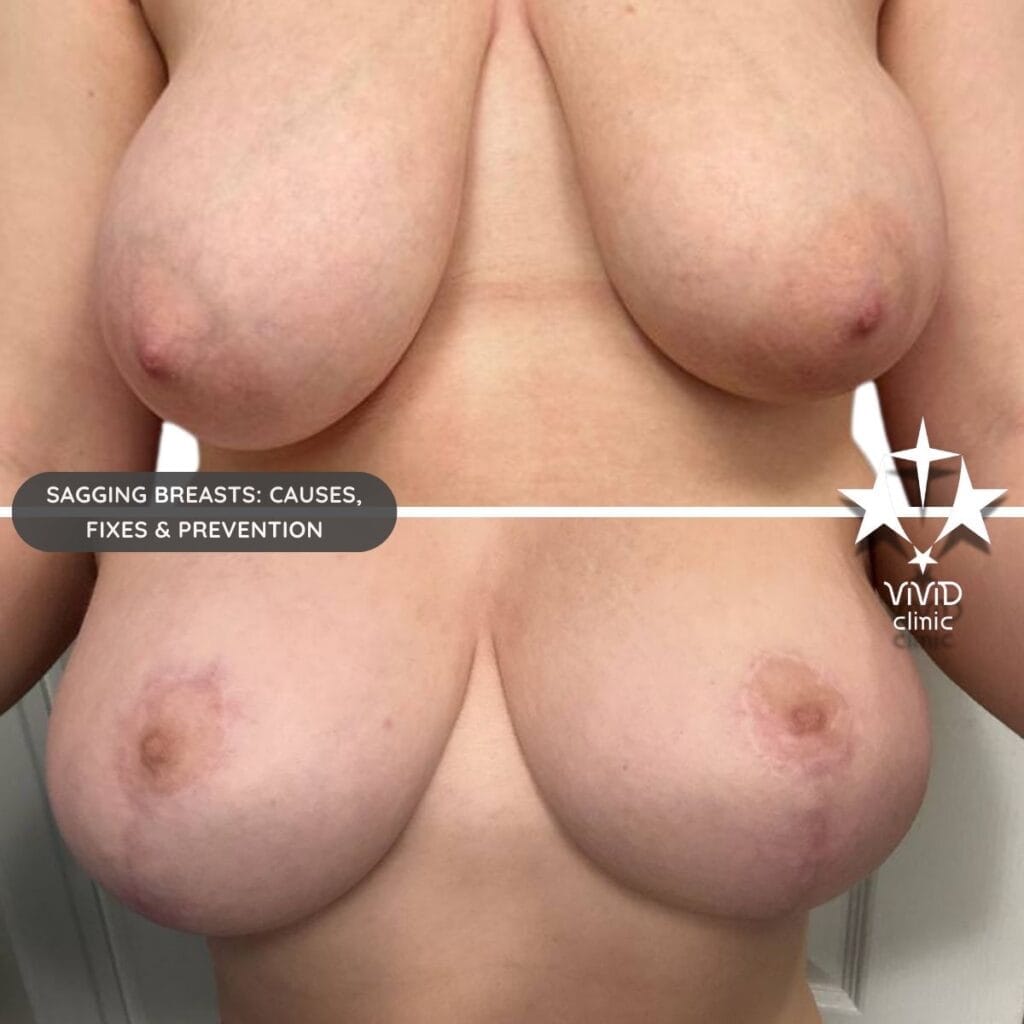
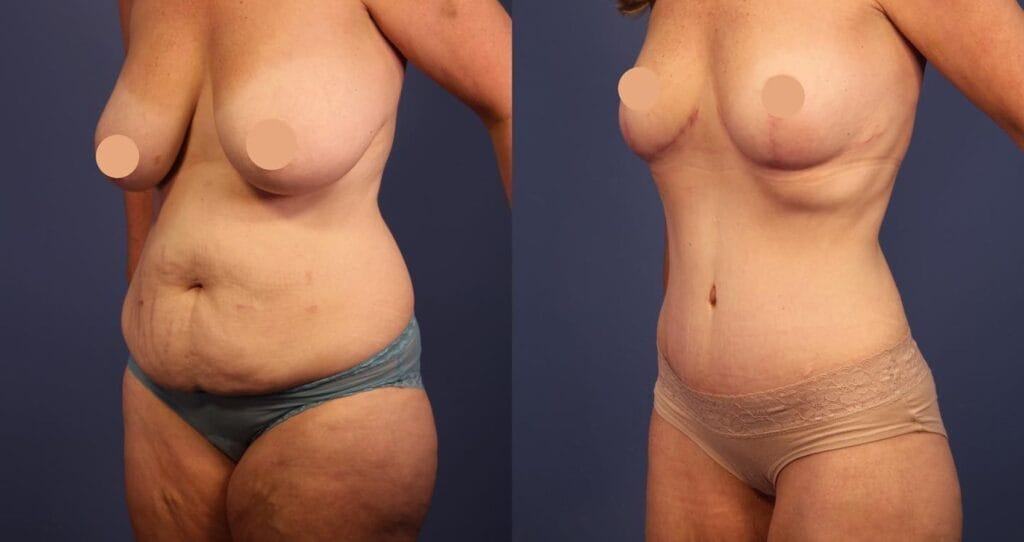
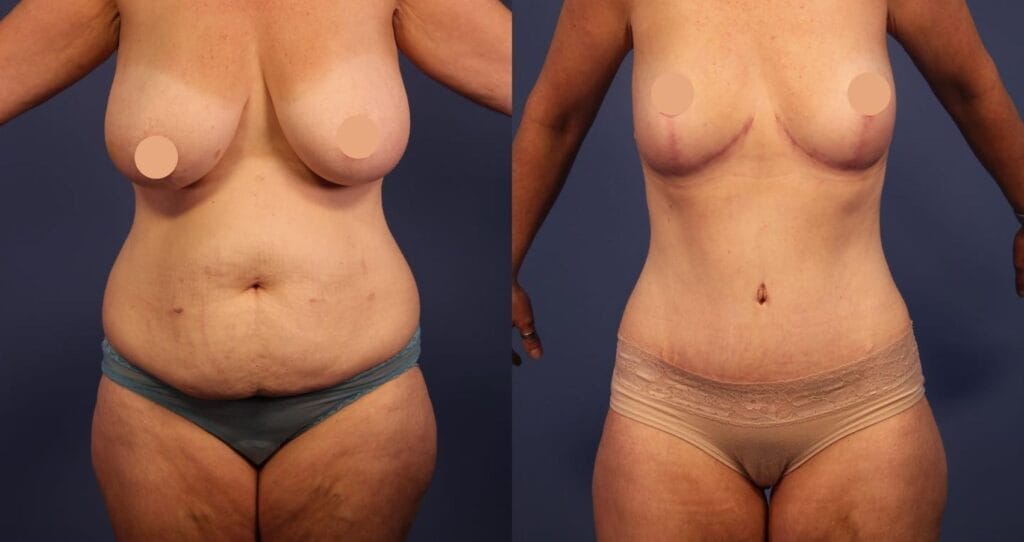
In breast lift and breast reduction surgery, the nipple-areola complex is normally moved upward on its own blood and nerve supply as part of the operation, and the areola is usually reduced at the same time. Some altered nipple sensation is common afterwards and usually improves over months. Our breast lifting and breast reduction pages describe those operations, and you can see how results are photographed in our before-and-after gallery.
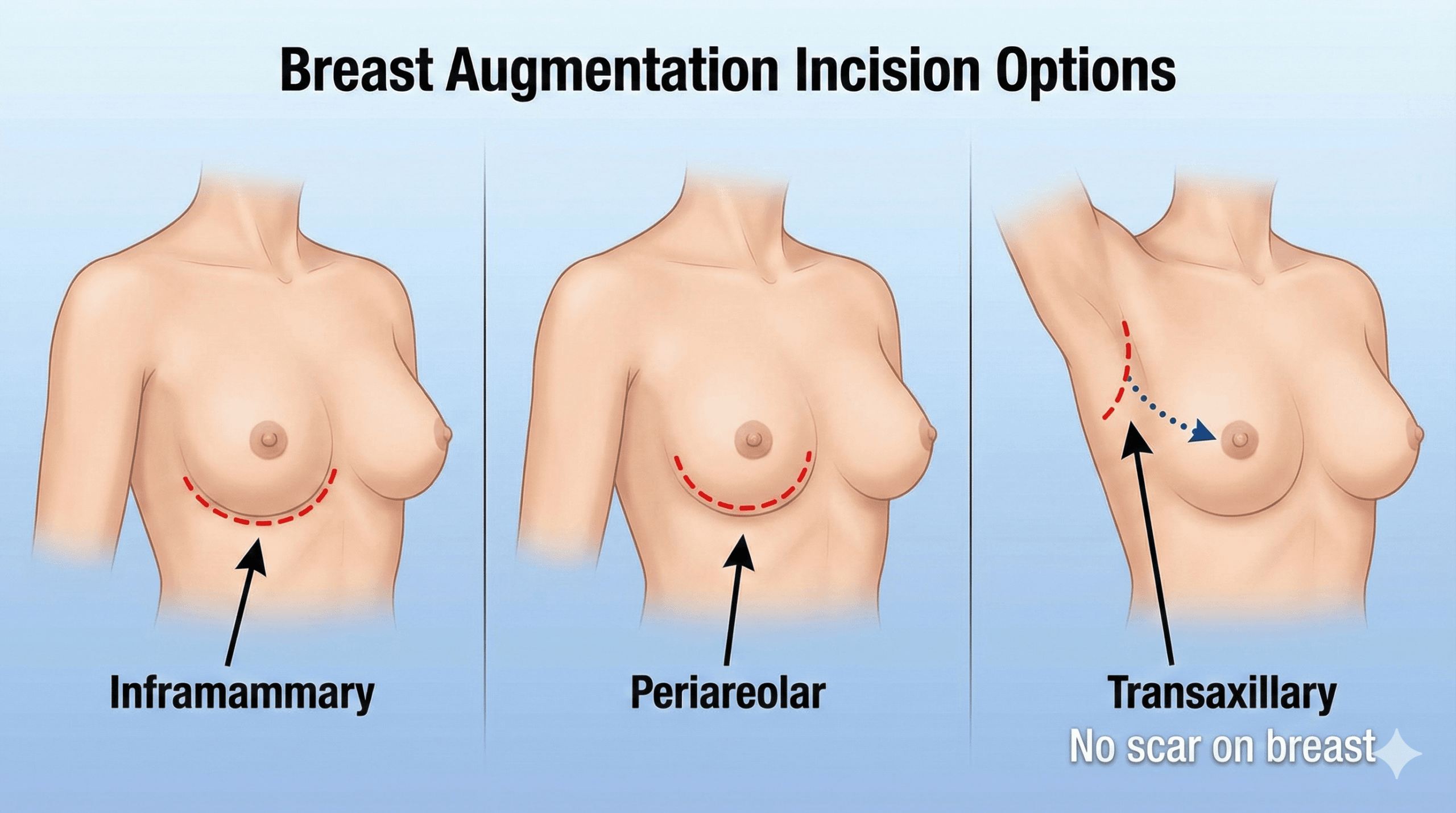
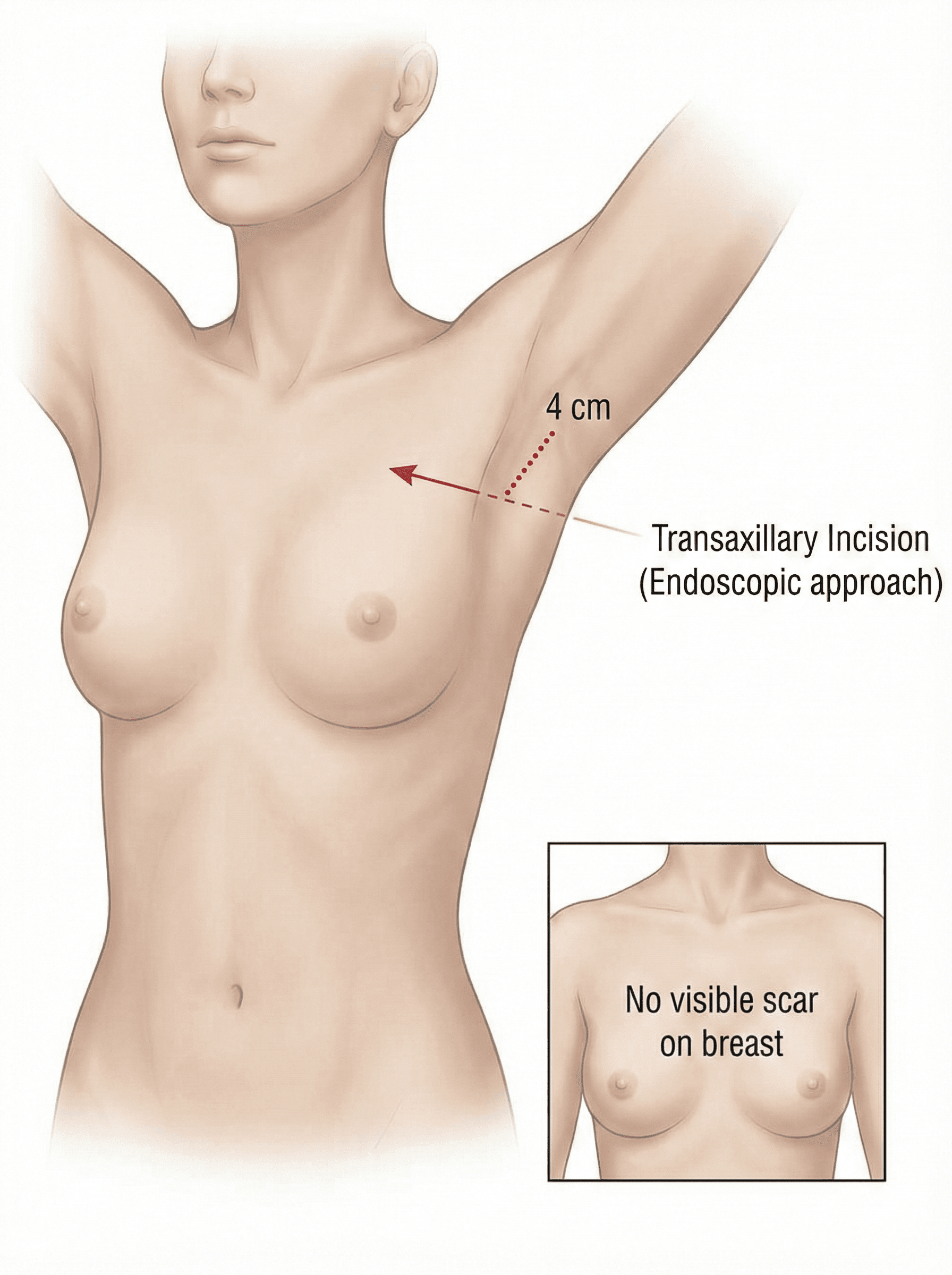
In breast augmentation, a periareolar incision is one of several routes for placing an implant. It hides the scar well but crosses breast tissue and ducts, which is one factor surgeons weigh when discussing incision choice.
Related Before and After Results at Vivid Clinic
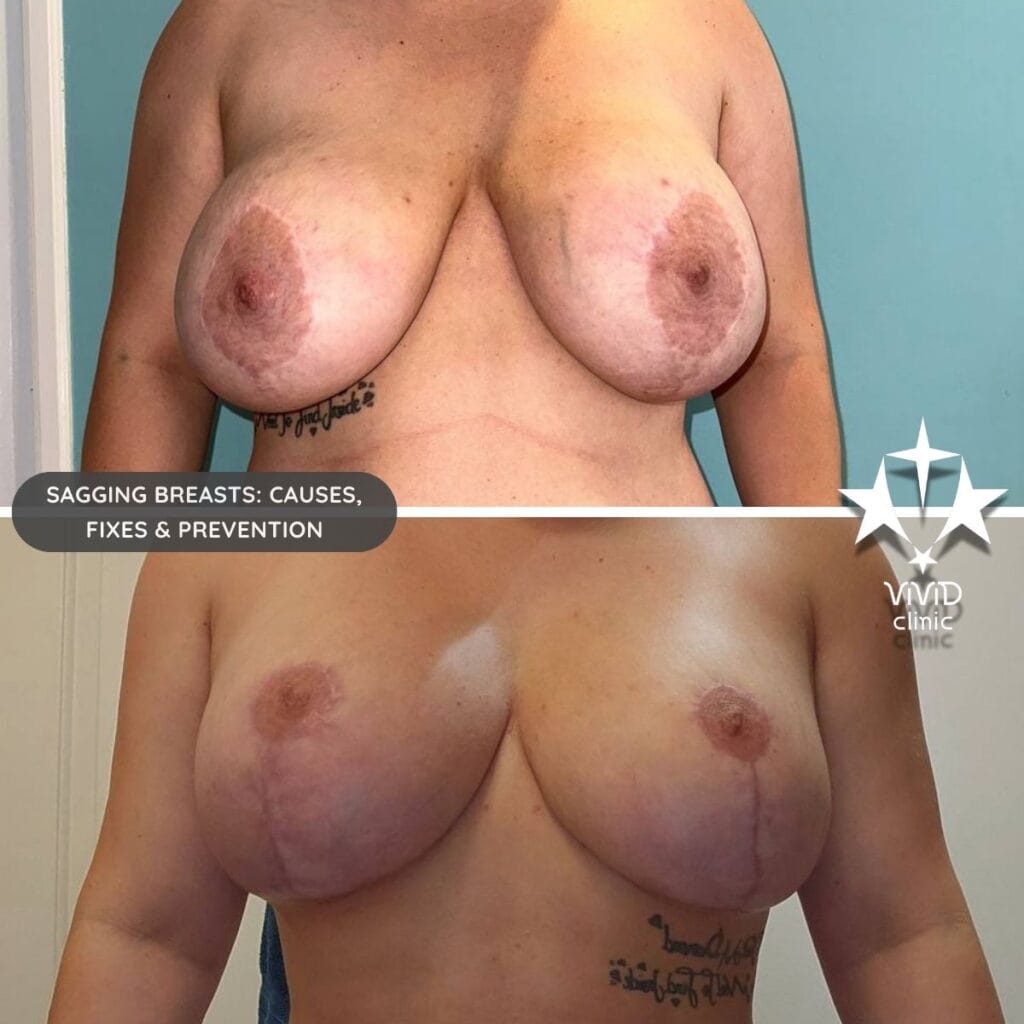
The photos below show real Vivid Clinic patients who had breast lift — a related procedure, not nipple correction itself — shared with their consent to show how our Istanbul team documents results. Ask during your free consultation to see cases that match your own treatment. Individual results vary. Browse the full Before & After Gallery.
Frequently Asked Questions
What are the different nipple types?
The commonly used descriptive categories are protruding, flat, inverted, unclassified or variable, and puffy. These are informal descriptions rather than a medical classification, and it is entirely normal for a person’s two nipples to fall into different categories or to change between them with temperature, stimulation, pregnancy or age. None of these types is unhealthy in itself.
How common are inverted nipples?
Estimates put inversion at around 10–20% of the population. Approximately 87% of cases affect both sides, and about half of people with congenital inversion have a family history of it. Congenital inversion typically becomes apparent at puberty and sometimes resolves spontaneously. Inversion that appears for the first time in adulthood is a different matter and should always be assessed medically.
Can you breastfeed with inverted nipples?
Often, yes. With grade 1 inversion the ducts are normal and breastfeeding is usually feasible, though latching may need support. Grade 2 is frequently manageable too. Grade 3, where the nipple cannot be everted and the ducts are constricted, makes breastfeeding very difficult. The bigger issue is surgical: some correction techniques divide the milk ducts and effectively end the possibility of breastfeeding, while others preserve them. Raise future breastfeeding plans before any operation.
Why do I have bumps on my areola?
Almost always these are Montgomery glands — sebaceous glands normal to the areola. They produce an oily secretion that protects the skin, helps maintain a pH that discourages infection, and gives off a scent that helps a baby latch. The number and prominence varies hugely between people and increases during pregnancy and breastfeeding. See a doctor only if one becomes painful and inflamed, looks infected, or if there is a swelling behind the areola.
Is it normal for areolas to be different sizes?
Yes. Asymmetry between the two sides is common and, on its own, is not a sign of any problem. Areola diameter and colour also change over a lifetime — with puberty, pregnancy, breastfeeding, weight change and age. What is worth attention is a change on one side only, especially if it comes with skin change, discharge, a lump or a nipple that has newly pulled inward.
Will breast surgery change my nipples?
Usually to some degree, yes. A breast lift or reduction repositions the nipple-areola complex and normally reduces the areola at the same time. Breast augmentation may or may not, depending on the incision used and how much the breast shape changes. Some alteration in nipple sensation is common after any of these operations and generally improves over the following months, though a small permanent change is possible. Ask your surgeon specifically what is planned for the nipple and areola, because it is often not mentioned unless raised.
Have you noticed a change rather than a lifelong feature? Get it assessed medically first. For questions about areola size or nipple position in the context of breast surgery, you can send photographs for a free online assessment — including when the honest answer is that nothing needs doing.