
 ChatGPT
Medically reviewed by Prof. Dr. Özgür Pilancı, Plastic, Reconstructive & Aesthetic Surgeon — August 2026
Quick answer (updated August 2026): The Nubian meaning is a place and a people: Nubia is the stretch of the Nile Valley running from southern Egypt into Sudan. Ancient Nubia produced some of Africa’s earliest great states — the kingdom of Kerma, the Kingdom of Kush, whose kings ruled Egypt as its 25th Dynasty, and the pyramid-building capital of Meroë — and Nubians are a living people along the Nile today. Modern English sometimes borrows the word as a style adjective, a use far narrower than its real history, which is where this article starts.
Nubian meaning: start with the civilisation
“Nubian” is, first and above all, a place and a people. Nubia is the Nile Valley region stretching from the First Cataract near Aswan to the meeting of the Blue and White Niles near Khartoum — home to some of the earliest and most powerful states on the African continent.
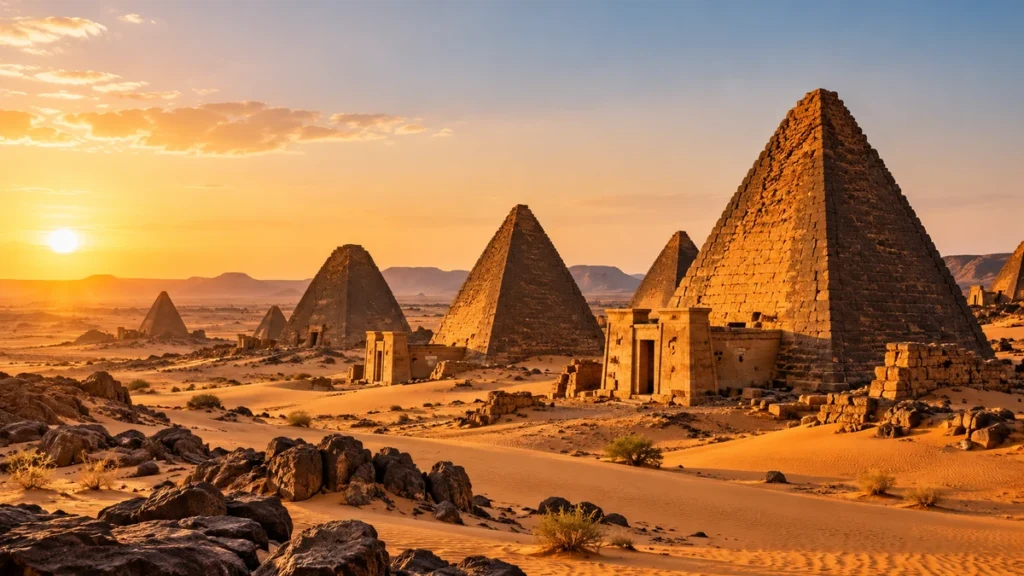
By around 2400 BCE the city of Kerma was the fortified capital of a kingdom trading into Central Africa and out to the Red Sea coast. After Kerma came the Kingdom of Kush, centred first on Napata. In 743 BCE the Kushite king Piankhy (also written Piye) conquered Egypt itself, and his line ruled the combined kingdoms as Egypt’s 25th Dynasty, returning home to Nubia for burial.
The capital later moved south to Meroë — one of the great cities of antiquity, ringed by steep-sided royal pyramids and ruled at times by queen mothers holding the title kandake; one of them, Amanirenas, led the resistance against Rome in the 20s BCE. Meroë also produced the Meroitic script, Africa’s second-oldest written script after Egyptian hieroglyphs and one scholars still cannot fully read. The kingdom endured until the fourth century CE. That is what “Nubian” means; everything else the word does in English is borrowed from this.
Nubians today — and how the word entered English
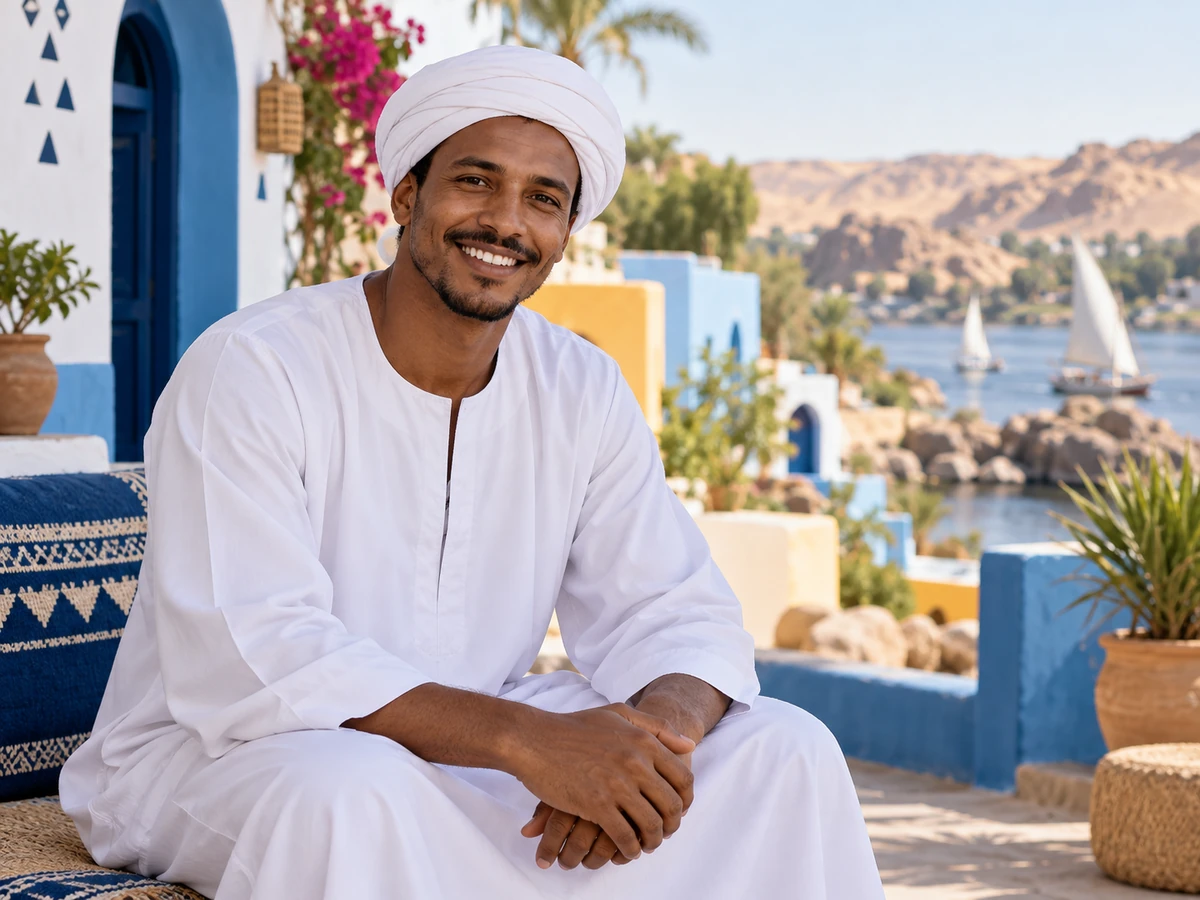
Nubians did not vanish with their ancient kingdoms. Nubian communities still live along the Nile in southern Egypt and northern Sudan, many speaking Nubian languages alongside Arabic. Their recent history includes a hard chapter: Lake Nasser, rising behind the Aswan High Dam, flooded much of historic Lower Nubia, displacing Nubian villages and prompting the UNESCO campaign of 1960–1980 that moved more than twenty monuments — Abu Simbel and Philae among them — to higher ground.
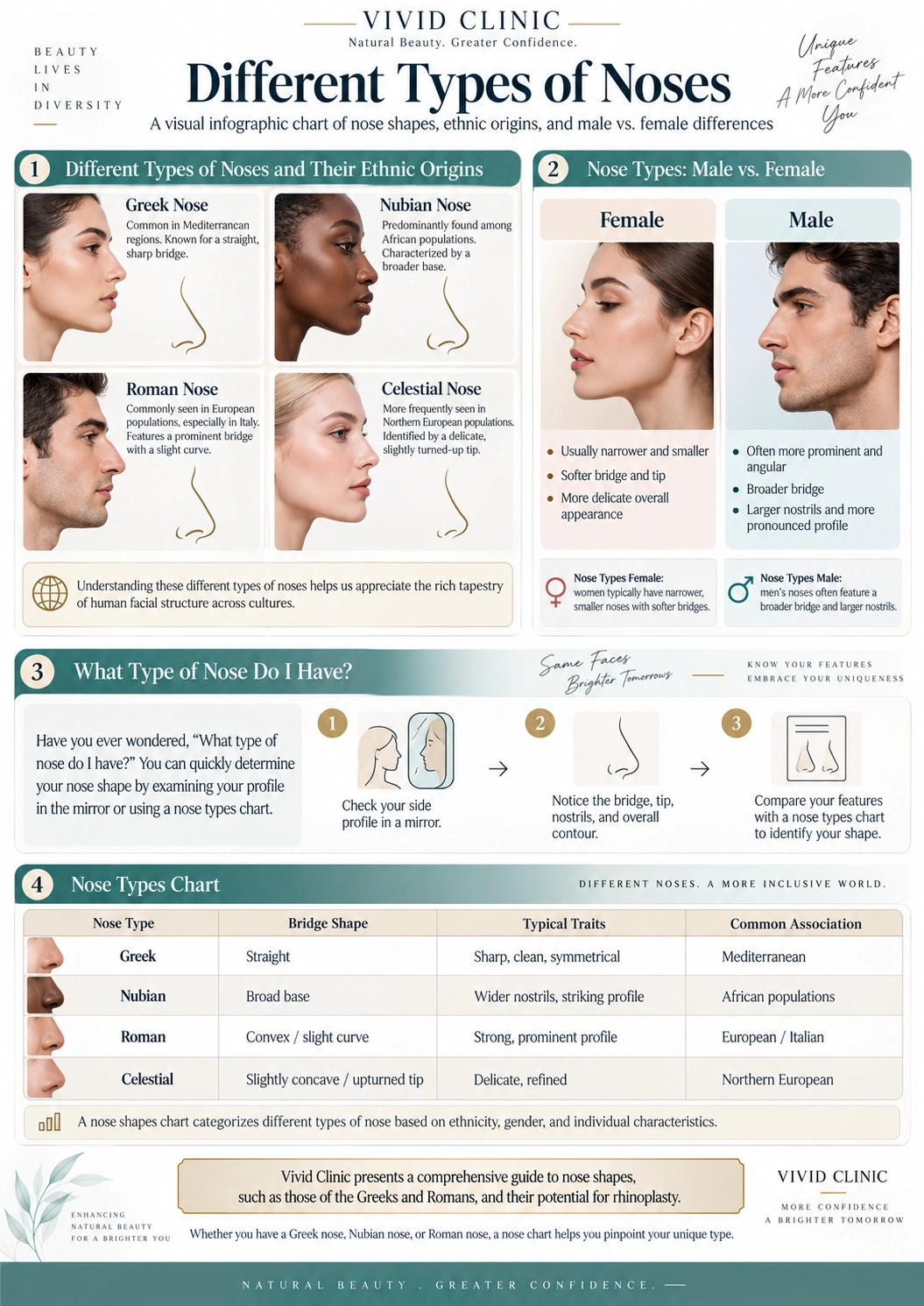
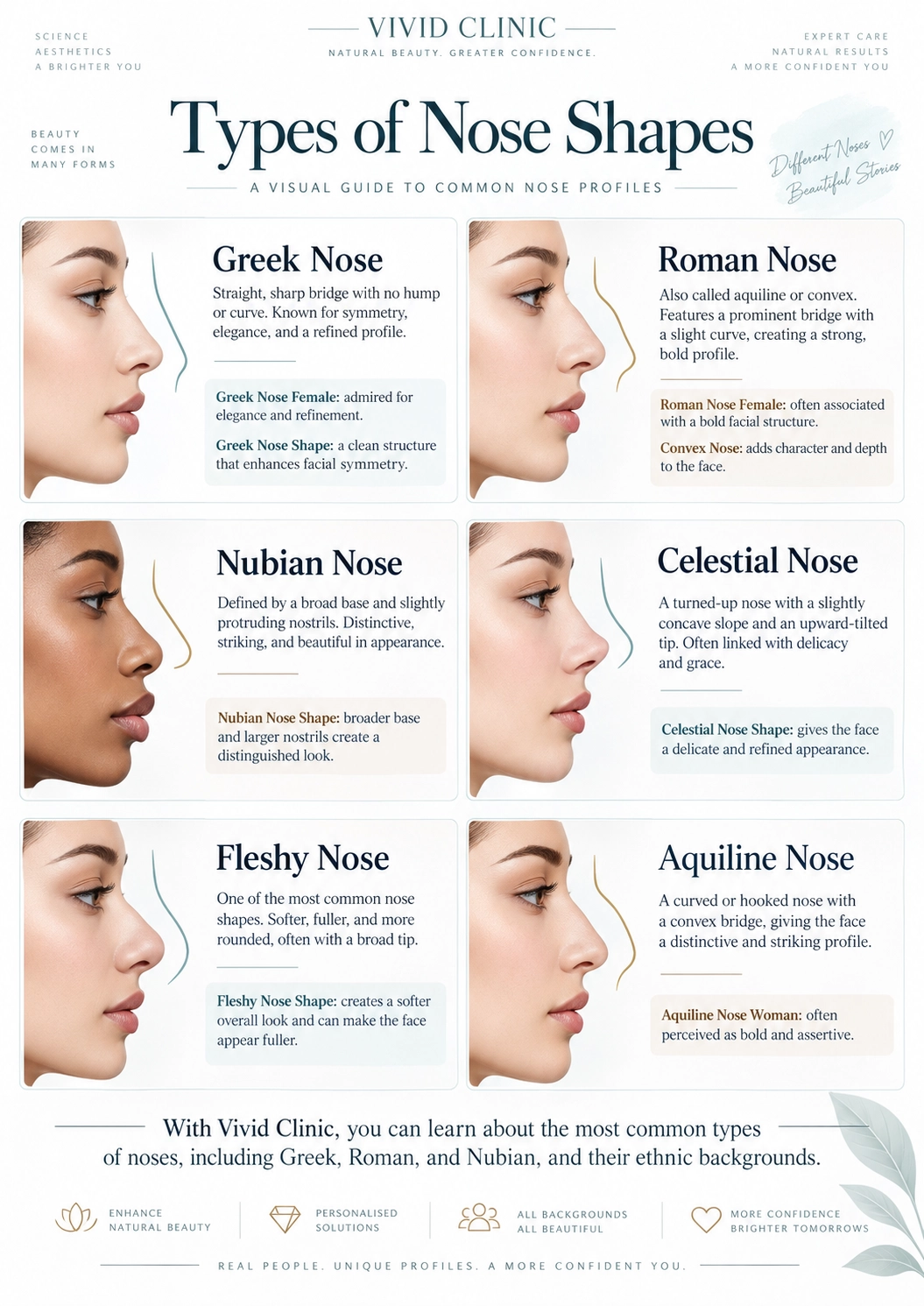
English has borrowed “Nubian” for many things, from goat breeds to fashion editorials — and, in beauty writing, as a label for a nose shape with a wider base and lower bridge. The honest note on that usage: the label borrows the prestige of a civilisation and describes a shape, not a people. Real Nubians, like every population on earth, have every kind of nose and face.
Averages describe populations — never a person
Before any description of “features,” the ground rules. Population averages describe distributions, not individuals, and variation within any human population is greater than the average difference between populations. No trait described below predicts what any individual looks like, and no one is a “typical member” of anything.
History is the reason to insist on this. Nineteenth and early twentieth-century “racial science” misused facial and nasal measurements — the nasal index most notoriously — to sort humanity into ranked types. That project was scientifically worthless and morally indefensible. Descriptive anatomy survives because it is useful to medicine; the ranking it once served does not, and this page has no part in it.
The Middle East and North Africa: a crossroads, not a category
The most accurate single statement about Middle Eastern facial features is that no single description exists. The region from Morocco to Iran has been humanity’s busiest crossroads for millennia — Phoenician, Greek, Roman, Arab, Amazigh, Persian, Kurdish, Turkish and Ottoman histories layered on top of one another, mixing populations throughout.
It helps to be precise about the word Arab: it names a linguistic and cultural identity, not an ancestry. Arabic-speaking societies span two continents and include people of enormously varied descent — alongside the region’s many other peoples: Amazigh (Berber) communities across North Africa, Copts, Kurds, Persians, Turks, Assyrians, Armenians, Druze and, indeed, Nubians. Popular descriptions of “Arab features” — commonly darker hair and eyes, skin tones from fair to deep brown, and, relevant to surgery, somewhat thicker and more sebaceous facial skin on average — are soft tendencies across hundreds of millions of people, with every trait appearing in every population.
Research on nasal shape finds ancestral climate among its influences — narrower nasal passages more common where air was historically cold and dry, wider ones where it was warm and humid. These are statistical gradients, not categories.

Lebanese features and the Levant
The direct answer about Lebanese features is continuity plus variety. A landmark 2017 genetic study found present-day Lebanese derive more than 90% of their ancestry from the Canaanite-related population of the Bronze Age Levant — the people of Lebanon have been of that coast, absorbing newcomers, for four thousand years.
That coast was Phoenicia, the Mediterranean’s great seafaring culture, later ruled by Greeks, Romans, Arabs, Crusaders, Ottomans and the French. The visible result is famous variety: complexions from fair to deep olive, eyes from light to nearly black, every facial configuration in between. Lebanon’s outsized presence in fashion and film explains why Lebanese features are searched so often — but the country’s look is the range itself, not any one face.
Egyptian features and a population history in layers
Egyptian facial features reflect Egypt’s position at the junction of Africa, the Mediterranean and Western Asia — a population, like its monuments, built in layers. Ancient DNA from mummies at one northern site found those individuals genetically closest to ancient peoples of the Near East and Levant, while modern Egyptians carry a larger share of ancestry from populations further south in Africa than those samples did — evidence that Egypt’s population kept changing across the eras, as living populations always do. One site is one data point, not a national portrait; it simply confirms the crossroads story.
Egypt today holds the whole story at once: Copts whose liturgy preserves the ancient Egyptian language, Nubians in the far south, Bedouin, Amazigh-speaking oasis communities, and the descendants of every empire that ruled the Nile. “Egyptian features” spans all of it.
Why “African features” cannot describe anyone
Here is the finding that anchors this entire article: the African continent contains more human genetic diversity than the rest of the world combined. Humanity originated in Africa, populations there have had the longest time to diversify, and everyone outside Africa descends from a subset of that variation — a major study of 121 African populations confirmed the continent as the most genetically diverse place on earth.
The consequence is worth stating plainly: any single description of “African features” is scientifically incoherent. The continent’s peoples — from the Horn of Africa to the Sahel, the Congo Basin, the Kalahari and the Mediterranean coast — are profoundly distinct from one another. Africa is not a look; it is the deepest well of human variety there is, and every attempt to compress it into one face fails as science before it fails as manners.
Heritage and aesthetic surgery
Facial features carry family and heritage, which is why the one aesthetic point worth making here is about preservation. Ethnic rhinoplasty — and heritage-conscious facial surgery generally — is a discipline whose stated goal is refining a feature while keeping what makes a face belong to its family and history; it is never the “correction” of heritage, because heritage is not a flaw. Patients considering rhinoplasty or any facial aesthetic procedure are best served by a surgeon who asks what should stay before asking what should change.

Related Before and After Results at Vivid Clinic
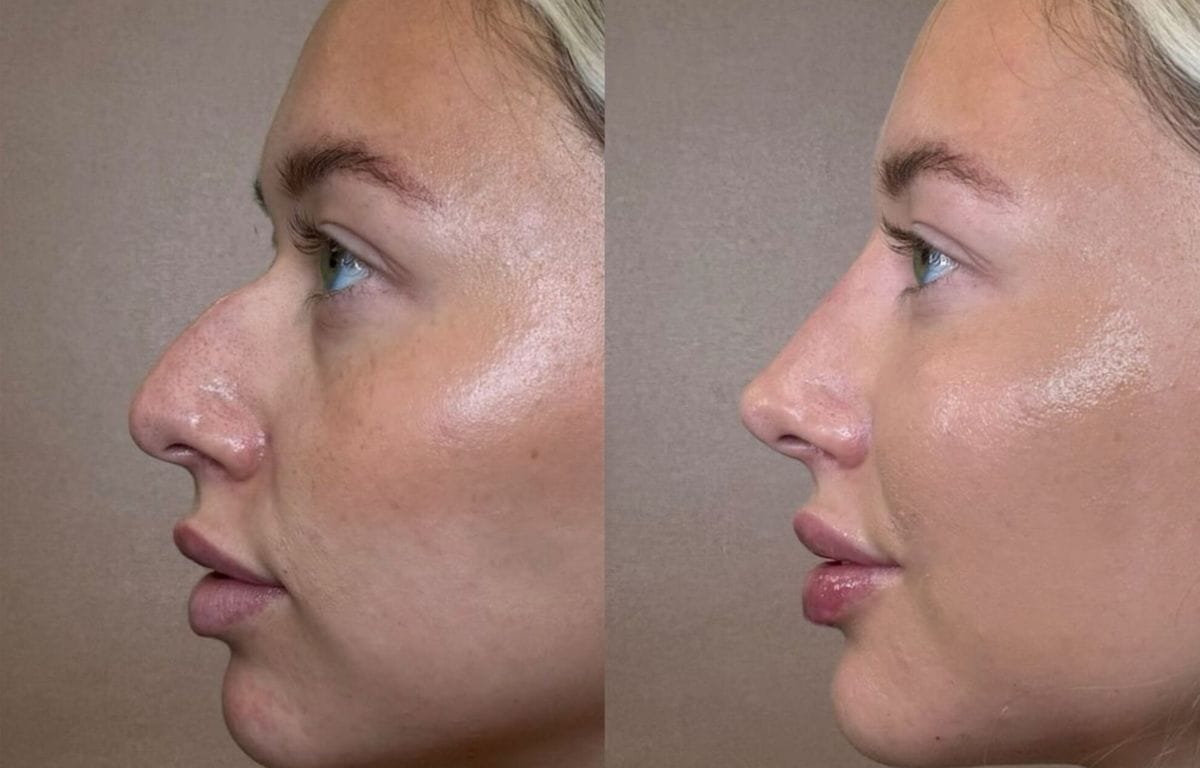
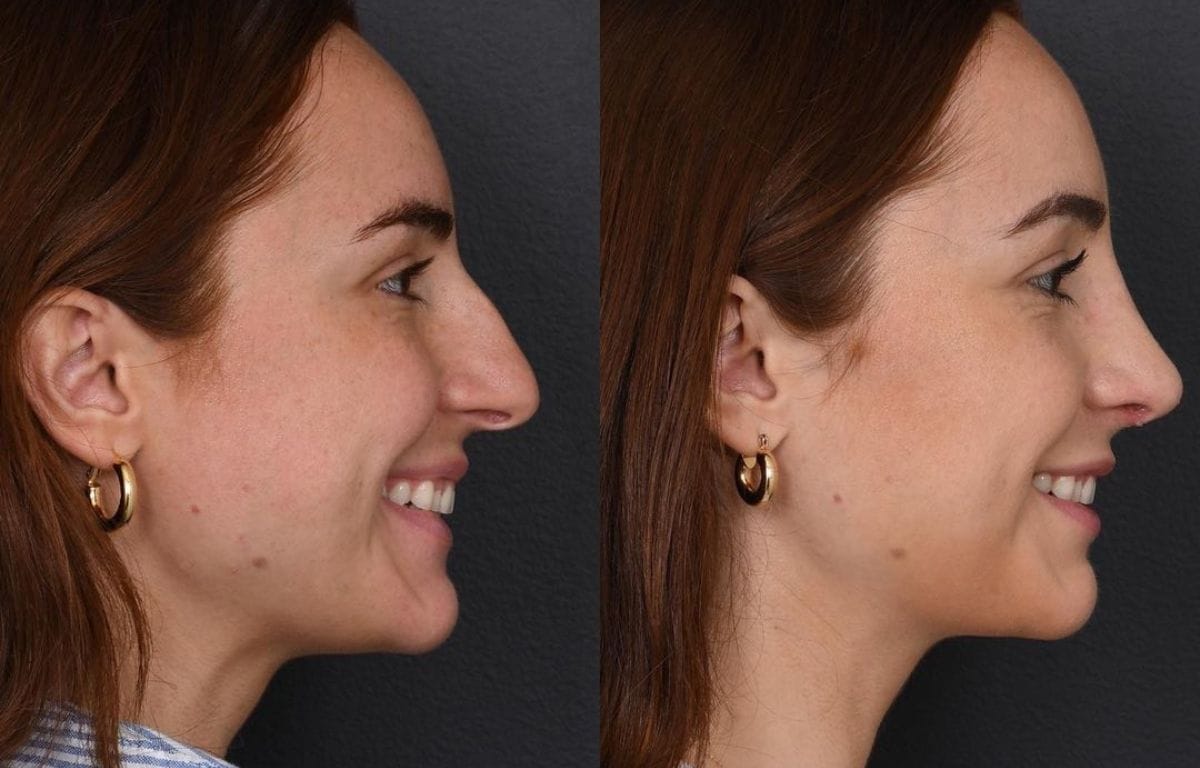
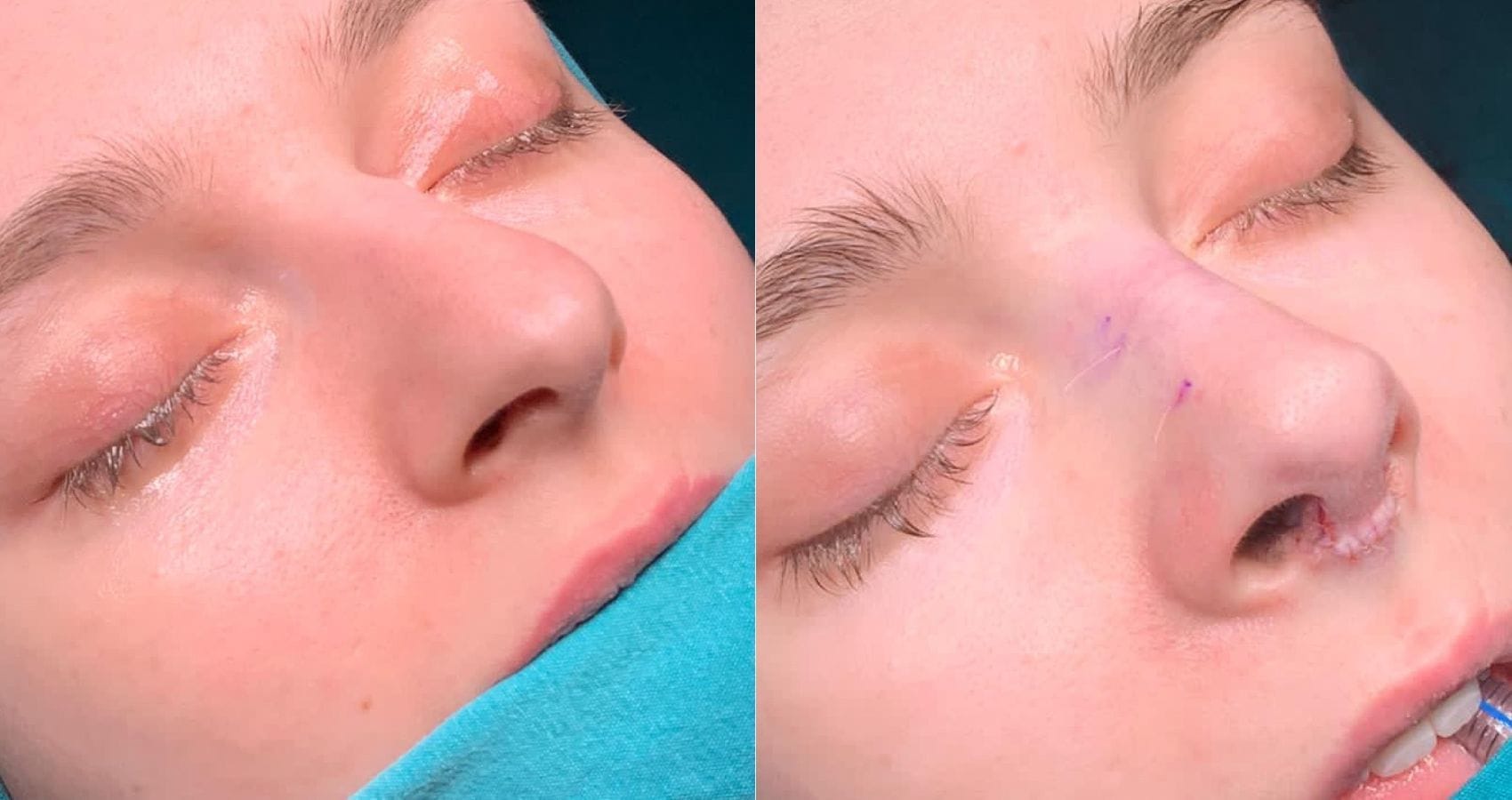
The photos below show real Vivid Clinic patients who had rhinoplasty — a related procedure, not heritage features itself — shared with their consent to show how our Istanbul team documents results. Ask during your free consultation to see cases that match your own treatment. Individual results vary. Browse the full Before & After Gallery.



Frequently Asked Questions
What does “Nubian” mean?
Nubian refers to Nubia — the Nile Valley region from southern Egypt into Sudan — and to its people. Ancient Nubia produced major African civilisations: the kingdom of Kerma, the Kingdom of Kush, whose kings ruled Egypt as the 25th Dynasty, and the pyramid-building city of Meroë with its own script. Nubians are also a living people in Egypt and Sudan today. Modern English sometimes borrows the word as a style adjective, but its real meaning is this history.
Who are the Nubians today?
Nubians are communities living along the Nile in southern Egypt and northern Sudan, many speaking Nubian languages alongside Arabic and maintaining distinct traditions. In the twentieth century the flooding of Lower Nubia by Lake Nasser displaced many Nubian villages, and the UNESCO campaign of 1960–1980 relocated more than twenty ancient monuments, including Abu Simbel, above the new waterline.
What are typical Middle Eastern facial features?
There is no single Middle Eastern face. Popular descriptions mention tendencies — darker hair and eyes being common, a wide range of skin tones, on average somewhat thicker facial skin — but these are overlapping distributions across hundreds of millions of people shaped by millennia of migration and admixture. Every described trait appears in every population, and none predicts any individual.
Do Lebanese people have distinctive facial features?
Lebanese appearance is best described as continuity plus variety. Genetic research shows present-day Lebanese derive more than 90% of their ancestry from the Bronze Age Canaanite-related population of the Levant, with later admixture layered on top. The visible result runs from fair to deep olive complexions and light to dark eyes — a national range, not a national face.
What did the ancient Egyptians look like?
Almost certainly as varied as Egypt’s crossroads position suggests. DNA from mummies at one northern site shows close genetic ties to ancient Near Eastern and Levantine populations, while modern Egyptians carry a larger share of ancestry from further south in Africa than those samples did. One site cannot represent all of ancient Egypt; the safest summary is that Egypt has always held a spectrum.
Why is Africa the most genetically diverse continent?
Because humanity began there. African populations have had the longest time to accumulate genetic variation, and every population outside Africa descends from founding groups that carried only part of it. Studies confirm Africa contains more human genetic diversity than the rest of the world combined — which is why no single set of “African features” can describe its peoples.
Can cosmetic surgery preserve heritage features?
Yes — in modern practice that is the explicit goal of heritage-conscious surgery such as ethnic rhinoplasty. The discipline exists to refine a feature while keeping what connects a face to its family and ancestry, and a good consultation establishes what a patient wants kept before anything else. Heritage features are never something to “correct” — they were never a flaw.
Curious what a heritage-respecting approach looks like in practice? Send photographs for a free online assessment and get a straight answer about what could change and what would stay exactly as it is.