
Medically reviewed by Prof. Dr. Özgür Pilancı, Plastic, Reconstructive & Aesthetic Surgeon — August 2026
Quick answer (updated August 2026): A tummy tuck (abdominoplasty) does three things no diet or workout can: it removes excess abdominal skin, repairs separated abdominal muscles, and re-drapes the remaining skin flat — usually with liposuction refining the result. It is a contouring operation for people at a stable weight, not a weight-loss method. The trade is a hip-to-hip scar placed low enough to hide under underwear, two to four weeks of guarded early recovery, and a final result that settles over six to twelve months. Choosing the right type — mini, full, extended or fleur-de-lis — matters as much as choosing to have one.
What a tummy tuck actually does
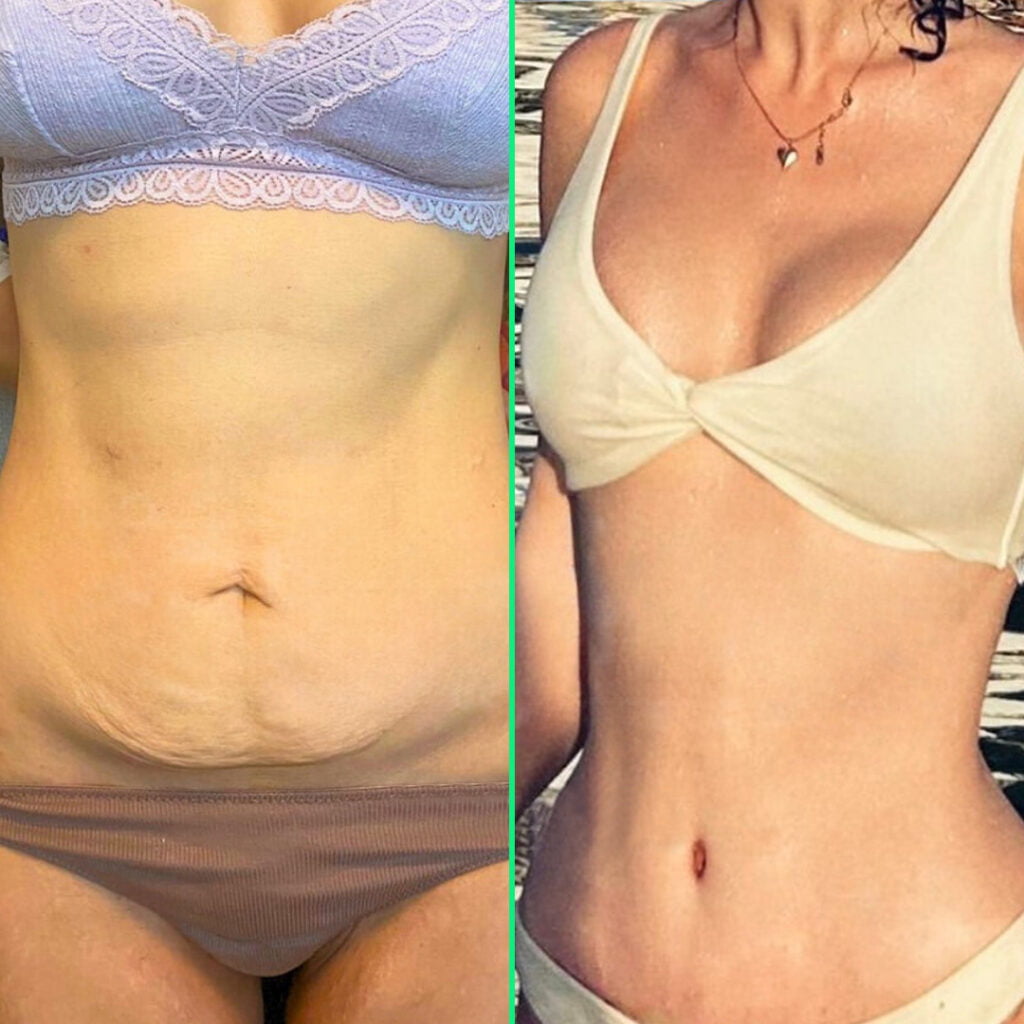
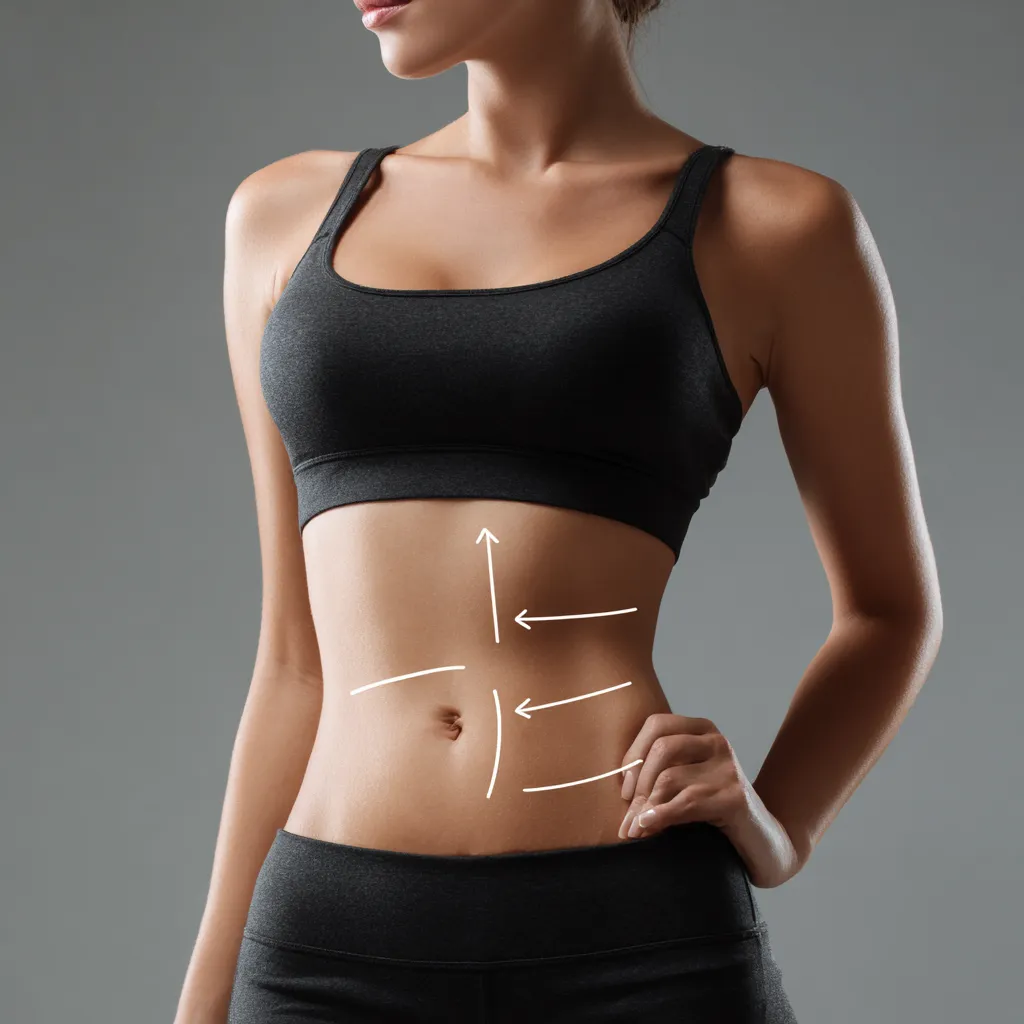
Strip away the marketing and an abdominoplasty is three repairs in one operation. First, skin: the surgeon removes the stretched apron of skin and subcutaneous fat between the navel and the pubic line — skin that pregnancy or major weight change has expanded beyond its ability to snap back. Second, muscle: if the paired rectus muscles have separated at the midline (diastasis recti — extremely common after pregnancy), the surgeon stitches the gap closed along its length, an internal corset called plication that restores a firm abdominal wall. Third, re-draping: the remaining skin is drawn down, the navel is brought out through a new opening in its natural position, and the incision is closed low across the abdomen.
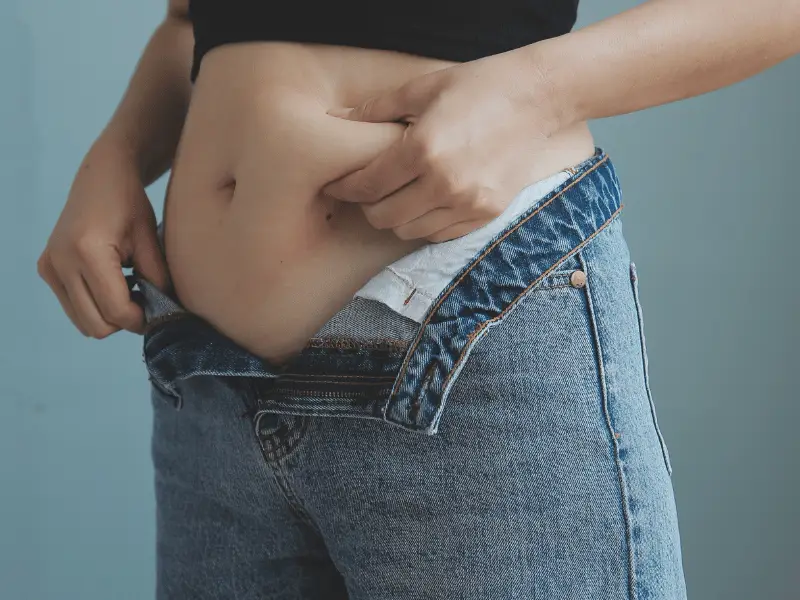
Equally important is what a tummy tuck does not do. It does not remove significant weight — the tissue removed usually weighs a few pounds at most. It does not touch visceral fat, the deep fat behind the muscle wall that gives some abdomens a firm, forward roundness; that responds only to lifestyle and medical weight management. And it does not stop time: skin quality, age and future weight change still apply.
Understanding which belly problem you have — loose skin, separated muscle, deep fat, or a mix — is the whole assessment, and it decides whether this operation will look transformative or disappointing on you.
Who is a good candidate (and who should wait)
The best tummy tuck candidates share a profile: weight stable for at least several months at or near a level they can maintain; finished having children, since a future pregnancy re-stretches the repair; medically fit, with any diabetes or clotting issues controlled; and non-smoking, because nicotine impairs the blood supply the re-draped skin depends on — surgeons require smoking (and vaping nicotine) to stop for several weeks before and after. BMI matters less as a cut-off than as a marker of risk: complication rates rise meaningfully at higher BMIs, and most surgeons prefer patients broadly under about BMI 30–35, at their own stable plateau rather than mid-weight-loss.
Reasons to wait rather than book: you are actively losing weight (finish first — the result is only as good as the skin’s final state), you delivered a baby within the last six months to a year (tissues are still recovering, and postpartum core rehab may close part of a diastasis without surgery), or your primary problem is deep visceral fullness rather than pinchable skin. And for mothers combining procedures, the tummy tuck is usually the anchor of a mommy makeover plan — worth reading if breasts and abdomen both changed with pregnancy.
The types: mini, full, extended, fleur-de-lis — and panniculectomy
Mini tummy tuck. A shorter incision, no navel repositioning, addressing only loose skin below the navel — the “pooch.” Right for a minority: people with good skin above the navel, little or no muscle separation, and a localized lower-abdominal fold. Its appeal is the smaller scar and quicker recovery; its risk is being sold to people who need more.
Full (standard) tummy tuck. The workhorse: hip-to-hip incision, full muscle plication navel-to-pubis, navel repositioned, skin re-draped from ribs to pubic line. This is the operation most post-pregnancy abdomens actually need, and the one our abdominoplasty service page describes.
Extended tummy tuck. The same operation with the incision carried around the flanks to chase loose skin onto the hips and lower back — the usual choice after major weight loss, where the apron wraps sideways.
Fleur-de-lis tummy tuck. Adds a vertical midline incision to the horizontal one, removing skin in two directions. It is the answer when massive weight loss leaves horizontal and vertical excess; the cost is a visible vertical scar, accepted deliberately in exchange for a dramatically flatter, tighter result.
Panniculectomy is the one that is not a tummy tuck: it removes the hanging apron (pannus) for functional relief — rashes, hygiene, mobility — without muscle repair or navel work. Its scar is similar or longer, and because it is sometimes medically indicated, it is occasionally insurance-eligible where cosmetic abdominoplasty is not. People researching “panniculectomy scar” should expect a low transverse scar comparable to a full tuck’s, sometimes extended, healing on the same 12–18 month timeline described below. Our post on the hanging belly after a C-section covers when each operation fits.
Most modern abdominoplasties add liposuction of the flanks or upper abdomen in the same session (lipoabdominoplasty) — contouring the sides so the flat front has a waist to belong to. Combining changes the cost arithmetic too; the existing breakdown of liposuction and tummy tuck costs in Istanbul covers the combinations, so we will not duplicate the numbers here beyond the headline: Istanbul packages typically run $2,500–$5,500 versus an ASPS-reported average surgeon’s fee alone of $8,174 in the US (plasticsurgery.org, checked August 2026) — before anesthesia and facility fees.
The scar: where it sits and how it matures
There is no scarless tummy tuck, and the honest way to think about the scar is as the price of everything above. A well-planned scar runs low — from hip bone to hip bone, sitting at or below the line of underwear or a swimsuit, with a short hidden scar around the navel in full tucks, and a vertical component only in fleur-de-lis cases. Ask to see scar photos, not just result photos, in any before-and-after gallery — placement is a skill, and it varies between surgeons more than patients expect.
Scars mature on a long clock: pink or red and slightly raised for the first two to three months, gradually flattening and fading through months six to twelve, reaching their final, pale state at around 12–18 months. You can help: keep the incision taped or supported as instructed, start silicone sheets or gel once healed over (evidence-backed for scar quality), avoid stretching the scar with early overexertion, and protect it from sun for a year — UV permanently darkens immature scars.
A minority of people form thick (hypertrophic or keloid) scars regardless of care, particularly in darker skin types; if that is you, say so at consultation — steroid injections and early intervention manage it.
Surgery day: what actually happens

A tummy tuck is a general-anesthesia operation taking roughly two to four hours depending on type and added liposuction, typically with at least one night in hospital in medical-travel settings. You will wake wearing a compression garment, bent slightly at the waist — the closure is deliberately snug, and standing bolt upright is neither possible nor allowed on day one. Depending on technique, thin drains may exit near the incision for some days to carry off fluid; some surgeons use progressive-tension (drain-free) closure instead. Exact protocol — nights in hospital, drains or not, garment schedule — varies by surgeon and case; Vivid Clinic confirms yours at consultation.
Recovery week by week
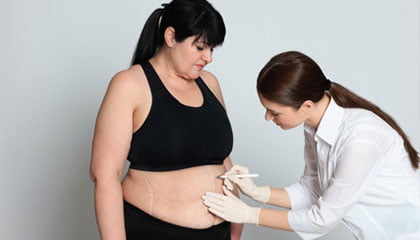
Days 1–7. Walk early and often — short, frequent, hunched walks from day one are the single best thrombosis prevention — but nothing more. Sleep on your back in a “beach chair” position (head and knees elevated); expect tightness, swelling, bruising and fatigue. Showering usually resumes within a few days per your surgeon’s instructions.
Week 2. Standing gradually straightens. Most people with desk jobs return to work at 10–14 days; anything physical waits. Drains, if used, usually come out in week one to two. Numbness of the lower abdominal skin is normal and expected — sensation returns patchily over months.
Weeks 3–4. Walking normally, light daily activity, driving once off strong painkillers and able to brake sharply. Swelling begins its slow retreat — it will still swing daily, worse by evening, for months.
Weeks 6–8. Most surgeons clear progressive return to exercise around six weeks, core work last. The compression garment typically comes off in stages: worn continuously (bar showers) for the first weeks, then daytime-only, then off — commonly somewhere in the six-to-eight-week range. “When can I sleep without the compression garment?” is usually answered in that same window, once your surgeon confirms swelling is controlled; sleeping without it in week two because it is annoying is how seromas announce themselves. Follow your surgeon’s specific schedule over any article, including this one.
Months 3–12. The result you paid for emerges here: residual swelling resolves, the scar fades, tissues soften, and the final contour settles by six to twelve months. Our step-by-step tummy tuck recovery guide expands each stage, including the medical-travel logistics of recovering the first week in Istanbul.
Risks, honestly stated
Abdominoplasty is major elective surgery with a real complication profile, and the recurring themes are fluid, wound edges and clots. Seroma — fluid collecting under the skin flap — is among the most common issues, managed by drains, compression and occasionally needle aspiration. Wound-healing problems cluster where the closure is tightest, at the middle of the low incision, and are far likelier in smokers and at higher BMIs. Infection, bleeding, asymmetry, prominent scarring and prolonged numbness are on every honest consent form.
The serious rarity is venous thromboembolism (DVT/pulmonary embolism), the reason for early walking, compression measures and — for medical travelers — sensible flight-timing guidance rather than flying home the week of surgery. Baseline risk rises with BMI, smoking, hormonal medication and clotting history; a proper pre-operative screen asks about all four, and a clinic that does not ask is telling you something. General figures here reflect published surgical literature and ASPS patient guidance; your personal risk assessment happens at consultation.
What it costs (short version — the long version has its own page)
Because this guide is about the operation, not the invoice: in Istanbul, tummy tuck packages at accredited hospitals typically run $2,500–$5,500 depending on type and combined liposuction, versus a US average surgeon’s fee alone of $8,174 (American Society of Plastic Surgeons, checked August 2026) with anesthesia and facility fees on top. What moves a quote: the type (mini to fleur-de-lis), muscle repair extent, added liposuction, and aftercare included. The full breakdown — including what package prices do and do not cover — lives in our dedicated tummy tuck costs in Istanbul guide; Vivid Clinic quotes are confirmed at consultation after a photo assessment.
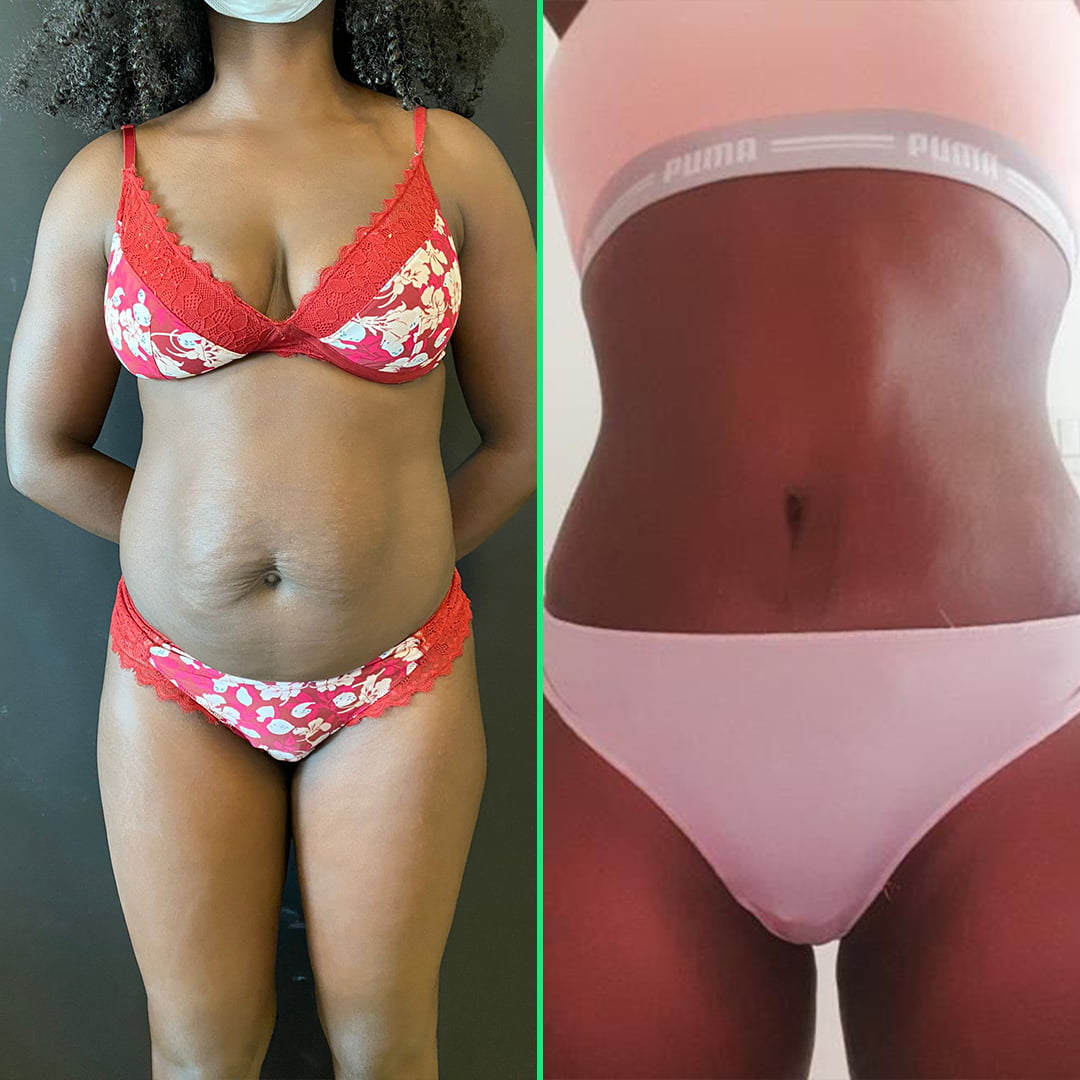
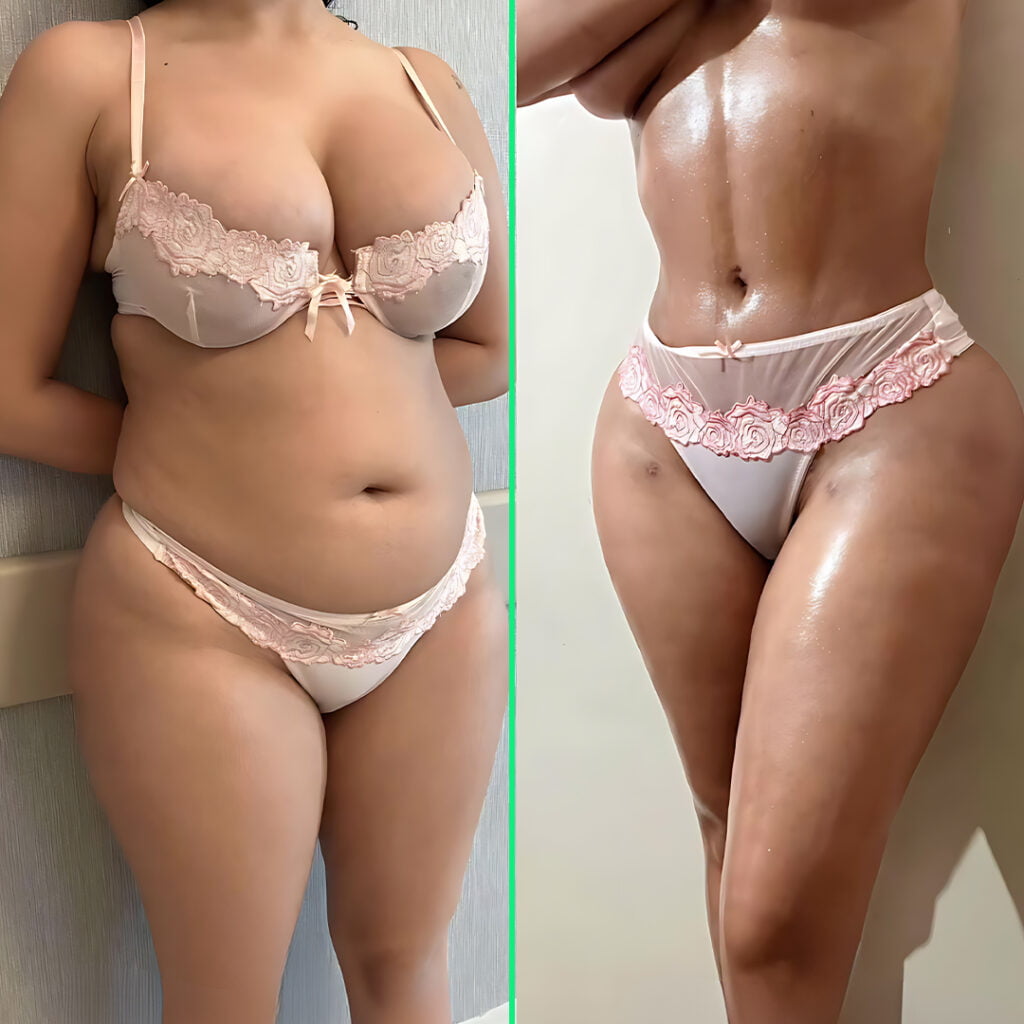
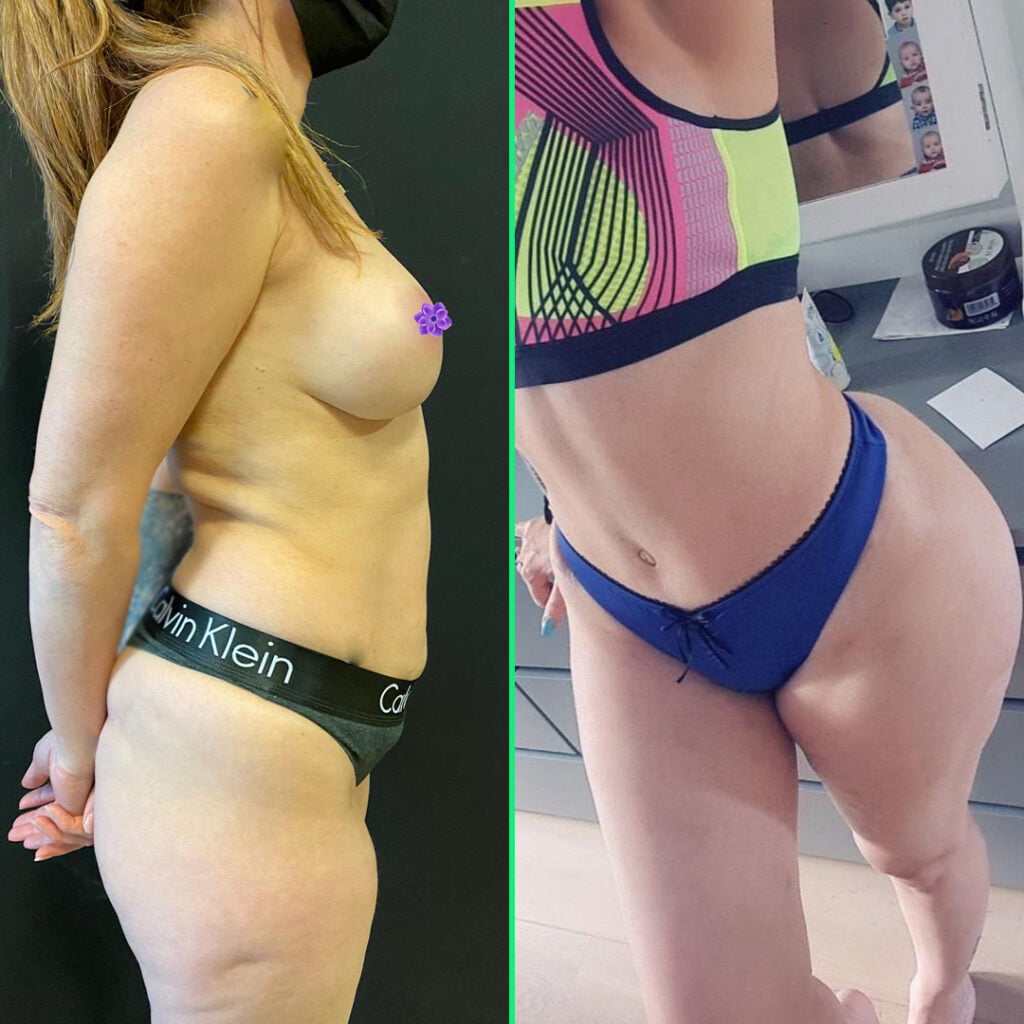
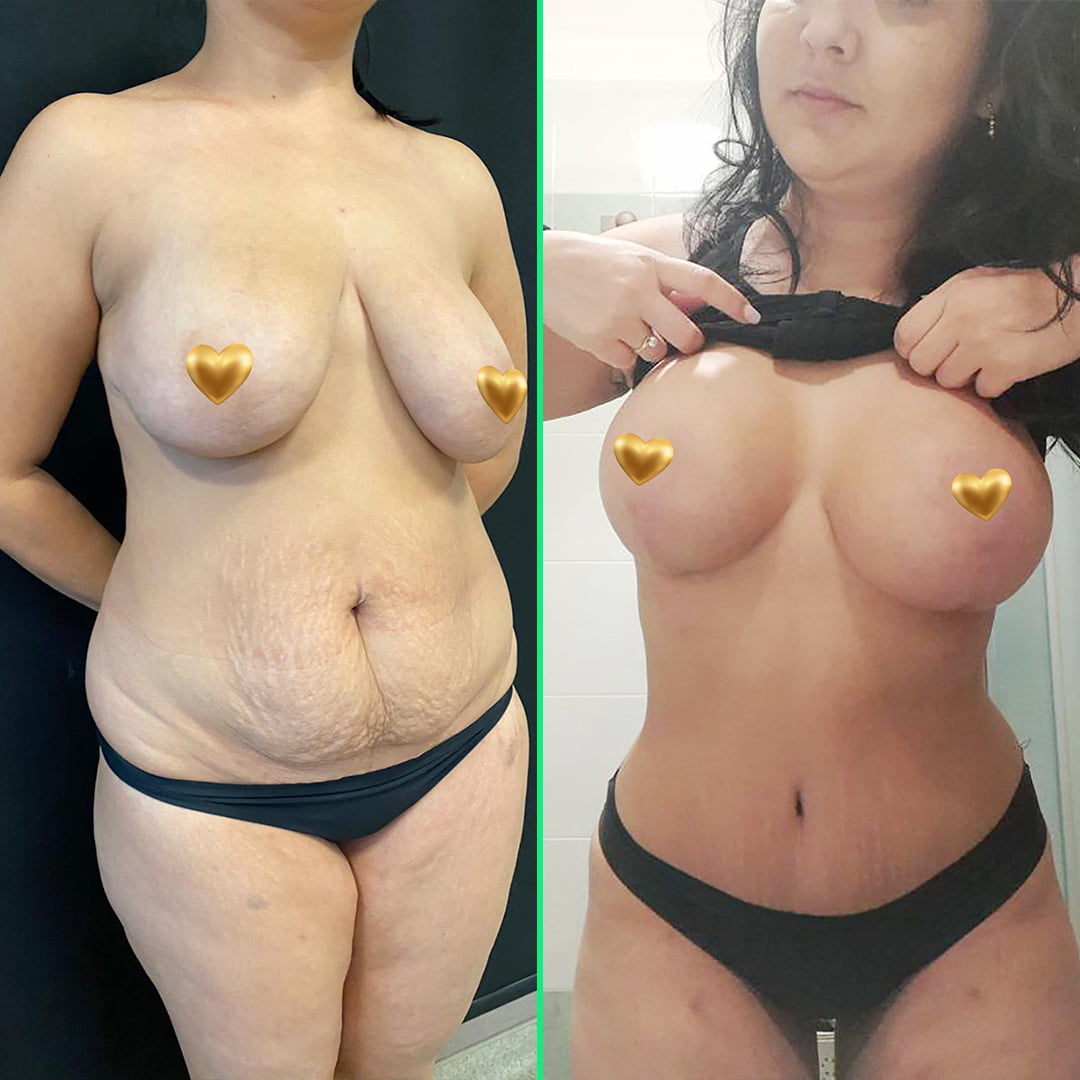
Tummy Tuck Before & After Results at Vivid Clinic



Frequently Asked Questions
How painful is a tummy tuck?
Most patients describe the first three to five days as tight and sore rather than sharply painful — the muscle repair is what you feel, especially standing up or coughing. Pain is well controlled with prescribed medication, drops off substantially in week one, and by week two most people are on simple over-the-counter relief. Muscle-repair tightness lingers as an ache with exertion for a few weeks.
When can I sleep without the compression garment after a tummy tuck?
Typically once your surgeon confirms swelling is controlled — commonly in the six-to-eight-week range, after a staged reduction from full-time to daytime wear. The garment limits seroma and supports the repair, so removing it early because it is uncomfortable at night is a false economy. Your surgeon’s specific schedule overrides any general timeline.
What is the difference between a tummy tuck and a panniculectomy?
A panniculectomy removes only the hanging apron of skin and fat, for functional relief — no muscle repair, no navel repositioning. A tummy tuck adds the muscle plication and full re-draping that create a flat, contoured abdomen. Panniculectomy is sometimes medically indicated (and occasionally insurance-covered); abdominoplasty is cosmetic. Scars are comparable; results are not.
Does a tummy tuck remove stretch marks?
Only the ones on the skin that is removed — which, in a full tuck, usually means stretch marks between the navel and pubic line disappear with that skin. Marks above the navel are drawn lower but remain. No operation erases stretch marks on skin that stays.
Will the fat come back after a tummy tuck?
Removed skin and fat cells do not regenerate, and the muscle repair is durable — but the operation does not prevent future weight gain, which shows up in remaining fat cells (including visceral fat the surgery never touched). At a stable weight, results hold for many years; significant weight swings or a pregnancy can stretch the repair. The operation rewards the maintenance it cannot do for you.
Can I have a tummy tuck after a C-section?
Yes — it is one of the most common scenarios, and the tuck’s incision is placed to incorporate or sit just below the C-section scar, replacing two scars with one. Surgeons generally want you at least six to twelve months past delivery, weight stable, and finished breastfeeding. If your main complaint is the C-section shelf or hanging fold, start with our guide to the hanging belly after a C-section.
Wondering whether your abdomen needs a mini, a full, or no operation at all? The answer is in your skin quality, muscle gap and weight history — three things a surgeon can read from photographs in minutes. Send yours for a free online assessment and get a straight recommendation, including the type, the scar you would trade for it, and whether waiting would serve you better.