
 ChatGPT
The Line You Picture Before You Even Book
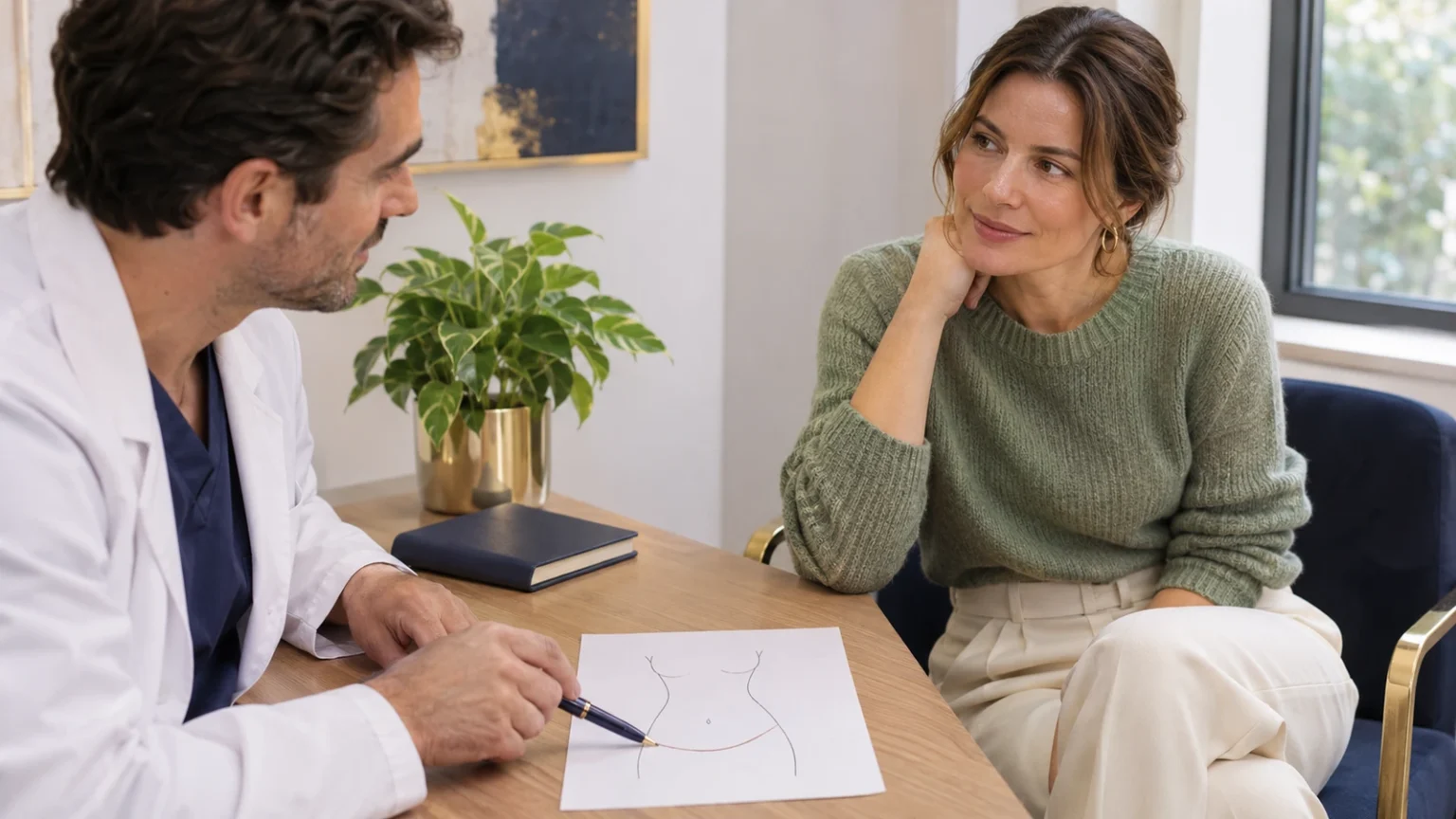
You stand in front of the mirror, pull your waistband down a little, and trace an imaginary line from one hip to the other. What will that line look like in a bikini, in underwear, or in soft bedroom light a year from now?
A tummy tuck scar is the trade you make for a flatter, firmer abdomen. Knowing where it sits and how it matures helps you decide calmly instead of anxiously.
This guide covers placement, the healing timeline, and seven practical ways to help the line fade. At Vivid Clinic in Istanbul, Turkey, every abdominal plan starts with a free consultation with a plastic surgeon, so you can talk through your scar before you book a flight.
What Is a Tummy Tuck Scar?
Quick Answer: A tummy tuck scar is the healed incision left after abdominoplasty. In a full tummy tuck it usually runs low from hip to hip, with a second small scar around the belly button. It cannot be avoided, but careful placement and aftercare help it become flatter and paler over roughly 12 to 18 months.
Any operation that removes skin leaves a scar. The aim is to place it where clothing covers it and give it the best conditions to heal. For the operation itself, see our tummy tuck complete guide.
Tummy Tuck Scar Placement: Where the Incision Goes
Quick Answer: Tummy tuck scar placement is usually low on the abdomen, just above the pubic hairline, curving toward the hips. Its length depends on how much loose skin is removed. Your surgeon marks it with you standing, often while you wear your usual underwear.
The Low Hip-to-Hip Incision
The main incision sits a few centimetres above the genital area and extends toward the hip bones, often with a gentle upward curve that follows a bikini line. More excess skin usually means a longer line. Keeping it too short can leave small bunches of skin at the ends, called dog ears.
The Scar Around the Belly Button
In a full tummy tuck, the navel stays on its stalk while the skin around it is pulled down. It is then brought out through a new opening, leaving a small round or oval scar that often settles inside the natural rim.
Planning the Scar Around Your Clothing
Many surgeons ask you to bring the underwear or swimwear you wear most, then draw the incision to sit beneath it. Scars can shift slightly as swelling settles, so this is a planning aim, not a promise.
Mini, Full, Extended and Fleur-de-Lis: How Technique Changes the Scar
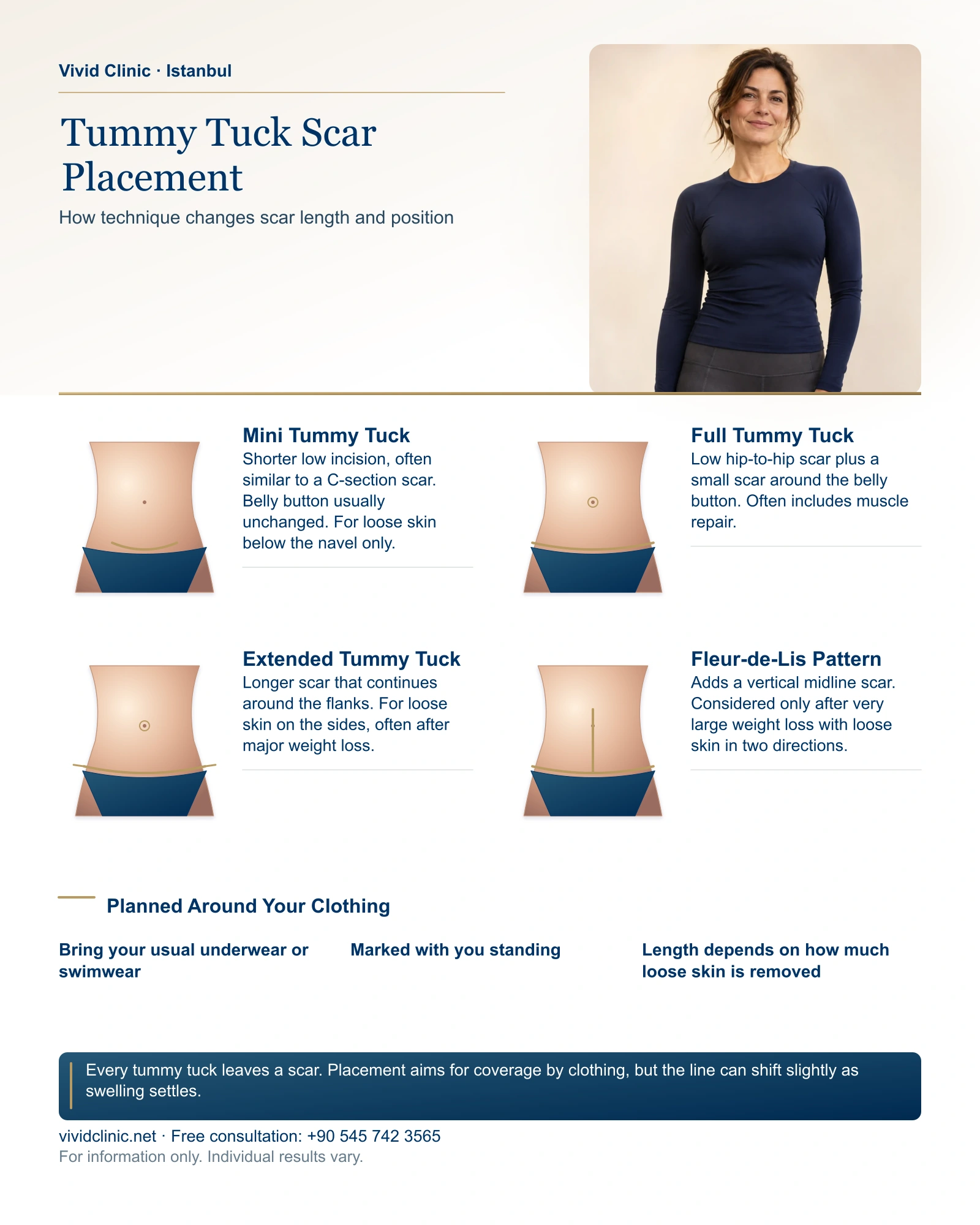
The type of tummy tuck chosen for your anatomy has the biggest influence on scar length.
Mini Tummy Tuck
A mini tummy tuck treats loose skin below the navel only. The incision is shorter, often similar to a C-section scar, and the belly button usually stays untouched.
Full Tummy Tuck
A full tummy tuck removes skin from the navel down, redrapes the upper abdomen, and usually repairs separated muscles. It leaves the low hip-to-hip line plus the umbilical scar, and is the most common pattern after pregnancy.
Extended Tummy Tuck
An extended tummy tuck carries the incision around the flanks toward the back. It is considered when loose skin continues around the sides, often after major weight loss.
Fleur-de-Lis Pattern
After very large weight loss, some patients have loose skin in two directions. A fleur-de-lis approach adds a vertical midline scar to the horizontal one, trading a more visible scar for a tighter result. It is suggested only when a horizontal incision alone would not be enough.
Who Is a Good Candidate, and Who Should Wait?
Good candidates have a stable weight, good general health, loose abdominal skin that exercise cannot tighten, and realistic expectations. Accepting a long, low line is part of saying yes.
You may be advised to wait if you are still losing weight, plan another pregnancy, gave birth within roughly the past 6 to 12 months, use nicotine, or have conditions such as poorly controlled diabetes.
When Surgery May Not Be the Right Step
If your skin still has good elasticity and the concern is mainly fat, liposuction alone, weight management, or simply waiting may be more sensible. If you are bothered by a small overhang over a C-section scar, read about the hanging belly after a C-section first. An honest consultation should tell you when surgery is not worth it.
Tummy Tuck Scar Healing Timeline
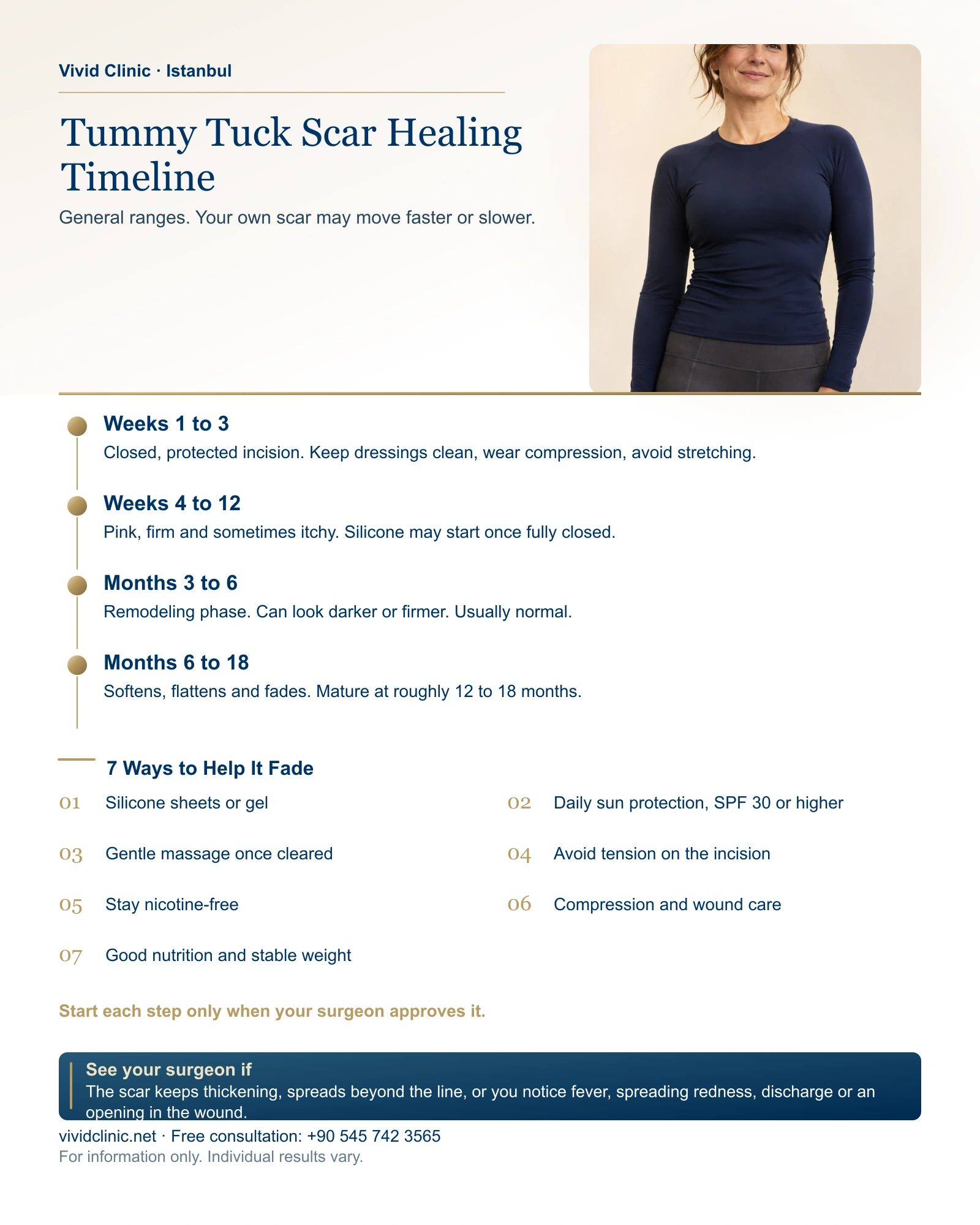
Quick Answer: Tummy tuck scar healing usually moves from a closed, pink incision in the first weeks, to a firmer, red or darker line at around 2 to 6 months, to a flatter, paler scar by roughly 12 to 18 months. Timing varies with skin type, genetics, and wound healing.
These are general ranges. Your own scar may move faster or slower.
Weeks 1 to 3: A Closed, Protected Incision
The incision is closed in layers, often with dissolving stitches, tape, or skin glue. Tightness, numbness, and mild oozing are common. Keep dressings clean, wear the compression garment, and avoid stretching.
Weeks 4 to 12: Pink, Firm and Sometimes Itchy
Once fully closed, the scar is usually pink or red and may feel slightly raised. Itching is common as nerves recover. This is often when your surgeon allows silicone products.
Months 3 to 6: The Remodeling Phase
The scar can look its darkest or firmest here, and on deeper skin tones it may look brown rather than red. Collagen is being reorganised underneath, which is usually a normal stage, not a sign that something is wrong.
Months 6 to 18: Fading and Flattening
The line gradually softens, flattens, and lightens toward your skin colour. Most scars mature between 12 and 18 months. A matured tummy tuck scar is still visible up close, but it is often less noticeable than patients expect.
What Affects How a Tummy Tuck Scar Heals?
- Genetics: some people form wider or raised scars regardless of technique.
- Skin tone: deeper skin tones are more prone to pigment changes and keloids.
- Tension: too much pull across the closure can widen the line.
- Smoking and nicotine: reduced blood flow raises the risk of wound breakdown.
- Infection or wound separation: a slow-healing area often leaves a wider segment.
- Weight changes and sun: both can stretch or darken a young scar.
Some of these you cannot change. Others are in your hands, and they shape how your tummy tuck scar looks a year from now.
7 Ways to Fade a Tummy Tuck Scar
Quick Answer: The most widely recommended steps are silicone, sun protection, gentle massage once cleared, avoiding tension, staying nicotine-free, compression and wound care, and good nutrition with a stable weight. Start each step only when your surgeon approves it.
1. Silicone Sheets or Gel
Silicone is one of the best-studied scar care options. It is usually started once the incision has fully closed, often around 2 to 3 weeks after surgery, and used daily for several months.
2. Daily Sun Protection
Cover the scar or use a broad-spectrum SPF 30 or higher for at least the first year. Sun on a young scar can darken it for a long time.
3. Gentle Scar Massage Once Cleared
When your surgeon confirms full healing, often from around 4 to 6 weeks, massage with a plain moisturiser or silicone gel for a few minutes a day, using light, slow pressure.
4. Avoid Tension on the Incision
In the first weeks you walk and sleep slightly bent. Standing fully straight too early, lifting, or stretching can pull on the closure, so follow the activity plan step by step.
5. Stay Nicotine-Free
Cigarettes, vapes, patches, and gum all narrow small blood vessels. Stopping for the weeks your surgeon advises, before and after surgery, is one of the most effective things you can do.
6. Wear Compression and Follow Wound Care
The garment supports tissues and limits movement across the incision. Do not apply creams or oils to the wound until your team says so.
7. Support Healing With Nutrition and Stable Weight
Protein, hydration, and a balanced diet help wounds heal, and a stable weight stops the scar from stretching. If you use a GLP-1 medication, discuss timing with your surgeon.
When to See Your Surgeon: Hypertrophic Scars and Keloids
A hypertrophic scar stays raised and red but remains within the incision line, and often improves slowly. A keloid grows beyond the original line and can keep enlarging. Keloids are less common and more likely with a personal or family history.
Contact your surgeon if the scar keeps thickening, becomes painful or very itchy, or spreads. Contact them urgently for fever, spreading redness, discharge, or an opening in the wound.
For general symptoms such as swelling, numbness, or fluid build-up, see our guide to tummy tuck side effects.
Treatment Options for Raised or Wide Scars
If a tummy tuck scar matures poorly, doctors may consider several general approaches, depending on the scar and your skin type:
- Continued silicone therapy and pressure
- Corticosteroid injections for hypertrophic scars and keloids
- Laser or light-based treatments for redness or texture
- Microneedling for texture
- Surgical scar revision, usually only after the scar has matured, often after 12 months or more
These are general options, not a list of services. Your surgeon will advise whether any treatment is needed.
Procedure Overview Table: Tummy Tuck
| Aspect | Details |
|---|---|
| Duration Process | About 2 to 4 hours for a full tummy tuck, shorter for a mini, longer with liposuction |
| Hospitalization Duration | 1 to 2 nights |
| Mobility Duration | Gentle, slightly bent walking from the first day |
| Return to Activity | About 2 to 3 weeks for desk work and light daily tasks |
| Complete Recovery | About 6 to 8 weeks before strenuous exercise and lifting |
| Anticipated Results | Contour visible at 6 to 12 weeks; scar maturation over roughly 12 to 18 months |
Times are general ranges. Results vary by individual.
Operation Process Overview at Vivid Clinic
Your journey with Vivid Clinic begins as soon as you land. After your arrival in Istanbul, a VIP airport transfer takes you to your 5-star hotel, where check-in is already arranged. Next comes a one-on-one consultation, when your surgeon examines your abdomen, confirms the plan discussed online, and marks the incision with you standing. On surgery day, the hospital team looks after you from admission to the recovery ward. Post-operative care includes dressing checks, garment fitting, and drain care if needed. A checkup visit before you leave confirms the incision is healing well and you are fit to travel. After departure, remote aftercare follow-up continues with photo reviews of your scar and direct contact with your coordinator.
For travel and recovery planning, read our tummy tuck recovery in Turkey guide.
Benefits Worth the Trade
- A flatter, firmer lower abdomen and a smoother profile in clothing
- Repair of separated abdominal muscles when needed
- Removal of loose skin that exercise cannot shrink
- Often, removal of an older C-section scar within the excised skin
Results are long-lasting when weight stays stable. If you are also considering breast surgery after pregnancy, a mommy makeover in Turkey combines procedures in one plan.
Scar-Related Risks to Discuss
Specific tummy tuck scar risks include wide or raised scarring, keloids, darker or lighter pigmentation, an uneven line, dog ears, and an irregular belly button scar. Wound-healing problems, more common in smokers and patients with a higher BMI, can also affect the final look, and small revisions are sometimes needed.
How to Prepare and Care for the Incision
Before surgery:
- Reach a stable weight and stop all nicotine for the period advised
- Share all medicines and supplements, including blood thinners
- Mention any history of keloids or raised scars
- Bring the underwear you want the scar to sit under
After surgery:
- Keep dressings clean and dry, and wear the garment as advised
- Walk little and often, slightly bent at first
- Avoid lifting and core exercise until cleared
- Report fever, spreading redness, discharge, or wound opening immediately
What Affects Tummy Tuck Cost in Istanbul, Turkey?
Tummy tuck cost in Turkey depends on the plan, not the scar itself:
- Mini, full, extended, or fleur-de-lis technique
- Added muscle repair, liposuction, or hernia repair
- Surgeon experience and the hospital setting
- Anesthesia, tests, and hospital nights
- Garments, medication, and follow-up visits
- Hotel, transfer, and coordination services
For a first estimate, try the surgery price calculator. The figure is confirmed only after consultation.
Why Choose Vivid Clinic for Your Tummy Tuck
Istanbul, Turkey is a well-known destination for body contouring after pregnancy and weight loss, with experienced teams and modern hospitals.
At Vivid Clinic, planning starts with a free consultation with a plastic surgeon. You share photos and your medical history and receive an honest opinion on technique, scar length, and timing. Learn more about tummy tuck surgery in Istanbul and meet our doctors.
What International Patients Should Expect
Plan to stay roughly 7 to 10 days, depending on your procedure and healing. Bring loose, high-waisted clothing for the flight home.
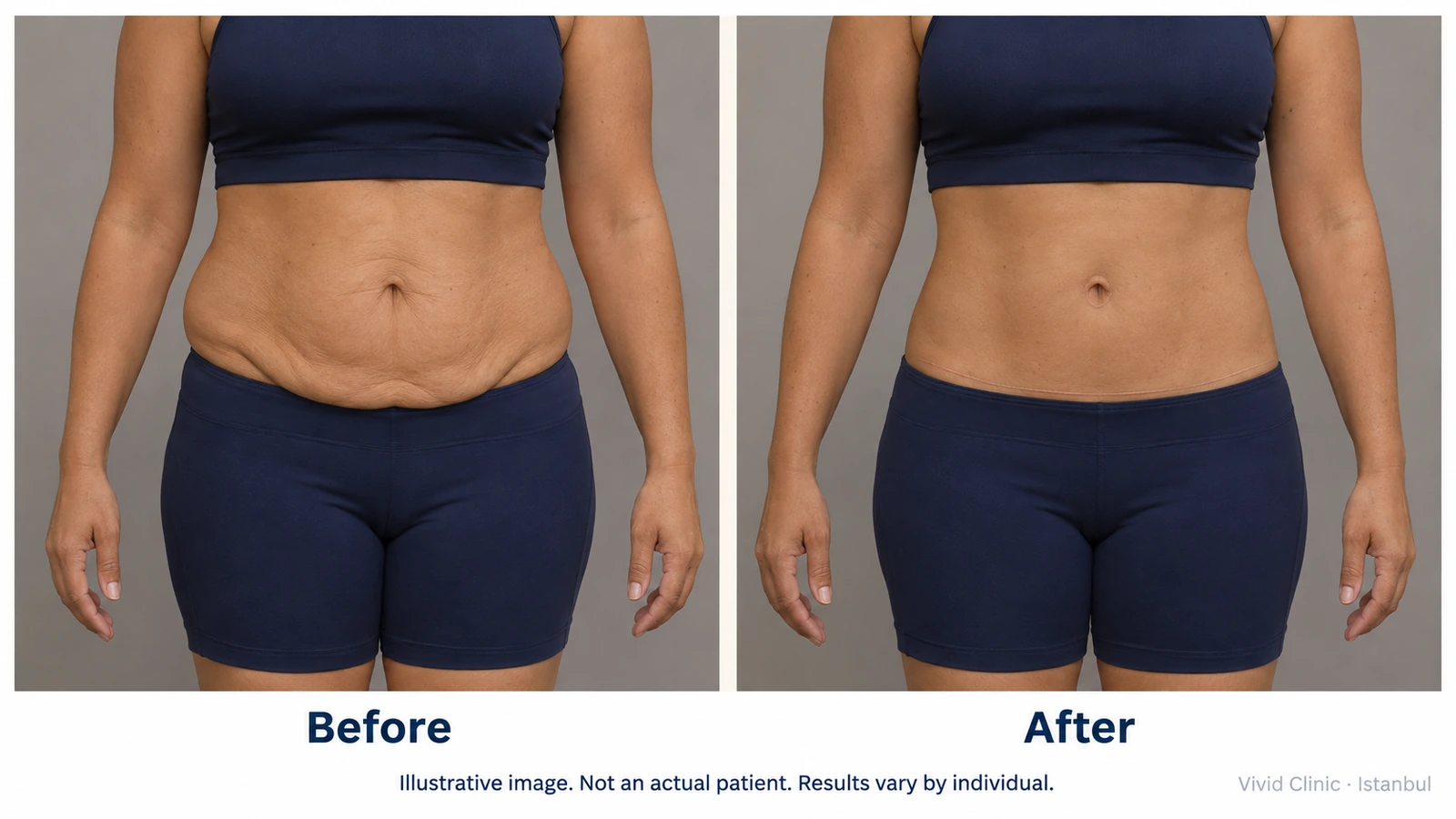
FAQs
How long does a tummy tuck scar take to fade if I fly home soon after surgery in Istanbul?
Flying home does not change how a tummy tuck scar matures, but most of the fading happens after you leave Istanbul. In general, the scar is pink in the first weeks, may look darker or firmer at around 2 to 6 months, and becomes flatter and paler by roughly 12 to 18 months. Most international patients travel after about 7 to 10 days, once a checkup visit confirms healing is on track. Remote aftercare with photo reviews lets the Vivid Clinic team check your scar at home and advise when to start silicone or massage. Results vary by individual.
Can a tummy tuck scar be placed low enough to hide under underwear or a bikini?
In many cases, yes. Surgeons usually place the tummy tuck scar low on the abdomen, just above the pubic hairline, and curve it toward the hips to follow a typical underwear or bikini line. Bringing your preferred garment to the consultation helps your surgeon mark the incision around it. Very high-cut or very small garments may not cover every scar, and the line can shift slightly as swelling settles. The amount of loose skin also sets the minimum length. Your surgeon will explain what is realistic after examining you in person.
Is a mini tummy tuck scar shorter, and who is suitable for that technique?
A mini tummy tuck scar is usually shorter than a full tummy tuck scar, often resembling a C-section scar, and there is normally no scar around the belly button. The trade-off is that a mini tummy tuck treats only loose skin below the navel. It suits people with a small amount of lower-belly laxity and little muscle separation above the navel. If you have loose skin above the belly button or significant muscle separation after pregnancy, a full tummy tuck usually gives a better result despite the longer line. Your surgeon will recommend the technique after an examination.
When can I start silicone sheets and massage on my tummy tuck scar after I travel home?
Silicone sheets or gel are usually started once the incision has fully closed, often around 2 to 3 weeks after surgery, which for many patients is after they return home. Gentle massage typically begins later, often from around 4 to 6 weeks, once your surgeon confirms complete healing. Never apply products to an open or scabbed area. During remote aftercare, you can send photos of your tummy tuck scar so the team can confirm the right moment for each step. Daily sun protection should continue for at least the first year.
Does tummy tuck scar care change the overall cost of a tummy tuck in Turkey?
Routine care such as the compression garment, silicone, and sunscreen is a small part of recovery. The main tummy tuck cost in Turkey is shaped by the surgical plan: mini, full, extended, or fleur-de-lis technique, added muscle repair or liposuction, surgeon experience, hospital nights, anesthesia, and the hotel and transfer package. If a tummy tuck scar later needs extra treatment or revision, that is assessed separately. You can request a free consultation with a plastic surgeon at Vivid Clinic for a personal evaluation and estimate.
Conclusion
A tummy tuck scar is part of the deal, but it does not have to dominate your result. Low placement, the right technique for your anatomy, and careful aftercare with silicone, sun protection, massage once cleared, and a nicotine-free recovery help the line flatten and fade over roughly 12 to 18 months. Results vary with genetics, skin tone, and healing.
The clearest picture comes from an examination, not a search result. Vivid Clinic in Istanbul, Turkey offers a free consultation with a plastic surgeon to plan your incision and recovery with you. Get a Free Consultation and take the first step toward a calmer, better-informed decision.
Real Before and After Results at Vivid Clinic
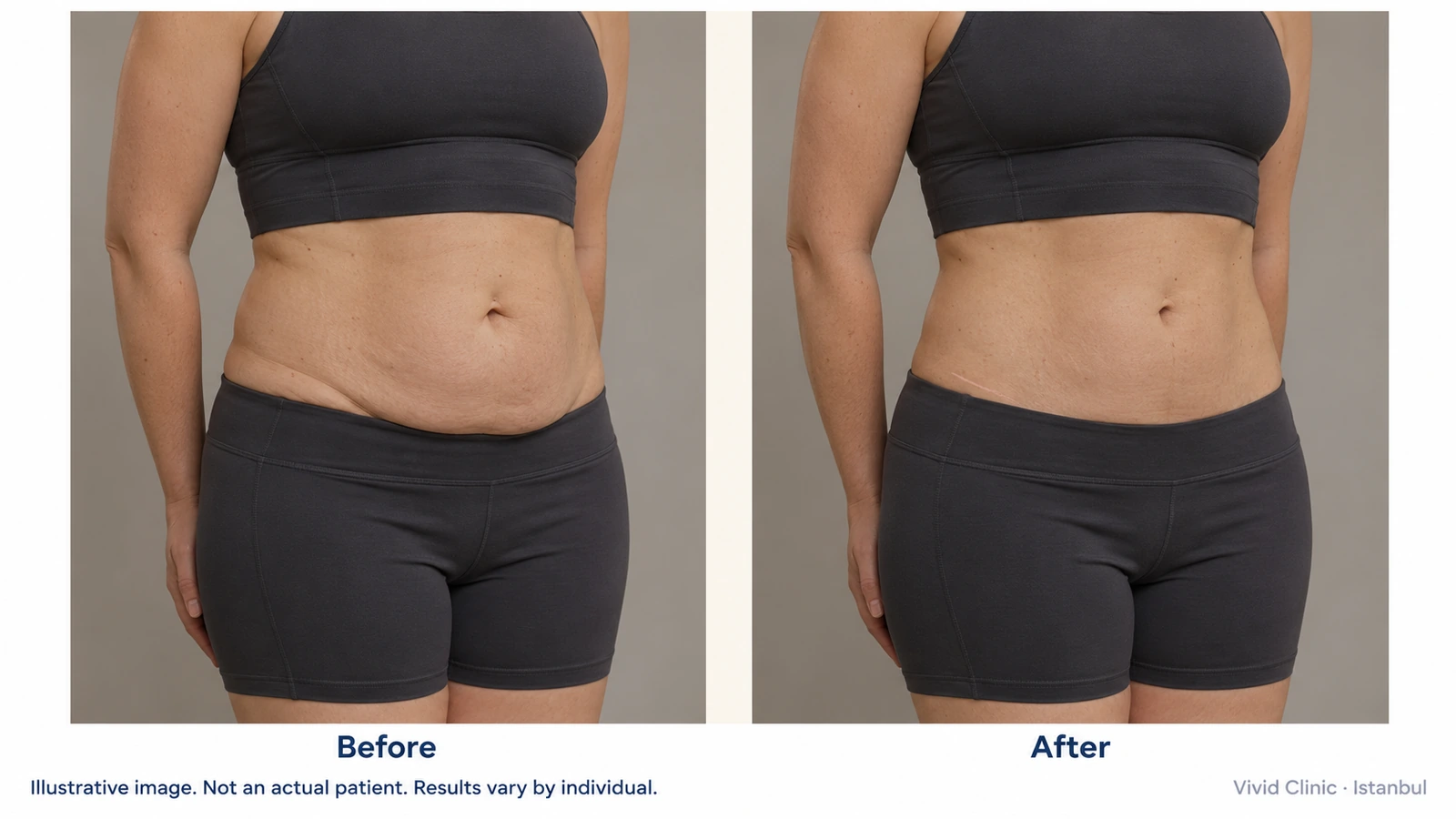
These photos show real Vivid Clinic patients from the clinic’s own gallery, shared with consent as published on the clinic site. They are tummy tuck cases, some combined with liposuction, shown for overall results rather than as examples of a particular scar outcome, and results vary by anatomy, healing and treatment plan.
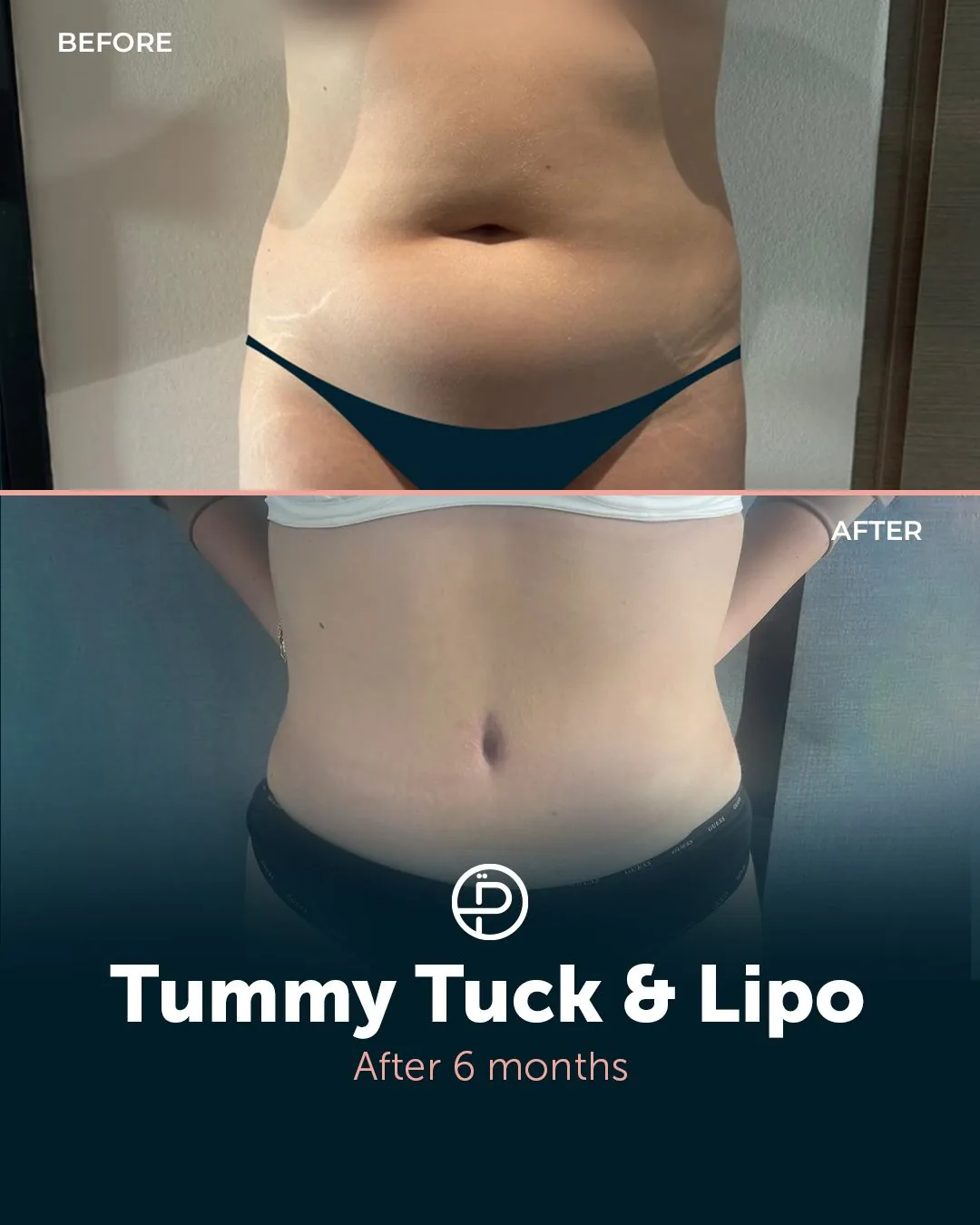
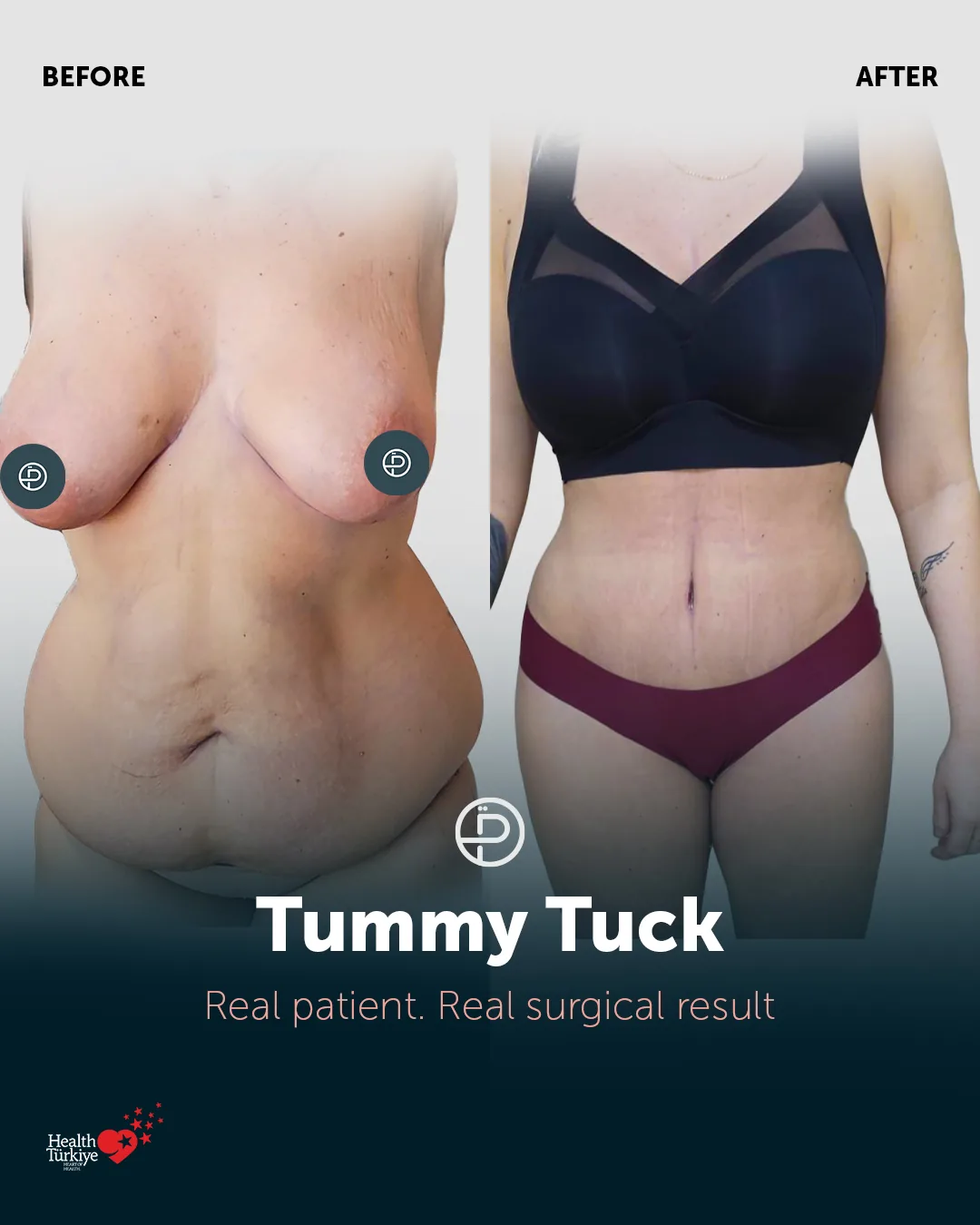
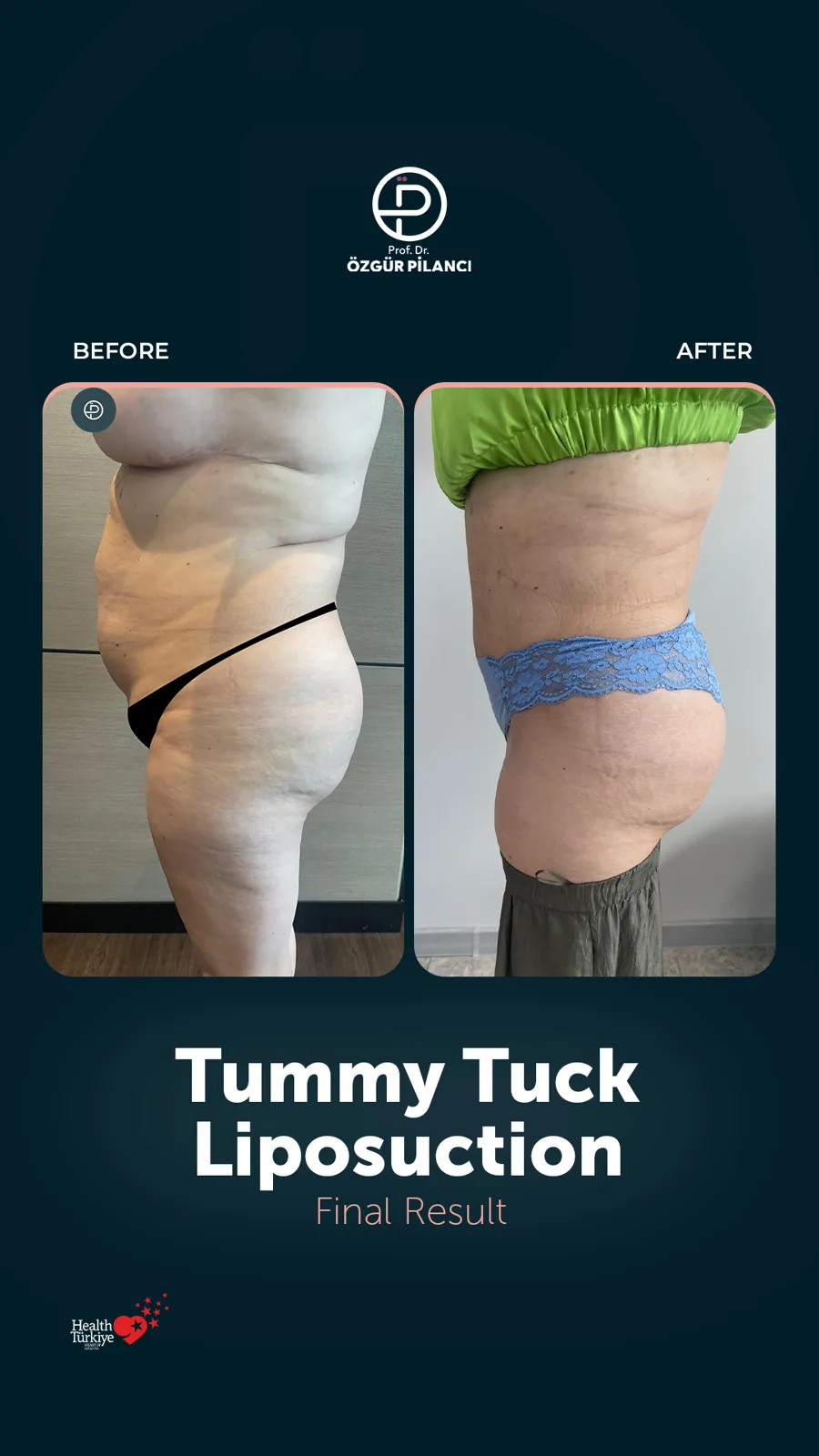
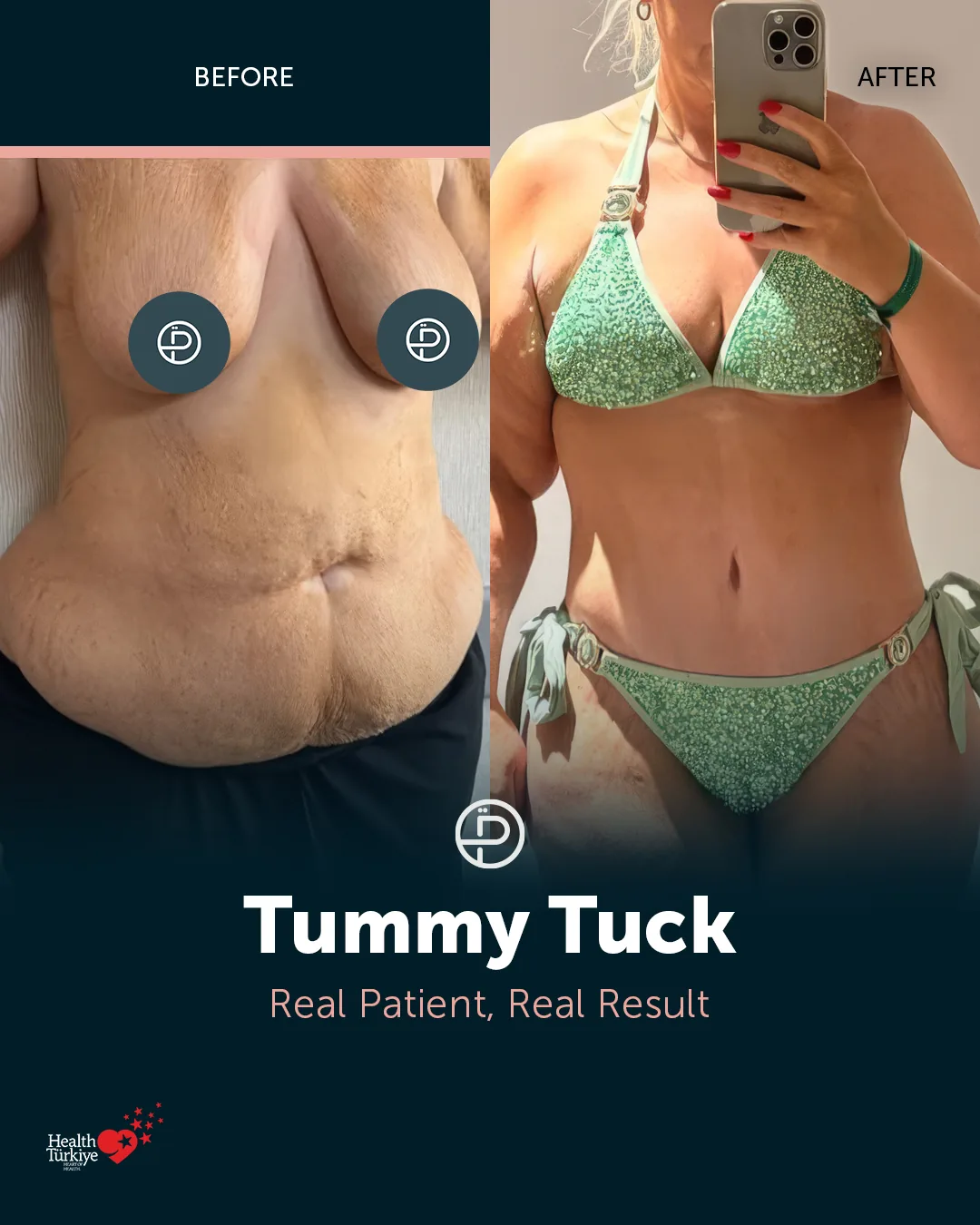
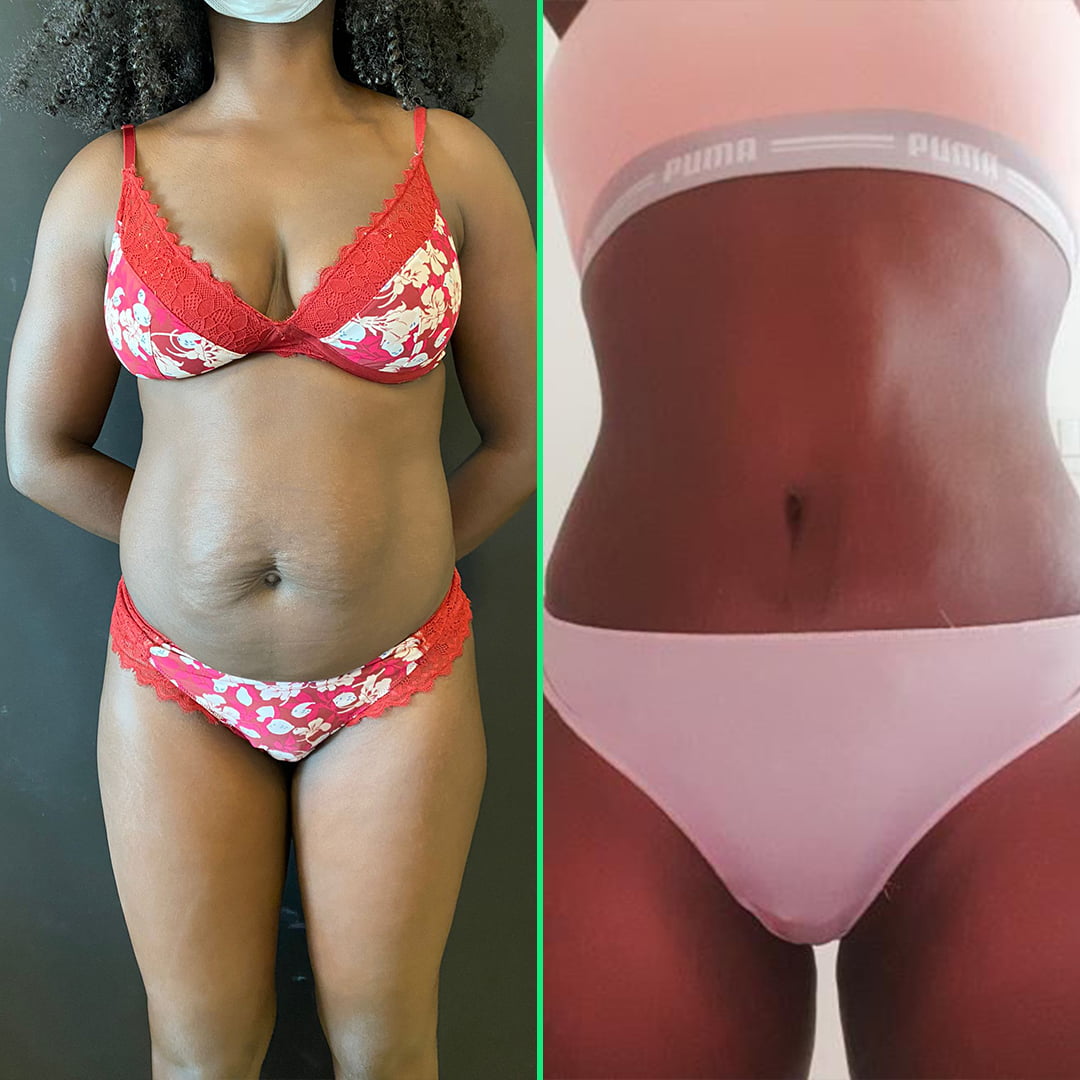
See more cases in the full before and after gallery. To find out what may be realistic for you, send your photos to Vivid Clinic and request your free consultation.
This article is for general information and does not replace a personal medical consultation. Suitability, risks, recovery and expected results should be discussed with a qualified plastic surgeon. Results vary by individual.