
 ChatGPT

When Your Jeans Fit Your Legs but Not Your Waist
The trousers slide over your legs with room to spare, then stop at the button. Shirts that sit well on your shoulders pull across your middle. If that sounds familiar, you probably have an apple body shape, and you have probably been told more than once to “just do more sit-ups”.
It is a body type, not a flaw. Many women and men are simply built to carry weight around the waist while their legs stay slim. Still, where the body stores fat matters for health, and that deserves an honest look.
This guide covers how to recognize it, what it means for health, how to dress it, and what lifestyle and surgery can and cannot do. At Vivid Clinic in Istanbul, Turkey, abdominal contouring is only planned after a free consultation with a plastic surgeon, so you hear what is realistic first.
What Is an Apple Body Shape?
Quick Answer: An apple body shape means most of your weight sits around the midsection: the abdomen, waist, and often the chest and upper back. The hips are narrower and the legs and arms comparatively slim. It is common in women and men and is shaped mainly by genetics, hormones, and age.
Doctors call it central or abdominal fat distribution: a fuller middle and a less defined waist.
Apple Shaped Body vs Other Body Types
An apple body shape is usually contrasted with the pear shape, where weight settles on the hips and thighs and the waist stays narrower. Few people fit one category exactly, and none is better or worse. To compare them all, our body types guide explains each one.
The Apple Body Type in Men
Men are more likely than women to store fat centrally, so an apple body shape is very common in men. It often shows as a firm, rounded abdomen with slim legs.
How to Tell If You Have an Apple Body Shape
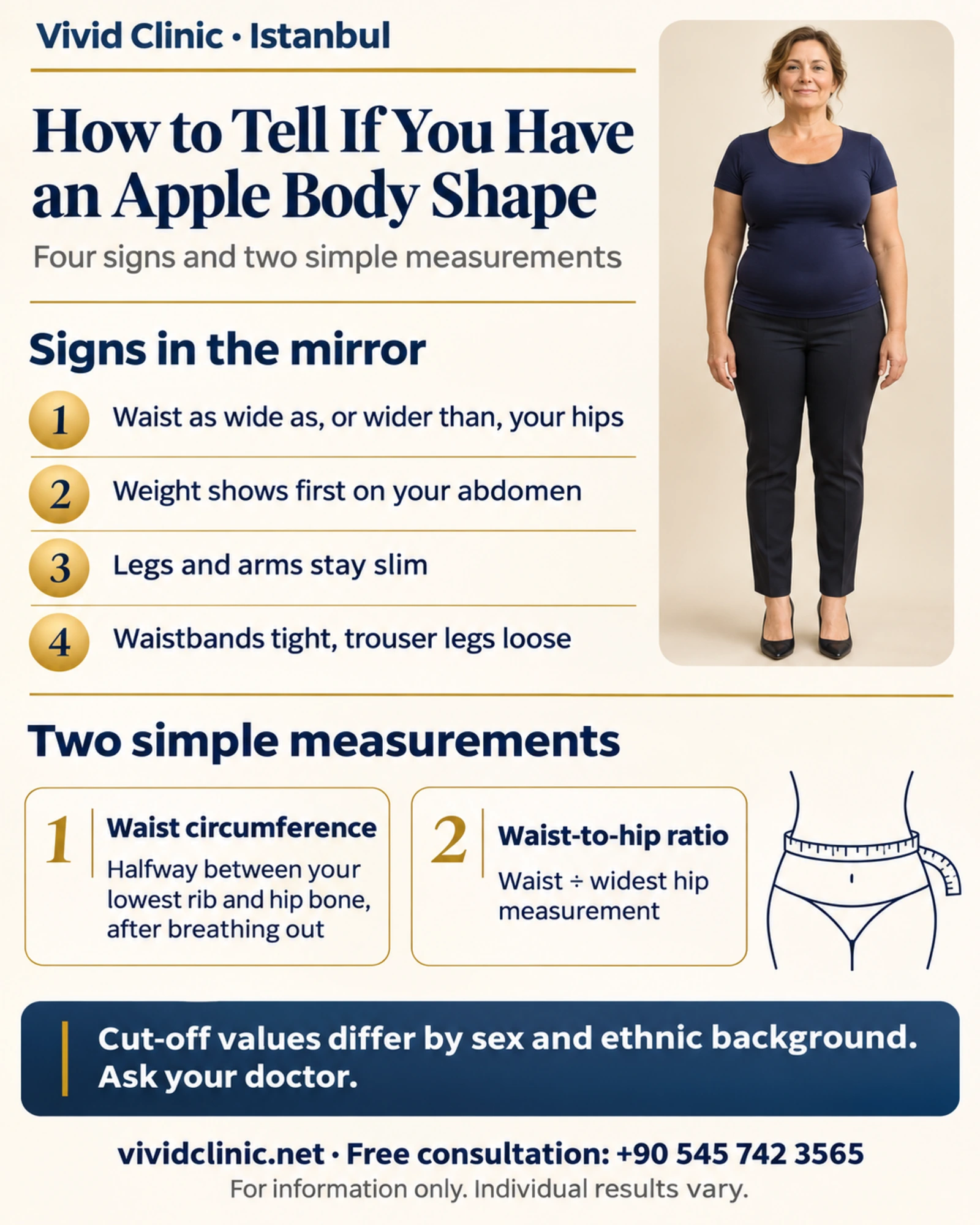
A mirror and a tape measure are enough to get a general idea.
Signs You Can See in the Mirror
- Your waist is as wide as, or wider than, your hips
- Weight gain shows first on your abdomen, not your thighs
- Your legs and arms stay slim even when your weight goes up
- Waistbands feel tight while trouser legs feel loose
Two Simple Measurements
Waist circumference is measured with a tape around your middle, roughly halfway between your lowest rib and the top of your hip bone, after breathing out normally. Waist-to-hip ratio is your waist measurement divided by the widest measurement around your hips.
Doctors use both as quick screening tools. Cut-off values differ by sex and ethnic background, so ask your doctor what your numbers mean for you.
Pinchable Fat or a Firm, Round Belly?
Fat you can pinch lies just under the skin. A belly that is round but firm, with little to pinch, often means more fat is stored deeper, behind the abdominal muscles.
Loose skin and separated abdominal muscles after pregnancy or weight loss can also round the middle. Our guide to belly types explained shows the different patterns.
Why Weight Settles Around the Middle
An apple body shape is not a choice. Several factors work together:
- Genetics: family patterns of fat storage are strong
- Hormones: men tend to store centrally, and many women notice a shift toward the waist around menopause
- Age: muscle mass falls and fat distribution changes
- Lifestyle: low activity, excess alcohol, poor sleep, and long-term stress are linked with more abdominal fat
- Medical factors: some hormonal conditions and medicines can contribute
Apple Body Shape Health Facts: Why the Waist Matters
Quick Answer: Carrying more fat around the abdomen, especially deep visceral fat around the organs, is associated with a higher risk of heart disease, type 2 diabetes, and high blood pressure. It is a risk marker, not a diagnosis. Your doctor can assess your personal risk.
This applies even when overall weight is in a normal range.
Subcutaneous Fat and Visceral Fat
Subcutaneous fat sits between the skin and the abdominal muscles. It is the soft layer you can pinch.
Visceral fat sits deeper, inside the abdominal cavity, around organs such as the liver and intestines. Research consistently links higher amounts of it with cardiometabolic risk. It cannot be measured exactly at home, so waist size is used as a practical stand-in.
When to See Your Doctor
If your waist has been growing, if diabetes or heart disease runs in your family, or if you have not had a check-up in years, book one. Blood pressure, blood sugar, and cholesterol tests tell you more than any body-type label.
An apple body shape alone does not decide your health. Other shapes can carry risk too.
How to Dress an Apple Body Shape
Dressing an apple body shape is not about hiding. It is about balance: drawing the eye to the legs, shoulders, and neckline, and letting fabric skim the middle instead of clinging to it.
Tops, Jackets, and Necklines
- V-necks and open collars lengthen the upper body
- Tops that fall straight from the bust or chest, such as wrap and empire styles, skim the waist
- Fabrics with weight and drape hang better than thin, clingy jersey
Trousers, Skirts, and Dresses
- Mid-rise or high-rise waistbands with some stretch are more comfortable than low-rise cuts
- Straight or slim legs show off a slimmer lower half
- A-line skirts and shift or wrap dresses add shape without squeezing
Styling Tips for Men
Choose shirts cut straight through the body, not tapered ones that pull at the buttons. Trousers should sit at the natural waist, not below the belly.
Apple Body Shape Weight Loss: What Lifestyle Can Change
No exercise burns fat from one spot only. The encouraging part, with an apple body shape, is that visceral fat usually responds well to overall weight loss and regular activity.
Habits That Help the Waistline
- Regular aerobic activity such as brisk walking, cycling, or swimming
- Strength training to protect muscle
- Balanced eating with enough protein and fiber, and fewer sugary drinks
- Less alcohol, steady sleep, and not smoking
Core exercises strengthen the muscles under the fat. They do not flatten the abdomen on their own.
When Medical Weight Loss or Bariatric Surgery Is the Right Route
If your BMI is high, cosmetic surgery is not the place to start. Check where you stand with our BMI calculator guide, keeping in mind that BMI does not show where fat is stored.
Medically supervised weight loss, which may include prescription medication, is the usual first step. With a higher BMI or weight-related illness, weight loss and bariatric surgery may be discussed. Body contouring, if wanted, comes later.
Non-Surgical Options: When Surgery Is Not Needed
Many people with an apple body shape never need an operation. If your goal is better health, lifestyle change and medical care do far more than any cosmetic procedure.
Non-invasive fat reduction devices, such as cooling or heat-based treatments, may modestly reduce small pinchable areas in people near their goal weight. They do not treat visceral fat, loose skin, or muscle separation.
Contouring Options: What Surgery Can and Cannot Do
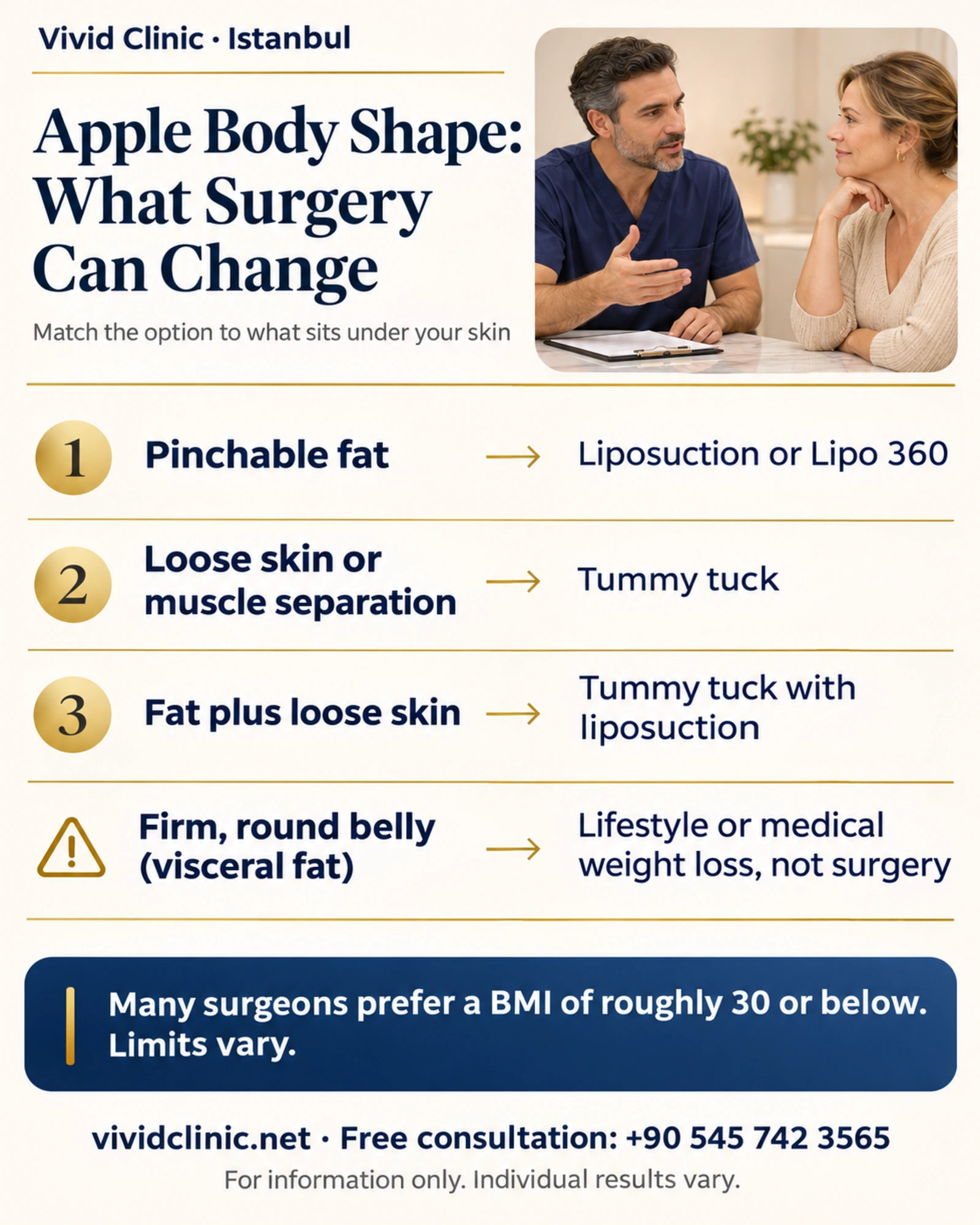
Quick Answer: Liposuction and tummy tuck remove fat under the skin and loose skin. They cannot remove visceral fat, which lies behind the abdominal muscles. They are not weight-loss treatments and do not replace medical care. They suit people near a stable weight.
That honesty matters with an apple body shape, because much of the fullness may be visceral. Only an examination shows how much can be changed.
Liposuction and Lipo 360
Liposuction removes pinchable fat through small incisions using a thin tube. It works best when the skin is firm enough to shrink back. Lipo 360 treats the abdomen, flanks, and back together to shape the whole waistline.
Only a limited volume can be removed safely in one session. The change is in contour, not kilograms.
Tummy Tuck
A tummy tuck removes excess skin from the lower abdomen and tightens separated abdominal muscles. It helps when roundness comes from loose skin and a stretched abdominal wall, for example after pregnancy.
Tummy Tuck With Liposuction
Many patients have both problems, so the two are often combined: liposuction shapes the waist and flanks, and the tummy tuck deals with skin and muscle. Our tummy tuck complete guide explains the variations.
Who Is a Good Candidate, and Who Is Not?
An apple body shape does not rule surgery in or out. Good candidates usually share these features:
- Weight that is stable and reasonably close to their goal, often for six months or more
- Fullness that is mainly pinchable fat, loose skin, or muscle separation
- Good general health, and no nicotine before and after surgery
- Realistic expectations: improvement, not a different body type
Who Should Wait or Choose Another Path
Surgery is usually postponed or not advised if:
- Your abdomen is firm and round with little to pinch, suggesting mostly visceral fat
- Your BMI is high. Many surgeons prefer a BMI of roughly 30 or below, although limits vary
- Your weight is still changing, or you plan a pregnancy
- You have uncontrolled diabetes, heart or lung disease, or a clotting disorder
How Abdominal Contouring Is Planned and Performed
Consultation and Planning
Your surgeon reviews your medical and weight history, then examines your abdomen standing and lying down. Pinch thickness, skin quality, muscle separation, and any hernias are checked.
Surgical Technique
Tummy tuck with liposuction is normally performed under general anesthesia in hospital. Liposuction is done first through small incisions. Then, through a low horizontal incision, the surgeon tightens the muscles, removes the excess skin, and repositions the navel.
Drains may be placed, and a compression garment is fitted. The scar is long but sits low.
Procedure Overview Table: Tummy Tuck With Liposuction
| Aspect | Details |
|---|---|
| Duration Process | About 2 to 5 hours, depending on the areas treated |
| Hospitalization Duration | 1 to 2 nights |
| Mobility Duration | Gentle, slightly bent walking from the first day |
| Return to Activity | About 2 to 3 weeks for desk work and light daily tasks |
| Complete Recovery | About 6 to 8 weeks before strenuous exercise and lifting |
| Anticipated Results | Contour visible at 6 to 12 weeks; final result and scar maturation at 6 to 12 months |
These are general ranges. Liposuction alone is shorter, with a quicker recovery.
Operation Process Overview at Vivid Clinic
Your journey with Vivid Clinic begins when you land. After your arrival in Istanbul, a VIP airport transfer takes you to your 5-star hotel, where check-in is already arranged. Next comes a one-on-one consultation, when your surgeon examines you in person and confirms or adjusts the plan. On surgery day, the hospital team looks after you from admission to the recovery ward. Post-operative care includes dressing changes, garment fitting, and drain management if needed. A checkup visit before you leave confirms that healing is on track and that you are fit to fly. After departure, remote aftercare follow-up continues with photo reviews and contact with your coordinator.
Recovery Timeline
Days 1 to 3
Expect tightness, swelling, and discomfort managed with prescribed medication.
Days 4 to 14
Drains, if used, are usually removed, and you stand straighter each day. Most international patients travel home in this window once the surgeon agrees.
Weeks 3 to 6
Desk work and light activity are usually possible. The garment stays on, and heavy lifting remains off limits.
Months 3 to 12
Swelling settles gradually and the contour becomes clearer. The scar fades from pink to a paler line but does not disappear.
Benefits You Can Realistically Expect
- A smoother, flatter abdominal contour and a more defined waist
- A firmer abdominal wall when muscle repair is included
- Long-lasting improvement if your weight stays stable
Your apple body shape is refined, not replaced. Later weight gain or pregnancy can stretch the area again.
Risks and Side Effects to Discuss With Your Surgeon
This is major surgery. Possible risks include bleeding, infection, fluid collection, delayed wound healing, numbness, contour irregularities, asymmetry, wide or raised scars, blood clots, and anesthesia-related problems. Revision is sometimes needed.
Risks rise with a high BMI, smoking, diabetes, and longer combined operations. Careful selection and aftercare lower them but cannot remove them.
How to Prepare Before Surgery
- Reach a stable weight and hold it
- Have a medical check-up first
- Stop all nicotine for the period your surgeon specifies
- Share every medicine and supplement, including blood thinners and weight-loss injections
- Arrange help at home for the first two weeks
Aftercare Tips for a Smoother Recovery
- Wear your compression garment as advised
- Keep incisions clean and dry
- Walk little and often, and stay hydrated
- Avoid lifting and abdominal exercise until cleared
- Report fever, spreading redness, sudden swelling, calf pain, or breathlessness immediately
Cost Factors in Istanbul, Turkey
The cost of abdominal contouring depends on your individual plan:
- Whether you need liposuction alone, a tummy tuck, or both
- The number of areas treated and the length of the operation
- Surgeon experience and the hospital setting
- Anesthesia, tests, and hospital nights
- Hotel, transfer, and aftercare services in the package
For a first estimate, try the surgery price calculator. The figure is confirmed after consultation.
Why Patients Choose Vivid Clinic in Istanbul, Turkey
Istanbul, Turkey is a well-established destination for body contouring, with experienced surgical teams and modern hospitals.
At Vivid Clinic, planning starts with a free consultation with a plastic surgeon. You send photographs, your height and weight, and your medical history. You receive an honest opinion, even when the answer is to lose weight first or to skip surgery. You can also meet our doctors.
What International Patients Should Expect
Plan to stay roughly 7 to 10 days for tummy tuck with liposuction, and less for liposuction alone. Bring your medical records and loose clothing for the flight home.
FAQs
Can liposuction or a tummy tuck change an apple body shape?
They can refine it, not replace it. Liposuction removes pinchable fat under the skin, and a tummy tuck removes loose skin and tightens the abdominal muscles. Together they can give a smoother abdomen and a more defined waist in suitable patients. Neither can reach visceral fat, which sits behind the muscles around the organs, so a firm, round belly may change very little. They are not weight-loss treatments. An examination shows how much change is realistic for you. Results vary.
How do I know if my apple body shape is mostly visceral fat or fat under the skin?
A simple home check gives a clue. Stand relaxed and gently pinch the tissue beside your navel. A thick, soft roll suggests a good share of fat under the skin. If the abdomen is round but firm and you can pinch very little, more of the volume is probably deeper. This is only a rough guide, and many people have a mix of both. A doctor or surgeon can assess you properly, and it matters because surgery only treats the outer layer.
What weight or BMI should I reach before contouring an apple body shape?
There is no single number, but most surgeons want your weight to be stable for around six months and reasonably close to your goal. Many prefer a BMI of roughly 30 or below for tummy tuck with liposuction, because wound, clot, and anesthesia risks rise at higher levels and results are less predictable. If your BMI is well above this range, medically supervised weight loss or a bariatric assessment is the safer first step, and contouring can be reviewed afterward.
How long should I stay in Istanbul after surgery for an apple body shape?
For tummy tuck with liposuction, most international patients stay roughly 7 to 10 days. Liposuction alone usually needs a shorter stay. The exact time depends on the extent of surgery, whether drains are used, and how you heal. A checkup visit before you travel confirms that your wounds are progressing and that you are moving comfortably. Flying after abdominal surgery raises the risk of blood clots, so your surgeon may advise compression stockings, regular walking in the aisle, good hydration, and sometimes preventive medication. Avoid lifting luggage.
What affects the cost of contouring surgery for an apple body shape in Turkey?
Cost depends on the plan, not on the body type. The main factors are whether you need liposuction alone, a tummy tuck, or both, how many areas are treated, operating time, the surgeon’s experience, the hospital, anesthesia, the number of hospital nights, and the hotel, transfer, and aftercare services in your package. Online figures are only estimates until a surgeon has seen your photographs and medical history. You can request a free consultation with a plastic surgeon at Vivid Clinic for an individual evaluation.
Conclusion
An apple body shape is a common, inherited way of carrying weight, and it can be dressed with confidence. It is also a reason to watch your waist measurement and have regular check-ups, because deep abdominal fat is linked with cardiometabolic risk.
Liposuction and tummy tuck have a narrower role. They can smooth the outer layer in people near a stable weight, and results vary. If you want to know which path fits you, Vivid Clinic in Istanbul, Turkey offers a free consultation with a plastic surgeon. Get a Free Consultation and start with clear, honest advice.
Real Before and After Results at Vivid Clinic
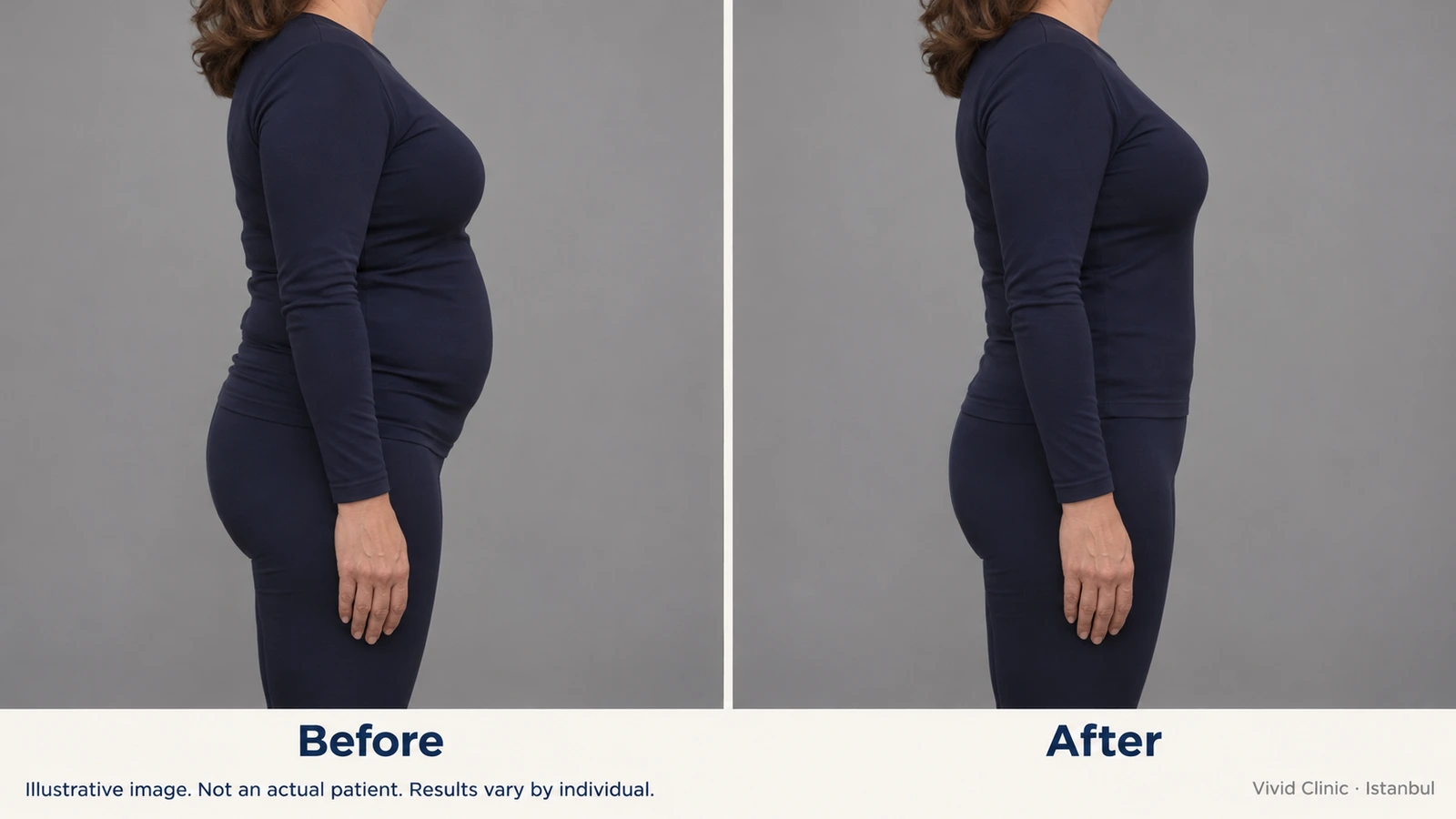
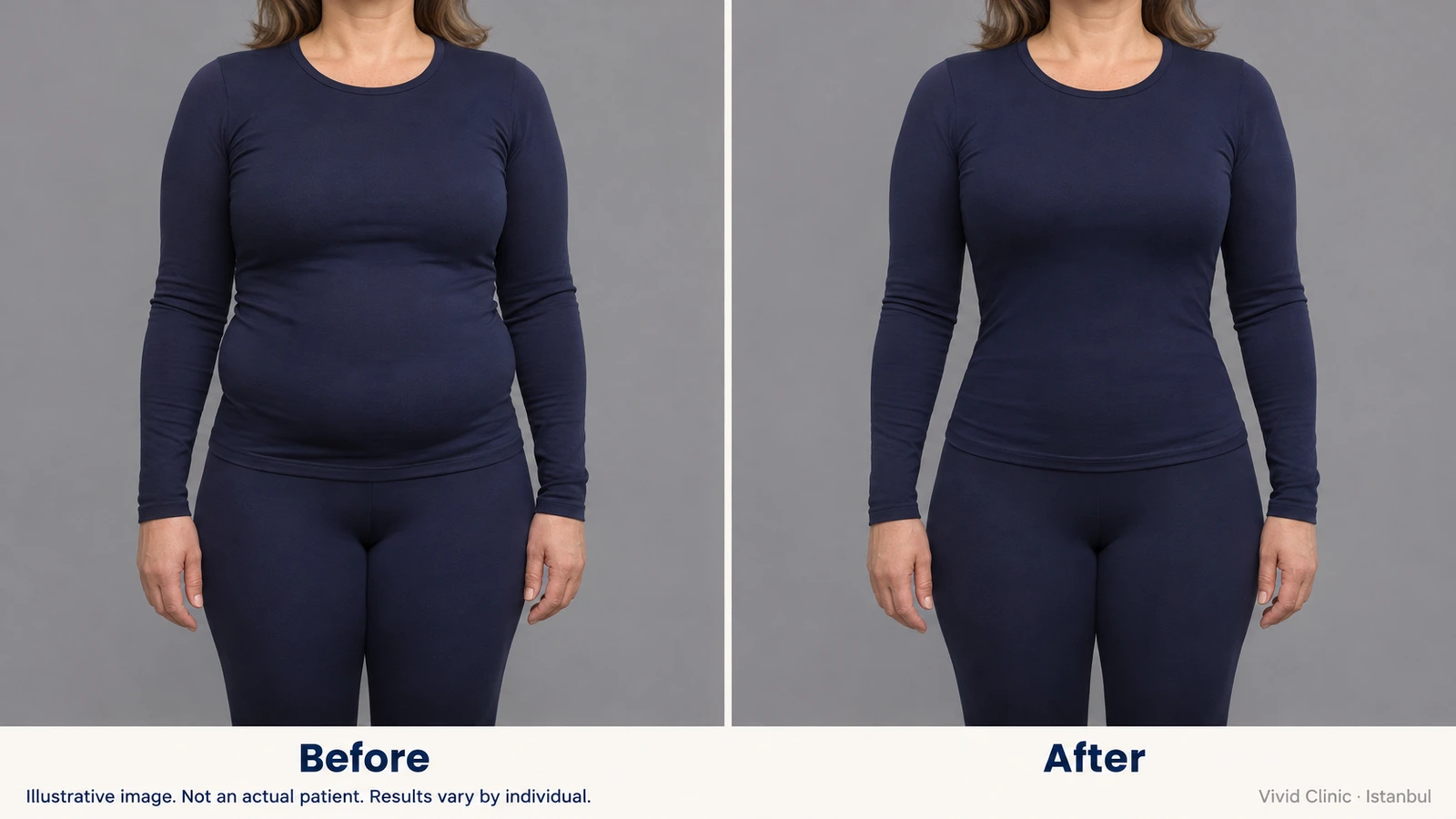
These photos show real Vivid Clinic patients from the clinic’s own gallery, shared with consent as published on the clinic site. They are tummy tuck and liposuction cases, not cases selected for an apple body shape, and results vary by anatomy, healing and treatment plan.
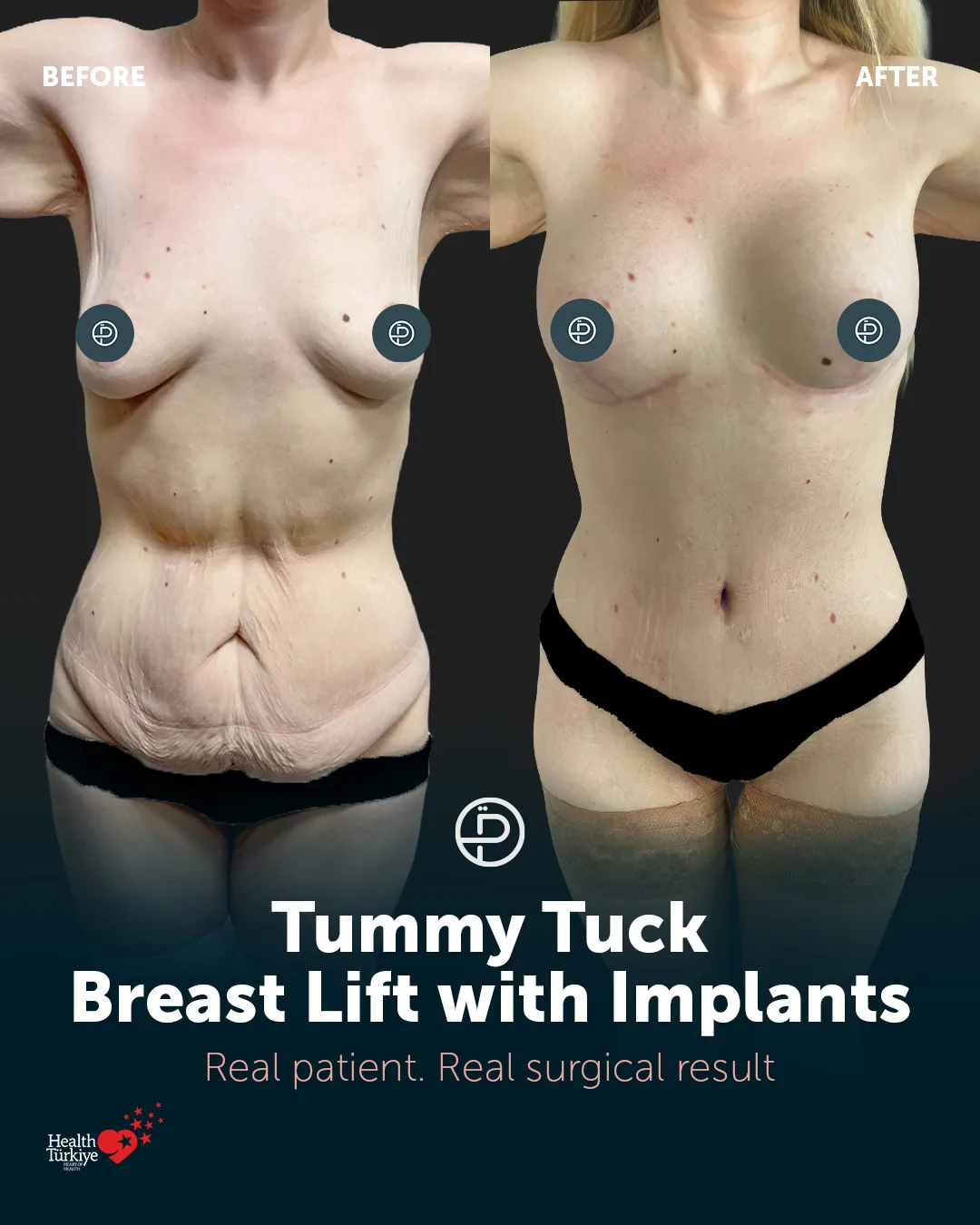
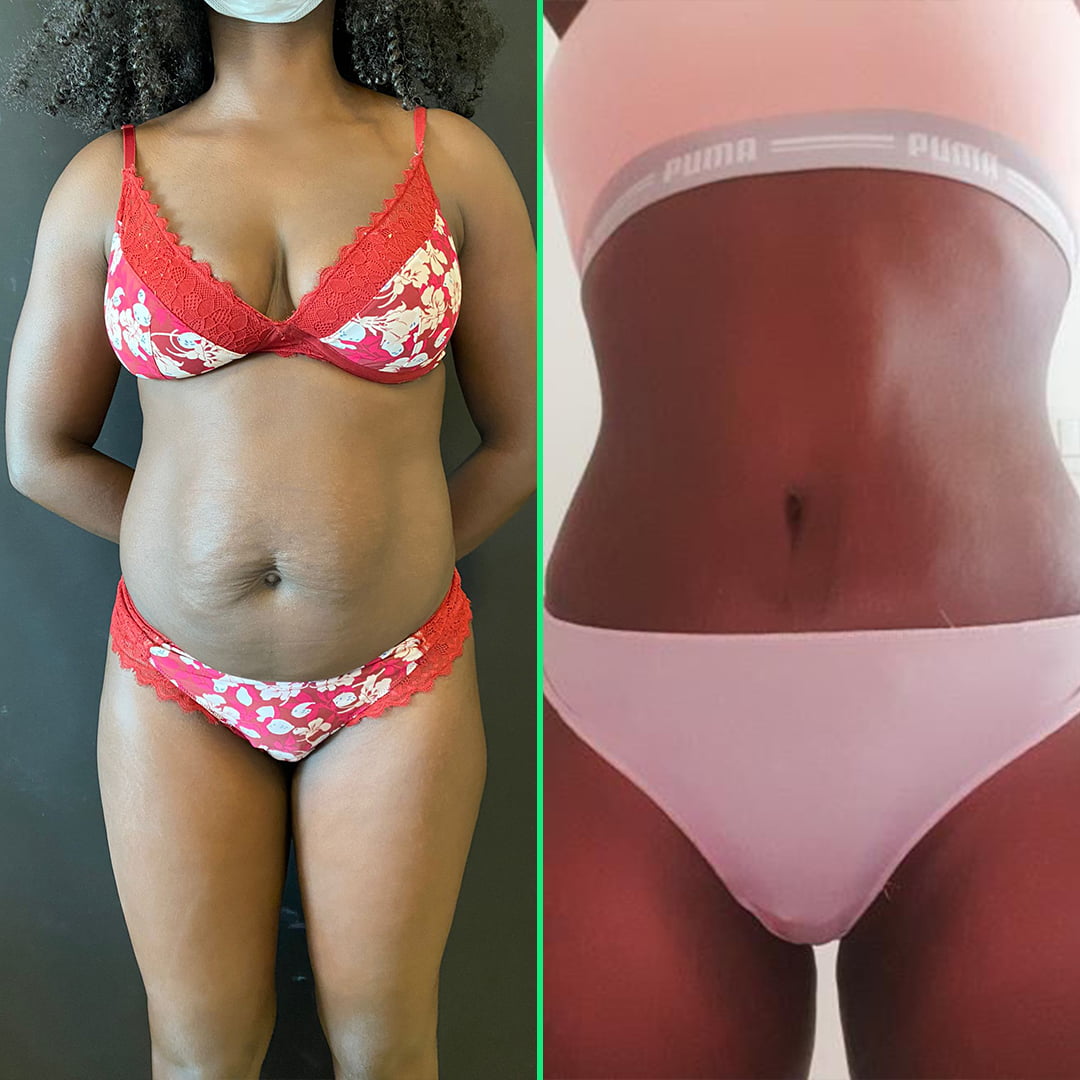

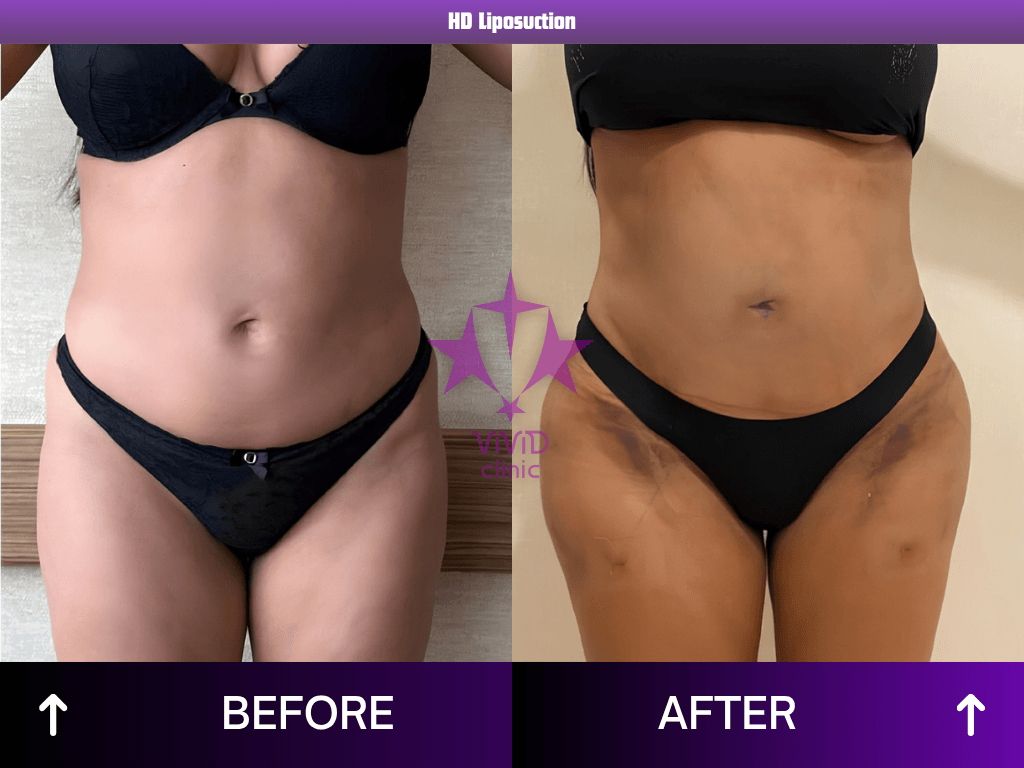
See more cases in the full before and after gallery. To find out what may be realistic for you, send your photos to Vivid Clinic and request your free consultation.
This article is for general information and does not replace a personal medical consultation or medical care from your own doctor. Suitability, risks, recovery and expected results should be discussed with a qualified plastic surgeon. Results vary by individual.