
 ChatGPT

Medically reviewed by Prof. Dr. Özgür Pilancı, Plastic, Reconstructive & Aesthetic Surgeon — August 2026
Quick answer (updated August 2026): A cheek dimple is anatomy, not a habit. It forms when a variation in the zygomaticus major muscle — often a split, or bifid, muscle — or a fibrous tether between muscle and skin pulls the skin inward as you smile. That tether either exists or it does not, so nothing applied to the outside of the cheek can create one: exercises, suction “dimple makers”, piercings and makeup all fail for the same anatomical reason. The only way to create one is dimpleplasty: a short procedure, through a small incision inside the cheek, that stitches the skin down to the muscle beneath.

What a cheek dimple actually is
A dimple is not a dent in the skin. It is a tether beneath the skin that shows itself only when the muscle it attaches to contracts — which is why dimples appear on smiling and disappear at rest.
The muscle is the zygomaticus major, running from the cheekbone to the corner of the mouth. In some people it is bifid — split into two bundles. Across 50 hemifacial cadaver dissections reported in Clinical Anatomy, a bifid zygomaticus major was found in 34% of specimens; where the lower bundle carries attachments into the dermis, traction during smiling produces a dimple. A 2025 review in Facial Plastic Surgery puts the dynamic cheek dimple in roughly 30% of faces.
A dimple is therefore a structural attachment — not a matter of muscle tone, skin thickness or facial fat.

Are dimples inherited?
Partly, and far less tidily than school biology suggests. Dimples run in families and are assumed to be inherited, but the neat “dimples are dominant” story is a simplification the evidence does not support.
The US National Library of Medicine’s genetics resource is unusually frank: dimples are usually considered dominant, “however, some researchers say that there is no proof that dimples are inherited”. Little research exists, and no gene has been identified. Some families show dimples across generations, others in one only, and they can be bilateral or one-sided.
A chin dimple is a different thing entirely
A cleft or dimpled chin is not a small cheek dimple. It sits in the midline over the symphysis, where the two halves of the lower jaw meet, and its shape comes from bone rather than from a muscle tugging on skin.
The giveaway: a chin cleft is static, there whether or not you smile, while a cheek dimple is dynamic. Creating one surgically involves contouring an indentation into the chin bone itself — a different operation, and not the one described here.
How to get dimples without surgery: the honest answer
No. Not with exercises, not with suction devices, not with piercings, and not with makeup. The reason is the same in every case: a dimple is an attachment underneath the skin, and none of these creates one.
Exercises do not work. You cannot exercise an attachment between skin and muscle into existence; muscle tone is not the variable.
Suction “dimple makers” and pressing devices do not work. Holding a device against your cheek for hours produces a temporary indentation from compressed tissue and swelling, which relaxes once the pressure comes off. Sustained suction is mechanically a bruising technique: it can leave broken capillaries and bruising, and with repeated aggressive use, soft-tissue injury. No published evidence shows any such device creating a lasting dimple, and there is no mechanism by which it could.
Cheek piercing is not a dimple. It is a full-thickness wound that may heal with a puckered scar, and the parotid duct — which drains saliva into the mouth opposite the upper second molar — runs through that area.
Makeup only shades the illusion. A dot of contour fakes the shadow a dimple casts. It does not move when you smile, and it washes off.

How dimpleplasty works
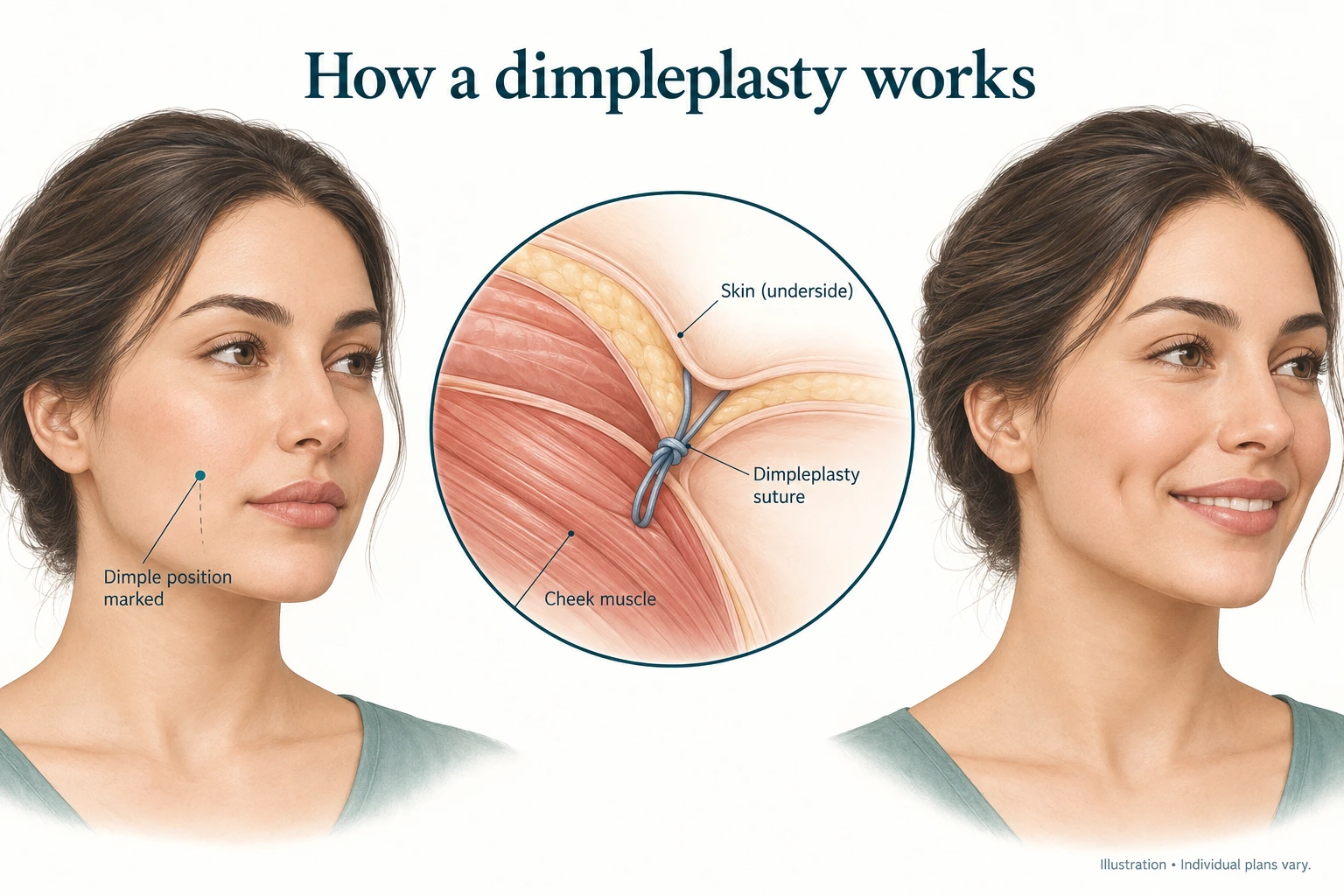
Dimpleplasty has been described in the surgical literature since the 1960s, and the principle has not changed. The surgeon builds an artificial adhesion between skin and muscle, so that smiling draws the skin inward the way a natural tether would.
Planning matters more than technique. Position is set from landmarks: a horizontal line from the highest point of the Cupid’s bow through the angle of the mouth, crossed with a vertical line from the outer corner of the eye. A dimple in the wrong place does not read as charming; it reads as a scar.
The operation is normally done under local anesthetic through a small incision — around five millimeters — inside the cheek, so there is no external scar. A core of cheek lining and a portion of the underlying muscle is removed, and a suture is passed from the deep surface of the skin to the muscle and tied. It is an outpatient procedure measured in minutes rather than hours.
An absorbable suture holds while a scar adhesion forms, then dissolves; a permanent one is more durable but leaves material in the cheek indefinitely, with a small long-term risk of granuloma, cyst or late infection. Our dimple creation page sets out what the procedure involves at our clinic.


What the result looks like, and when
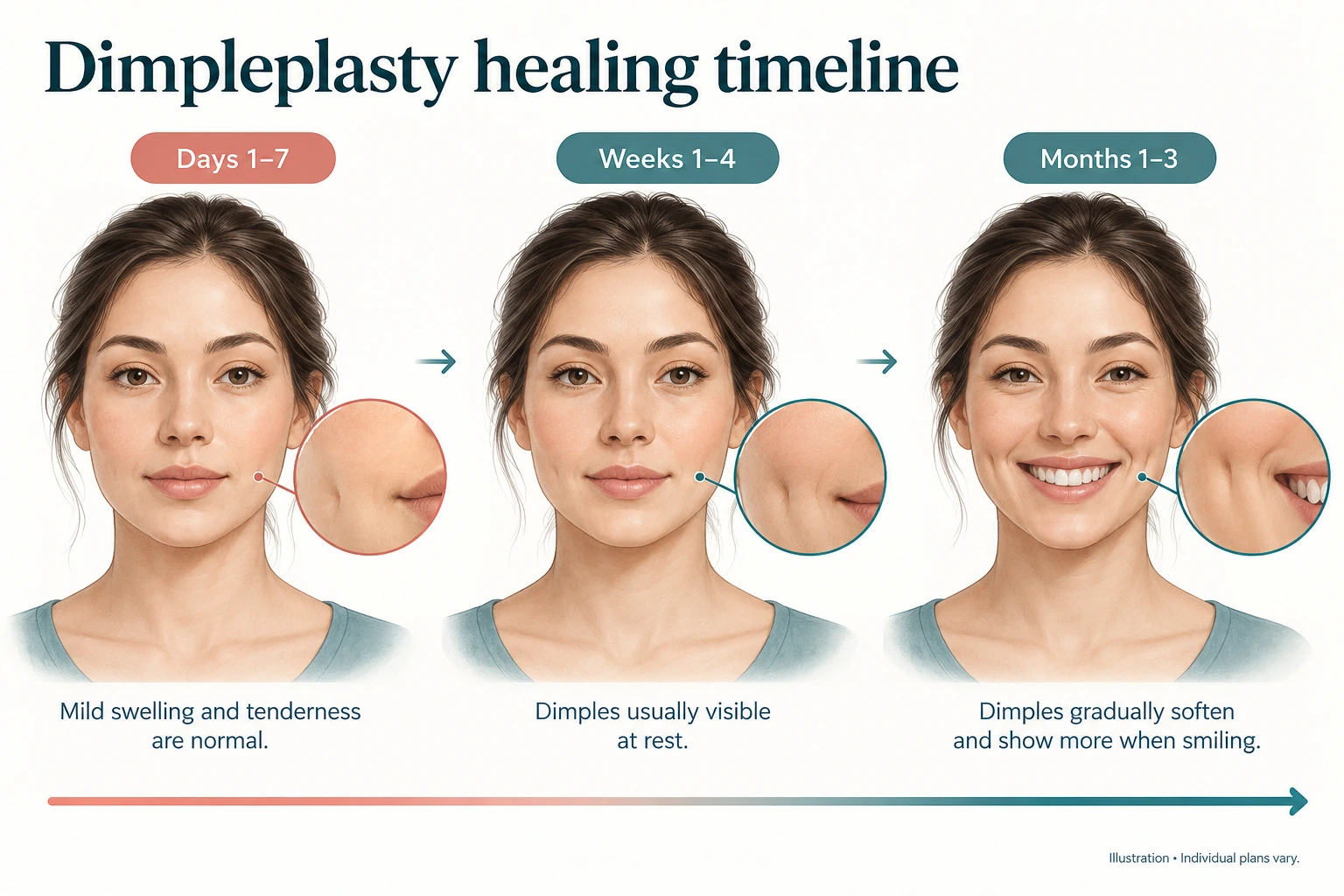
Expect the dimple to be visible at rest at first — a fixed indentation even with the face relaxed. That is normal, not a mistake.
As swelling settles and the internal adhesion matures over the following weeks, the resting indentation softens and the dimple begins to behave like a natural one: shallow or invisible at rest, appearing on smiling. One that never softens, or sits too deep, is an overcorrection.


How long dimples last, and can dimpleplasty be reversed?
Often permanently, but there is no guarantee. Any clinic offering one is overreaching, and the published data shows why.
The largest published series followed 2,048 patients operated on between April 2010 and June 2014; 7.7% underwent a second operation. Undercorrection accounted for 49.0% of those reoperations, dimple loss for 38.9%, overcorrection 5.6%, regret 3.1% and infection 3.1%. The most common structural failure is the tether releasing and the dimple fading — fixable, but it means a second procedure. Reversal is harder still: a tether can be released, but excised tissue cannot reliably be put back, so this is best treated as a permanent decision.
Risks, and who dimpleplasty suits
The published complication profile is reassuring in experienced hands: that 2,048-patient series reported no complications after reoperation and no foreign-body reactions. The risks are still real, and specific to the cheek.
Infection, in the mouth or around a retained suture. Asymmetry of position or depth — a planning problem more than a surgical one, and the most common aesthetic complaint. An over-deep or unnatural dimple visible at rest. Injury to the parotid duct, which opens into the cheek lining opposite the upper second molar — squarely in the working area. Injury to buccal branches of the facial nerve, which supply the cheek muscles. Bleeding, bruising and internal scarring.
It suits someone who wants a specific, modest change to their own smile and accepts that it is effectively permanent — not anyone hoping a dimple will fix a broader dissatisfaction with their face. Our before-and-after gallery and face aesthetics section are more useful starting points than a search-results page.
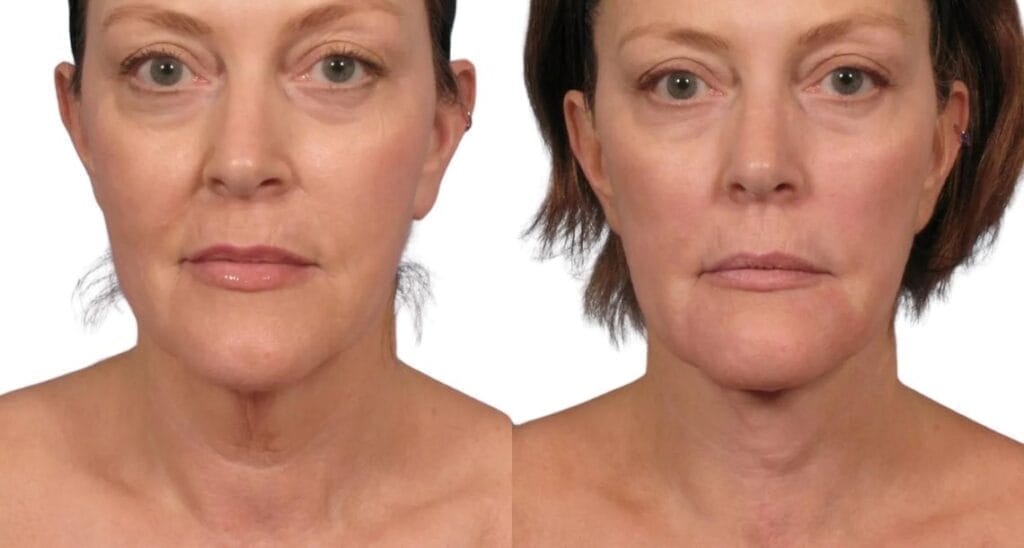
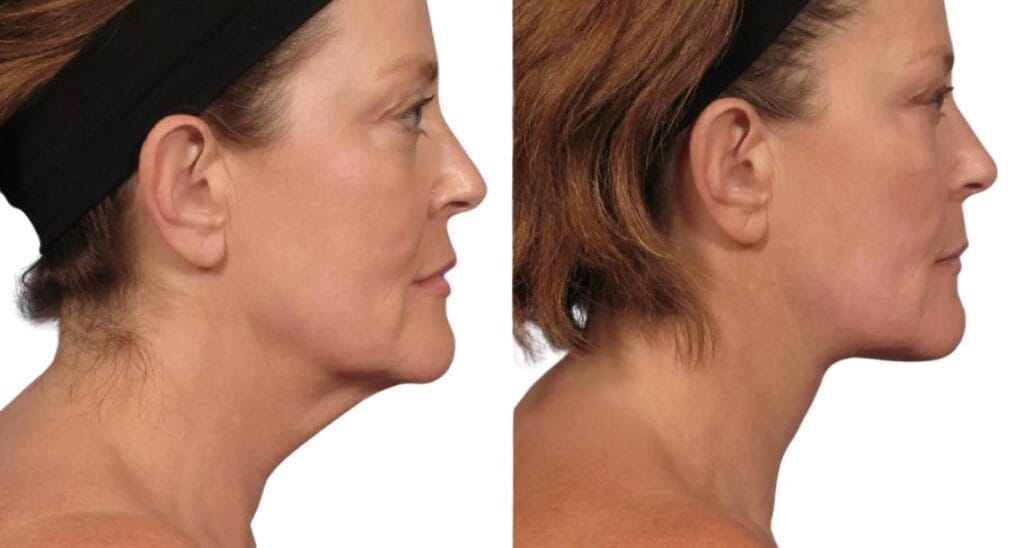
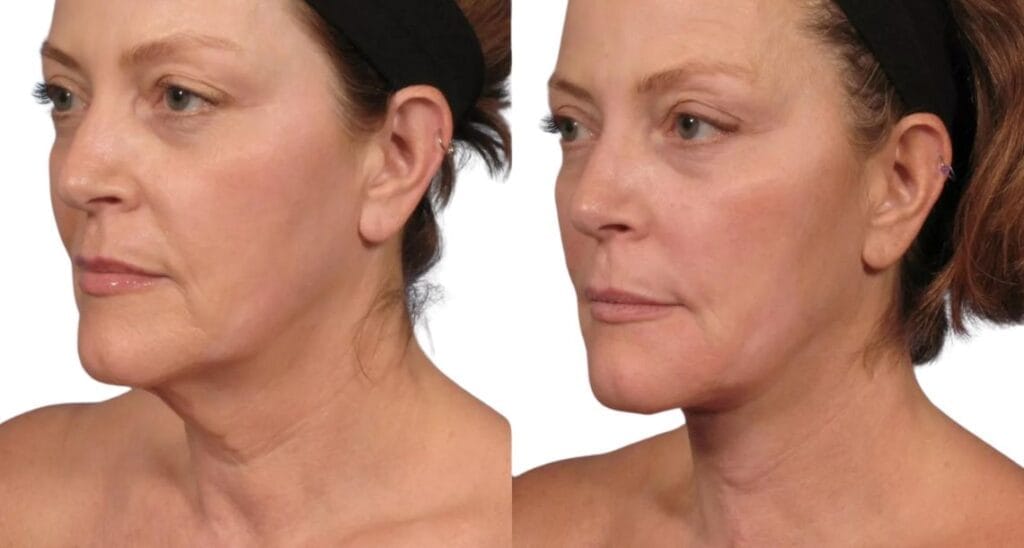
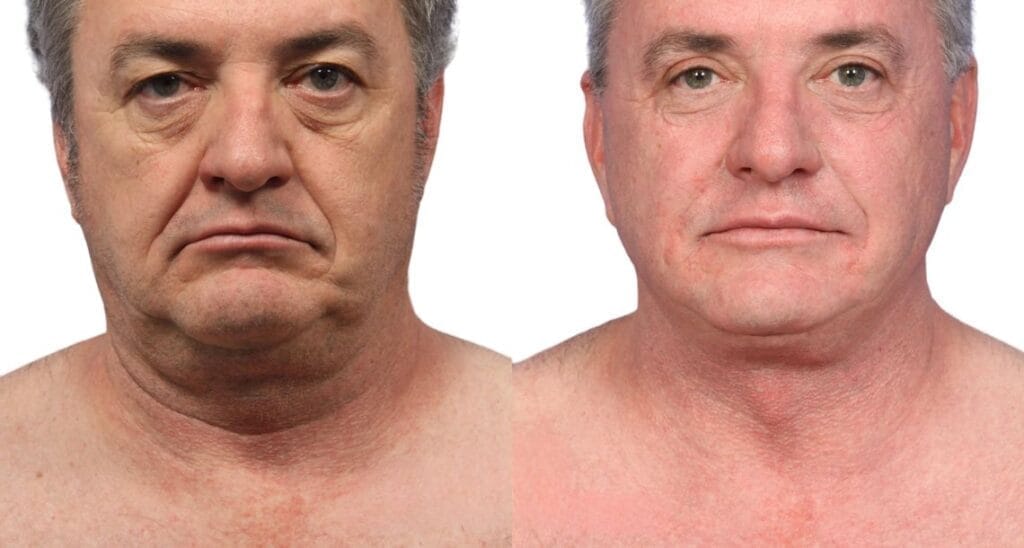
Dimple Creation Before and After Results at Vivid Clinic
These before-and-after photos show real Vivid Clinic patients treated in Istanbul, shared with their consent. Photos are matched for angle and lighting wherever possible. Individual results vary. Browse the full Before & After Gallery.


Frequently Asked Questions
How do you get dimples if you were not born with them?
Surgery is the only way. A dimple depends on a physical tether between skin and the muscle beneath, and that connection either exists in your anatomy or it does not. Dimpleplasty creates one deliberately, through a small incision inside the cheek, so that smiling draws the skin inward.
Do dimple makers, suction devices or exercises work?
No. Pressing or suctioning a device into your cheek creates a temporary hollow that disappears once the pressure comes off. No published evidence shows a device producing a lasting dimple, because none of them creates the skin-to-muscle attachment a dimple requires. Sustained suction is a bruising technique, and aggressive use can damage soft tissue.
Are dimples a dominant genetic trait?
They are commonly described that way, but the evidence is thinner than the classroom version implies. Dimples run in families and are generally assumed to be inherited, yet some researchers argue there is no proof of inheritance, and no gene has been identified.
Does dimple surgery leave a scar on the face?
No visible one. The incision is made inside the cheek, through the lining of the mouth, so nothing shows on the skin. There is an internal scar — that is the point of the operation, since the adhesion is what produces the dimple — but it cannot be seen.
Will the dimple look obvious straight away?
Usually yes, and briefly. In the first period after surgery it tends to be visible even at rest, because of swelling and because the tether is at its tightest. As swelling resolves and the adhesion matures over the following weeks, the resting indentation softens and the dimple becomes dynamic.
Are dimples created by surgery permanent?
Frequently, but not reliably enough to be promised. In the largest published series, 7.7% of 2,048 patients had a second operation, and dimple loss accounted for 38.9% of those revisions, second only to undercorrection at 49.0%. Reversal is harder than revision, because excised tissue cannot reliably be restored.
Thinking about it seriously? Read what the operation involves on our dimple creation page and send photographs for an assessment — including when the honest answer is that you do not need one.