 ChatGPT
The Eyeliner That Disappears the Moment You Open Your Eyes
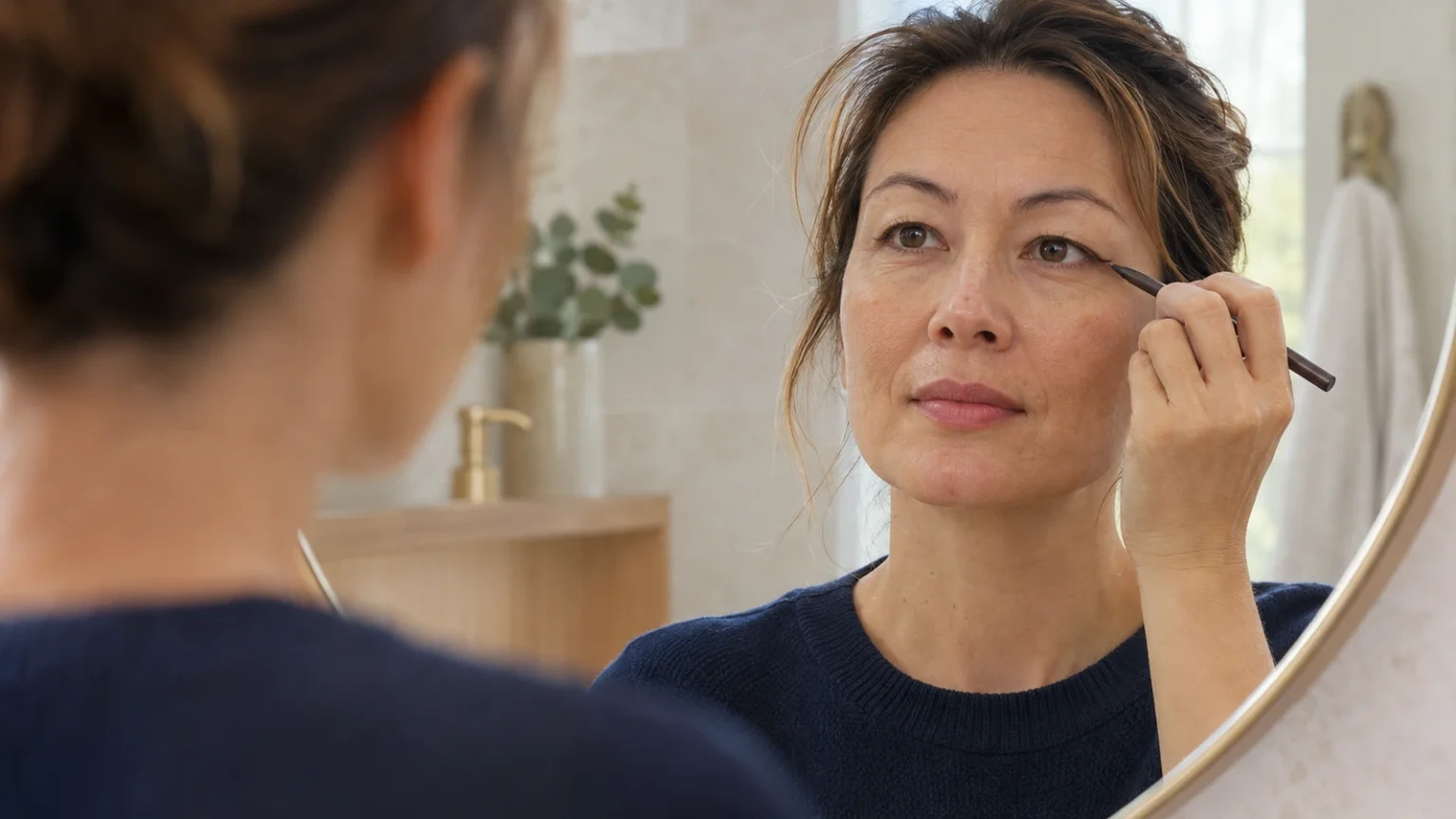
You spend ten careful minutes on a wing of eyeliner. You look down, and the line is crisp and even. You look up into the mirror, and it has vanished under a soft fold of skin. In photos your eyes look smaller, a little tired, maybe a little sad, even on a good day.
If that sounds familiar, you probably have hooded eyes, and you are far from alone. For some people the fold has been there since their teens; for others it crept in during their forties as the brows and lids slowly settled. The good news is that you have more options than you might think, from smarter makeup to targeted treatment.
This guide from Vivid Clinic in Istanbul, Turkey explains what causes hooding, how to work with it, and when a lift actually helps. If you want a personal answer, every plan starts with a free consultation with a plastic surgeon.
What Are Hooded Eyes?
Quick Answer: Hooded eyes have a fold of skin, and sometimes soft tissue, that hangs from below the brow over the upper lid crease. The fold hides part or all of the movable lid when the eyes are open. It can be a natural trait you were born with or a change that develops with age.
The movable part of the upper lid is the area where you would normally place eyeshadow. In hooded eyelids, that space is partly covered by the fold above it.
Hooding is a shape, not a disease. Many people love their hooded eyes. Others find the fold heavy or, in advanced cases, low enough to block part of their upper vision.
If you are curious how hooding compares to other eye shapes, our guide to types of eyes walks through the main variations. Deep set, monolid and downturned eyes are covered in separate articles.
How to Tell If You Have Hooded Eyes
Relax your forehead, look straight ahead in natural light and check:
- Can you see your lid crease? If the crease disappears behind a fold, you likely have hooding.
- Does eyeshadow vanish when your eyes open? This is the classic sign.
- Does the fold rest near or on your lashes? This suggests more pronounced hooding.
- Does lifting your brows with a fingertip open the eye? If so, a lower brow may be part of the picture.
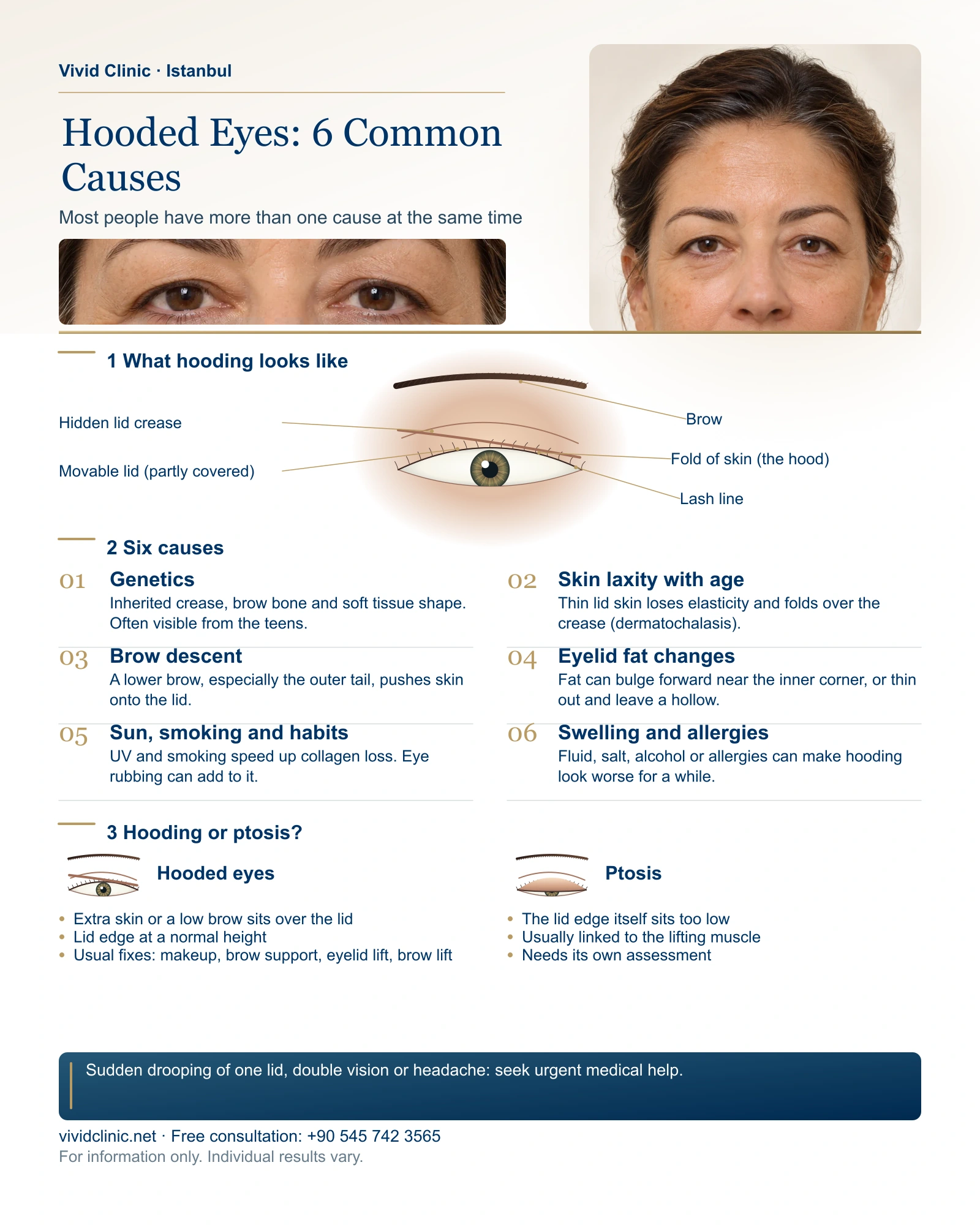
6 Causes of Hooded Eyes
Quick Answer: The six common causes are genetics, age-related skin laxity, a lowering brow, shifting fat around the eye, lifestyle factors such as sun and smoking, and swelling from fluid or allergies. Most people have more than one cause at the same time.
1. Genetics and Natural Eye Anatomy
Some people inherit hooded eyelids. The fold may sit low because of where the crease forms, how much soft tissue lies under the brow, or the natural shape of the brow bone. It often shows from the teens and runs in families.
2. Skin Laxity With Age (Dermatochalasis)
Eyelid skin is among the thinnest on the body. Over the years it loses collagen and elasticity, stretches, and folds over the crease. Doctors call this dermatochalasis.
3. Brow Descent (Brow Ptosis)
The eyebrows are not fixed in place. As the forehead tissues relax, the brow, especially the outer tail, can drift downward. A lower brow pushes skin down onto the lid, deepening the hood.
4. Changes in Eyelid Fat
Small pads of fat sit behind the upper lid. With age, the thin membrane holding them can weaken, letting fat bulge forward, often near the inner corner. In others, fat thins and the skin drapes over a hollow.
5. Sun, Smoking and Lifestyle Habits
Ultraviolet exposure breaks down collagen, and smoking reduces blood supply to the skin. Both can speed up skin laxity around the eyes. Eye rubbing and large weight changes may add to it.
6. Swelling, Fluid and Allergies
Puffiness from salt, alcohol or allergies can make hooding look worse for a while. If swelling appears suddenly, affects one eye, or comes with redness or pain, see a doctor, as thyroid eye disease and other medical conditions can be involved.
Genetic vs Age-Related Hooded Eyes
Both types look similar in a photo, but they differ in a few useful ways.
| Feature | Genetic Hooding | Age-Related Hooding |
|---|---|---|
| Typical onset | Teens or twenties | Usually from the late thirties or forties |
| Main driver | Crease position, brow bone, soft tissue | Skin laxity, brow descent, fat changes |
| Skin quality | Usually firm and smooth | Thinner, with fine creases |
| Change over time | Fairly stable | Often gradually increases |
| Usual approach | Makeup, sometimes a conservative lid procedure | Depends on cause: brow, lid or both |
Hooded Eyes or Ptosis? Why the Difference Matters
Hooding is about excess skin or a low brow sitting over the lid. Ptosis means the upper lid margin itself, the edge where the lashes grow, sits too low. It is usually linked to the muscle that raises the lid, which can stretch with age or long-term contact lens wear, and less often to nerve or muscle conditions.
Some people have both. Removing skin alone will not raise a drooping lid margin, so ptosis needs its own assessment and, when appropriate, its own treatment plan. Sudden drooping of one lid, especially with double vision, headache or a change in pupil size, needs urgent medical review.
Makeup Tricks for Hooded Eyes
Makeup cannot change anatomy, but it can make hooded eyes look more open.
Work With Your Eyes Open
Apply shadow and liner while looking straight ahead. The visible zone above the fold, not your hidden crease, is your real canvas.
Place a Faux Crease Higher
Use a matte transition shade slightly above your natural crease, where it can still be seen with your eyes open. This creates the illusion of depth and a larger lid space.
Keep Liner Thin and Lifted
A thick line usually disappears under the fold. Try a fine line close to the lashes and a small upward flick at the outer corner, angled toward the tail of the brow.
Choose Matte Over Shimmer on the Fold
Shimmer reflects light and can make the hood look fuller. Matte tones help it recede, while a little shimmer in the center of the lid or inner corner adds brightness.
Curl Lashes and Shape Brows
Curled lashes lift the visual line of the eye. Brows slightly lifted at the tail frame the area, and primer reduces transfer onto the fold.
Non-Surgical Options for Hooded Eyelids
Quick Answer: Non-surgical options can give a subtle lift for mild hooding, especially when a low brow is part of the cause. Results are modest and temporary. They do not remove excess skin, so moderate or severe hooding usually needs surgery for a meaningful change.
If makeup and the options below meet your goals, surgery may not be needed at all.
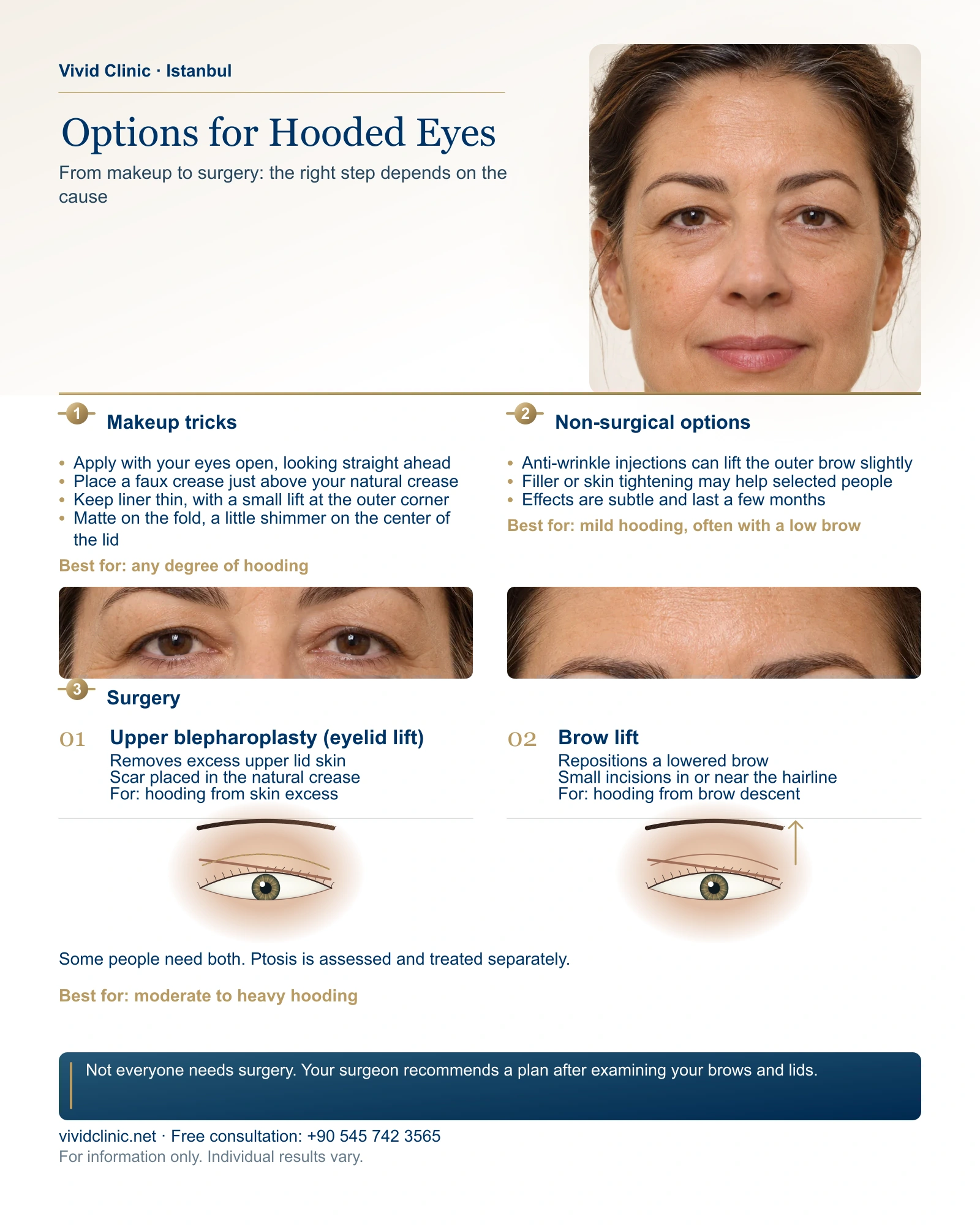
Anti-Wrinkle Injections for a Brow Lift Effect
Carefully placed botulinum toxin can relax the muscles that pull the brow down, letting the outer brow rise a little. This can open mild hooded eyes slightly. Effects usually last a few months. Learn more on our Botox in Turkey page and our non-surgical brow lift guide.
Fillers and Skin-Tightening Treatments
In selected cases, filler can support the outer brow, and energy-based skin-tightening devices may improve skin quality slightly. Neither replaces skin removal when the fold is heavy.
Hooded Eyes Surgery: When a Lift Actually Helps
When excess skin or a low brow causes the fold, surgery is usually the only option that changes the structure.
Upper Blepharoplasty (Eyelid Lift)
Upper blepharoplasty removes excess upper lid skin and, when needed, a small strip of muscle or fat. The incision is placed in the natural crease, so the scar usually settles into a fine line that is hidden when the eyes are open. It is the most common form of hooded eyes surgery.
Our dedicated page on blepharoplasty for hooded eyelids covers this procedure in depth. You can also read about blepharoplasty in Turkey and our eyelid lift service.
Brow Lift
If the brow has descended, removing lid skin alone may pull the brow even lower. A brow lift repositions the brow, often through small incisions in or near the hairline. See brow lift in Turkey for the different approaches.
Combined Plans
Many people with age-related hooding benefit from a combination of brow and lid surgery. If ptosis is present, lid muscle repair may be discussed as a separate step. Combining procedures changes recovery and cost.
Who Is a Good Candidate, and Who Is Not?
You may be suitable for upper blepharoplasty or a brow lift if:
- The fold is caused by excess skin, a low brow or both
- Makeup and non-surgical options no longer meet your goals
- You do not smoke, or can stop before and after surgery
- You want a natural improvement and understand that results vary
Surgery may be delayed, adapted or not advised if you have significant dry eye, active thyroid eye disease, uncontrolled blood pressure, a bleeding disorder, or untreated ptosis that has not been assessed.
Procedure Overview Table: Upper Blepharoplasty (Eyelid Lift)
| Aspect | Details |
|---|---|
| Duration Process | About 45 minutes to 1.5 hours for both upper lids |
| Hospitalization Duration | Usually a day case; 1 night if combined with other procedures |
| Mobility Duration | Walking the same day |
| Return to Activity | About 7 to 10 days for desk work and social plans |
| Complete Recovery | About 4 to 6 weeks for most swelling; exercise resumes gradually |
| Anticipated Results | Visible at 2 to 4 weeks; final at about 3 to 6 months |
These ranges are typical; your surgeon confirms yours.
Operation Process Overview at Vivid Clinic
Your journey begins with your arrival in Istanbul, where a VIP airport transfer takes you to your 5-star hotel for check-in. Next comes a one-on-one consultation, when your surgeon examines your lids and brows, checks for ptosis and dry eye, and confirms whether an eyelid lift, a brow lift or a combination suits you. On surgery day, the team looks after you from admission to recovery and explains each step. Post-operative care follows, with cool-compress guidance, prescribed ointment or drops, and contact with your coordinator. A checkup visit, including suture removal where needed, confirms that healing is on track before your departure. Once you are home, remote aftercare follow-up continues with photo reviews and direct access to the team.
Recovery Timeline After Upper Blepharoplasty
First 24 to 48 Hours
Expect swelling, tightness and some blurred vision from ointment. Rest with your head raised and use cool compresses as advised. Discomfort is usually mild to moderate.
Days 3 to 7
Bruising and swelling begin to fade. Stitches are commonly removed at around five to seven days. Many people feel comfortable going out with sunglasses by the end of the first week.
Weeks 2 to 4
Most visible bruising has settled. Desk work, light social plans and, with your surgeon’s approval, eye makeup and contact lenses return.
Months 2 to 6
The crease scar continues to soften and fade, and the lid contour refines. The final result of an eyelid lift for hooded eyes is usually judged between three and six months.
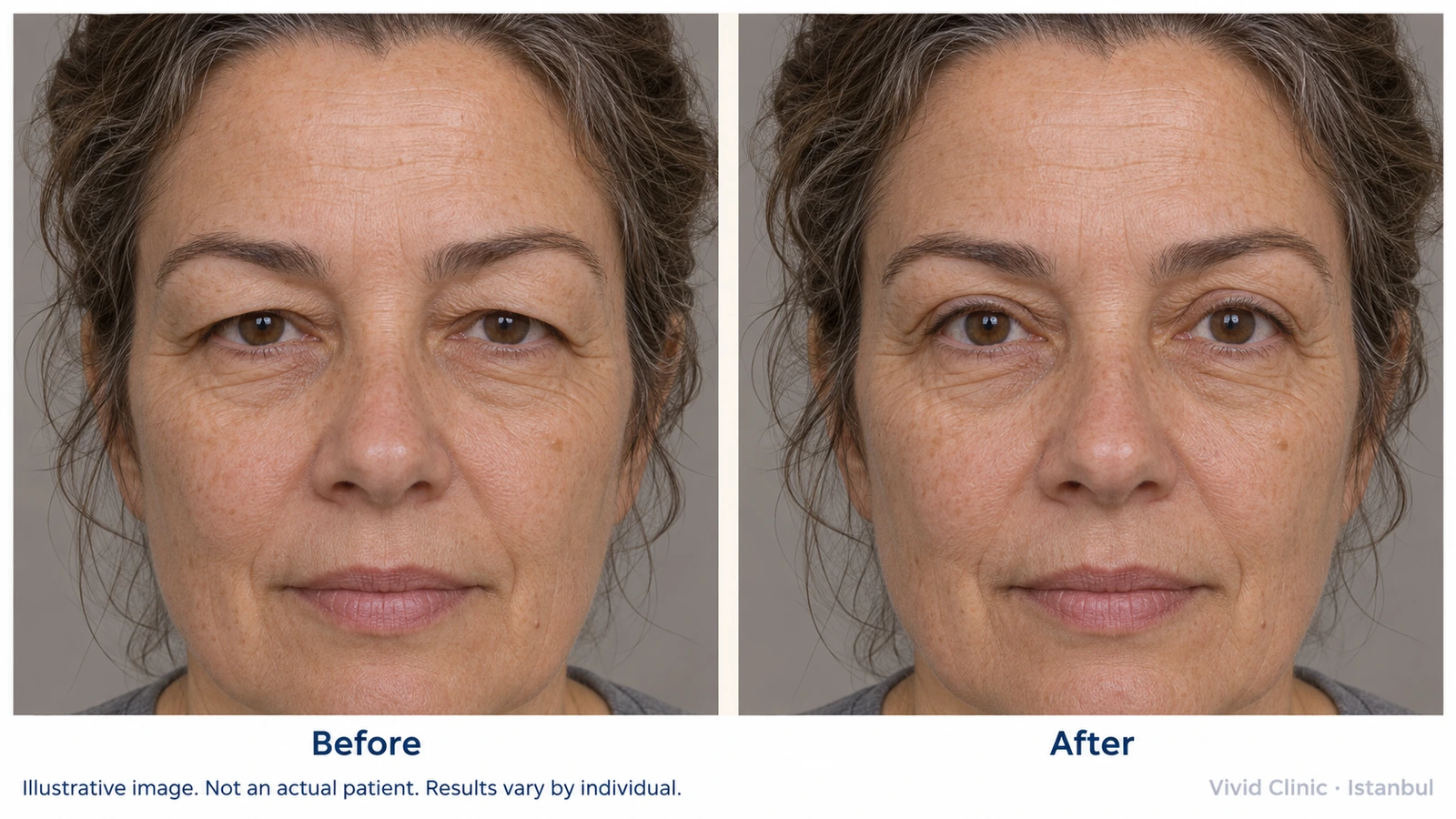
Benefits of Treating Hooded Eyes
- A more open, rested look to the eyes
- More visible lid space for makeup
- Less heaviness at the end of the day
- In selected cases, a clearer upper field of vision
- Results of surgery are typically long lasting, although natural aging continues
Benefits differ from person to person, and no specific outcome can be promised.
Risks and Side Effects
Every procedure carries some risk. Common, usually temporary effects include bruising, swelling, dry or watery eyes, light sensitivity and tightness. Less common risks include asymmetry, visible or raised scarring, difficulty fully closing the eyes for a period, infection and, if too much skin is removed, a hollow or surprised look. Brow lifts can cause temporary scalp numbness.
Bleeding behind the eye is rare but an emergency. Severe pain, sudden tense swelling or any loss of vision needs urgent medical help.
How to Prepare
- Share your full medical and eye history, including dry eye, laser eye surgery and thyroid conditions
- Ask your doctor before stopping any prescribed medicine, including blood thinners
- Stop smoking and nicotine well before surgery
- Plan time off and, if possible, travel with a companion
Aftercare Tips
- Sleep with your head raised for the first week
- Use cool compresses and prescribed ointment or drops as instructed
- Do not rub your eyes or wear contact lenses until cleared
- Avoid heavy lifting, swimming, saunas and hard exercise for the advised period
Cost Factors for Hooded Eyes Treatment in Istanbul, Turkey
There is no single price, because each plan is different. Cost depends on:
- Whether you need upper blepharoplasty, a brow lift, ptosis repair or a combination
- Anesthesia type and operating time
- Hospital setting and surgeon experience
- Whether non-surgical treatments are part of the plan
- Tests, medication, hotel, transfers and aftercare in your package
For an early idea, try our surgery price calculator. It gives an estimate only, and final pricing is confirmed after your consultation.
Why Choose Vivid Clinic for Hooded Eyes?
Vivid Clinic is a premium, international clinic focused on natural-looking, personalized results. Your plan is built around an examination of both brow and lid, and you will be told if a non-surgical approach suits you better.
You can meet our doctors, browse results in our before and after gallery, and request a free consultation with a plastic surgeon by sending clear front and side photos of your eyes.
What International Patients Can Expect
Most patients share photos and a short medical history before travelling. A coordinator helps with dates, hotel and transfers, and most people plan about a week for an eyelid lift.
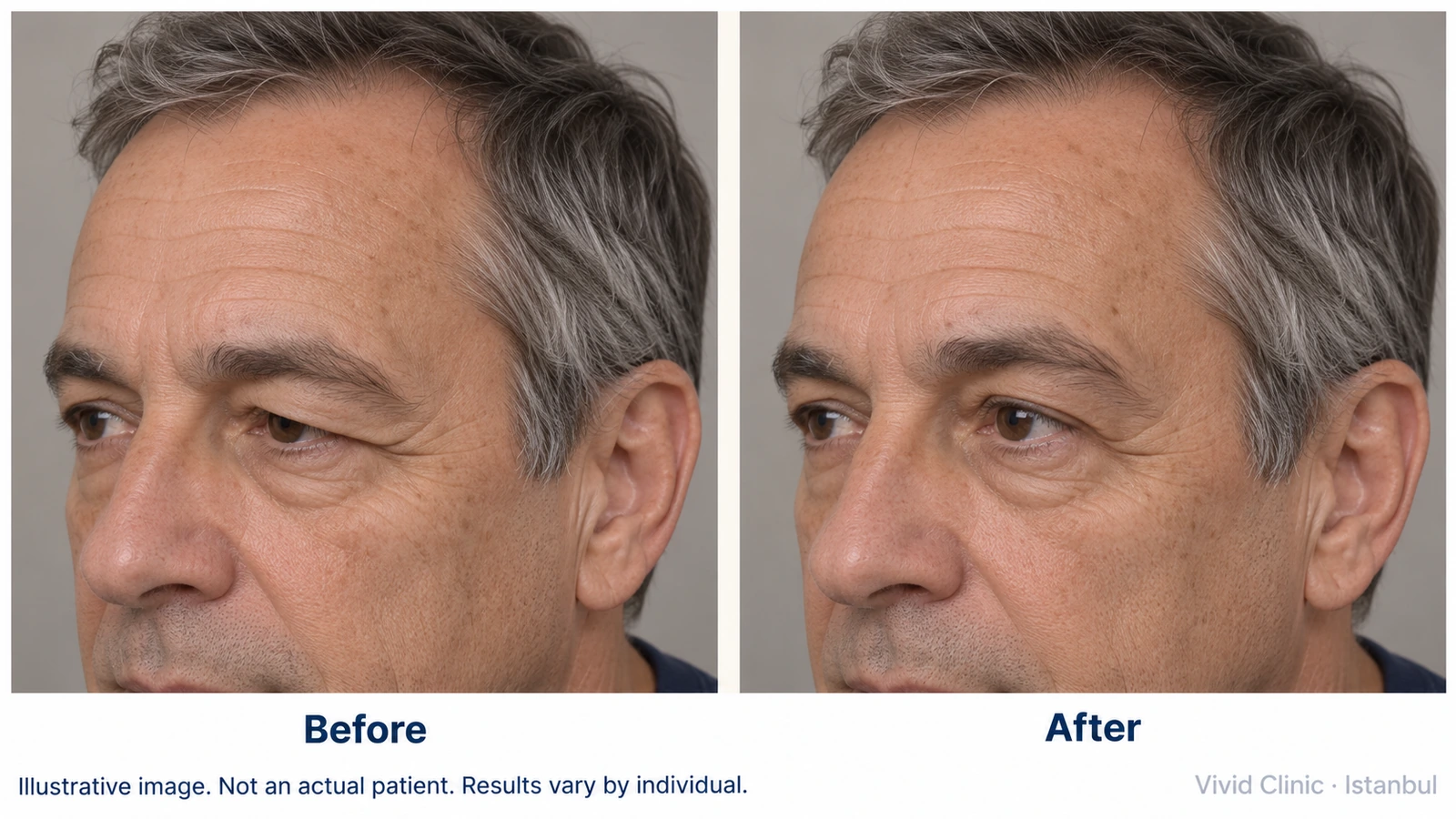
FAQs
Can hooded eyes be fixed without surgery?
Mild hooded eyes can often be improved without surgery, but the change is subtle. A higher faux crease, thin lifted liner and matte shades make the eyes look more open. Anti-wrinkle injections can raise the outer brow slightly when a low brow is part of the cause, and the effect usually lasts a few months. None of these options removes excess skin, so moderate or heavy hooding usually needs an eyelid lift, a brow lift or both for a meaningful structural change. A consultation helps you choose.
Is upper blepharoplasty or a brow lift better for hooded eyes?
It depends on the cause. If the fold comes mainly from excess upper lid skin and your brow sits at a normal height, upper blepharoplasty is usually the main option. If your brow has dropped and pushes skin onto the lid, a brow lift may be needed, sometimes with lid surgery as well. Removing lid skin when the brow is low can pull the brow down further, so the order and combination matter. Your surgeon checks brow position, skin excess and lid muscle function before recommending a plan.
How long should I stay in Istanbul for hooded eyes surgery?
For upper blepharoplasty alone, many international patients plan about a week in Istanbul. Stitches are usually removed at around five to seven days, after a checkup confirms healing is on track. A brow lift or combined procedure may need a few extra days. Swelling and bruising usually fade over one to two weeks. Book a flexible flight, bring sunglasses and lubricating drops for the journey, and expect remote follow-up after you get home. Your surgeon will confirm a personal timeline after examining you.
Are hooded eyes the same as ptosis?
No. Hooded eyes describe skin or a low brow folding over the upper lid, while ptosis means the edge of the lid itself sits too low, usually because the muscle that raises it has stretched or weakened. They can occur together. The difference matters because removing skin will not lift a drooping lid margin, and ptosis may need muscle repair or other assessment. Sudden drooping of one lid, especially with double vision or headache, needs urgent medical attention. An examination is the only reliable way to tell which you have.
What affects the cost of treating hooded eyes at Vivid Clinic?
The cost of treating hooded eyes depends on your personal plan. Key factors include whether you need upper blepharoplasty, a brow lift, ptosis repair or a combination, along with anesthesia type, operating time and the hospital setting. Your package may also include tests, medication, hotel, VIP transfers and aftercare. Because these elements vary, a fixed figure in an article would be misleading. Vivid Clinic offers a free consultation with a plastic surgeon, after which you receive a personalized quote. The online price calculator gives a first estimate only.
Conclusion
Hooded eyes are common, and they are not a problem unless they bother you. For some people, smarter makeup is all that is needed. For others, a non-surgical lift brings a subtle change, while an eyelid lift, a brow lift or both can address excess skin and a lower brow at their source.
The best choice depends on an accurate diagnosis. Vivid Clinic in Istanbul, Turkey offers a free consultation with a plastic surgeon to help you understand your options before you decide. Get a Free Consultation and send your photos for a personal evaluation.
Real Before and After Results at Vivid Clinic
The photos below show real Vivid Clinic patients from the clinic’s own gallery, shared with consent as published on the clinic site. They show eyelid surgery cases in general, the main surgical fix for hooded eyes, and are not a record that each patient had hooded eyes. Results vary by anatomy, healing and treatment plan.
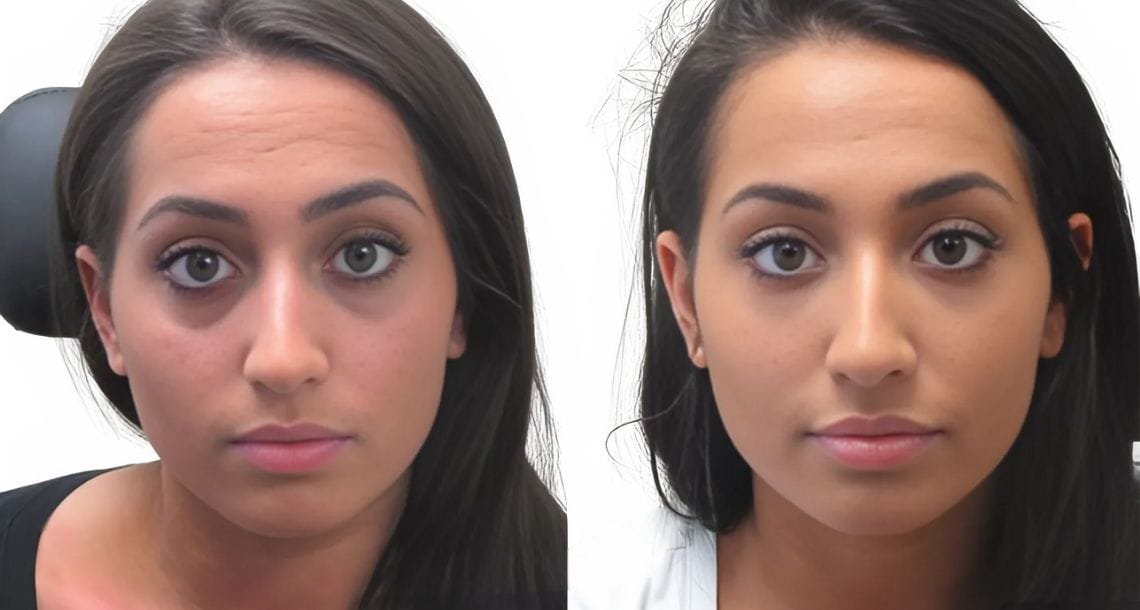
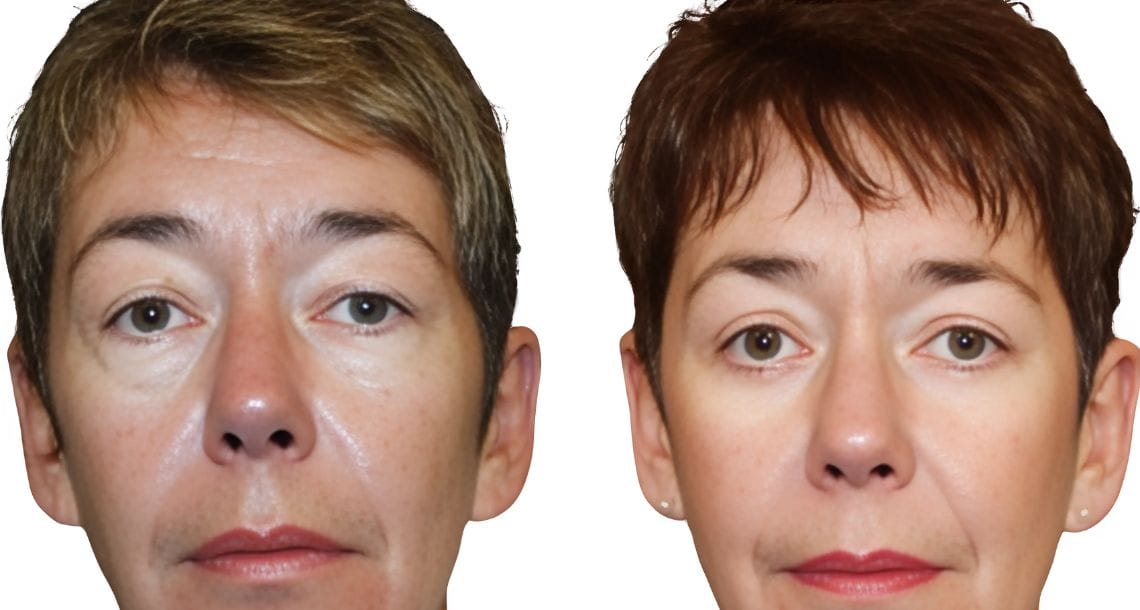
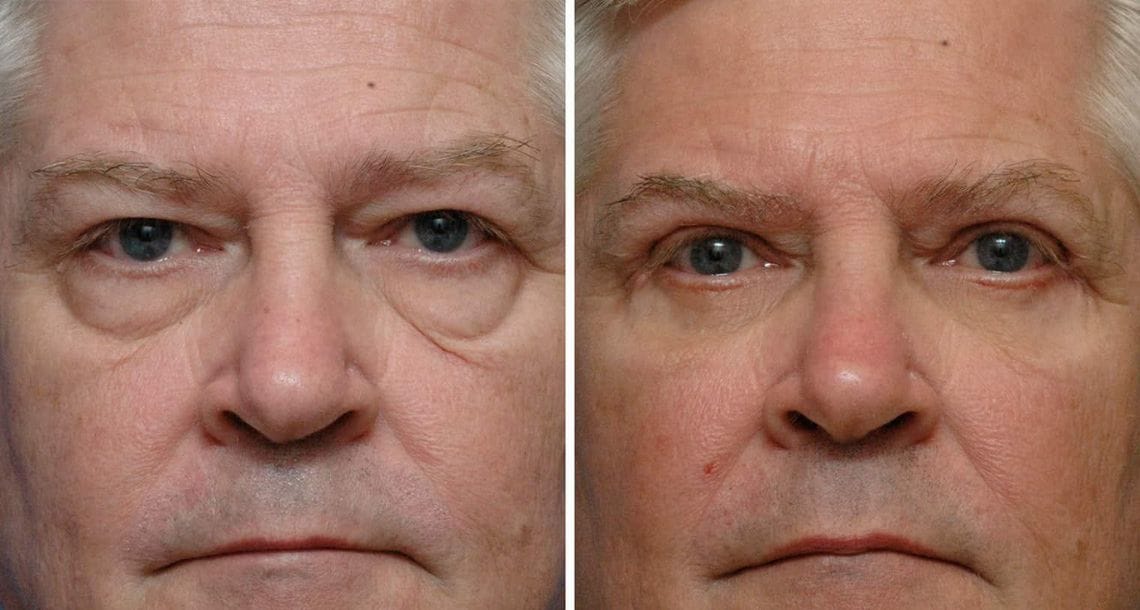
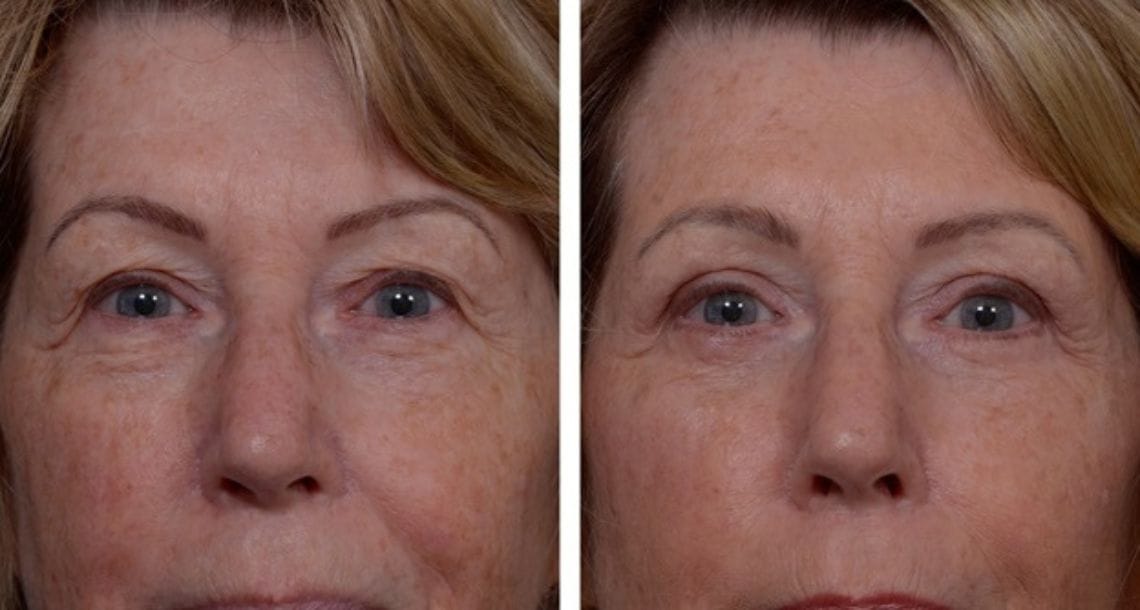
See more cases in the full before and after gallery and the blepharoplasty before and after gallery. To find out what may be achievable for your own eyes, request your free consultation.
This article is for general information and does not replace a personal medical consultation. Suitability, risks, recovery and expected results should be discussed with a qualified surgeon. Results vary by individual.