
 ChatGPT

The Mirror Moment Almost Everyone Has
You pull your hair back, lean towards the bathroom mirror and trace the outline of your face with a fingertip. Forehead, cheekbones, jaw, chin. Somewhere between a hairdresser’s advice and a magazine quiz, you start to wonder whether you have an oval face shape, the one so often called the most versatile.
Knowing your outline makes everyday choices easier, from haircuts to frames. This guide from Vivid Clinic in Istanbul, Turkey shows you how to check your shape at home, what flatters an oval face shape, and what facial contouring can and cannot do.
Here is the honest headline first: an oval face shape usually needs no treatment at all. If you are curious about subtle balancing, you can always start with a free consultation with a plastic surgeon, with no pressure to change anything.
What Is an Oval Face Shape?
Quick Answer: An oval face shape is longer than it is wide, with the cheekbones as the widest point and a forehead slightly wider than a softly rounded jaw. The outline tapers gently from cheeks to chin without sharp corners, a bit like an upside-down egg.
Among the common face shapes, oval sits in the middle: narrower than round, shorter than oblong and softer than square.
Key Traits of an Oval Face Shape
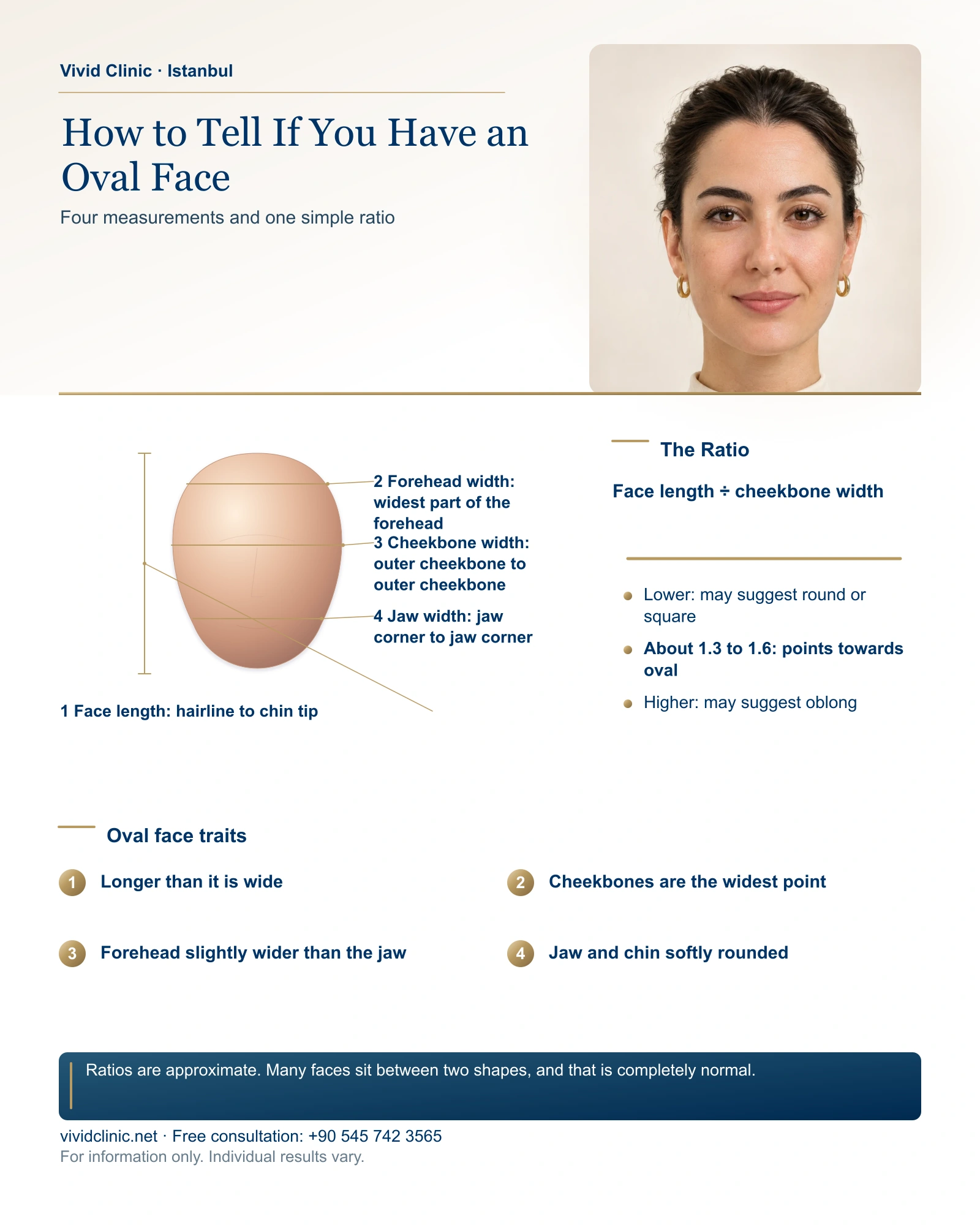
- Face length noticeably greater than face width
- Cheekbones as the widest part of the face
- Forehead a little wider than the jaw
- A jawline that curves rather than turns a sharp corner
- A chin that is softly rounded, neither pointed nor very broad
Why Oval Faces Are Called “Balanced”
Stylists like the oval face shape because no single feature dominates. That does not make it better than any other shape; harmony, skin and expression matter far more than a category.
How to Tell If You Have an Oval Face Shape
Quick Answer: Measure your face length, forehead width, cheekbone width and jaw width with a soft tape. If your face is roughly one and a half times longer than it is wide, your cheekbones are widest and your jaw curves gently, you probably have an oval face shape. Treat the ratios as a guide, not a rule.
Step 1: Get the Right Setup
Pull your hair back, relax your jaw and face a mirror in even light. A soft tape measure works best; a straight-on phone photo is a good backup.
Step 2: Take Four Measurements
- Face length: from the centre of your hairline to the tip of your chin.
- Forehead width: across the widest part of your forehead.
- Cheekbone width: from the outer point of one cheekbone to the other, just below the outer corners of the eyes.
- Jaw width: from one corner of the jaw, below the ear, to the other.
Step 3: Compare the Numbers
Your cheekbone width is usually your face width. Divide face length by that number. A result of roughly 1.3 to 1.6 points towards oval, while lower suggests round or square and higher suggests oblong.
In an oval face shape, cheekbones come first, the forehead second and the jaw a little narrower. These figures are approximate.
Oval vs Other Face Shapes
Many faces sit between two categories. Our separate hub guide to face shapes, published on the blog, covers all of the main outlines in more detail.
Oval vs Round
Both have soft curves. A round face is about as wide as it is long, with fuller cheeks and a shorter chin, while an oval face shape is clearly longer.
Oval vs Oblong
An oblong, or rectangular, face is longer still, with forehead, cheeks and jaw closer to the same width. Oval faces taper more towards the chin.
Oval vs Heart and Diamond
A heart-shaped face has a wider forehead and a more pointed chin. A diamond face has narrow forehead and jaw with sharply prominent cheekbones. Oval faces share the cheekbone emphasis, but with gentler transitions everywhere.
What Creates an Oval Face Shape? Bone, Fat and Time
Your outline comes mainly from inherited bone structure, with cheek fat, jaw muscles and skin adding the finishing layer.
With ageing, cheek fat can descend and thin, bone gradually remodels and the jawline softens. An oval face shape at 25 may look a little longer or flatter at 55, which is normal.
Oval Face Haircuts That Flatter
Quick Answer: Most oval face haircuts work well, from pixies to long layers. The main things to watch are very long, flat styles that can make the face look longer and heavy fringes that hide balanced proportions. Choose a cut that suits your hair texture and lifestyle first.
Short Styles
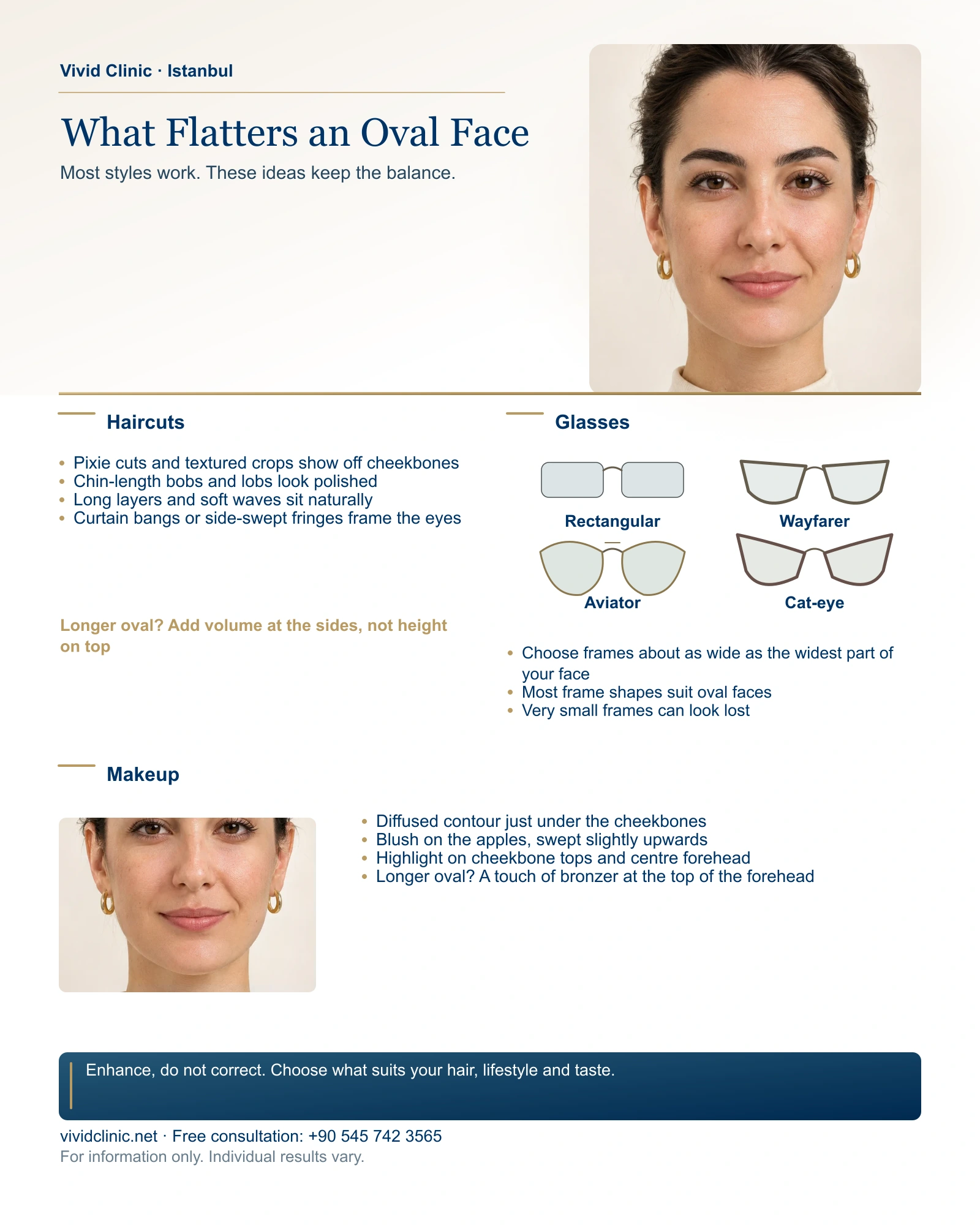
Pixie cuts, textured crops and chin-length bobs show off the cheekbones and jaw.
Medium and Long Styles
Lobs, long layers and soft waves sit naturally. If your face is on the longer side, add volume at the sides rather than height on top.
Fringes and Partings
Curtain bangs and side-swept fringes frame the eyes, and both centre and side partings work. Heavy blunt fringes shorten the face, which suits some longer ovals.
Oval Face Haircuts for Men
Short sides with length on top, textured quiffs and classic crew cuts all suit oval faces. If you grow a beard, keep the sides tidy.
Glasses and Sunglasses for an Oval Face Shape
Many frame styles work. Start with frames about as wide as the widest part of your face.
- Rectangular, square and geometric frames add gentle structure.
- Wayfarer and browline styles suit most oval faces.
- Aviators and cat-eye shapes highlight the cheekbones.
- Very small frames can look lost, and very deep frames can hide the cheeks.
Makeup and Contouring Tips for an Oval Face Shape
Makeup on an oval face is about enhancing, not correcting. Diffused contour just under the cheekbones adds definition, and blush on the apples, swept slightly upwards, adds warmth.
On a longer oval, a touch of bronzer at the top of the forehead visually shortens it. Highlight the cheekbone tops and keep brows close to their natural arch.
Does an Oval Face Shape Need Any Treatment?
Quick Answer: No. An oval face shape is a normal, well-balanced outline and needs no medical treatment. Some adults consider subtle contouring when ageing, volume loss or a small chin changes the balance they had before, but choosing to do nothing is a completely healthy decision.
Any treatment should keep your face looking like you, not chase a template.
Who Might Consider Facial Balancing
- Adults whose cheeks have flattened with age or weight loss
- People with a slightly small or retruded chin that makes the lower face look short
- Those with mild unevenness between the two sides of the face
- Healthy adults with clear, realistic and specific goals
If unevenness is your main concern, our guide to an asymmetrical face explains why most faces are slightly uneven and when that matters.
Who Is Not a Good Candidate
Treatment is usually postponed during pregnancy or breastfeeding, with active skin infection in the area, or with uncontrolled medical conditions. Anyone hoping a procedure will fix deeper feelings about their appearance deserves a supportive conversation rather than a syringe.
Non-Surgical Facial Contouring Options
Most balancing for an oval face shape, when wanted at all, is non-surgical. Hyaluronic acid dermal fillers are the main tool, placed in small amounts to restore support where it has faded. You can also browse the wider range of non-surgical treatments at Vivid Clinic.
Cheek Filler
Filler placed along or just below the cheekbones can restore lift that has softened with age. For people who admire defined cheekbones, the guide to high cheekbones explains what creates that look and how it can be enhanced conservatively.
Chin and Jawline Filler
A small amount of filler at the chin can bring it slightly forward or lengthen it, which can restore the gentle taper of an oval face shape. Different chin shapes call for different plans, as our guide to chin types shows. Jawline filler, used sparingly, can sharpen the lower border without squaring it off.
When Surgery Is Honestly Relevant
Surgery is rarely needed for an oval face shape. It becomes relevant only when bone structure, not soft tissue, is the main reason for imbalance.
Genioplasty for a Small Chin
Genioplasty reshapes the chin bone, or uses a chin implant, to change its projection or length. It may suit adults with a clearly retruded chin who want a longer-term change than filler offers. It is an operation with incisions, anaesthesia and downtime, so it deserves careful thought.
Buccal Fat Removal: A Cautious Note
Buccal fat removal reduces a fat pad inside the cheeks to slim the lower midface. Many oval faces do not need it, and removing too much can make the face look hollow as it ages. A surgeon should check your cheek fullness, bone structure and age before even considering it.
How Dermal Filler Facial Contouring Works
Your face is assessed at rest and in motion and photographed. After cleansing, numbing cream or filler containing local anaesthetic helps comfort. Filler is placed with a fine needle or blunt cannula in small steps while symmetry is checked from the front and side.
Procedure Overview Table: Dermal Filler Facial Contouring
| Aspect | Details |
|---|---|
| Duration Process | 30 to 60 minutes, depending on the number of areas treated |
| Hospitalization Duration | Not required |
| Mobility Duration | Immediate |
| Return to Activity | Same day for most daily activities; avoid strenuous exercise for 24 to 48 hours |
| Complete Recovery | 1 to 2 weeks for swelling and bruising to settle |
| Anticipated Results | Visible straight away, settling over 2 to 4 weeks; usually lasting around 6 to 18 months depending on product and area |
Timings are general estimates. Results vary by individual.
Recovery Timeline After Filler Contouring
First 24 to 48 Hours
Mild swelling, tenderness and small bruises are common. Cold compresses help.
First Week
Swelling eases day by day. Avoid massaging the area, saunas and intense workouts.
Weeks Two to Four
The filler integrates with your tissues and the final shape becomes clear. A review appointment at this stage allows small adjustments if needed.
Months Three to Eighteen
The body gradually breaks the filler down. Some people choose a lighter top-up; others let it fade.
Benefits of a Balanced, Conservative Approach
- Restores lost support while keeping your natural outline
- Adjustable in small steps, with no surgery for most people
- Most hyaluronic acid fillers can be dissolved if needed
- Little downtime, which suits travel schedules
Benefits vary between people, and no treatment can create a different face shape.
Possible Risks and Side Effects
Filler can cause swelling, bruising, tenderness, lumps and asymmetry. Infection is uncommon. A rare but serious risk is filler entering a blood vessel, which can damage the skin and, very rarely, affect vision, so technique and anatomical knowledge matter.
Overfilling can make an oval face shape look wider or heavier. Surgical options such as genioplasty or buccal fat removal carry the usual risks of surgery, including infection, numbness, asymmetry and the need for revision.
How to Prepare for Facial Contouring
- Share your full medical history, medications and supplements.
- Ask whether to pause blood-thinning supplements or medicines before treatment.
- Avoid alcohol for a day or so beforehand to reduce bruising.
Aftercare Tips
- Keep your face clean and skip makeup for the rest of the day.
- Avoid heat, strenuous exercise and facial massage for at least 24 to 48 hours.
- Seek urgent advice for severe pain, skin colour change or vision changes.
Cost Factors in Istanbul, Turkey
The cost of contouring depends on your plan rather than your face shape. The main factors are:
- How many areas are treated and how much product is needed
- The type of filler chosen
- Whether surgery such as genioplasty is part of the plan
- Anaesthesia and hospital setting for any surgical step
- Accommodation, transfers and follow-up in your package
For an early idea, try the surgery price calculator, then confirm the details during your consultation.
Why Choose Vivid Clinic for Facial Balancing?
Quick Answer: Vivid Clinic offers honest, anatomy-led planning in Istanbul, Turkey, a conservative approach that protects the natural balance of an oval face shape, and organised support for international patients from first message to remote aftercare.
You can meet our doctors, browse the before and after gallery, and begin with a free consultation with a plastic surgeon before you decide anything. If the right answer is no treatment, you will hear that too.
What International Patients Can Expect
Filler contouring fits into a short stay of two to four days, including a review before departure. Genioplasty or buccal fat removal usually needs around five to seven days in Istanbul before flying home, depending on healing. Expect clear written aftercare and a direct line to the team once you are home.
Operation Process Overview at Vivid Clinic
Your journey with Vivid Clinic begins when you arrive in Istanbul, where a VIP airport transfer takes you to your 5-star hotel for check-in and a chance to rest. Next comes your one-on-one consultation, where the doctor studies your face shape, cheek and chin support, symmetry and goals, and explains whether filler, surgery or no treatment at all suits you. On treatment day, every step is planned for comfort and a natural result. Post-operative care, with written instructions and a direct contact line, begins straight away. A checkup visit before your departure confirms that healing is on track, and remote aftercare follow-up continues once you are back home.
FAQs
How accurate are at-home measurements for identifying an oval face shape?
At-home measurements give a useful estimate, not a diagnosis. Small differences in where you place the tape, how your hairline sits and the angle of a photo can shift the numbers. Many people also fall between two categories, for example oval with a slightly rounder jaw. For haircuts and glasses, a close estimate is all you need. If you are considering treatment, a doctor will assess your proportions in person, from the front and in profile, along with bone structure, soft tissue and symmetry, which no tape measure can capture.
Can dermal fillers change an oval face shape into a different one?
Fillers cannot turn one face shape into another, and a responsible practitioner would not try. They add small amounts of volume to restore support, such as at the cheeks, chin or temples, where it has faded or was always slightly lacking. For an oval face shape, the aim is usually to protect the gentle taper and smooth transitions that already exist. Overfilling can make the face look wider or heavier. Results are temporary, usually lasting months rather than years, and most hyaluronic acid fillers can be dissolved if needed. At Vivid Clinic, plans are built around your own anatomy rather than a template.
Is chin surgery ever recommended for someone with an oval face shape?
Occasionally, but not often. Genioplasty may be discussed when a clearly small or retruded chin makes the lower face look short, the profile unbalanced or the jawline less defined, and the person wants a longer-term change than filler provides. It can reshape the chin bone or use an implant, and it involves incisions, anaesthesia and a recovery period of a few weeks. For many people with an oval face shape, a little chin filler, or no treatment at all, is enough. A surgeon will look at your bite, profile, chin shape and expectations before recommending anything.
How long should international patients stay in Istanbul for oval face shape contouring?
For filler contouring, two to four days is usually enough. That allows time for arrival, your consultation, treatment and a short review before you fly home, once early swelling has settled. If the plan includes surgery such as genioplasty or buccal fat removal, around five to seven days in Istanbul is more typical, depending on healing and your surgeon’s advice. Vivid Clinic arranges your VIP airport transfer, 5-star hotel stay and checkup visit, and remote aftercare follow-up continues after you return home, so questions can be answered quickly.
What affects the cost of facial contouring for an oval face shape in Turkey?
The cost depends on the plan rather than the face shape itself. For non-surgical contouring, the main factors are how many areas are treated, how much product is needed and which filler is chosen. If surgery is part of the plan, the technique, operating time, anaesthesia type and hospital setting all add to the total. Package inclusions such as hotel nights, VIP transfers and follow-up appointments also play a part. Vivid Clinic provides a personalised quote after reviewing your photos. The online surgery price calculator gives an early idea, and the consultation itself is free, with no obligation to proceed.
Conclusion
An oval face shape is a naturally balanced outline that suits most haircuts, frames and makeup looks. For most people, the smartest moves are simple: learn your proportions, choose styles you love and enjoy the versatility.
If ageing, volume loss or a small chin has changed the balance you used to see, conservative filler contouring or, more rarely, surgery may help. Vivid Clinic in Istanbul, Turkey offers a free consultation with a plastic surgeon to talk it through honestly. Request your free consultation and get a clear, personal view of your options.
Real Before and After Results at Vivid Clinic
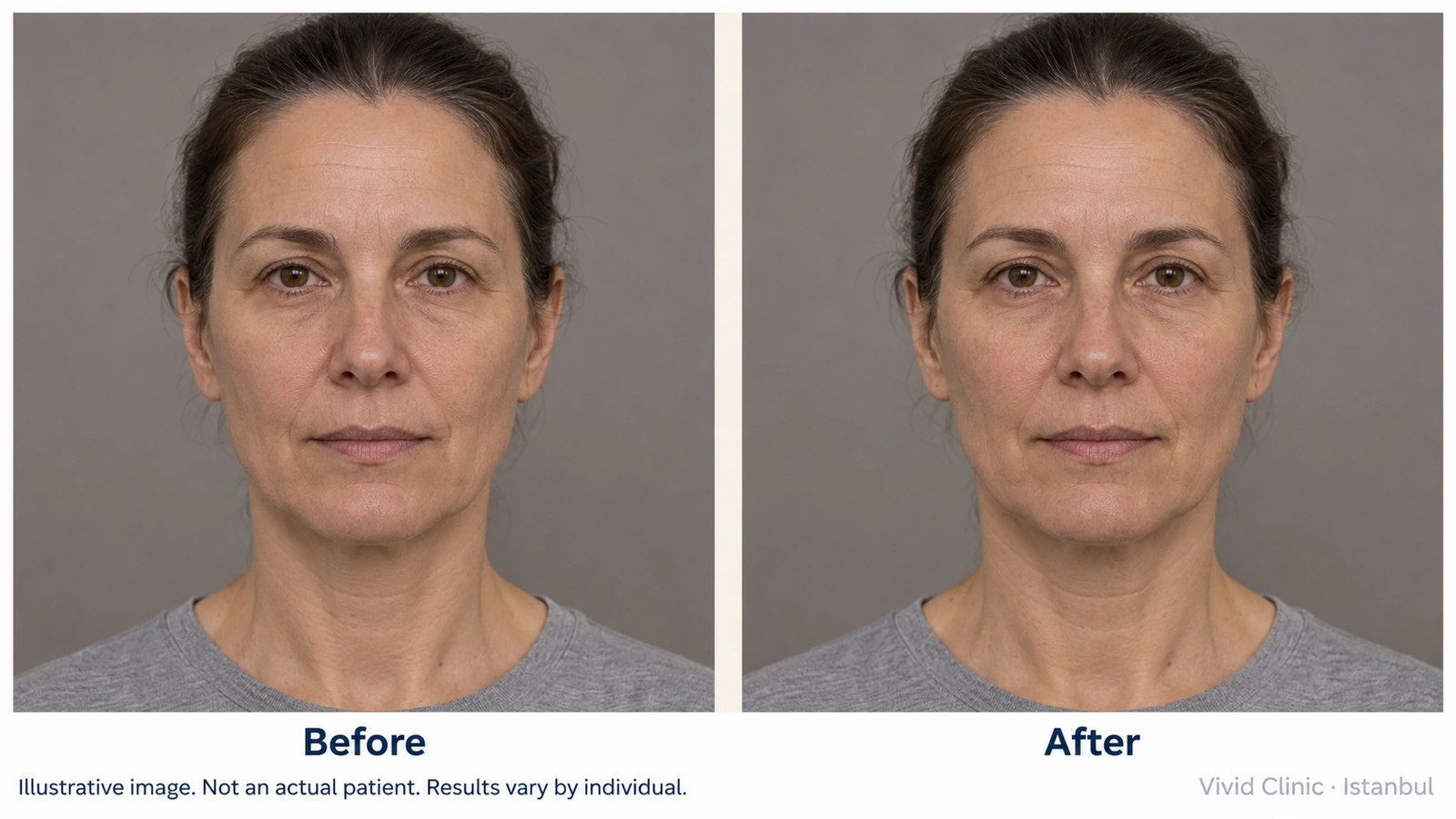
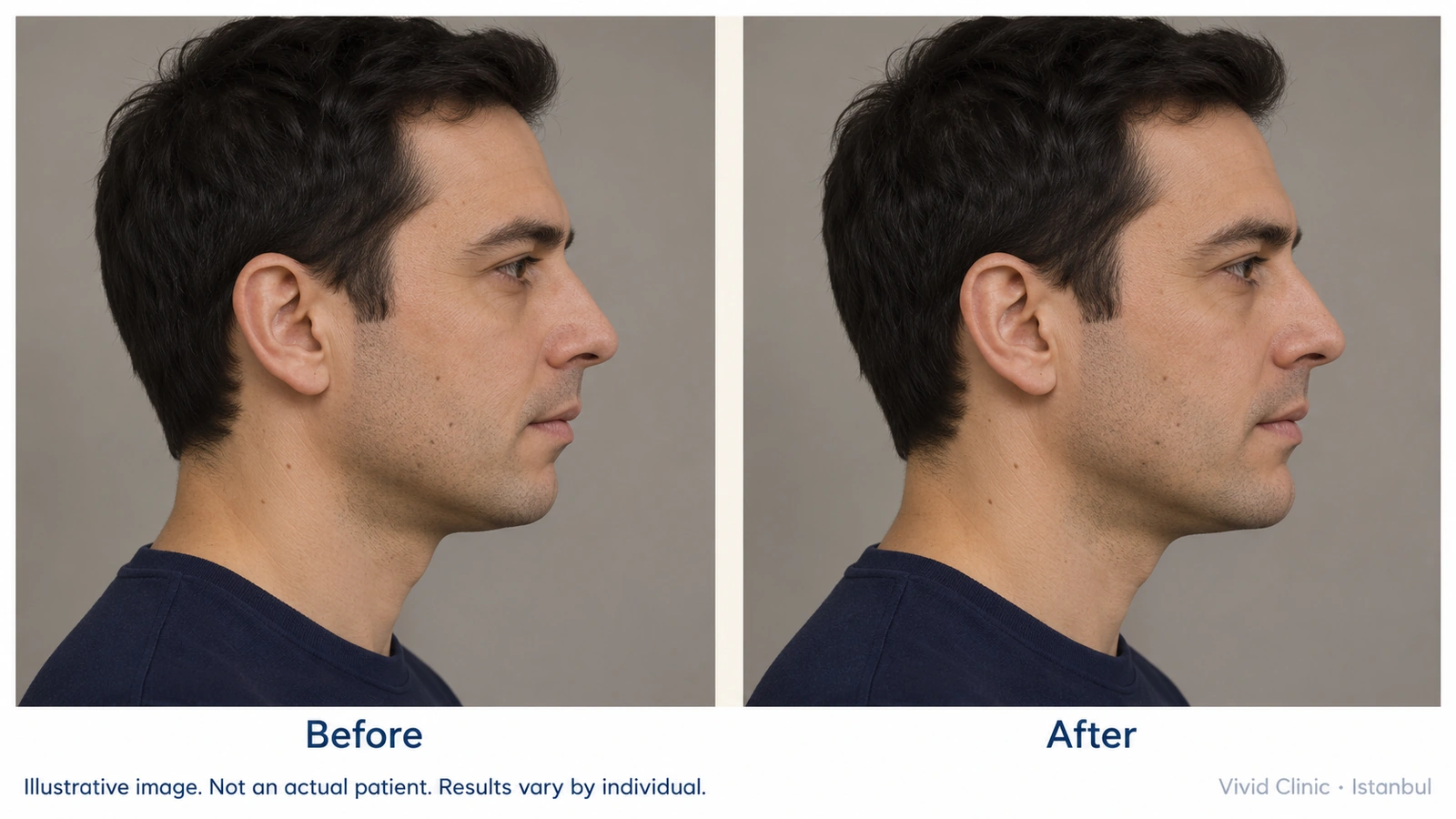
The photos below show real Vivid Clinic patients from the clinic’s own gallery, shared with consent as published on the clinic site. They show full-face contouring filler and surgical facial rejuvenation cases, not treatments specifically for an oval face, and results vary by anatomy, healing and treatment plan.
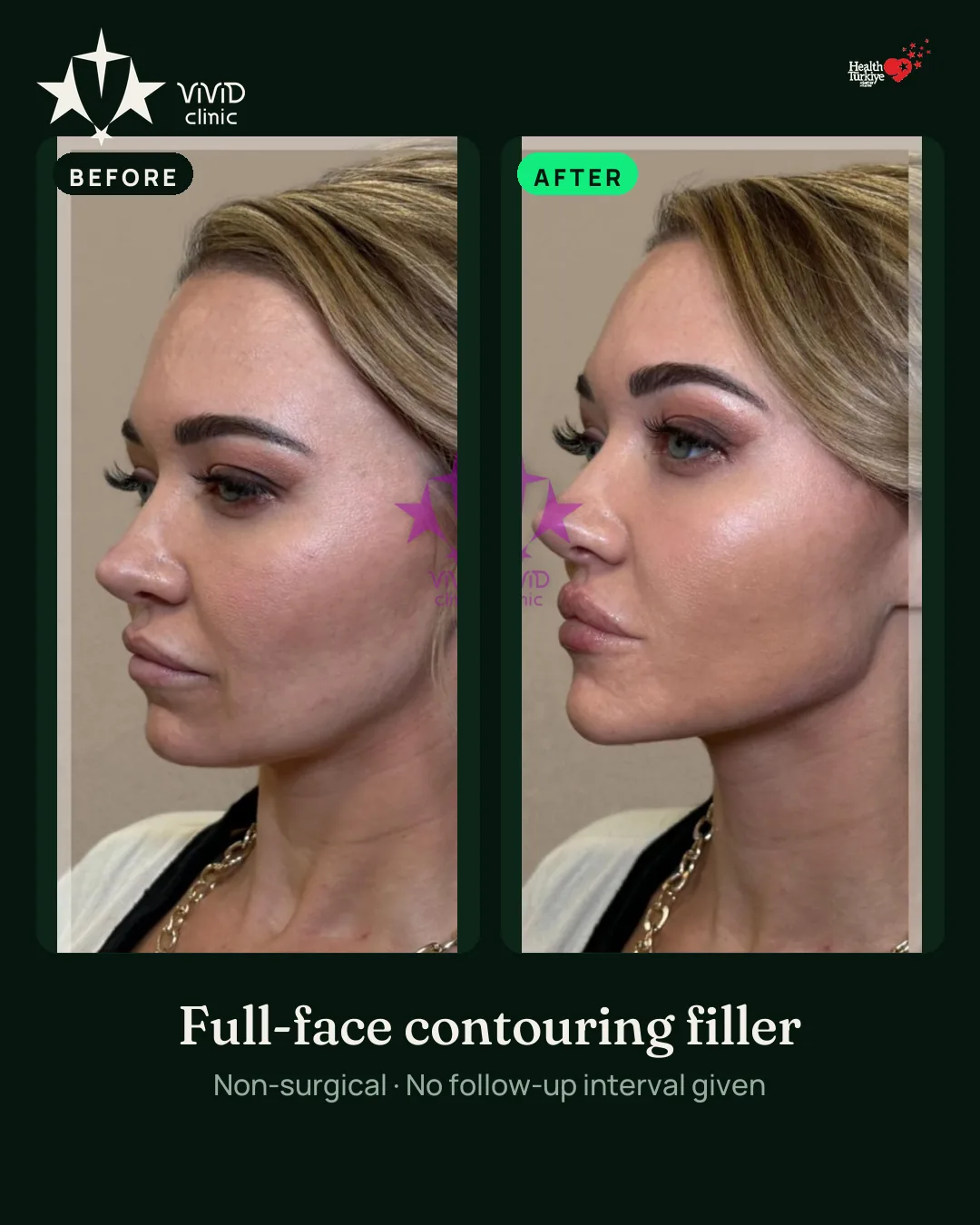
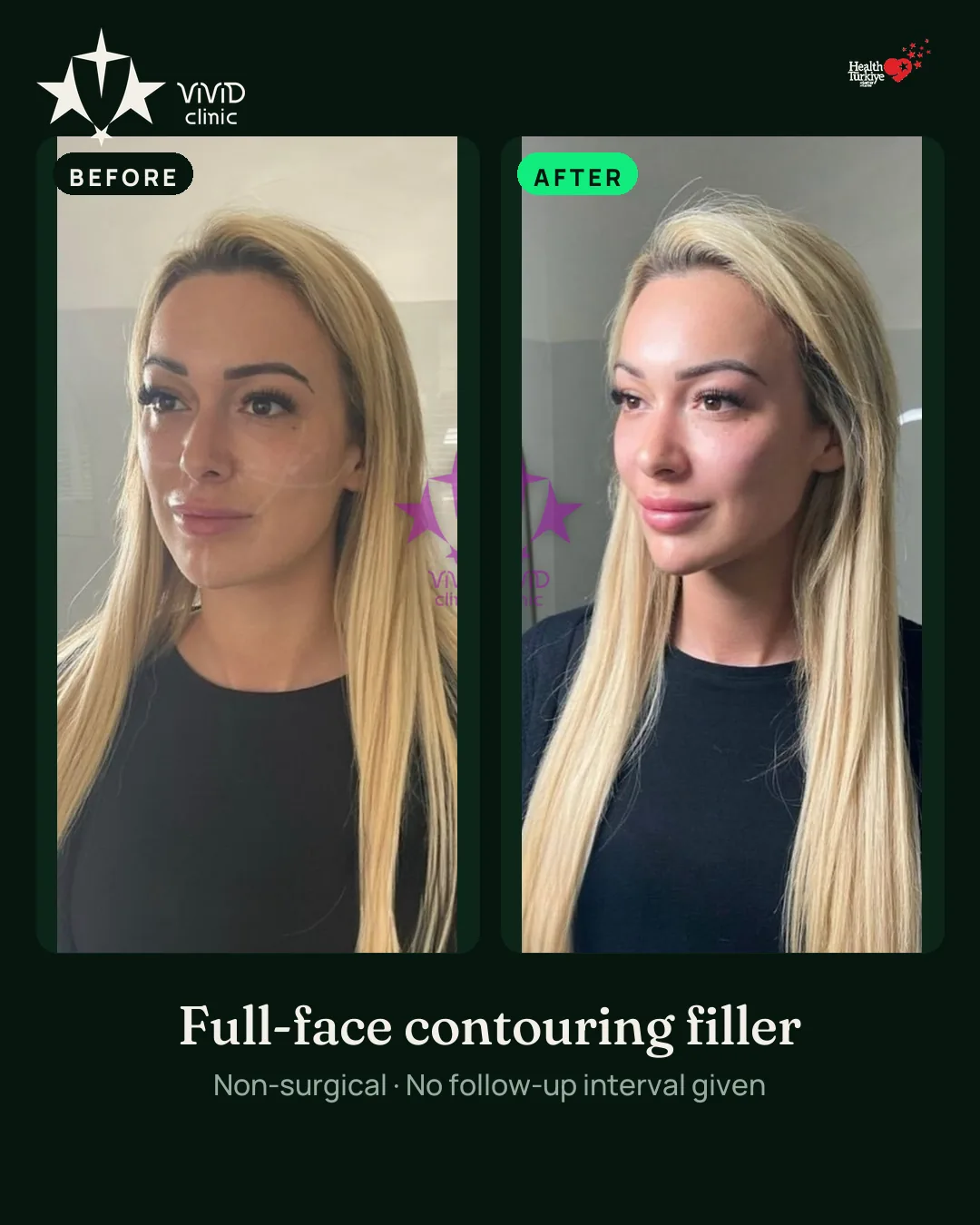
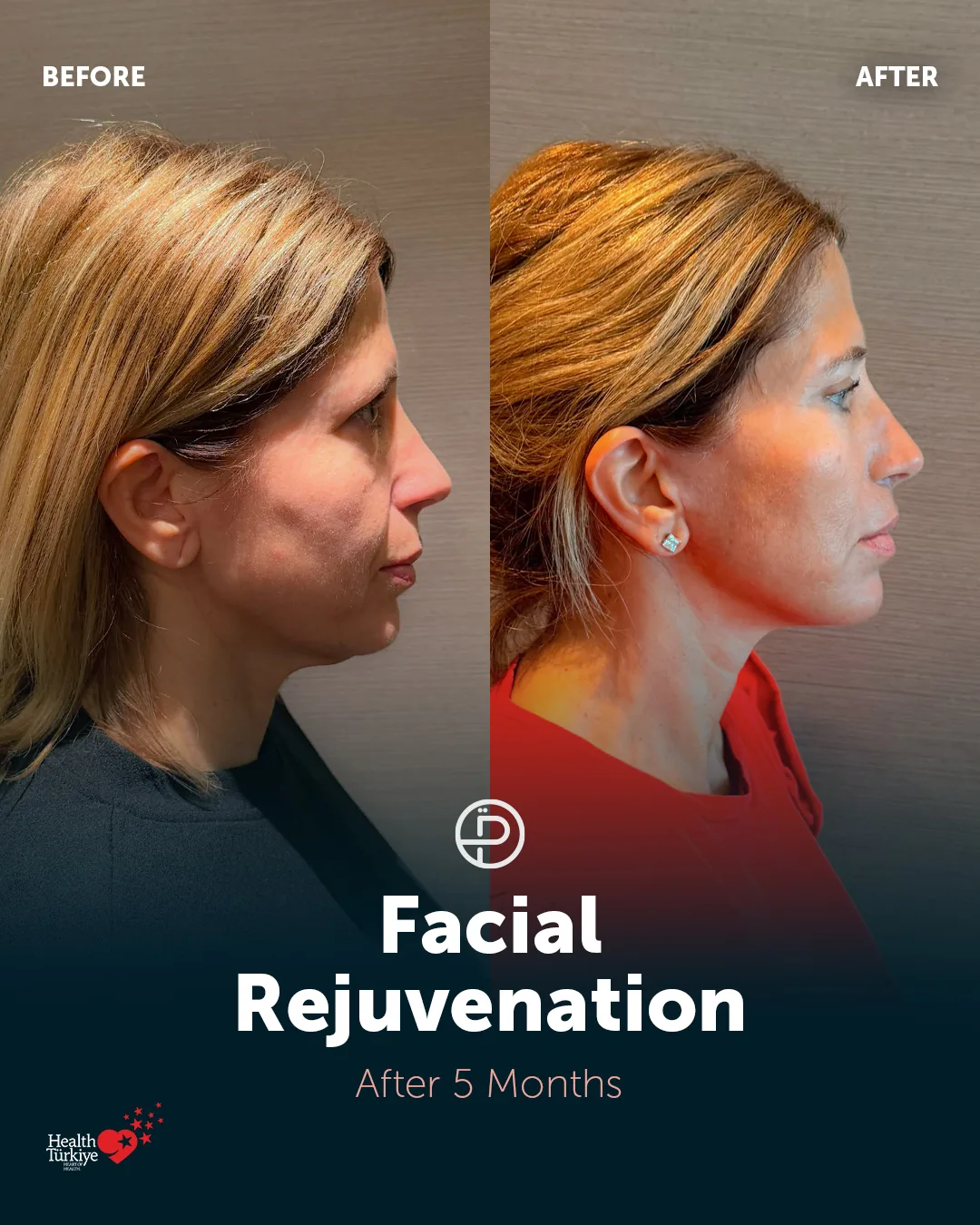
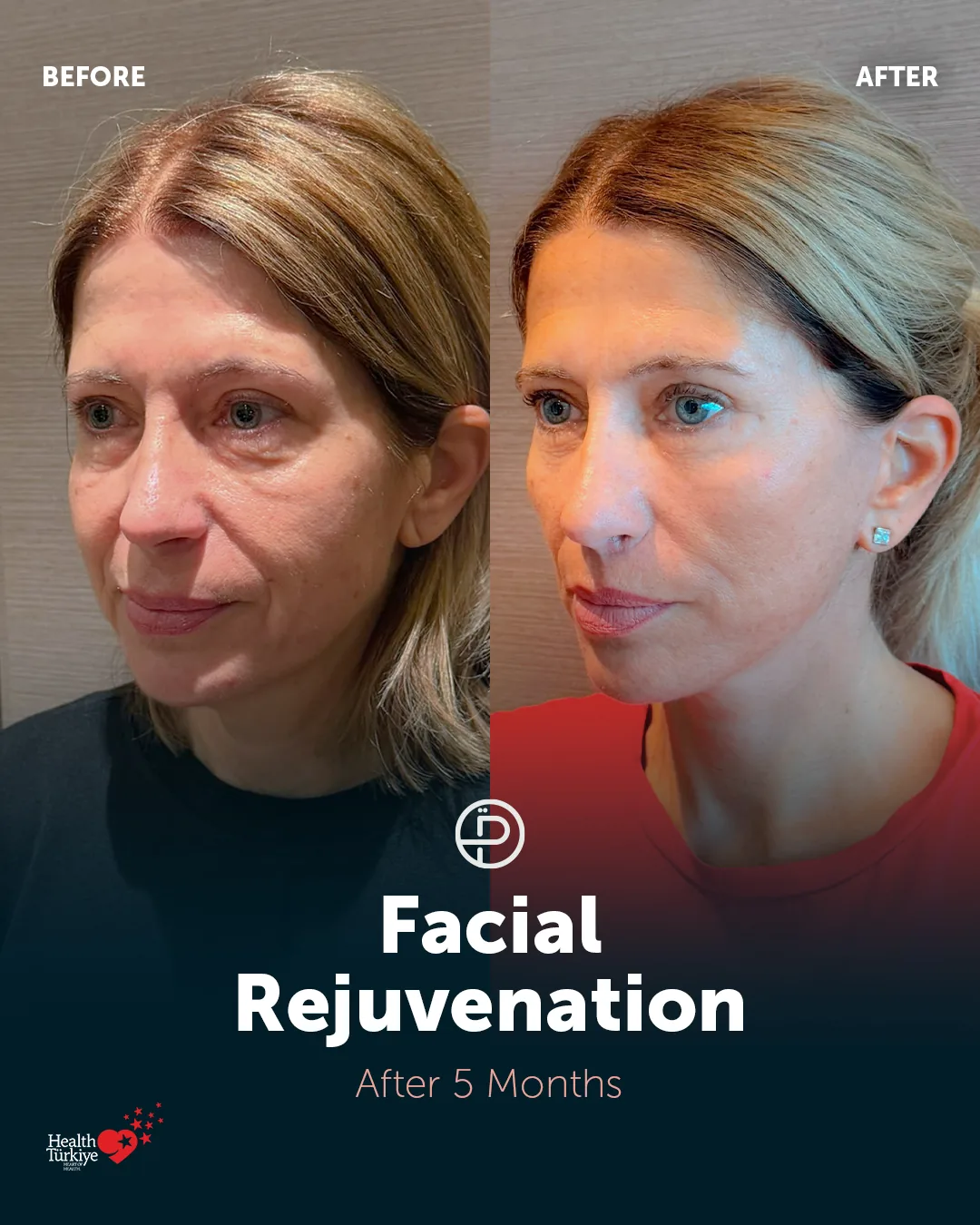
You can explore more cases in the full Vivid Clinic before and after gallery. To discuss your own goals, ask for a free quote and the team will arrange your consultation.
This article is for general information and does not replace a personal medical consultation. Suitability, risks, recovery and expected results should always be discussed with a qualified medical professional. Results vary by individual.